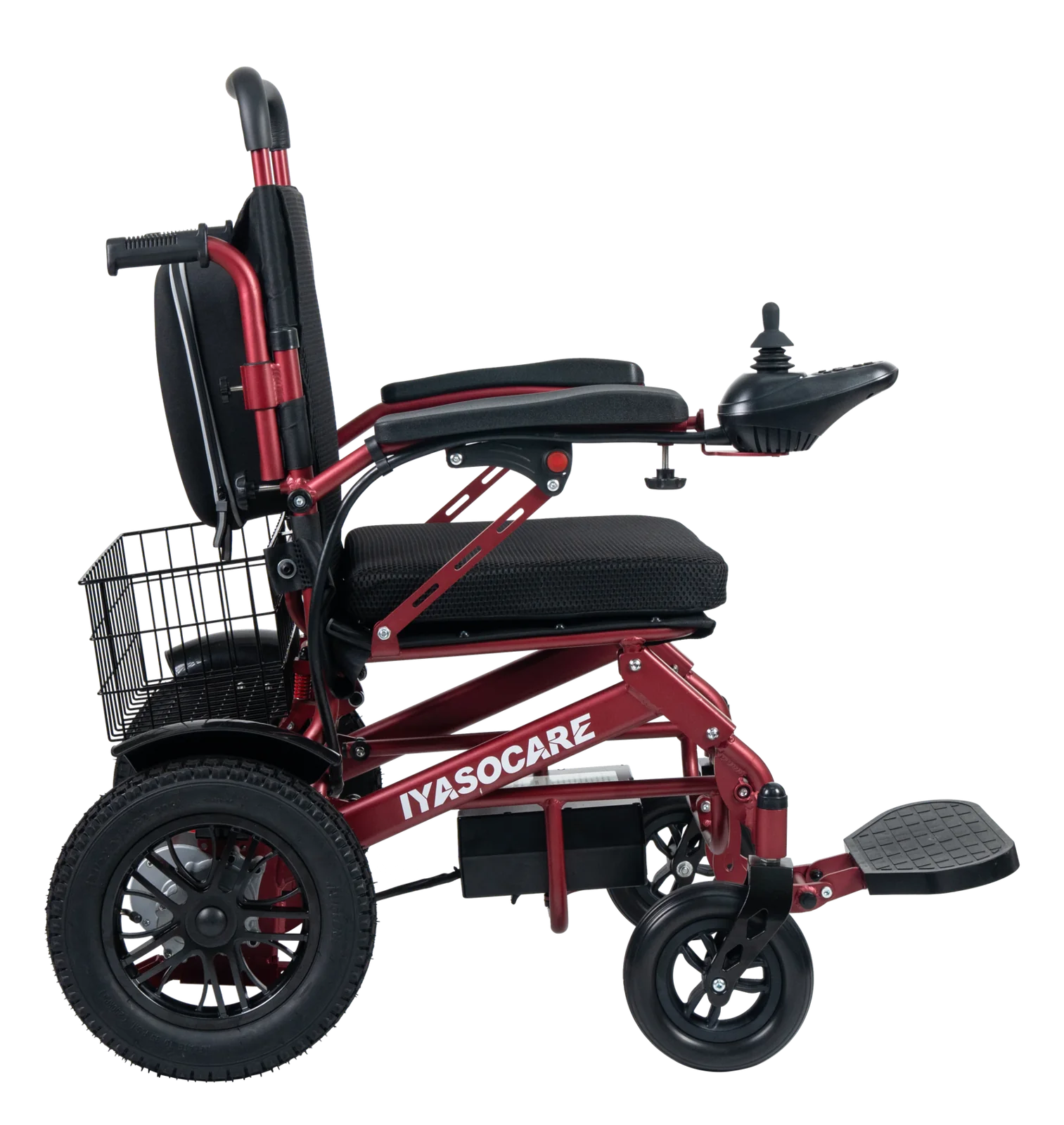
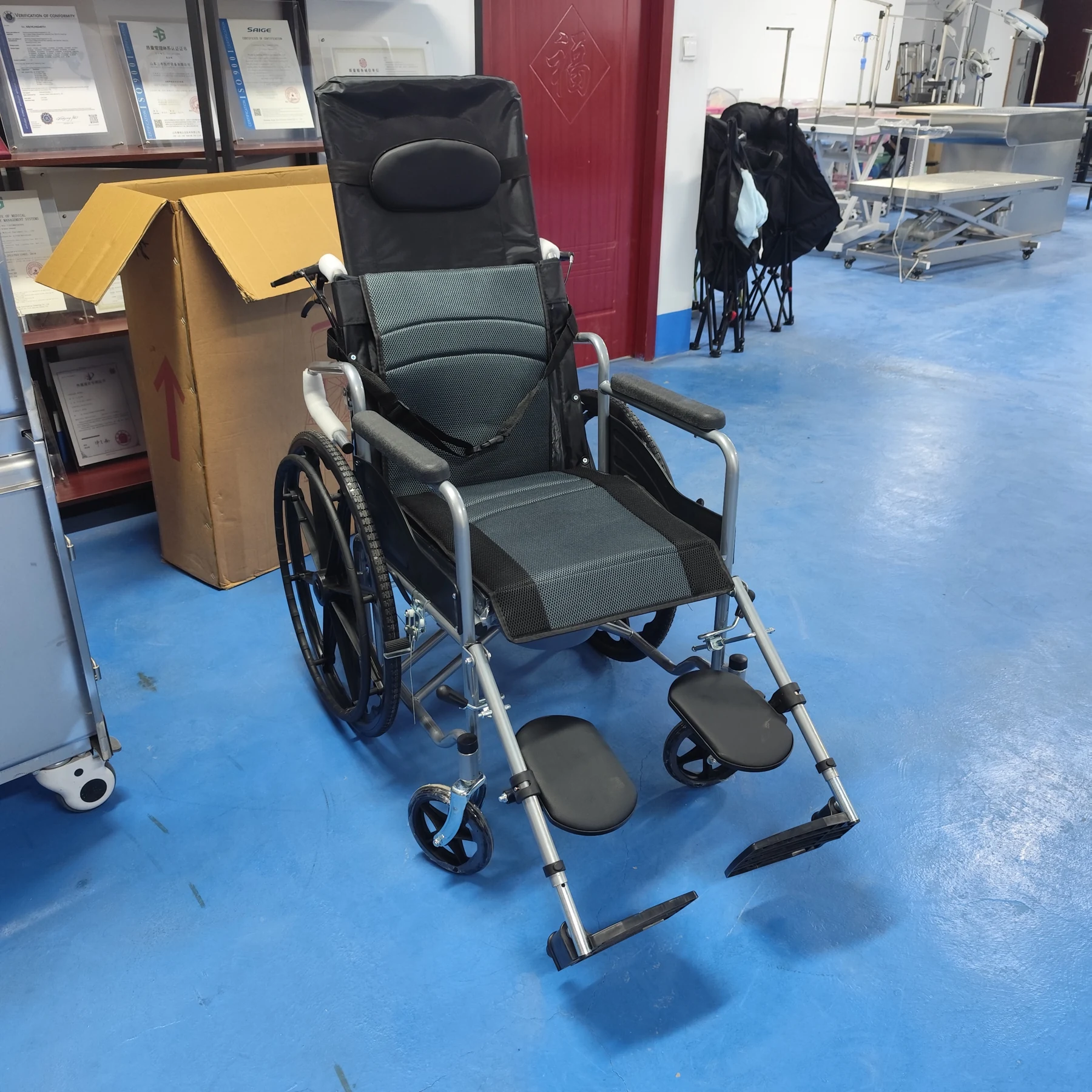
Someone asks for the footrest length, and two people write down two different numbers. One measured the person's lower leg; the other measured from the seat pan down to the foot support. Both numbers can be useful, but only if the label says which one it is.
Name the measurement first, then take the number. Lower-leg body length and the seat-pan-to-foot-support distance on a configured chair are separate measurements with separate reference points. A wheelchair footrest length measurement only becomes comparable when the record states the start point, end point, posture, cushion, and footwear, and leaves the fitting decision to a seating professional.
Wheelchair footrest length measurement: Name the measurement before taking a number
The phrase "wheelchair footrest length measurement" gets used for at least two different tasks. In one, someone measures a part of the person's body, usually the lower leg, as background information for a seating review. In the other, someone measures the chair itself, from the seat surface down to the foot support, to describe how the equipment is currently set up. These tasks answer different questions, and a number from one cannot simply stand in for the other.
This distinction matters because the two numbers respond to different changes. A body measurement describes the person at a moment in time, in a stated posture. A chair measurement describes a configuration: a particular seat pan, a particular cushion, a particular footrest hanger and footplate, and a particular set of adjustments. Change the cushion and the chair measurement can change without the person changing at all. Change the person's footwear and the same is true. If the record does not say which kind of measurement was taken, a later reader cannot tell whether a difference reflects the person, the equipment, or the way the tape was held.
For a US English reader working with a dealer, service team, or seating clinic, the practical fix is a labeling habit. Write the measurement name in full on every record, for example "lower-leg body measurement, right side" or "seat pan to foot support, left footplate, with cushion and shoes." Add the date and the person who took it. That small amount of context prevents the most common confusion, which is not a bad tape reading but an unlabeled one.
There is also a vocabulary problem worth naming. In everyday speech, "footrest length" can mean the length of the hanger, the height of the footplate above the floor, or the distance from the seat to where the feet rest. Each of those is a real thing someone might want to know, and each has a different start and end point. When a dealer, a clinic, and a user all say "footrest length" while picturing three different spans, the numbers will disagree even if every tape reading was careful. Writing the two endpoints in words removes that ambiguity faster than any explanation after the fact.
This article does not recommend a target number, a subtraction rule, or an adjustment procedure. Individual fitting decisions belong with a qualified seating professional who can see the person, the chair, and the intended use together. What this article can do is help you organize the record so that conversation starts from clear, comparable information.
Record the reference points
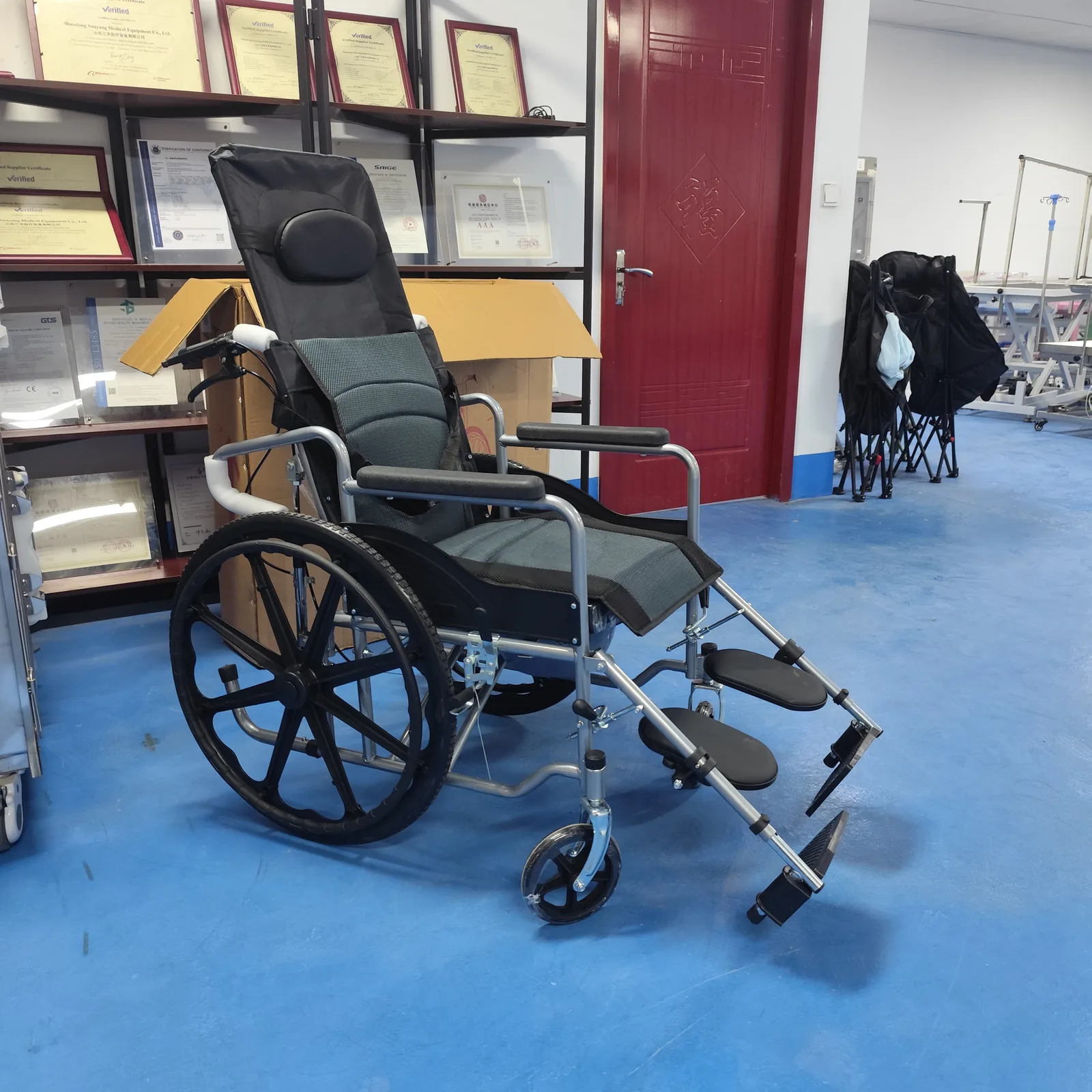
A measurement is only as useful as its description. Two records that both say "lower leg: 40" tell a later reader almost nothing, because the start point, end point, posture, and conditions are all missing. Before taking any number, decide and write down five things: what is being measured, where the tape starts, where it ends, how the person or chair is positioned, and what cushion and footwear are in place. The two subsections below show why each measurement needs its own version of that list.
Different manuals and guides define their reference points in their own words. That is not a flaw to be smoothed over; it is a reason to keep the source attached to the number. If a guide says to measure from a named landmark on the body and another describes a distance on the chair, mixing the two definitions produces a figure that matches neither. Copy the definition you used, or at least note which document it came from, so the next person can check it rather than guess.
Units deserve the same care. A record that says "40" without saying centimeters or inches is ambiguous, and a mixed record is worse: one entry in centimeters and the next in inches can look like a large change when nothing on the chair moved. Pick one unit for the whole sheet, write it in the header, and convert only when you are deliberately restating someone else's figure. The same applies to how the tape was held: a soft tape following a curve and a rigid rule held straight can give slightly different readings on the same span, so note the tool if the record will be compared over time.
Lower-leg body measurement
A lower-leg body measurement is taken on the person, not on the chair. The NSW Agency for Clinical Innovation spinal seating module, listed in the references for this article, treats specific body measurements as inputs to a seating review and notes that cushions and shoes affect what those measurements mean in practice. The exact landmarks and posture should come from the guide you are following, because a body measurement taken sitting differs from one taken lying down, and knee position changes the result.
Record the side measured, the posture, whether footwear was worn, and any support the leg was resting on. If the person cannot hold a position, say so rather than forcing a number. A record that reads "right lower leg, seated, shoes on, foot supported on a block, position held briefly" is far more useful than a bare figure, even if the figure is approximate.
Seat pan to foot support
A seat pan to foot support measurement is taken on the chair. Enable, through the measuring tip PDF listed in the references, provides a named example of this measurement, which is exactly why the source name belongs in your record: the definition is theirs, and it should not be blended with a body measurement or with a different manual's wording.
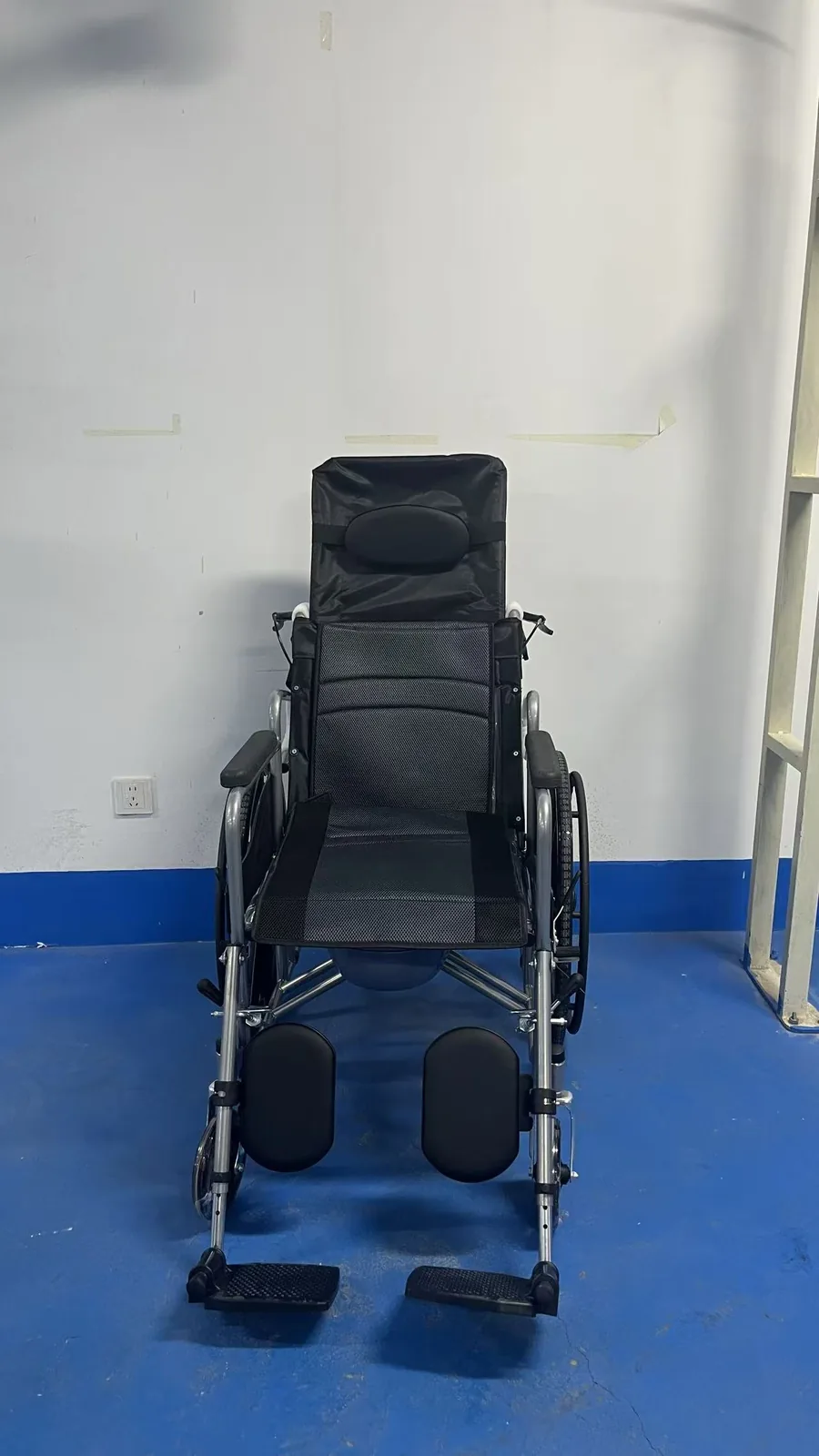
For this measurement, record the seat surface actually in use, including the cushion, and the foot support surface actually in use, including any pad or cover. Note the footrest hanger position if it is adjustable, and whether the footplates were loaded or unloaded when measured. A chair measurement taken with the cushion removed describes a different configuration from one taken with it in place, and both can be correct as long as the label says which.
| Record field | Lower-leg body measurement | Seat pan to foot support |
|---|---|---|
| What is measured | Part of the person's leg | Distance on the configured chair |
| Start point | Body landmark named in the guide used | Seat surface in use |
| End point | Body landmark named in the guide used | Foot support surface in use |
| Posture | Stated sitting or lying position | Chair set up as used, hanger position noted |
| Cushion | Not applicable to the body point, but note what the person sat on | Record type and whether compressed or removed |
| Footwear | Record shoes, socks, or bare foot | Record any footwear worn during the chair check |
| Source definition | Name the guide and version | Name the guide and version |
Account for cushion and chair configuration
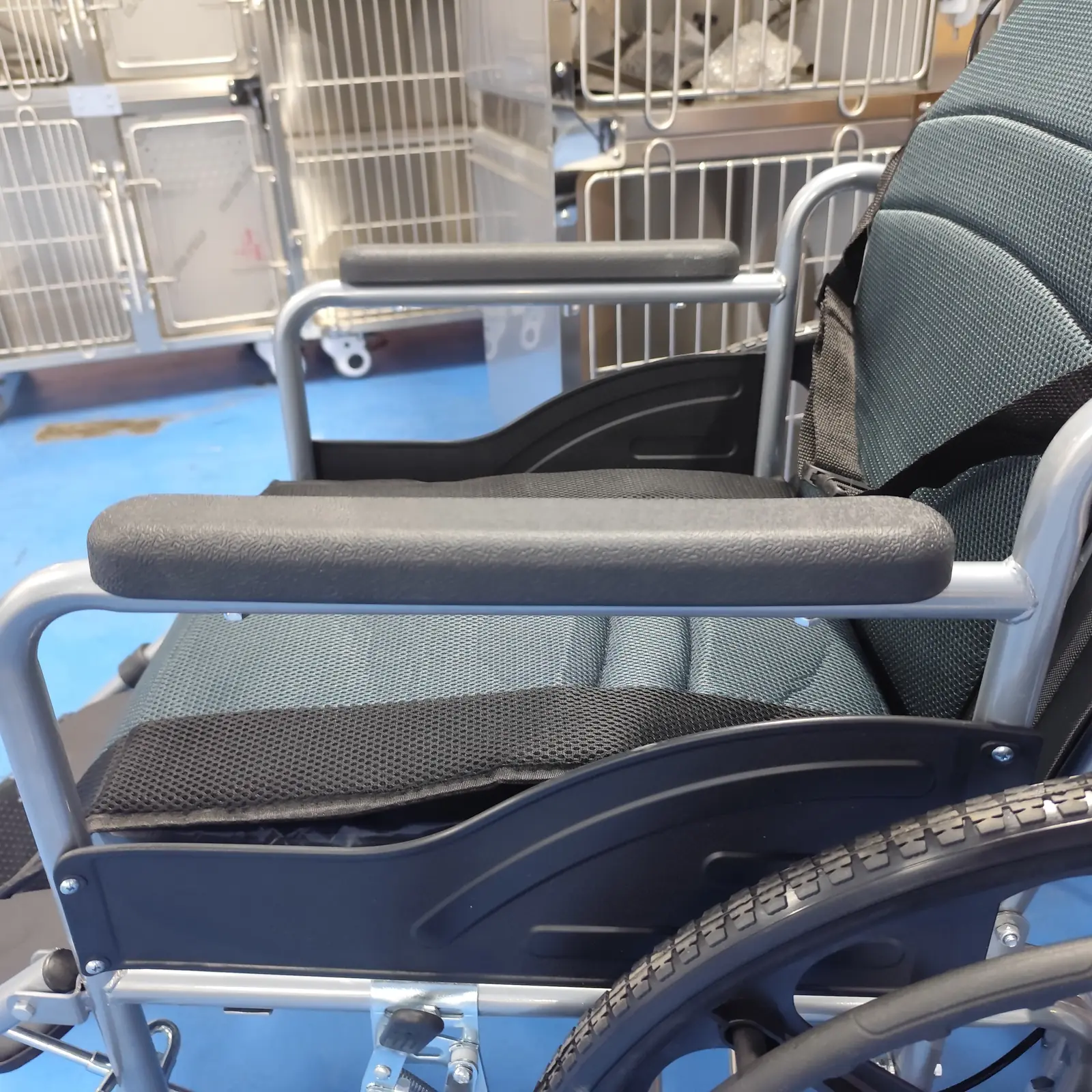
A cushion is not a neutral layer. It has a shape, a thickness, and a tendency to compress under load, and the ACI module notes that cushions and shoes influence body measurements used in seating. That means a seat-to-foot-support figure taken on an uncushioned pan describes a chair that nobody is actually sitting on. If the cushion is part of the setup, it belongs in the record, along with whether it had settled under the person's weight when the tape was read.
Compression is easy to overlook because it happens gradually. A cushion that was fresh when the chair was configured may sit lower after months of daily use, and a replacement cushion of the same nominal type may not compress the same way. Neither change alters the person's leg, but both can shift the distance between the seat surface and the foot support. Recording the cushion model, its condition, and whether the reading was taken before or after the person settled into it gives a later reader a way to judge whether two figures are genuinely comparable.
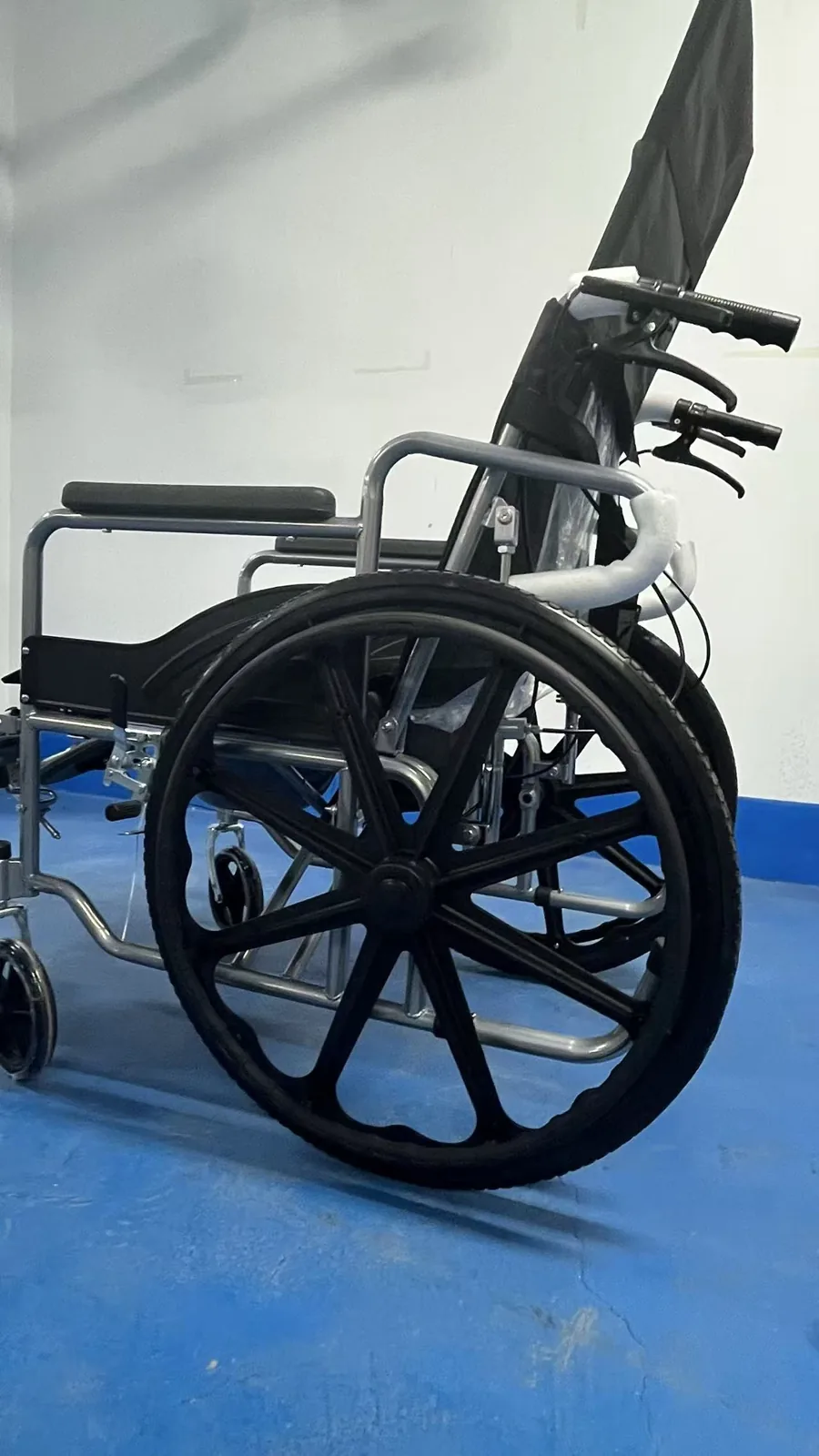
Footrest structure adds a second set of variables. Hangers differ in how they attach and adjust, footplates differ in angle and surface, and some configurations include pads or covers. A measurement taken to the top of a footplate is not automatically the same as one taken to the surface a foot rests on if a cover sits between them. None of this argues for one configuration over another; it argues for describing the configuration you measured. The related WCF article on wheelchair footrest types, fit, and function is useful for naming the parts correctly when you write the record, so a service team and a seating team describe the same component.
Chair configuration also changes over time. A footrest hanger may be swapped, a cushion replaced, or a footplate angle altered during service. A measurement record without a date and a configuration note cannot be compared with a later one. When you repeat a measurement, repeat the whole description, not just the number, and note what changed since the last record. That practice turns a single figure into a short history that a professional can actually use.
Finally, keep the person and the equipment separate in your notes even when they are measured on the same day. A cushion change may alter the chair measurement while the body measurement stays the same, and a change in footwear may affect both. Writing them as two labeled records, rather than one combined note, keeps that distinction visible.
Compare two named reference guides
The two sources named in this article's reference list do different jobs, and comparing them is more useful than treating either as a universal rule. The ACI spinal seating module addresses specific body measurements as part of a seating review and flags the influence of cushions and shoes. The Enable measuring tip addresses a seat pan to foot support measurement on the chair. Read together, they support the article's central distinction: one describes the person, the other describes the equipment.
| Source | Scope as described | What it supports in a record | What it does not settle |
|---|---|---|---|
| NSW Agency for Clinical Innovation, spinal seating module, specific body measurements | Body measurements for a seating review; notes cushion and shoe influence | Naming body reference points and recording conditions | A chair's seat-to-foot-support distance |
| Enable, wheelchair measuring tip: seat pan to foot support | A named seat pan to foot support measurement | Naming the chair-side reference points | An individual's body measurement or fitting decision |
What this comparison does not give you is a number to aim for. Neither source, as described here, supplies a universal ground-clearance figure or a subtraction rule that applies to every chair. Ground clearance depends on the chair, the footrest configuration, the intended terrain, and the operator's or clinician's judgment; a single rule copied across models would misdescribe most of them. If someone offers you a fixed offset to subtract, ask which document it comes from and which chair it was written for.
The difference in scope also explains why the two guides can seem to disagree without actually conflicting. A body measurement guide is written to help a clinician interpret a person; a chair measurement tip is written to describe equipment. Neither is trying to answer the other's question, so a figure drawn from one should not be used to fill a blank in the other's form. When a form asks for a chair dimension, answer it from the chair-side source; when it asks for a body dimension, answer it from the body-side source and note the conditions.
A practical way to use both guides is to keep one record sheet with two clearly separated blocks, one headed with the body-measurement source and one headed with the chair-measurement source. Fill in the definition each time rather than relying on memory. When the two blocks sit side by side, it becomes obvious which questions each one answers and which decisions still need a professional.
Bring the record to a seating professional
A well-kept record changes the shape of a seating appointment. Instead of starting from "the footrest feels wrong," the conversation can start from named measurements, a dated configuration, and a short list of what is uncertain. That is the point of the exercise: not to reach a conclusion yourself, but to hand over information that a qualified professional can interpret alongside the person's own goals and the chair's documentation.
Before the appointment, assemble the equipment details. Write down the chair's make and model as marked on the frame or documentation, the footrest hanger and footplate type if known, the cushion model, and the date of the last service or configuration change. Add the version or date of any measuring guide you followed, because a guide can be revised and a definition can move. If you used a dealer's or clinic's own form, note that too. The related WCF article on wheelchair seat depth measurement follows the same principle for a different dimension and can help keep the body-measurement side of the record consistent.
Then list the open questions plainly. Examples include: whether the current foot support position matches the intended setup, whether the cushion in the record is the one in daily use, whether footwear varies enough to matter, and whether the footrest hardware has any adjustment left. Do not answer these yourself in the record; mark them as questions. A short, honest uncertainty list is more valuable than a confident guess, and it directs the professional's attention to the decisions that actually need making.
It also helps to say what the person wants from the setup, in their own words, without translating it into a measurement. Comments such as comfort during long sitting, ease of getting close to a table, or the ability to change position during the day are goals a professional can weigh alongside the numbers. A record that contains only figures can push the conversation toward matching a dimension, while a record that also states the purpose keeps the discussion anchored to how the chair is actually used.
Finally, keep the record with the chair rather than only with the person. Service teams, rental providers, and clinics all benefit from a configuration history that travels with the equipment. Wheelchairs Factory publishes practical articles on footrest types and measurement topics for readers organizing this kind of information; individual fitting decisions remain with the qualified professionals involved.
FAQ
Is lower leg length the same as footrest length?
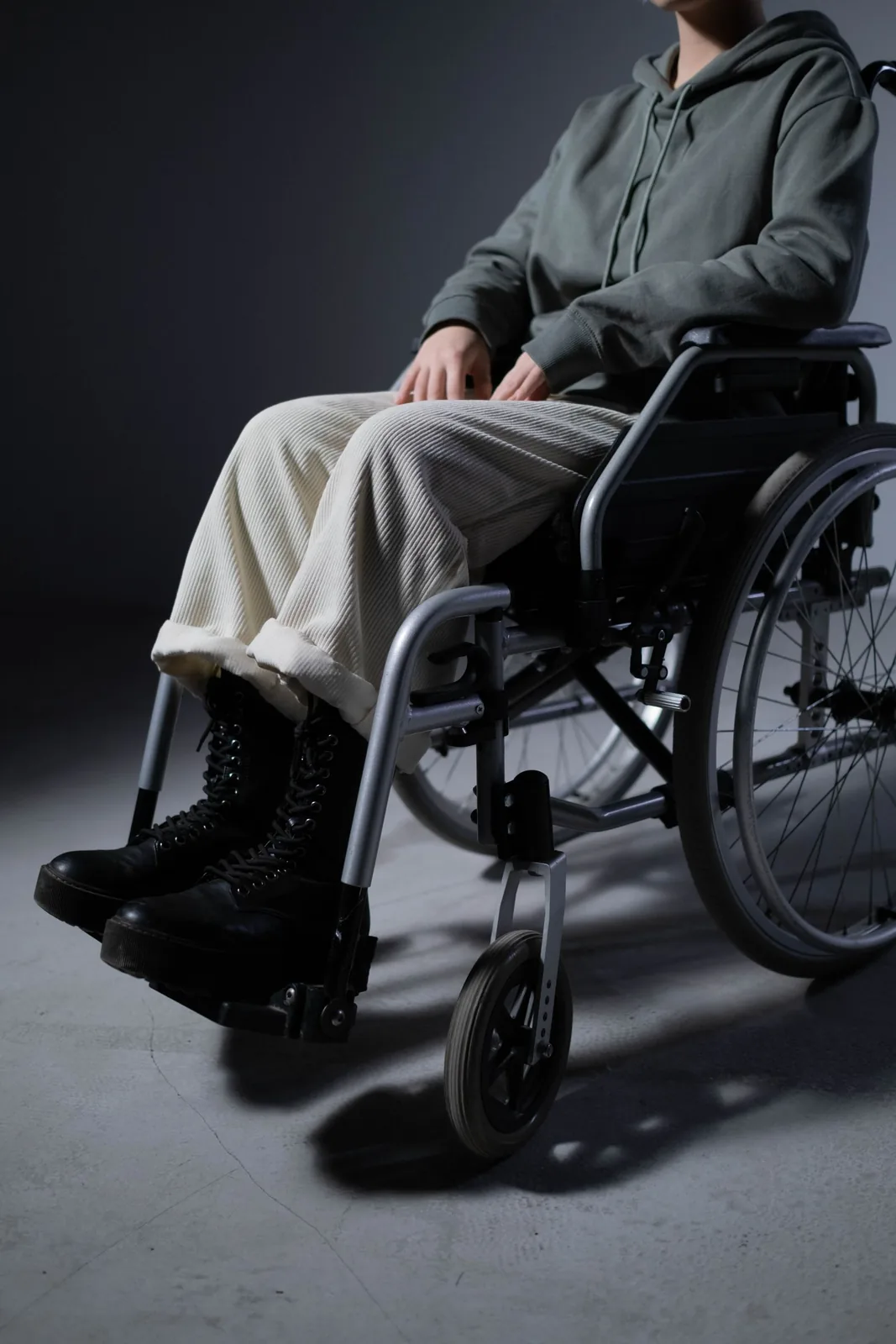
No. Lower leg length is a body measurement taken on the person. Footrest length, when it means the seat pan to foot support distance, is a measurement on the configured chair. They use different reference points and should be labeled separately in any record.
Should the cushion and shoes be recorded?
Yes. The ACI module notes that cushions and shoes affect body measurements used in seating, and a chair measurement changes if the cushion is removed or replaced. Record the cushion type, whether it was compressed, and the footwear worn, or state clearly that none was worn.
Can one ground-clearance rule fit every wheelchair?
No single figure applies across chairs. Ground clearance depends on the chair, the footrest configuration, the intended use, and the judgment of the clinician or operator involved. Confirm the requirement for the specific chair and situation rather than copying a number from another model or guide.
Conclusion
Name the measurement, record both reference points, and note the cushion, shoes, and chair configuration. Hand that record to a seating professional for the fitting decision.
Video: How Your Power Wheelchair Can Be Adjusted