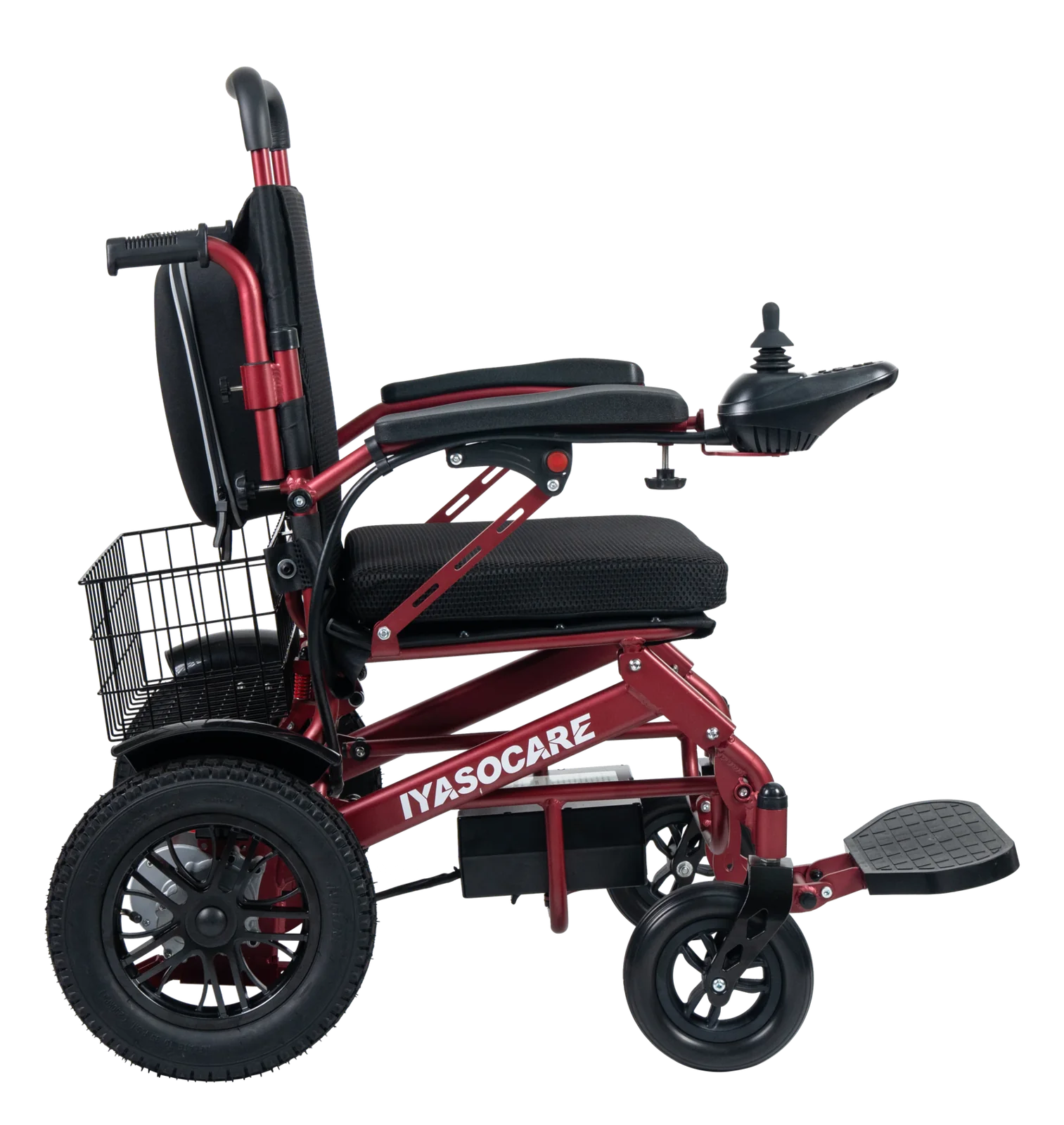
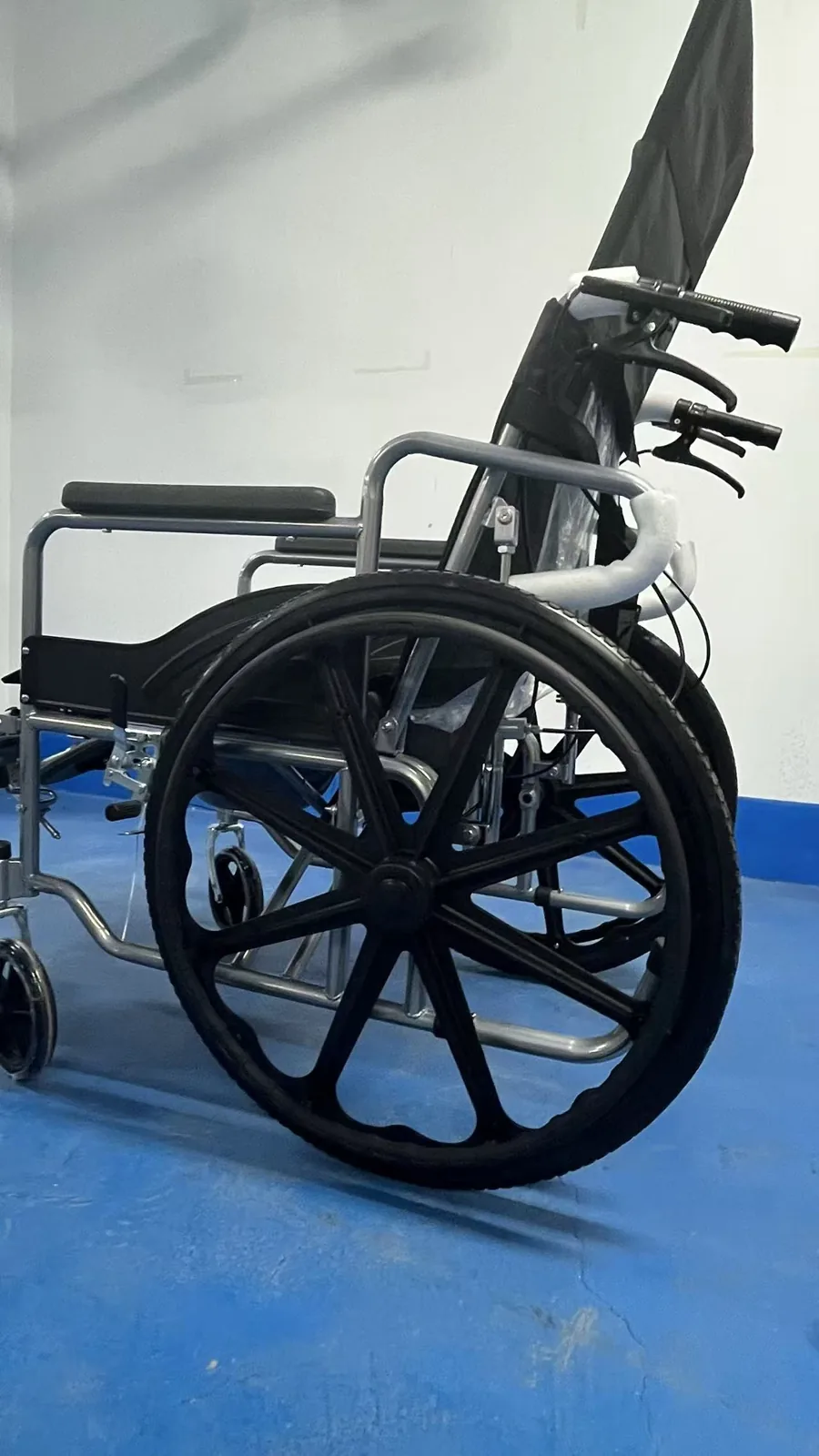
A backrest with visible straps can look like a simple design choice until you need to replace a cover, hand a chair to a service team, or explain what was changed. The useful question is not only whether the tension can be adjusted, but which parts move, which document covers them, and who confirms the setting.
A wheelchair adjustable tension backrest uses separate straps or bands behind a flexible back cover, so tension can be changed without changing backrest height. Check the exact model, the strap-and-cover arrangement, the chair interface, and the manual revision before adjusting or handing over the chair.
Wheelchair adjustable tension backrest: What adjustable tension describes
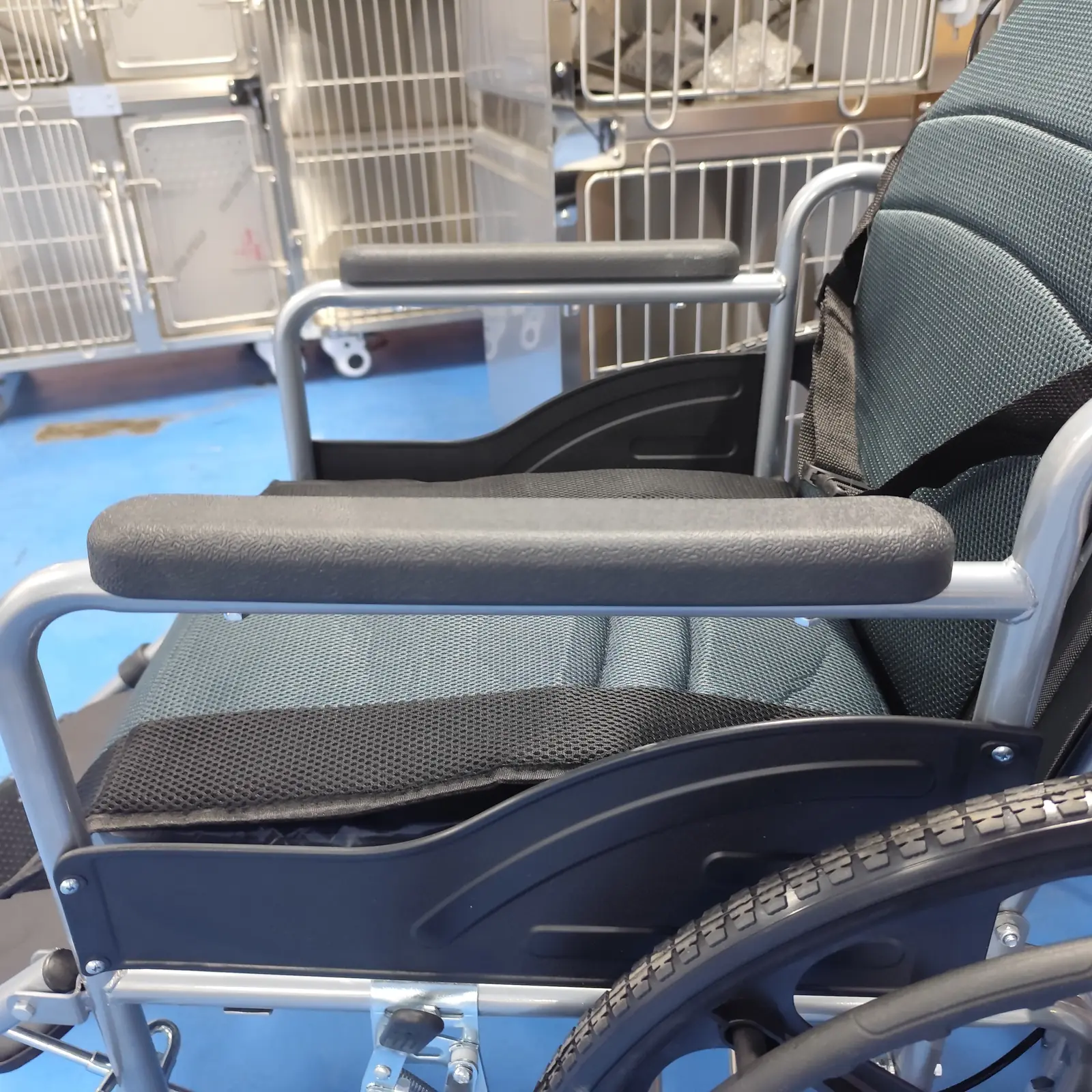
In this construction, the back support surface is not a single rigid shell. A flexible cover sits in front of a set of straps or bands, and the straps can be tightened or loosened to change how firm or yielding that surface feels. The adjustment acts on the upholstery structure, not on the frame height. That distinction matters because a chair can offer tension adjustment while its back height stays fixed, and a chair can offer height adjustment without any separate tension straps.
Future Mobility's product page for its Prism adjustable-tension back describes a design built around adjustable tension, and the page is a product description for that named item rather than a general rule for all backrests. The Invacare Pronto M41 series user manual is a model-specific document covering a powered wheelchair range; where it addresses a tension backrest, that information belongs to that manual and that model series. Neither source should be read as a statement about a different chair, a different brand, or a backrest you have not identified.
Tension is also not the same as contour, padding, or postural support. A cover over straps may feel firmer when tightened, but the amount of firmness that suits a person is a support decision, not a maintenance default. For a dealer's after-sales staff, the practical value of the term is narrower: it tells you that the back surface has components that can be changed independently, and that a replacement cover or strap set may not be interchangeable with a sling back or a rigid shell. Record the term as a construction description, then confirm the actual parts against the model's documentation before ordering or altering anything.
When you first look at a chair, separate three questions. Is the back surface flexible or rigid? Are there distinct straps behind the cover, or is the cover a single panel? Does the manual for this exact model describe tension adjustment at all? A yes to the first two does not answer the third, and the third is the one that governs what a service team can safely do. A chair can also carry a flexible sling back with no separate straps at all, which is why the visual check and the document check have to agree before anyone treats the backrest as tension-adjustable.
Identify straps, cover and chair interface
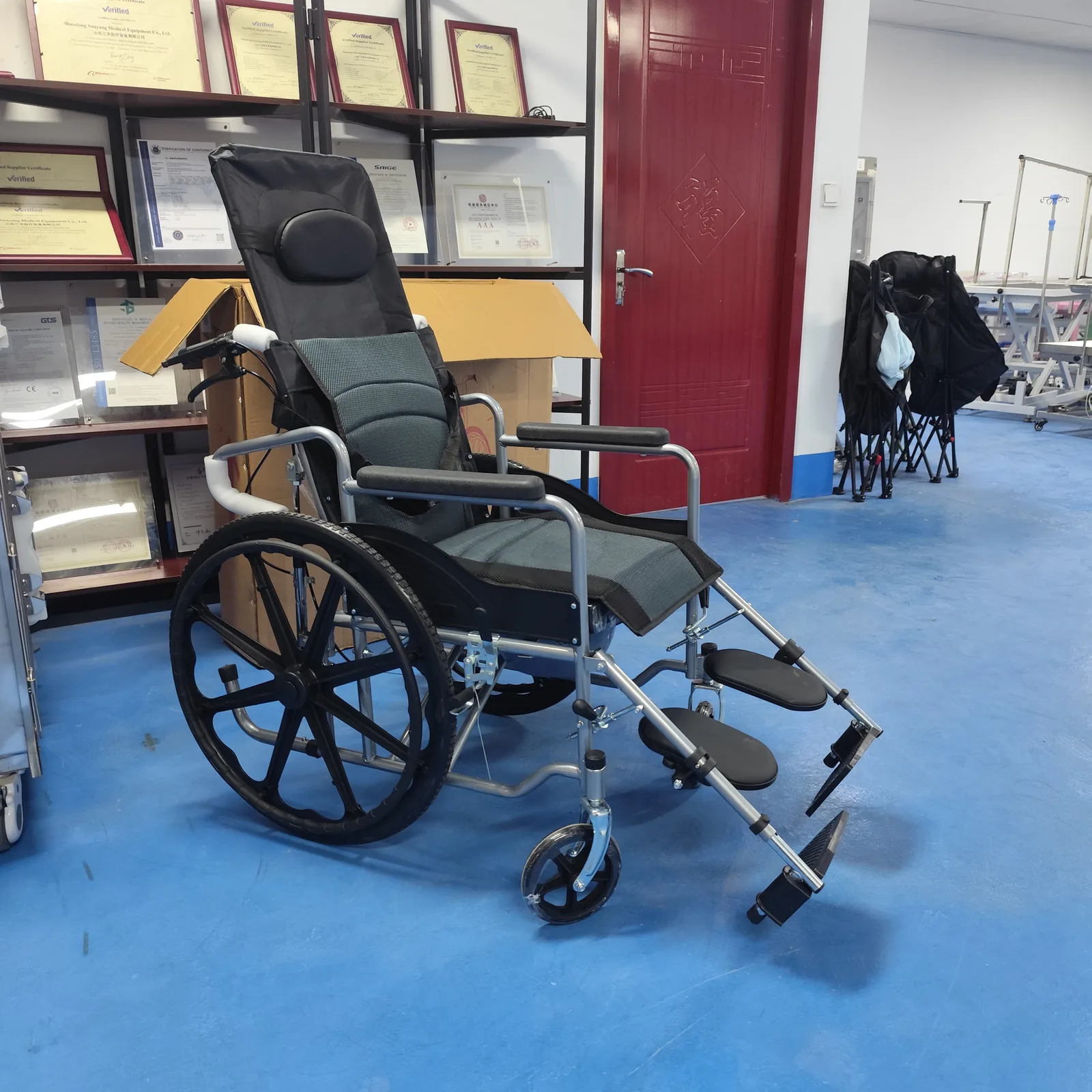
Before any adjustment conversation, identify what is actually on the chair. Three layers are easy to blur together: the straps at the back, the cover or cushion that the user contacts, and the interface that attaches the backrest assembly to the chair frame. A photograph of the front of the backrest shows the cover; it does not show the straps, the mounting hardware, or whether the assembly is original to the chair.
Tension straps and cover
Look at the rear of the backrest and note whether the straps are individual bands running across the back, a laced arrangement, or part of a fixed panel. Note how the cover attaches, whether it wraps around the straps, and whether any cushion sits between the user and the straps. Record the condition you observe: a strap that is frayed, a cover that has torn at a fixing point, or hardware that is loose is a service question, not something to resolve by tightening something else. The Future Mobility Prism page describes its own strap-and-cover arrangement; that description should not be used to predict how another chair's straps are routed or how many there are.
Configuration and support review
The interface is where identification most often fails. The same backrest style can be fitted to different chairs with different brackets, and a backrest removed from one chair may not fit another even when the strap layout looks similar. Write down the chair model, the backrest model if it is marked, any visible part numbers, and the document version you are using. If the chair carries a serial number, record it. If the backrest has no label, say so rather than guessing from appearance. The Invacare Pronto M41 manual is tied to that series and its own revision; a page from it does not authorize work on a different chair, and a later manual revision may differ from the copy on hand.
A short identification sheet keeps this manageable:
| What to record | Why it matters | If unknown |
|---|---|---|
| Chair make and exact model | Ties the backrest to the correct manual | Ask the dealer or check the frame label |
| Backrest model or part marking | Distinguishes this assembly from similar-looking ones | Photograph all labels and note their absence |
| Strap arrangement (individual bands, laced, other) | Describes what can be adjusted and what a replacement must match | Describe what is visible without naming a part number |
| Cover and cushion type | Separates the contact surface from the tension structure | Note whether a cushion sits over the straps |
| Mounting interface and hardware | Shows how the backrest attaches to this chair | Ask the service team to confirm compatibility |
| Manual title, revision and date | Prevents using instructions for another version | Request the current document for the exact model |
This sheet is not a substitute for the manufacturer's instructions. Its purpose is to make the handover specific enough that the next person does not have to re-identify the chair from scratch. It also separates observation from assumption: "cover replaced, strap count not recorded" is a usable note, while "standard tension back" is a guess that the next handler cannot check.
Compare two named examples
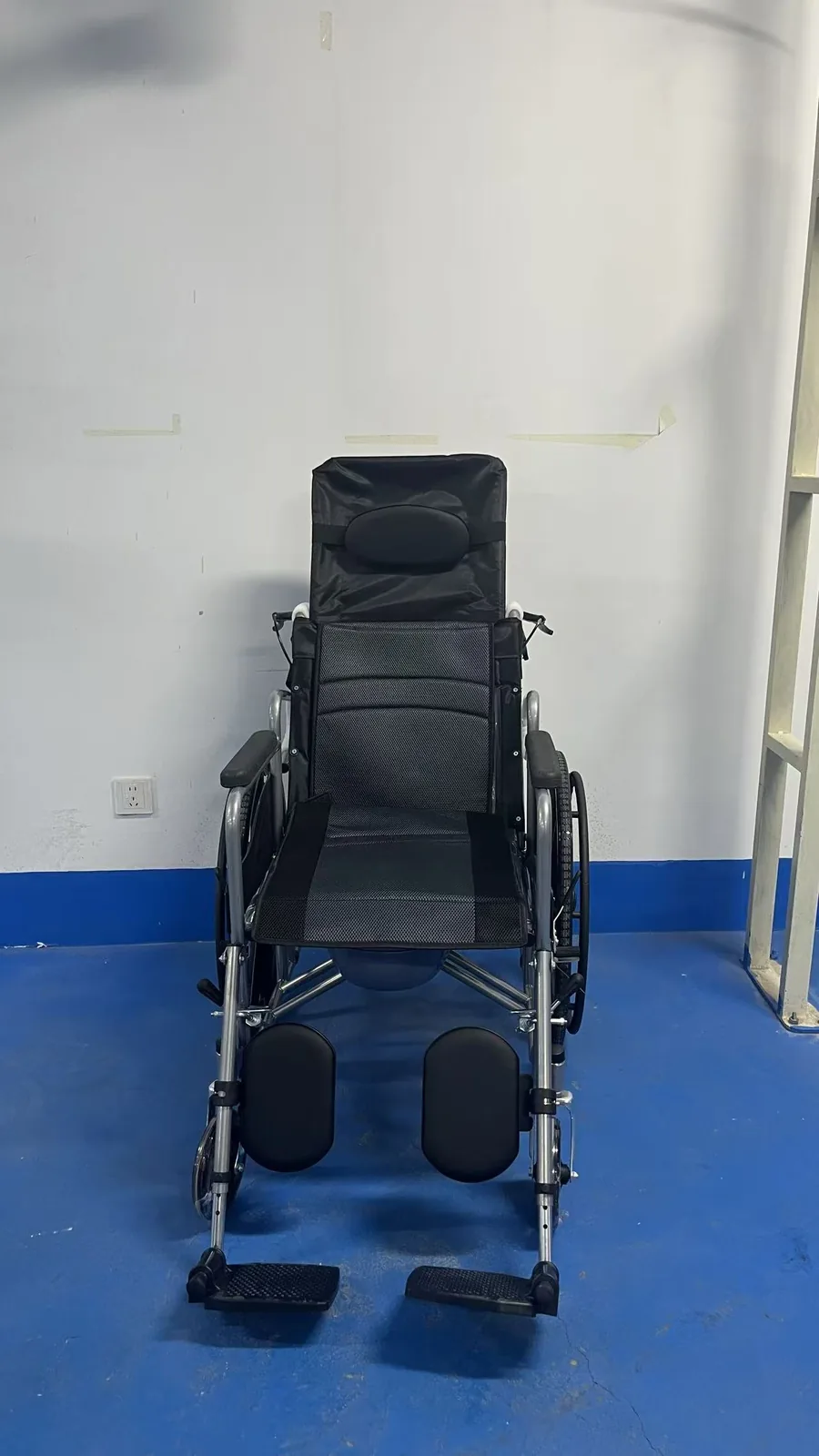
The two supplied sources illustrate different kinds of evidence, and comparing them is more useful than treating either as a template.
The Invacare Pronto M41 series user manual is a document for a named powered wheelchair series. Its value here is documentary: it shows how a manufacturer ties backrest information to a specific model range and a specific manual revision. If you are working on a Pronto M41, the manual is the reference point for what that chair's backrest involves. If you are working on any other chair, the manual tells you what kind of information to look for, not what your chair contains. A dealer's after-sales team should check the revision on the copy in use, because a manual that predates a design change may not describe the chair in front of them.
The Future Mobility Prism adjustable-tension back page is a product description for a named backrest. It explains that product's adjustable-tension construction and its materials. It is not a fitting guide for a different chair, and it does not establish that the same backrest can be mounted on an arbitrary frame. Read it as a description of one option in the market, useful for understanding what an adjustable-tension design can involve, while the mounting and compatibility questions remain with the chair and backrest documentation.
| Aspect | Invacare Pronto M41 manual | Future Mobility Prism product page |
|---|---|---|
| Type of source | Model-series user manual | Product description page |
| Scope | The named powered wheelchair series and its manual revision | The named adjustable-tension backrest |
| Useful for | Confirming what the manual covers for that chair | Understanding one adjustable-tension construction |
| Not evidence for | Other chairs, other backrests, or WCF products | Fit on a specific chair or a support prescription |
| Next step | Check the revision and the exact model | Confirm mounting and compatibility with the chair documentation |
Neither example supports a claim about Wheelchairs Factory products. They are reference points for how to read documentation, and the comparison shows why the source type matters: a manual answers questions about its own model, while a product page answers questions about its own product. Mixing the two is how a well-intentioned adjustment becomes an unsupported one. A practical test is to ask, for each statement you plan to act on, which of the two documents it came from and whether that document covers the chair in front of you. If the answer is unclear, the statement stays a question for the service team rather than a work instruction.
Discuss support needs with the seating team

Whether a backrest should be firmer or looser, and whether the current arrangement meets a person's support needs, is not a question a website or a parts list can settle. Tension changes how the back surface behaves, and the right setting depends on the individual, the seating system, and the purpose of the chair. That is a conversation for the person using the chair and the seating or clinical team involved in their support, using the instructions for the exact backrest.
For a wheelchair user, the practical point is that you do not have to decide alone. If a backrest feels different after a cover change, or if a strap has been altered during a repair, raise it with the team that knows your seating setup rather than experimenting until it feels acceptable. For dealer after-sales staff, the boundary is similar: you can identify the construction, document what you see, and confirm parts against the model's documentation, but the support setting itself belongs with the seating team and the manufacturer's instructions. The seat depth reference on this site explains a related measurement topic; it does not replace backrest documentation or an individual support review.
A useful way to frame the conversation is to bring the identification sheet, the manual revision, and a clear description of what changed and when. That gives the seating team the facts they need without asking them to reconstruct the chair from memory. It also keeps the decision with the people who are qualified to make it, rather than with whoever last tightened a strap. Where a chair is shared, as in a rental fleet or a clinic, the same approach helps: the record shows which backrest configuration each user received, and the seating team can decide whether a change is needed rather than the next handler improvising one.
Prepare a configuration handover
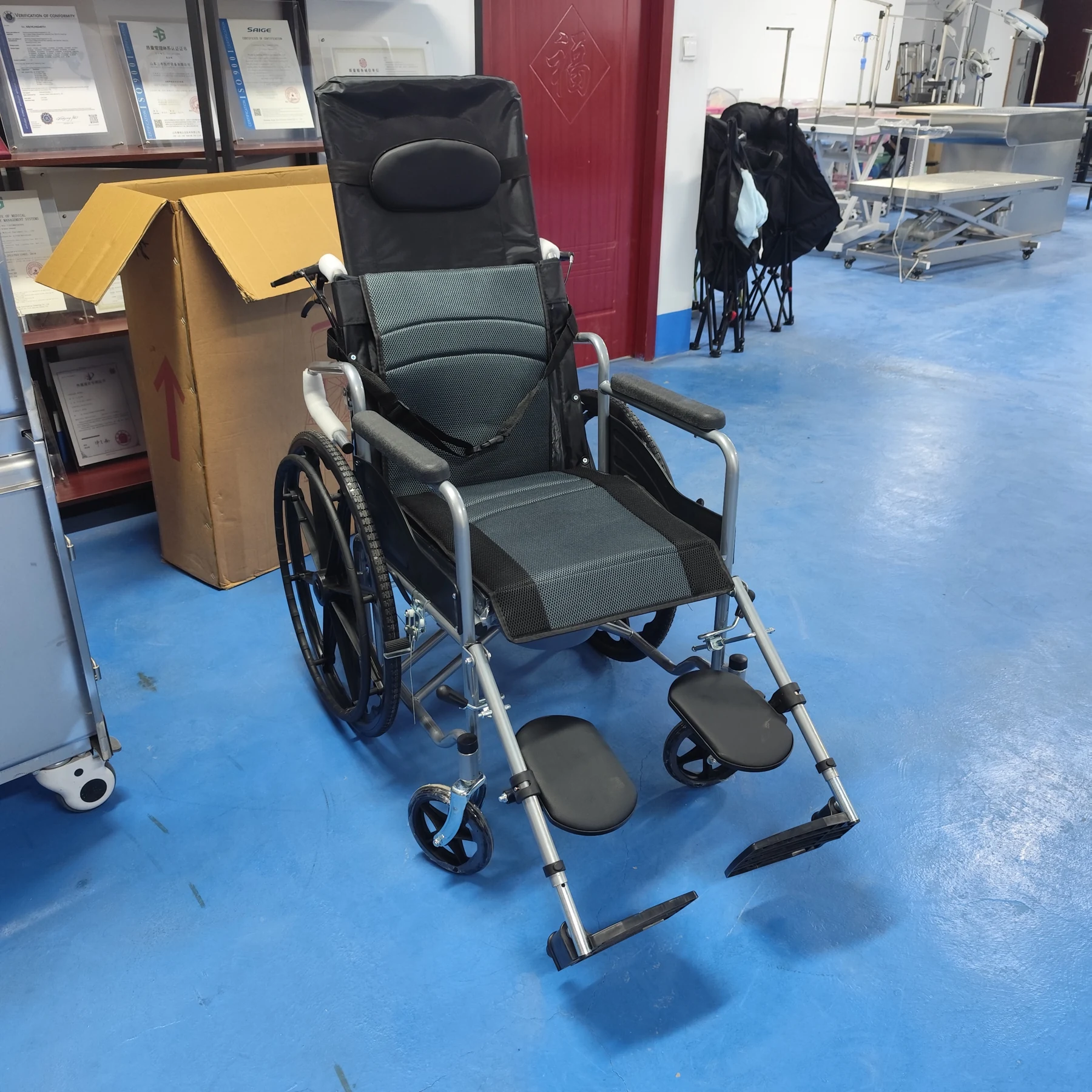
A handover is where adjustable-tension backrests most often lose their history. A chair moves from a user to a dealer, from a dealer to a service bench, or from one family member to another, and the details that matter are the ones nobody wrote down: which cover was fitted, whether the straps were changed, which manual was used, and what remains unconfirmed.
Build the handover around what is known and what is not. Known items include the chair model, the backrest marking if present, the strap and cover arrangement as observed, the manual title and revision, and any recent work with its date. Unknown items should be listed as questions rather than filled in by assumption: whether the backrest is original to the chair, whether a replacement cover matches the original specification, whether the mounting hardware has been substituted, and whether the current tension setting was confirmed by the seating team. A handover that says "tension back, setting unknown, confirm with seating team" is more useful than one that records a confident but unsourced answer.
Keep the record with the chair where practical, and give a copy to the person receiving it. For a dealer, a simple template with fields for model, backrest marking, document revision, observed condition, work performed, and open questions covers most situations without pretending to be a service manual. For a venue or rental fleet, the same fields let the next handler see whether a backrest has been altered. The aim is continuity, not bureaucracy: the next person should be able to tell what they are looking at and what still needs a decision. A handover that names the open questions also protects the person using the chair, because nobody downstream has to assume that an unrecorded change was approved.
FAQ
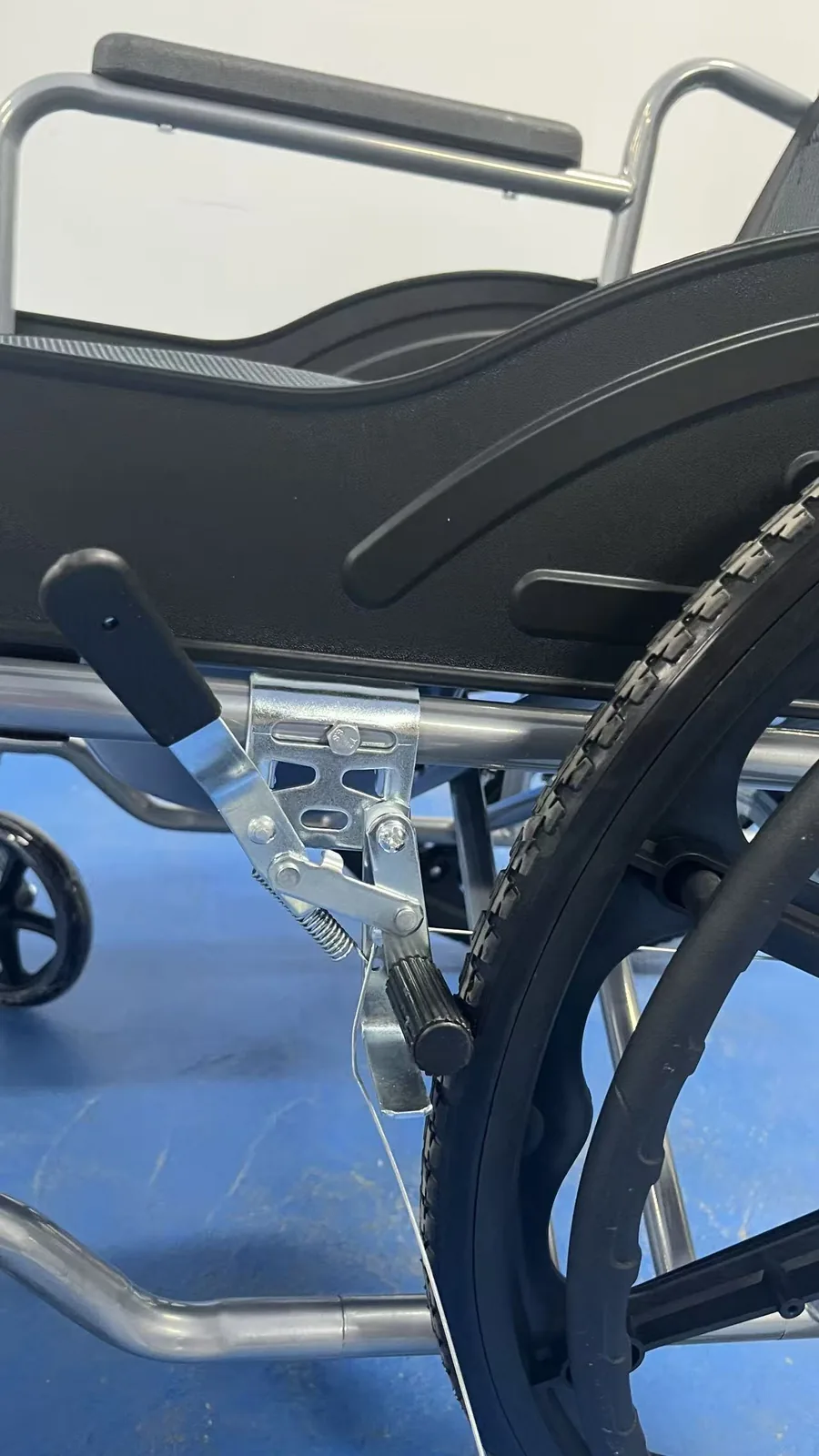
Is an adjustable-tension backrest the same as backrest height adjustment?
No. Tension adjustment changes how firm or yielding the flexible back surface is by altering the straps behind the cover. Backrest height adjustment changes the position of the backrest on the frame. A chair may offer one, both, or neither, and the exact model's documentation is what confirms which applies.
Does every wheelchair accept a tension-adjustable back?
No. Mounting interfaces differ between chairs, and a backrest designed for one frame may not fit another. Compatibility has to be confirmed from the chair and backrest documentation, not from a similar appearance or a shared category name.
Who should confirm the setting and fit?
The seating or clinical team involved in the person's support, working from the manufacturer's instructions for the exact backrest. Dealer after-sales staff can identify the construction and document it, but the support setting is not a generic maintenance default.
Conclusion

Identify the exact backrest, record its straps, cover and interface, and let the seating team confirm the setting before handover.
Video: How to Install Physipro's Premium Ajustable Tension Backrest