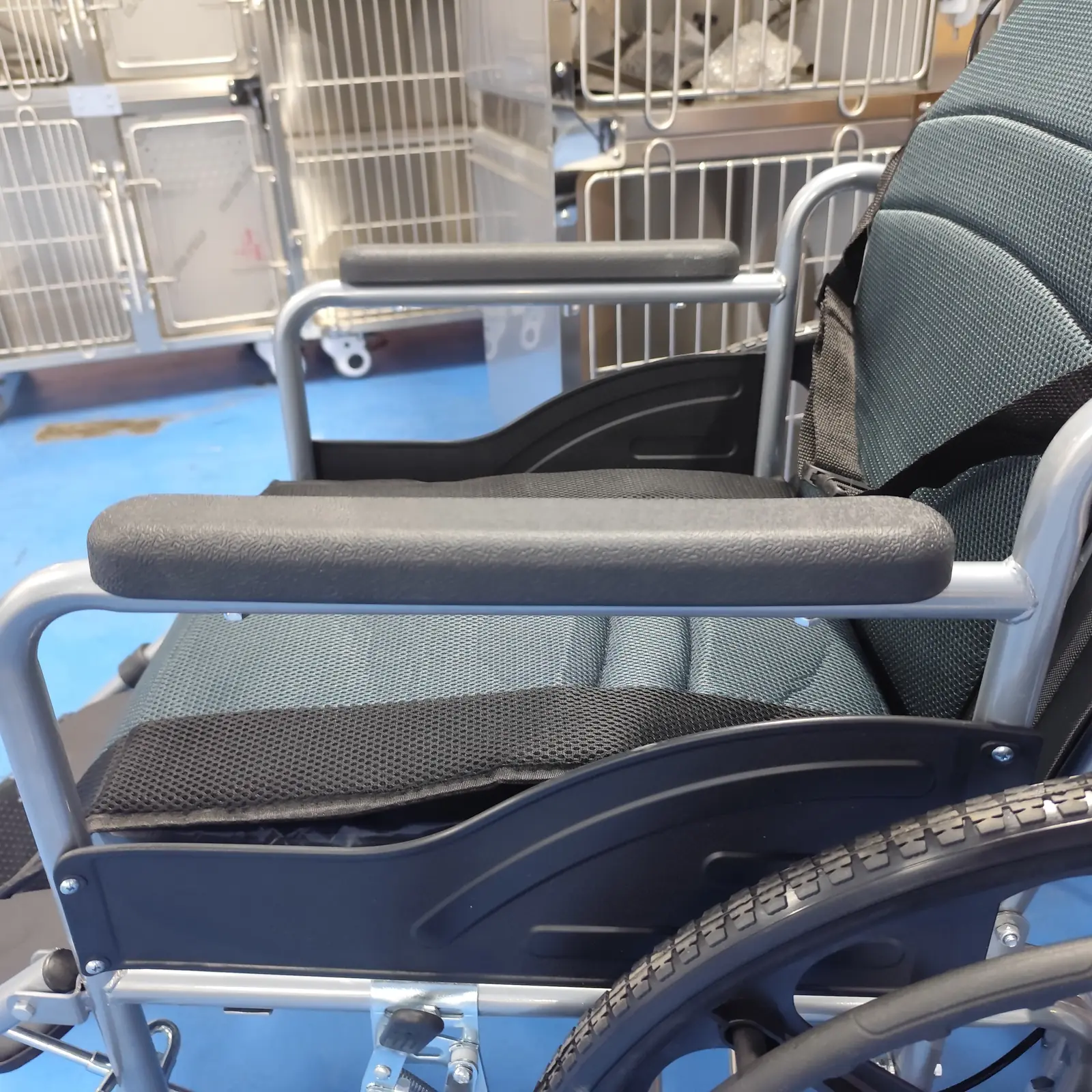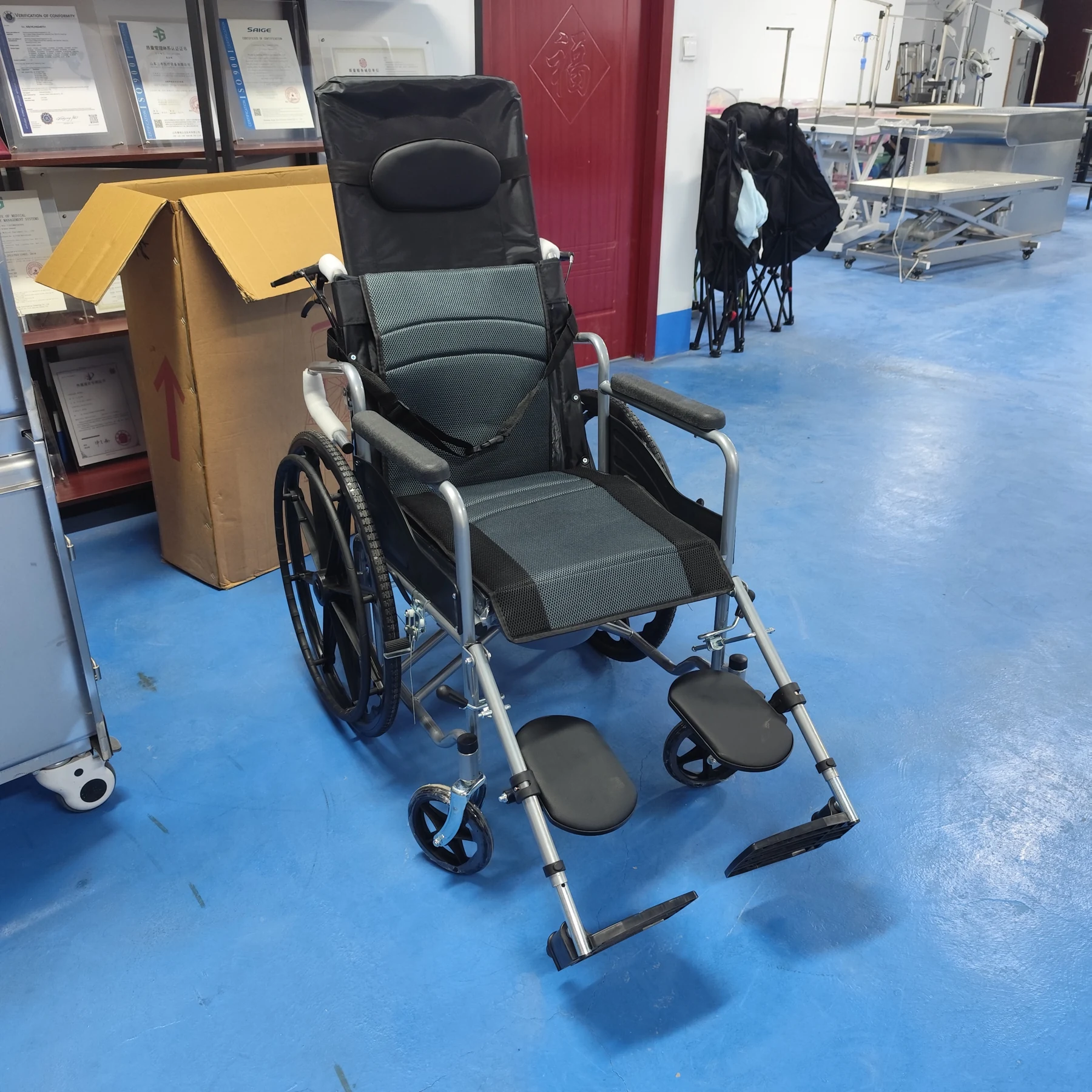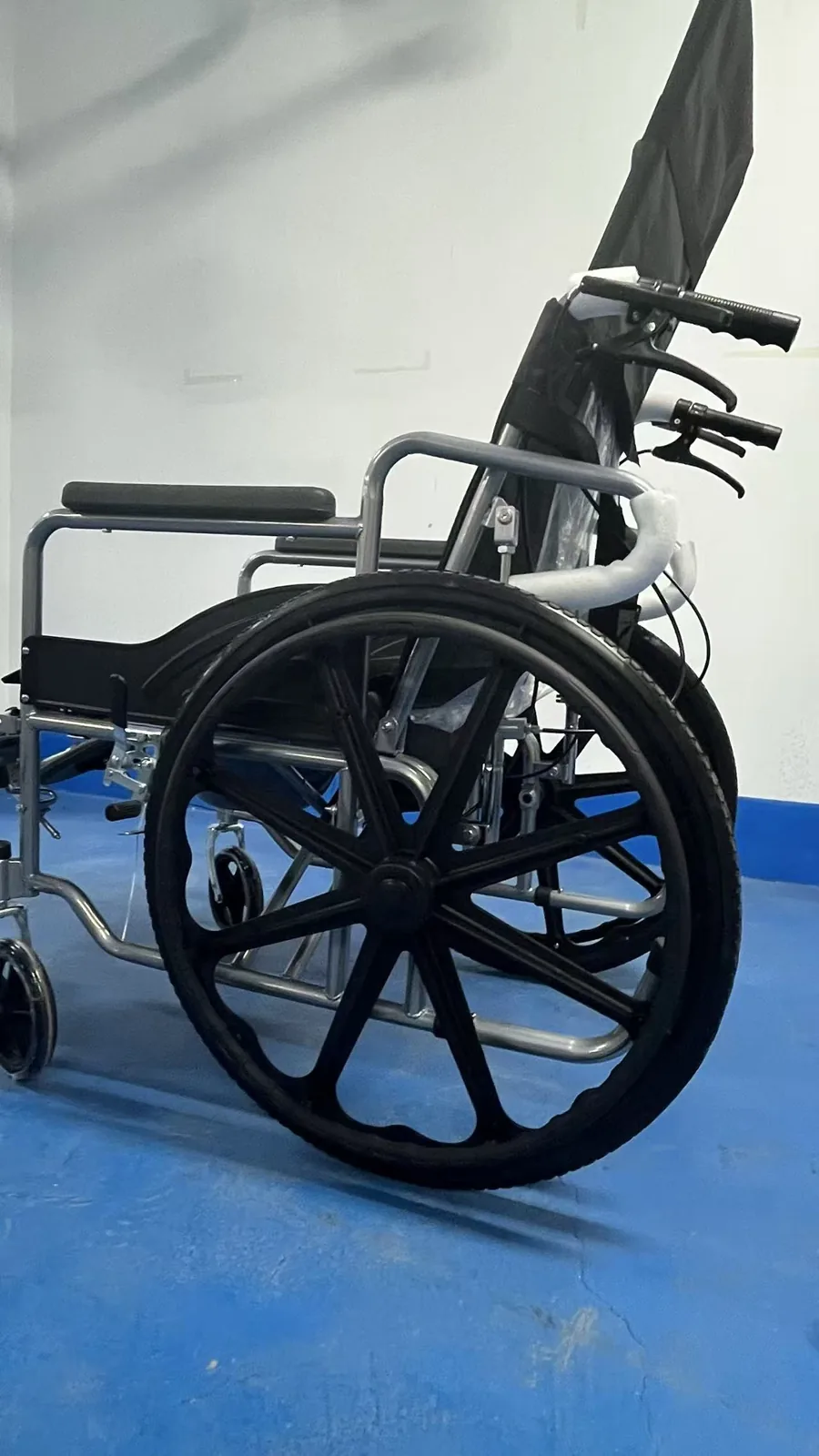
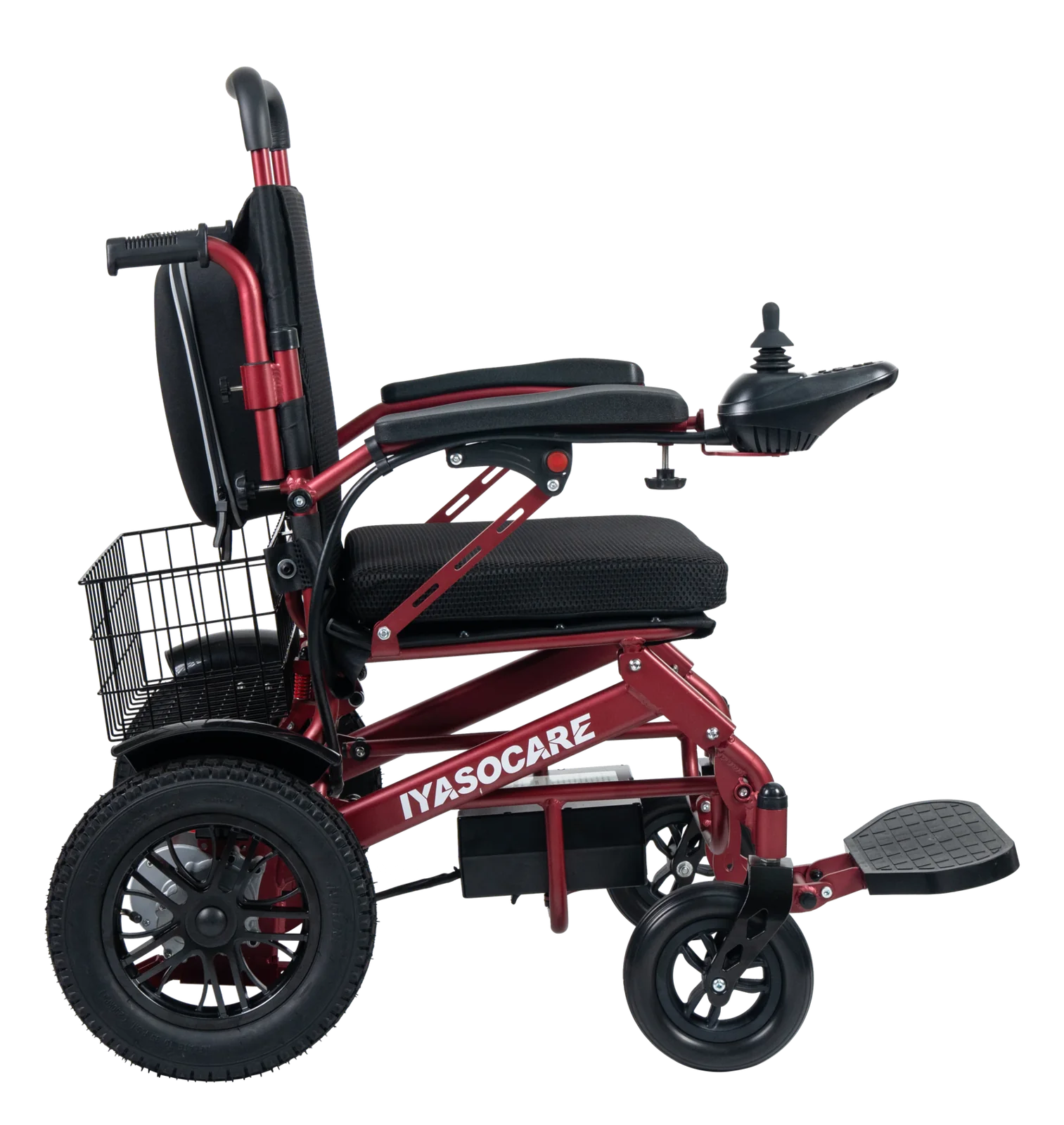
A power wheelchair configured with seat elevation changes how its user reaches counters, shelves, sinks, and eye-level conversation. Before adding it to a specification, buyers need to know what the function actually does, how it differs from tilt and recline, and which documents answer the rest.
Power wheelchair seat elevation raises and lowers the seated person vertically while they remain in the wheelchair. It is not the same as tilt or recline, it is not present on every power wheelchair, and US coverage questions must be checked against the current CMS national coverage decision and the individual's own documentation.
Power wheelchair seat elevation: What seat elevation describes
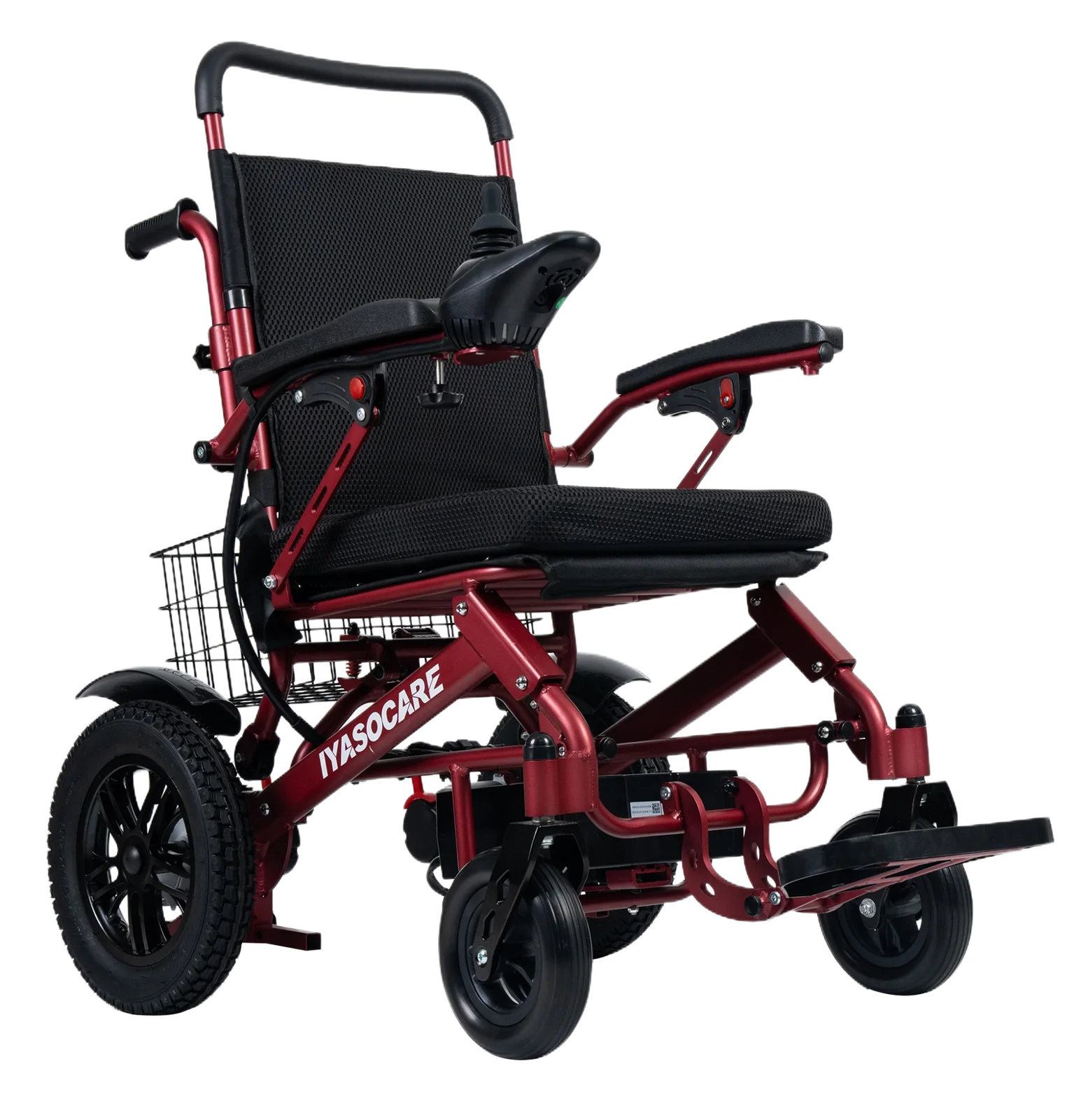
Start with the movement itself. Seat elevation is a powered adjustment that changes the height of the seat platform relative to the wheelchair's base while the person stays seated. The user is not standing, not transferring out of the chair, and not changing the angle of the seat to redistribute pressure. The chair's overall position on the floor stays where it is; what changes is the vertical position of the seat and therefore of the person sitting in it.
The CMS national coverage database entry for this technology is the reference point the task supplies for the definition and policy language. That entry is a coverage decision, not a product catalogue, so it should be read for what it says about the function and the conditions attached to it, not as a list of approved chairs. Its wording, scope, and effective dates belong to CMS and can be revised; anyone relying on it should open the current version rather than a summary.
Why does the distinction matter for a buyer? Because a seat that rises is often described in conversation as a lift, an elevator, or a standing feature, and those words can point to different mechanisms. A vertical seat adjustment keeps the user in a seated posture. A standing device supports a different posture entirely. A chair that only tilts does not raise the person. When a specification, a quotation, or a handover note uses one of these words, the useful next step is to confirm which movement is meant and which component produces it.
It also matters for space planning. Raising a seated person changes the height of the user's head, shoulders, and knees relative to the surroundings. A doorway that is comfortable at normal seat height may feel different when the seat is raised, and overhead obstructions, low cabinets, and counter overhangs become relevant in a way they are not when the chair stays low. None of those observations can be settled from a product name; they depend on the specific chair, the specific user, and the specific place.
Finally, seat elevation is a configuration choice, not a default. A power wheelchair may be ordered with or without it, and the presence of powered tilt or powered recline on a model says nothing about whether elevation is also available on that model. Buyers who assume the three functions travel together will sometimes find that the quotation covers only two of them. That gap is easiest to catch before the order is placed, when the specification can still be read line by line and the supplier can confirm what each line item actually provides.
Separate elevation, tilt and recline
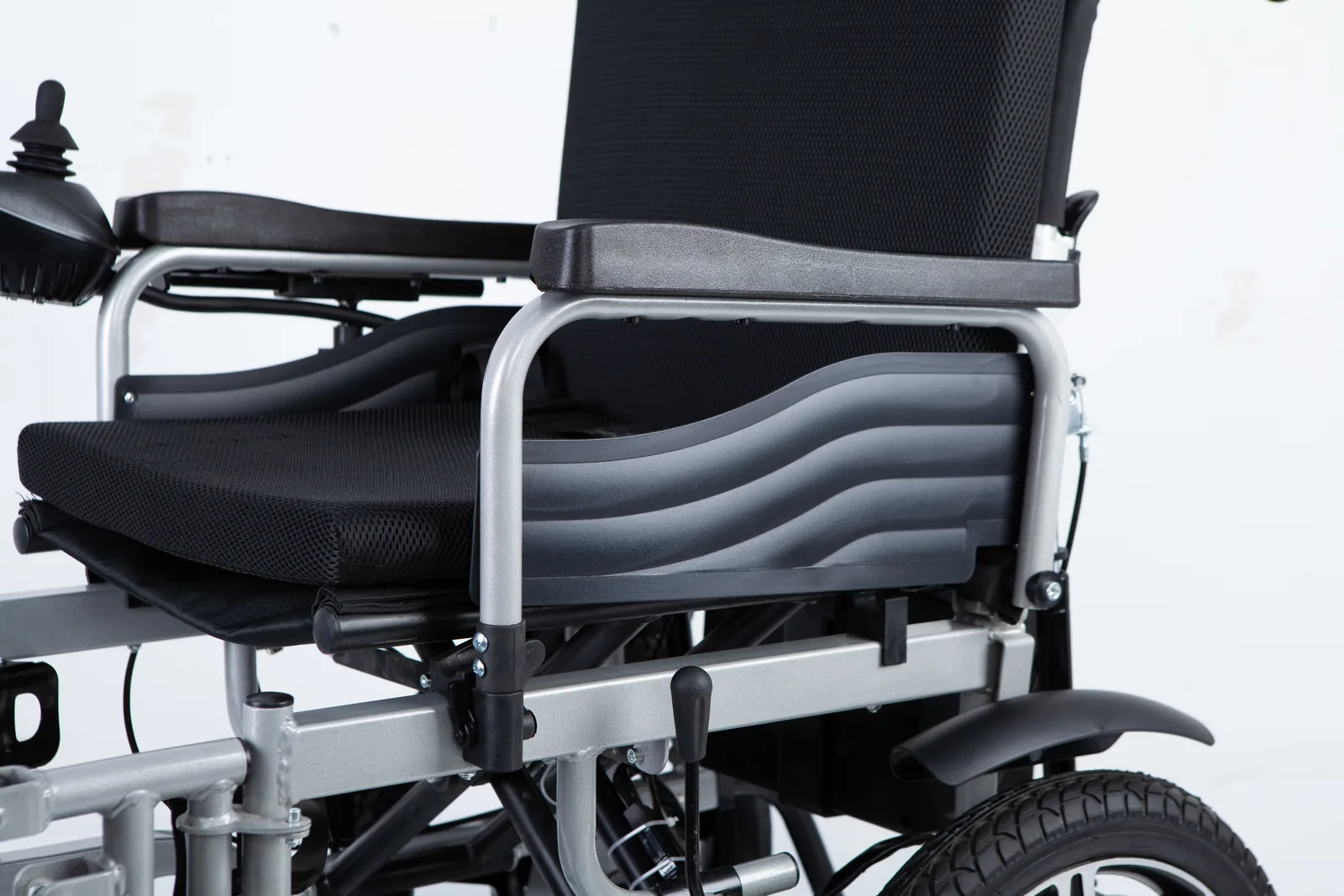
These three functions are frequently grouped in conversation because they all involve powered movement of the seating system, and because they are often discussed in the same assessment. They are not interchangeable. Keeping them apart helps a buyer read a quotation accurately, ask a supplier a precise question, and describe the chair correctly during a handover.
A useful way to hold the difference is to ask what changes. Elevation changes height. Tilt changes the angle of the whole seat and backrest together, so the seated person leans back as a unit. Recline changes the angle between the seat and the backrest, so the backrest moves relative to the seat. A chair can offer any one of these, or a combination, depending on the model and the configuration ordered.
Elevation versus tilt
Tilt and recline are covered in more depth in the separate WCF article on those two angles; the point here is only to keep elevation distinct from them. When a person tilts, the seat surface rotates and the body's weight is distributed differently across the back and seat. When a person reclines, the backrest opens away from the seat. Neither of those movements raises the person to reach a higher surface. Conversely, elevation does not by itself change the angle of the seat or backrest.
This matters in two practical places. First, in a quotation: a line item described as a powered seating function should be read for which movement it provides, because the price and the space implications differ. Second, in a trial or demonstration: a user who wants to reach a counter is looking for a different result from a user who wants a change of seated position, and a demonstration of one function does not show the other.
There is also a documentation point. Clinical and equipment records often refer to seating functions by abbreviation or by the manufacturer's own naming. A buyer comparing two quotations should confirm that the same words mean the same movement on both, rather than assuming that a shared label describes a shared mechanism. A short written note of which function was demonstrated, on which model, and under whose instruction keeps that comparison honest when the paperwork is reviewed weeks later.
Where coverage information starts
Coverage is a separate question from function, and it belongs to the payer, not to the product description. In the US, the CMS national coverage decision is the starting document for Medicare coverage of this technology, and it should be read in its current form. That decision sets out the policy framework; it does not decide an individual's eligibility, which depends on the person's documentation, the equipment supplied, and the supplier's own processes.
For a buyer, the practical consequence is that coverage language should never be copied from a brochure into a plan. The useful move is to identify the exact decision, note its date and scope, and then ask the equipment supplier and the clinical team how the individual case is documented. The task's second reference, a seat elevation guide published by an equipment service organisation, is useful for the kinds of usage questions that come up around the function; it is a guide from that organisation, not a coverage determination.
Keeping function and coverage in separate columns of the same working record prevents a common confusion. A chair can be a good functional match and still raise a coverage question, and a coverage pathway can exist for a function the user ultimately decides is not worth the added complexity. Treating the two as one decision hides that trade-off until it is harder to resolve.
Review the named equipment and environment
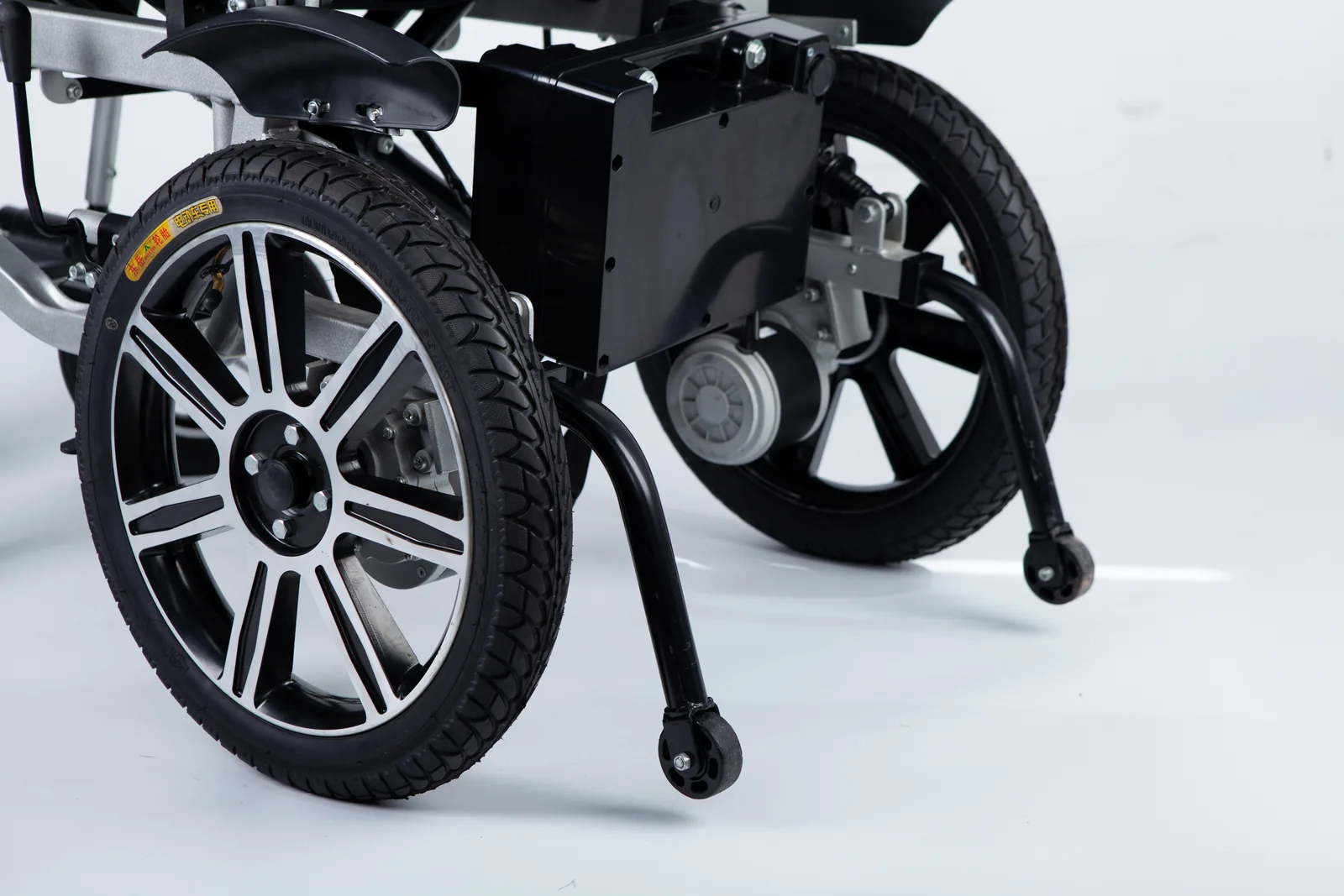
Once the function is clear, the review moves to the specific chair and the specific places it will be used. This is where generic advice stops being useful. A statement that a chair "has seat elevation" does not tell a buyer how high the seat rises, what the chair's limits are when the seat is raised, or whether the user can operate the function comfortably.
The first document to obtain is the specification for the exact model and configuration being considered. That document should identify the model, the seating option, and any conditions attached to using the function. Where the specification does not answer a question, the question should be recorded as open rather than filled in from a similar model or a general assumption.
The second is the user's own operating information: how the function is controlled, what the user is expected to check before raising or lowering the seat, and what the manufacturer's instructions say about using the chair while the seat is elevated. Those instructions belong to the manufacturer of the specific chair. They should not be replaced by a general rule invented for the occasion, and no universal speed or travel threshold should be assumed.
The third is the environment. A useful review records the places where the function is expected to help and the features of those places that could matter: counter and desk heights, shelf positions, doorways, thresholds, overhead fittings, and the space available for the chair to be positioned. This is a planning record, not a measurement of accessibility, and it does not establish that a venue is accessible.
The fourth is professional assessment. Whether a particular seating configuration suits a particular person is a question for the clinical and equipment team working with that person, not something a product page or a comparison table can settle. A buyer's job is to bring the right information to that assessment: the model, the configuration, the intended environments, and the questions that remain open.
| Item to review | What to record | Why it matters |
|---|---|---|
| Exact model and configuration | Model name, seating option, any accessories | Confirms which functions are actually included |
| Manufacturer's operating information | Instructions for the elevation function on that model | Sets the conditions for use, from the source |
| Intended environments | Counter and shelf heights, doorways, overhead fittings | Shows where the function is expected to help |
| User's operating preferences | How the function is controlled and checked | Supports a realistic trial and handover |
| Professional assessment | Clinical and equipment team's conclusions | Individual suitability is not a catalogue question |
| Coverage documents | Current CMS decision and the individual's records | Coverage is decided case by case, not by product label |
Read the table as a record-keeping structure, not a checklist of approvals. Each row names something a buyer can obtain or ask about; none of the rows can be completed from a product name alone, and the coverage row in particular depends on the payer and the individual case. Where a row stays blank, that blank is itself information: it marks a question that has not yet been routed to anyone.
Where to check US coverage
The authoritative starting point for Medicare coverage of power seat elevation is the CMS national coverage database. The entry is publicly available at https://www.cms.gov/medicare-coverage-database/view/ncd.aspx?ncdid=376, and it should be opened and read in its current form at the time of the enquiry, because coverage decisions are revised and their scope and dates matter.
Reading the decision is not the same as confirming eligibility. The decision describes the policy; the individual case depends on the person's medical documentation, the equipment provided, and the supplier's own processes. A buyer, dealer, or care organisation should therefore treat the CMS entry as the reference for what the policy says, and route the individual question to the equipment supplier and the clinical team who can assemble the case.
For teams outside Medicare, the same principle applies with a different authority. Medicaid programmes, private insurers, and other payers set their own rules, and those rules should be identified by name and date rather than inferred from the Medicare decision. A policy that applies in one programme does not automatically apply in another. A care organisation serving residents under several payers may need a separate note for each one, because the same chair configuration can sit inside different review paths.
A practical coverage enquiry therefore has three parts: the exact policy document and its date, the exact equipment being proposed, and the individual's own documentation. Keeping those three separate prevents the common error of treating a coverage decision as a product approval, or a product feature as a coverage guarantee. It also makes a later review easier, because each part can be re-checked on its own if the policy or the proposed equipment changes.
Prepare selection and handover questions

Selection and handover are where the earlier work either holds together or falls apart. A chair can be correctly specified and still cause confusion at delivery if the people receiving it have not recorded which functions are present, how they are operated, and what remains to be confirmed.
A handover record for a chair with seat elevation should identify the model and configuration, list the seating functions included, note where the manufacturer's operating information is kept, and set out any open items. Open items are not failures; they are questions that were identified and routed to the right person, such as a coverage enquiry with the supplier or a seating question with the clinical team.
For a dealer or care organisation managing several chairs, the same record supports consistency across a fleet. Two chairs described as having seat elevation may be different models with different controls and different instructions, and a handover that records the model avoids assuming they are the same. That matters most where staff move between chairs, because a control layout learned on one model does not carry over automatically to another.
A short question list helps at the point of selection:
- Which exact model and configuration includes the elevation function, and what does the specification say about it?
- What does the manufacturer's operating information say about using the chair with the seat raised?
- Which environments is the function expected to help in, and what features of those places should be recorded?
- Has the clinical and equipment team reviewed the seating configuration for this individual?
- Which coverage authority applies, what is the current document, and who is assembling the individual case?
- What remains open at handover, and who owns each item?
These questions do not replace professional assessment or a coverage determination. They make the decision traceable, so that the next person can see what was checked and what still needs an answer. For a broader view of how seating functions sit within the chair as a whole, the WCF overview of parts of a wheelchair is a useful companion.
FAQ
Is seat elevation the same as tilt or recline?
No. Seat elevation raises and lowers the seated person vertically. Tilt changes the angle of the seat and backrest together, and recline changes the angle between the seat and the backrest. They are separate functions, and a chair may include one, two, or all three depending on the model and configuration.
Does every power wheelchair include seat elevation?
No. Seat elevation is a configuration option, not a standard feature of every power wheelchair. A buyer should confirm from the specification for the exact model and configuration whether the function is included, rather than assuming it from the presence of other powered seating functions.
Where can US users verify coverage requirements?
The starting point is the current CMS national coverage decision, available in the CMS Medicare coverage database. That document sets out the policy, but individual eligibility depends on the person's documentation, the equipment, and the supplier's processes, so the individual question should go to the equipment supplier and the clinical team.
Conclusion
Confirm the exact function, the exact model, and the current coverage document before committing. Record open questions and route each to the supplier, clinician, or payer who can answer it.
Video: Permobil F3 Corpus Wheelchair Demo | Elevation, Tilt, Recline & Legs | Select Mobility DME **SOLD**