You are comparing notes before a seating appointment: your old chair’s paperwork says one seat depth, a product page says another, and the cushion has its own label. Before anyone can compare them, the three numbers need names.
Seat depth is not one measurement. It can mean a body reference length, the seat sling or seat pan depth on a specific chair, or the depth of a cushion. Each uses different reference points, so a wheelchair seat depth measurement is only comparable when its reference points, chair configuration, and source are recorded alongside it.
This article does not tell you what seat depth you should have. It helps you separate the terms, write down what each document actually measures, and bring a clear record to the seating team that makes fitting decisions with you.
Wheelchair seat depth measurement: One seat-depth number can describe different things
The phrase “seat depth” appears in order forms, clinic notes, product listings, and cushion labels, and it rarely means the same thing in all four places. A body measurement describes a person. A seat sling depth describes a part of a chair. A cushion depth describes an accessory. Treating them as interchangeable is where most confusion starts, because a number copied from one context into another may look precise while describing something else entirely.
A body reference length is taken from the person, usually in a seated position, and depends on how that person is sitting at the time. Posture, pelvic position, back support, and leg position all change where a measuring point falls. That is one reason a body measurement is not a fixed personal fact like height; it is a reading taken under specific conditions, and the conditions belong in the record. Two readings taken on the same person on different days, with different back support or a different footrest setting, can legitimately differ without either being wrong.
Seat sling depth is a property of the chair. On a sling-seat wheelchair, the seat material spans between frame elements, and its depth is defined between particular points on the chair rather than on the body. Permobil’s K0005 configuration discussion of footrest width and seat sling depth is useful here because it keeps the chair’s seat sling depth separate from the person’s body length and from the influence of posture and support surfaces. That separation is the point: a chair specification and a body measurement answer different questions, and neither one converts into the other by arithmetic alone.
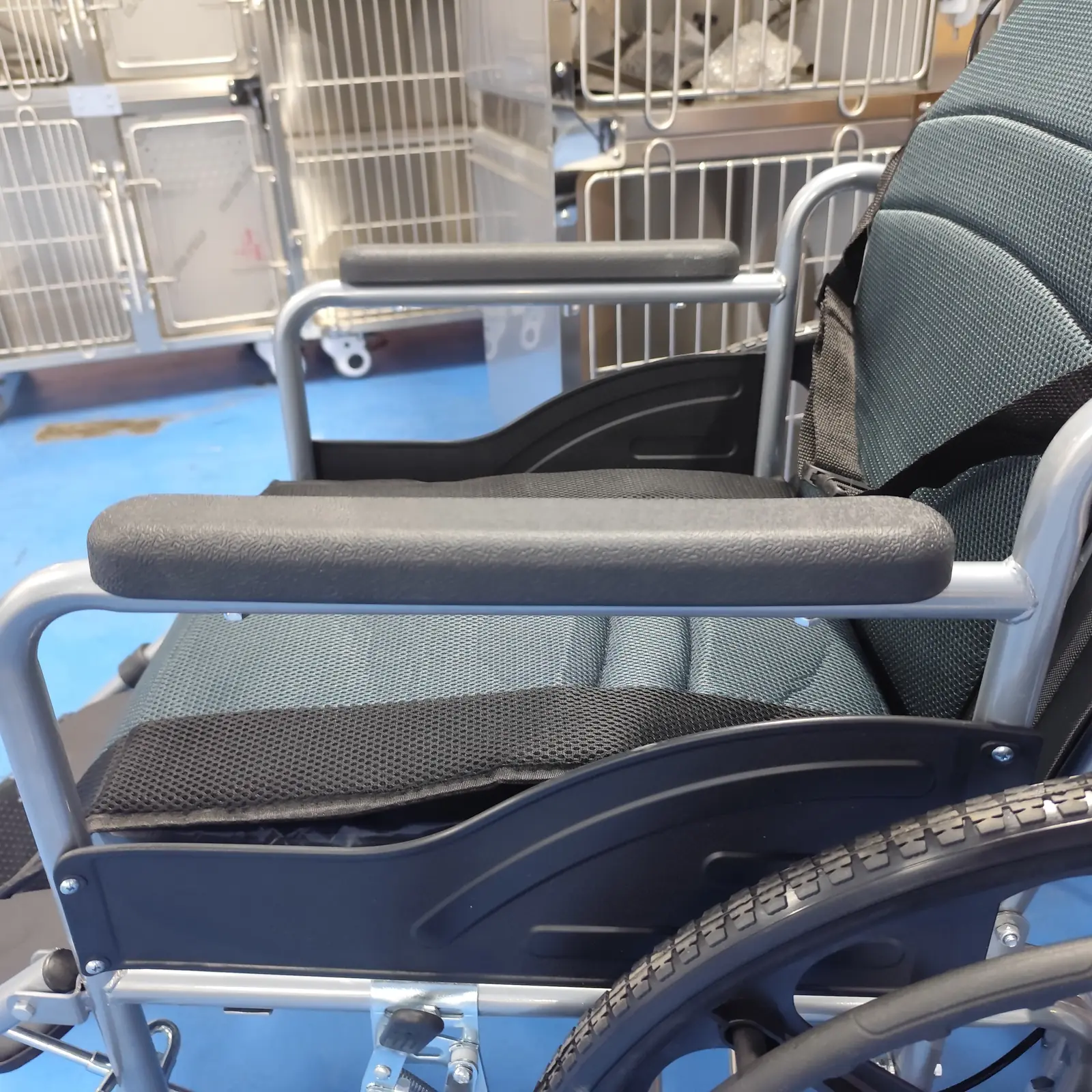
Cushion depth is a third thing. A cushion sits on top of the seat surface, and its own depth is a product dimension. Whether the cushion is on the chair when a seat measurement is taken changes what the tape is actually spanning. So does the back support: a back cushion, a backrest angle, or a different back post position can shift where the rear reference point sits. A chair measured with a thick back cushion in place may show a shorter usable seat area than the same chair measured without it, even though the frame has not moved.
None of these numbers, alone, establishes suitability. This article clarifies vocabulary and recording. It does not prescribe a seat depth, a posture, or a cushion for any individual, and it does not describe a Wheelchairs Factory model’s dimensions.
Write down the reference points and configuration
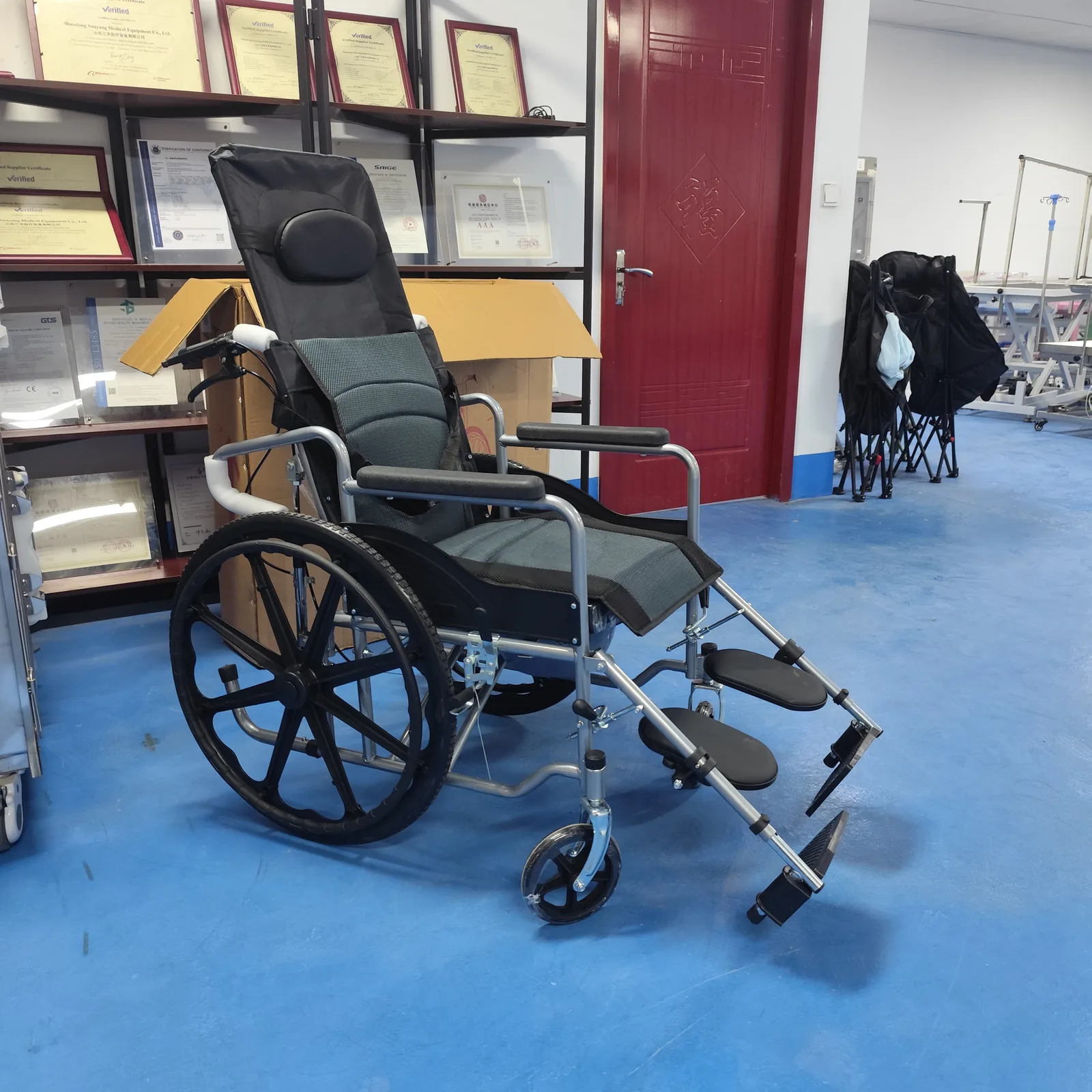
A number without its reference points is hard to use later. The practical habit is to record four things together: what was measured, between which points, with which components in place, and where the figure came from. Sunrise Medical’s US wheelchair assessment measuring guide supports the idea that measurement is confirmed jointly by clinical staff and the equipment supply team, which is a useful reminder that the record is a communication tool rather than a self-contained instruction.
That framing matters for how you fill in the sheet. You are not trying to produce a definitive answer on your own; you are trying to make sure that when the team looks at your notes, they can tell which figure came from a manual, which came from an order form, and which was taken with a tape on the chair. Each of those has a different standing, and mixing them without labels is what makes a later conversation stall.
Seat sling and back-post references
When a figure is described as seat sling depth, ask which points on the chair define it. On many sling seats the depth runs between a front seat edge reference and a rear reference associated with the back posts or back frame, but the exact definition belongs to the chair’s own documentation. Two chairs of similar appearance can use different reference conventions, and a specification sheet may state a nominal size that is not identical to a tape reading taken on a configured chair.
Record the chair model and, where available, the configuration details that affect the seat area: seat-to-back angle setting if documented, back post position, and whether the seat sling is the original or a replacement. If the chair has an adjustable back, note the position it was in. If the documentation version is visible, note it too, because a later revision can change how a dimension is defined. Where a value is unknown, leave the field blank rather than estimating; a blank is honest, and an invented number can travel into a decision it was never meant to support.
Cushion and back-support references
For cushion depth, record the cushion’s own product name and size, and state whether the measurement was taken with the cushion in place. A cushion adds height and can change the effective seating surface, so a seat depth recorded with and without it may differ. The same applies to a back support or back cushion: if it was present, say so, and if the backrest was reclined or upright, say that as well.
It also helps to note whether the cushion is the one the chair was configured with or a later replacement. A replacement cushion of a different model or thickness changes the surface the person sits on, and a figure recorded before that change describes a configuration that no longer exists. Noting the change is not a judgment about whether the replacement was appropriate; it simply keeps the record honest about what was on the chair when the number was taken.
The table below shows how the same word can carry different meanings, and what to capture for each.
| What the number describes | Typical reference basis | Configuration to record | What it cannot tell you |
|---|---|---|---|
| Body reference length | Points taken on the seated person | Posture and support at the time of measurement; who measured | A chair size, or an appropriate seat depth |
| Seat sling depth | Points defined on the chair frame or seat material | Chair model, back post position, sling type, document version | Whether the chair suits the person |
| Cushion depth | The cushion product itself | Cushion name and size, whether fitted during measurement | Seat sling depth, or body length |
| Back support depth or thickness | The backrest or back cushion product | Backrest angle, back cushion presence, mounting position | Front seat edge position |
Read the table as a labelling exercise, not a calculation. Its value is that it forces each figure into a named category before anyone compares them. A chair specification and a cushion label can both be accurate and still not be substitutable for one another.
Why a fixed subtraction rule is not a fitting decision
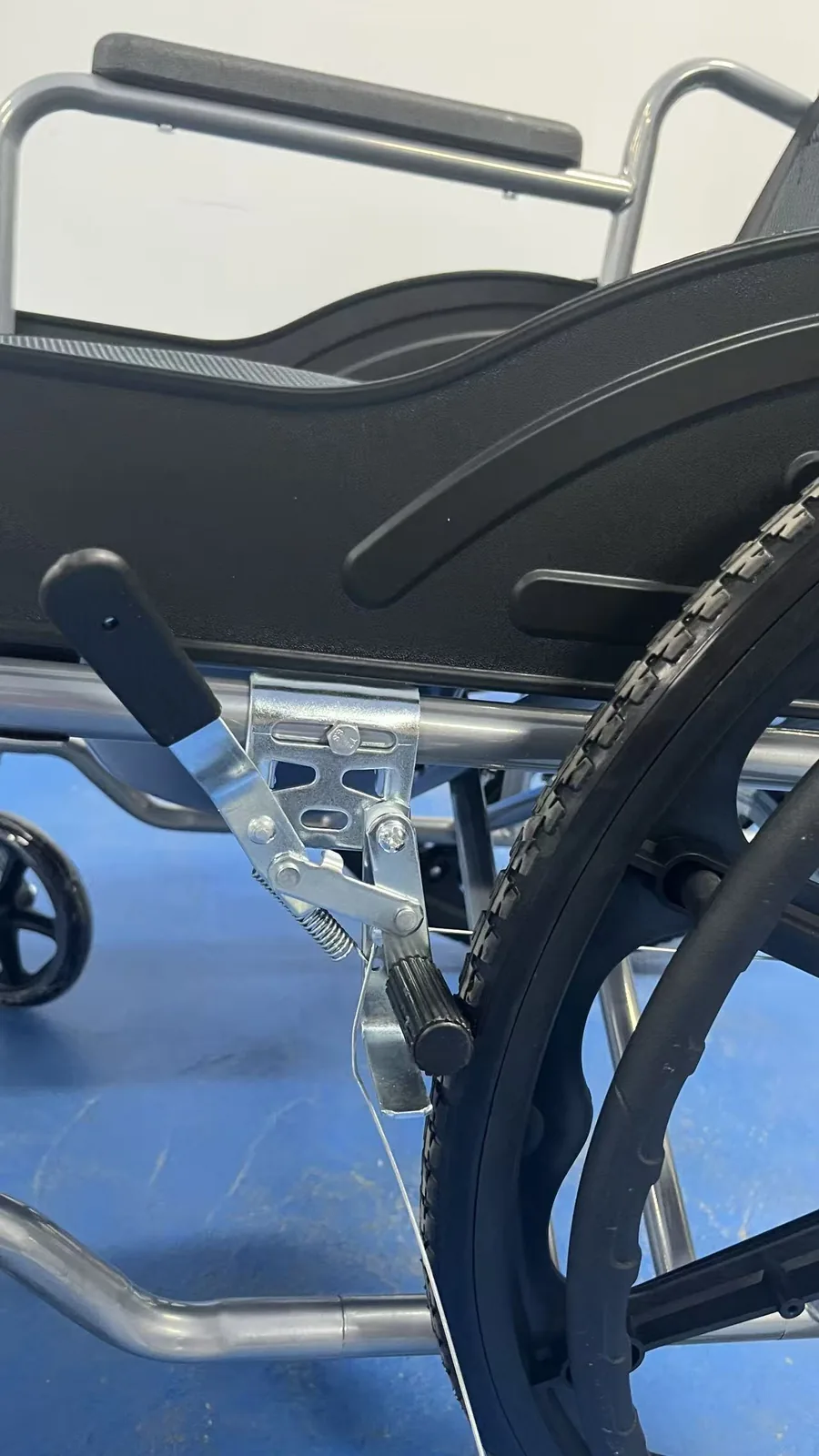
Guides sometimes present a rule of thumb, such as leaving a certain amount of space behind the knee when a person sits in the chair. Such rules appear in different publications with different numbers and different units, and they are written for different purposes and different populations. This article deliberately does not adopt any of those figures, because a rule lifted from one document and applied as a universal instruction would misrepresent what the source was for.
The reason is structural rather than a matter of caution for its own sake. Seat depth interacts with posture, pelvic position, trunk support, leg position, footrest setting, and the person’s own comfort and routine. A person who sits with a posterior pelvic tilt occupies the seat differently from someone sitting more upright, and the same chair can produce different readings depending on how the back and legs are supported. A subtraction rule assumes a consistent starting posture and a consistent set of support surfaces, which is exactly what an individual assessment is meant to establish.
There is also a documentation problem. Older manufacturer figures and current guidance may use different reference points, different units, or different assumptions about which components are fitted. Mixing them produces a number that belongs to no single method. If two documents disagree, the useful response is not to average them but to identify what each one measured and which one applies to the chair or question at hand. Averaging two figures from different methods can look like a compromise while actually producing a value that neither source would recognise.
A further complication is that the same chair can be used in more than one way during a day. Someone who propels a manual chair, transfers several times, and spends part of the day with the backrest reclined is not in a single fixed posture. A rule that assumes one posture describes one moment, not the whole routine. The seating team can weigh those different uses together; a formula cannot.
This is why the fitting decision belongs with a seating team that can see the person, the chair, and the support surfaces together. The team can consider posture, skin and comfort considerations within their scope, transfer routine, and how the chair is actually used during the day. Your preparation makes that conversation more efficient; it does not replace it. Bringing a clear record of what each document says, and where it came from, is more helpful than bringing a single number with no history.
Take a comparison sheet to the seating team

A short, consistent record is easier to discuss than a folder of screenshots. The sheet below is a template you can copy by hand or into a document. Fill in what you have, leave unknown fields blank, and mark the questions you want answered. You do not need to transfer, lift, or reposition yourself to complete it; record what the paperwork says and let the team take any measurements that require handling or a specific posture.
| Field | What to enter | Example of a complete entry |
|---|---|---|
| Term used by the source | The exact wording, not a paraphrase | “Seat sling depth” |
| Original value and unit | The figure as printed, with its unit | A value in inches or centimetres, as stated |
| Reference points | The points the source says define the figure | “Front seat edge to rear back post reference” |
| Configuration at measurement | Cushion, back support, back angle, sling type | “Cushion fitted; back upright” |
| Source and version | Document, page, revision or date if shown | Manual title and revision |
| Status | Measured, quoted from a document, or unknown | “Quoted from order form” |
| Question to confirm | The specific point you want clarified | “Does this include the cushion?” |
The value of the sheet is that it separates what you know from what you are asking. A row marked “quoted from a document” is different from a row marked “measured on the chair,” and the team can see immediately which figures need checking against the actual equipment. It also prevents a common drift: a number from an old order form gradually being treated as a current chair measurement simply because it was written down.
A caregiver or an equipment coordinator filling in the sheet for someone else should note who recorded each row and when. That is not bureaucracy; it tells the team whether a figure reflects the chair as it is now or as it was at an earlier point, before a cushion change or a back adjustment. For institutional chairs shared across users, the chair identifier matters as much as the number, because a figure attached to the wrong chair is worse than no figure at all.
Keep the sheet focused on depth. Width has its own reference points and its own comparison logic, and mixing the two dimensions in one column invites exactly the confusion this record is meant to prevent. If you are also reviewing width, the discussion of seat width versus overall width covers that dimension separately, and the overview of parts of a wheelchair helps distinguish the seat sling, cushion, and backrest as different components before you start labelling figures.
When the chair and paperwork do not match
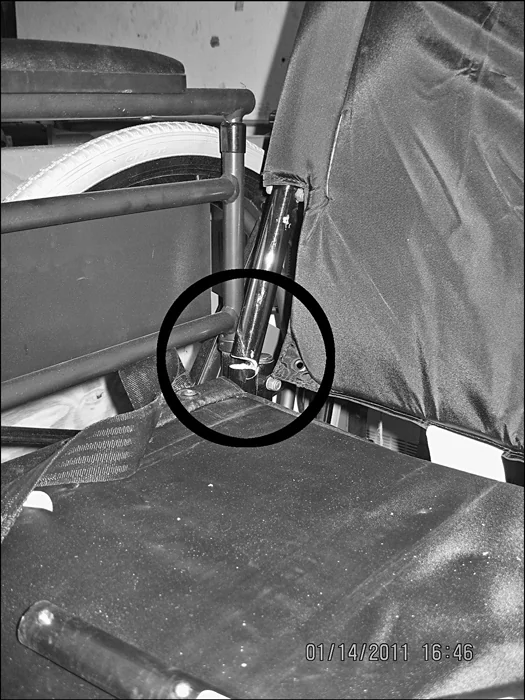
A mismatch is common and is not automatically an error. The order form may describe a nominal size, the manual may define the dimension between different points, and the chair in front of you may have been adjusted since delivery. The first step is to establish which document refers to which configuration, and that usually means asking the original supplier or the assessment team rather than adjusting anything yourself.
Do not move the back posts, cut or trim a cushion, change the backrest angle, or alter the leg supports to make a measurement match a piece of paper. Those changes affect posture, support, and stability, and they may take the chair outside the configuration its documentation describes. A cushion that has been trimmed no longer matches its product specification, which makes future comparisons harder rather than easier.
When you contact the supplier or team, bring the specific question rather than a general concern. “The order form lists a seat sling depth, and I measured a different figure with the cushion in place; which configuration does the order figure describe?” is a question someone can answer. Include the chair model, the serial number if available, the document version, and the date you noticed the difference. If the chair was supplied through a clinic or an institutional fleet, the same record can be passed to whoever holds the equipment file.
If the mismatch involves wear, a torn sling, or a compressed cushion, describe what you observe rather than diagnosing its effect. A changed surface is a reason to ask for a review, not a reason to compensate by changing another setting. Photographs of the seat area, taken alongside a note of what was fitted at the time, can help the supplier understand what you are describing, but they are a record of appearance rather than a measurement.
It also helps to keep the original paperwork with the chair’s file rather than in a separate folder. When a supplier asks which revision of a manual you are quoting, or which order the chair came from, having the documents together shortens the exchange. If a document has been lost, say so plainly; a missing source is easier to work around than a guessed one.
FAQ
Is seat sling depth the same as cushion depth?
No. Seat sling depth is defined on the chair’s seat material or frame, while cushion depth is a dimension of the cushion product. A cushion sits on top of the seat surface, so a measurement taken with it in place spans a different configuration from one taken without it. Record which was present.
Can I copy the seat depth from my old wheelchair?
An old figure is a useful starting reference only if you also know what it measured and on which configuration. If the old number came from an order form, a manual, or a tape reading with a particular cushion fitted, that context needs to travel with it. The seating team can then decide whether it is relevant to a new chair.
Why can two guides use different measurement references?
Because they may be describing different things: a body reference length, a chair specification, or a product dimension. They may also be written for different purposes, populations, or equipment generations. The reference points, units, and document version explain the difference; averaging the figures would not.
Conclusion
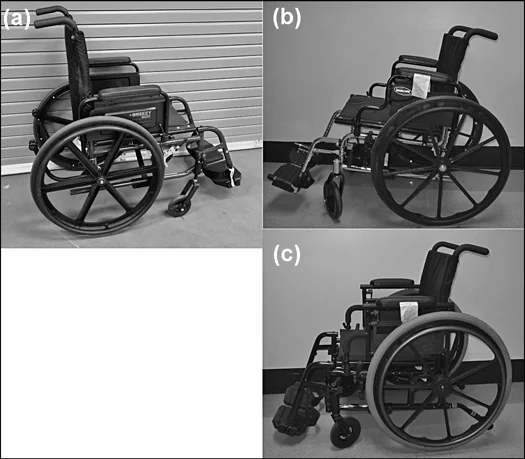
Record each depth with its reference points, configuration, and source, then bring the sheet and your open questions to the seating team for confirmation.
Video: 6 Key Measurements for Prescribing Wheelchairs - Occupational Therapy - Sunrise Medical Australia