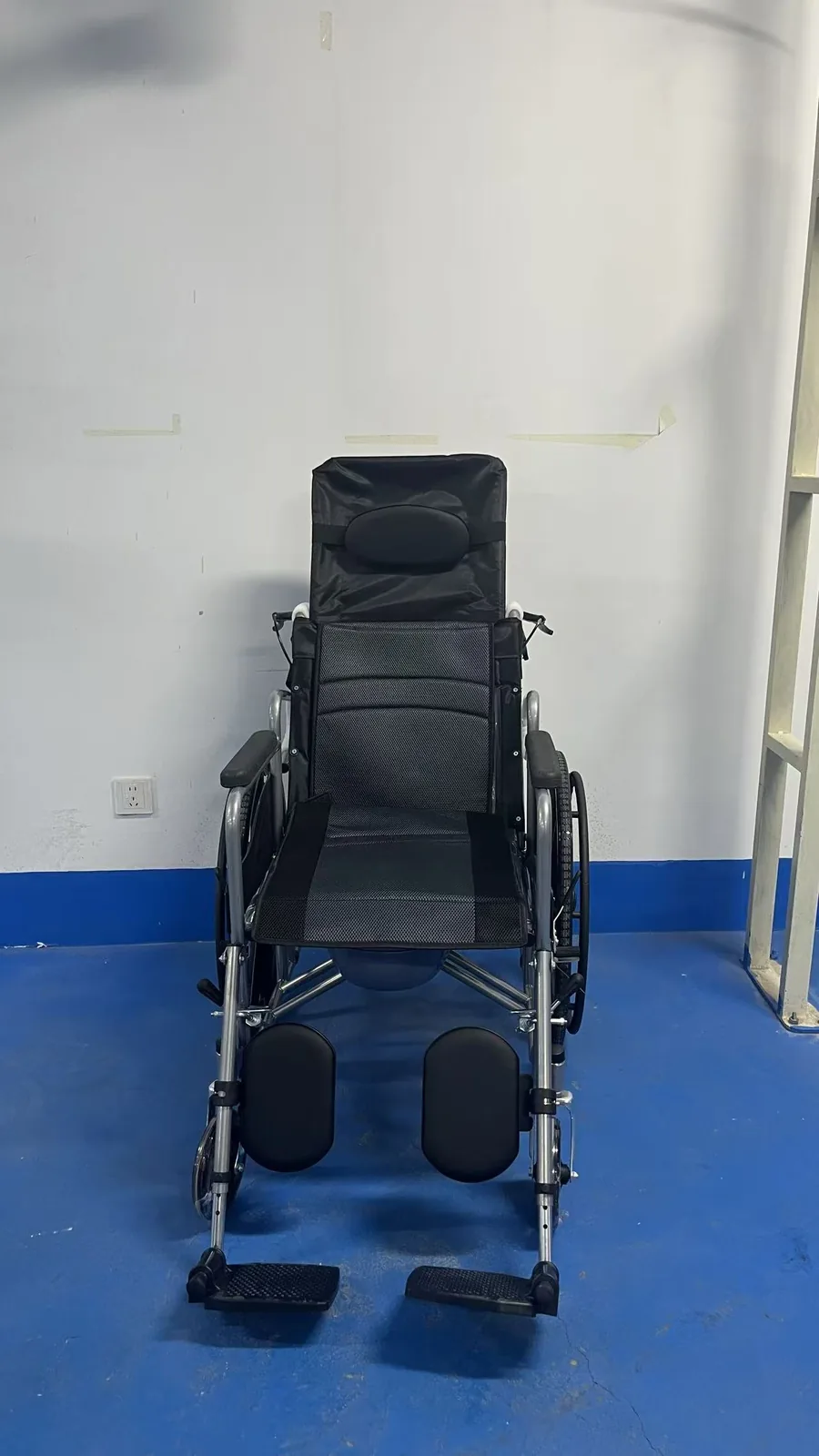
A manual wheelchair begins to feel different: it drifts, a tire wears unevenly, or a rear wheel no longer looks parallel to the frame. You want to know whether this is wheelchair toe in toe out, camber, or something else, and what to record before asking for service.
Toe-in and toe-out describe whether the rear wheels point slightly toward or away from each other relative to the direction of travel. They are not the same as camber, which describes how the wheel face tilts when viewed from the front. Read the terms carefully, record what you observe, and leave correction to a service professional working from the named model's manual.
Wheelchair toe in toe out: What toe-in and toe-out describe
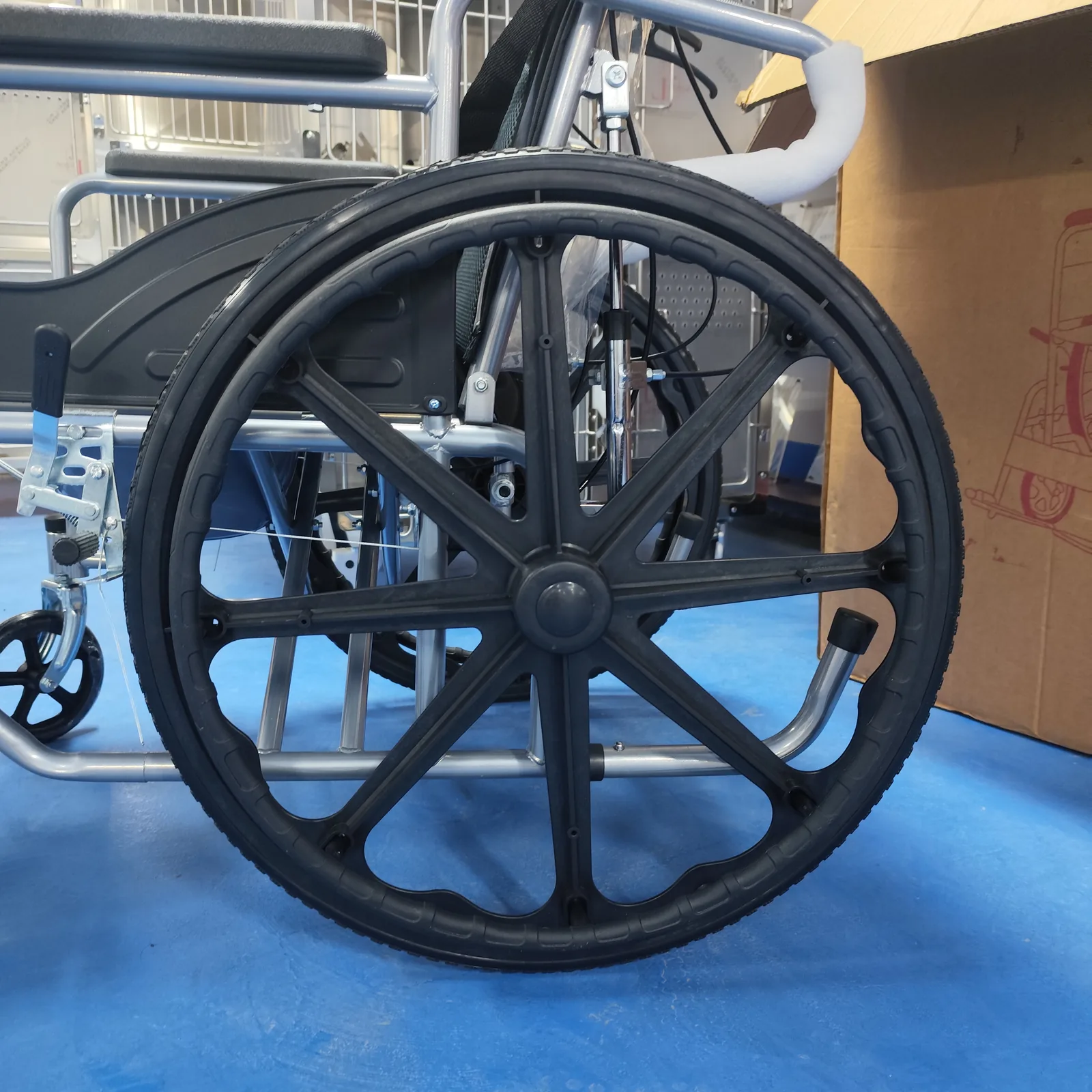
Toe-in and toe-out are directional terms. They describe the relationship between the rear wheels and the line the chair travels along, not the shape of the wheel or the width of the chair. In a toe-in condition, the front edges of the rear wheels sit closer together than the rear edges, so each wheel points slightly inward toward the chair's centerline. In a toe-out condition, the front edges sit farther apart, so each wheel points slightly outward. The Queensland Health manual wheelchair document supplied for this article uses these terms to describe rear-wheel direction, and that is the sense used here.
For a dealer service technician, a user, or a maintenance coordinator, the value of the distinction is organizational. Toe-in and toe-out give you a vocabulary for a specific observation: the rear wheels are not tracking parallel to the intended line of travel. That observation can then be described in a service request without guessing at a cause. It also keeps the conversation away from unrelated rear-wheel topics. Whether a quick-release axle fits its receiver, for example, is a separate fit question covered in the quick-release axle fit evidence article; axle fit and wheel direction are not interchangeable.
A useful way to think about it is that toe is a relationship measured in the horizontal plane, as though you were looking down on the chair from above. Two wheels can be the same size, mounted at the same height, and fitted with the same tires, yet still point slightly toward or away from each other. The term describes that pointing relationship. It does not by itself tell you whether the condition is within the manufacturer's specification, whether it is adjustable on that model, or whether it is the reason a chair feels different to push. Those are separate questions that belong with the model documentation and a qualified service review.
This is also why toe should not be treated as a synonym for "the rear wheels are wrong." Some rear-wheel configurations are built to a defined setting, and the setting is part of the chair's design. A chair may leave the factory with a deliberate rear-wheel geometry, and a later observation of a slight inward or outward angle is not automatically a fault. The reader's task is to recognize the term, use it accurately in a record, and route the question to the right person rather than to attempt a correction. Keeping that boundary clear protects both the user and the person who will eventually inspect the chair, because a service review that starts from an accurate description is easier to carry out than one that starts from a guess.
Separate toe from camber
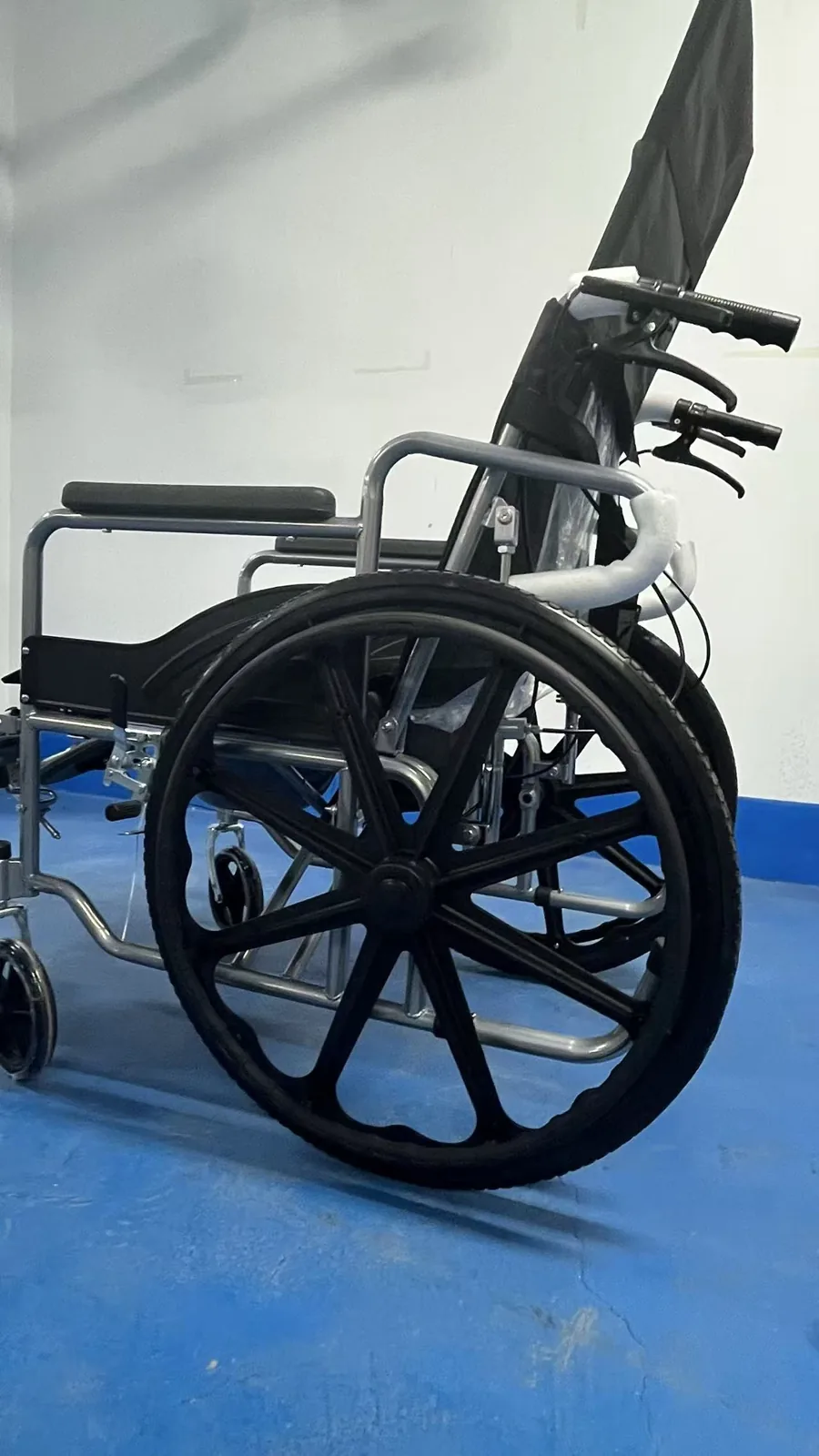
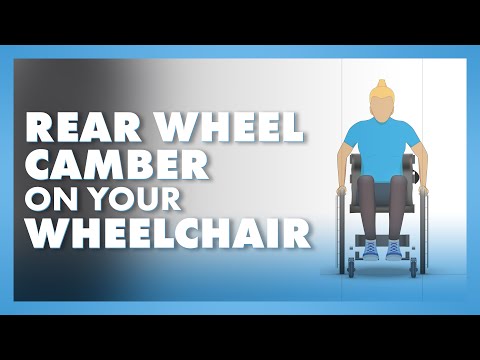
Camber and toe are often confused because both involve the rear wheels and both can be described as an "angle." They are different measurements taken from different viewpoints. Camber describes how the wheel face tilts when you stand in front of the chair and look at it head-on: the top of the wheel may lean inward toward the seat or outward away from it. Toe describes the direction the wheel points when you look from above. A chair can have a pronounced camber and still have its wheels pointing straight ahead along the travel line, and a chair with upright wheels can still have a toe condition. Neither term substitutes for the other.
Wheel toe versus camber
The practical difference is the viewing direction and the question each term answers. Toe answers: are the rear wheels pointing along the same line the chair rolls on, or are they angled slightly in or out relative to each other? Camber answers: how much does each wheel face lean away from vertical when seen from the front? The two are recorded separately because they describe different geometry, and a service note that mixes them can send the review in the wrong direction. The table below sets out the distinction in a form a service coordinator can use when writing up a concern.
| Observation | Viewpoint | What it describes | What it does not establish |
|---|---|---|---|
| Toe-in | Looking down from above | Front edges of rear wheels closer together than rear edges; wheels point slightly inward | Whether the setting is within the model's specification, or that it is adjustable |
| Toe-out | Looking down from above | Front edges of rear wheels farther apart than rear edges; wheels point slightly outward | The cause of a handling change, or that correction is needed |
| Camber | Looking from the front | How far each wheel face tilts from vertical, inward or outward | Toe direction, tracking, or tire wear cause |
| Overall rear width | Looking from the front or rear | The outer span across both rear wheels | Toe or camber values, or fit through a doorway |
Record observations for service
When you write up a concern, keep the two categories in separate sentences. "The rear wheels appear to point inward when viewed from above" is a toe observation. "The top of the right rear wheel leans inward more than the left when viewed from the front" is a camber observation. Neither sentence should include a diagnosis, a proposed adjustment, or a number you have not measured with the method the manual specifies. If you have a photograph or a note from the user about when the change was first noticed, attach it to the record. The goal is a description the service team can act on, not a conclusion the observer is not positioned to reach.
It also helps to name the viewpoint in the record itself, because the same chair can look different depending on where the observer stands. A note that says "viewed from above, the gap between the front edges of the rear tires looks narrower than the gap between the rear edges" is more useful than a bare statement that the wheels look wrong. The first version tells the service team what was seen and from where; the second leaves them to reconstruct the observation. That small habit of naming the viewpoint is what keeps a toe note from being mistaken for a camber note when the record is read later by someone who was not present.
Notice and record possible changes
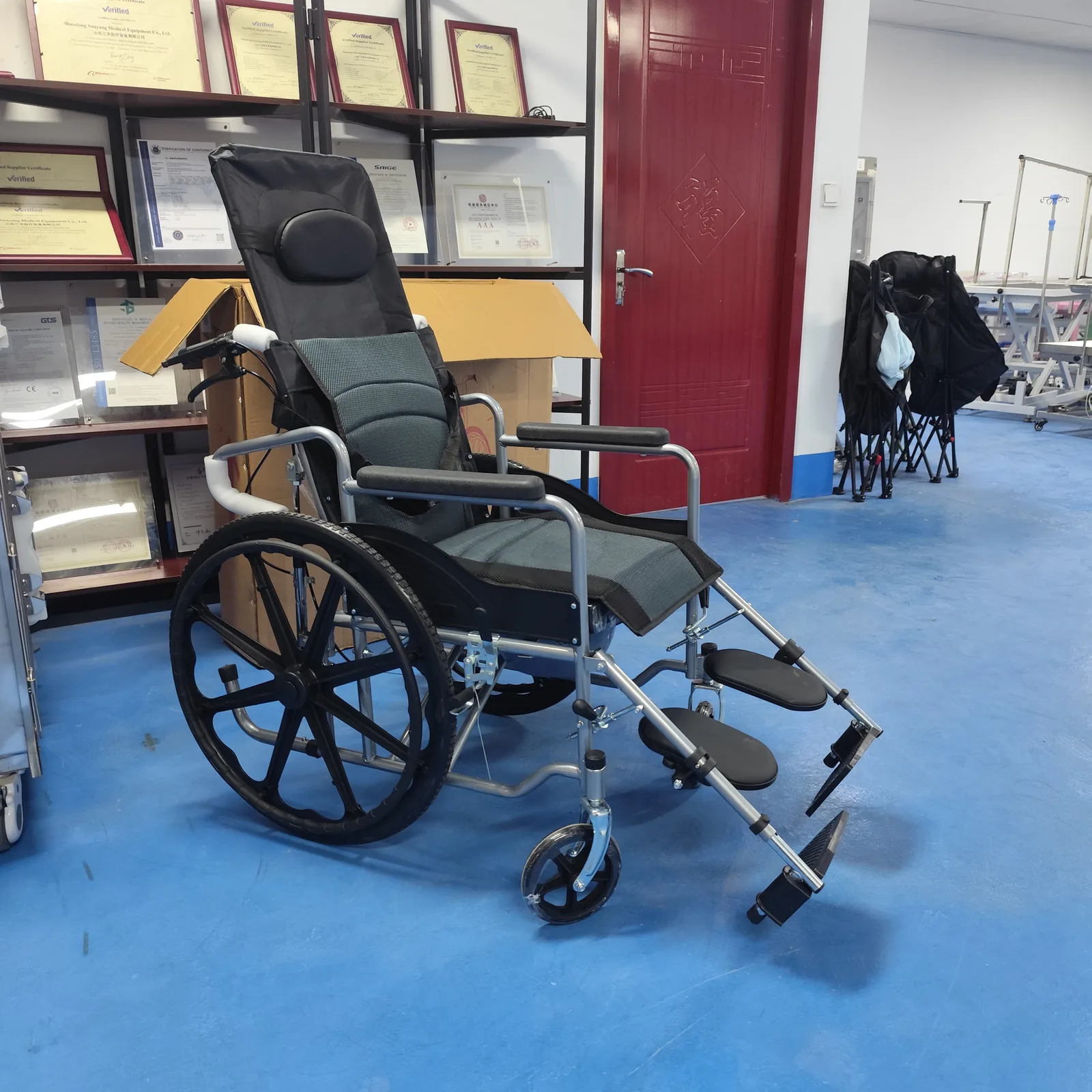
A change in how a manual wheelchair rolls is worth recording, but the observation is not the same as the cause. A chair that pulls to one side, feels harder to push, or shows uneven tire wear may have a rear-wheel direction issue, or it may have a different explanation entirely: a tire pressure difference, a brake or caster concern, a frame or axle issue, or a change in the surface being traveled. The supplied sources do not support naming any single cause from a symptom, and this article does not do so. What the sources do support is a disciplined record that gives a service professional the information needed to investigate.
A practical record captures several things. Note what changed and when the user or caregiver first noticed it, in plain terms. Note whether the change appeared after a specific event such as transport, a part replacement, or a repair, without assuming that event caused it. Note what the user actually experiences: does the chair drift consistently in one direction, does it feel different only on certain surfaces, does the tire show wear on one edge? Photograph the rear wheels from above and from the front if you can do so safely, and label which side is which. Record the tire condition and, where the user checks it, the tire pressure, since pressure differences can affect how a chair rolls. Keep the model name, serial number, and any manual revision you have, because the service review will depend on the exact configuration.
It also helps to separate the user's experience from the observer's interpretation. "It feels like it pulls left" is the user's report and should be recorded as such. "The left rear wheel looks angled" is an observation and should be recorded separately. Neither should be rewritten as "the toe is out" unless someone has actually checked the alignment using the method the model's manual specifies. This separation matters because a service team may need to rule out several possibilities, and a record that has already decided the cause can narrow the investigation prematurely. The record's job is to preserve evidence, not to close the question.
Timing is part of that evidence. A note that says only "the chair pulls" leaves the service team unable to tell whether the behavior is new, gradual, or long-standing. Recording when the user first noticed the change, whether it has stayed the same or worsened, and whether it appears on every surface or only some of them gives the review a starting point. None of those details identifies a cause, and none of them should be written as one. They simply describe the pattern, which is what a technician needs before deciding which checks to run first.
Compare two named source scopes
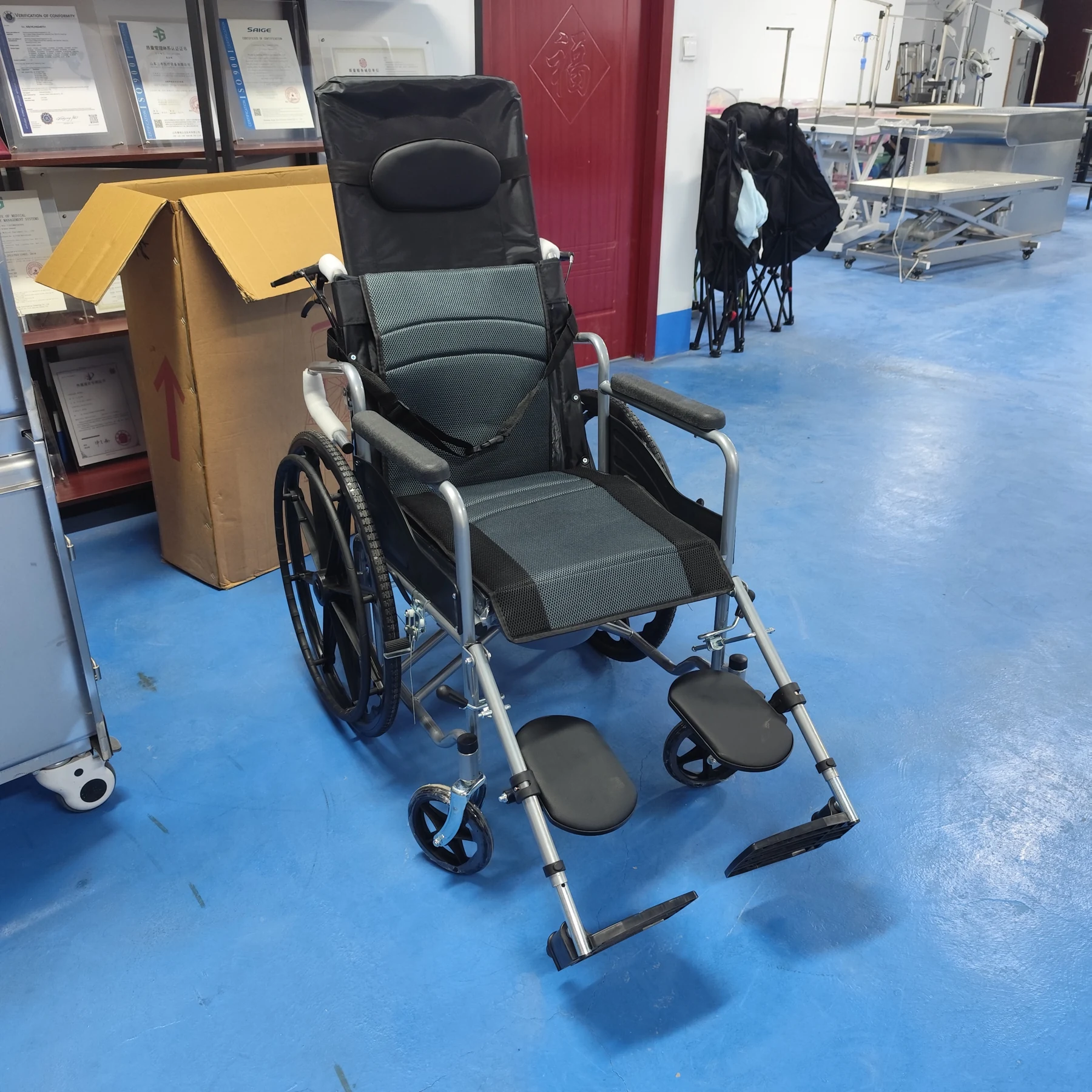
The two references supplied for this article do different jobs, and keeping their scopes separate is part of reading the alignment correctly. The Queensland Health manual wheelchair document is a health-sector publication that defines the terms toe-in and toe-out as they apply to rear-wheel direction. It gives the reader a shared vocabulary and a conceptual description. It is not a service manual for a specific chair, and it does not establish that any particular model's rear wheels are adjustable, what the correct setting is, or how a correction should be performed. Its value here is terminological: it tells you what the words mean.
The second reference, the EasyMed online document, is a named wheelchair manual. A manufacturer's manual speaks to the model or models it covers, and its alignment and service content is scoped to those models. That scope is the important part. A statement in a named manual does not transfer to a different chair, a different rear-wheel configuration, or a different model year. It also does not authorize a reader to perform an adjustment that the manual assigns to service personnel. The comparison below sets out the two scopes side by side.
| Source | Type | What it can support | What it cannot establish |
|---|---|---|---|
| Queensland Health manual wheelchair document | Health-sector publication | Definitions of toe-in and toe-out as rear-wheel direction terms | Model-specific settings, adjustability, or service procedures |
| EasyMed wheelchair manual | Named manufacturer manual | Alignment and service content for the model or models it covers | Applicability to other models, configurations, or model years |
Reading the two together is useful precisely because they do not overlap. The health document gives you the concept and the vocabulary; the named manual gives you the model-scoped service context. Neither one tells you that every manual wheelchair has adjustable rear-wheel alignment, that a particular setting is correct for a given user, or that a symptom has a particular cause. Those questions require the exact model's documentation and a qualified service review. When a reader asks whether a chair's rear wheels "should" be set a certain way, the honest answer is that it depends on the model and on what the manufacturer specifies, and that the specification is found in the documentation for that chair, not in a general article.
This is why a general article and a model manual should not be read as if they carried the same authority. The health publication is useful for understanding what a term means and for describing an observation in shared language. The named manual is useful for the chair it covers, and only for that chair. A dealer who keeps both kinds of document in view can answer a user's question about terminology without implying that a general definition settles a model-specific service question. That separation is not a technicality; it is what stops a conceptual explanation from being mistaken for an instruction.
Arrange a model-specific service review
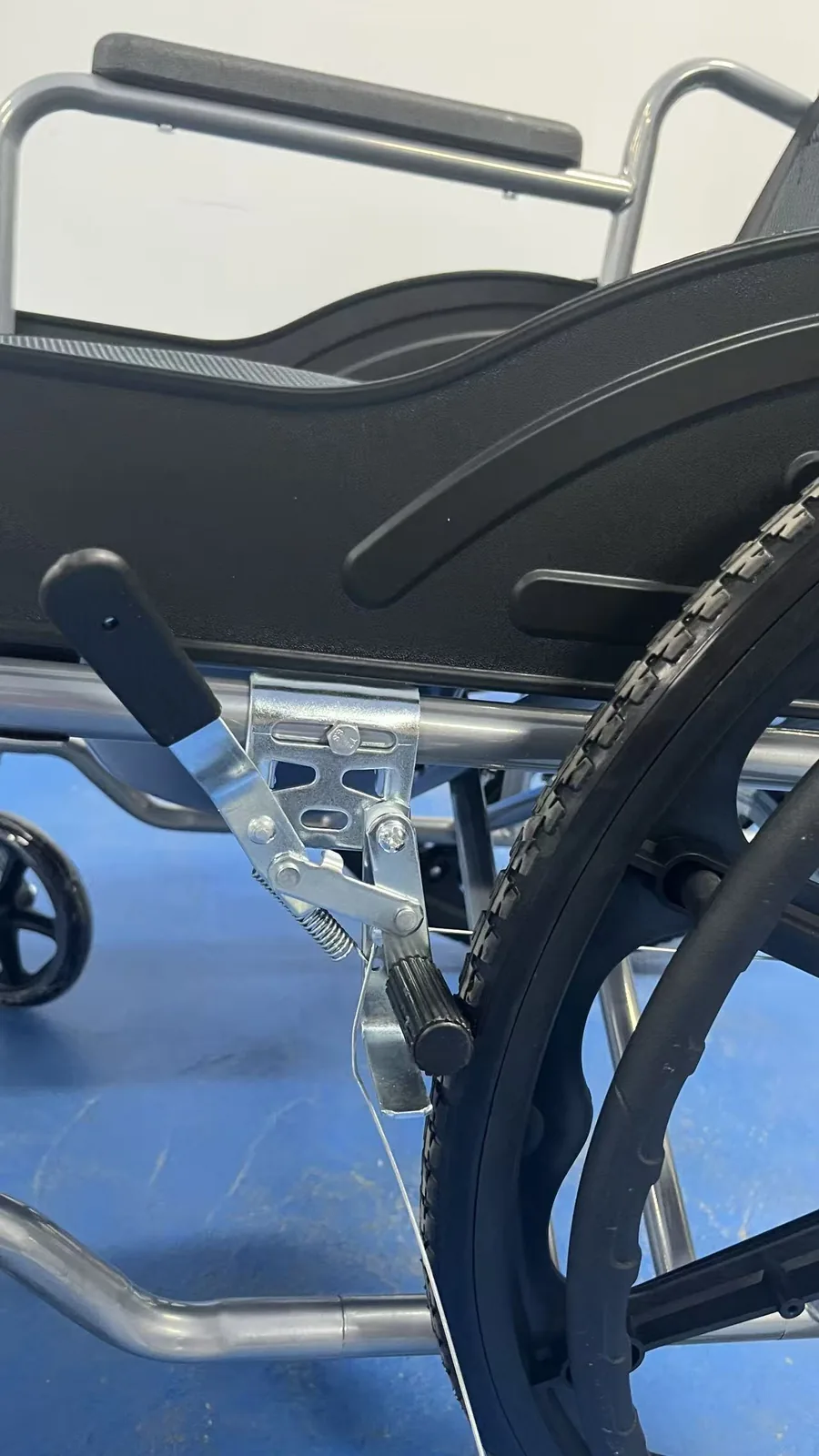
The final step is a handover, not a repair attempt. Gather the information a service professional will need and pass it on with a clear question. The package should include the chair's model name and serial number, the rear-wheel configuration as fitted, any manual or documentation you have for that model, the date and circumstances when the change was first noticed, the user's description of how the chair behaves, and any photographs or tire observations you recorded. If a part was replaced or the chair was transported recently, note that too, without asserting a link. The service team can then check the alignment against the model's specification and decide what, if anything, needs attention.
It is worth being explicit about what this article does not provide. It does not give adjustment steps, torque values, target settings, or a procedure for correcting toe-in or toe-out. It does not say that every manual wheelchair's rear-wheel alignment is adjustable, and it does not say that all chairs should share one setting. Those are model-specific and service-specific matters. A dealer technician with the correct documentation and tools is in a position to evaluate them; a user or coordinator reading a general article is not, and attempting a correction without the model's procedure risks introducing a new problem. The same discipline applies to related rear-wheel questions: fit, alignment, and service are separate checks, and each should be routed to the person or document that covers it.
For a dealer or service coordinator, the review is also a chance to confirm what the record should contain next time. If the chair's documentation includes alignment information, note where it is kept so the next concern can be checked against the right source. If the model's manual assigns alignment work to service personnel, record that so the expectation is clear to the user. The aim is a repeatable process: observe, record, hand over, and let the qualified review determine the outcome.
A clear question helps the handover land well. Instead of asking whether the toe is wrong, ask whether the rear-wheel alignment can be checked against the specification for this model, and include the observation that prompted the request. That phrasing keeps the decision with the person who has the documentation and the tools, while still making the concern specific enough to act on. It also leaves room for the review to conclude that the alignment is within specification and that the reported change has another explanation, which is a legitimate outcome rather than a failed request.
Frequently asked questions
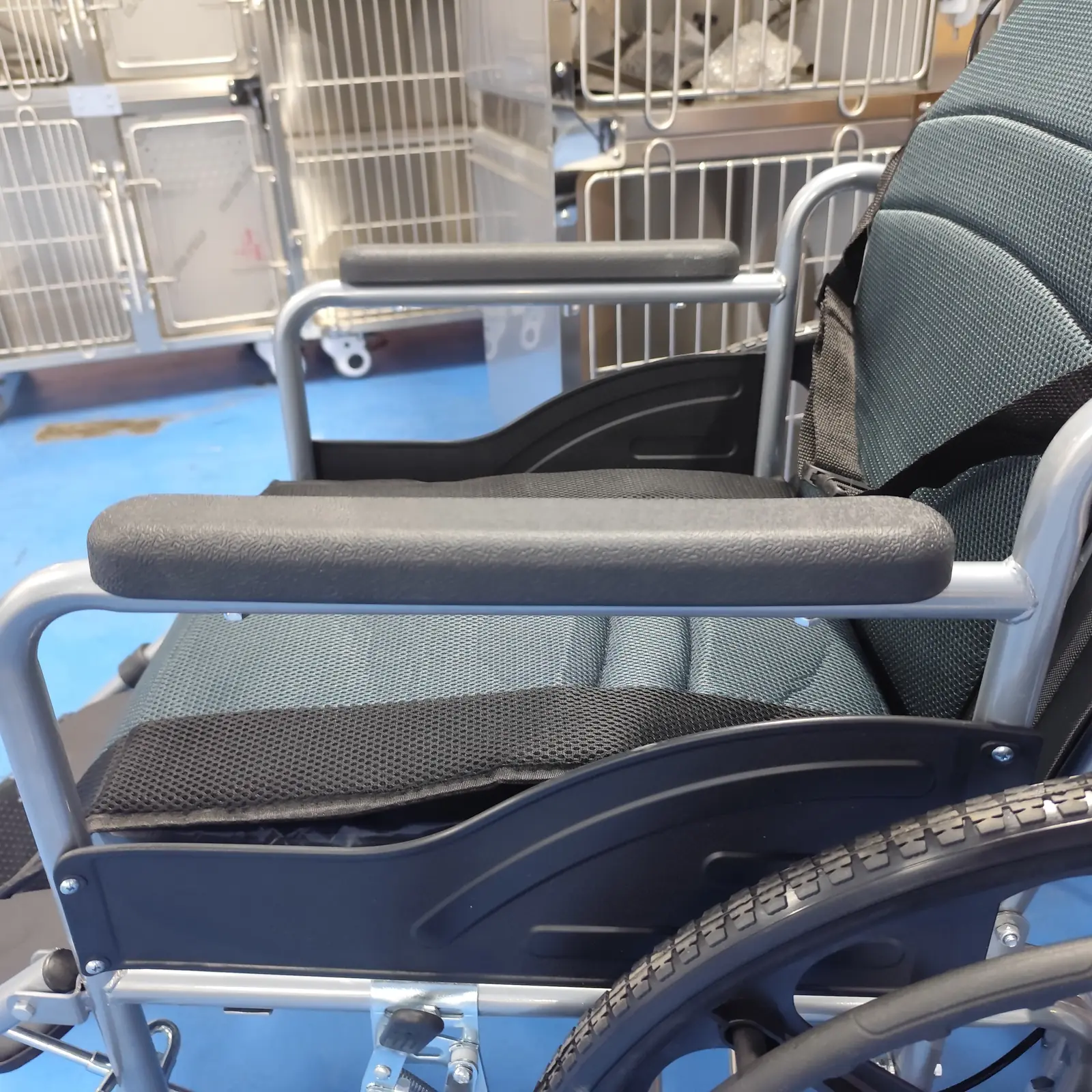
Is toe-in the same as wheel camber?
No. Toe-in describes the rear wheels pointing slightly toward each other when viewed from above, along the direction of travel. Camber describes how the wheel face tilts from vertical when viewed from the front. They are different measurements taken from different viewpoints, and a service record should keep them separate.
Can a wheelchair pull to one side for more than one reason?
Yes. A pull to one side is a symptom, and the supplied sources do not support naming a single cause from it. Tire pressure differences, brake or caster concerns, frame or axle issues, surface conditions, and rear-wheel direction are among the possibilities a service professional may need to consider. Record what the user experiences and when it began, and let the review investigate.
Should all wheels have the same alignment?
Not necessarily, and this article cannot set a universal target. Rear-wheel alignment is model-specific, and the correct setting for a given chair is found in that model's documentation and confirmed by a qualified service review. Do not assume that every manual wheelchair has adjustable alignment or that one setting applies across models.
Conclusion
Toe-in and toe-out describe rear-wheel direction; camber describes wheel tilt. Record what you observe, keep the terms separate, and hand the question to a service professional using the exact model's documentation.
Video: Rear Wheel Camber on Your Wheelchair