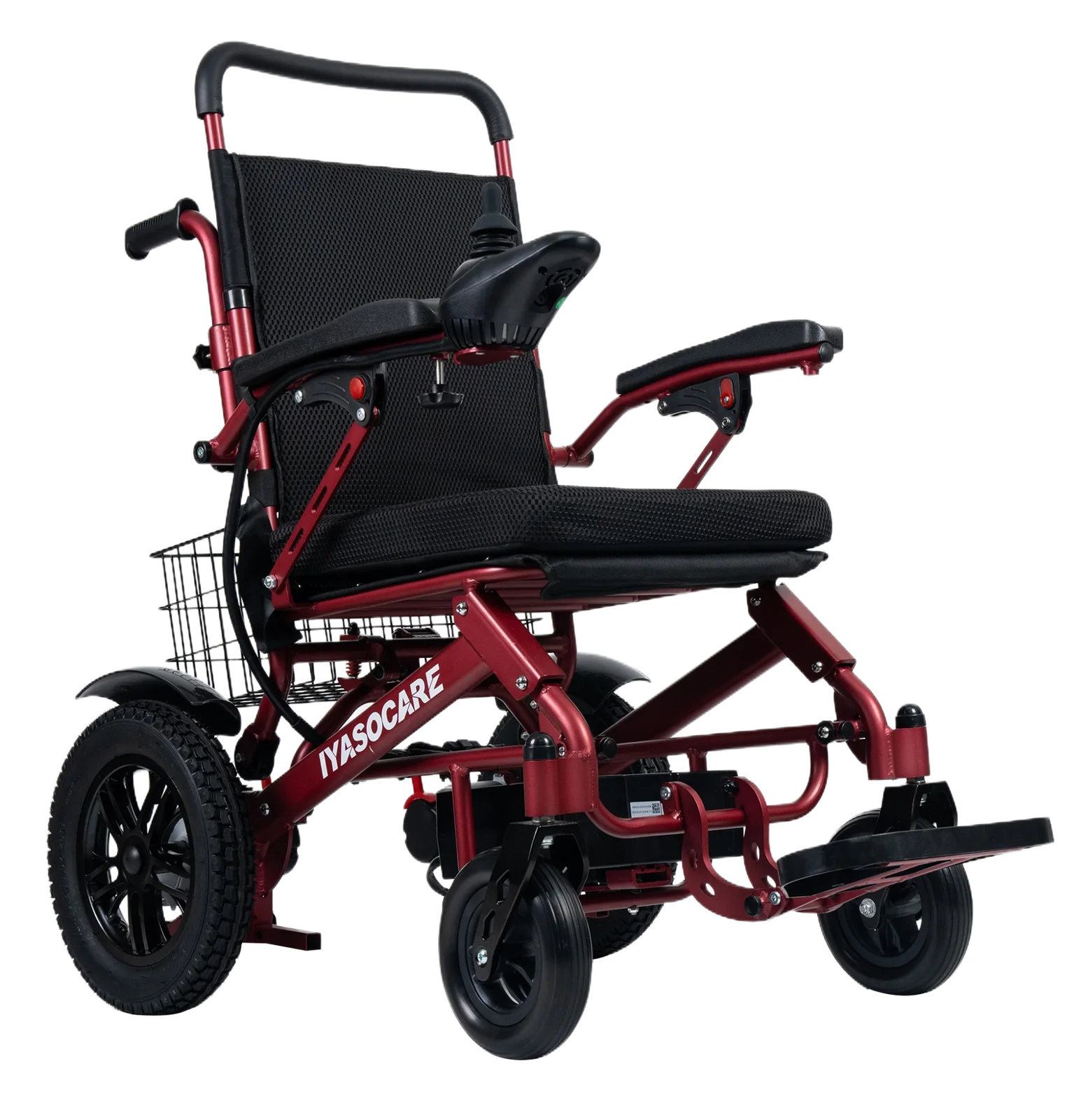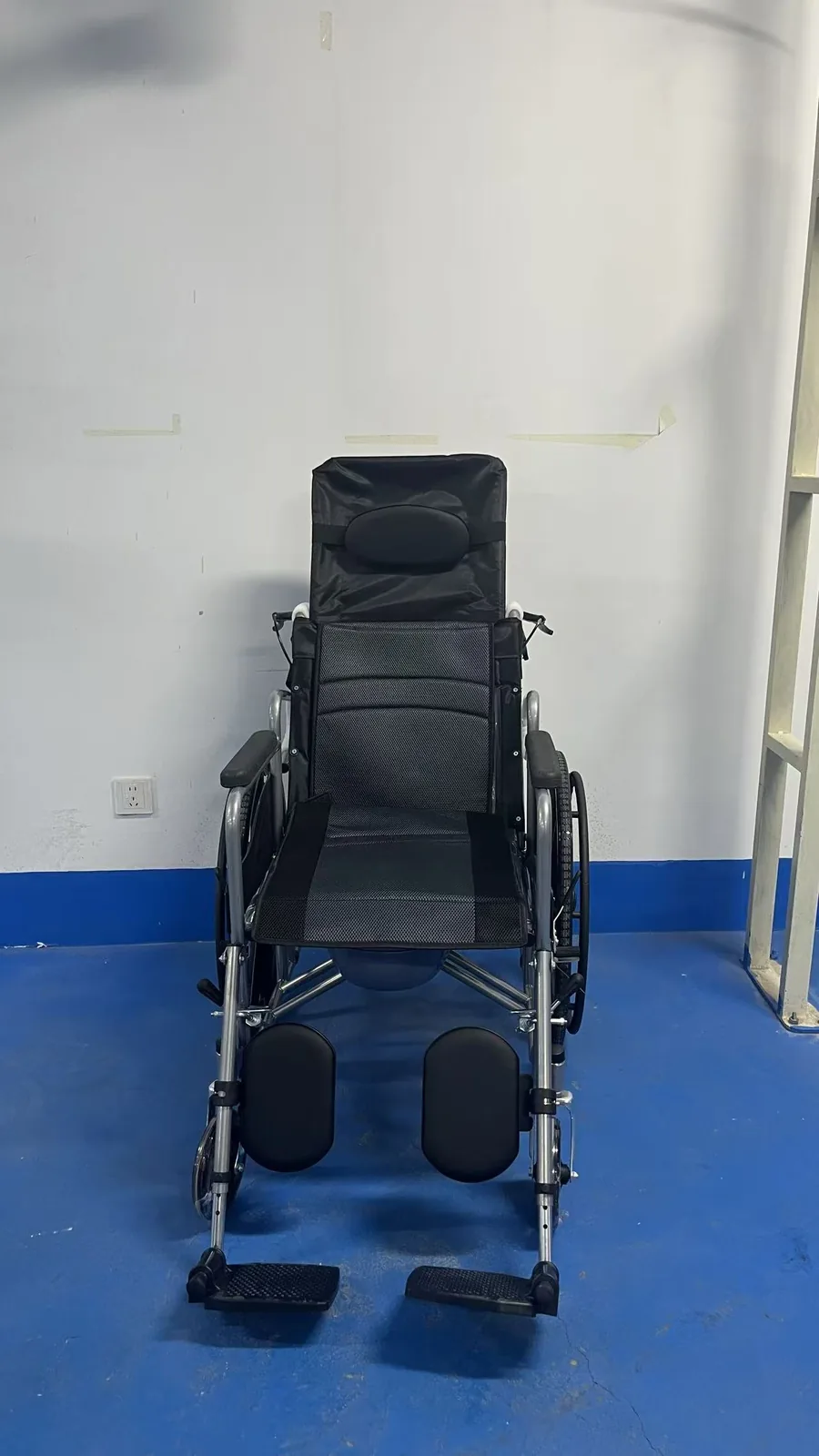
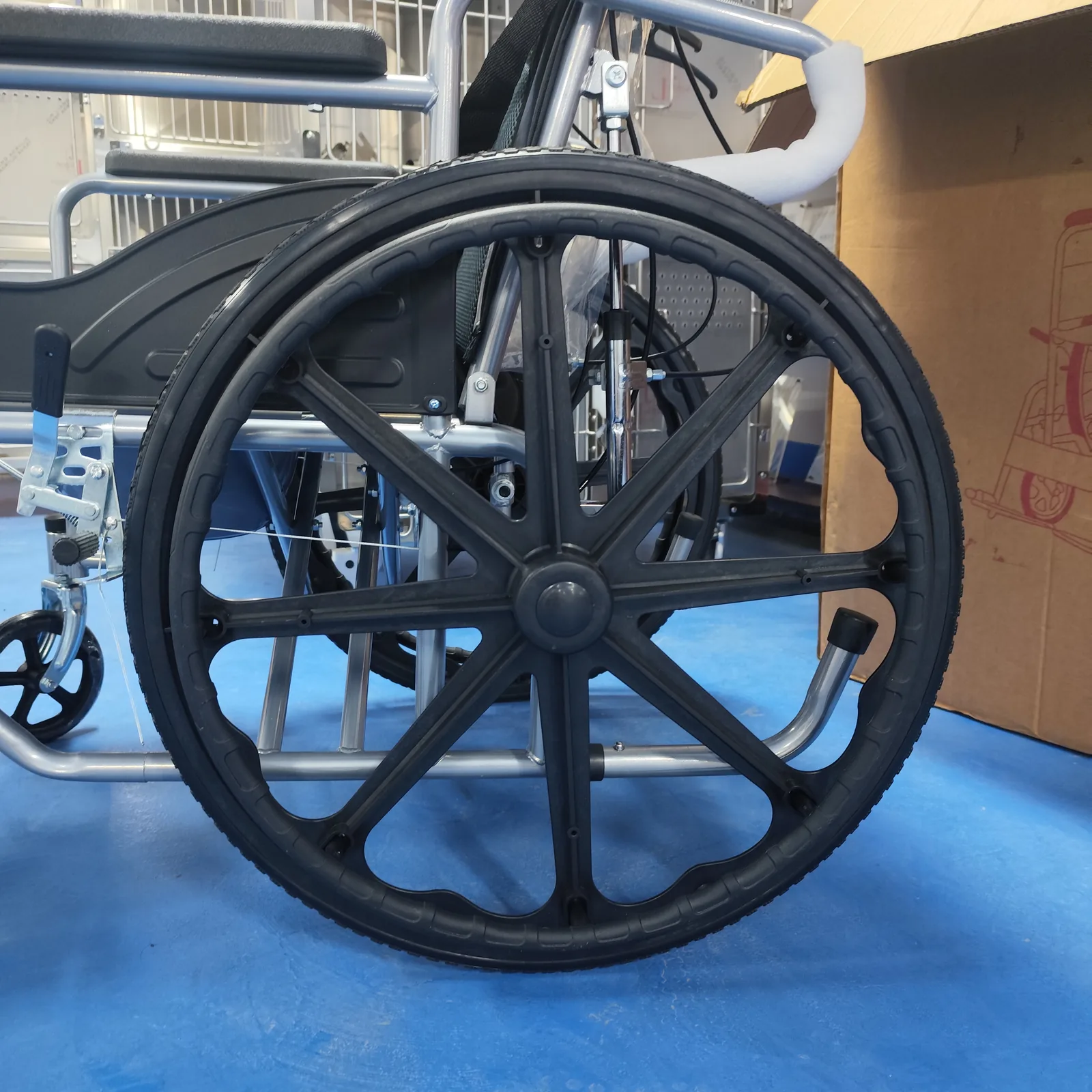
A rear wheel is off the chair, the replacement wheel or axle is being ordered, and someone has to decide whether it will actually fit. The useful work at this stage is not guessing: it is collecting the chair, wheel, hub and axle details that a qualified service provider can check against the original documentation.
A wheelchair quick release axle is a model-specific interface, not a universal part. Before ordering, record the exact chair, the wheel and hub it uses, the existing axle’s markings and source, and the manual revision — then send that record to the manufacturer or a qualified service provider for confirmation.
Wheelchair quick release axle: Identify the exact chair, wheel and existing axle

The starting point for any wheelchair quick release axle question is identity, not measurement. Two chairs that look similar, or two rear wheels of the same nominal size, can use different hubs, receivers and axle pins. If the chair model, the wheel assembly and the existing axle cannot be named, there is nothing reliable to compare against a supplier listing. Write down what you can confirm and leave the rest blank rather than filling gaps with a plausible guess.
Identify the chair and wheel
Begin with the chair itself. Record the manufacturer, the model name and any model code on the frame label or serial plate, plus the manual revision you are working from. A manual revision matters because instructions and part references can change between editions, and a service provider will want to know which document your information came from. If the label is worn or unreadable, note that as an open item rather than reconstructing it from memory.
Then identify the wheel as a separate assembly. Useful fields include the wheel size as stated in the chair documentation, the wheel or rim brand if it is marked, the hub type, the number of spokes or the wheel construction, and whether the wheel is the original supplied with the chair or a later replacement. A replacement wheel is a common reason axle details no longer match the chair’s original configuration, so say clearly which wheel is currently fitted and which wheel is being ordered.
Record the existing axle and source
Now record the axle itself. Note any part number, stamped marking, colour code or length marking visible on the axle, and where that axle came from — original chair supply, a replacement from a dealer, or an unknown source. The source matters because an axle of unknown origin gives a service provider no documented basis for comparison. If the axle carries no legible marking, write “no legible marking” instead of describing it from memory.
Keep the chair, wheel and axle records together, with the manual version and the date you recorded them. This turns a scattered set of observations into a file that can be sent, questioned and corrected. It also makes later changes visible: if the wheel is swapped again, the record shows what was previously confirmed and what was never confirmed at all. For a dealer or repair team handling several chairs, the same discipline prevents one chair’s confirmed axle reference from being carried over to a similar-looking chair on the bench next to it.
Separate axle diameter, installation length and hub details
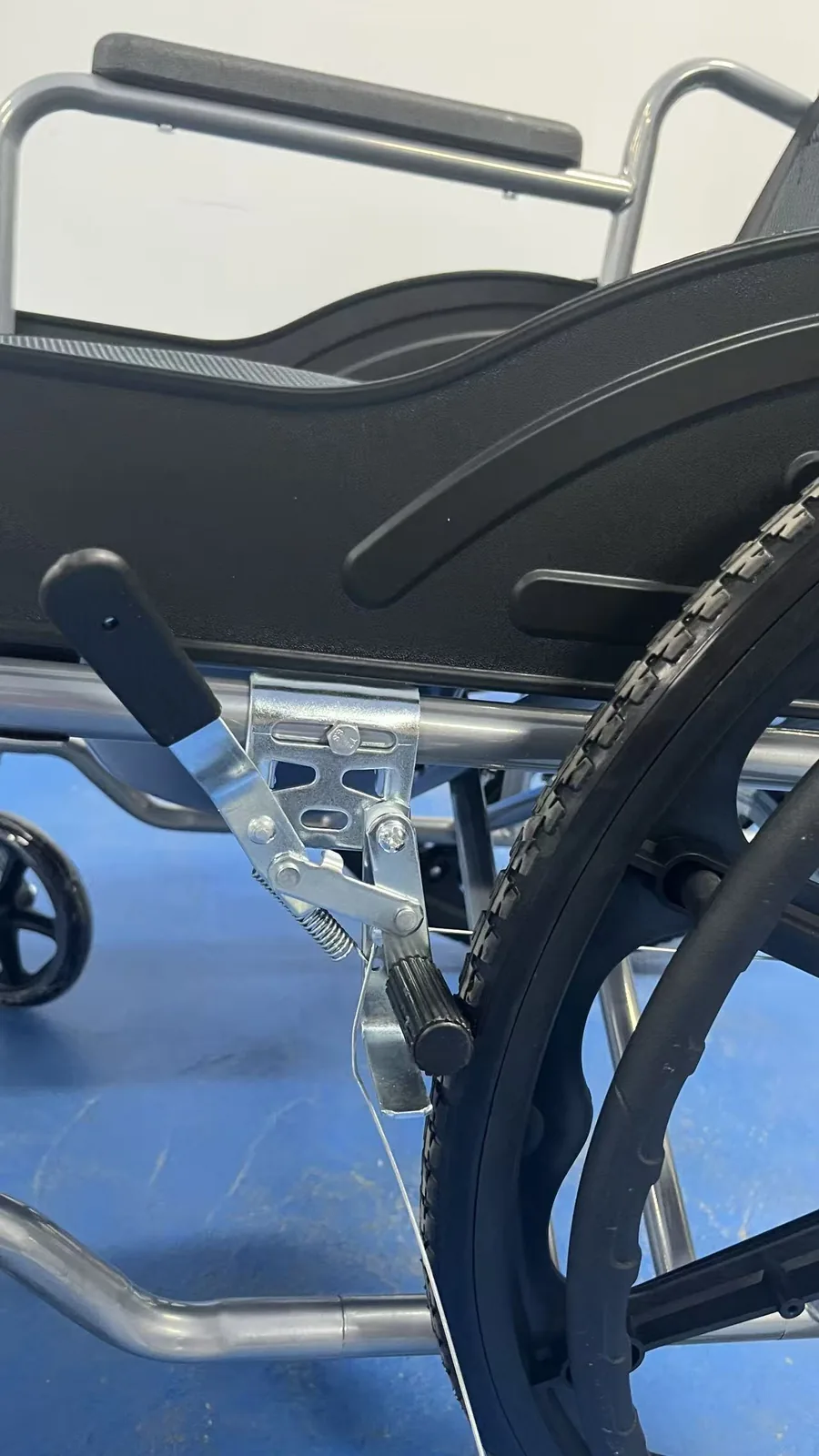
A quick-release axle is described by more than one number, and mixing those numbers up is where ordering goes wrong. Named manufacturer catalogues show the pattern: Rolko’s quick-release axle listings for wheelchairs separate axle diameter from installation length and present them as model-specific catalogue entries rather than a single universal size. That structure is the useful lesson — ask about each field separately, and expect the answer to depend on the exact chair and hub.
At minimum, treat these as distinct questions:
- Axle diameter. The diameter of the axle pin itself, as specified for the chair and hub. This is not the same as the wheel size or the receiver bore.
- Installation length. The length dimension the manufacturer specifies for the intended installation, stated in the unit the catalogue uses. Do not substitute a length measured roughly with a household tape for a documented specification.
- Hub details. The hub the axle passes through, including its type and any marking, because the hub is part of the interface, not an accessory to it.
- Receiver or frame-side interface. The part on the chair that accepts the axle. A wheel and axle pair can only be assessed against the chair it is meant for.
- Locking and release configuration. How the quick-release mechanism is specified for that chair. This is a documentation question for the service provider, not something to resolve by experimenting.
Loopwheels’ fitting and axle FAQ illustrates the same principle from the wheel side: its guidance points users to check against the original manufacturer by size and chair type rather than treating an accessory as generally interchangeable. Read together, the two named sources support a practical rule — collect the fields each party asks for, and let the party holding the chair’s documentation make the compatibility call. Neither source supplies a universal figure that can be applied across brands, and neither should be read as a specification for any particular chair.
Units deserve their own line in the record. Catalogues may state dimensions in millimetres or inches, and a number without a unit is not evidence. Write the unit beside every dimension, and if a supplier quotes a figure without one, ask which unit applies before comparing it with anything else. Similarly, do not convert a measurement yourself and present the converted figure as if it were the manufacturer’s specification; keep the original figure and note any conversion separately as your own working note. A rounded conversion can look authoritative while quietly shifting the number a service provider checks against, so keeping the original beside it protects the comparison.
Why a wheel size or tire code is not an axle match

A tire marking identifies a tire. It does not identify an axle, and it cannot confirm wheelchair axle pin compatibility. The rear wheel is a stack of separate parts, each with its own specification: the tire, the rim, the hub, the axle pin and the receiver on the chair frame. A code moulded into a tire sidewall describes the tire’s size and type; it says nothing about the diameter of the pin that passes through the hub, the installation length the chair requires, or how the quick-release mechanism is specified.
This distinction matters because tire and wheel sizes are easy to find and easy to over-trust. Someone replacing a rear wheel may read a size from the tire, find a wheel listed at the same nominal size, and assume the assembly will transfer. The wheel may indeed be the same nominal size while the hub, axle interface or receiver arrangement differs. The reverse also happens: a wheel that looks different may be the documented replacement for a particular chair. Only the chair’s own documentation and the wheel supplier’s specification can settle which case applies.
A practical way to keep the parts separate is to describe each one in its own row of your record, with its own source. The tire row cites the sidewall marking and the tire brand. The rim row cites any rim marking. The hub row cites the hub type and marking. The axle row cites the axle marking and its source. The receiver row cites what the chair manual says about the frame-side interface. When these rows are kept apart, a size that matches in one row cannot quietly stand in for a match in another.
The same caution applies to photographs. A photo of a wheel is useful for showing a service provider what is fitted, and it can capture a marking that is hard to read in place. It is not a measurement, and it does not show whether a pin diameter or installation length is correct. Label photos with what they show and when they were taken, and keep them alongside the written fields rather than in place of them. A clear photo of a worn or partly obscured marking can still help a service provider recognise a part family, but recognition is not the same as a documented match, and the written fields remain the record that gets checked.
Prepare the compatibility request

A compatibility request works best when it is a structured record rather than a paragraph of description. The card below is a blank template: fill in what you can confirm, leave unknown fields visibly empty, and send the completed card to the chair manufacturer or a qualified service provider. It is deliberately not a decision sheet — the confirmation column is for the service provider’s answer, not for your own conclusion.
| Field | What to record | Unit / format | Source of the information | Confirmed by service provider (date, name) |
|---|---|---|---|---|
| Chair manufacturer and model | Name and model code from the frame label | Text | Frame label or serial plate | |
| Chair manual revision | Edition or revision identifier | Text | Manual cover or footer | |
| Wheel currently fitted | Brand, size as documented, construction | Text | Wheel marking or chair manual | |
| Wheel being ordered | Brand and supplier reference | Text | Supplier listing or quotation | |
| Hub type and marking | Hub description and any marking | Text | Hub marking or wheel supplier | |
| Existing axle marking | Part number or stamp, or “no legible marking” | Text | Axle itself | |
| Existing axle source | Original supply, dealer replacement, unknown | Text | Purchase record or service history | |
| Axle diameter | Figure as stated by the manufacturer | mm or in — state which | Manufacturer documentation | |
| Installation length | Figure as stated by the manufacturer | mm or in — state which | Manufacturer documentation | |
| Receiver / frame interface | Description from the chair documentation | Text | Chair manual | |
| Locking configuration | As specified for this chair | Text | Chair manual or service provider | |
| Photos | Wheel, hub, axle marking, frame label | Image files with date | Your own record | |
| Open questions | Anything not yet answered | Text | — |
Three habits make the card more useful. First, cite the source beside every figure, so the service provider can see whether a number came from the chair manual, a supplier catalogue or your own tape measure — and can discount the last one if it is not adequate. Second, keep the original units and never present a converted figure as the manufacturer’s own. Third, use the open-questions row honestly; a request that lists what is unknown is easier to answer than one that hides gaps behind confident wording.
When you send the request, say what you are asking for in one sentence: confirmation of whether the specified wheel and axle are documented as compatible with this chair, and if not, what the correct reference is. Ask the manufacturer or service provider to state the document and revision they checked against. That answer, with its date and source, becomes the confirmation record — and it is the only basis on which an order should proceed. If the reply arrives as a verbal answer, write down who gave it and when, and ask for the reference in writing so the record stays usable months later when the wheel is fitted or the chair changes hands.
Stop when the axle or wheel is uncertain
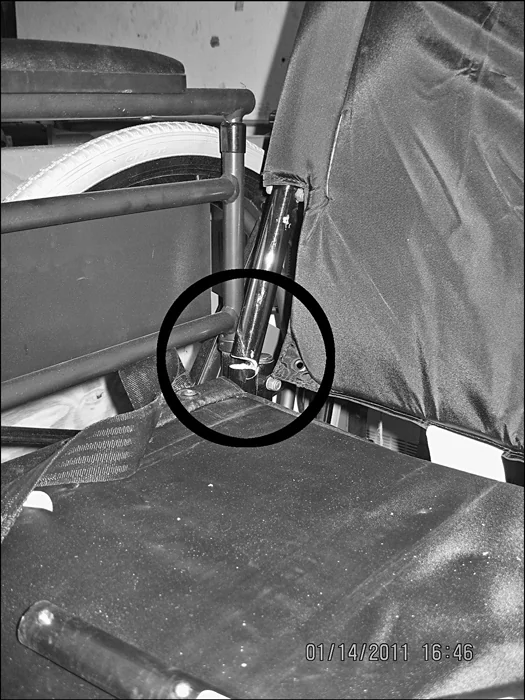
There is a point where collecting information should stop and the chair should go to a qualified service provider. If the axle does not lock as expected, if a wheel feels loose or damaged, if the existing axle cannot be identified, or if the documentation does not clearly cover the wheel being considered, the responsible next step is to stop and arrange an assessment rather than to try a part and see what happens. Motion Composites’ folding wheelchair user manual (document 0070757E-00) is one named example of manufacturer documentation that addresses quick-release axles alongside related warnings; its scope is that document and those models, and it should be read as the chair-specific instruction it is, not as general guidance for other chairs.
Several situations deserve this pause. An axle of unknown origin is one: without a documented reference, there is no basis for comparison. A wheel bought second-hand without its specification is another. So is any mismatch between what the chair manual describes and what is currently fitted. In each case, the question is not whether the parts can be made to go together, but whether the combination is documented for that chair. Improvised compensation — extra washers, a different pin, a modified receiver — moves the assembly away from its documented configuration, and this article deliberately gives no procedure for it.
It is also worth being clear about what a compatibility confirmation does and does not cover. A service provider confirming that a wheel and axle are documented for a chair is answering a parts-identification question. That is different from an assessment of how the chair suits its user, which belongs with the appropriate clinical or seating professional, and different again from any transport operator’s rules about travelling with a wheelchair. Keep those questions separate, and route each to the party responsible for it.
Finally, keep the record after the decision. Note what was ordered, what the service provider confirmed, the date, and the document revision relied on. If the wheel is replaced again, or the chair changes hands, that history is what makes the next check quicker and safer. A short, dated record of confirmed parts is a practical asset for any dealer, repair team or individual owner managing a manual wheelchair over time, and it keeps the boundary between a documented parts answer and an individual suitability question visible to whoever reads the file next.
FAQ
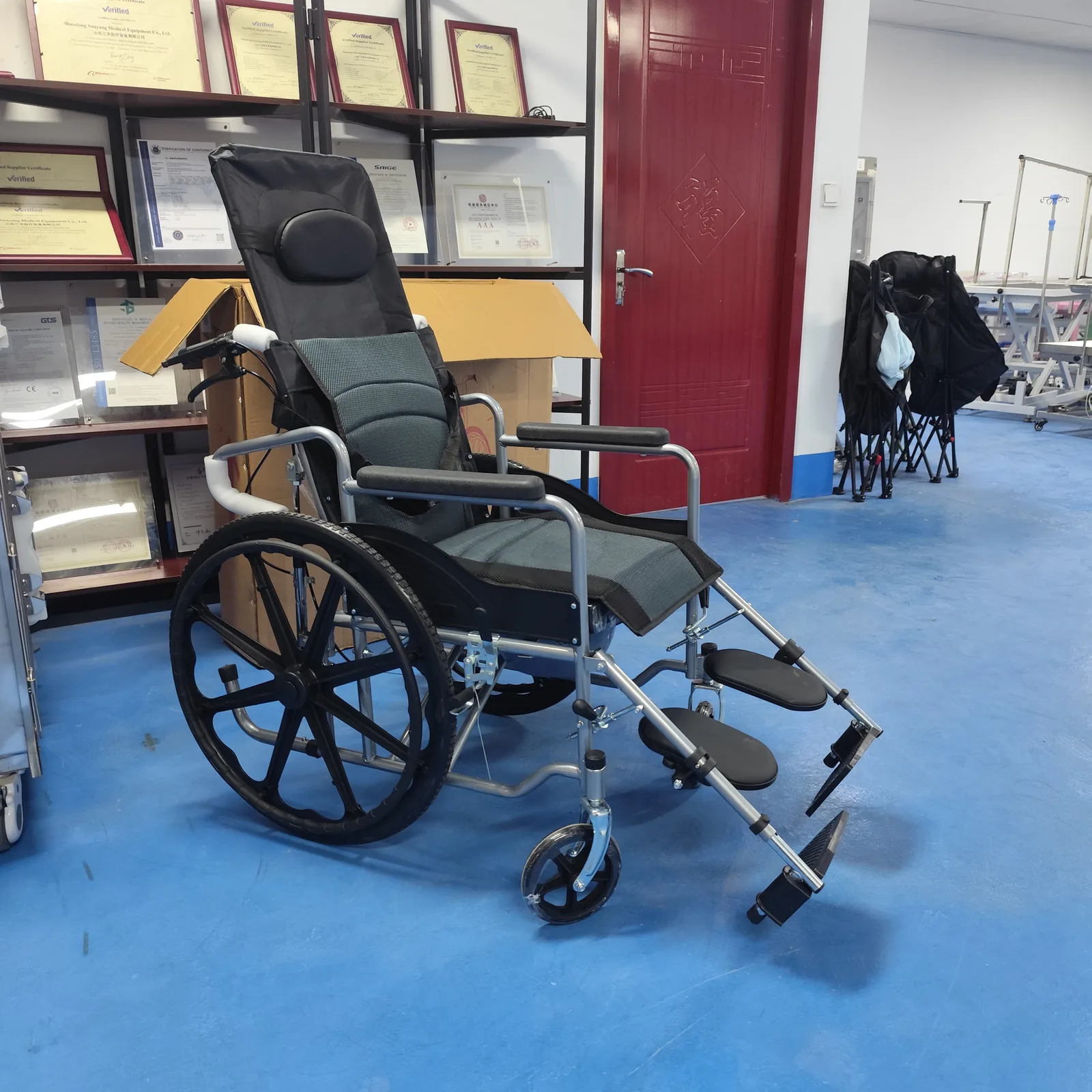
Does every quick-release axle fit every wheelchair? No. Quick-release axles are model-specific interfaces, and named catalogues such as Rolko’s list them by axle diameter and installation length as separate fields. Fit depends on the exact chair, hub and receiver, so the chair’s own documentation or a qualified service provider has to confirm it.
Is a tire marking enough to identify the axle? No. A tire sidewall code identifies the tire, not the hub, axle pin or receiver. Wheelchair axle pin compatibility has to be checked against the chair and wheel documentation, with dimensions and units stated by the manufacturer.
What should I send to the wheelchair manufacturer? Send the chair model and code, the manual revision, the wheel currently fitted and the wheel being ordered, the hub details, the existing axle’s marking and source, any dimensions the manufacturer specifies with their units, labelled photos, and a clear list of open questions. Ask for the answer in writing, with the document and revision checked.
Conclusion
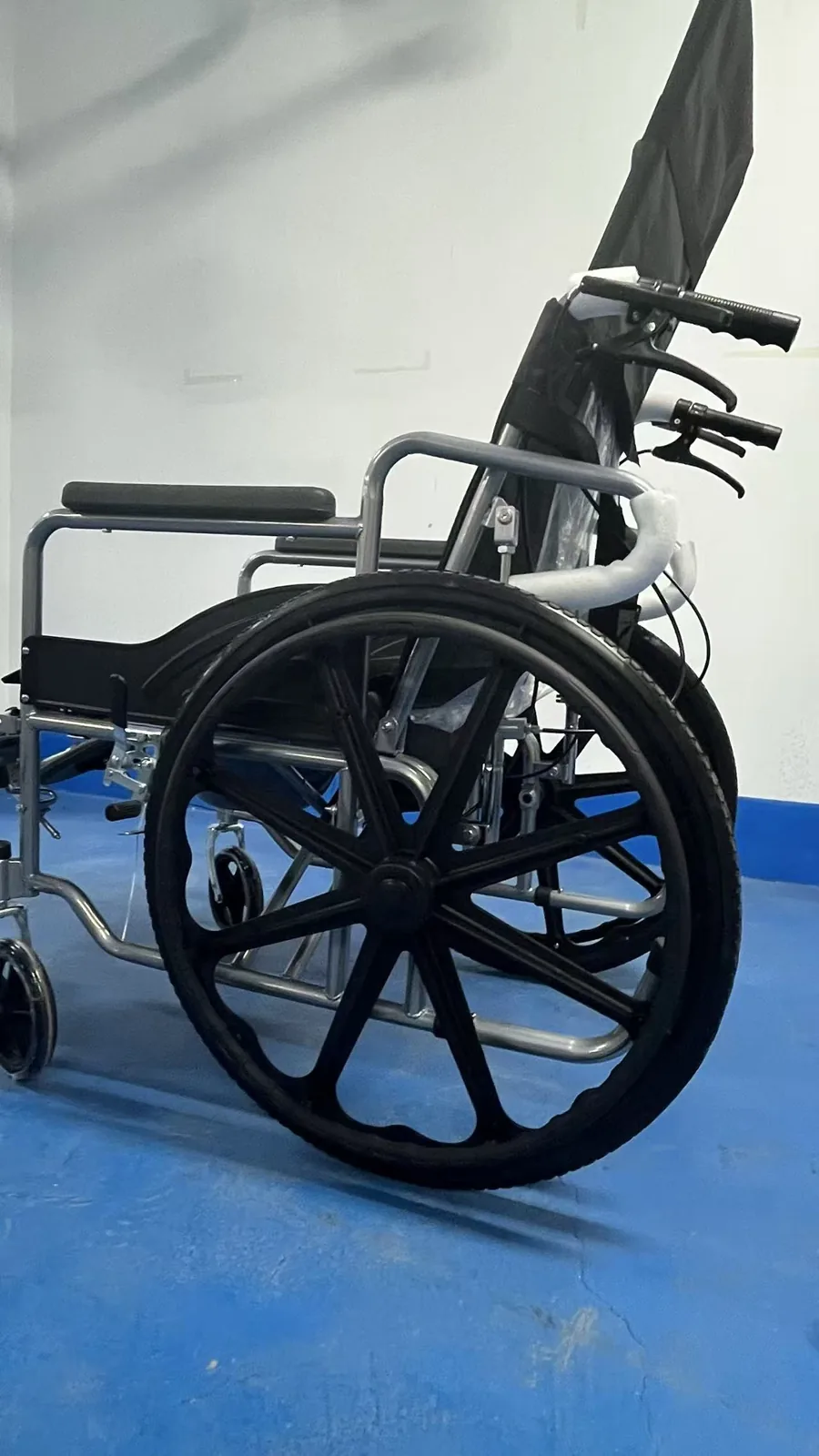
Collect the chair, wheel, hub and axle details, keep units and sources visible, and let the manufacturer or a qualified service provider confirm compatibility before you order.
For how equipment applications are organised across settings, see Wheelchairs Factory applications.