A care-home equipment manager or repair desk receives a chair with a torn seat surface and needs to order a replacement. Before any order goes out, the job is to name the exact part, the chair model, and the mounting details the manufacturer's documentation requires.
Wheelchair upholstery replacement starts with part identification, not measurement alone. Record the manufacturer, model, serial range, the specific seat or back component, and the original parts diagram, then confirm fit and supply scope with the manufacturer or an authorized service contact.
Wheelchair upholstery replacement: What wheelchair upholstery may refer to
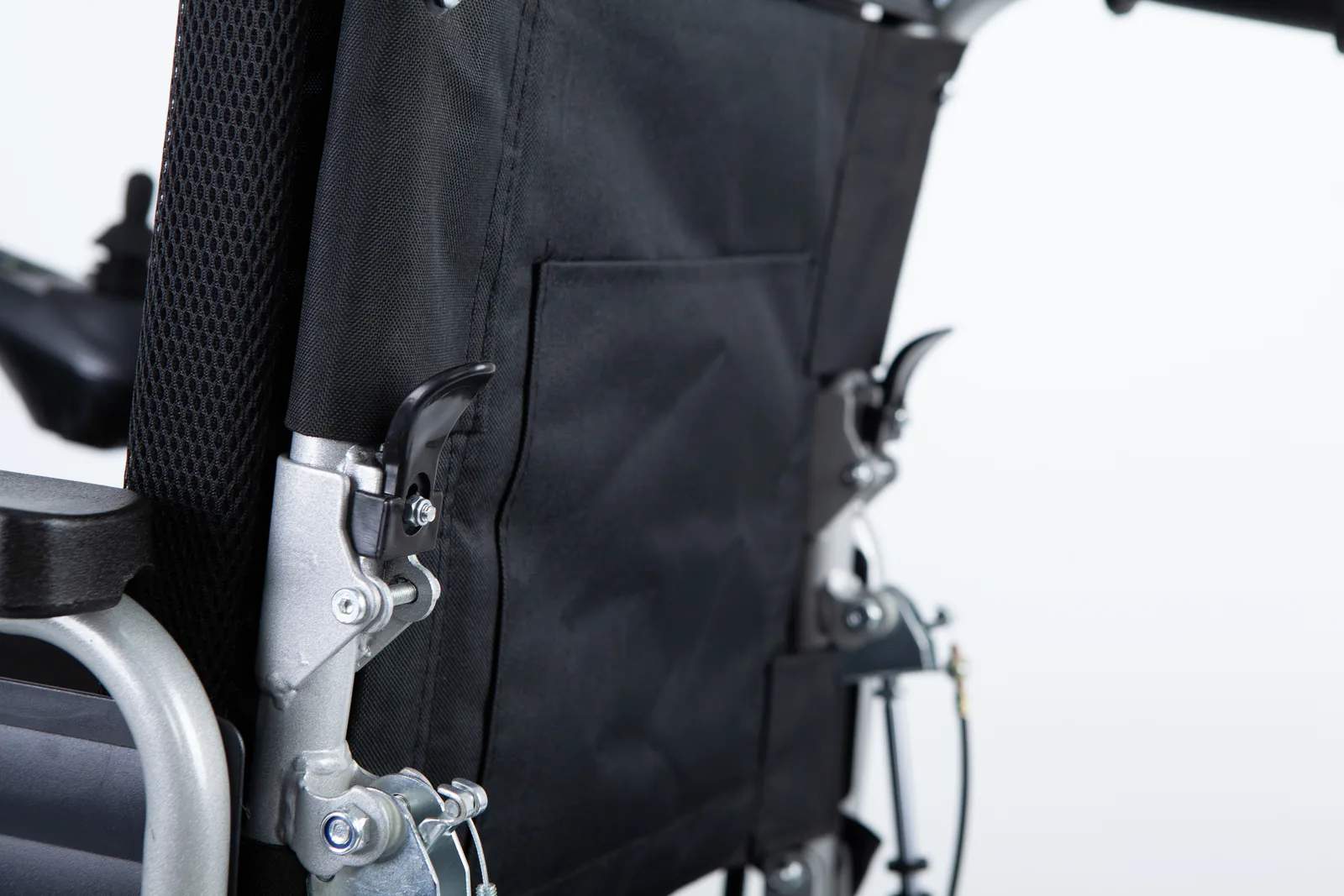
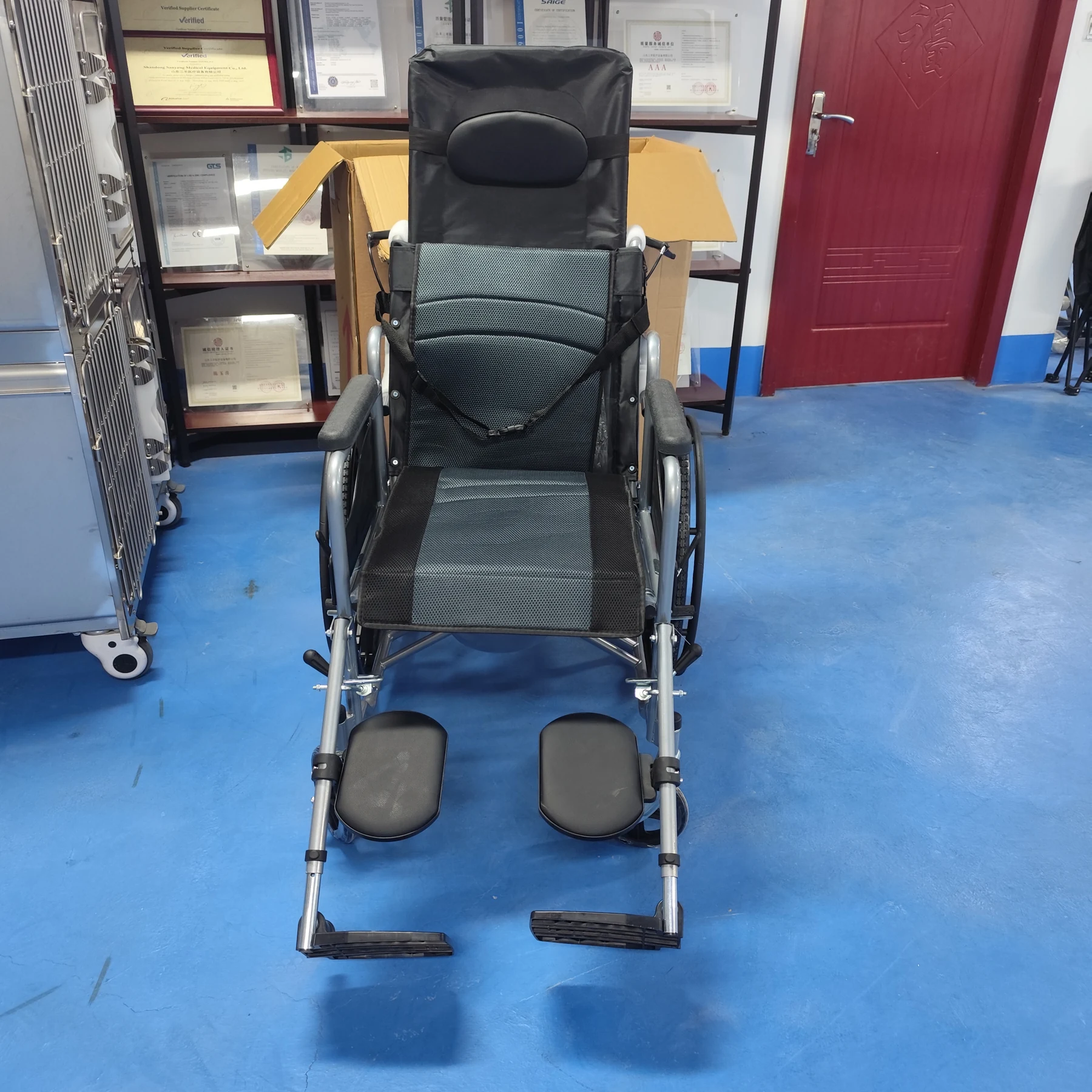
"Upholstery" is a workshop word that covers several different components, and the repair desk needs to know which one is damaged before it can look anything up. On many manual and care chairs, the load-bearing seat surface is a tensioned fabric sling, the backrest has its own fabric panel, and a separate cushion may sit on top with its own cover. These are different parts with different part numbers, different fixing methods, and different reasons to be replaced. A worn cushion cover is a comfort and hygiene item; a torn seat sling is a structural fabric component of the chair. Mixing the two in a repair ticket sends the wrong request to the supplier and delays the repair.
The confusion is understandable because the three layers sit in the same place and are described with overlapping words. A caregiver may say "the seat is worn" when the visible wear is on a cushion cover, while a maintenance log may record "seat fabric" for the sling underneath. The parts desk's first useful act is to separate the layers in writing, because each layer leads to a different supplier question: a sling question is about frame attachment and model revision, a cover question is about cushion model and closure type, and a back panel question is about backrest frame style. Getting that separation right at intake saves a round of emails later, and it also keeps the maintenance history accurate for the next repair on the same chair.
Seat sling and back upholstery
The seat sling is the fabric surface that spans the seat frame and supports the seated person. The back upholstery is the fabric panel across the backrest frame. Both are typically attached to the frame at specific points, and the attachment method is part of the part's identity. Invacare's published Paul wheelchair manual and its seat upholstery parts diagram are useful examples of how a manufacturer documents these components for a named model range; the diagram shows seat upholstery and associated hardware as separate listed items. That level of detail is what a repair desk needs, because it tells you the fabric and its fasteners may be listed separately and may need to be ordered together or confirmed as included. Nothing about one manufacturer's diagram tells you how another brand's chair is built, so the diagram you use must match the chair in front of you.
It also helps to notice how the two components fail differently. A seat sling carries the seated load across its span, so its wear tends to appear along the front edge, at the attachment line, or as sagging across the middle. Back upholstery is loaded differently and often shows wear where the backrest meets the frame or where a resident leans repeatedly. Those patterns are useful for describing damage, but they are not a diagnosis and they do not tell you whether the chair is safe to keep using. Record what you see and let the manufacturer or a qualified service contact judge the condition.
Cushion and removable cover
A cushion is a separate product that sits on the seat surface. Many cushions have a removable outer cover, and that cover is often the only upholstery item a care facility replaces for routine wear or soiling. The cover is not the seat sling, and replacing a cover does not restore a torn load-bearing sling underneath it. Conversely, a sling replacement does not automatically include a new cushion or cover. When a ticket says "seat upholstery," ask which layer is damaged: the fabric spanning the frame, the cushion foam or its cover, or the back panel. Photographs of the damaged area, taken with the chair identified, resolve this faster than a description. Where the chair is occupied by a resident, the decision about continued use while a part is on order belongs to the facility and the appropriate clinical or service contact, not to the parts desk.
A cushion cover also raises questions the sling does not: closure type, whether the cover is sold separately from the foam, and whether the cushion itself is a manufacturer item or a third-party product added by the facility. If the cushion came from a different supplier than the chair, its cover should be traced through that supplier's records, not through the chair's parts diagram. Keeping the two supply chains separate in the ticket prevents a chair manufacturer being asked to quote for a cushion they never made.
Identify the chair and part
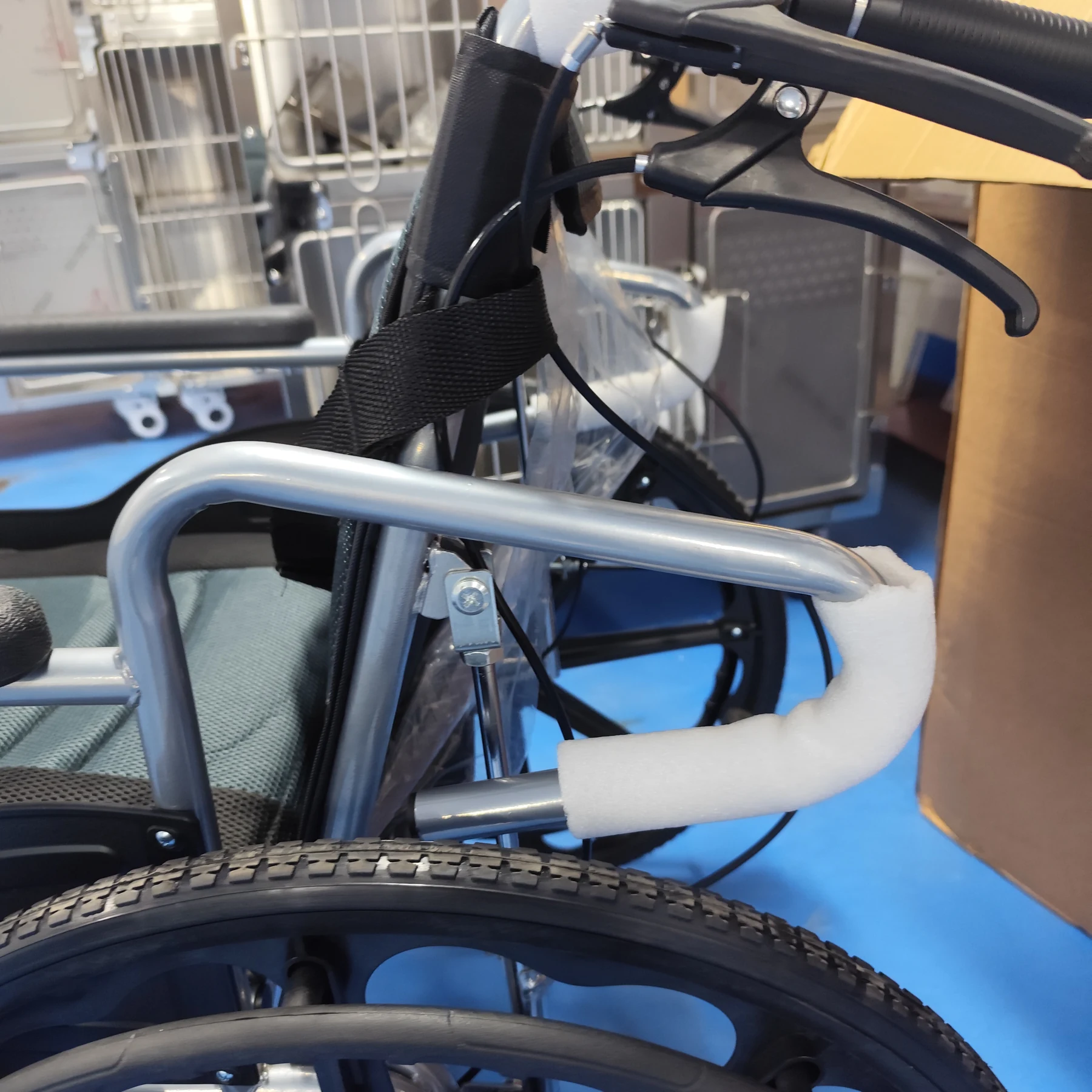
The chair comes first, the part second. A parts diagram is only meaningful when it belongs to the correct model and configuration, and manufacturers often revise diagrams and part numbers over a product's life. Start with the manufacturer name, the model designation as printed on the chair, and the serial number or serial range if one is present. Record where each of those was found, because a label on the frame, a sticker under the seat, and a stamp on a cross-brace are not equally reliable and a second person may need to re-check. Then describe the damaged component in the diagram's own terms: seat sling, back upholstery, cushion, cover, or a named hardware item. If the chair carries a dealer or facility asset tag, record that too, since it links the physical chair to the maintenance history.
Model identification deserves more care than it usually gets. Chairs in a care home are often bought in batches, and a batch may span a revision change that alters the seat surface or its fixings. Two chairs that look identical from the doorway can carry different part numbers. That is why the serial number, not the visual resemblance, is the field that lets a manufacturer answer confidently. If the label is worn or missing, say so plainly and supply photographs of the frame and any remaining markings; a manufacturer may still be able to narrow the range from those, but the record should show that the identification is provisional.
Seat and back part numbers
Part numbers should be copied exactly as printed, including any suffix that indicates size, colour, or revision. A number that looks similar but differs in a suffix is a different item until the manufacturer confirms otherwise. Where the diagram lists the fabric and its mounting hardware as separate line items, note both and ask whether the replacement is supplied as a kit or as individual pieces. Where the diagram is unclear, or the chair's label is missing, leave the part number field blank and write what is known: the model, the visible fixing style, and the damage. A blank field that prompts a question is safer than a guessed number that produces a wrong part. Keep the diagram revision or date with the record, because a later revision may renumber the same component.
A practical habit is to write the part number twice: once as it appears in the diagram and once as it appears on any label attached to the chair itself. If the two disagree, that disagreement is information, not noise. It may indicate a replaced part, a superseded number, or a diagram that covers a wider range than the specific chair. Either way, the discrepancy belongs in the handover so the manufacturer can resolve it rather than the parts desk choosing one number silently.
Record interfaces without disassembly
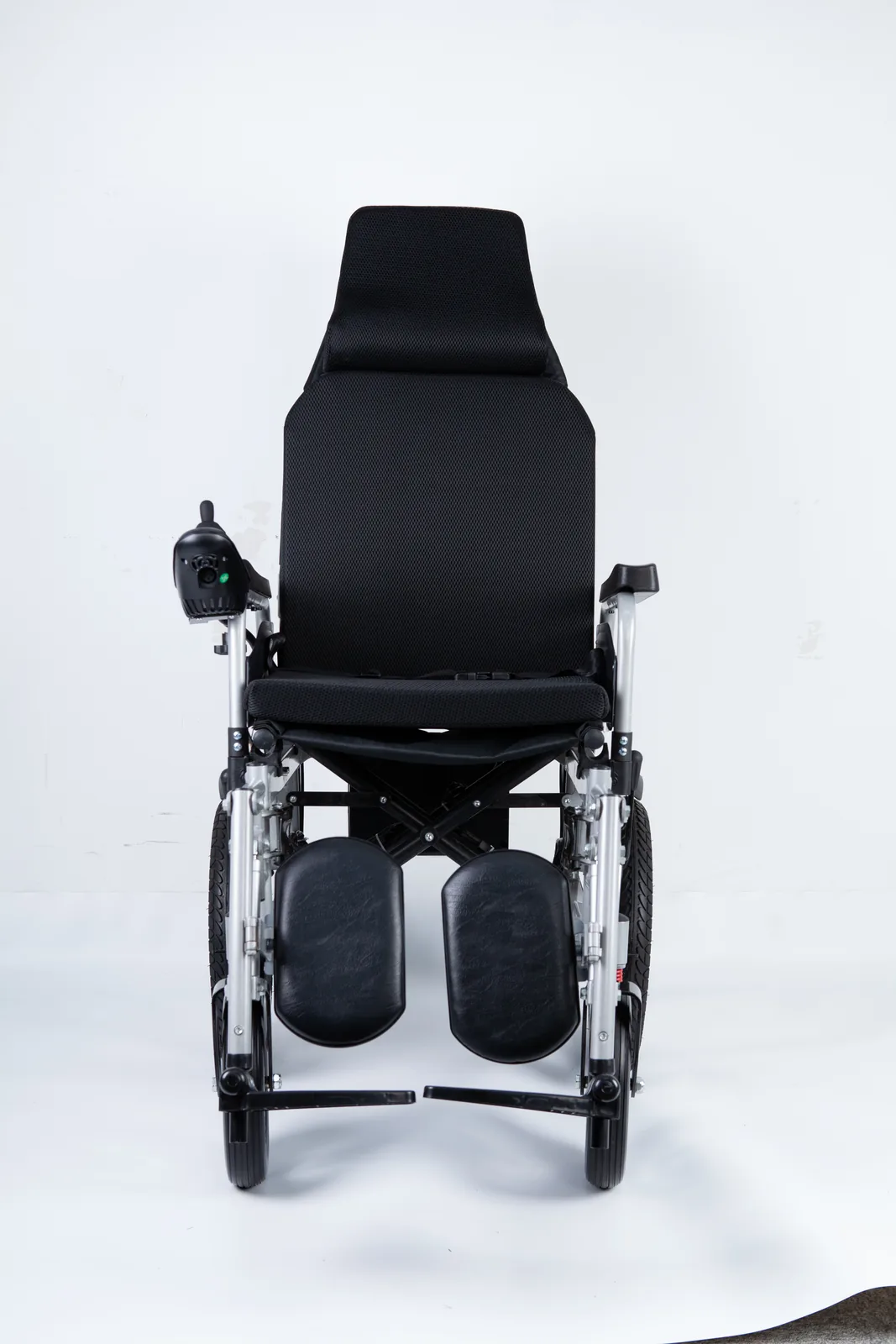
Most of what the manufacturer needs can be gathered by looking, without taking the chair apart. Record the visible attachment style, such as fabric wrapped and fastened along a rail, or a panel fixed with visible screws or rivets, and note where the attachment points sit relative to the frame. Photograph the full chair, the model label, the damaged area, and each visible fixing point. Do not remove fasteners, cut fabric, or loosen the frame to see more; a chair that has been partly dismantled is harder for a service technician to assess and may be unsafe to return to use. If a fixing is hidden or unclear, write "not visible" and let the manufacturer or service contact advise on the next step. This is also where the facility's own rules matter: some sites require a qualified technician to handle any chair with a resident-specific setup, and the parts desk should follow that rule rather than work around it.
Observation-based recording has a second benefit: it keeps the chair in service while the enquiry is open. A chair that has been taken apart to "check the fitting" may sit unusable for days waiting for a part that a photograph would have identified in an hour. The parts desk should treat disassembly as a technician's decision, not an information-gathering shortcut, and should say in the record that the chair was inspected visually only.
Width and mounting information
Seat width is a common shorthand in parts conversations, but it is only one input. Two chairs of the same nominal width can differ in frame style, attachment method, and the shape of the fabric panel, so width alone does not prove a sling or back panel will fit. Record width as measured or as stated on the chair, and state which it is. Then record the mounting information the diagram asks for: hole spacing or fixing positions if the documentation specifies them, the number and type of fasteners, and whether the fabric attaches to the frame directly or through a separate rail or insert. Where the manual gives a measurement method, follow it and note the method used. Where no method is given, record what you measured and how, so the manufacturer can judge whether the figure is comparable.
| Record field | What to enter | Why it matters |
|---|---|---|
| Manufacturer and model | As printed on the chair label | Selects the correct parts diagram |
| Serial number or range | Copy exactly; note location found | Distinguishes revisions within a model |
| Component | Seat sling, back upholstery, cushion, or cover | Prevents ordering the wrong layer |
| Part number | Exact, including suffix; blank if unknown | A near-match is a different item |
| Diagram reference | Document name and revision or date | Confirms which listing was used |
| Attachment style | Visible fixing type and positions | Supports fit confirmation without disassembly |
| Width | Measured or stated, with method noted | One input, not proof of fit |
| Damage description | Location, size, and photos | Supports the manufacturer's assessment |
| Open questions | What still needs confirming, and by whom | Keeps the handover honest |
The table is a checklist for the record, not a fit test. Filling every row does not certify that a part will work; it gives the manufacturer enough to answer the question in one pass. Rows left blank are as important as rows filled, because they show the supplier where confirmation is still needed.
Compare a named parts diagram with its manual

A parts diagram and a user manual answer different questions, and a good replacement record uses both. The diagram typically lists components and their numbers for a model range; the manual describes the chair, its intended use, and sometimes the seat upholstery in context. Invacare's Paul wheelchair manual and the separate seat upholstery and hardware diagram are published as distinct documents for a named product, which is exactly why the repair desk should cite both rather than treating either as a general catalogue. The diagram tells you what the manufacturer calls the part and how it is listed; the manual helps confirm you are looking at the right chair and configuration. Neither document, on its own, proves that a part will fit a chair in your building.
Read the diagram for scope as well as numbers. Does the listing include the fabric only, or fabric with fasteners? Are there notes about size variants? Does the manual reference a particular configuration that changes the seat surface? Where the two documents appear to disagree, or where the diagram covers a range that includes several variants, the correct move is to ask the manufacturer to confirm against the serial number, not to choose the closest-looking line. Keep the exact document names and versions in the record so a colleague can retrace the reasoning. And keep the conclusion narrow: a confirmed part for one named model says nothing about a different model, even from the same brand.
It is worth being explicit about what this comparison cannot do. A diagram and manual published for a European model range may not describe a chair sold in the US, and a document found online may be an older revision than the chair in the building. The record should therefore note the language, market, and date of each document used, and flag any mismatch for the manufacturer. That habit keeps the enquiry honest and stops a plausible-looking document from being treated as proof of fit.
Prepare a service handover
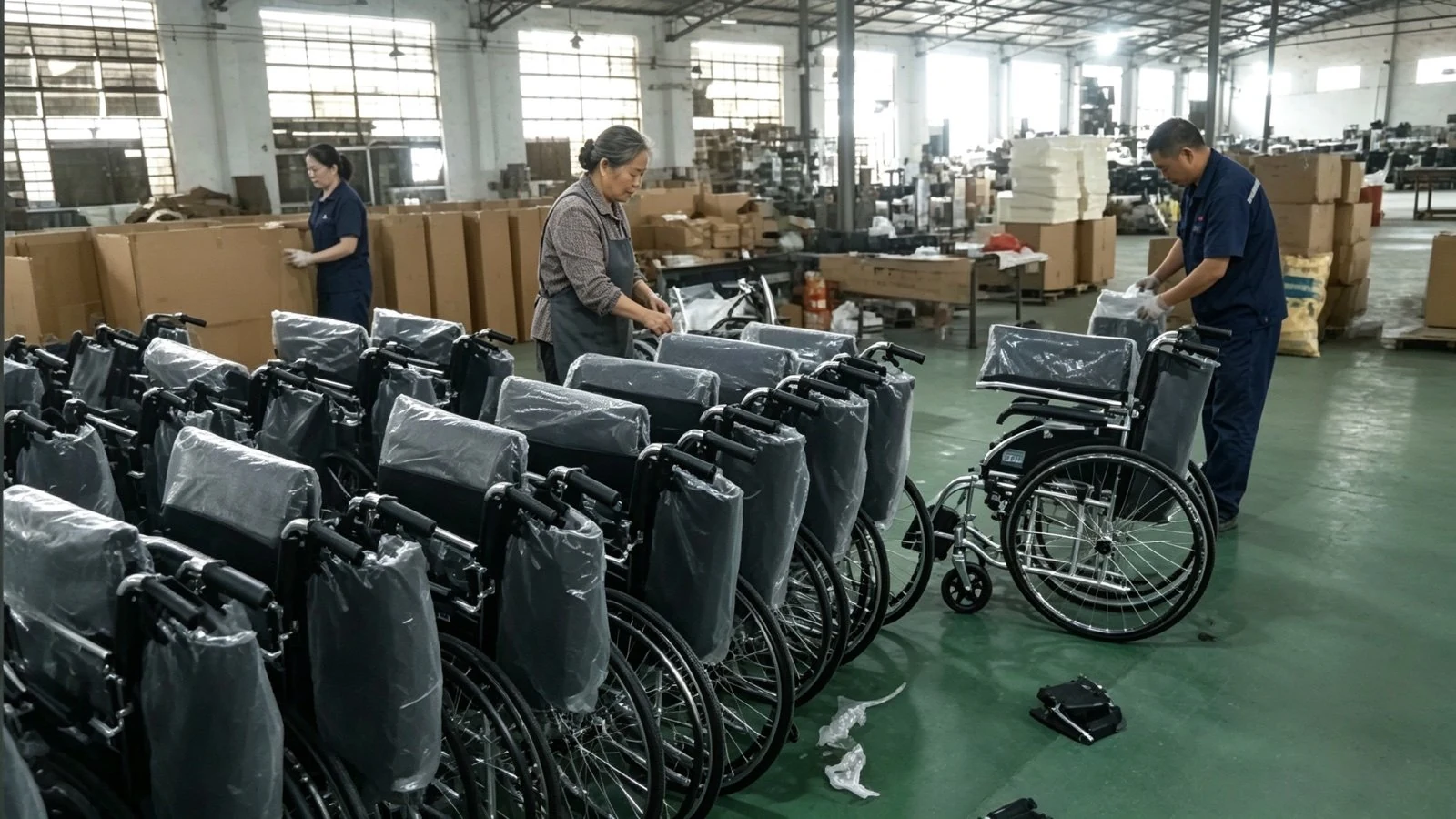
A handover is the package that lets someone else act without re-interviewing you. It should contain the chair identification, the component and part number if known, the diagram and manual references with versions, photographs of the chair, label, damage, and visible fixings, and a short plain description of the fault. Add the facility's asset tag, the location of the chair, whether it is currently in use, and who has authority to approve the repair. Then list the open questions explicitly: is the part supplied with hardware, is a particular size variant required, and who at the manufacturer or dealer will confirm fit. Name the person responsible for each open question and the date it was raised. This is what turns a vague "seat fabric torn" note into a request a supplier can answer in one reply.
Keep the handover factual. Avoid words like "standard" or "universal" unless the manufacturer uses them for that exact part, and avoid stating a load rating, a repair method, or an installation procedure unless the supplied documentation gives it. If the chair is a powered model, note that the upholstery question is separate from any battery or electrical question, and route those to the appropriate service contact. For facilities with several chairs of the same model, a single well-built record can be reused as a template, but each chair still needs its own serial number and damage note. The parts desk's job is to organize and confirm, not to certify that a repaired chair is fit for a resident.
A handover also protects the facility's records. If a part is later found to be wrong, the handover shows what was known, what was asked, and who answered, which makes the next enquiry faster and fairer to everyone involved. That is the practical value of careful identification: not paperwork for its own sake, but a repair that moves forward without guesswork.
FAQ
Is the seat sling the same as a cushion cover?
No. The seat sling is the load-bearing fabric spanning the seat frame; a cushion cover is the removable outer layer of a separate cushion that sits on top. They are listed as different items and are replaced for different reasons. A torn sling is a structural fabric fault; a worn cover is usually a comfort or hygiene item.
Does matching width alone prove upholstery fits?
No. Seat width is one input. Fit also depends on the model and revision, the frame and attachment style, the fixing positions, and whether the part is supplied with its hardware. Confirm against the manufacturer's diagram for the exact model and serial range, and ask the manufacturer or an authorized service contact to confirm before ordering.
Conclusion
Identify the chair, name the exact component, and record the diagram version before ordering. Confirm fit and supply scope with the manufacturer.
For related spare-part categories on manual and powered chairs, see electric wheelchair spare parts.