A power chair stops mid-journey, and the first question is often whether a breaker tripped. Before touching anything, the safer task is to identify the exact chair and find the manual that describes its electrical protection. That document decides what you can check and who should act.
A power wheelchair circuit breaker is not a universal part with one shared location or procedure. Find the manual for your exact model and controller, record what happened, and hand persistent power faults to a qualified service provider rather than testing live parts or substituting another model's reset steps.
Power wheelchair circuit breaker: What a named manual calls a circuit breaker
Manufacturer manuals use different names for electrical protection: main circuit breaker, main fuse, overload protection, or a battery-related protective device. The label matters because it tells you which component the manual is discussing and whether the described action applies to your chair at all. A term that sounds familiar from another device may point to a different part, a different rating, or a different procedure on your model.
This is why a general web answer is a weak starting point. Two power chairs can both have a protective device near the battery area and still differ in how that device is rated, how it behaves after tripping, and what the manual says the owner may do. Some chairs may not present the same component in the same way, and a manual may describe protection as part of a battery or electronics assembly rather than as a standalone switch. Without the named document, you cannot tell which description fits.
Read the manual's own wording carefully. Note whether it describes a resettable breaker, a fuse that must be replaced, or a protection feature managed by the controller. Note whether the manual gives owner-level instructions or directs the work to an authorized service provider. Those distinctions change your next step more than the word "breaker" does.
A manual also carries scope. It is written for a model, a configuration, and a document revision. A procedure printed for one chair should not be carried over to a chair with a different controller, battery setup, or optional equipment. When the manual's scope is unclear, treat the protection details as unconfirmed rather than filling the gap with a guess.
Terminology also shapes what you ask for. If you telephone a dealer and say "breaker" while the manual says "main fuse," the conversation can drift toward the wrong part before anyone opens the document. Reading the exact phrase first, then quoting it, keeps the parts and service discussion anchored to the same component the manufacturer had in mind. It also makes clear whether the manual treats protection as a user-accessible item at all, which is the difference between a short owner check and a workshop job.
Identify the chair and documentation
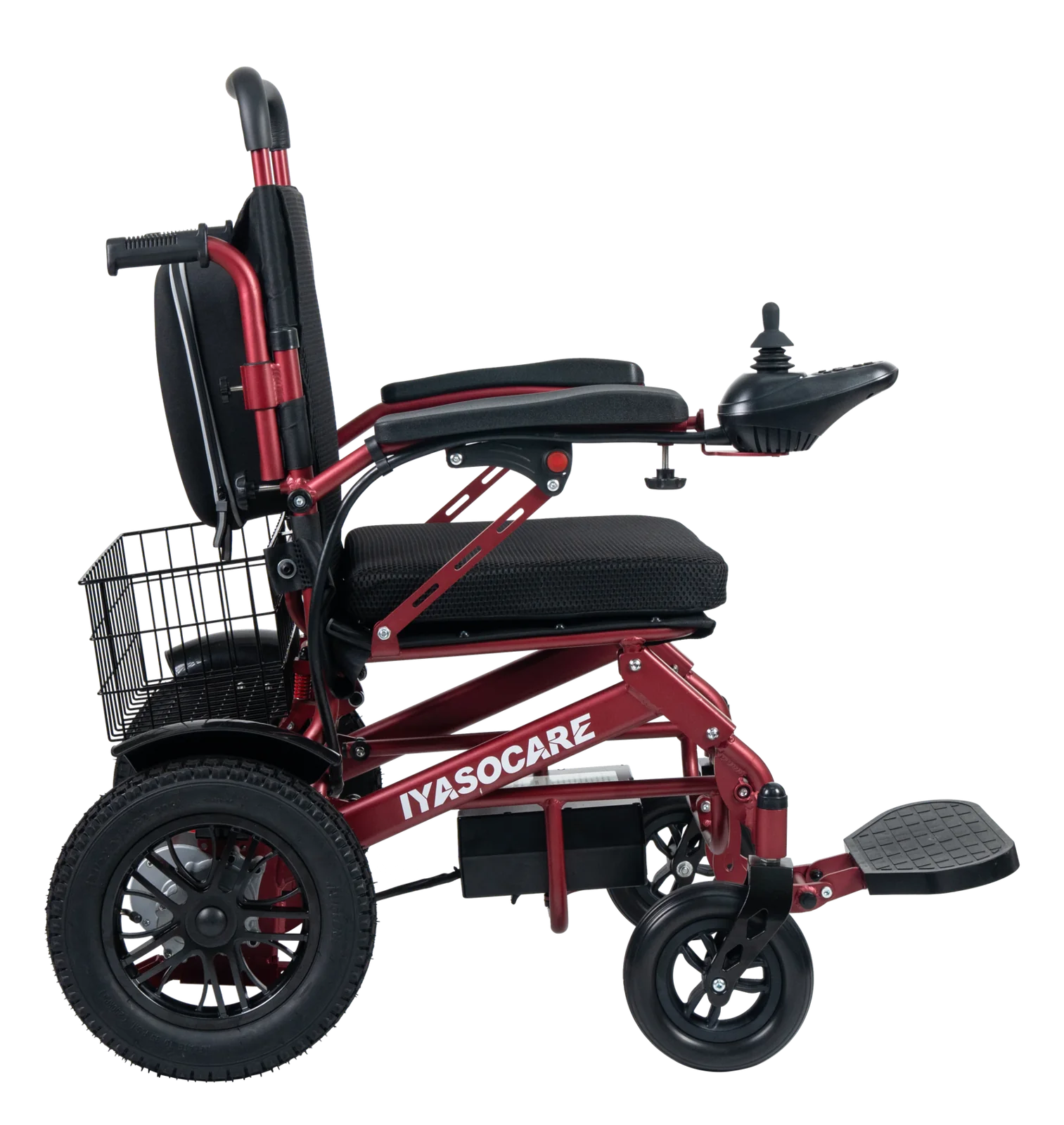
Before calling anyone, build a short identity record. The goal is to let a service provider match your chair to the right manual and the right parts without a long back-and-forth. Start with the chair's make and model, then the controller type if it is marked, then the manual revision or publication date if the document shows one. Add the serial number if it is legible on the frame or label.
Power protection and model identity
Protection details belong to the electrical system, and the electrical system belongs to the model. A chair's model name alone may not be enough if the manufacturer offered different battery or controller configurations under that name. Where the manual or label shows a configuration code, record it. Where it does not, say so plainly in your notes rather than assuming a standard build.
Keep the manual's identity with the chair's identity. If you have a printed copy, note its revision. If you have a digital copy, note the file name and any date printed inside it. A manual found for a similar model is not the same as the manual for your model, and a service provider will want to know which document you were reading.
This record does more than satisfy paperwork. It tells the provider whether the document in hand actually covers the chair in front of them, and it prevents a well-meaning helper from applying a procedure that belongs to a different build. When two chairs share a model name but differ in controller or battery arrangement, the identity record is what separates them.
Service escalation
Escalation is not a last resort; it is the correct route when the manual assigns the work to a service provider, when the fault repeats, or when no matching manual is available. The manual often states who may service the electrical system, and that statement should guide you. If the document says the protective device is not owner-serviceable, stop there.
Prepare the handover before you call. A concise record of the model, controller, manual revision, what happened, and what you have already checked gives the provider a starting point. It also reduces the temptation to try steps from an unrelated source while you wait. A provider who can see the manual revision you used can confirm whether their copy matches, which matters when a manufacturer has updated a document since your chair was delivered.
Compare two manufacturer examples
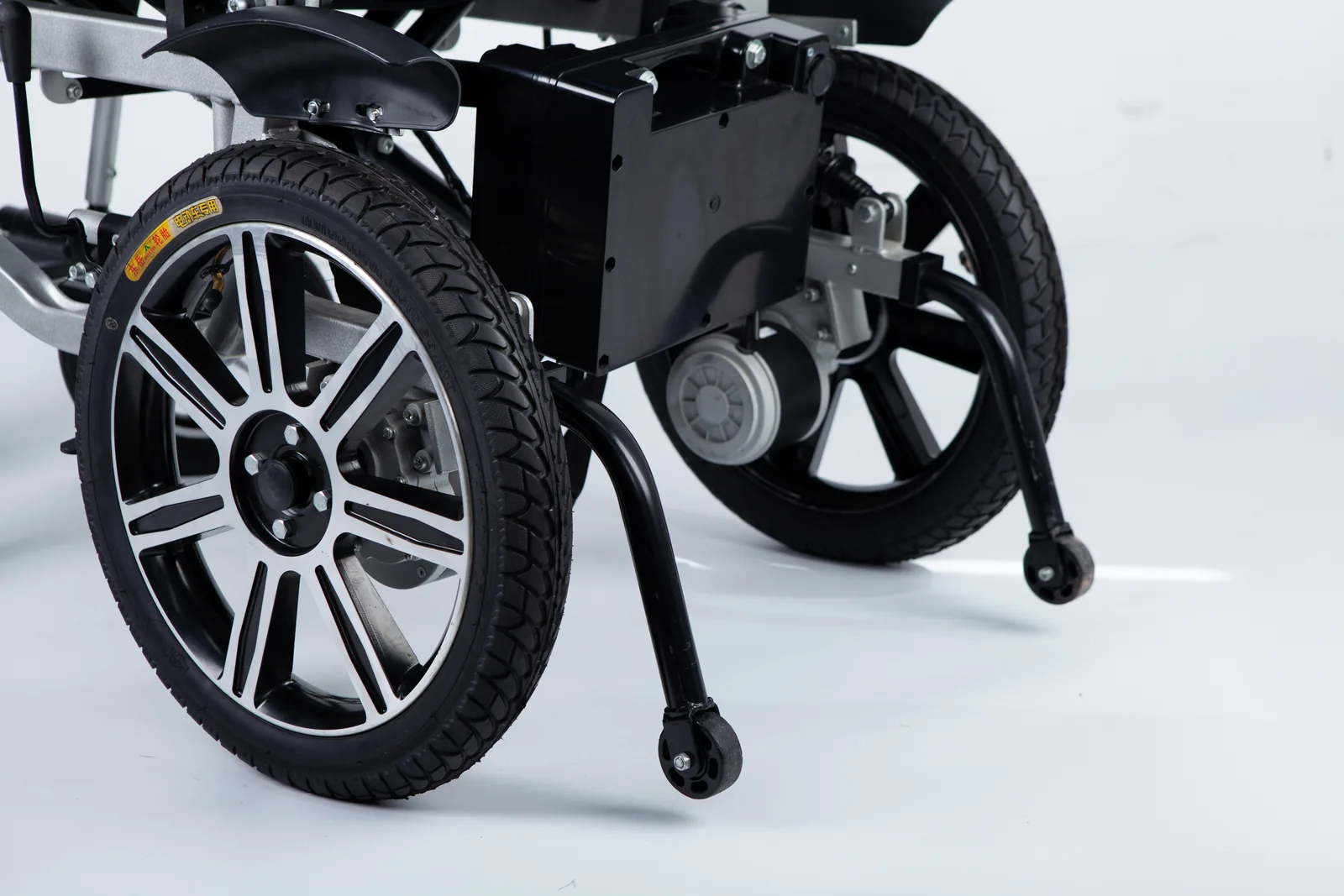
Two named manuals in the reference set show why model-specific reading matters. The Permobil M300 power wheelchair manual addresses circuit-breaker, warning, and service guidance for that chair. The Vision P13 power wheelchair manual describes a main circuit breaker for that named device. Each document is useful within its own scope; neither should be treated as a template for the other, and neither should be generalized to a different brand or model.
The comparison below is about document scope and reader task, not about which chair is better or which procedure is safer. It shows what a reader should look for and what must not be mixed.
| Comparison point | Permobil M300 manual (named source) | Vision P13 manual (named source) | What the reader should do |
|---|---|---|---|
| Document scope | Written for the Permobil M300 power wheelchair | Written for the Vision P13 power wheelchair | Use only the document that matches your chair |
| Protection terminology | Discusses circuit breaker, warnings, and service guidance for this model | Describes a main circuit breaker for this named device | Record the exact term your manual uses |
| Owner action | Follow only what this manual permits for this model | Follow only what this manual permits for this device | Do not borrow steps across manuals |
| Service responsibility | Defer to the service guidance printed in this manual | Defer to the guidance printed in this manual | Ask the provider to confirm against the same revision |
| Transfer to other chairs | Not supported | Not supported | Treat any cross-model instruction as unconfirmed |
A practical reading of this table: the two manuals are evidence that named documents exist and that they address protection differently enough to require separate reading. They are not evidence that every power chair has the same breaker, the same location, or the same reset method. They also do not tell you what a third manufacturer's manual says.
When you compare your own situation to these examples, compare the type of information, not the values. Ask whether your manual names the protective device, whether it states an owner action, and whether it directs electrical work to service personnel. If your manual is silent on one of those points, that silence is itself information to pass to the service provider.
There is a second lesson in the pairing. A manual can be perfectly clear about its own chair and still be the wrong document for yours, and the reader has no way to detect that mismatch from the text alone. The mismatch only becomes visible when the chair's identity and the manual's scope are written down next to each other. That is why the comparison is framed around documents rather than around a single recommended action: the useful skill is recognizing which document governs, not memorizing a step.
Record the conditions around the issue
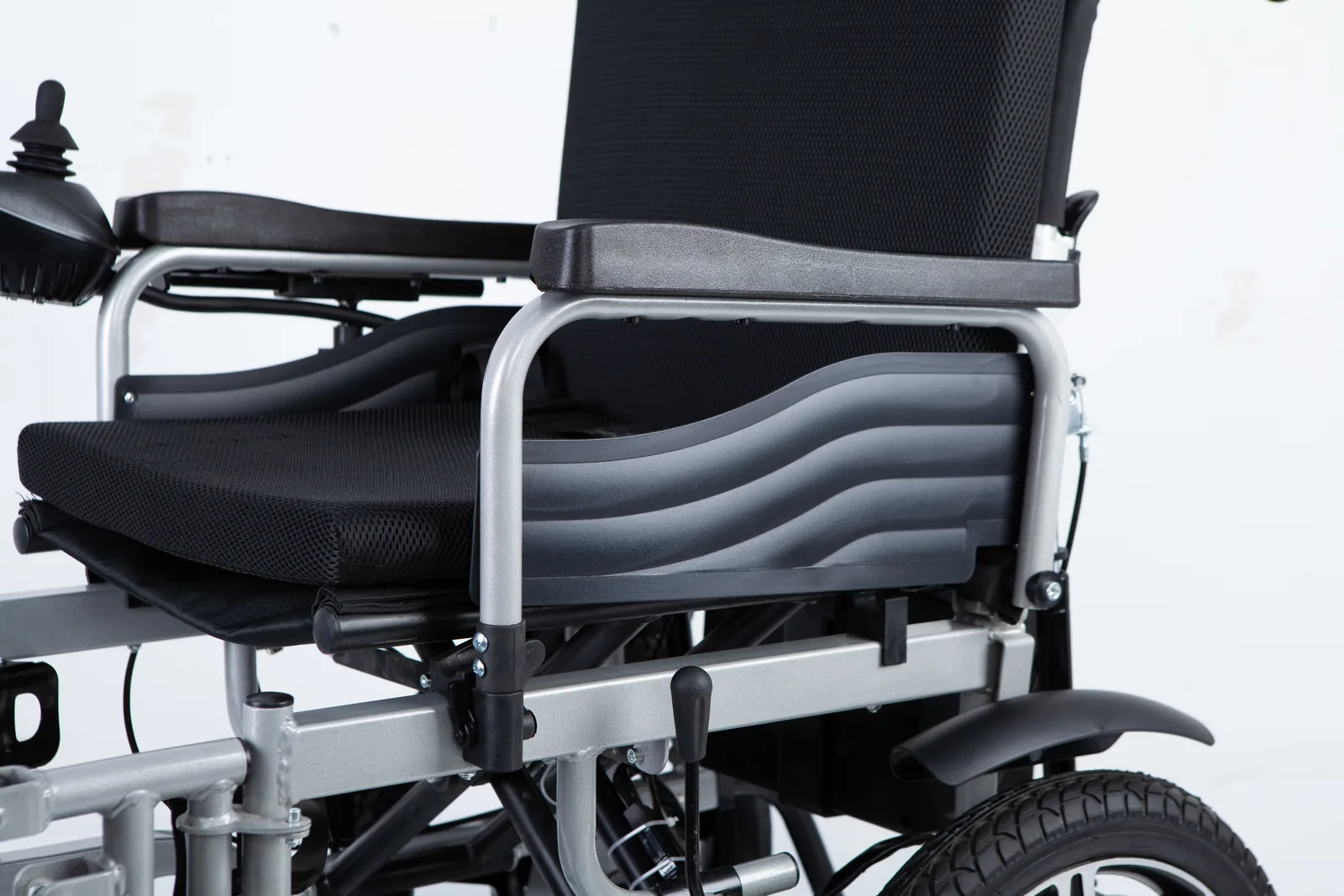
Good records shorten service diagnosis. Write down what you observed, when it happened, and what the chair was doing at the time. Include whether the chair was moving, stopped, charging, or just switched on. Note any display code, indicator light pattern, or beep, using the manual's own description if it provides one. Record the approximate time and date, because a pattern across days can matter.
Describe the sequence in plain language. For example: "Chair stopped while crossing a doorway at about 2 p.m.; controller display went blank; chair restarted after being switched off and on." That kind of note is more useful than "breaker problem," because it does not assume a cause the reader has not confirmed.
Do not test live electrical parts, open sealed assemblies, probe wiring, or bypass a protective device to see what happens. Those actions can create a hazard and can void service arrangements. The manual may permit a specific owner check; if it does not, the observation record is your contribution, and the electrical diagnosis belongs to a qualified provider.
Keep the record with the chair's identity details. A single page listing model, controller, manual revision, symptoms, times, and any messages gives the service provider a coherent picture. If the fault is intermittent, note each occurrence rather than waiting for a definitive failure.
Conditions worth capturing include the terrain and slope at the time, whether the chair carried extra load, whether the battery had recently been charged, and whether the same route or maneuver preceded earlier events. These are observations, not conclusions; the point is to give the provider a pattern to test against the manual rather than a single dramatic moment. A caregiver who notices the chair stopping on the same ramp each afternoon has information a one-line complaint would lose.
Contact the right service provider

Contact a qualified service provider when the manual directs electrical work to service personnel, when the symptom repeats, when the chair behaves unexpectedly after charging, or when you cannot find a manual that matches your model. Use the manufacturer's or dealer's service channel rather than a general repair shop that has not confirmed familiarity with your chair's electrical system.
Prepare three things for the conversation: the identity record, the observation record, and the manual reference. Ask the provider to confirm which manual revision they will use and whether the protective device is owner-serviceable on your configuration. If parts are involved, ask how the correct part is identified for your model rather than accepting a generic breaker. Our page on electric wheelchair spare parts explains how spare-part enquiries are organized; it is a starting point for the parts conversation, not a substitute for the manual.
If charging behavior is part of the pattern, the article on leaving a power wheelchair charging overnight covers charging-duration questions. Keep that topic separate from breaker diagnosis: charging habits and protective-device faults are different questions, even when they appear in the same week.
A provider may ask you to stop using the chair until it is inspected. Follow that instruction. Transporting a chair with a suspected electrical fault may also raise carrier questions; confirm the current requirements with the operator rather than assuming acceptance.
It also helps to ask what information the provider wants before the appointment. Some service desks will ask for the serial number and controller details up front so the technician arrives with the right documentation; others will want the symptom log first. Either way, the record you built earlier answers those questions without a second call, and it keeps the discussion on the chair you actually own rather than on a similar model the shop happens to know well.
FAQ
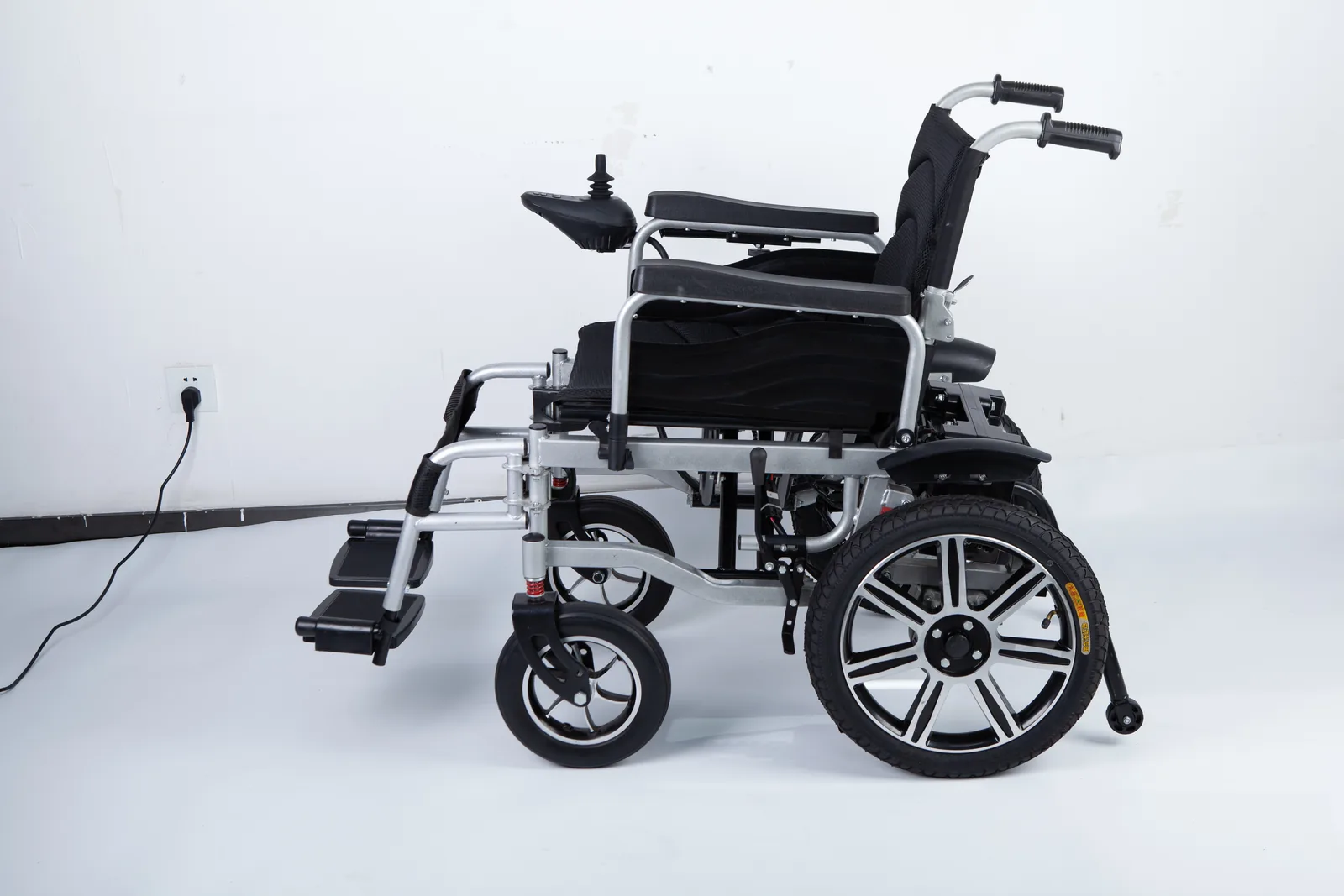
Does every power wheelchair use the same circuit breaker? No. Protection components, ratings, locations, and terminology differ by model and configuration. Use the manual for your exact chair and controller, and do not apply another model's procedure.
Does an unexpected shutdown prove the breaker failed? No. A shutdown is an observation, not a diagnosis. It can have several causes, and confirming one requires the model-specific manual and qualified service inspection. Record what happened and hand it to a provider.
When should I contact a service provider? Contact one when the manual assigns the work to service personnel, when the fault repeats, when you have no matching manual, or when the chair behaves unusually around power or charging. Do not test live parts while you wait.
Conclusion
Find your exact model's manual, record the symptoms, and let a qualified provider handle electrical protection work.
Video: How To turn the main Switch ON and Off on Permobil M300 and M300HD