A power chair that suddenly moves slower can leave you unsure whether something is failing or a protection has engaged. Before assuming the controller is overheating, record what happened, where, and whether the slowdown cleared.
Reduced speed has several possible causes, and power wheelchair thermal rollback is only one of them. Two named manuals — Heartway CEO P25 and Golden LiteRider Envy — describe controller temperature protection that lowers speed, but those descriptions apply only to those models. Treat the symptom as a question to investigate, not a diagnosis.
Power wheelchair thermal rollback overheating controller: Recognize that reduced speed has several possible causes
When a power wheelchair slows down, the useful first step is to separate what you observed from what caused it. A slower chair is a symptom. Thermal rollback is one possible explanation, but a tripped breaker, a seat-elevation limit, a low battery, a loose connection, or a controller fault can all change how a chair behaves. The two supplied manuals describe temperature protection for their own named models, and neither description should be stretched into a general rule for every power chair.
This matters because the action that follows depends on the cause. If a protection has engaged as designed, the chair may recover once conditions change, and the priority is to document the circumstances. If a breaker has tripped, the relevant manual section and reset guidance apply instead. If the slowdown is tied to seat elevation, the chair may simply be enforcing a limit while the seat is raised. Mixing these together can send a service provider looking in the wrong place, or lead someone to treat a normal protection as a fault.
There is also a timing question that shapes the record. A slowdown that appears only after sustained driving, on a warm day, or on a long incline looks different from one that appears the moment the chair is switched on, or one that follows a seat adjustment. Neither pattern proves a cause on its own, but each points a technician toward different parts of the documentation. Capturing the timing costs nothing at the moment of the event and is difficult to reconstruct later, which is why it belongs in the first notes rather than in a later recollection.
Observable symptoms
Write down what you can see and hear without interpreting it. Did the chair slow gradually or all at once? Did it happen on a slope, after a long run, in hot weather, or while carrying more weight than usual? Did any indicator light, display code, or beep appear? Did the slowdown clear after the chair rested, or did it persist on the next use? Note the surface, the approximate duration of use before the change, and whether the chair was on an incline or being used continuously.
These observations are valuable because they describe conditions rather than causes. A pattern such as "slowed after 20 minutes of continuous use on a warm day and recovered after being switched off" gives a technician something concrete to compare against the manual. A note that says only "chair is slow" gives almost nothing to work with. The same discipline applies to what did not happen: if no warning light appeared, if the chair never lost power, or if the speed returned without any intervention, those absences are part of the picture and should be written down rather than assumed.
Do not infer a cause
It is tempting to conclude that a slowdown means the controller is overheating, especially if the day is warm or the chair has been working hard. Resist that shortcut. The supplied manuals describe temperature protection for specific models, and even within those models the description is a protection behavior, not a fault code that confirms overheating in every case. Other causes remain possible until someone with the right information checks the chair.
Equally, do not try to defeat a protection by disconnecting sensors, bypassing a breaker, or opening the controller. Those actions can remove a safeguard and create a new hazard. The responsible step is to record and hand over, not to improvise a repair. A reader who is unsure whether a behavior is normal can still act usefully by preserving the evidence and asking a qualified provider to interpret it against the correct manual.
Read two named thermal rollback descriptions
The Heartway CEO P25 user manual, on page 19 (lines 370–377 of the supplied record), describes controller temperature protection that reduces speed for that named model. The Golden LiteRider Envy user manual (lines 538–542 of the supplied record) likewise describes controller overheating protection that lowers speed, again for that named model. These are the two concrete descriptions available here, and they are the anchor for everything else in this article.
What can you take from them? First, that at least some power wheelchair manuals treat a protective speed reduction as a documented behavior rather than an anomaly. Second, that the behavior is tied to a named model and its own manual. Neither record supplies a universal temperature threshold, a cooling time, a reset procedure, or a statement that every power chair works this way. The correct use of these descriptions is to know what to look for in the manual for the chair in front of you, and to recognize the kind of language a manufacturer may use.
That language matters when you search a PDF or a printed booklet. A manual may place the topic under a controller, motor, or safety heading rather than under a plain "overheating" label, so a reader who only scans for the word "overheat" may miss it. Reading the section in full, rather than extracting a single sentence, also shows whether the manufacturer pairs the behavior with any conditions or cautions. Those surrounding sentences are part of the description and belong in a handover alongside the headline behavior.
Temperature monitoring
A manual that describes temperature protection is telling you the controller monitors conditions and responds when they move outside a range. That is a design statement about the model, not a number you can apply elsewhere. The supplied records do not give a specific temperature at which either named model reduces speed, and they do not describe how the controller measures heat or how long recovery takes.
For a reader, the practical point is to check whether the manual for the exact chair includes a temperature protection section at all. If it does, read what the manufacturer says about the conditions and the expected behavior. If it does not, do not assume the feature is present or absent based on another model. The absence of a described feature in one manual is not proof that the chair lacks it, and the presence of a description in one manual is not proof that another chair has it. This is a general caution about documentation, not a claim that either named model lacks or includes anything beyond what its record states.
Protective reduction of speed
The phrase "protective reduction of speed" is worth taking literally. The purpose described in both named manuals is protection: the controller reduces speed as a response to heat rather than failing outright. That framing helps a reader interpret the experience. A chair that slows but still moves may be behaving as designed, while a chair that stops entirely, throws a fault, or smells hot is a different situation that needs prompt attention from a qualified provider.
Even so, "may be behaving as designed" is not the same as "is fine." The supplied descriptions do not tell you how to confirm that thermal protection is what happened on a particular day. They tell you that the behavior exists for those models. Confirmation still belongs with the manual and a qualified person who can check the chair. A reader can reasonably use the description to ask a better question — "could this be the temperature protection described in my manual?" — without treating the answer as settled before anyone has looked at the chair.
| Manual record | Named model | What the supplied description covers | What it does not supply |
|---|---|---|---|
| Heartway CEO P25 user manual, p.19 (L370–377) | Heartway CEO P25 | Controller temperature protection that reduces speed | Thresholds, cooling times, reset steps, applicability to other models |
| Golden LiteRider Envy user manual (L538–542) | Golden LiteRider Envy | Controller overheating protection that lowers speed | Thresholds, cooling times, reset steps, applicability to other models |
| This article | None | How to record and hand over a slowdown | Diagnosis, repair instructions, universal rules |
The table is deliberately narrow. It shows that two manuals describe a similar protective behavior for two named models, and it shows the boundary of what those descriptions establish. It is not a comparison of which chair handles heat better, because the supplied records do not provide the test conditions, thresholds, or performance data that such a comparison would require.
Keep other protections separate
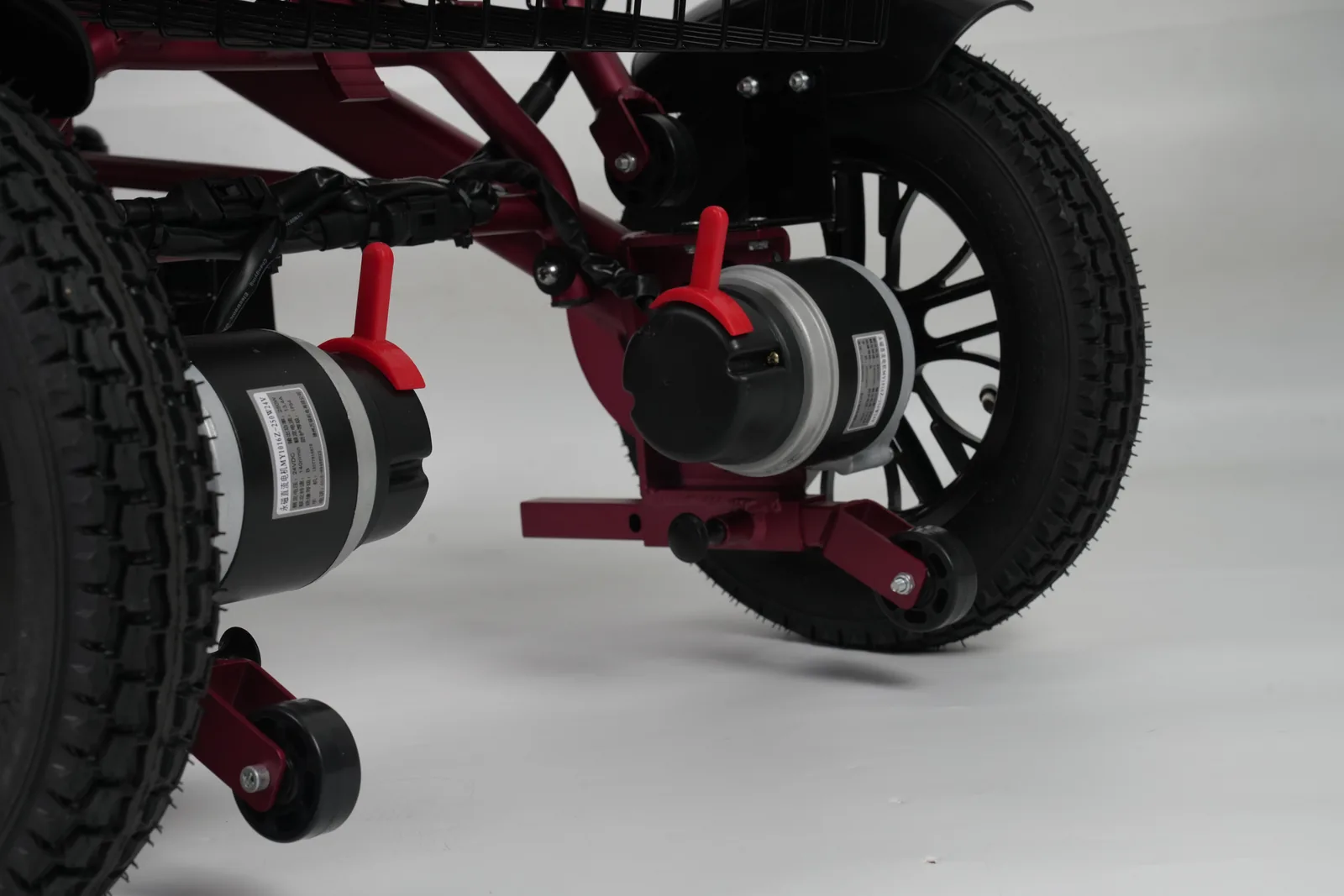
Thermal rollback is one protection among several that a power wheelchair may use, and the supplied material points to at least three other situations that can look similar from the user's seat: a main circuit breaker, an elevated-seat speed limit, and storage temperature conditions. Keeping them separate is not pedantry. Each has a different trigger, a different expected response, and a different next step, and a service handover that blurs them is harder to act on.
A main circuit breaker is a protective device that can interrupt power, and the chair's response to a tripped breaker differs from a controller reducing speed while still driving. Seat elevation is a configuration limit: the chair may restrict speed while the seat is raised, which is a designed behavior tied to the seat position rather than to heat. Storage temperature is about idle or stored conditions, not about the controller managing heat during use. None of these should be assumed to be present on a given model unless that model's documentation says so.
The practical consequence is that the same word — "slow" — can describe three different events. A chair that crawls while the seat is up, a chair that goes quiet after a breaker trips, and a chair that loses pace on a long climb may all be reported identically by a frustrated user. The record is what separates them, and the separation is what lets a provider open the right page instead of working through every possibility in turn.
Thermal rollback versus breaker
A useful distinction is what the chair does. A protective speed reduction described in the two named manuals is a change in how fast the chair travels, and the chair continues to operate. A tripped breaker is associated with an interruption of power, and the relevant manual section explains what the manufacturer says about it. If the chair has stopped responding entirely, that points toward the breaker or another electrical issue rather than toward a speed reduction alone.
This distinction shapes the record you keep. For a suspected thermal event, note the duration of use, the environment, and whether speed returned. For a possible breaker event, note whether power was lost, what the chair was doing at the time, and what the manual says about the breaker. The two records lead a technician to different sections of the documentation, and combining them wastes time. Neither record should state a cause; both should state what was observed and what the manual says about that model.
Elevated-seat and storage conditions
Seat elevation is easy to overlook because the slowdown can feel identical from the driver's position. If the chair limits speed while the seat is raised, the observation to record is the seat position at the time of the slowdown, not the controller temperature. A chair that returns to normal speed when the seat is lowered is showing a different pattern from one that slows during continuous driving on a warm day.
Storage temperature is a separate topic again. It concerns the conditions a chair is kept in when it is not being used, and it belongs with the storage guidance in the manual rather than with the controller's behavior during a trip. If a chair has been stored in very hot or very cold conditions, that is worth mentioning in a handover, but it should not be presented as the confirmed cause of a slowdown during use. For related reading, see the site's notes on power wheelchair circuit breakers and wheelchair storage temperature, which address those separate topics.
Prepare a model-specific service handover

A good handover does most of the work before anyone touches the chair. It identifies the exact model, describes the symptom in observable terms, records the conditions, and points to the relevant manual section. That package lets an authorized service provider compare the report against the correct documentation instead of guessing which chair and which behavior are involved.
The handover is also a boundary. It is not a request for the reader to diagnose, open the controller, or test protections. The supplied manuals describe protective behavior for their named models; they do not authorize a user to service the controller. The appropriate next step when a slowdown is unexplained, repeated, or accompanied by other symptoms is to contact a qualified provider with the record in hand.
A written record also protects continuity of care. Institutional equipment managers and after-sales coordinators often deal with several chairs of the same type, and a clear note travels with the chair between shifts, sites, or service visits. If the same chair slows again weeks later, the earlier note shows whether the pattern is new or familiar, which is more useful than a fresh description written from memory.
Record model and context
Start with the exact model name and any serial number or identifier on the chair or in its paperwork. Then add the context: what the chair was doing, for how long, on what surface and incline, in what weather, with what load, and at what seat position. Note whether the slowdown was gradual or sudden, whether any indicator appeared, whether it cleared on its own, and whether it has happened more than once. Finally, note which manual section the owner believes applies, if any, and attach or reference it.
| Handover field | What to record | Why it helps |
|---|---|---|
| Exact model and identifier | Model name, serial or label reference | Ensures the right manual and parts information are used |
| Symptom | Gradual or sudden slowdown, any indicator or beep | Separates speed reduction from power loss |
| Conditions | Duration of use, surface, incline, weather, load, seat position | Supports comparison with the manual's described conditions |
| Pattern | One-off or repeated, cleared or persistent | Helps distinguish a transient protection from a developing fault |
| Documentation | Manual section referenced, if any | Points the provider to the manufacturer's own wording |
| Actions taken | Whether the chair was rested, recharged, or stopped | Avoids repeating steps and records what changed |
Fill the table with facts, not conclusions. "Slowed after 25 minutes on a hill in warm weather and recovered after a stop" is a fact. "Controller overheated" is a conclusion the record does not support unless the manual and a qualified check confirm it. Keeping that line clear protects both the reader and the person doing the repair.
Contact a qualified provider
When you contact a provider, lead with the model and the recorded pattern, then ask what the manual says about the behavior and what checks are appropriate. Ask whether the described protection applies to this exact model, and whether any other protection or fault could produce the same symptom. Those questions are answerable from the correct documentation, and they keep the conversation focused on evidence rather than speculation.
If the chair is still under warranty, mention that and keep the record of dates and symptoms. Do not open the controller, alter wiring, or bypass a protection while waiting for service. If the chair shows signs of damage, unusual heat, smell, or smoke, stop using it and seek qualified help rather than continuing to drive.
FAQ
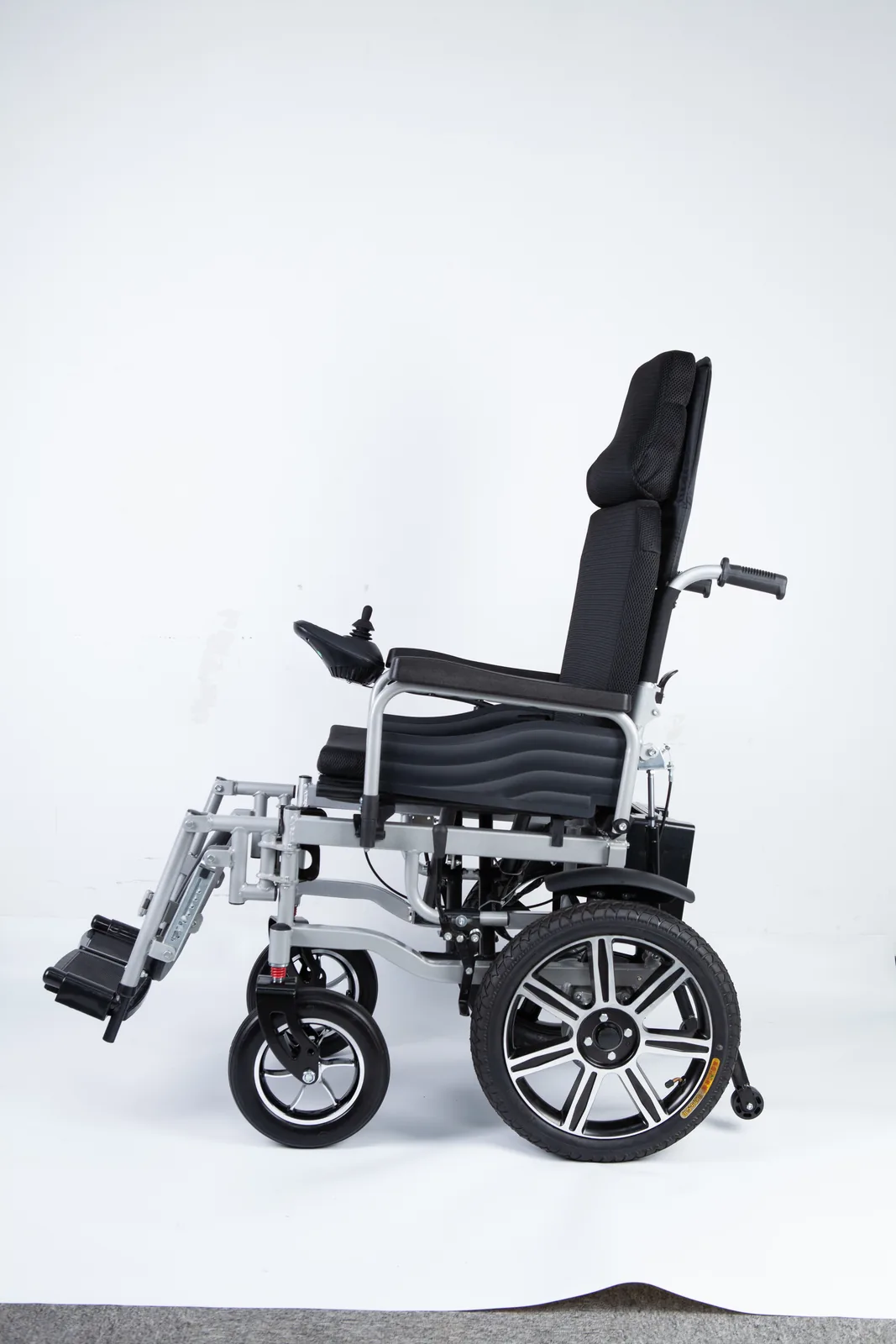
Does a slower chair always mean thermal rollback?
No. A slowdown can come from several causes, including a breaker, a seat-elevation limit, battery condition, or a controller fault. The two named manuals describe temperature protection that reduces speed, but that description applies to those models and does not confirm the cause on any particular chair. Record the pattern and have it checked.
Is thermal rollback the same as a tripped circuit breaker?
They are different protections. A described thermal rollback reduces speed while the chair continues to operate, whereas a tripped breaker is associated with an interruption of power. The correct manual section and the correct next step differ, so note which behavior you actually observed.
Can one model's temperature limit be used for another?
The supplied records do not provide a temperature limit for either named model, and nothing here supports transferring a limit from one chair to another. Use the manual for the exact model and ask a qualified provider to interpret it.
Conclusion
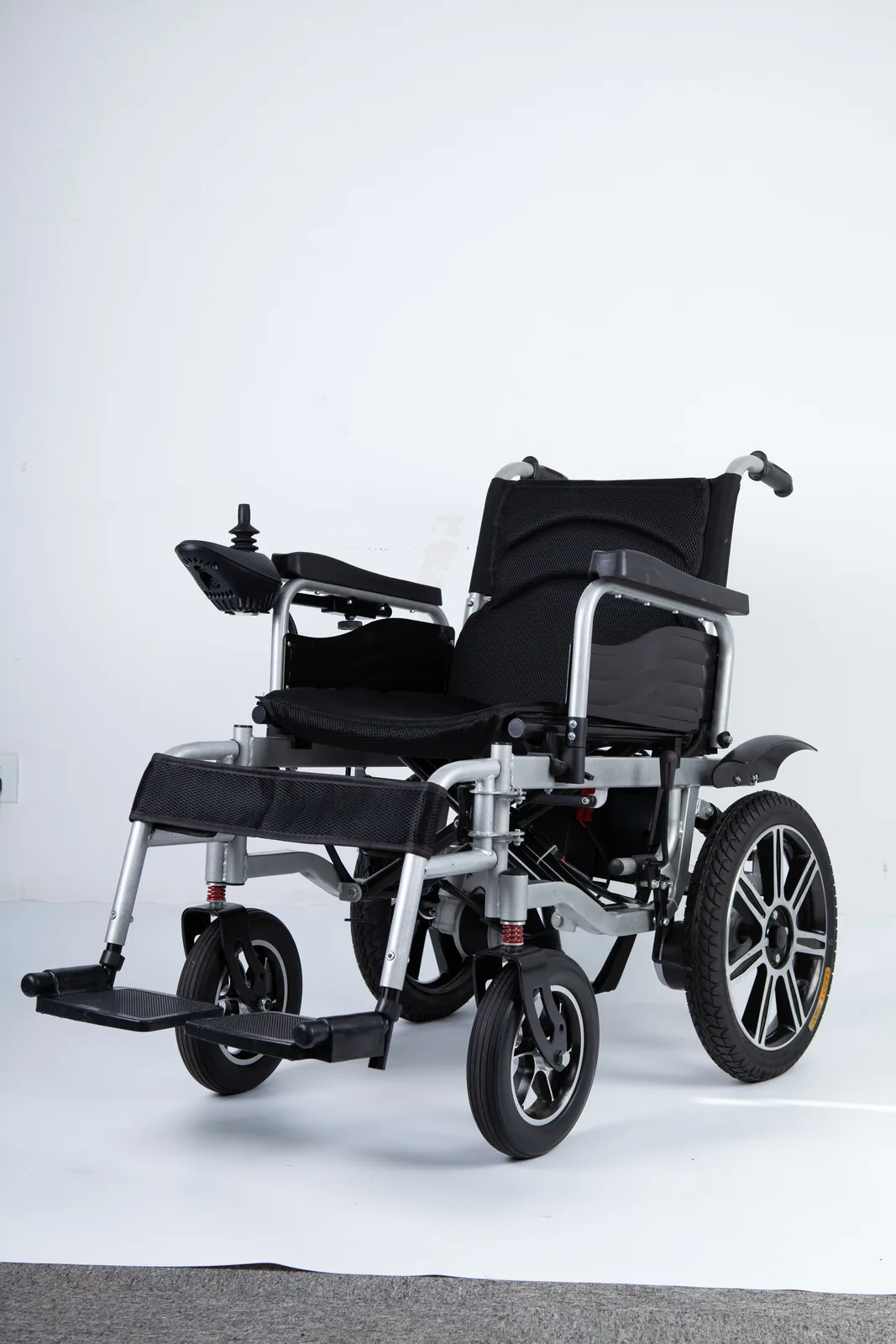
A slowdown is a symptom, not a diagnosis. Record the model, conditions, and pattern, then let a qualified provider check it against the correct manual.