A hospital or care-home fleet manager parks a power wheelchair in an unheated store room for three weeks and needs to know whether that is acceptable. The answer is not a single number. Wheelchair storage temperature depends on the exact chair manual, the battery document, and the configuration in front of you.
Storage limits belong to a specific chair and battery, not to wheelchairs in general. Record the operating, transport and storage conditions separately, confirm the document version and whether the battery is installed, and escalate any conflict to the manufacturer or service provider rather than guessing.
Wheelchair storage temperature: Separate operation, transport and storage
The first practical step is to stop treating temperature as one figure. A chair manual can state several different conditions, and each answers a different question. Operating conditions describe where and how the chair may be driven or used. Transport conditions describe what the manufacturer permits while the chair is being moved, for example in a vehicle or as freight. Storage conditions describe what applies while the chair is parked and unused, which may be for an afternoon or for several months.
These are not interchangeable. A chair that is rated for use in a cold outdoor environment is not automatically cleared for unheated storage over a winter, because storage may involve a different duration, a different battery state, and different risks. Equally, a storage figure does not tell you the chair can be driven at that temperature. The same logic applies at the warm end: a storage limit for a closed van in summer is not a statement about safe operation.
For a fleet manager, the three conditions also map onto three different decisions. Operating conditions matter when a chair is issued to a user and driven on a route. Transport conditions matter when the chair leaves the building, whether in a facility van or as freight to a dealer. Storage conditions matter when the chair sits idle between those events. A single chair can pass through all three states in one week, so a record that captures only one of them will mislead the next person who reads it.
Operating versus storage conditions
Time scale is the second distinction. Operating limits usually assume the chair is in active use, with the user present and the system running. Storage limits may assume the chair is idle, possibly with the battery disconnected or removed according to the manual, and possibly for an extended period. Some documents add separate guidance for long-term storage, such as a recommended battery state or a periodic check. Where a manual gives such guidance, it belongs in your record alongside the temperature figures, because a temperature range alone does not describe the full storage condition.
Duration changes the question in a way that a temperature figure cannot capture on its own. A chair parked for a weekend and a chair parked for a whole season may both sit in the same room, but the manufacturer's instructions for the two situations may differ, particularly where battery care is concerned. If the manual separates short-term parking from long-term storage, record both entries rather than collapsing them into one line.
For a fleet, the practical consequence is that one storage location can be acceptable for one chair and unsuitable for another. A heated, ventilated room and an unheated outdoor container are different environments, and the same chair may have different permissions in each. Before assigning a parking area, read what each model's documentation actually says about that kind of space, and note whether the instruction covers the chair alone or the chair with its battery fitted.
Read the exact wheelchair manual
A storage instruction is only usable when you know which document it came from. Manufacturer manuals are written for a model family or a specific configuration, and later revisions can change wording. Before you copy a temperature figure into a fleet record, confirm four things: the brand, the exact model, the document revision or date, and whether the stated condition includes the battery.
This matters because a manual for one model is not evidence for another, even within the same brand. The supplied reference material for this article points to named manufacturer documents, including an Invacare technical data file and an Invacare Esprit technical document, as well as a named power wheelchair user manual covering transport and storage. Those sources are useful precisely because they are identifiable: each one can be tied to a model scope and a document version. That is the standard to apply to your own fleet. A generic web page, a distributor's summary, or a figure remembered from a previous purchase does not meet it.
A workable reading routine looks like this. Locate the manual that shipped with the chair or the current version supplied for that model. Check the cover or footer for the revision and date. Find the section on technical data or conditions and read the headings carefully to see whether the figures apply to operation, transport, storage, or all three. Then check whether the battery is described as installed, removed, or not mentioned. If the manual is silent on storage, that is a finding to record, not a gap to fill with an assumption.
| What to confirm | Why it changes the answer | Where to look |
|---|---|---|
| Brand and exact model | Limits are written for a model scope, not a product category | Manual cover, label on the chair, asset tag |
| Document revision and date | Later revisions can change wording | Footer, title page, revision history |
| Which condition is stated | Operating, transport and storage are separate | Section headings in technical data |
| Battery status in the condition | Installed and separate battery instructions may differ | Battery section, configuration notes |
| Long-term storage guidance | May add battery state or periodic checks | Storage or maintenance section |
| Unknown items | Shows what must be confirmed before use | Your own record, open questions column |
Treat the last row as the most important. A record that lists three confirmed items and two open questions is more useful than one that appears complete because someone filled the blanks with a plausible number. The same discipline applies when a chair is transferred between sites: the receiving store should see the source document, not just a number written on a label, because the label rarely carries the revision or the battery condition that made the figure valid.
Check the battery and charging documents
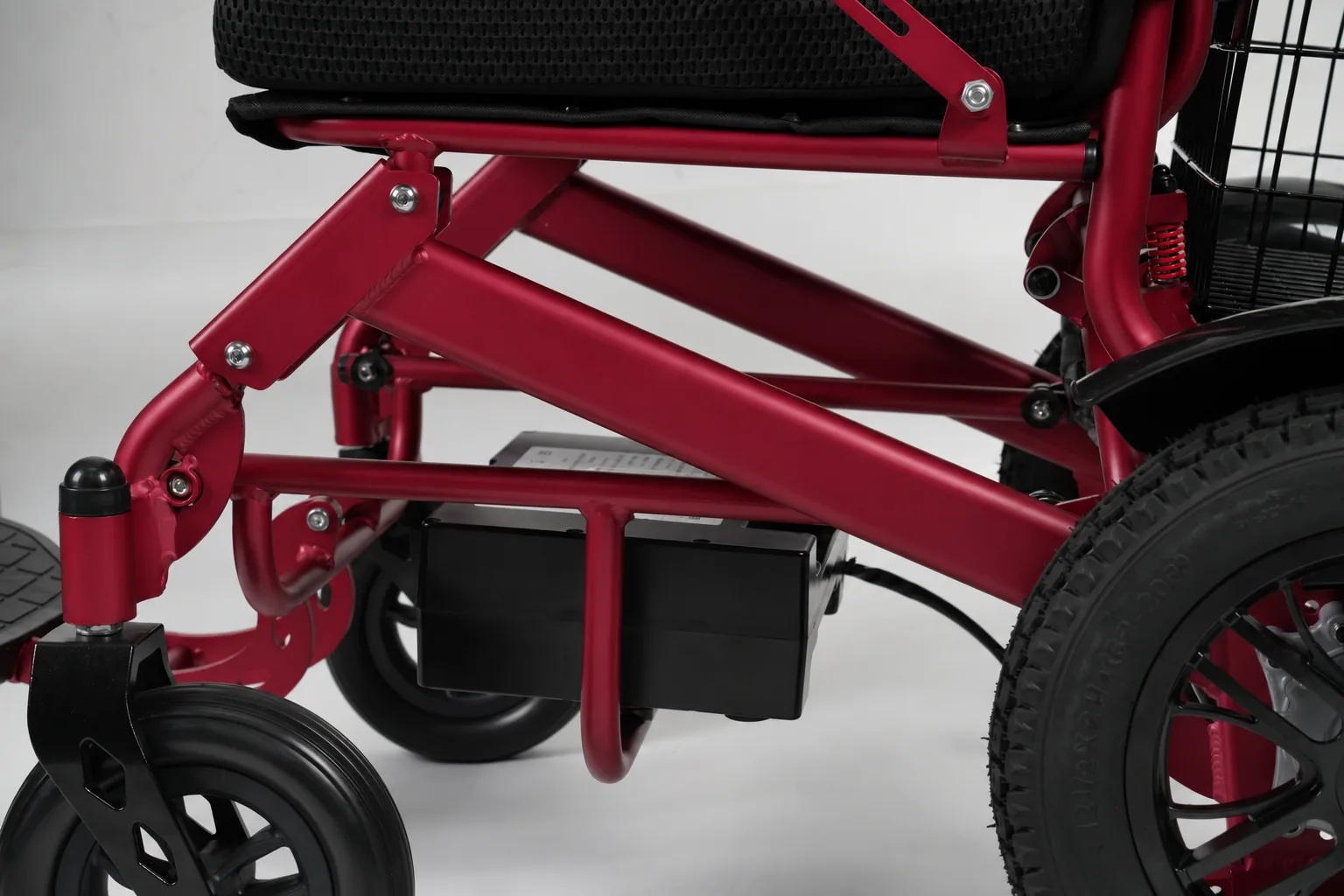
The chair manual is only half of the pair. Battery and charger documentation can be a separate document with its own scope, its own revision, and its own temperature statements. The title of this article says to check both manuals because the two can disagree, and because one may cover a situation the other does not.
Start by identifying what the battery document actually applies to. It may cover a battery family used across several chair models, a specific pack, or a charger rather than the battery itself. Note the chemistry and rating only if the document states them, and do not transfer a figure from one pack to another because they look similar. If the battery document gives storage conditions, compare them with the chair manual's storage conditions and record both, with their sources, rather than merging them into one range.
A charger document answers a third question again. It may describe the conditions in which charging may take place, which is not the same as the conditions in which a charged chair may be stored. Keeping the charger reference separate in the record prevents a charging instruction from being read as a storage permission, and it gives the service provider a clear starting point when a question is escalated.
Installed and separate battery documentation
Configuration is the point where storage records most often go wrong. A chair stored with its battery installed is not in the same condition as a chair stored with the battery removed, and the documentation may treat those cases differently. Some instructions address the chair with the battery fitted; others address the battery as a component on its own. Your record should say which configuration the instruction covers and which configuration is actually in the storage area.
If the two documents conflict, or if one is silent where the other gives a figure, the responsible step is to refer the question to the manufacturer or an authorized service provider. Do not average the figures, pick the wider range, or apply a rule from a different product. Do not open, disassemble, or relocate a battery to make it fit a storage instruction on site. Battery handling carries risks that belong with trained service personnel and the manufacturer's own guidance, and a storage decision is not a reason to improvise.
Build a fleet storage record
A fleet needs a record that survives staff changes. The record should let a new colleague see, for each chair or group of chairs, what the storage condition is, where that condition came from, who is responsible, and when it was last checked. This is ordinary asset management applied to a specific technical question, and it prevents the common failure where a temperature figure circulates by memory and nobody can say which manual it came from.
A useful record has one row per chair or per identical model-and-configuration group. Include the asset identifier, the exact model, the manual revision and date, the battery document reference, the storage location, the configuration stored (battery installed or removed), the stated storage condition, any long-term storage guidance, the responsible person, and the next review date. Where a condition is unknown, write the question rather than a number. Where a location cannot meet a stated condition, record the mismatch and the action taken, such as moving the chair or seeking manufacturer advice.
| Record field | Example entry type | Purpose |
|---|---|---|
| Asset ID and model | Tag number plus exact model name | Ties the record to one chair |
| Chair manual reference | Title, revision, date | Shows which document was read |
| Battery document reference | Title, revision, date, scope | Keeps the second source visible |
| Storage location | Room or container description | Connects condition to a real space |
| Configuration stored | Battery installed or removed | Prevents mixing two conditions |
| Stated storage condition | As written in the document | Avoids paraphrase drift |
| Long-term guidance | Battery state or checks, if stated | Captures non-temperature requirements |
| Owner and review date | Named role and date | Assigns responsibility |
| Open questions | Specific unresolved items | Shows what still needs confirmation |
Review the record when a manual is revised, when a chair moves to a different space, or when a new model enters the fleet. The review date is not paperwork; it is the mechanism that catches a changed instruction before a chair is stored under the old one. Keep the source documents or their references with the record so that any figure can be traced back to the page it came from.
For a dealer holding stock, the same fields work with a stock reference in place of an asset tag. The value is the same: a delivery or a resale can be checked against the condition the chair was actually kept in, and a question about a stored unit can be answered from the record rather than from memory.
Resolve missing or conflicting information

Some questions will not be answerable from the documents on hand. A manual may not address storage at all, a battery document may be missing, or the two may give different conditions for what looks like the same situation. The correct response is to hold the decision open and escalate, not to fill the gap.
Write the question precisely. Instead of asking whether a chair can be stored in a cold room, ask whether the specific model, in the specific configuration, may be stored in that space for the intended duration according to the current manual revision. Send it to the manufacturer or an authorized service provider, and record the answer with its date and source. In the meantime, keep the chair in a location that the available documentation does not contradict, or follow the facility's own policy if it is stricter.
There are also things not to do while a question is open. Do not guess a temperature, do not apply a figure from another manufacturer, and do not remove or dismantle a battery on site to match an instruction. Do not assume that a chair which operated correctly after cold storage is therefore approved for it. A single uneventful episode is not evidence of a permitted condition, and the absence of an immediate problem does not settle the documentation question.
For related reading on charging and moisture, see the WCF articles on leaving a power wheelchair charging overnight and on whether electric wheelchairs can get wet. Those topics sit next to storage but answer different questions; this article stays with the model-specific storage condition and the fleet record that documents it.
FAQ
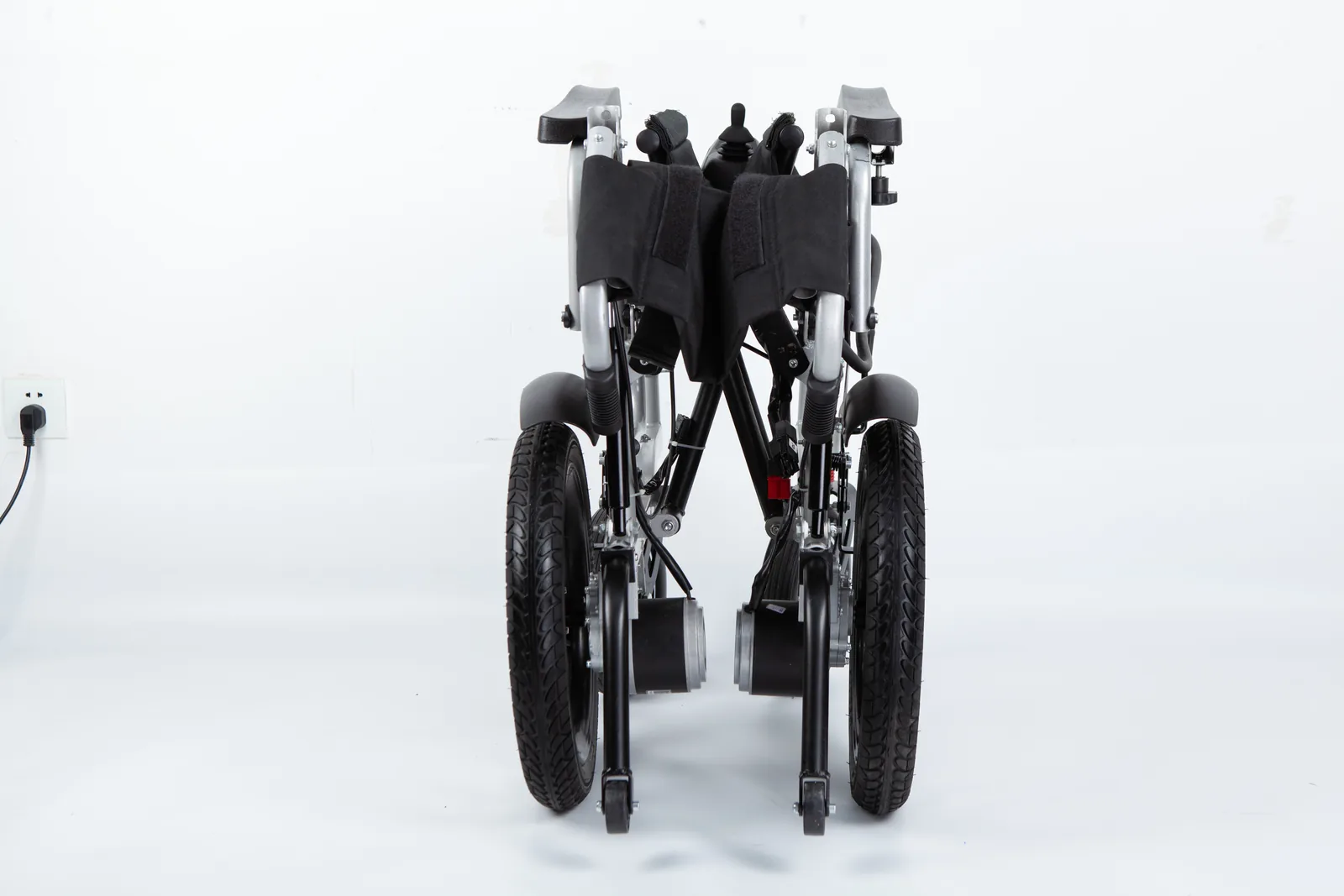
Is a chair's operating range the same as its storage range?
No. They answer different questions and may be stated separately in the same manual. Operating conditions describe use; storage conditions describe an idle chair, sometimes for a long period and sometimes with the battery in a different state. Read the heading that applies to your situation rather than reusing the operating figure for storage.
Can another manufacturer's battery instructions be copied?
No. Battery documentation is written for a specific pack or battery family, and its scope and revision matter. A figure from another manufacturer's document is not evidence for your battery, even if the chairs look similar. If your own documents are missing or conflict, ask the manufacturer or an authorized service provider and record the answer.
Conclusion
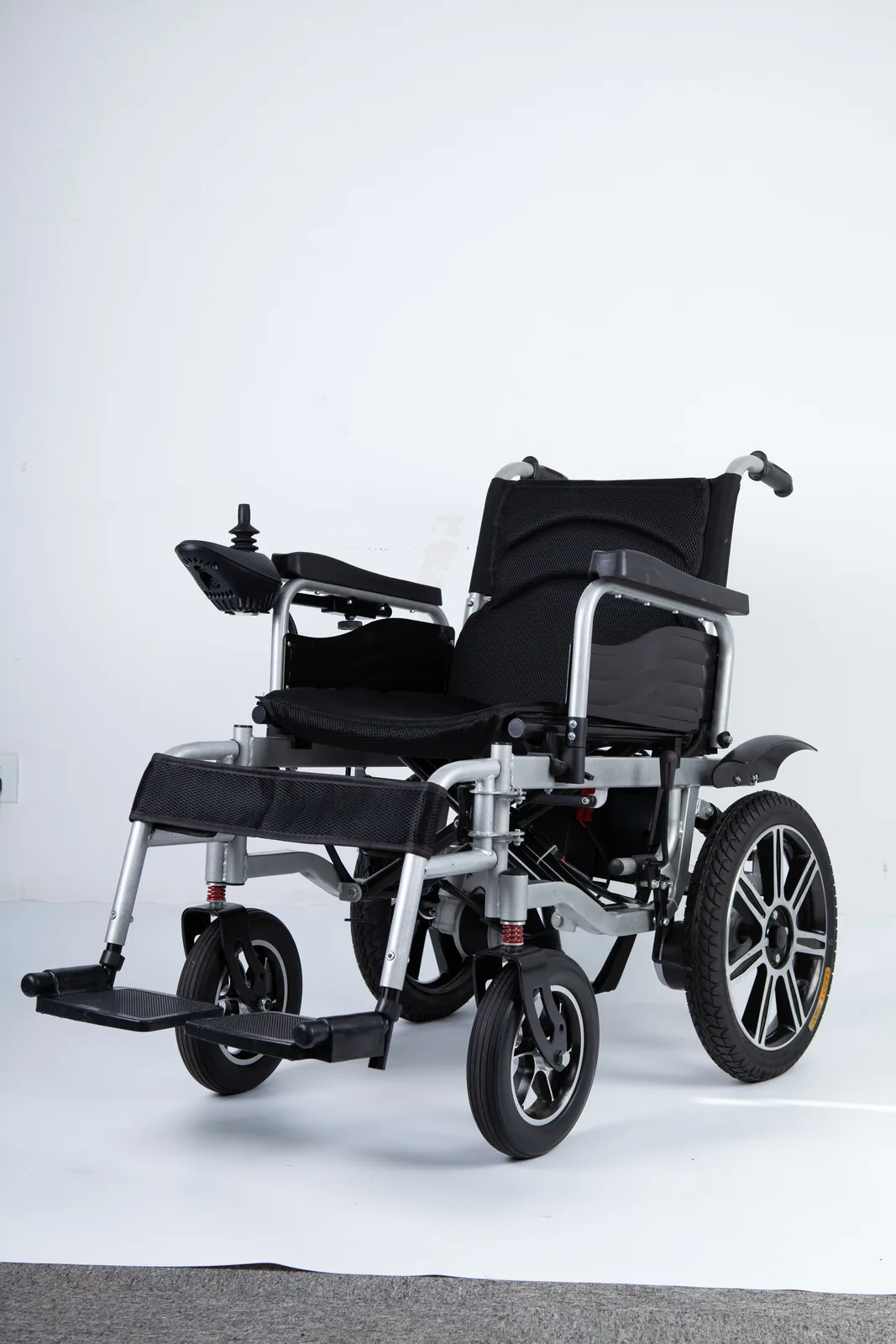
Record operating, transport and storage conditions separately for each exact chair and battery, then escalate conflicts instead of guessing.
Video: How to Store Mobility Scooter Batteries for Winter | Scooter Doctor