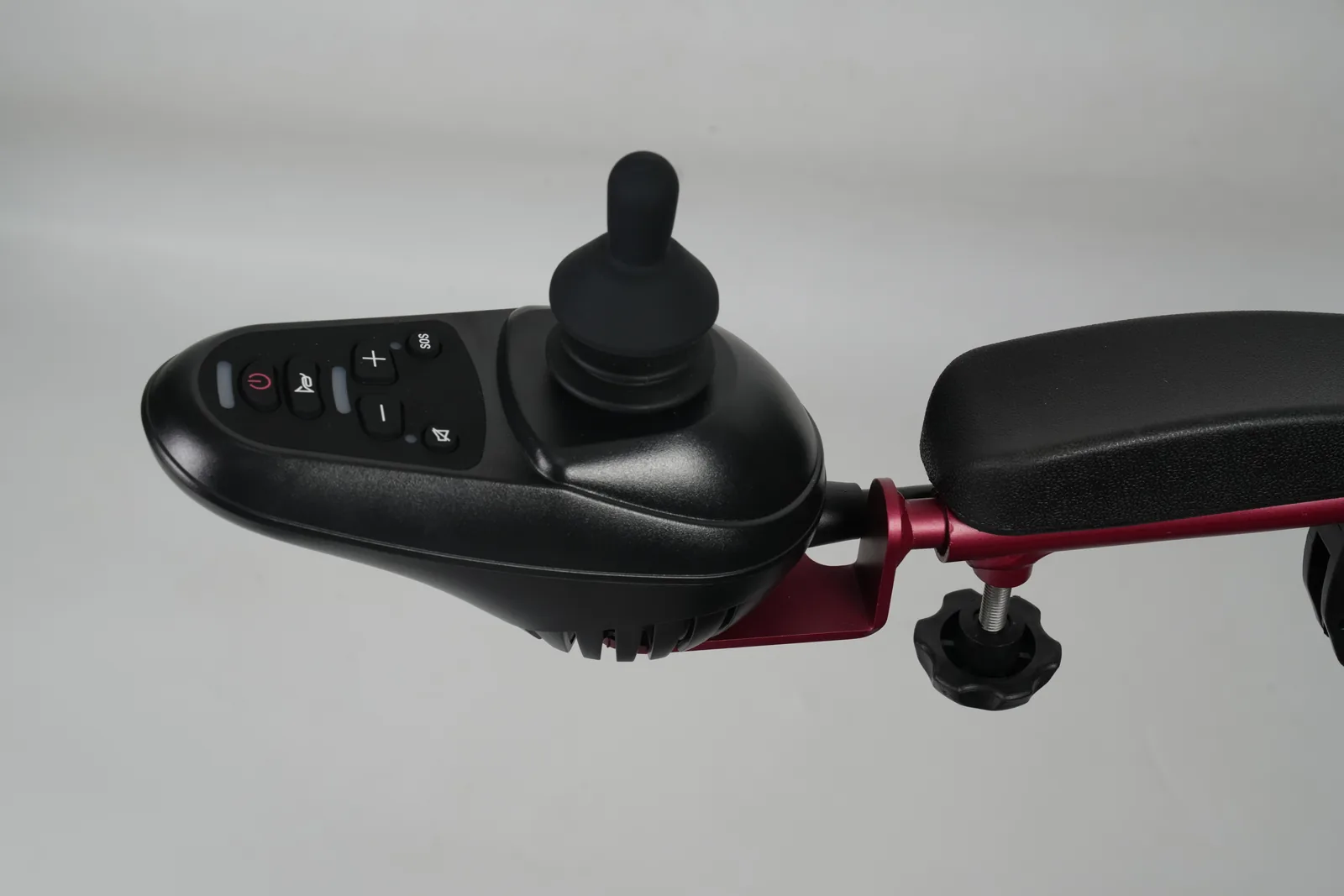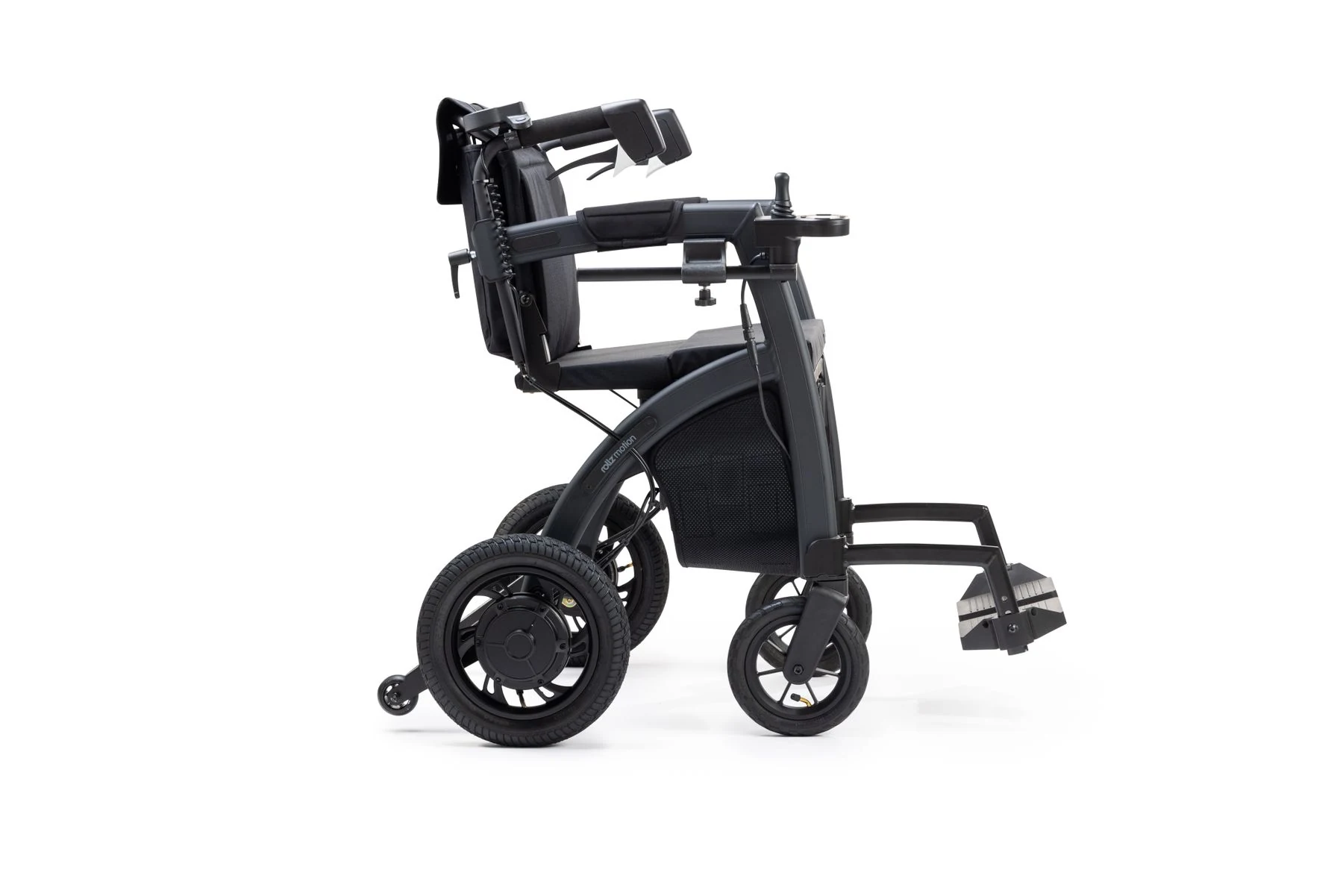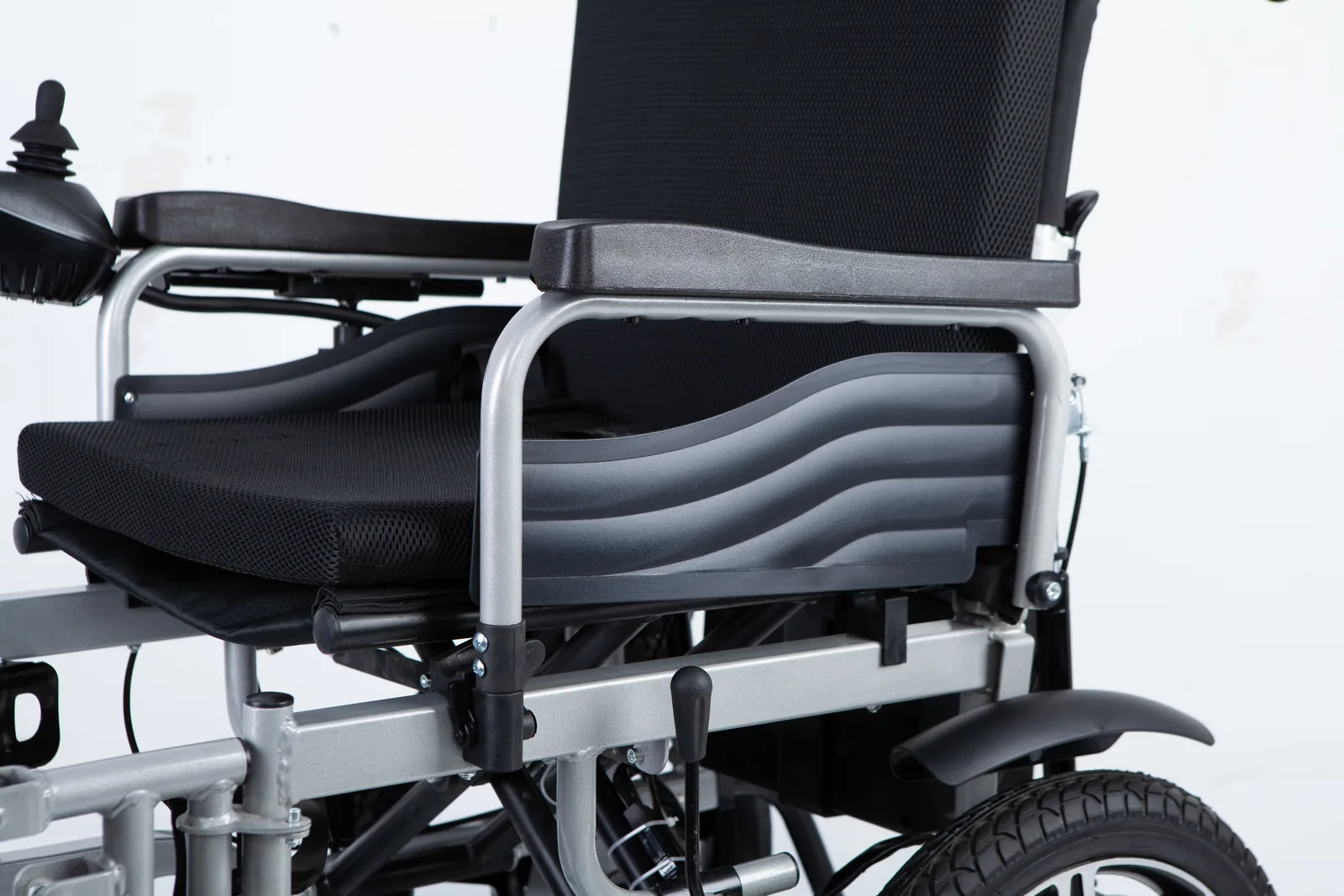
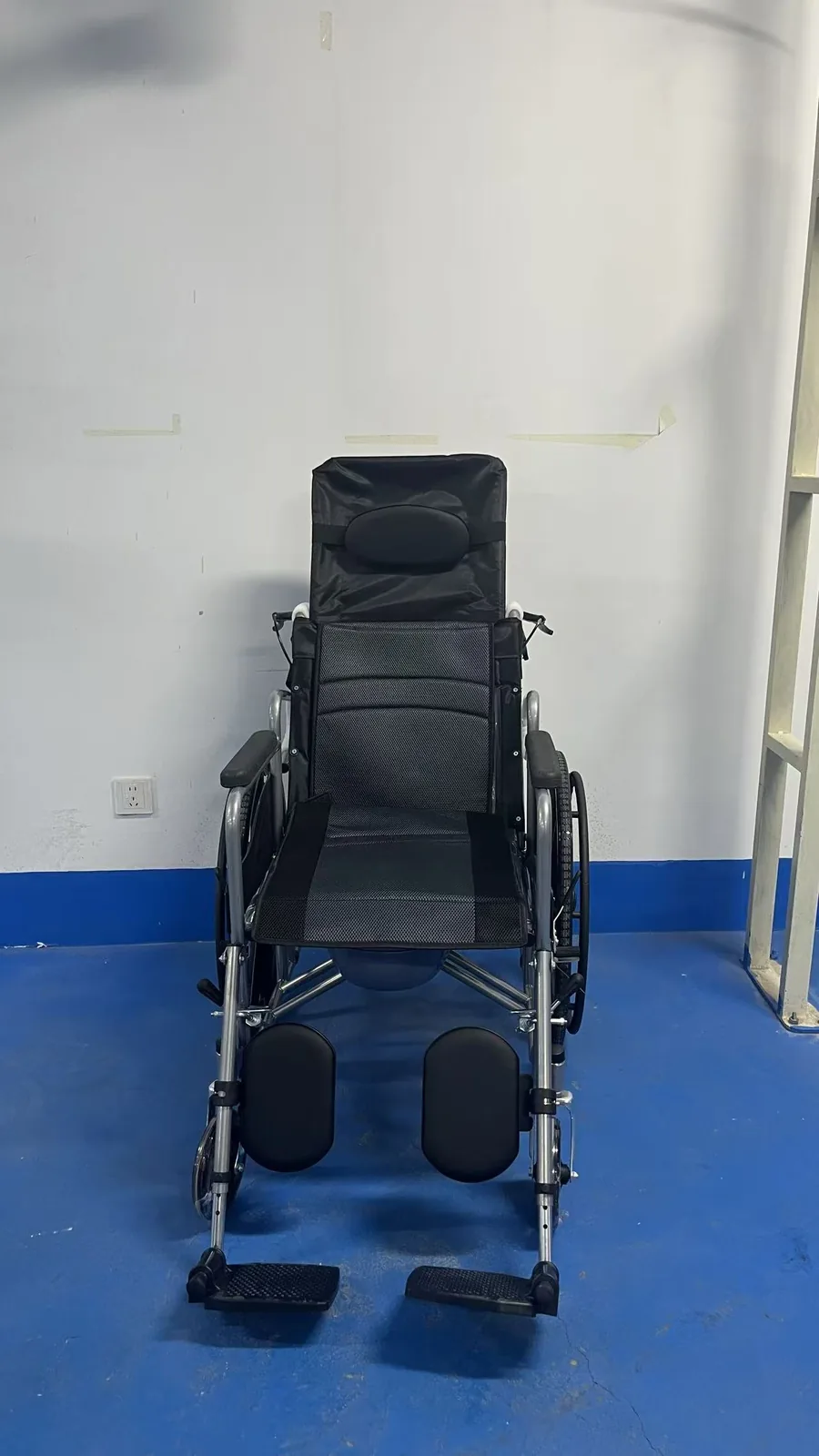
A family is told the chair will "grow with the child," then the paperwork lists seat width and seat depth as adjustable. Which parts actually move, by how much, and under what conditions is rarely obvious from that sentence alone.
A pediatric wheelchair adjustable growth seat usually changes the seat frame in defined width and depth steps, but the cushion, backrest, and accessories may not follow automatically. Treat each dimension as a separate question tied to a named model and manual.
Pediatric wheelchair adjustable growth seat: Explain growth configuration
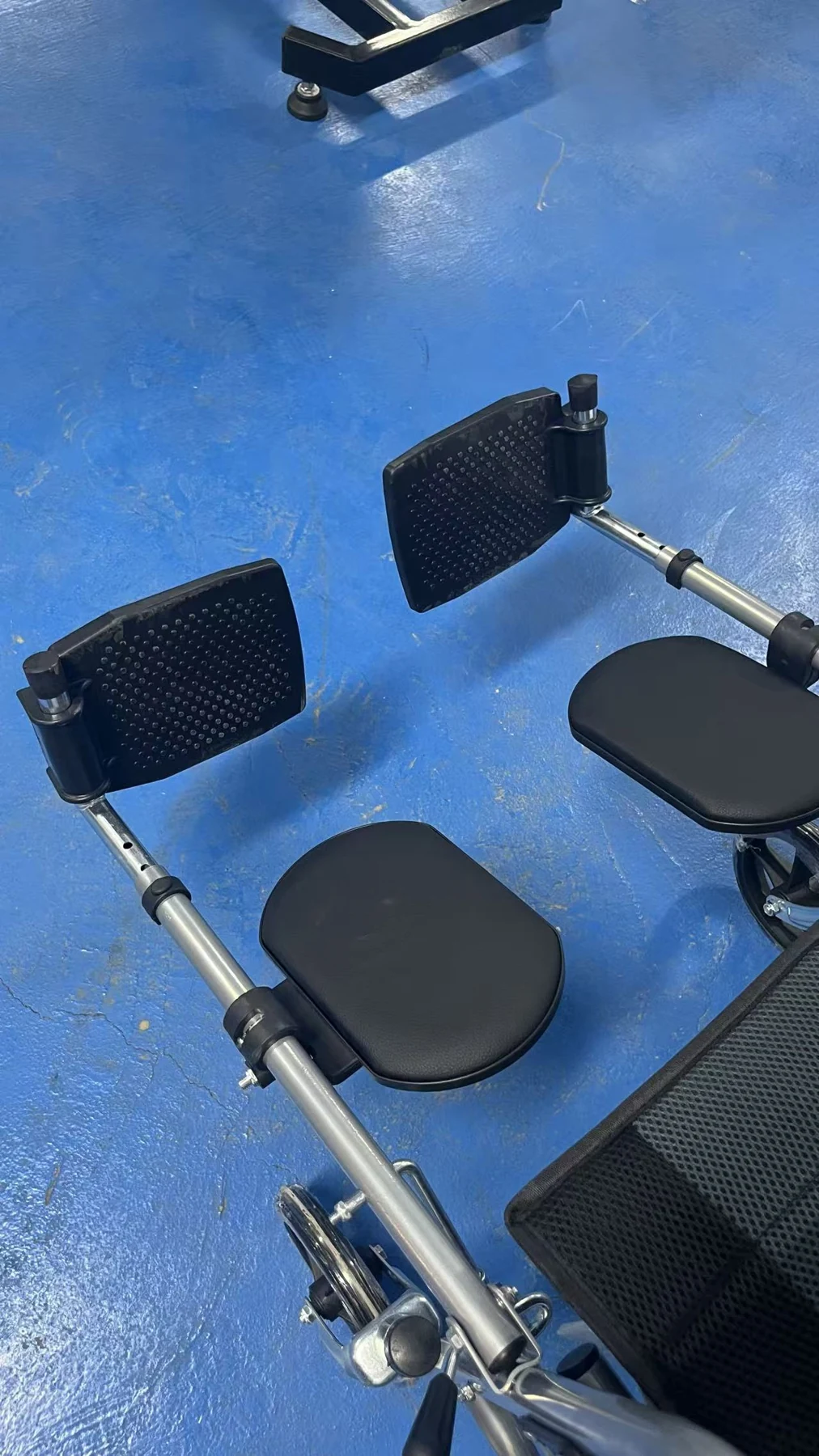
Growth configuration means the chair's structure can be reset as a child's body changes, so the same frame serves across a range of sizes rather than being replaced at every stage. The important distinction is between what the frame allows and what the complete seating system delivers. A manufacturer may describe a seat that adjusts in width and depth, but that description covers the frame geometry. It does not automatically mean the seat cushion, backrest upholstery, lateral supports, or footrests resize with it. Those items may need replacement, repositioning, or a different size, and the manual for the exact model is where that is confirmed.
This matters for planning. If a configuration team reads "adjustable seat width" and assumes the whole seating surface grows, the budget and the follow-up schedule will be wrong. A better approach is to list each component separately and ask, for each one, whether it is fixed, adjustable within the frame, or replaced at a growth change. That list becomes the working document for the seating team and the supplier.
It also helps to separate two kinds of language that often appear side by side. One is a structural statement: the frame has more than one width or depth position. The other is a configuration statement: a particular child, cushion, and support set has been specified for a particular position. The first can be read from a manual; the second comes from an assessment and a written specification. Mixing them is how a growth chair ends up ordered in a setting that the frame supports but the seating plan never intended.
Seat width
Seat width is the side-to-side space of the seating surface. On a growable chair, the frame may allow the seat rails or side guards to be set at more than one width. The manual should state the available settings, the units, and any conditions, such as whether a specific seat pan or cushion is required at each setting. Width affects how the child sits between the side supports and how the chair fits through doorways and onto transport, so a change in seat width can also change the chair's overall width. The separate question of seat width versus overall width is worth reviewing before assuming a wider setting still fits the family's routes and vehicle.
Width also interacts with the parts mounted at the sides. Arm supports, side guards, and lateral supports are positioned relative to the seat edges, so a wider frame setting can shift where those parts sit even when the parts themselves are unchanged. That is why a width change should be checked as a small system change rather than a single number on a form.
Seat depth
Seat depth is the front-to-back measurement of the seating surface, and it is usually the dimension most closely tied to how the back of the knee and the backrest relate to the seat edge. A growable frame may offer several depth positions, often by moving the backrest relative to the seat or by extending the seat rails. As with width, the manual should give the settings and any part that must change with them. Depth is also where measurement method matters: where the reference points sit on a specific chair can differ from a general measuring guide, so the model manual and the seating professional's measurement should be kept together rather than mixed. Background on reference points is covered in wheelchair seat depth measurement, but the model manual remains the authority for a named chair.
Depth changes can also move the backrest relative to the rear wheels and the push handles, which matters to whoever pushes or transports the chair. A depth setting that suits the child may still alter balance or folding behaviour, so the manual's conditions should be read alongside the seating plan rather than after the order is placed.
Compare two named models
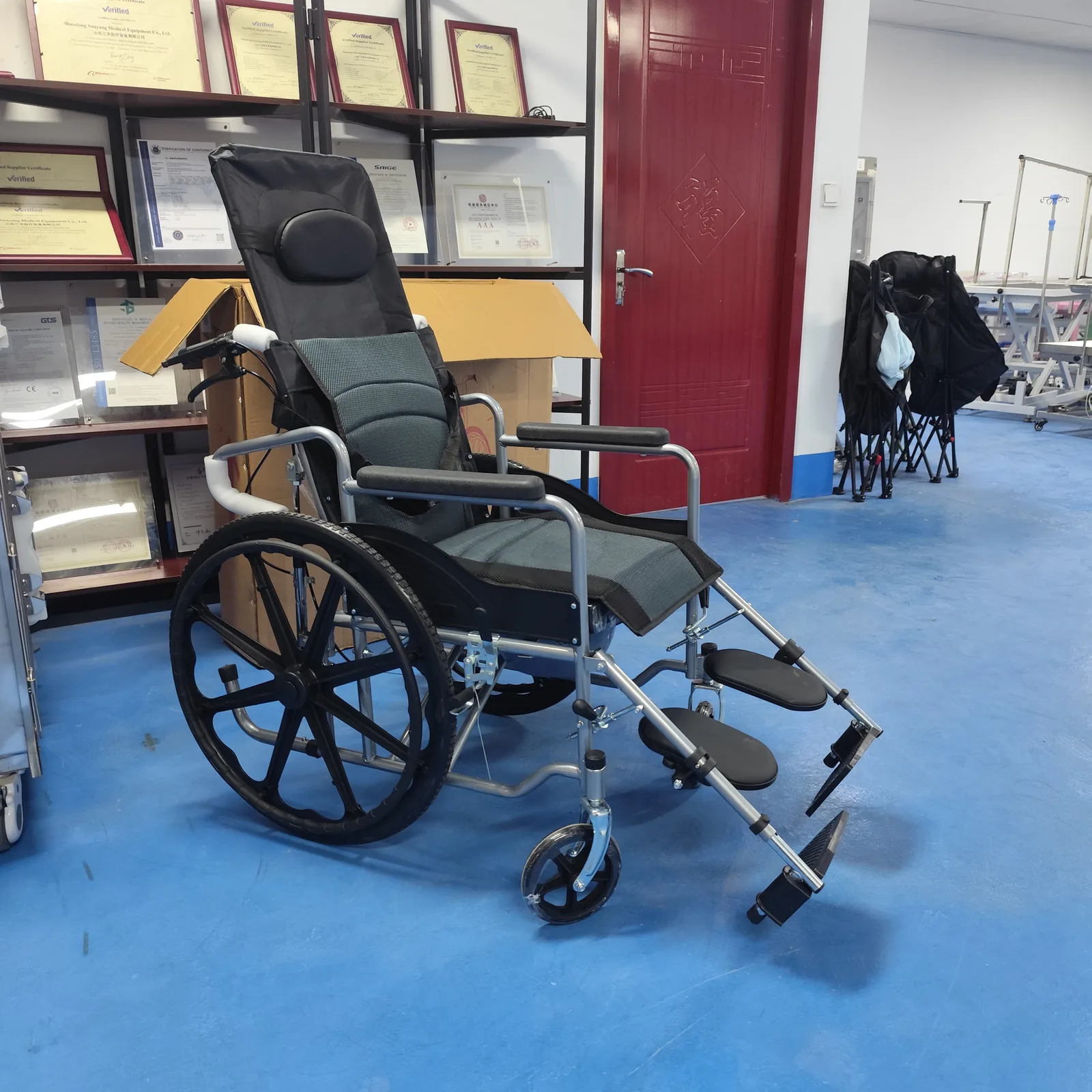
The two named references in this brief are the Permobil TiLite TWIST, which the manufacturer describes as a pediatric growth chair with adjustable seat width and depth, and the Simba, whose manual discusses seat width and depth growth ranges around page 23. They are useful because they show that "growable" is a manufacturer-specific claim with its own settings, units, and conditions. The comparison below keeps each source separate and does not transfer a value from one chair to the other.
| Comparison point | TiLite TWIST (Permobil product page) | Simba (manufacturer manual, around p. 23) | What to confirm |
|---|---|---|---|
| Growth claim | Manufacturer describes adjustable seat width and depth | Manual discusses seat width and depth growth ranges | The exact wording and edition of each document |
| Width settings | Not stated in the supplied excerpt | Growth range discussed in the manual | The listed settings, units, and any required parts |
| Depth settings | Not stated in the supplied excerpt | Growth range discussed in the manual | The listed settings, units, and any required parts |
| Parts affected | Not stated in the supplied excerpt | Not stated in the supplied excerpt | Which components change at each setting |
| Conditions | Not stated in the supplied excerpt | Not stated in the supplied excerpt | Cushion, backrest, and accessory requirements per setting |
The table is deliberately sparse in its middle columns. The supplied material confirms that both sources discuss adjustable width and depth, but it does not provide the setting lists, units, or part requirements, so those cells stay open rather than being filled from memory or from another chair. A configuration team can use the same layout with the current manuals in hand and complete it properly, which is more useful than a comparison that looks complete but mixes sources.
Built-in range
A built-in range is the span the frame itself can cover, expressed in the manufacturer's own units and settings. It is not a promise that every child fits every position, and it is not a schedule for when to change settings. Two chairs with similar-sounding growth claims can differ in how many positions they offer, whether the positions are discrete steps or continuous, and whether the frame or a subcomponent carries the adjustment. Reading the range without those details can make two chairs look more alike than they are. The practical step is to copy the exact range, units, and setting list from the current manual into the comparison sheet, with the document date and revision, so the team is comparing the same kind of information.
A range also has ends. Near the upper end of a width or depth range, the chair may still be adjustable in principle while the surrounding parts are already at their limit. Knowing where a child currently sits within the range helps the team judge how many growth steps remain before a different frame, cushion, or support set becomes the realistic option. That judgement belongs to the seating team, but the range data that informs it should come straight from the named manual.
Model-specific parts
Parts are where growth claims most often need a second look. A frame may accept a wider seat setting, but the seat cushion, backrest upholstery, side guards, arm supports, or footrests may be sized for a particular configuration. The manual should indicate whether a part is reused, repositioned, or replaced. When that information is not in the supplied excerpt, it stays a question for the supplier rather than an assumption. Keeping a parts list per model, with the manual page reference, prevents a growth change from becoming a surprise order and helps the service team plan the work.
It is also worth recording which parts are shared across settings and which are unique to one. A shared part reduces the number of items to track; a unique part signals that a setting change is really a parts change. Either way, the list should name the model and revision, because a part that fits one edition of a chair may not be the part listed for another.
Consider the complete seating system
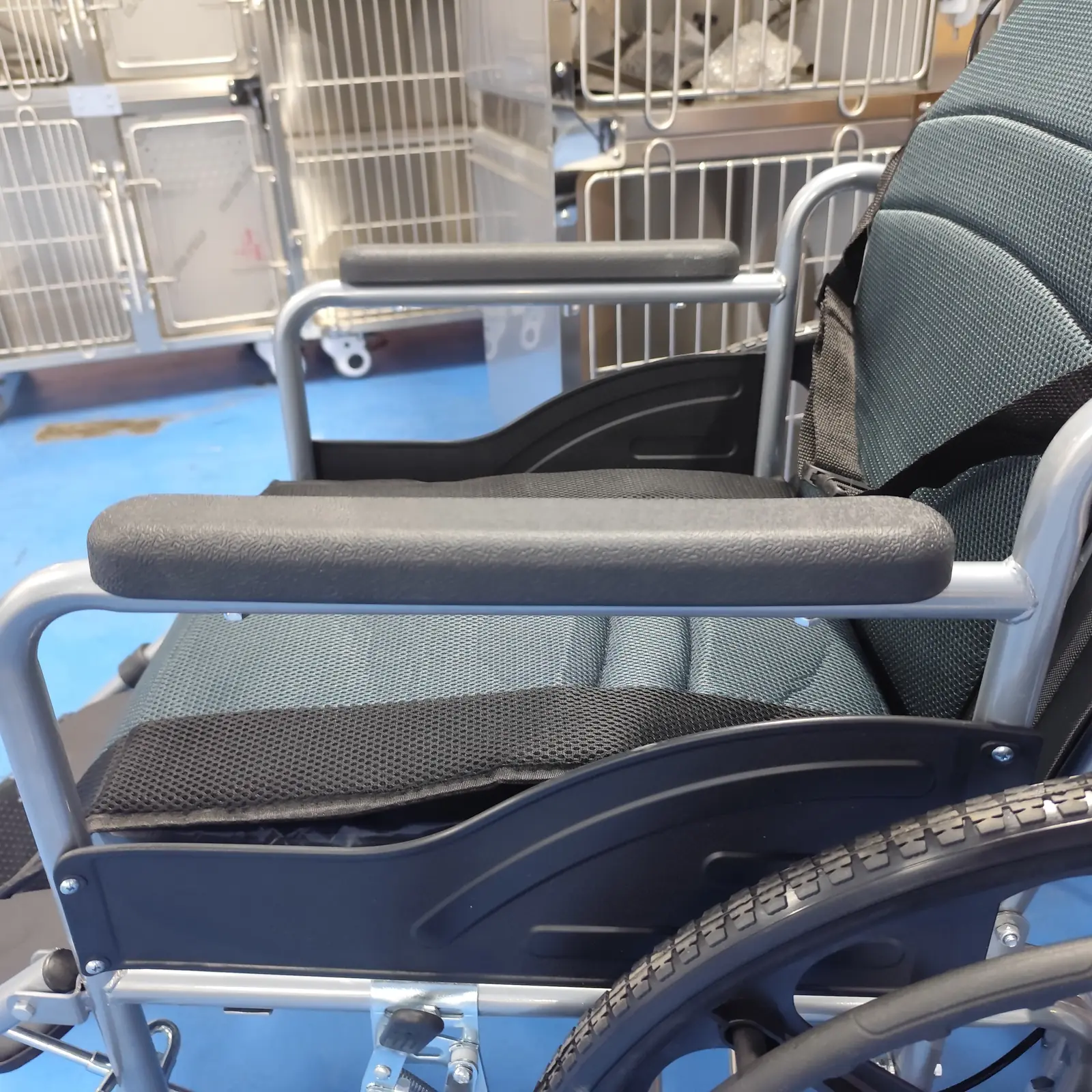
A wheelchair is more than a seat pan and two dimensions. The backrest angle and height, the footrests, the arm supports, lateral supports, and any postural support all interact with seat width and depth. Changing one dimension can change how the others sit relative to the child. A wider seat setting may alter where the side supports sit; a deeper setting may change the relationship between the seat edge and the back of the knee. These are seating-system questions, and the frame manual alone cannot answer them.
For a configuration team, this means the frame manual and the seating specification have different jobs. The manual says what the hardware can do. The specification says what this child needs and how the chair should be set up. Both are needed at a growth review, and neither replaces the other.
System changes
When a growth adjustment is planned, list every component that touches the child's position and ask whether it moves with the frame. The backrest, footrests, and supports may need repositioning or a different size, and the manual for the exact model should say what is possible. Some changes are mechanical and documented; others depend on how the child sits and what the seating team has specified. Keeping the mechanical facts and the seating plan in one place makes it easier to see which changes are frame settings and which are clinical or configuration decisions. It also helps the supplier quote the right parts rather than guessing from the frame description.
A simple split works well in practice: one column for changes the service team can make from the manual, and one for changes that require the seating professional to re-specify. When a proposed change falls into both columns, that is a signal to pause and confirm before ordering.
Individual assessment
Seat width and depth for a child are not chosen from a table alone. A qualified seating professional assesses the child's position, support needs, and how the chair is used, and translates that into a configuration. This article can explain what a growth range means and what to compare, but it cannot determine the right setting for a particular child. The useful output of that assessment for the configuration team is a written specification: the required seat width and depth, the supports, the accessories, and the conditions under which the chair should be reviewed. That specification is what the supplier and service team work from.
Keeping the specification written also protects continuity. If the family moves, changes supplier, or sees a different clinician, the document carries the reasoning forward instead of leaving the next team to reconstruct it from the chair alone.
Plan follow-up and service
Growth adjustments are service events, not just purchases. Someone has to decide when a change is needed, check that the new setting is correct, and confirm that the parts and fasteners are right for that configuration. The exact model manual is the reference for what the service team may adjust and how. This article does not set service intervals, because those depend on the model, the manual, and the seating team's plan. What it can do is help the team organize the review so that growth changes are planned rather than reactive.
A useful review record is short but specific: the model and revision, the settings currently in use, the parts fitted, who approved the configuration, and the date of the next check. That record turns a vague instruction to "review as needed" into something a service team can act on.
Review intervals
A review interval is a decision for the seating team and the family, based on the child's growth and the chair's documented adjustment options. The manual may describe how to change a setting but not how often to review it. A practical record includes the date of the last review, the settings in use, the parts fitted, and the next planned check. That record lets a new team member see the history without relying on memory, and it makes it easier to notice when a setting is approaching the end of its range. The interval itself should be confirmed with the qualified professionals involved, not copied from a general article.
It also helps to note why a setting was chosen, not only what it is. A short reason beside each dimension makes later reviews faster and shows whether a change was driven by growth, by a change in support needs, or by a repair.
Supplier documentation
When requesting a growable pediatric chair, ask for the current manual for the exact model and revision, the list of width and depth settings with units, and the parts required at each setting. Ask which components are reused and which are replaced, and ask for the service responsibilities in writing. A supplier response that names the model, the manual revision, and the specific settings is more useful than a general statement that the chair grows. Keep those documents with the child's configuration record so the next review starts from confirmed information.
If a supplier cannot provide the manual revision or the setting list, that gap is itself useful information for the procurement decision. It does not prove the chair is unsuitable, but it does mean the configuration team cannot yet verify the growth claim against documentation.
FAQ
Does every growth adjustment need a new part? Not necessarily. Some settings may reuse the existing cushion, backrest, or supports, while others may require a different size. The exact model manual and the supplier should confirm which parts change at each setting.
Does seat width grow by the same amount as depth? Not automatically. Width and depth are separate settings with their own ranges, and one may offer more positions than the other. Compare each dimension separately using the model's own manual.
Who confirms the adjustment for a child? A qualified seating professional assesses the child and specifies the configuration, while the service team carries out documented mechanical changes. The family and configuration team should keep the written specification and review record together.
Conclusion
Compare seat width and depth as separate, model-specific settings, and confirm every part and review step with the seating team and supplier.
Video: R82 x:panda Multiple Adjustments for Growth