A distributor receives two motor datasheets: one lists watts, the other lists torque. A procurement team then asks which chair climbs better. The two numbers are not competing versions of the same fact, so they cannot be ranked directly.
Watts describe a rate of energy conversion; torque describes turning effort. Neither figure alone tells you what a finished power wheelchair will do on a slope, with a given load, under a given controller setting. This guide explains the relationship, the measurement points that change the numbers, and the documentation to request. It is written for distributors, buyers and equipment technicians who need to read a specification rather than trust a headline figure.
Wheelchair motor torque vs watts: Separate power, torque and speed
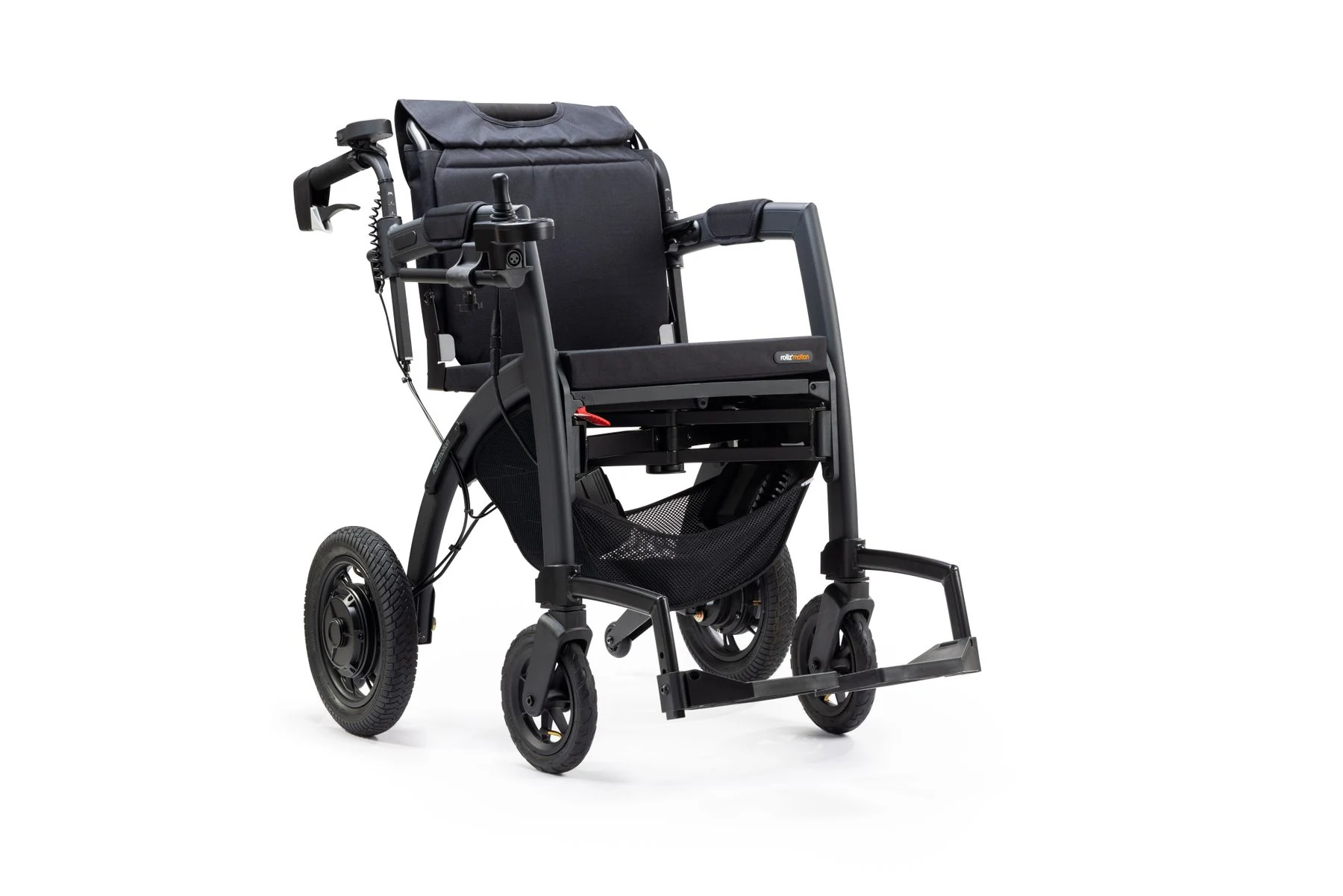
The first step in reading any electric wheelchair motor specification is to stop treating power, torque and speed as three names for strength. They are separate physical quantities with separate units, and each one answers a different question about a drive system. A datasheet that gives only one of them leaves the other two undefined, which is why a single wattage figure cannot be converted into a climbing promise. When the question is wheelchair motor torque vs watts, the honest answer begins with recognising that the two labels describe different things and are not interchangeable.
Torque and speed
Torque is a turning effort, usually expressed in newton-metres (N·m) or in older documents as kilogram-force-centimetres or pound-force-inches. It describes how much rotational push the shaft can apply. Speed is how fast that shaft rotates, usually in revolutions per minute (rpm). These two quantities interact: for a given mechanical power, more torque at the shaft means lower shaft speed, and more speed means less torque. That trade-off is a property of rotating machinery in general, not a claim about any particular wheelchair.
For a distributor or technician, this matters because a motor described as "high torque" may simply be a slower-turning unit, and a "fast" motor may produce modest turning effort at its shaft. Neither description is good or bad in isolation. What matters is which shaft the figure refers to and what gearing sits between that shaft and the wheel. A motor with a low shaft speed and high shaft torque is not automatically the better choice for a chair, because the gearbox and wheel size still decide what reaches the ground.
Power and units
Mechanical power is the rate at which work is done. In rotating systems it links torque and speed, so a power figure is only meaningful when you know the speed and torque conditions under which it was measured. Watts (W) and kilowatts (kW) are the common units. Horsepower appears in some older or regional documents and is a different unit for the same quantity, not a different kind of measurement.
A crucial distinction, and one the ABB technical guide makes explicitly on page 16, is between mechanical output power at the motor shaft and electrical input power drawn by the motor. These are not the same number. Electrical input includes losses in the motor, and the guide separates input power, output power, torque and speed as distinct quantities. When a supplier quotes "watts," ask whether that is electrical input, mechanical output, or a controller rating. The answer changes what the number can be compared against.
| Quantity | What it describes | Common units | Typical datasheet label |
|---|---|---|---|
| Torque | Turning effort at a defined shaft | N·m, kgf·cm, lbf·in | Rated torque, stall torque |
| Speed | Rotational rate at a defined shaft | rpm | Rated speed, no-load speed |
| Mechanical output power | Rate of work delivered at the shaft | W, kW | Output power |
| Electrical input power | Rate of energy drawn from the battery/controller | W, kW, A at a stated voltage | Input power, rated current |
| Gear ratio | Reduction between motor and wheel | ratio (e.g. 20:1) | Gearbox ratio |
Read the table as a checklist rather than a conversion chart. Each row is a separate input, and a complete comparison needs the same rows filled in for both products, measured at the same point. A row that is blank on one datasheet is a question to ask, not a gap to fill with an assumption.
Identify the measurement point
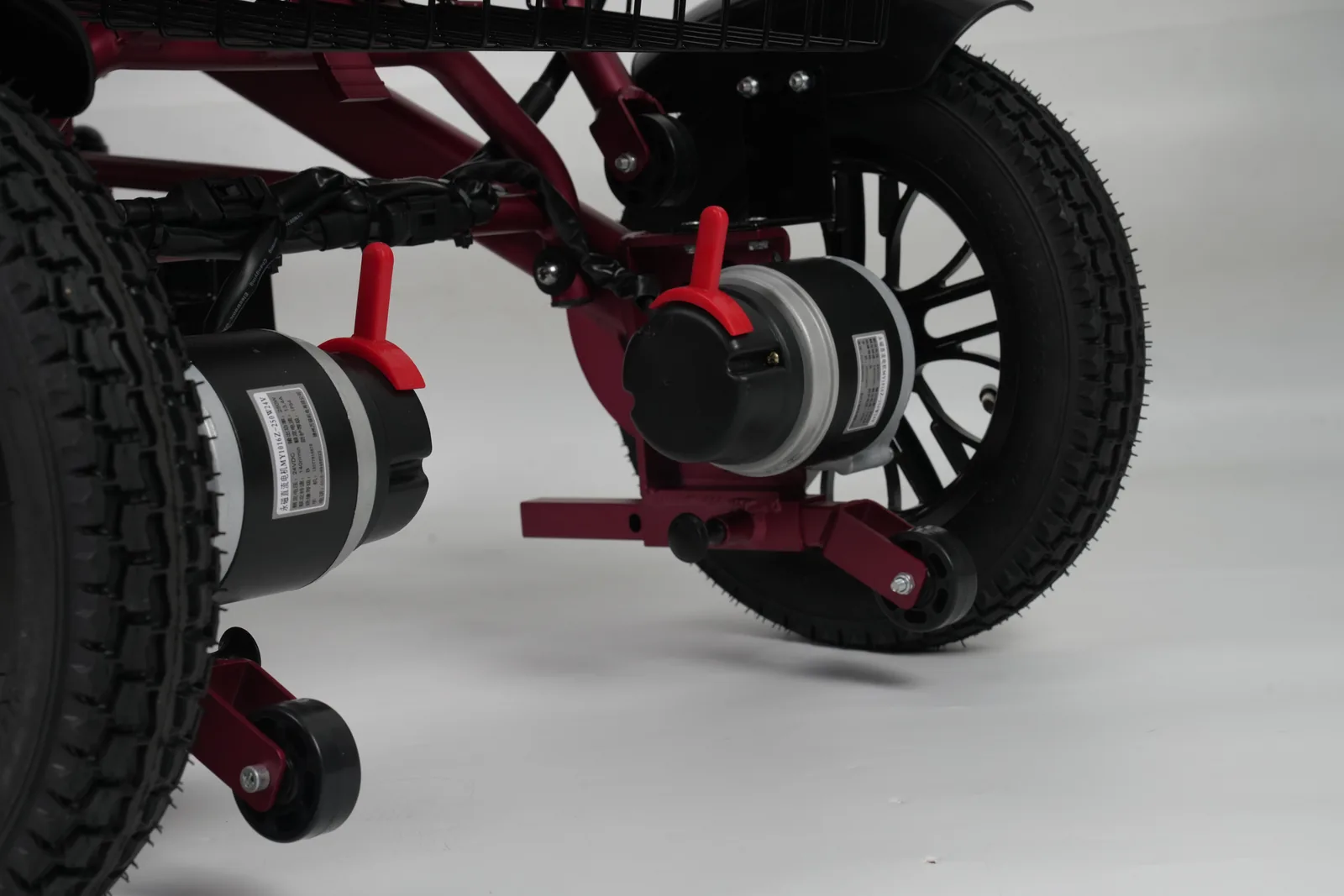
Two datasheets can both say "torque" and still describe different things, because torque can be measured at the motor shaft, after the gearbox, or at the wheel. Before comparing numbers, establish where the measurement was taken. This single question resolves many apparent contradictions between supplier documents, and it is the point where procurement conversations most often go wrong. It also explains why two electric wheelchair motor torque figures that look far apart may describe the same hardware at different stages of the drivetrain.
Motor and gearbox
A gearbox trades speed for torque. If a motor shaft turns quickly with modest torque and passes through a reduction gear, the output shaft turns more slowly with higher torque. The supplier page from Iyasomed discusses torque, power and gearbox matching in exactly this framing; it is a supplier viewpoint, not a WCF product specification, but it illustrates why gearbox ratio belongs in any motor comparison.
Practically, this means a motor-shaft torque figure and a wheel-level torque figure are not interchangeable. If one supplier quotes motor torque and another quotes output torque after reduction, the second number will usually look larger without the motor being stronger. Ask each supplier to state the measurement point, the gear ratio, and whether the figure is at the motor, the gearbox output, or the wheel. Without those three pieces, you are comparing labels, not hardware. A useful habit is to write the measurement point directly beside every torque figure you record, so a later reader cannot mistake one for the other.
Rated versus peak
Motors are also described by operating condition. A rated figure describes continuous operation under stated conditions; a peak or stall figure describes a short-term or zero-speed condition. These are different operating points and should never be mixed in one comparison row. A peak torque number placed beside another product's rated torque number overstates the first product.
When a datasheet gives both, record both, and note the duration or condition attached to the peak value. When only one is given, mark the other as unknown rather than assuming it. This is also where thermal limits enter: a motor asked to deliver high torque continuously behaves differently from one delivering it briefly, and the datasheet conditions should say which case applies. For a fleet buyer, that distinction matters when a route includes a long sustained slope rather than a short ramp.
| Comparison question | Why it changes the answer | What to record |
|---|---|---|
| Measured at motor shaft or wheel? | Gearbox multiplies torque and reduces speed | Measurement point and gear ratio |
| Rated or peak value? | Different operating conditions, not interchangeable | Both values plus stated condition |
| Electrical input or mechanical output? | Losses sit between them | Which quantity the watt figure represents |
| At what voltage and current? | Electrical figures depend on supply conditions | Stated voltage, current, test setup |
| Controller setting during test? | Limits current and therefore torque | Controller model and programmed limits |
Use this table as an agenda for a supplier email. A reply that fills these rows gives you something comparable; a reply that repeats a headline wattage does not.
Read the output-power relationship
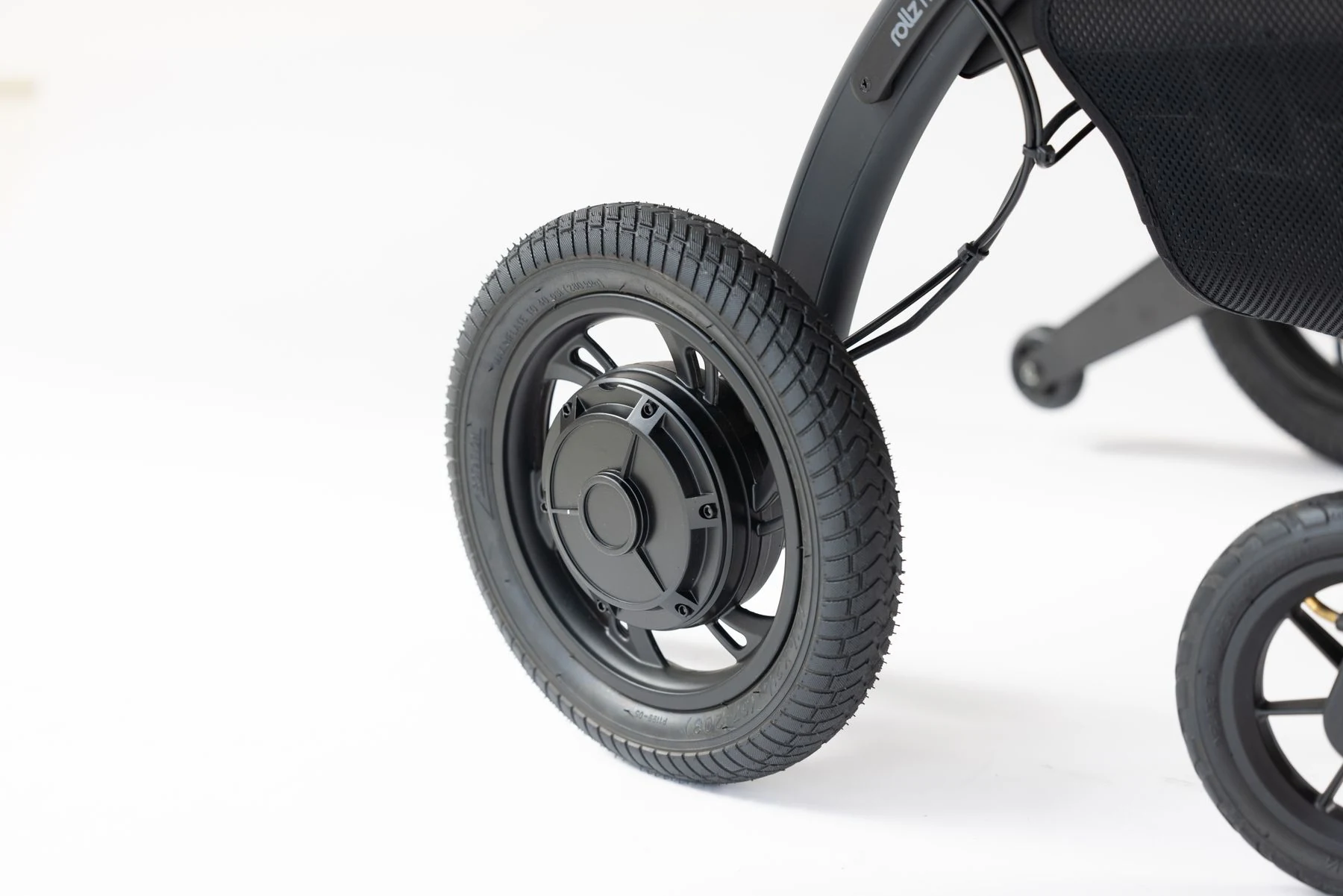
The relationship between torque, speed and power is the part of motor literacy that most repays the effort, because it explains why a wattage label cannot be read as a strength rating. The ABB technical guide treats these as linked but distinct quantities: mechanical output power at the shaft is related to torque and rotational speed, while electrical input power is a separate measurement that includes losses. Understanding that structure lets a procurement team ask sharper questions without performing an engineering calculation it cannot verify.
Given assumptions
Any numerical relationship between torque, speed and power holds only under stated assumptions. If a document presents a power figure, it is implicitly tied to a speed and a torque at a defined point, often a rated operating point. Change the assumption — a different speed, a different supply voltage, a different controller current limit — and the derived numbers change with it.
A public engineering question on Reddit's AskEngineers forum asked how to calculate torque and power for an electric sports wheelchair. That thread supports the existence of the calculation task; it does not supply validated figures for any production chair, and it should not be treated as a data source. The lesson for buyers is that the calculation is legitimate engineering work, but its output depends entirely on the inputs chosen, including wheel radius, target speed, mass and slope. Those inputs belong to a specific chair and use case, not to a motor label. Two buyers can run the same formula and reach different answers because they assumed different loads or gradients.
Where information is missing
In real procurement, the most common situation is partial information. A datasheet gives rated power and rated speed but no torque; another gives torque and gear ratio but no efficiency; a third gives a controller current limit but no motor curve. The correct response is not to fill the gaps by inference. It is to record what is missing and decide whether the missing item matters for the decision at hand.
If the decision is a rough shortlist between suppliers, missing measurement points may be tolerable at first pass, provided you flag them. If the decision is a fleet purchase or a configuration change for a specific user group, the missing items become blocking questions. Writing them down as open items keeps the comparison honest and prevents a later argument about what a number was supposed to mean. It also gives the supplier a clear, specific request rather than a vague demand for "more data."
Compare finished-chair documentation
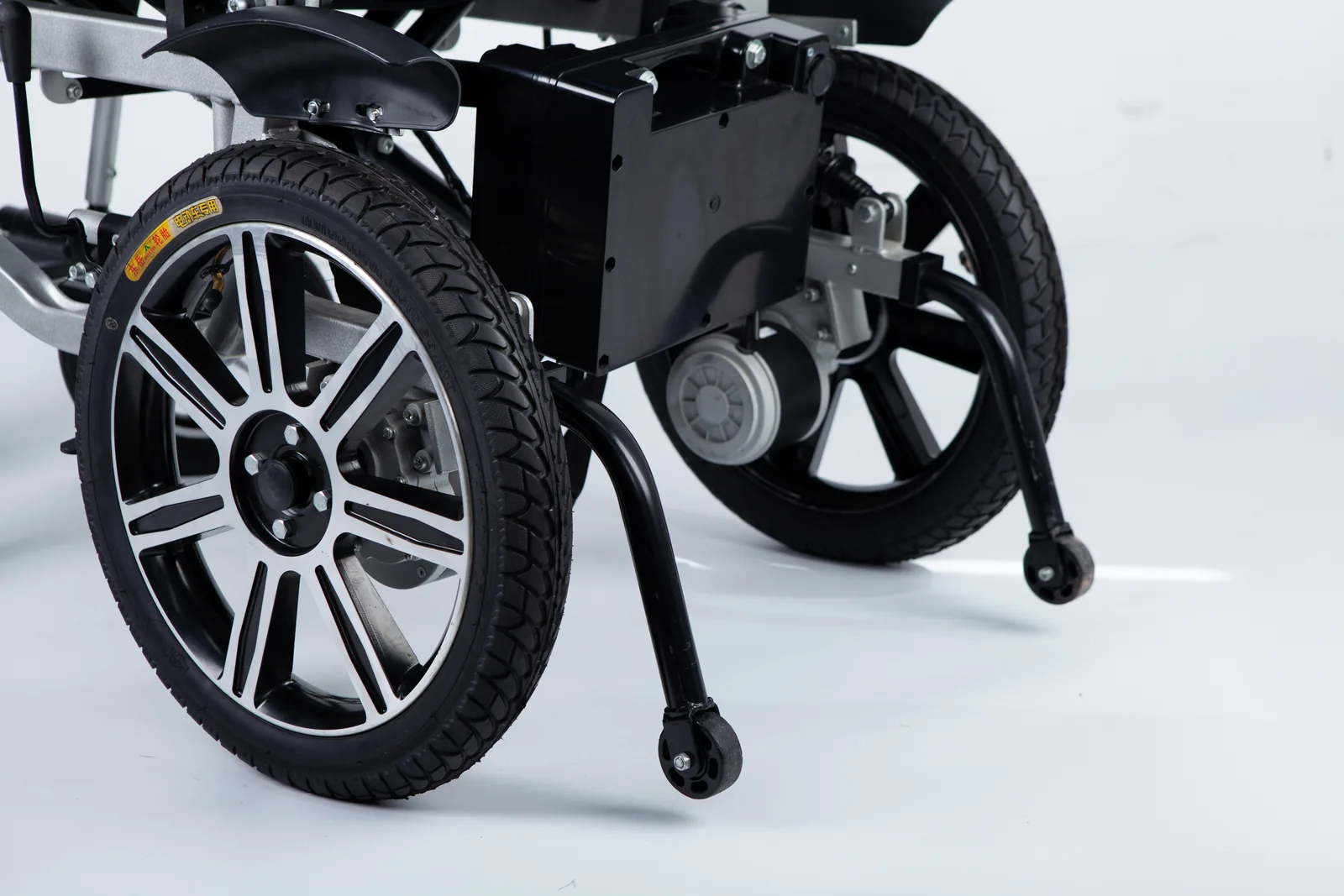
Motor data is a component-level input. The reader's real question — will this chair handle our routes, loads and slopes — is answered at the finished-chair level, by that model's manual, test documentation and configuration records. A motor datasheet, however complete, does not establish chair-level performance, and a chair-level claim should be traceable to the chair it describes. This is the boundary between reading a component and selecting a finished product.
System and controller
The drive system includes more than the motor: the gearbox, the controller, the battery supply, the wheel size and the programming all shape what the chair delivers at the ground. A controller that limits current will cap torque regardless of motor capability. Battery voltage sag under load affects available electrical power. Wheel radius changes the relationship between wheel torque and forward force.
This is why two chairs with similar motors can behave differently. When comparing finished chairs, ask for the system configuration: controller model and programmed parameters, battery chemistry and rating, wheel size, and any documented performance testing. Keep each figure attached to its model and configuration. Do not transfer a value from one chair to another because the motors look similar. A configuration record is also useful after delivery, because it tells service staff what the chair was set up to do when it was supplied.
Claims and test conditions
A climbing or range claim should come with test conditions: load, surface, slope, speed, battery state, temperature and the standard or method used, if any. Without those conditions, a claim is a marketing statement rather than a comparable specification. Ask whether the claim applies to the exact configuration you are ordering, including accessories and seating that add mass.
Where a supplier cannot supply test conditions, record the claim as unverified rather than repeating it in your own materials. Distributors carry reputational risk when they restate a performance figure that the manufacturer cannot support. A cautious, documented comparison is more useful to your customers than a bold number you cannot defend. If a customer later asks why one chair was recommended over another, the recorded conditions are what let you answer with evidence rather than recollection.
| Document to request | What it should establish | Model-specific? |
|---|---|---|
| Motor datasheet | Torque, speed, power, measurement point, rated vs peak | Yes — exact motor |
| Gearbox specification | Ratio, rated output torque, efficiency if stated | Yes — exact gearbox |
| Controller configuration record | Current limits, programmed parameters | Yes — exact chair build |
| Finished-chair manual | Intended use, load limits, operating conditions | Yes — exact model |
| Performance test report | Method, conditions, measured results | Yes — exact configuration |
Treat a missing row as an open question, not as a pass. The table also shows why a single wattage number is such a thin basis for a purchasing decision: it fills at most part of one row. For related background on how motor type affects controller compatibility, see our comparison of brushed and brushless wheelchair motors.
FAQ
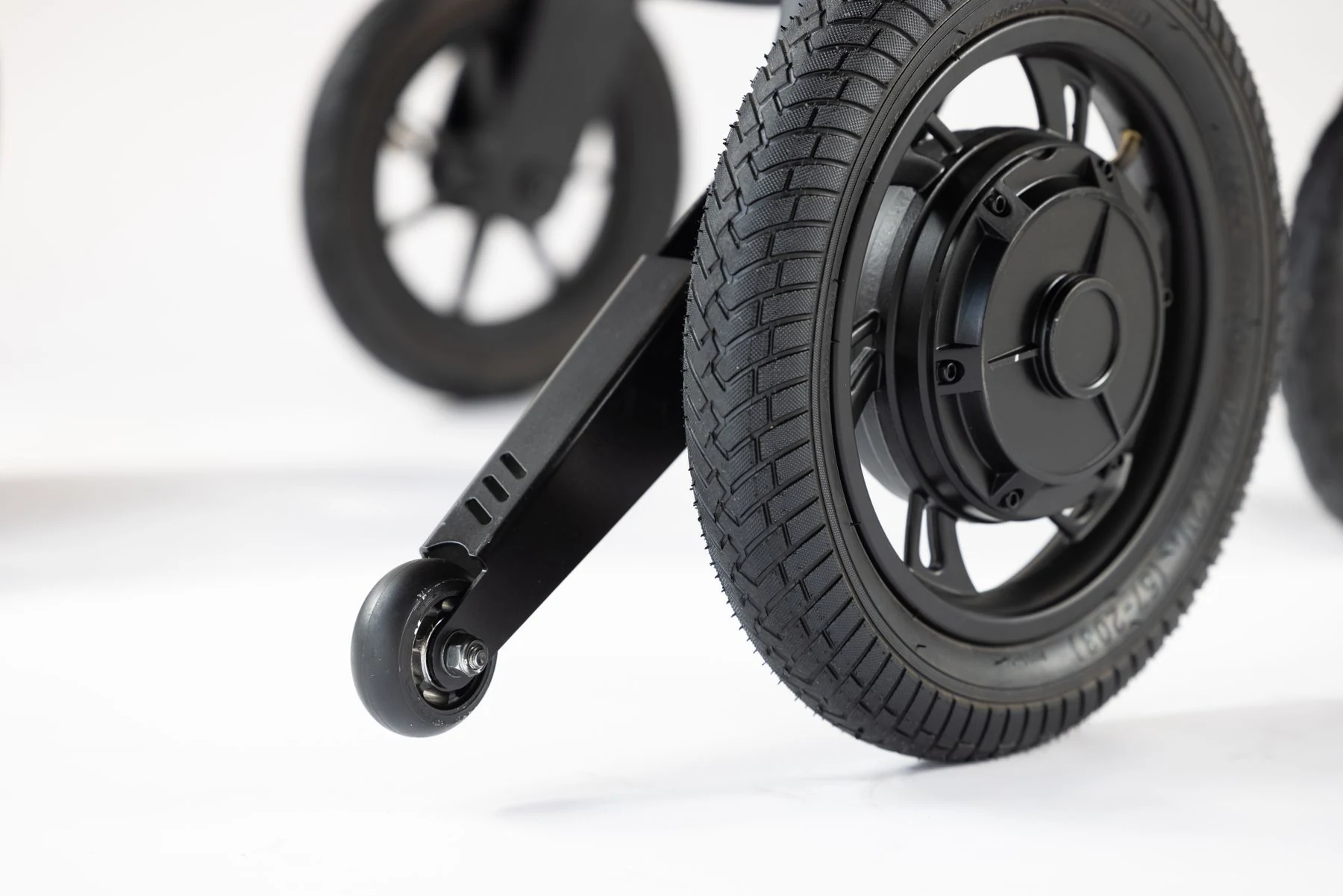
Does higher wattage guarantee more wheel torque? No. Wattage is a rate of energy conversion, and torque depends on the measurement point, gearing, speed and controller limits. A higher wattage figure at the motor does not by itself establish more torque at the wheel.
Are motor and wheel torque the same? No. A gearbox between the motor and the wheel changes both torque and speed. Motor-shaft torque and wheel-level torque are different measurements and should not be compared directly.
Can motor torque alone establish hill-climbing ability? No. Climbing depends on the whole chair: gearing, controller limits, battery supply, wheel size, total mass and surface. Chair-level climbing claims should come from that model's documentation and stated test conditions.
Conclusion
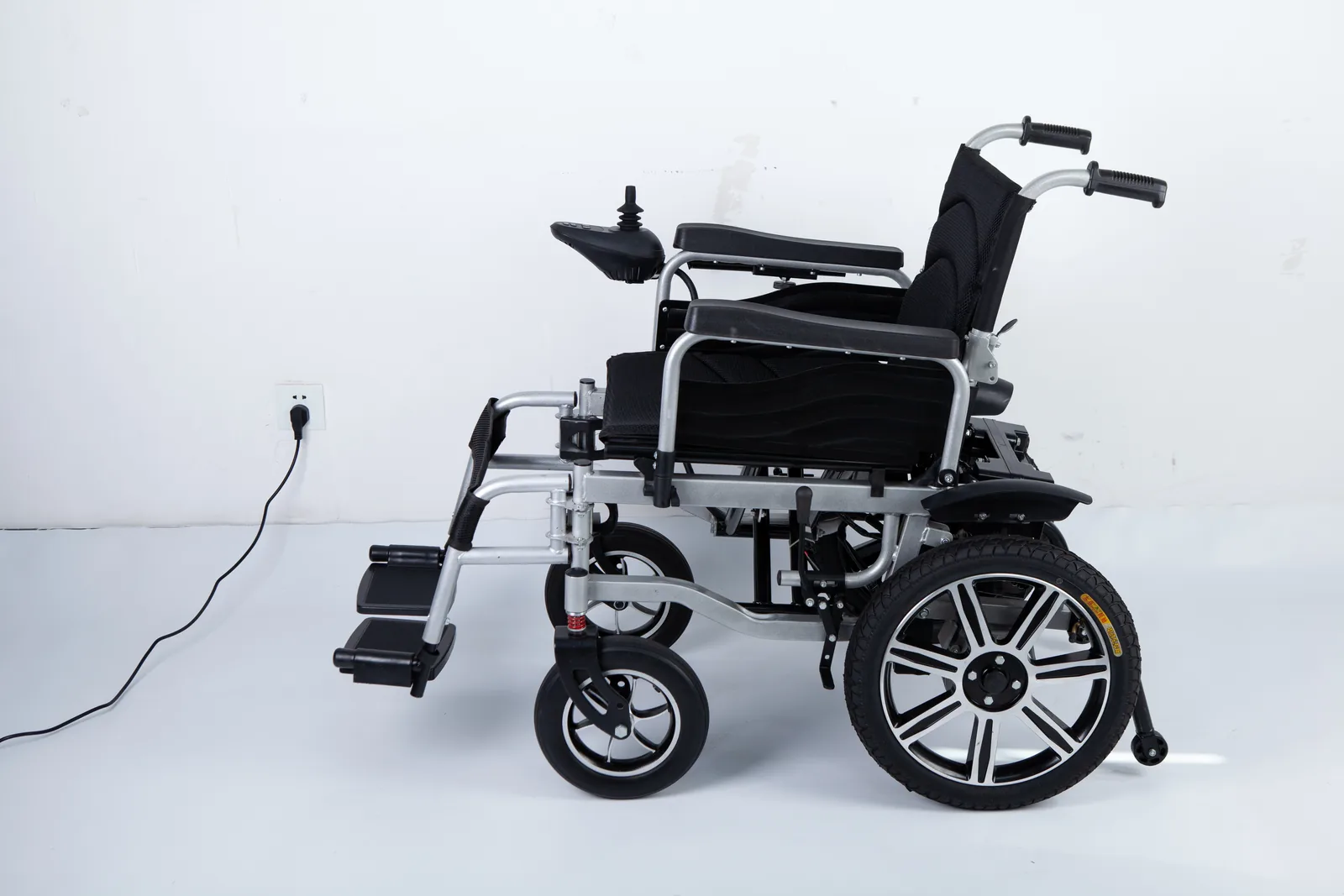
Read torque, speed and power as separate facts, confirm where each was measured, and verify chair-level claims against that model's own documentation.
Video: Share Time. Motor, Battery, Torque/ Power and Wheel demystified. True!