You are comparing covers for a wheelchair cushion cover waterproof breathable decision — for a wheelchair user, a care facility or a dealership — and the product text says "waterproof," "fluid-resistant" or "breathable." Those words can describe different layers and different optional covers, so the useful first step is to find out which part of the cushion each label refers to.
Treat cover labels as descriptions of a specific cover on a specific cushion, not as a guarantee for the whole seating system. A waterproof outer cover, a fluid-resistant inner liner and a breathable top fabric can coexist, and each may carry its own care instructions and replacement part number.
Wheelchair cushion cover waterproof breathable: Separate the cover from the cushion core
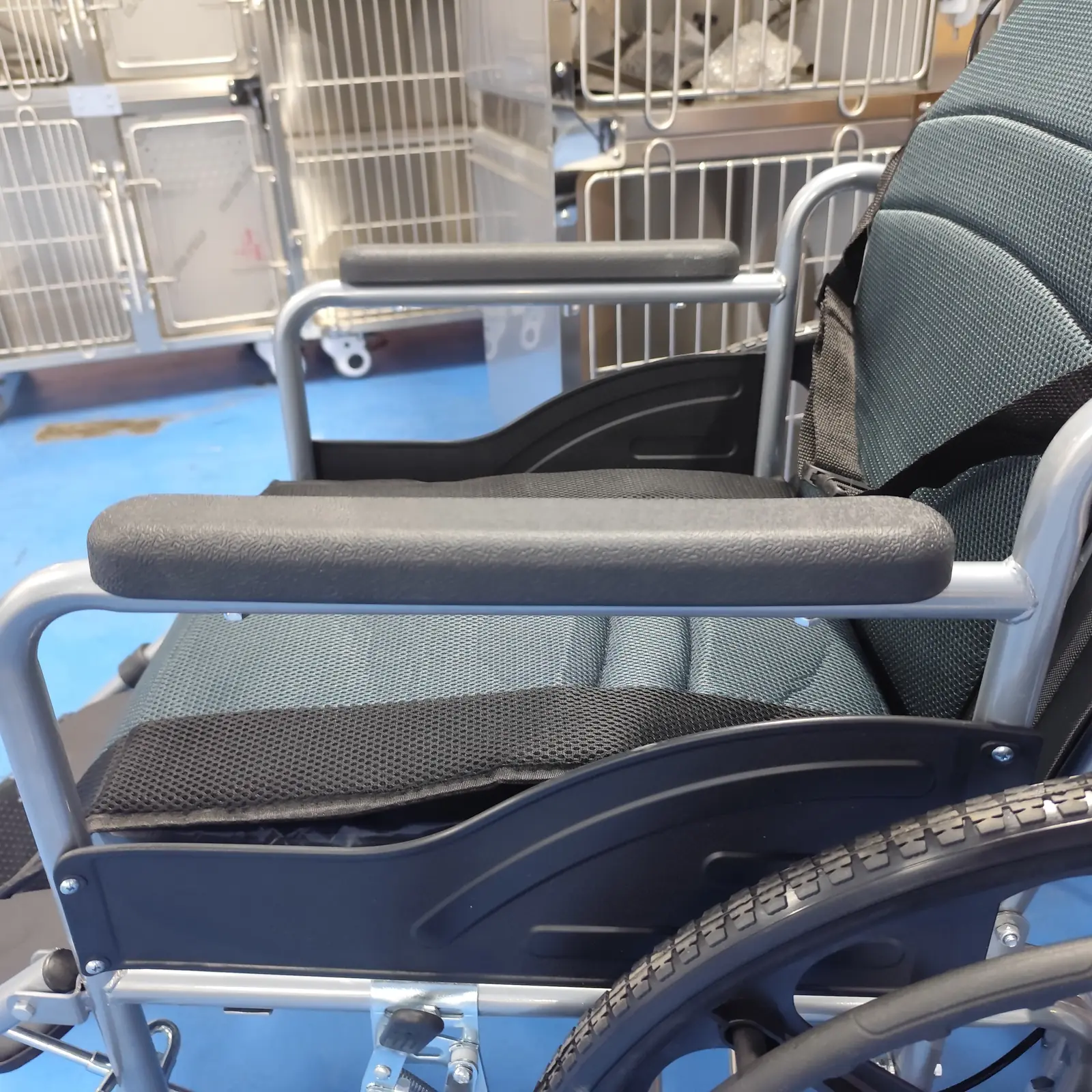
A wheelchair cushion is usually described as a set of layers, and the cover is only one of them. The core provides the cushioning structure, whether that is foam, air, gel or a combination. An inner liner may sit between the core and the outer cover. The outer cover is the removable or semi-removable fabric layer that contacts the user and the chair. When a product page says a cushion is "waterproof," ask which of these layers the statement applies to, because a waterproof outer cover does not make the core waterproof, and a fluid-resistant liner does not necessarily make the outer fabric wipeable.
Cover and inner layers
The distinction matters because each layer has a different job. The outer cover handles surface contact, appearance, stretch over the core and, in some designs, liquid management at the surface. An inner liner may be included to protect the core from moisture that passes the outer layer. The core itself may have its own cleaning limits, and some cores should not be soaked or machine washed. A single label such as "breathable" usually describes the outer fabric's ability to let moisture vapor pass, not the core's behavior, and not the whole cushion's performance in every situation. If a supplier's description mixes the layers, ask for a layer-by-layer statement rather than accepting one adjective for the whole product.
This layering also affects how a buyer should read a replacement listing. A replacement cover sold for a cushion model is normally the outer layer only; the liner and core stay with the cushion unless the listing says otherwise. So a claim attached to the replacement cover describes that cover, not a refreshed version of the whole cushion. If a facility is replacing covers on cushions that are still in service, the existing liner and core keep their own condition, care history and limits, and the new cover's label does not reset them.
Model-specific configuration
Cushion covers are commonly sold as replacement parts tied to a cushion model and size, and optional covers may be listed separately from the standard cover. The same manufacturer can offer a standard stretch cover, a fluid-resistant cover and a waterproof cover as different choices for the same cushion family. That means a label you read on one product page may not apply to the cushion you already own, even if the brand name matches. Before comparing claims, confirm the exact cushion model, the cover part number, the size and whether the cover is standard or optional. This is also the point where a dealer or facility buyer should record what was ordered, because a later replacement needs the same identifiers to avoid a mismatched cover.
A practical way to keep this straight is to treat the cover as a configured part rather than a generic accessory. Two cushions from the same family, ordered with different cover options, can carry different care instructions and different surface behavior while sharing a core design. When a facility standardizes on one cushion model, the cover option should be written into the specification alongside the model and size, so that a later order does not quietly substitute a different cover type.
Read two named cover descriptions
Two published examples show why the wording deserves a close read. Vision Seating's covers page describes different cover designs, including a waterproof moisture-absorbing cover and a waterproof wipeable cover as separate options. EquaGel's cushion cover page describes a breathable fluid-resistant cover and an optional waterproof cover. In both cases the manufacturer is distinguishing between cover types rather than offering one universal cover property.
Fluid resistance and waterproof claims
"Fluid-resistant" and "waterproof" are not interchangeable in these descriptions. A fluid-resistant cover is typically presented as resisting penetration by fluids under ordinary use, while a waterproof cover is presented as blocking liquid more completely. The Vision Seating page separates a waterproof cover that also absorbs moisture from a waterproof cover that can be wiped, which suggests the two designs handle surface moisture differently. The EquaGel page presents a breathable fluid-resistant cover as the standard description and lists a waterproof cover as an option. For a buyer, the practical question is not which word sounds stronger but which cover type is being quoted, whether it is included or optional, and what the manufacturer says about its limits. A waterproof claim on a cover does not establish that the cushion core, seams or zipper are protected in every situation, and it does not by itself establish suitability for a particular user.
The two examples also show that "waterproof" is not a single design. A cover that absorbs surface moisture and a cover that can be wiped are both described as waterproof by the same manufacturer, yet they imply different day-to-day handling: one is presented as taking up moisture at the surface, the other as allowing it to be wiped away. Neither description tells you how the cover behaves at a seam, around a zipper or after repeated cleaning. Those are the details to request in writing for the exact cover you intend to order.
Breathability and surface treatments
Breathability is usually a comfort-related fabric property, describing how readily moisture vapor moves through the cover. It is not the same as waterproofing, and the two properties can pull in different directions: a cover designed to block liquid may have different breathability from an open, airy fabric. The EquaGel description pairs breathability with fluid resistance in one cover, which shows that the two can be combined in a designed fabric, but it does not mean every breathable cover is fluid-resistant or every fluid-resistant cover is breathable. Surface treatments add another variable. If a cover is described as treated, coated or laminated, ask what the treatment is for and whether the care instructions change because of it. Some finishes may be affected by repeated washing, bleaching or high-temperature drying, and the manufacturer's care text is the place to check rather than a general assumption.
| Label you may see | What it usually describes | What it does not establish | What to confirm |
|---|---|---|---|
| Waterproof cover | A cover design presented as blocking liquid at the surface | That the core, seams or zipper are protected in all use | Exact cover type, whether standard or optional, and care limits |
| Fluid-resistant cover | A cover presented as resisting fluid penetration in ordinary use | That it is waterproof or suitable for every user | Manufacturer wording, model fit and replacement part number |
| Breathable cover | A fabric property allowing moisture vapor to pass | That the cover is waterproof or clinically appropriate | Whether breathability is combined with fluid resistance in that cover |
| Waterproof moisture-absorbing cover | A cover combining liquid blocking with surface moisture absorption | That it is the same as a wipeable waterproof cover | Which Vision Seating cover design is quoted |
| Waterproof wipeable cover | A cover presented as waterproof and wipeable at the surface | That wiping replaces the full care instructions | Cleaning method and compatibility with the cushion |
| Optional waterproof cover | A separate cover offered alongside a standard cover | That it is included in the base price or standard configuration | Whether the cushion is supplied with it or it is ordered separately |
Ask about use and maintenance together
A cover's claims only hold together with its fit and care. A cover that is too loose can shift under the user, and a cover that is too tight may be difficult to fit or may stress seams. The manufacturer's fitting description and the cushion's intended cover are the reference points, not a generic size chart from another product. Care instructions belong in the same conversation because washing, drying and disinfection practices vary by cover design and by facility policy. If a facility plans to clean covers between users, the cleaning method should be checked against the specific cover's instructions before the purchase decision, not after.
Stretch and fitting
Stretch is a practical fitting property. A stretch cover can make it easier to fit the cover over the core and may help the cover sit smoothly, but stretch also affects how the cover behaves when the user transfers or shifts position. The Vision Seating page describes cover designs with different surface behavior, and the EquaGel page presents covers as part of the cushion's configuration. Neither description should be read as a statement that any cover fits any cushion. When ordering a replacement, match the cover to the cushion model and size, and ask whether the cover is designed for that core. A cover that fits one cushion family may not fit another even when the dimensions look similar.
Fit also interacts with the label. A cover that is stretched tight over a core may sit differently than the same cover on a looser fit, and a cover that is not designed for a particular core may not stay in place during transfers. That is why the fitting question and the material question belong together: a fluid-resistant or breathable fabric only performs as described when the cover is the intended one for that cushion and is fitted as the manufacturer describes.
Cleaning instructions by model
Cleaning guidance is model-specific. A wipeable waterproof cover and a moisture-absorbing cover are likely to have different cleaning methods, and a breathable fabric may have temperature or detergent limits. For facilities and dealers, the useful practice is to keep the cover's care instructions with the cushion's asset record so that staff and replacement buyers can find them. If the instructions are not available, request them from the supplier for the exact cover part number. Do not assume that a method used on one cover is acceptable for another, and do not treat a waterproof label as permission to soak the cushion core. Where a facility has its own infection-control policy, that policy and the manufacturer's instructions both need to be considered, and any conflict should be resolved with the appropriate responsible staff.
Discuss the individual seating need
Cover properties are one input into a seating decision, not a prescription. Whether a user needs a fluid-resistant cover, a breathable cover or a particular combination depends on the person's situation, the seating plan and the environments where the cushion is used. A cover label cannot establish that a seating configuration manages pressure, posture or moisture for a specific person, and it should not be used to replace an assessment by a qualified seating professional. The WHO wheelchair service training material raises the question of how to choose cushion cover fabric as part of a broader service process, which supports treating cover choice as a guided decision rather than a shelf-label decision.
Clinical and supply roles
Clinical and supply responsibilities are different. A clinician or qualified seating professional can discuss the user's seating needs, skin integrity considerations and the environments the cushion will encounter. A supplier or dealer can confirm which covers exist for a model, what is standard versus optional, the part numbers, the care instructions and the replacement route. Keeping those roles separate prevents a product label from being treated as clinical advice and prevents a clinical recommendation from being treated as an orderable part number. For a facility, it also helps to name who approves a cover change and who records it, so that a replacement cover matches the original configuration.
This separation is also useful when a cover is being considered as a change rather than a like-for-like replacement. Moving from a standard cover to a fluid-resistant or waterproof option changes what is ordered, what care instructions apply and possibly how the cover is fitted, so the decision touches both the seating plan and the supply record. The clinician's input describes the need; the supplier's input describes what exists and how it is specified. Neither role substitutes for the other, and a clear handover between them keeps the ordered cover aligned with the assessed need.
Questions for the supplier
A short, specific question list gets more useful answers than a general request for "the waterproof cover." Ask which cover types are available for the exact cushion model and size, whether each is standard or optional, and what the manufacturer's wording is for fluid resistance, waterproofing and breathability. Ask for the cover part number and the care instructions, and ask whether the cover is designed to fit that core. If the cushion is being purchased for a facility, ask how replacement covers are ordered and whether the same cover will remain available. Record the answers with the model and date so that a later order can be checked against them.
FAQ
Does breathable mean a cover is waterproof?
No. Breathability describes how readily moisture vapor passes through the fabric. Waterproofing describes resistance to liquid penetration. A cover can be described as breathable, fluid-resistant or waterproof, and the EquaGel example shows breathability and fluid resistance combined in one cover, but the terms are not synonyms. Check the manufacturer's description of the specific cover.
Are all covers interchangeable?
No. Covers are typically tied to a cushion model and size, and manufacturers may offer several cover designs for the same cushion family. A cover described for one model should not be assumed to fit another. Confirm the cushion model, cover part number and size before ordering a replacement.
Who confirms suitability for an individual?
A qualified seating professional or clinician, working with the user, is the appropriate person to discuss individual seating needs. A supplier can confirm product and cover information, but a cover label does not establish clinical suitability. If a facility is changing a cover, the responsible clinical and supply roles should both be clear.
Conclusion
Compare covers by layer, model and care instructions, then confirm individual seating needs with a qualified professional before ordering.
For related reading, see when a wheelchair cushion is worn out and air versus foam wheelchair cushions.