A cushion that looks tired, flattened, or stained raises an obvious question: is it time to replace it? The honest answer rarely comes from one glance. It comes from a dated record of what changed, when it started, and which part of the cushion is affected.
A worn cover does not automatically mean the whole cushion is worn out, and age alone cannot tell you when to replace a wheelchair cushion. Record visible changes by part — cover, foam, air, or fluid — note when each began, and take that record to the supplier or seating team for the replacement decision.
The most useful wheelchair cushion replacement signs are not a single dramatic finding but a pattern: a seam that keeps opening, foam that no longer springs back, a surface that feels different in the same spot week after week. This guide is about organizing those observations, not about judging skin, prescribing a cushion, or setting a universal lifespan. It separates the outer cover from the inner material, separates material wear from changing seating needs, and shows what a useful change log contains.
Wheelchair cushion replacement signs: A worn cover does not always mean a worn cushion
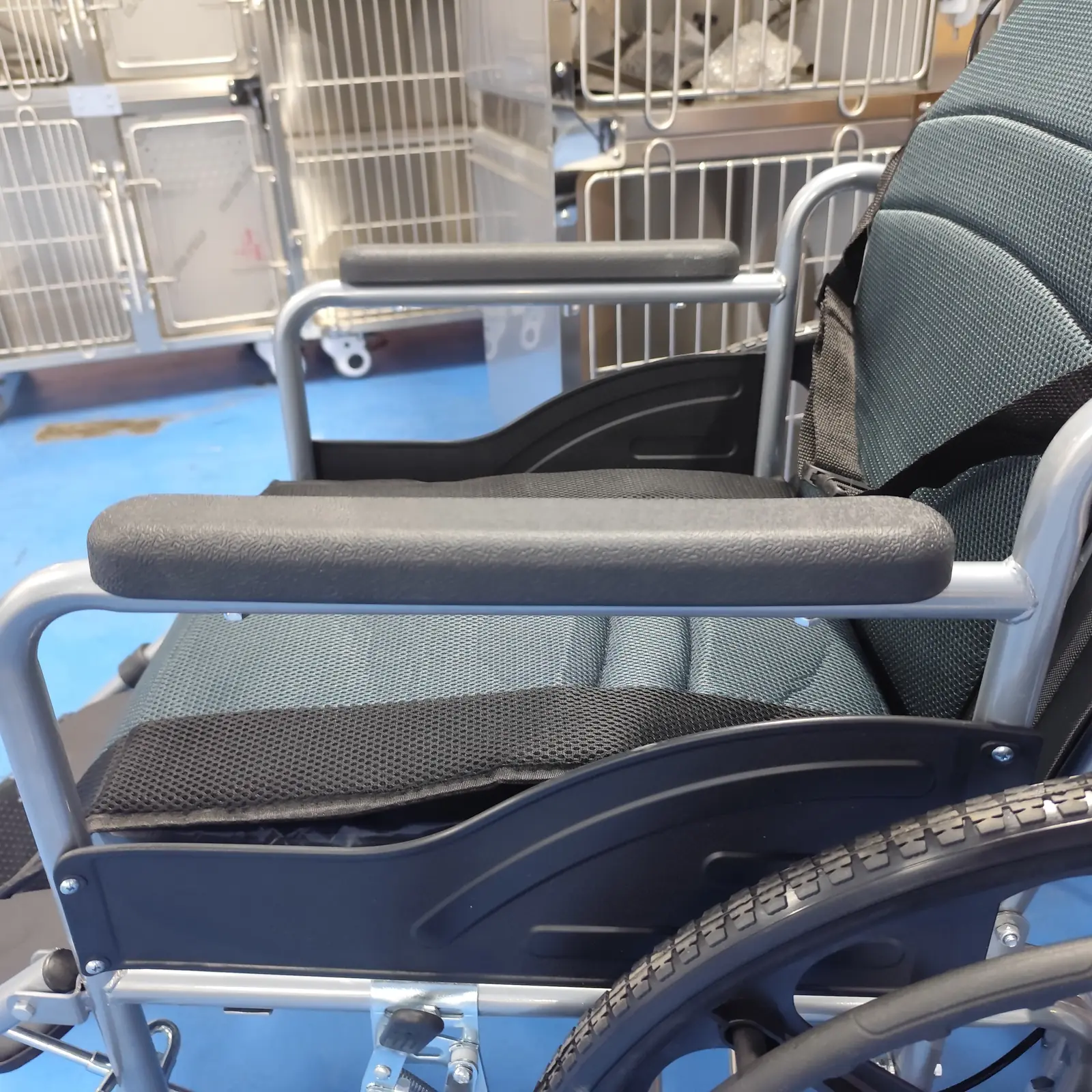
The cover and the cushion core are different components that wear for different reasons. The cover sits against clothing and skin, takes friction and moisture, and may tear at seams, stretch, or stain. The core — foam, air cells, or a fluid or gel component — provides the support surface. A damaged cover is a real finding, but it describes the cover. It does not by itself describe the condition of what is inside.
Sunrise Medical’s Clinical Corner article on when seating systems require replacement (December 2021, Canadian education context) makes this separation explicitly: cover damage, wear of the internal materials, and a change in the person’s support needs are distinct reasons that a seating system might be reviewed. That framing is useful because it stops a single visible problem from being treated as a verdict on the whole product. A split seam and a flattened foam base are two different observations, and they may lead to two different conversations.
For the same reason, surface staining or the number of years since purchase should not automatically be read as “replace the whole cushion.” Staining may reflect cleaning history or spills; age may reflect nothing more than a calendar. Neither tells you whether the core still does its job for this person. The specific product matters too: covers, cores, and replacement parts differ between models, and whether a cover is sold separately, whether a core can be replaced on its own, and what the manufacturer specifies are product-specific questions. Check the exact model’s documentation or ask the supplier rather than assuming that any cushion can be refreshed part by part.
A practical way to keep the two layers distinct is to describe them separately in writing. “Cover: seam separating at the front edge since early March” is a cover observation. “Core: the foam under the left ischial area stays compressed after use” is a core observation. Keeping them apart in your notes makes it much easier for a supplier or clinician to tell you which question you are actually asking. It also prevents a common and costly mistake in the other direction: buying a whole new cushion because a cover looked shabby, when the core was never examined at all.
Record changes by cushion material
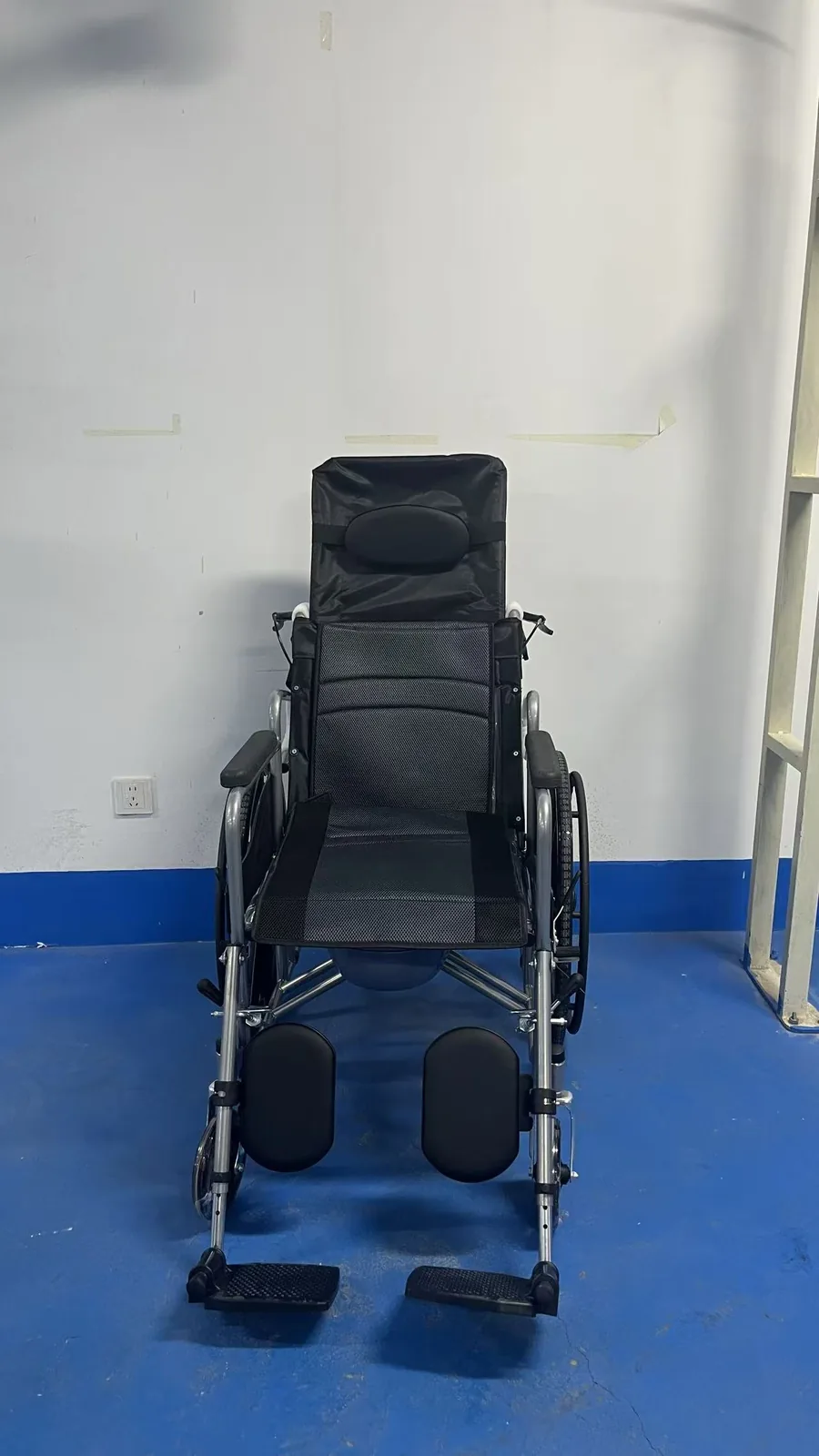
Different cushion materials fail in different visible ways, so a single checklist applied to every cushion produces misleading notes. Permobil’s cushion maintenance article by Nicole LaBerge, PT, ATP (publication date not shown on the page) organizes maintenance observations by cushion type — air, foam, and gel — rather than offering one replacement interval. That structure is worth copying in your own log: describe what you see for the material you actually have.
Before recording anything, confirm which material your cushion uses. The label, the manual, or the supplier can tell you. If you are unsure, write “material not confirmed” rather than guessing, because a note that misidentifies the material sends the reader down the wrong path. A hybrid cushion — for example, foam combined with a gel layer — deserves its own note, since the two components can change at different rates and one may show wear while the other does not.
Foam that changes shape or rebound
For a foam cushion, the useful observations are about shape and rebound — whether the foam returns to its original form after loading, or stays compressed. Record where on the cushion you see the change (for example, under a particular area of the seat), when you first noticed it, and whether it has progressed. Describe what you observe in plain language rather than assigning a score. “The foam under the back edge stays flattened for several minutes after I get up” is more useful than “the foam is 60% worn.”
This article does not provide a touch test, a pressure test, or a cutting or reshaping method. Those are assessment and product-specific tasks. What you can do is note the change accurately and consistently so that whoever evaluates the cushion has a clear starting point. Consistency matters more than precision here: if you check the same spot the same way each week, the comparison itself becomes the evidence.
Air or fluid systems with repeated changes
Air and fluid or gel cushions can show change in different ways: a shift in how the surface feels, visible damage to the cover or cells, or a repeated pattern that concerns you. Record what you notice and when it started. Do not inflate, deflate, top up, repair, or leak-test the cushion based on this article; those steps belong to the product’s own instructions and the supplier or clinical team. If the cushion’s behavior has changed repeatedly, note each occasion with a date — a pattern of repeated observations is exactly the kind of record a service team can act on.
| Cushion material | What to note in the log | What this article does not decide |
|---|---|---|
| Foam | Where shape or rebound changed; when first noticed; whether it is progressing | Whether the foam still meets the person’s support needs |
| Air | Repeated changes in feel or surface; visible cover or cell damage; dates of each observation | Inflation level, leak testing, or repair steps |
| Fluid / gel | Visible change in the surface or cover; repeated observations with dates | Whether the fluid component needs service or replacement |
| Hybrid (e.g., foam plus gel) | Which layer changed; whether the layers changed at different times | Which layer should be serviced first |
| Cover (any type) | Seam splits, tears, stretching, staining; location and date | Whether the core beneath is also worn |
| Unconfirmed | “Material not confirmed” plus the model number if known | Anything about the core’s condition |
The table is a recording aid, not a diagnosis. Its purpose is to make sure your notes describe the right layer of the product and stop one material’s visible behavior from being copied onto another. A note that says “air cushion feels different” is far less useful than one that says “air cushion: surface feels uneven under the right side since 12 April; noted again 3 May and 24 May.”
Separate wear from changing seating needs
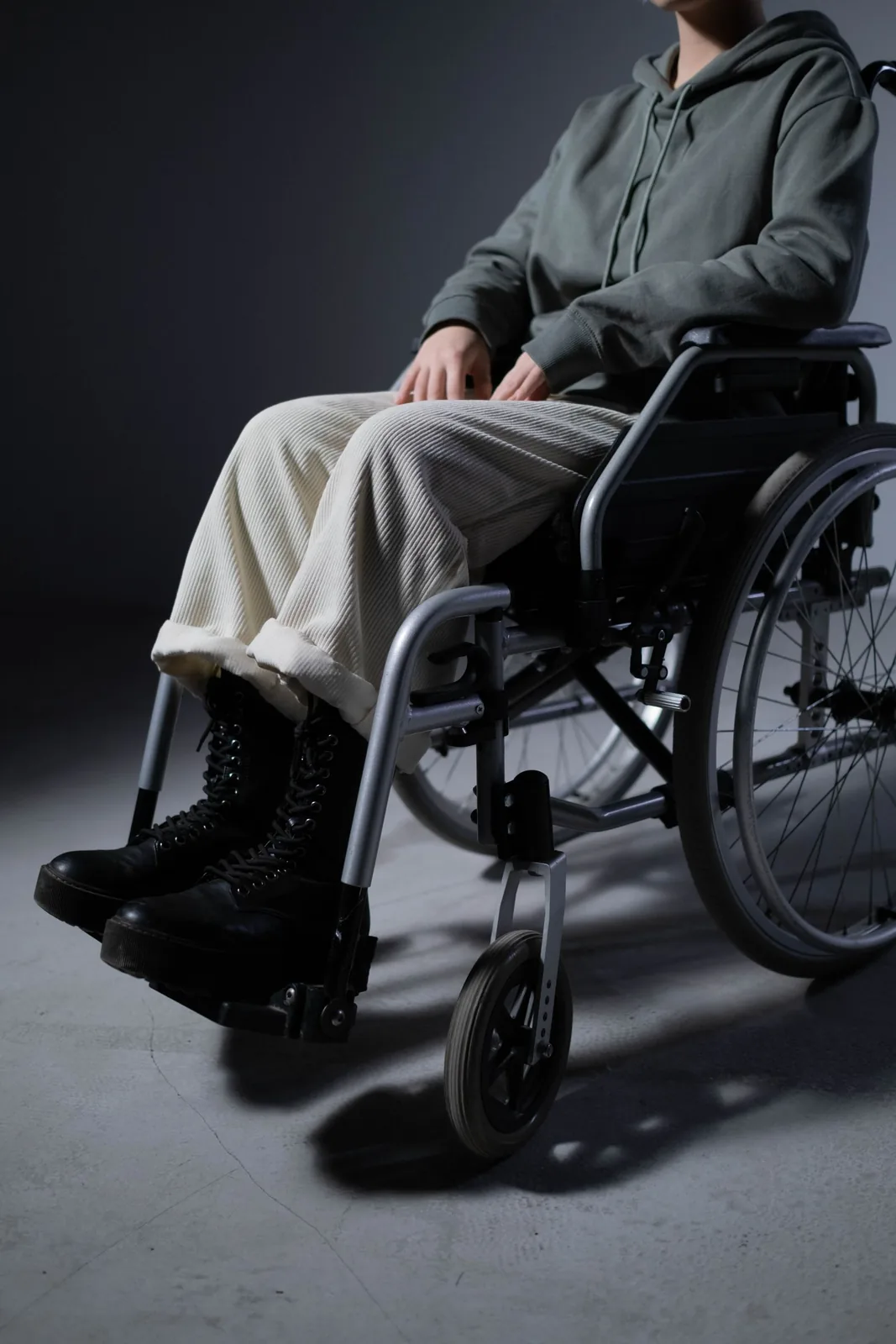
Not every change in how a cushion feels is the cushion wearing out. A person’s body, posture, routine, or support requirements can change over time, and those changes can make a cushion that is physically intact feel different or no longer work well. Sunrise Medical’s December 2021 Clinical Corner piece treats a change in the individual’s support needs as its own reason for review, separate from cover damage or material wear. That distinction matters because the two situations call for different responses: material wear is a product question, while changing support needs is an assessment question.
This is where a generic answer becomes unhelpful. “Replace the foam” is not a response to a change in a person’s seating requirements, and “the cushion is fine” is not a response to a core that has visibly flattened. If you notice that sitting feels different, that the person’s position in the chair has changed, or that the cushion no longer seems to provide the same support, record the observation without trying to explain it. Note what changed, when you first noticed it, and whether it coincided with anything else — a new chair, a repair, a change in daily routine, or a period of different activity.
Skin and health changes are not something this article assesses. If you are concerned about skin, comfort, or posture, the appropriate step is to raise it with the clinical team responsible for the person’s seating, not to adjust the cushion based on a general guide. The record you keep is valuable precisely because it gives that team concrete dates and descriptions instead of a vague recollection.
Keeping wear and need separate also prevents a common confusion: replacing a cushion core will not resolve a support-needs question, and a seating review will not repair a torn cover. Writing them as two separate entries in the same log keeps both visible. It also helps when more than one person is involved — a caregiver may notice a cover problem, while the person using the chair notices a change in comfort — and the log gives both observations a place without one overriding the other.
Keep a dated change log

A change log turns scattered observations into something a supplier or clinician can use. It does not need to be elaborate. A single page or a simple document with consistent fields is enough, and the discipline of dating each entry is what makes it useful later. Start the log when you first notice something, not when you decide to ask for help — the start date is often the most informative detail, because it shows how long a change has been present and whether it is stable or moving.
Record the following for each entry:
- Cushion model and cover model, if the labels show them. If not, note “model not confirmed” and where the label is located.
- Which part changed — cover, foam, air, fluid, or the fit and feel of the whole cushion.
- A plain description of the change, including location on the cushion and whether it is constant or intermittent.
- The date you first noticed it, and the date of each later observation.
- Photographs, taken consistently (same angle, same lighting where possible) so changes can be compared over time.
- The cleaning instructions version you are following, since care instructions can differ between products and revisions.
- Who you have contacted and when — supplier, seating team, or service coordinator — and what they asked you to do next.
A log works best when each entry answers the same questions in the same order. That consistency is what lets a reader compare March with June without guessing what changed in between. If a caregiver and the person using the chair both add entries, agree on one format and one place to keep it, so the record stays a single timeline rather than two partial stories. A short entry written on the day of the observation is worth more than a detailed one reconstructed weeks later from memory.
Two cautions keep the log trustworthy. First, do not include real health details as public examples; the log is a private working record for the people helping with the cushion. Second, keep material condition and payment responsibility as separate questions. Whether a worn part is covered, chargeable, or handled another way depends on the specific product, warranty terms, and service arrangement — the WCF article on power wheelchair warranty, parts, battery, and labor illustrates why those are distinct topics. A visible wear mark does not by itself establish who pays for a replacement.
| Log field | Example entry format | Why it helps |
|---|---|---|
| Model / cover model | “Model per label; cover code per label” | Lets the supplier identify exact parts |
| Part affected | Cover / foam / air / fluid / fit | Routes the question correctly |
| Description | Location, what you see, constant or intermittent | Gives the reviewer specifics |
| First noticed | Date | Establishes a timeline |
| Follow-up dates | Date of each later check | Shows whether it is progressing |
| Photos | Same angle, dated | Supports comparison |
| Cleaning instructions version | Revision noted on the label or manual | Avoids mixing care guidance |
| Contacts | Name of team, date, next step | Prevents repeated or missed requests |
If you are unsure which part of the chair you are looking at, the WCF guide to parts of a wheelchair can help you describe the seat base, cushion, and backrest accurately in your notes.
Take the record to the right professional

The log is only useful if it reaches someone who can act on it. Match the question to the right contact. Cover replacement, part availability, and product-specific care instructions are supplier or equipment-provider questions. Core condition, fit, and whether the cushion still suits the person’s seating are clinical or seating-team questions. Many situations involve both, and the log lets you raise them together without mixing them up.
When you make contact, lead with the record rather than a conclusion. “Here are dated notes and photos of a seam split that started in March, and a separate note that the foam under one area stays compressed” gives the team something to work with. “The cushion is worn out, what do I buy?” does not. Ask specifically what they need in order to advise: the model number, a photo from a particular angle, or a description of when the change is noticeable.
Expect the answer to be product-specific. Whether a cover can be replaced on its own, whether a core is serviceable, and what the manufacturer’s instructions say about care all depend on the exact cushion. This article cannot tell you those details for your model, and it does not claim that Wheelchairs Factory supplies cushions or provides clinical seating services. What it offers is a way to organize what you have observed so the people who do have that information can respond precisely.
Finally, keep the log going after the conversation. Note what you were advised, the date, and what to watch for next. If the same issue returns, the earlier entries show the history and save everyone from starting over. A short follow-up note — “advised to send photos of the cover label; sent 14 June” — closes the loop and makes the next contact faster.
FAQ
Does a torn cover mean the whole cushion needs replacement? No. A torn cover is a cover observation. Whether the core is also worn, and whether the cover can be replaced separately, depends on the specific product and should be checked with the supplier or seating team. Record the tear with a date and location, and note the core’s condition separately.
Can cushion age alone determine when to replace it? No. Age by itself does not establish that a cushion is worn out, and there is no single replacement interval that applies to all cushions. Permobil’s cushion maintenance guidance organizes observations by material type rather than by a fixed lifespan, and Sunrise Medical’s Clinical Corner treats material wear as one distinct reason for review. Use dated observations of the actual cushion instead of the purchase date alone.
What changes should I record for my seating team? Record the cushion and cover model if the labels show them, which part changed, a plain description with location, the date you first noticed it, follow-up dates, consistent photographs, the cleaning instructions version you follow, and who you have contacted. Keep material wear and any change in how the seating feels as separate entries so each question reaches the right person.
Conclusion
Record cover, foam, air, or fluid changes separately, date each observation, and keep photos. Then ask the supplier or seating team about your exact model — not a general lifespan.
Video: Top 9 Wheelchair Cushions & Position Explanation | Occupational Therapy