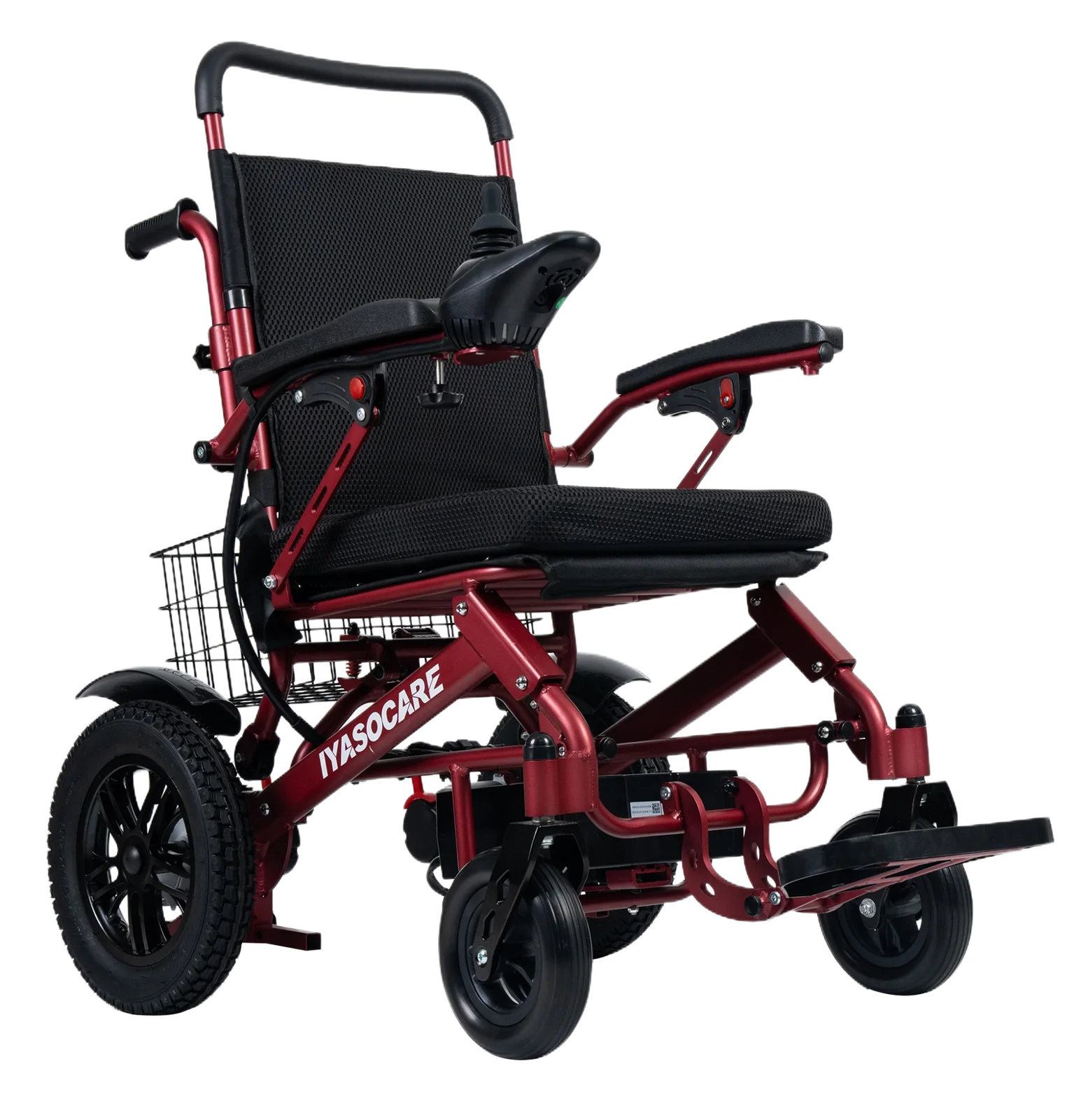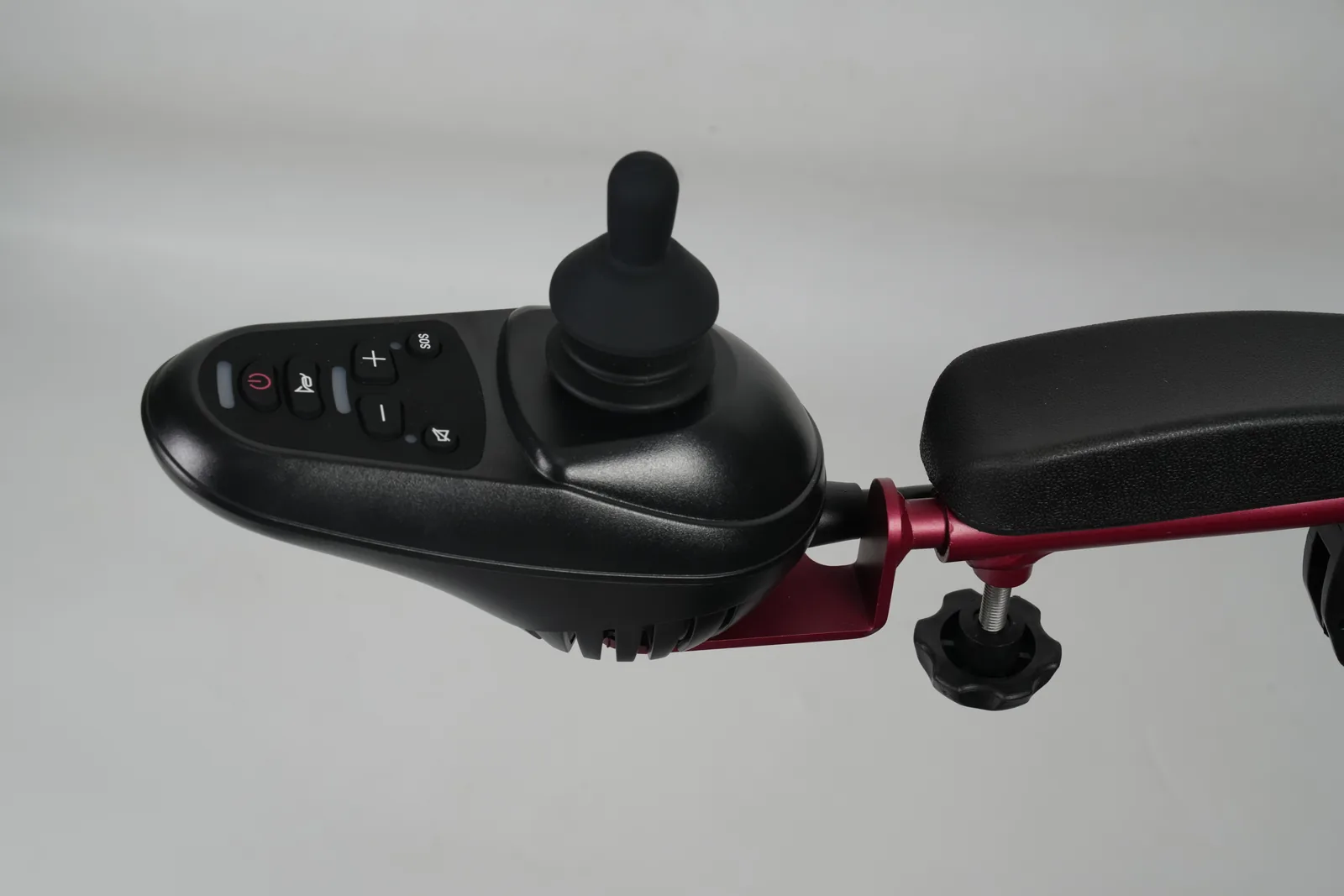
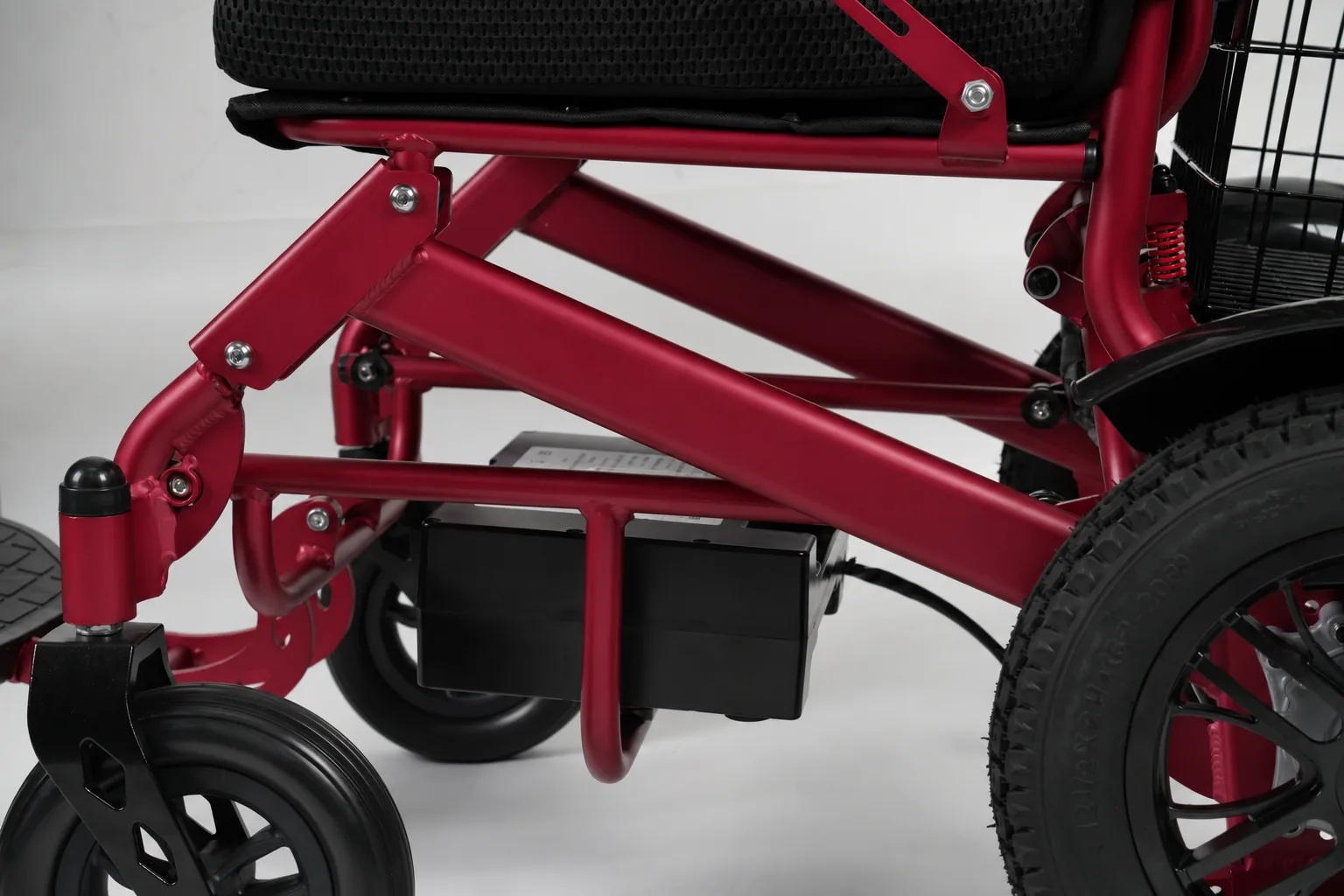
A fleet coordinator checks a power wheelchair before a morning route and sees the gauge drop from full to half within minutes, then recover. The chair still runs. The question is what to write down, who to tell, and whether the chair should go out at all.
A chair battery gauge shows the control system's estimate or status at that moment, not a certified measurement of remaining capacity and not a verdict on battery health. Read it with the exact model's manual, then record what changed, when, and under what conditions for the service provider.
Wheelchair battery state of charge: What the chair battery gauge may indicate
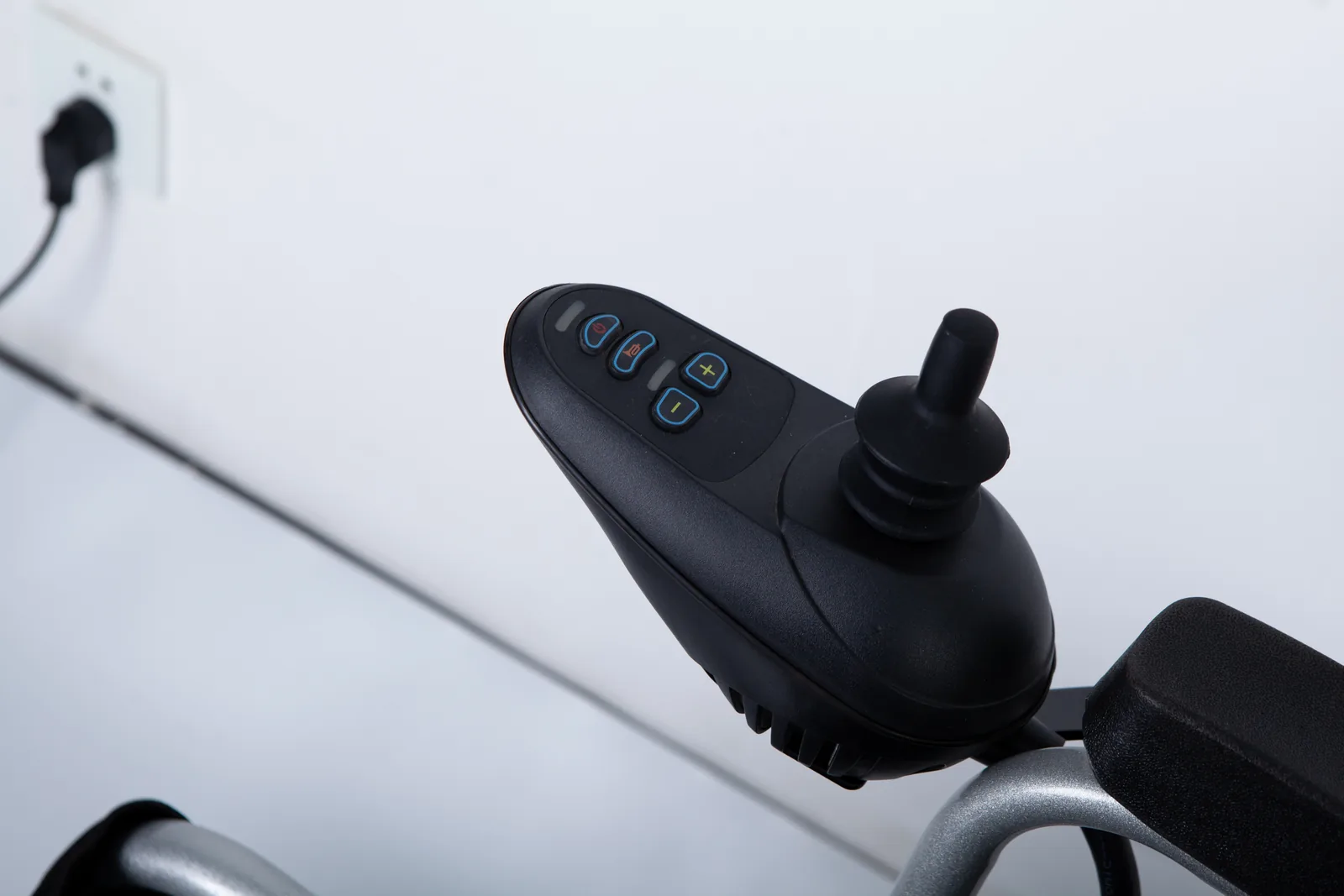
The gauge on a power wheelchair is a display produced by the control system. It helps a user or fleet coordinator decide whether to charge, whether a route is realistic, and whether something looks different from yesterday. It is not a laboratory instrument, and its display logic belongs to the controller and battery configuration fitted to that chair, not to power wheelchairs in general.
That distinction matters most in a fleet, where several chairs may look identical but carry different controllers, different battery configurations, or different software settings. Two chairs side by side can show different gauge behavior without either being faulty, because the display is generated by the control system rather than by a universal standard. Before comparing chairs, confirm what each one actually has. A coordinator who compares a fresh chair against a three-year-old unit on the same route is comparing two different systems as well as two different batteries, and the display alone will not say which difference is responsible.
Controller gauge
Dynamic Controls publishes application notes on the LiNX enhanced battery gauge, and Invacare publishes LiNX user and service documentation covering battery gauge behavior. These are named, model-scoped sources: they describe how that control system family presents battery information. They do not describe every controller on every power wheelchair, and they should not be treated as a general specification for the industry.
What those sources support is a way of thinking about the display: the gauge is part of the control system's presentation of battery state, and its meaning depends on the controller and configuration. A reader should therefore treat the gauge as a signal to interpret in context, not as a number to convert. This is also why a general voltage-to-percentage table is a poor tool here. Voltage readings and display behavior vary with battery type, load, temperature, and the controller's own logic, and a generic conversion can produce a confident-looking percentage that the chair's own system never claimed.
Charger indicator
The charger is a separate device with its own indicator, and its light describes the charging process rather than the chair's gauge. A charger light and a chair gauge can disagree in timing and in meaning, because they are reporting different things through different hardware. Treating a charger light as a second opinion on the gauge, or the reverse, mixes two signals that were never designed to be read as one.
For fleet work, the practical point is to record which indicator you observed. "Gauge showed two bars at 07:40" and "charger light showed charging at 18:10" are different observations with different follow-up questions. Keeping them separate in the log prevents a later reader from assuming one confirms the other. It also keeps the charging record usable for the separate question of whether a chair was returned to service with enough time connected to its charger, which is a scheduling issue rather than a gauge reading.
Separate charge, range and battery health
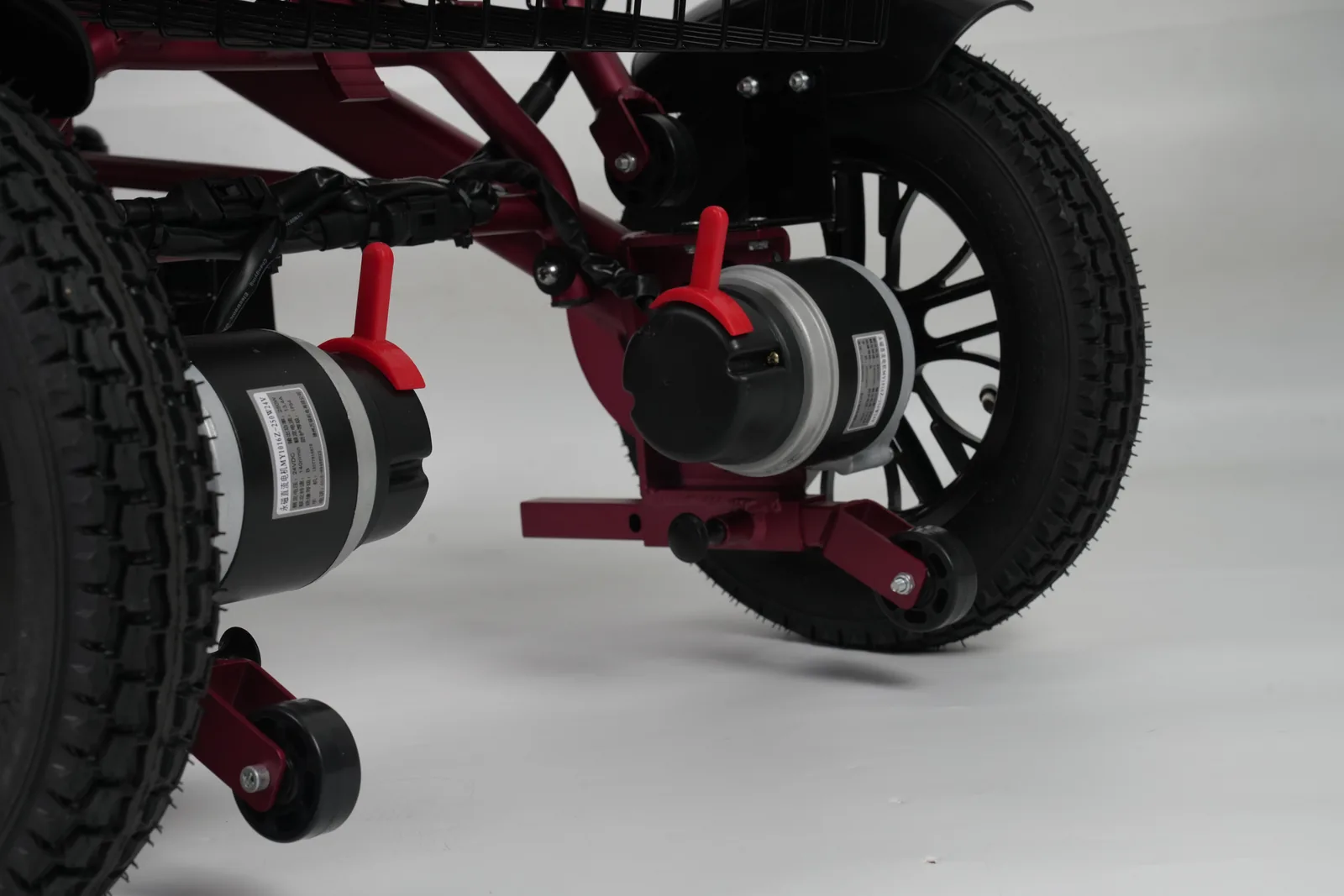
Three questions get tangled together in daily use: how much charge is available now, how far the chair can go on that charge, and whether the battery is in good condition. A gauge speaks most directly to the first, loosely to the second, and not reliably to the third.
State of charge is a present-tense question. Range is a prediction that depends on the route, the surface, the load, the terrain, the temperature, and how the chair is driven. Battery health is a longer-term assessment that belongs with the service provider and the manufacturer's procedures. A full gauge at the start of a shift says the control system currently presents a high charge state. It does not promise that the chair will complete a particular route, and it does not prove the battery is healthy.
This separation changes how a fleet should respond to a display that looks wrong. If the gauge drops quickly on a hill and recovers on the flat, the observation is about behavior under load on that route, and the useful record is the route and the conditions. If the gauge reads full but the chair consistently covers less distance than it used to on the same route, the observation is about a trend over time, and the useful record is the comparison. Neither observation is a diagnosis, and neither should be converted into one by the person writing the log.
A public reader discussion about a Permobil M5 battery indicator dropping and recovering describes exactly this kind of pattern from a user's perspective. It is a reader question, not a test result or a service finding, and it should be treated as an illustration of why the observation needs context rather than as evidence about any particular chair's condition.
| Question | What the gauge can support | What it cannot settle | Useful record |
|---|---|---|---|
| Is there charge now? | A current display state from the control system | A precise remaining capacity figure | Time, bars or segments shown, activity at the time |
| Will the chair complete this route? | A starting point for a judgment | A guaranteed distance for that day | Route, surface, load, weather, gauge at start and end |
| Is the battery healthy? | A reason to look further if behavior changed | Any health verdict | Trend across shifts, compared with the same route |
| Is the charger working? | Nothing directly; it is a separate indicator | Charging completion or fault status | Charger indicator state and time, recorded separately |
Read the table as a boundary map rather than a checklist to complete in one sitting. The first row is the only one the display answers directly. The second row is a planning judgment that combines the display with knowledge of the day's route. The third row is a service question that builds up over weeks. The fourth row belongs to a different device entirely. When a coordinator keeps those four rows apart, a single odd reading stops looking like a verdict and starts looking like one data point in a longer record.
Check the manual for the exact control system
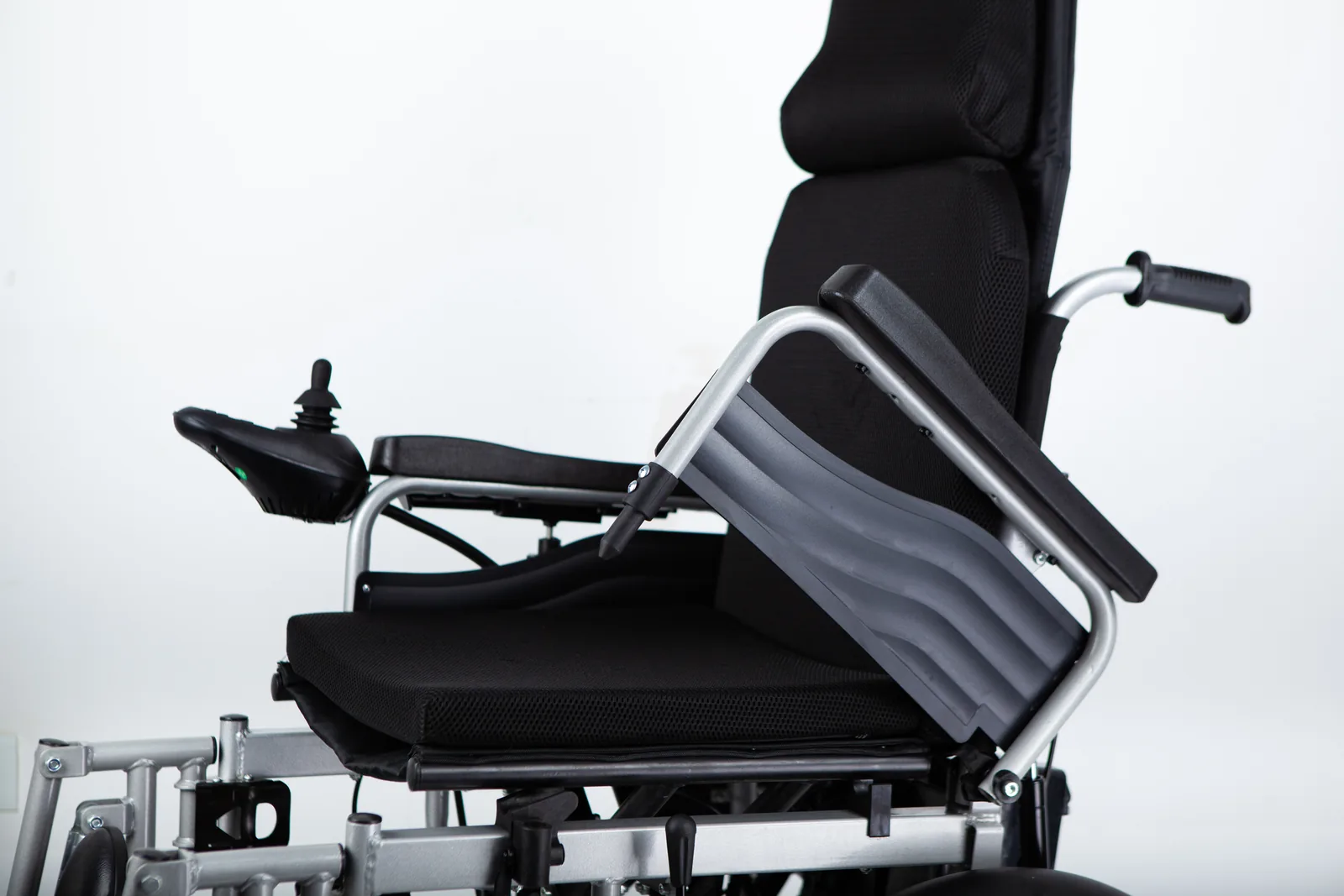
The manual is the reference that turns a display into information. It identifies the control system, explains what the indicator segments or symbols mean for that configuration, and states any limitations on interpretation. Without the right manual for the right chair, a reader is guessing from pattern and memory.
In a fleet, the manual question is a records question. Each chair should be traceable to its model, its control system, and the manual revision that applies to it. When a chair is added to the fleet, when a controller is replaced, or when a manual is updated, the reference changes. A log entry that says "gauge shows three bars" is only useful alongside the chair identity and the manual version that defines what three bars means.
This is also where cross-chair assumptions cause trouble. Indicator patterns from one manufacturer's controller should not be applied to another manufacturer's chair, even when the displays look similar. A light sequence, a flashing pattern, or a segment layout that means one thing on a named controller may mean something else, or nothing, on a different system. The safe practice is to read the indicator against its own documentation.
Configuration and indicator meaning
Configuration affects what the display presents. The same controller family can be set up differently across chairs, and the battery configuration fitted to a chair is part of what the gauge is reporting on. Two chairs with the same controller model but different battery setups are not necessarily comparable at the display level, and a coordinator should not assume they are.
When the manual is missing, outdated, or does not match the chair in front of you, that is a documentation gap to close rather than a puzzle to solve by inference. Record the model and controller details you can see, note that the manual could not be confirmed, and route the question to the provider. Guessing at indicator meaning is how a small display question becomes a wrong decision about whether a chair goes out.
| Record field | Why it matters | Example of a complete entry |
|---|---|---|
| Chair identifier | Ties the observation to one unit | Fleet unit number and model |
| Control system | Indicator meaning is system-specific | Controller family named on the unit or in records |
| Manual revision | Defines what the display means | Revision reference held with the chair file |
| Battery configuration | Part of what the gauge reports on | As documented for that unit |
| Observer and date | Makes the entry traceable | Name or role, date and time |
Record changes without diagnosing
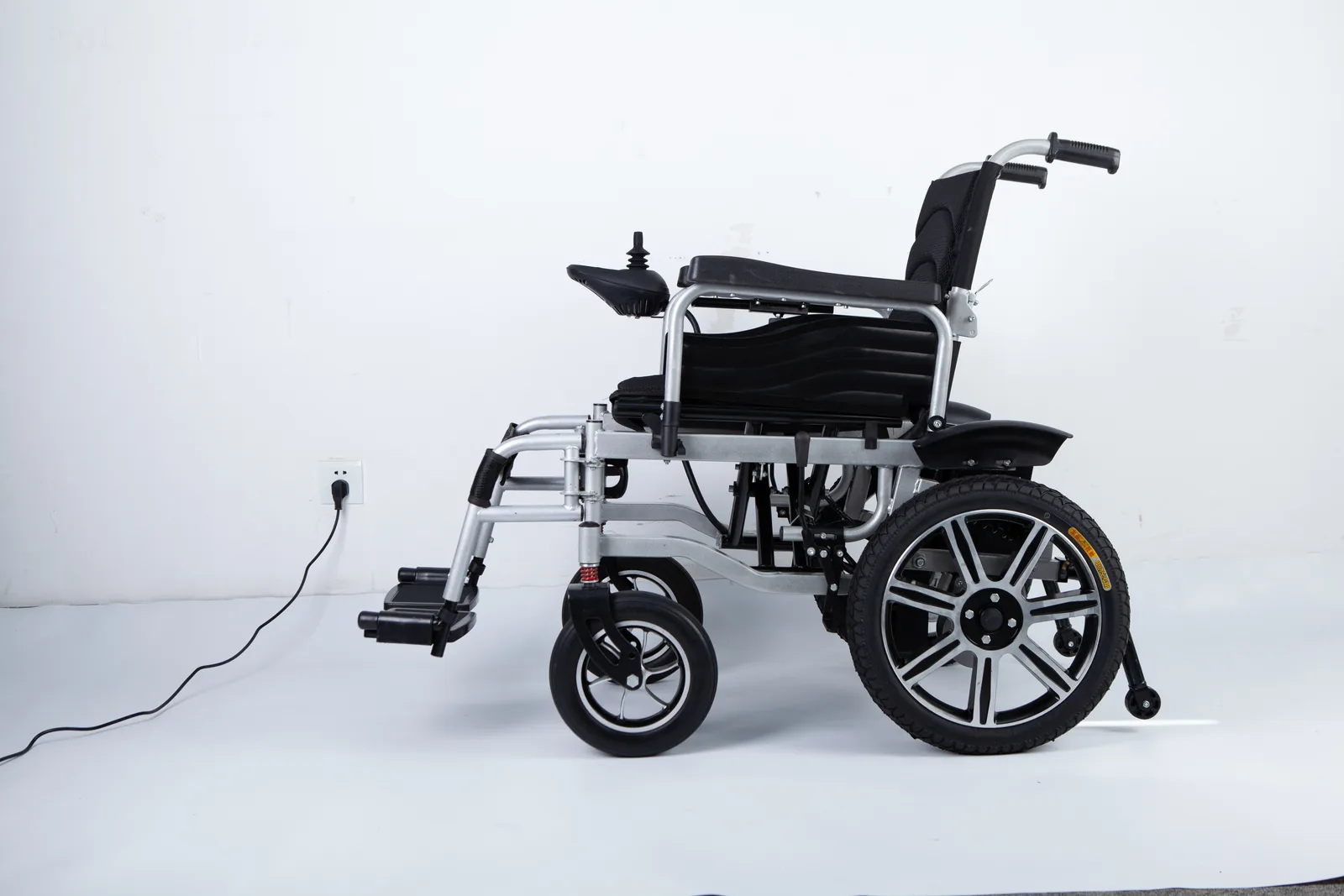
A change in gauge behavior is worth recording precisely because it is easy to describe loosely. "The battery is going" is a conclusion. "Gauge fell from four segments to two within ten minutes on the east ramp at 08:15, recovered to three on the flat" is an observation someone else can work with.
The record should capture the time, the route or surface, what the chair was doing, what the display showed before and after, and who observed it. If the chair was carrying a heavier load than usual, or the weather was cold, or the route included a long incline, those details belong in the entry because they are part of the conditions under which the display behaved as it did. They are not excuses and they are not diagnoses; they are context that a service provider needs in order to interpret the report.
A simple structure keeps entries consistent across a fleet and across shifts. The point is not to build an elaborate form but to make sure the same fields are captured each time, so that a pattern can be seen without relying on memory.
- Date and time of observation
- Chair identifier, model, and control system
- Gauge state at start, during, and end of use
- Route, surface, incline, and approximate duration
- Load and any unusual conditions
- Charger indicator state and charging times, recorded separately
- Observer name or role
- Action taken, such as charged, removed from service, or reported
What the log should not contain is a diagnosis. Phrases like "battery failing" or "controller faulty" close down the investigation before the service provider has seen the chair. A neutral description leaves the technical judgment where it belongs. If a chair is removed from service as a precaution, that decision can be recorded as an operational choice without being presented as a technical finding.
Consistency across shifts matters more than detail in any single entry. One coordinator's careful note is useful; a week of comparable notes from several staff members is what reveals whether a chair is behaving differently from its own past or from its sister units. That is why the fields should be fixed in advance and kept short enough that people actually fill them in during a busy handover.
When to involve the provider

Some situations call for the service provider rather than more observation. A gauge that behaves inconsistently across otherwise similar conditions, a display that no longer matches the manual's description, a chair that repeatedly fails to complete a route it previously managed, or any sign of damage, heat, swelling, or unusual behavior around the battery area are reasons to stop and route the question to qualified service personnel.
The same applies when the documentation does not resolve the question. If the manual for the exact control system cannot be found, or the indicator behavior is not described in the material available, the responsible step is to ask rather than to interpret. Manufacturers and qualified service providers have access to the model-specific information and the procedures that a fleet coordinator does not, and their assessment is what should guide repair or replacement decisions.
Fleet coordinators can make the provider's job easier by sending a structured record rather than a summary impression. The chair identity, the control system, the manual revision if known, the observations with times and conditions, and the specific question being asked all shorten the path to a useful answer. That is also how a fleet learns whether a pattern is isolated to one chair or shared across several, which changes the operational response.
Battery work itself, including any testing or replacement, belongs with qualified personnel following the manufacturer's procedures. The coordinator's role is to observe, record, and escalate, not to open the battery compartment or attempt to measure state of charge directly. For the separate question of how long a chair stays connected to its charger, see our note on leaving a power wheelchair charging overnight; that topic concerns the charging session, while this article concerns what the on-chair display shows.
FAQ
Does a full gauge prove the battery is healthy?
No. A full gauge indicates that the control system is currently presenting a high charge state. It does not assess battery condition, and it does not guarantee that the chair will complete a particular route. Battery health is a service question answered through the manufacturer's procedures, not through a display reading.
Does the charger light mean the same as the chair gauge?
The charger and the chair gauge are separate indicators reporting different things. The charger light describes the charging process; the chair gauge presents the control system's view of battery state. Record them separately, and do not treat one as confirmation of the other.
Conclusion
Read the gauge against the exact model's manual, record what changed and when, and send the pattern to your service provider.
Video: battery gauge goes UP ??!? (Wheelchair Batteries Explained)