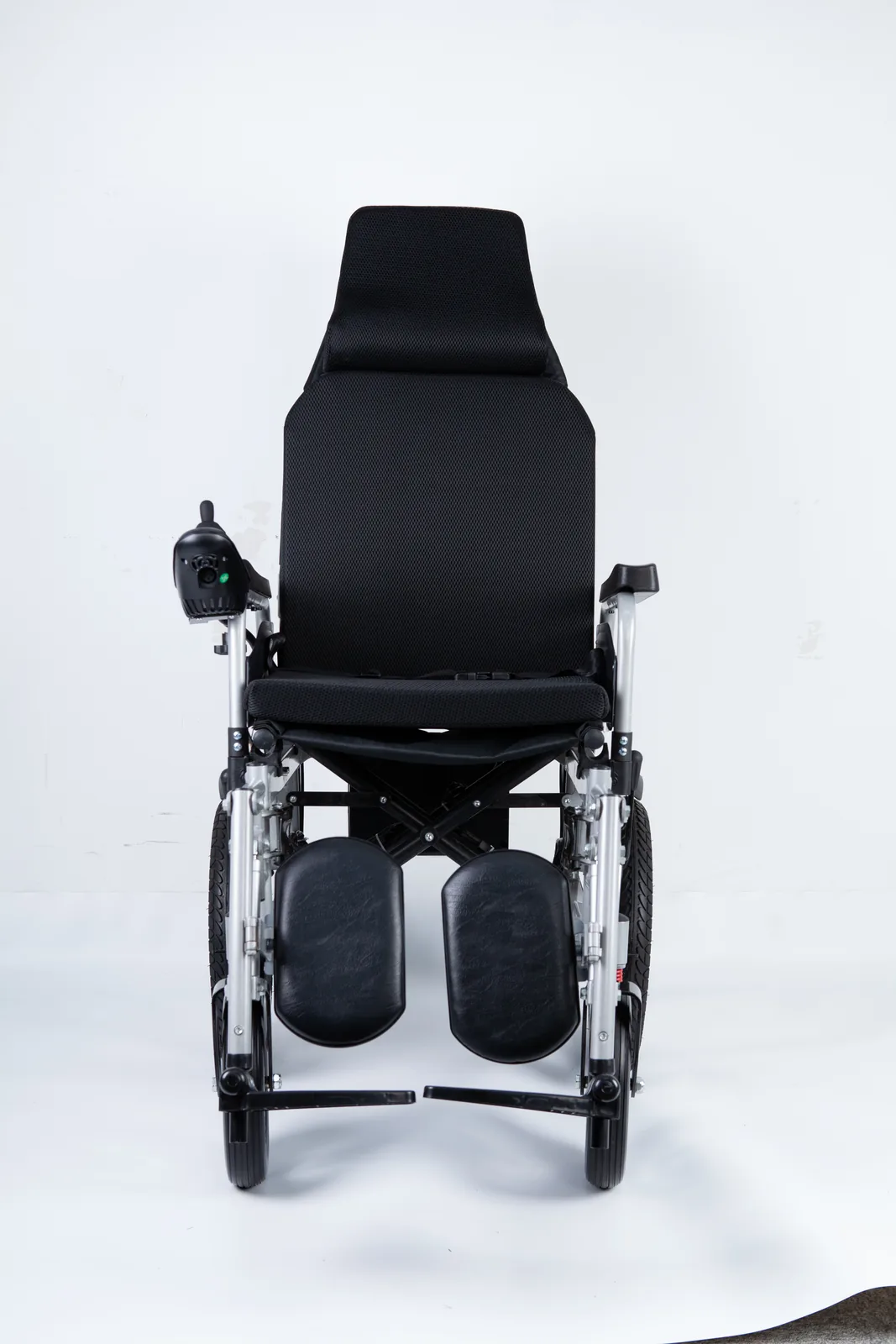
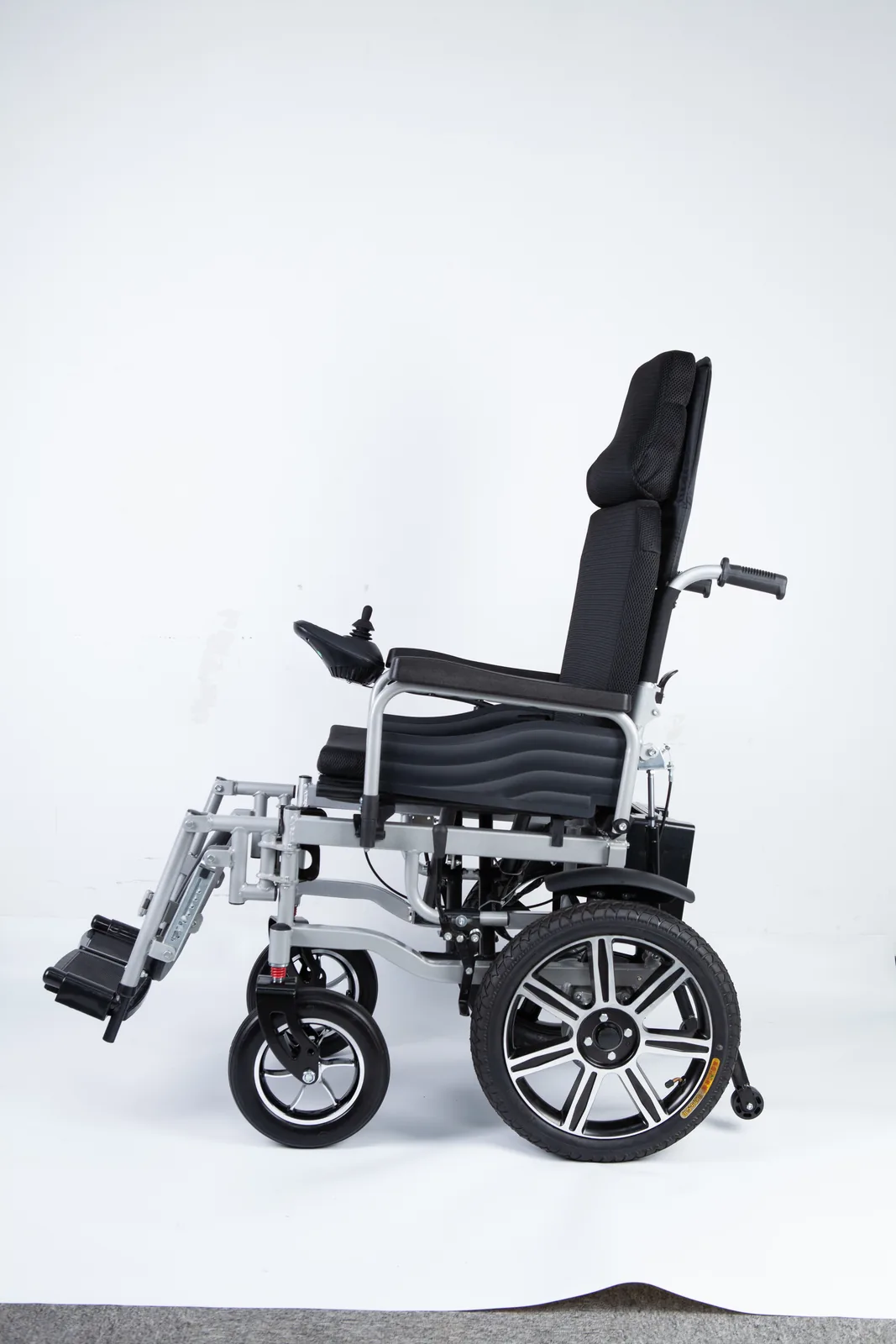
A rehabilitation team, dealer, or wheelchair user comparing head supports quickly meets two terms: occipital and suboccipital. The words sound technical, but they describe different contact areas, and that difference shapes which pad design, mounting setup, and assessment questions belong in the conversation.
Occipital support contacts the back of the head; suboccipital support sits lower, in the upper-neck region below the skull. They are contact locations, not treatment claims, and a single pad can combine both zones. Choosing between them is a configuration and assessment question, not a universal rule.
Wheelchair headrest occipital suboccipital support: Name the contact regions
Start with plain anatomy, because the two labels are often used loosely. The occipital region is the back of the skull. The suboccipital region lies below the occiput, in the upper posterior neck, where the suboccipital muscle group sits beneath the skull base, as described in the StatPearls anatomy reference. For head-support work, that means one pad rests against the back of the head and another sits lower, near the top of the neck.
That distinction matters for comparison because two products can look similar in a catalogue photo yet address different contact points. It also matters for expectations. Naming a contact region does not establish what a head support will achieve for a particular person, whether comfort improves, or whether a posture goal is met. Those are individualized questions for a seating professional who can see the person, the wheelchair, and the whole seating system together.
A second reason to keep the labels precise is that they describe the pad, not the whole head-support assembly. The same pad shape can be mounted at different heights, and the same mounting hardware can carry different pads. So when a catalogue or a colleague says "suboccipital," the useful follow-up is not simply "yes or no" but "which pad, at what position, on which hardware." Separating those three elements early prevents a later mismatch between what was discussed and what was ordered.
Occipital contact
Occipital contact means the support surface meets the back of the head. In product descriptions, this is often the larger, more familiar pad position, and it is the area many people picture when they hear "headrest." When you compare pads, ask where on the pad the contact is intended to occur and how the pad's height and contour relate to the back of the skull. A pad described as occipital is telling you about location, not about a clinical result.
Suboccipital contact
Suboccipital contact places the support lower, beneath the occiput, in the upper-neck area. Sunrise Medical's named Whitmyer S.O.F.T. single sub-occipital headrest is described as a sub-occipital product, which makes the contact region explicit in the product name. Seating Dynamics, in its article on dynamic head support and additional supports, describes a named sub-occipital pad position in the lines cited from that page. Both examples are useful because they show that "suboccipital" is a real, named configuration category rather than a marketing variation.
Lower contact changes the questions you ask. Instead of only asking whether a pad reaches the back of the head, you ask how far down the support extends, what the pad's lower edge is intended to meet, and how that position interacts with the backrest and any upper-neck support already in the system. Those are fit and configuration questions, and the answers depend on the individual and the specific hardware.
Compare named pad designs
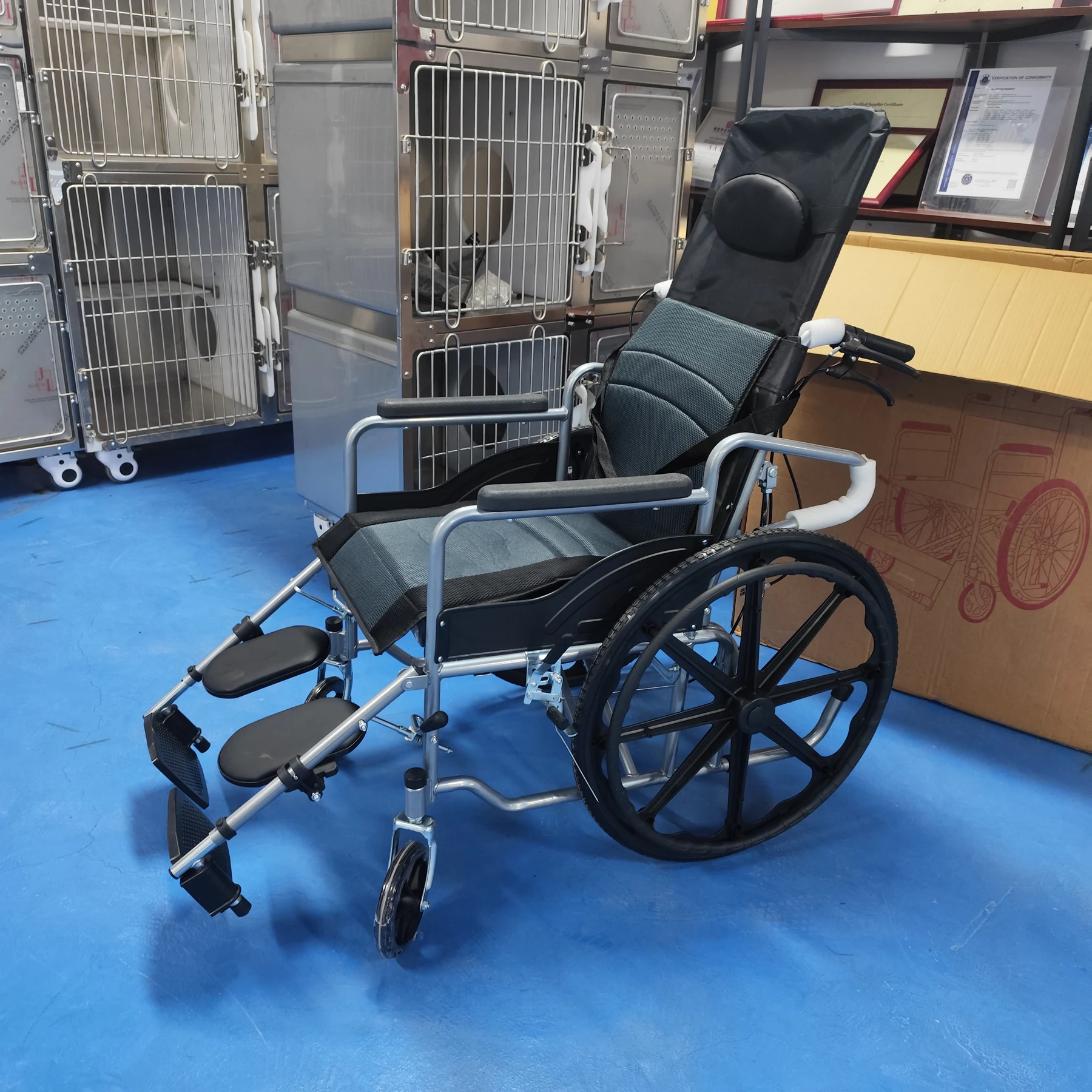
Named products give you something concrete to compare, provided you compare the right attributes. The useful columns are contact region, pad shape and size as described by the maker, and whether the design is presented as a single-zone or combined-zone pad. The table below summarizes only what the supplied named sources describe; it deliberately leaves out clinical outcomes, which those sources do not establish.
| Named example | Contact region described | Design note from the supplied source | What to confirm before comparing further |
|---|---|---|---|
| Sunrise Medical Whitmyer S.O.F.T. single sub-occipital headrest | Suboccipital | Named as a single sub-occipital headrest | Exact pad dimensions, mounting compatibility, and current model documentation |
| Seating Dynamics additional head supports | Suboccipital pad position described | Sub-occipital pad placement discussed alongside dynamic head support | Which specific pad and hardware the description refers to |
| Stealth Products head support range | Occipital and suboccipital combined in one head pad | Source describes a single pad combining both support zones | Which model, pad size, and mounting interface apply |
The Stealth example is the important counterpoint to a simple either/or framing. If one head pad can combine occipital and suboccipital support, then the choice is not always "pick one region." It can be "which combination, in what proportions, on which pad." That is a design question answered by the product's documented shape and by the seating team's assessment, not by the label alone.
Reading the table row by row also shows how uneven the public information can be. One row names a contact region in the product name itself. Another describes a pad position inside a longer article about dynamic head support. A third describes a combined design. None of those descriptions is a substitute for the current specification sheet, and none of them tells you whether the pad suits a particular user. What they do give you is a starting vocabulary for the conversation with a supplier or seating team, and a checklist of what still needs confirming.
Single pad examples
A single-pad example is easiest to use when the maker states the contact region clearly. The Sunrise S.O.F.T. name does that by putting "sub-occipital" in the product name. When a description is less explicit, treat the contact region as something to confirm rather than assume. Ask the supplier or check the current product documentation for where the pad is intended to contact, and note the document revision or date so a later comparison uses the same basis.
Shape and size variations
Shape and size change what a pad can physically reach. A taller pad may extend from the back of the head toward the upper neck; a shorter or more contoured pad may concentrate contact in one zone. The supplied sources do not give dimensions for these named pads, so do not fill that gap with guesses. Instead, record the shape and size information the maker actually publishes, and mark anything missing as a question for the supplier. That keeps a comparison honest and prevents a catalogue impression from standing in for a specification.
Separate the pad from mounting hardware
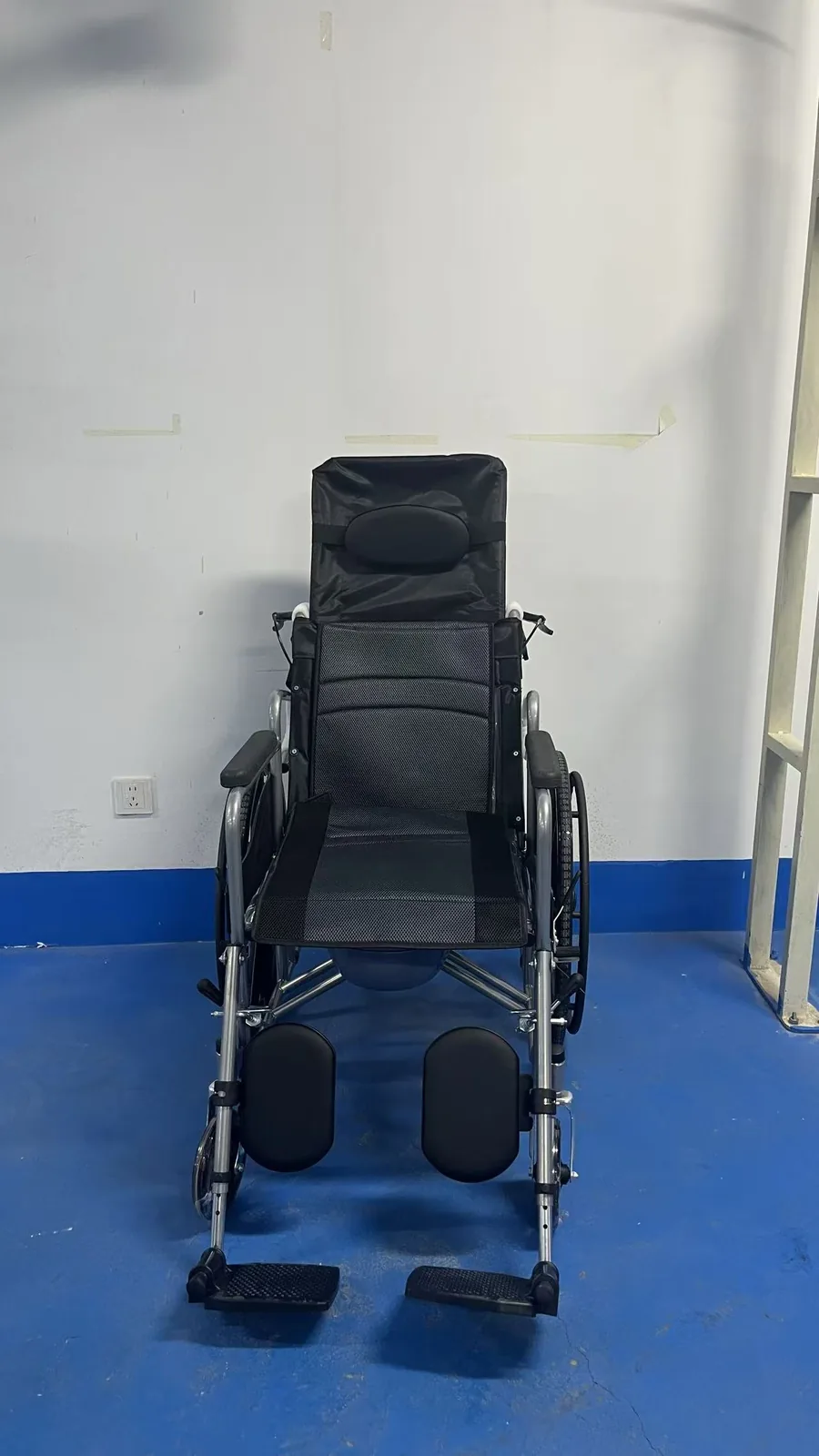
A frequent source of confusion is treating the headrest as one item. In practice, the cushion that touches the head and the hardware that holds it in place are separate selection problems. The pad determines the contact surface. The rod, clamp, and interface determine where that surface can sit and whether it attaches to a given wheelchair. A pad that looks right can still be the wrong choice if its mounting hardware does not match the chair.
This separation also clarifies what a product name tells you. A name like "single sub-occipital headrest" describes the pad's contact intent. It does not, by itself, confirm which mounting interface the pad uses, what adjustment range the hardware offers, or whether the combination fits a specific wheelchair model. Those are separate facts to verify against current documentation. Our guide to the wheelchair headrest mounting interface covers the hardware side in more detail, and it is worth reading alongside any pad comparison.
For dealers and equipment teams, keeping the two parts separate in records pays off later. A service note that says only "headrest replaced" loses the information needed to reorder the same pad or to explain why a different one was chosen. Recording the pad and the interface as distinct line items makes a future comparison, warranty question, or replacement request far easier to answer accurately.
Support pad
The support pad is the contact component: the cushion or shell that meets the head or upper neck. When comparing pads, focus on the documented contact region, the described shape and size, and the surface material if the maker specifies it. Keep the pad's stated purpose separate from any assumption about comfort or posture. A pad can be described accurately as occipital or suboccipital without any claim about what it will do for a particular user.
Mounting interface
The mounting interface is the connection between the head support and the wheelchair. It includes the rod, the clamp or bracket, and any receiver on the chair. Questions here are mechanical and model-specific: does the hardware attach to this chair, what adjustment does it allow, and does the pad and hardware combination appear in the maker's current documentation? Because these answers vary by model, they belong in a written record rather than a verbal assumption. Backrest height also affects where a head support can sit, so the wheelchair backrest height measurement guide is a useful companion when you document the setup.
Bring the choice to the seating team
Occipital versus suboccipital is not a decision to settle from a product page alone. The contact region interacts with the person's posture, the backrest, the seating system, and the tasks the wheelchair supports. A rehabilitation or seating professional can assess the individual in the actual chair and recommend a position and hardware combination. Your job before that appointment is to arrive with accurate information: the wheelchair make and model, the current head support and mounting hardware, what the user reports about the present setup, and the specific questions you want answered.
That preparation changes the quality of the conversation. Instead of asking whether an occipital or suboccipital pad is "better," you can ask which contact region the team recommends for this person, which named pads and interfaces are compatible with this chair, and what should be checked after any change. The answers stay tied to the individual and the documented equipment rather than to a general rule.
It also helps to be clear about what each party contributes. The user and caregiver bring day-to-day observations about the current setup. The dealer or equipment team brings model records, part numbers, and compatibility information. The seating professional brings the assessment of position and fit. Keeping those roles distinct avoids the common problem of a product decision being made in one conversation and the fit question being left unanswered in another.
Individual assessment
An individual assessment looks at the person and the equipment together. It can consider how the head is supported in the current setup, how the backrest and head support relate, and what the user wants from the configuration. It is not something this article can perform, and a pad label cannot substitute for it. If a change is being considered, ask the seating team what should be observed and who should review the result. Keep the assessment separate from the purchasing step so that a product choice follows the recommendation rather than leading it.
Questions for the provider
Use a short written list so nothing is lost between appointments. Useful questions include:
- Which contact region, occipital, suboccipital, or a combination, is being recommended for this person, and why?
- Which named pad and mounting interface are being proposed, and are they documented as compatible with this wheelchair model?
- What is the current part number, pad size, and hardware configuration, so a replacement or comparison uses the same basis?
- What should the user or caregiver observe after any change, and who should be contacted if something does not seem right?
- Are there documentation, warranty, or service-record items that should be updated when the head support changes?
FAQ
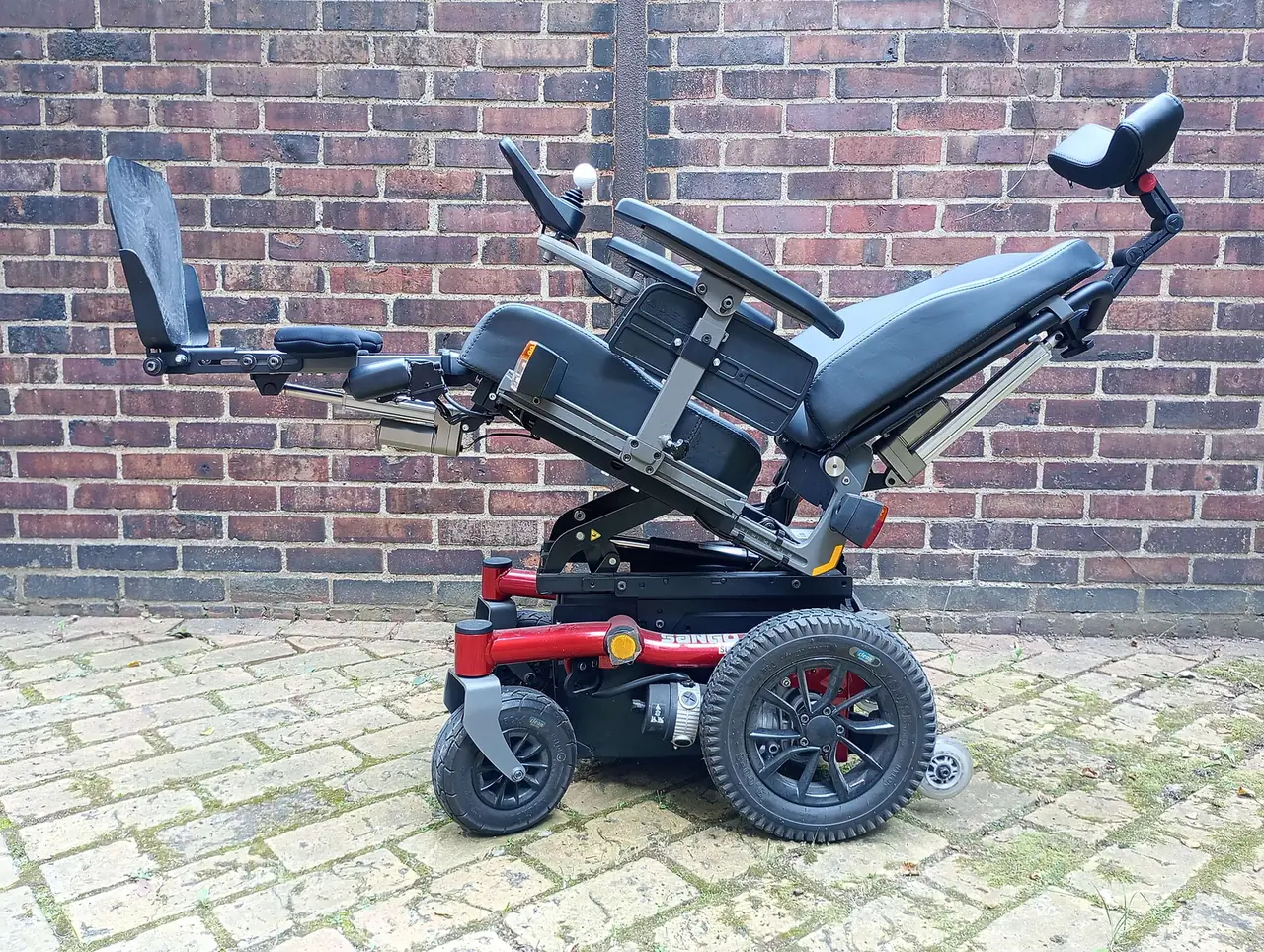
Is the support pad the same as the mounting bracket?
No. The support pad is the contact component that meets the head or upper neck. The mounting bracket, rod, and interface are the hardware that hold the pad and attach it to the wheelchair. They are separate selection items, and a pad choice should be checked against the hardware and the chair model.
Does one pad shape fit every user?
No single pad shape is documented as suitable for every user. Contact region, pad shape and size, backrest, and the individual's posture all interact. A pad described as occipital or suboccipital tells you about intended contact location, not about fit for a specific person. That fit question belongs with a seating professional.
Who should assess head-support position?
A rehabilitation or seating professional working with the individual and the actual wheelchair is the appropriate party to assess head-support position. Dealers and equipment teams can support the process by documenting the chair model, current hardware, and the user's questions, but the position recommendation is an individualized assessment.
Conclusion
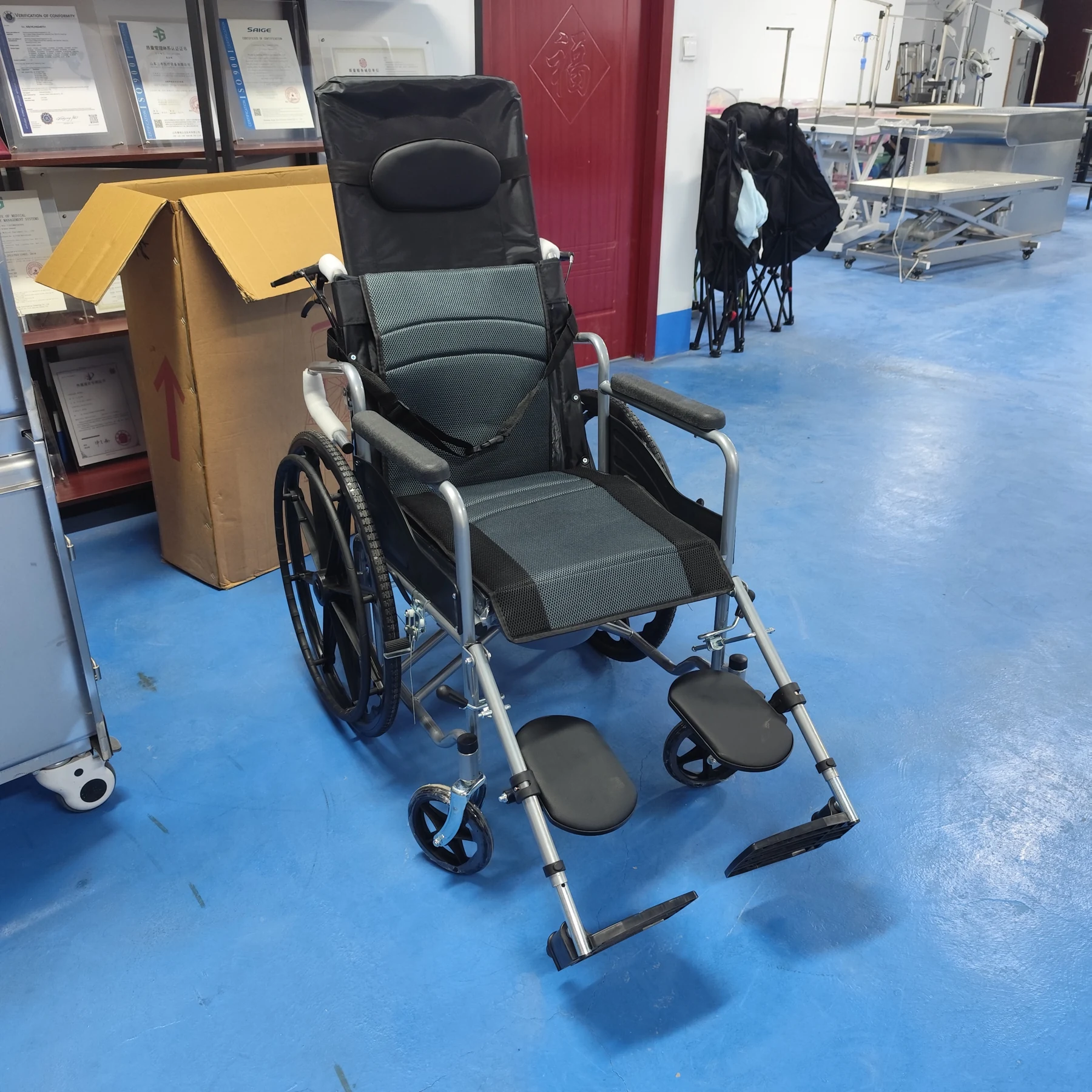
Occipital and suboccipital describe where a head support contacts, not what it achieves. Compare named pads by documented region and hardware, then let a seating team assess the individual fit.