A dealer, user, or seating team compares two chairs and finds backrest heights that differ by several centimetres. Before treating that gap as a real difference in back support, check what each figure measured from and to.
Wheelchair backrest height is a chair dimension defined by two reference points: a starting level and the top of the back support. A number without those reference points, and without a note on whether a cushion was fitted, cannot be compared reliably with another number.
Wheelchair backrest height: What backrest height refers to
Backrest height describes how far the back support extends vertically above a chosen starting level. It is a device dimension, not a description of a person. That distinction matters because the same chair can produce different published figures depending on where the manufacturer starts and stops the measurement.
The starting level is the first variable. A specification might measure from the seat surface, from the seat frame, from the top of a cushion, or from a point on the backrest itself. Each choice shifts the result. The ending point is the second variable: some figures stop at the top edge of the upholstery, others at the top of a rigid back shell, and others at the highest point of an attached component. A backrest with a curved or contoured top adds a further question about whether the measurement follows the curve or takes the highest point.
The third variable is configuration. Backrest angle, the presence of a cushion, and any added back support all change the geometry between the two reference points. A chair measured with the backrest reclined will not give the same vertical figure as the same chair measured upright. Even the order in which adjustments are made can matter: if a backrest is set to an angle after the height is recorded, the vertical figure may no longer describe the chair as it will be delivered.
For a dealer or assessment team, this means a backrest height figure is only useful when it travels with its measurement conditions. Two catalogues can list the same chair type and still report different numbers because they measured differently. The practical response is not to average them or pick the larger figure, but to ask each source what its number includes. When a specification sheet gives a single figure with no reference note, treat it as a starting question rather than a settled fact.
This is also why backrest height should not be read as a statement about how much support a person needs. It describes the chair. What a particular user requires from a back support is a separate judgement, made with the appropriate professional input and the person’s own priorities. A taller backrest is not automatically more supportive, and a shorter one is not automatically less suitable; the figure only tells you where the equipment’s surfaces sit.
Separate body measurements from chair measurements
A common source of confusion is mixing a measurement taken on a person with a measurement taken on a chair. Both may be called back height, but they answer different questions and belong in different parts of a record. Keeping them apart prevents a body figure from being pasted into a specification field, or a chair figure from being treated as a fit decision.
The confusion is understandable because the two numbers can look similar in size. A seated body measurement and a chair backrest figure may both be reported in the same units and the same range, which makes it tempting to treat them as interchangeable. They are not. One describes equipment geometry that anyone can repeat; the other describes a person in a particular posture on a particular surface at a particular moment.
Body reference point
A body measurement starts from a defined point on the seated person and ends at another defined point on the body. The value depends on posture at the time of measurement, the seating surface the person is sitting on, and how the measurement is taken. Because posture and seating conditions affect the result, a body measurement is only meaningful alongside a note describing those conditions.
This kind of measurement belongs with a trained assessor or clinician who can interpret it in context. It is not a figure a catalogue can supply, and it should not be inferred from a chair specification. If a dealer is asked for a body measurement, the responsible step is to route the question to the person doing the seating assessment rather than convert a chair dimension into an assumed body dimension.
Chair reference point
A chair measurement is taken on the equipment, usually unoccupied, from a defined level on the chair to a defined point on the backrest. It can be repeated by anyone with the same chair, the same starting level, and the same method, which is what makes it useful for specification and comparison.
The value of a chair measurement depends on the record being complete. A figure of, say, a backrest height with no note of cushion state or backrest angle is a partial record. For dealer selection work, the chair measurement is the one that belongs in the specification sheet, provided the reference points are written down beside it.
A simple way to keep the two apart in a working document is to use separate fields: one for chair dimensions with their measurement conditions, and one for assessment notes that reference the person’s needs. Mixing them in a single free-text box is where errors tend to start. When a colleague later reads the record, a labelled field makes it obvious which kind of number they are looking at and whether it can be quoted to a customer.
Check cushion and back support reference points
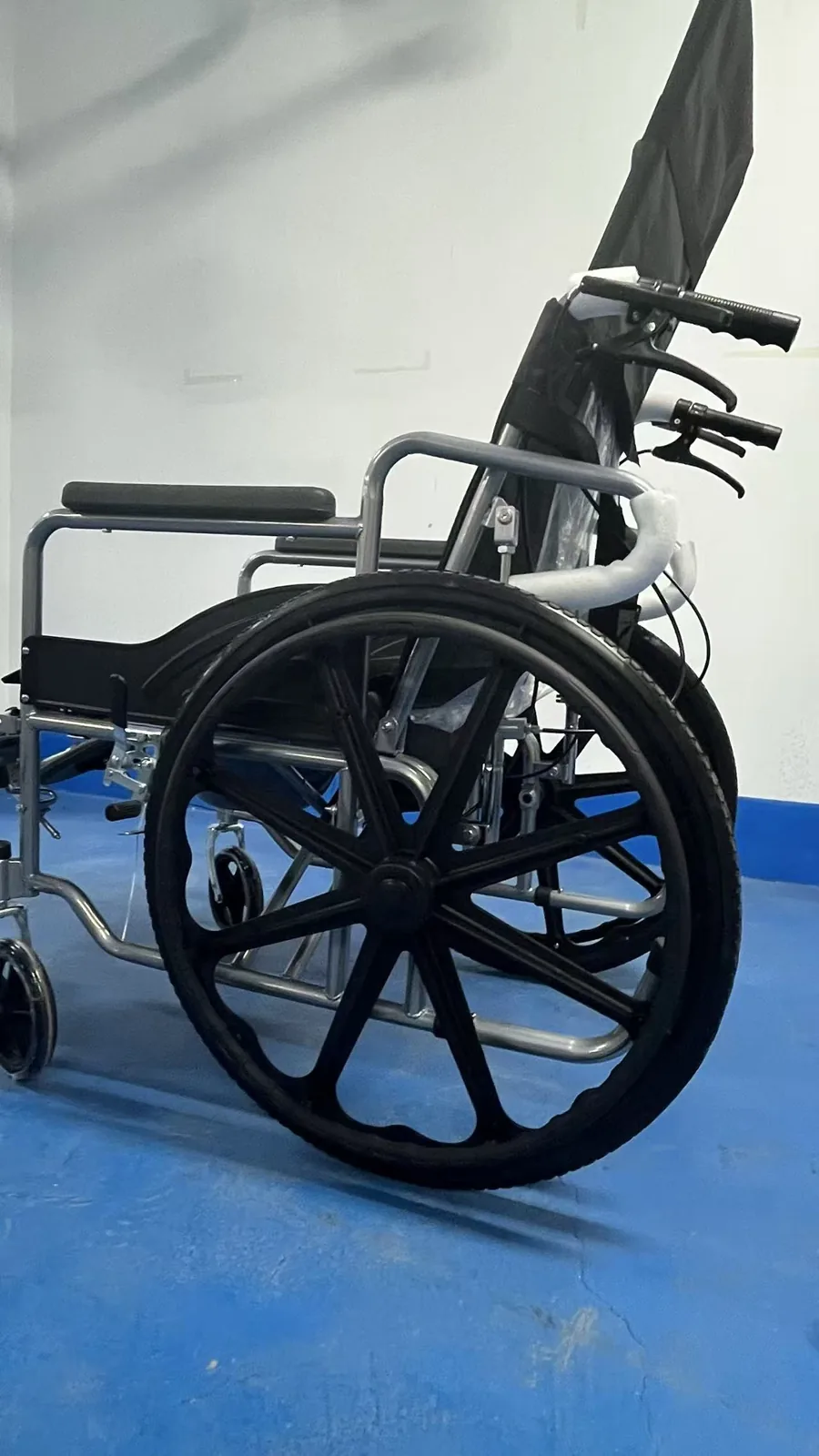
Cushions and back supports change where the measurable surfaces sit, so they change what a backrest height figure means. A chair measured bare and the same chair measured with a cushion fitted are not describing the same starting level, even if the frame is identical.
Cushion included or excluded
When a specification states that a cushion is included, the starting level is likely to be the top of that cushion. When it states the cushion is excluded, the starting level is likely to be the seat surface or frame beneath it. The difference between the two figures is roughly the compressed height of the cushion, though the exact effect depends on the cushion and how it sits in use. A soft cushion that compresses under load and a firmer one that holds its shape will not shift the effective starting level by the same amount.
For comparison work, the safe approach is to record the cushion state explicitly rather than assume it. If one source gives a cushion-included figure and another gives a cushion-excluded figure, the numbers are not directly comparable. Either find matching conditions in both sources or record the mismatch as an open question. Do not subtract an estimated cushion thickness to force the two figures to agree; that introduces a new assumption on top of the original uncertainty.
Back supports raise a similar issue at the top end. A chair with an added back support may have its highest point at that component rather than at the original upholstery. A figure measured to the original backrest top will not describe the chair as configured for use. Dealers assembling a configured chair should ask for the measurement to be taken in the configuration that will actually be supplied.
The same logic applies to backrest angle and to any lateral or contour components. Each addition can move the top reference point. Rather than trying to correct one figure mathematically, the cleaner route is to request a measurement taken in the final configuration. That request is easier to act on when it names the exact model, the accessory list, and the angle setting, so the supplier knows which build to measure.
Compare two named measurement guides
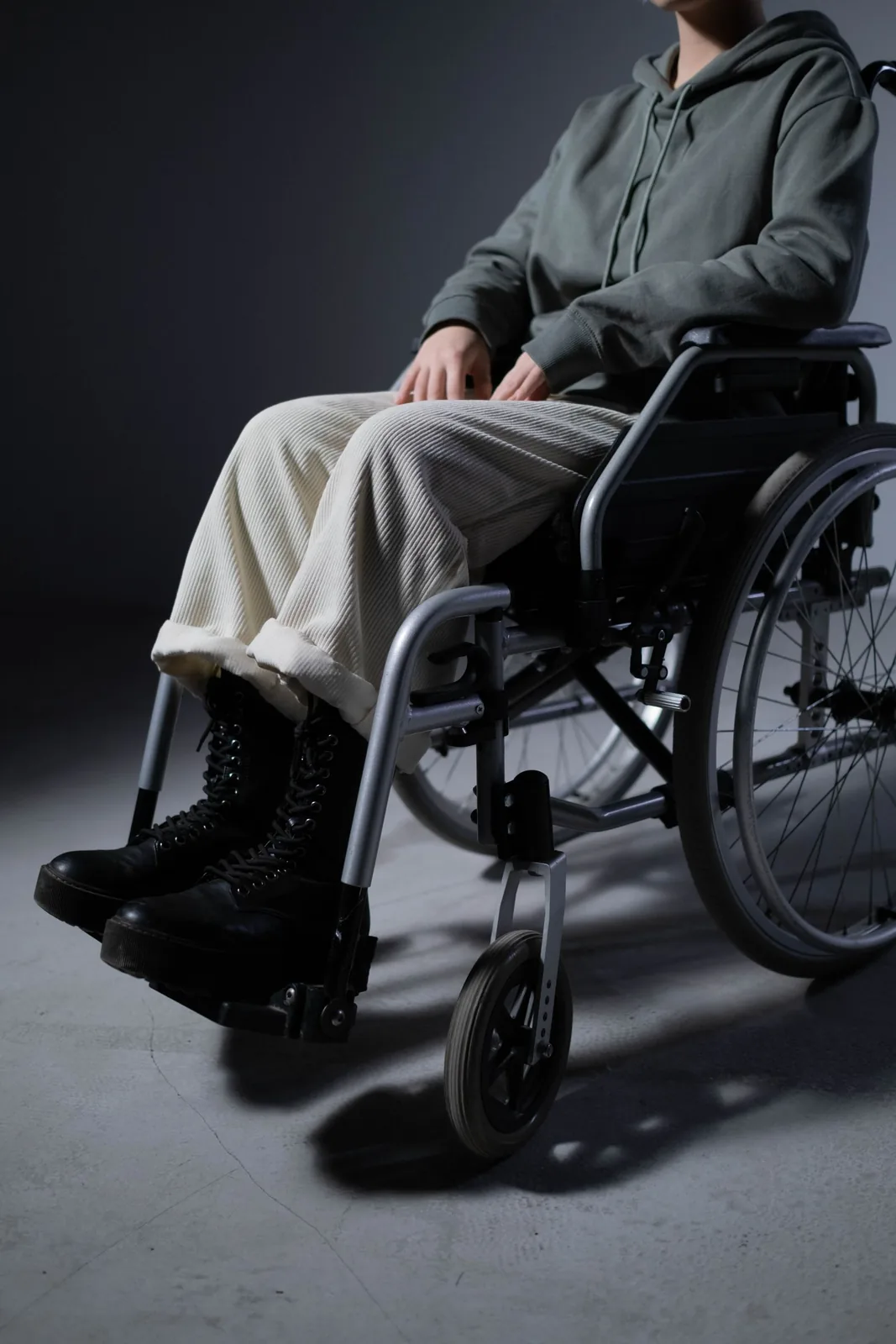
The brief for this article names two published measurement guides as comparison material: the EPC Wheelchairs measurement guide and the Glide Products chair measurements page. Both are third-party sources with their own scope and purpose. Neither is a statement about Wheelchairs Factory products, and neither should be used to fill in a WCF specification.
The useful comparison is about what each document is for and what conditions its figures assume. A supplier measurement guide is typically written to help a customer order or specify that supplier’s chairs, so its reference points are tied to that product range and its own conventions. A clinical or assessment-oriented guide is typically written to support a seating process, so its figures sit alongside posture and assessment notes rather than standing alone as catalogue data.
That difference in purpose has a practical consequence. A figure taken from an ordering guide is designed to be quoted back to that supplier when placing an order, and it is most reliable inside that conversation. A figure taken from an assessment-oriented guide is designed to inform a seating decision, and it is most reliable when read together with the posture notes around it. Lifting either figure out of its home document and into a different context is where misreading begins.
The table below sets out the comparison questions a reader can apply to either document, without asserting values the sources were not supplied to support.
| Comparison question | Why it matters | What to record |
|---|---|---|
| Who is the document written for? | Shows whether figures are ordering data or assessment support | Publisher type and stated audience |
| What is the starting reference level? | Determines whether figures can be compared across sources | Seat surface, seat frame, cushion top, or other stated level |
| What is the ending reference point? | A curved or component-topped backrest can give different values | Upholstery top, shell top, or highest component |
| Is a cushion assumed? | Changes the starting level and the resulting figure | Included, excluded, or not stated |
| Is backrest angle specified? | Reclined and upright positions give different vertical figures | Stated angle or “not stated” |
| Is the figure model-specific? | Prevents transferring a value to a different chair | Model name and any revision noted |
Reading the table across a single document shows how complete its measurement basis is. A guide that answers most rows gives a figure that can travel into a specification with its conditions attached. A guide that leaves several rows blank is still usable for its own ordering purpose, but its figures should not be dropped into a cross-source comparison without a note.
For dealers, the practical outcome is a short list of questions to put to any supplier whose figure you intend to use. For assessment teams, the outcome is a reminder that a supplier figure describes equipment, not a person, and belongs in the equipment part of the record. Neither guide replaces the other, and neither replaces a conversation with the supplier about a specific model.
Record uncertainties for a seating assessment
Not every question about back support height can be closed by a catalogue. Some depend on the individual user, their posture, their seating system, and the judgement of a trained professional. The dealer’s or supplier’s job is to make the equipment information complete and to hand the personal judgement to the right person.
A workable approach is to keep an open-questions list alongside the specification. Each entry names the exact model, the figure in question, what is known, and what still needs confirming. This turns an unresolved point into a specific request rather than a vague concern. It also gives the assessor something concrete to work with, instead of a general note that the backrest height is unclear.
The blank confirmation card below can be copied into a dealer’s or team’s own record system. It is deliberately empty: the values come from the actual model documentation, not from this article.
| Field | Entry |
|---|---|
| Chair model and revision | To be completed from the model record |
| Measurement source and date | To be completed |
| Starting reference level | To be completed: seat surface, frame, cushion top, or other |
| Ending reference point | To be completed: upholstery top, shell top, or highest component |
| Cushion state at measurement | To be completed: included, excluded, or not stated |
| Backrest angle at measurement | To be completed, or “not stated” |
| Configuration of added back support | To be completed |
| Figure as published | To be completed with unit |
| Open questions for the supplier | To be completed |
| Questions for the seating assessor | To be completed |
Two habits make this card useful. First, record “not stated” rather than leaving a field blank, because a blank field is easily mistaken for a confirmed value later. Second, keep the supplier questions and the assessor questions in separate rows. A supplier can confirm how a chair was measured; a supplier cannot decide what back support height suits a particular person.
It also helps to date each entry and note who recorded it. Measurement conventions and model revisions can change, and a figure captured without a date is hard to defend later if the documentation is updated. When the card is complete, the equipment side of the record is defensible and the personal side has a clear owner. That separation is what allows a dealer to answer a specification question confidently while leaving the seating decision where it belongs.
FAQ

Does the cushion count in backrest height?
It depends on the source. Some figures are measured with a cushion fitted, so the starting level is the cushion top; others are measured on the bare seat. The only safe approach is to check the note beside the figure. If no cushion state is given, record it as unconfirmed and ask the supplier before comparing the number with another source.
Is backrest height the same as seat height?
No. Seat height describes the vertical distance from the floor or a defined lower point to the seating surface. Backrest height describes the vertical extent of the back support above a chosen starting level. They are different dimensions with different reference points, and one cannot be substituted for the other in a specification.
Conclusion

Record the starting level, ending point, cushion state, and backrest angle beside every backrest height figure, and leave personal support decisions to the seating assessor.
For related measurement conventions, see the guide to wheelchair seat depth measurement.
Video: Wheelchairs (Part 2)- Measurements of the wheelchair, environment, and ramps