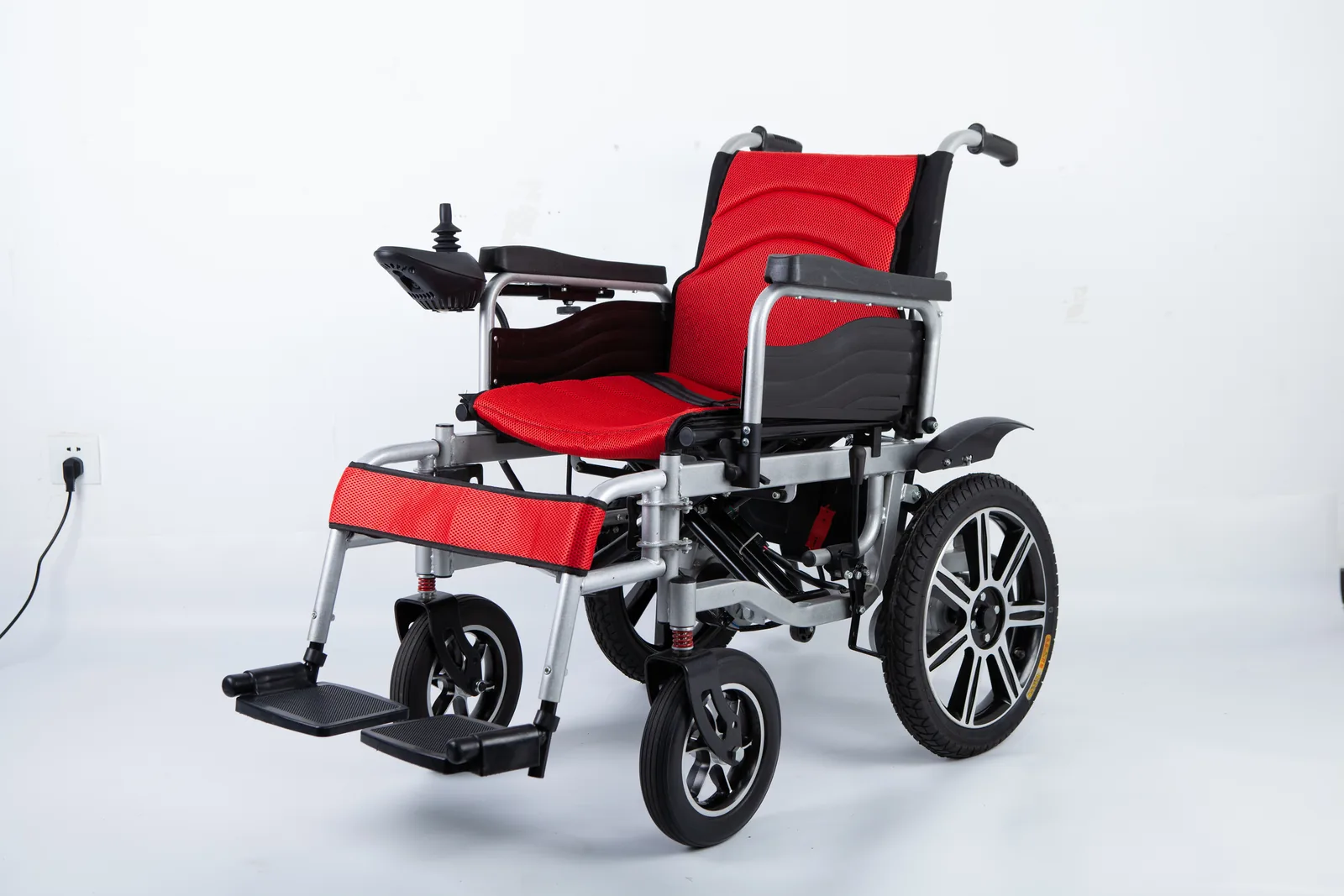
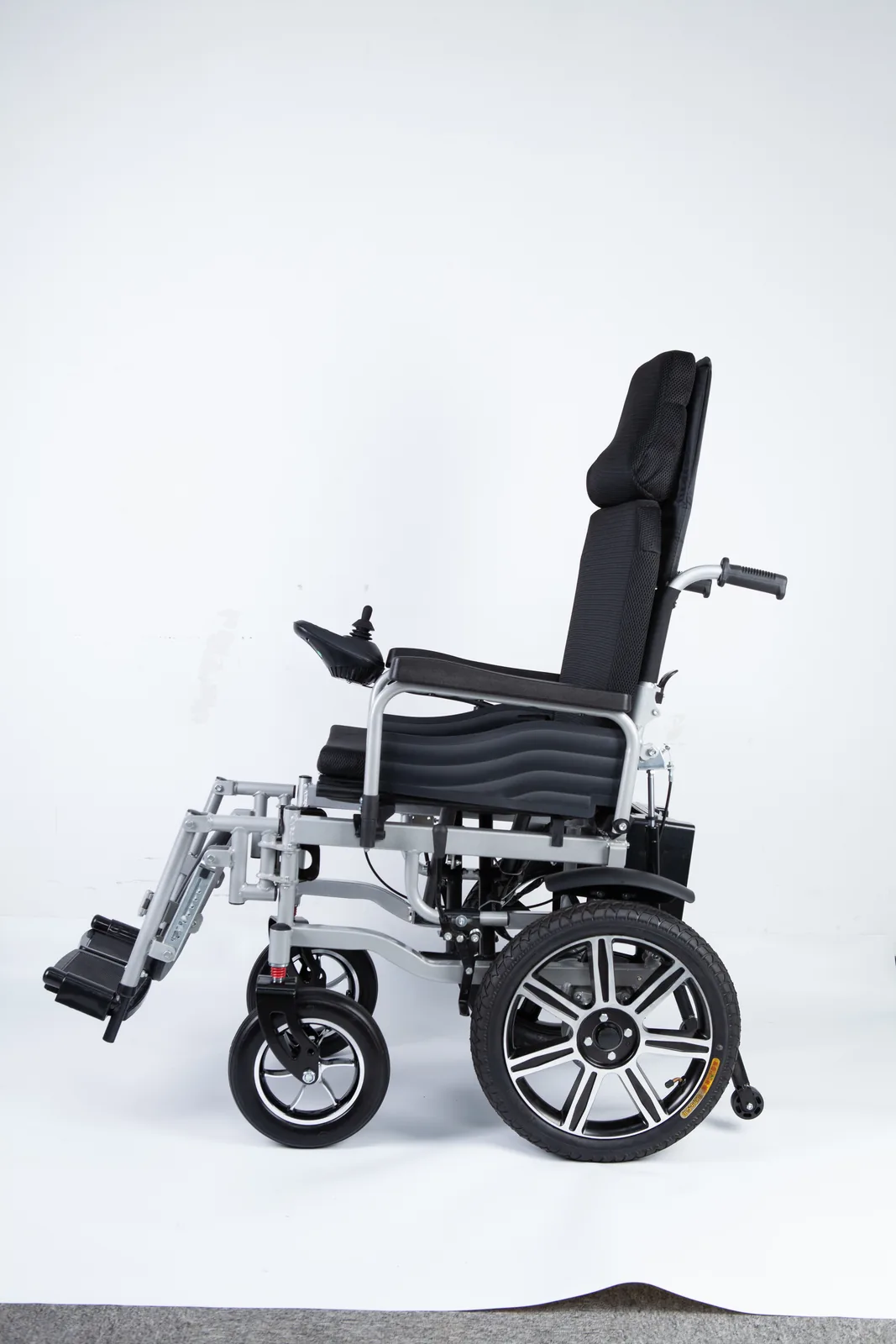
A care-chair dealer receives a head support kit and a backrest unit on separate purchase orders. Before anything is assembled or handed over, someone has to answer a plain question: does this pad, rod, and bracket actually belong to this backrest system, and what document proves it?
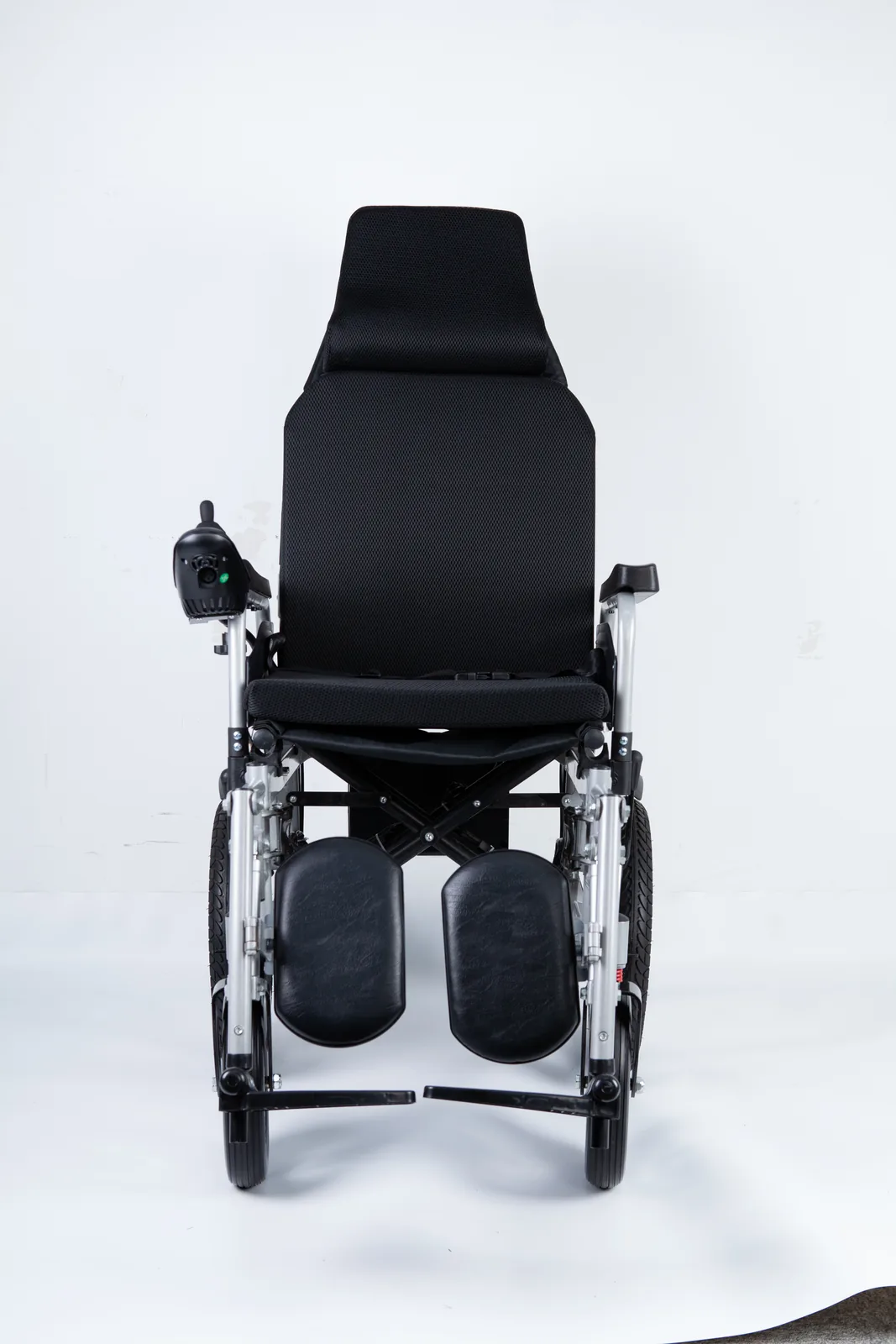
Wheelchair headrest mounting is an interface question, not a pad question. The head support is a small assembly of pad, support rod, clamp or bracket, and backrest attachment point. Each part has its own part number, its own allowed configuration, and its own documentation trail. Confirm all four before ordering.
Wheelchair headrest mounting: Name the head support and mounting hardware
The first practical step is vocabulary. Dealers and seating teams often say "headrest" when they mean one of four different things, and that ambiguity is where mismatched orders begin. A head support assembly typically separates into a pad or cushion that contacts the head, a support rod or link that positions the pad, a clamp or bracket that grips the rod, and a backrest interface where the bracket attaches. Each layer can be sourced, replaced, and documented separately.
That separation is not pedantry. It changes what a dealer writes on an order and what a technician checks at delivery. If the four layers are collapsed into one word, a replacement pad can be ordered against a bracket that was never confirmed, or a bracket can be assumed to exist because the chair was described as having a headrest. Naming the layers first makes the rest of the check possible.
Pad and support rod
The pad is the visible part, but it is rarely the part that decides compatibility. The support rod is the more useful identifier because it carries the geometry: how the pad is held, how the rod enters the clamp, and what adjustment range the assembly is designed to offer. Two pads that look similar in a catalogue photo may sit on different rods with different diameters, bends, or end fittings. A rod that is not listed for a given clamp is not interchangeable just because it fits loosely in the opening.
For a dealer, this means the pad description alone is not enough to place an order. Record the pad part number, the rod part number, and the clamp or bracket part number as three separate fields. If a supplier lists only a combined kit number, note that the kit is the unit of configuration and that individual components may not be orderable separately. That distinction matters later when one component needs replacement and the rest of the assembly is still serviceable.
It also matters at the quotation stage. A kit number quoted for one backrest system cannot be carried across to a different backrest simply because the pad looks the same in a photograph. The rod and clamp are the parts that translate a pad into a specific mounting geometry, so they are the parts that must be matched to the chair in hand.
Bracket and backrest
The bracket is where the head support meets the chair, and it is the part most often assumed rather than checked. Brackets differ in how they attach: some are designed to clamp onto a specific backrest structure, some mount to a dedicated receiver or hole pattern, and some are supplied as part of a particular backrest system rather than as a universal accessory. A bracket described as fitting "most backrests" is a marketing statement, not a compatibility record.
The backrest side deserves equal attention. Care-chair backrests vary in shell, upholstery, frame, and mounting provisions, and a backrest that accepts one manufacturer's bracket may have no provision for another's. When the backrest is supplied as part of a seating system, the system's own accessory list is the first place to check. When the backrest is a separate item, the attachment interface needs to be confirmed against that item's documentation, not against the chair's general description.
A useful discipline is to write the assembly as a chain: pad to rod, rod to clamp, clamp to bracket, bracket to backrest. Every link in that chain needs a documented match. A single unconfirmed link is enough to stop an order, because the alternative is a kit that arrives complete but cannot be fitted to the chair in front of the technician. Writing the chain down also shows which link is missing, so the follow-up question goes to the right supplier rather than to whoever answers the phone first.
Identify the backrest and attachment interface
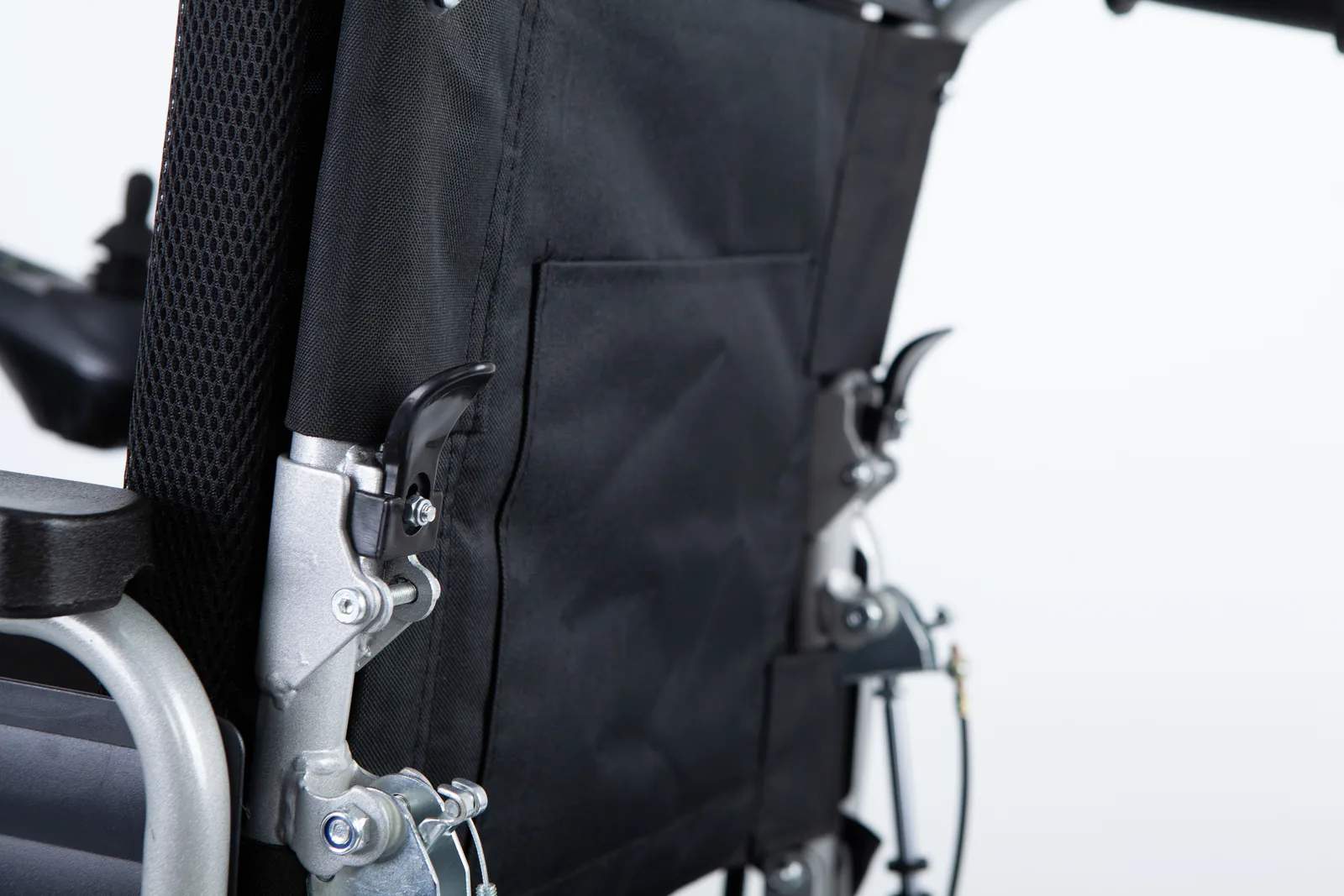
The second step is to identify what the head support will attach to. This is a records task before it is a hardware task. The chair model, the backrest system, and the attachment provision should each be written down from the actual equipment or its documentation, not recalled from a similar job. Care chairs from the same range can carry different backrest configurations, and a model name alone may not distinguish them.
Start with the chair identification: manufacturer, model, and any configuration or build code on the label or order record. Then record the backrest as a separate item, including its own part number if it has one. Finally, record the attachment interface: whether the backrest provides a dedicated receiver, a hole pattern, a clampable structure, or no provision at all. If the interface is a hole pattern, note the pattern as documented by the backrest supplier rather than measuring one example and assuming the rest of the fleet matches.
This is also where the difference between a chair-level and a backrest-level question becomes clear. A chair may be delivered with a backrest that has no head support provision, even though the same chair model is offered elsewhere with one. The order record should state which configuration was purchased. If that information is missing, the honest status is "unconfirmed," and the next action is to obtain the configuration record rather than to guess from the chair's appearance.
Photographs help the handover but do not replace documentation. A photo can show that a bracket is present; it cannot confirm that the bracket is the correct part for that backrest, that it was installed to the supplier's specification, or that the assembly is within an allowed configuration. Treat photos as supporting evidence and part numbers as the record. Where a fleet has several chairs of the same model, identify each unit separately, because a backrest may have been changed or upgraded after delivery and the fleet record may no longer describe what is physically on the chair.
| Interface record | What to write down | Why it matters |
|---|---|---|
| Chair | Manufacturer, model, configuration or build code | Distinguishes chairs sold with and without head support provision |
| Backrest | Backrest part number and system name | The bracket must match the backrest, not just the chair |
| Attachment point | Receiver, hole pattern, clampable structure, or none | Defines whether a bracket is even applicable |
| Head support | Pad, rod, clamp, and bracket part numbers | Allows component-level replacement and verification |
| Document | Manual or accessory list title, revision, and date | Shows what was checked and when |
Use the table as a handover sheet rather than a memory aid. A completed row is a claim that someone has seen the part number or the document; an empty row is an open question. The distinction is useful when a kit is ordered weeks before the chair arrives, because the interface record can be checked against the delivered equipment before installation begins.
Review named supplier documentation
Supplier documentation is the only reliable basis for saying that a particular head support belongs on a particular backrest. Two named sources in this topic illustrate how differently that documentation can be framed, and why one supplier's list should never be applied to another's product.
Healthcare Innovations Australia discusses head support mounting in a knowledge-hub article on getting the mounting right. Its value here is conceptual: it treats mounting as a distinct part of head support provision rather than an afterthought to pad selection. Symmetric Designs publishes a headrest mounting hardware page, which presents mounting hardware as a named product area with its own components. Both are supplier-published materials, and both should be read as statements about that supplier's own range and terminology, not as universal compatibility rules.
That is the practical caution. A dealer who reads one supplier's mounting page and then orders a bracket for a different manufacturer's backrest has crossed from documentation into assumption. The correct use of a named source is to answer: what does this supplier say its hardware attaches to, under what product name, and with what part numbers? If the source does not address the backrest in hand, it has not confirmed anything about that backrest.
Comparing the two sources is instructive precisely because they are framed differently. One treats mounting as a design consideration within head support provision; the other presents mounting hardware as a product category. Neither framing transfers automatically to a third manufacturer's backrest, and neither can be used to fill a gap in another supplier's accessory list. The comparison is useful for shaping the questions a dealer asks, not for supplying the answers.
Part number and allowed configuration
Part numbers do the work that descriptions cannot. A bracket described as "for care-chair backrests" may exist in several variants, each with a different part number and a different allowed configuration. The variant that suits one backrest may be explicitly excluded from another. When reviewing documentation, capture the part number exactly as printed, including any suffix that indicates a variant, finish, or side.
Allowed configuration is the second half of the check. Documentation may state that a head support is intended for a particular backrest system, that it is an optional accessory, or that it must be fitted with specified components. Those statements define what the supplier considers a valid build. A configuration assembled from parts that are individually correct but not listed together is not automatically an allowed configuration, and the supplier is the appropriate party to confirm it.
Where documentation is silent, record the silence. "Not addressed in the supplied accessory list" is a legitimate entry in a handover record and a legitimate reason to ask the supplier before ordering. It is more useful than a confident assumption, because it tells the next person exactly what remains open. It also protects the dealer later: if a question was raised in writing before the order, the record shows that the gap was known and who was asked to close it.
Prepare a configuration handover

A head support order usually passes through several hands: the dealer's sales desk, the seating configuration team, the warehouse, and the technician at delivery. Each handover is a chance for a part number to be dropped or a backrest variant to be confused. A short written handover reduces that risk without prescribing any installation procedure.
The handover should record the document version used, the parts already fitted to the chair, the parts supplied separately, the person responsible for each confirmation, and the items still awaiting evidence. Version matters because accessory lists and manuals are revised; a check made against last year's list may not reflect the current one. Fitted-versus-supplied matters because a bracket already on the chair may be the correct one, a different one, or absent, and the order should reflect what is actually there.
Ownership is the part teams most often skip. A row that says "interface not addressed in list" is only useful if it also says who is chasing the supplier and by when. Without an owner, an open question can sit unresolved until the chair is due for delivery, at which point the pressure to improvise is highest. Naming the owner at the point the question is raised keeps the escalation calm and documented.
| Handover field | Example entry | Owner |
|---|---|---|
| Chair and backrest identified | Model and backrest part number recorded | Dealer |
| Document checked | Accessory list title, revision, date | Seating team |
| Parts already fitted | Bracket present, part number recorded | Technician |
| Parts to supply | Pad, rod, clamp part numbers | Dealer |
| Open questions | Backrest interface not addressed in list | Seating team |
| Escalation route | Supplier confirmation requested | Dealer |
Keep the handover free of fitting instructions. Its job is to establish what is known, who confirmed it, and what remains open. That makes it usable at delivery, at a later replacement, and during any warranty or documentation query. It also gives the receiving team a clear basis for refusing to fit a component that does not match the record, which is a safer outcome than improvising a match at the chair.
Escalate fit and transport questions

Some questions should not be settled by a dealer's paperwork at all. Whether a particular head support provides appropriate support for a particular person is a seating and clinical question, answered by a qualified professional who has assessed that person. A dealer can confirm part numbers and interfaces; it should not decide that a given pad and rod will meet someone's postural support needs, because that judgment depends on the individual and on assessment, not on a catalogue.
Transport is a separate escalation. A wheelchair headrest is not automatically a vehicle head restraint, and fitting a head support does not establish that a chair is suitable for occupied transport or that the head support will perform as a restraint in a collision. Those determinations belong to the transport operator, the vehicle converter, and the relevant standards and testing framework, and they depend on the specific chair, seating, and securement configuration. A bracket that holds a pad in a care setting tells you nothing about crash performance.
There is also a fit question that sits between documentation and clinical judgment: whether the assembled head support can be positioned as the supplier intends on this backrest. If the documentation does not clearly address the combination, the right step is to ask the supplier or the seating professional rather than to modify the hardware. Drilling, bending, or substituting fasteners turns a documented configuration into an undocumented one and removes the basis for any later compatibility statement.
Escalation is not a failure of the process. It is the correct destination for questions the paperwork cannot answer, and recording who was asked and what they said keeps the handover complete. A dealer who escalates early still delivers on time; a dealer who assumes early delivers a kit that may not fit. For related background on how head supports sit within the wider chair assembly, see the parts of a wheelchair overview.
FAQ
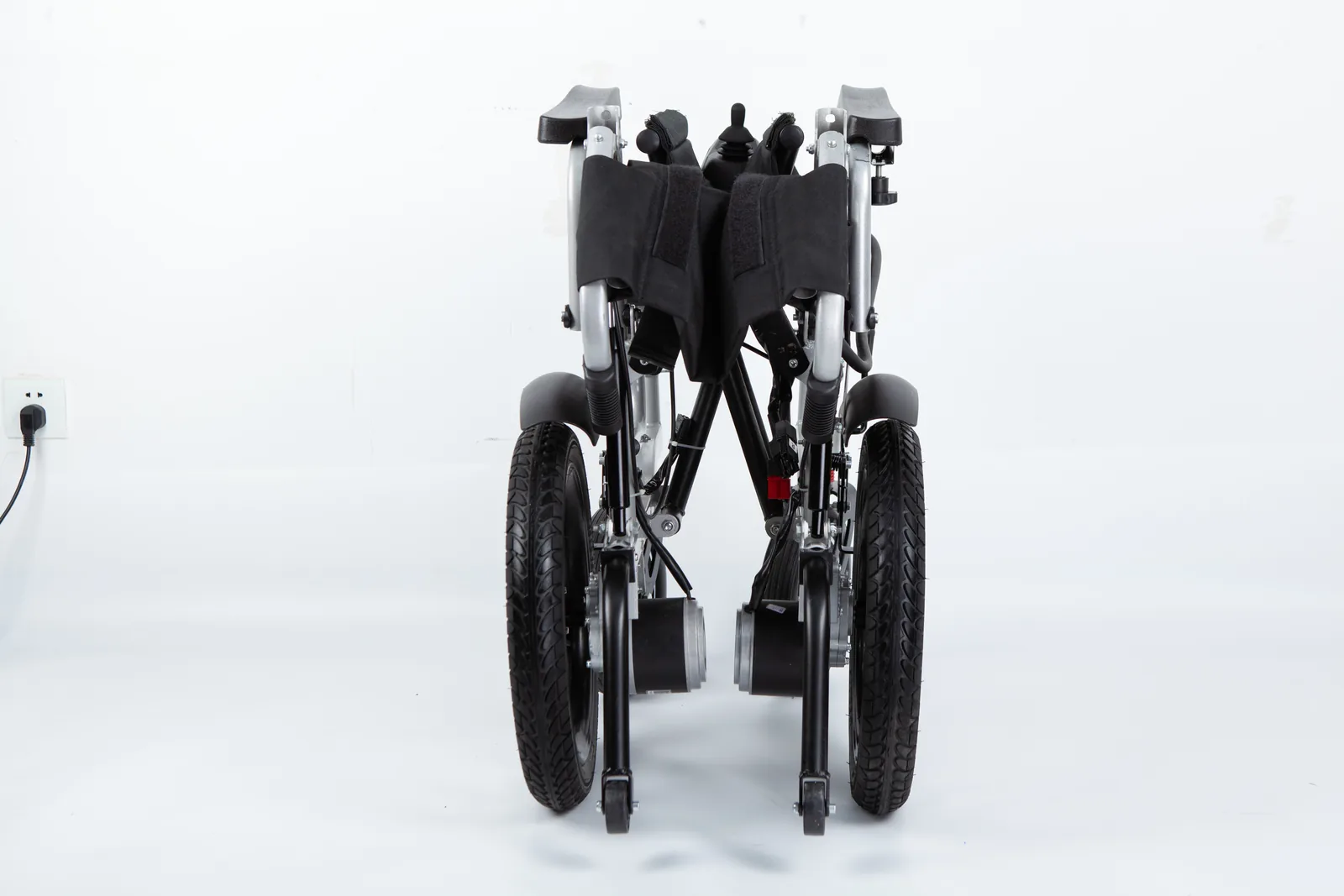
Does a headrest bracket fit every wheelchair back? No. Brackets are designed around specific backrest structures, receivers, or hole patterns, and a bracket listed for one backrest system is not evidence of fit on another. Check the bracket part number against the documentation for the actual backrest, and treat an unaddressed combination as unconfirmed.
Is a wheelchair headrest automatically a vehicle head restraint? No. A head support fitted for seating or care purposes does not establish suitability as a vehicle head restraint, and it does not confirm that the chair is approved for occupied transport. Transport suitability depends on the specific chair, seating, and securement configuration and should be confirmed with the transport operator and the relevant documentation.
Conclusion
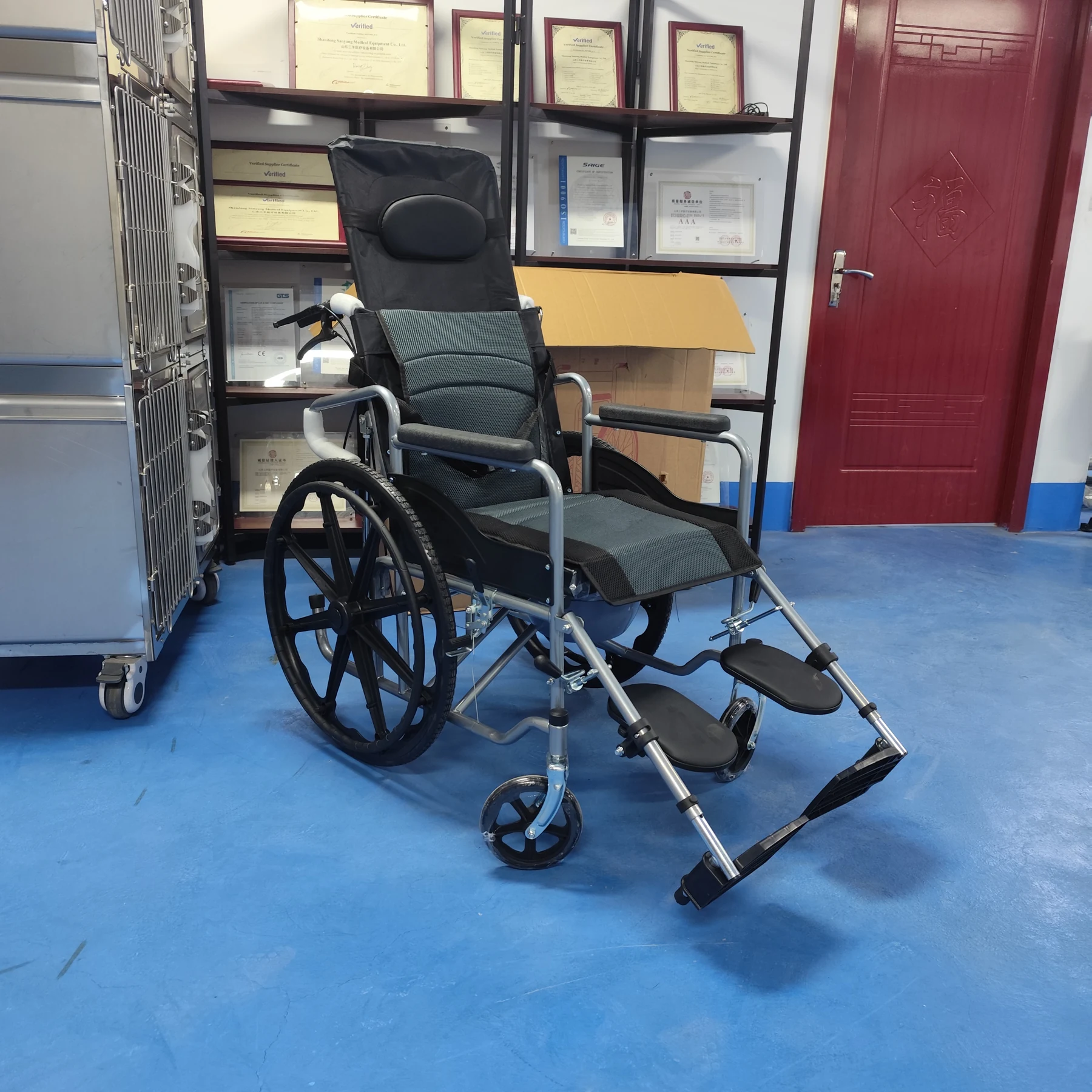
Confirm the pad, rod, bracket, and backrest as four documented parts before ordering. Record what is known, escalate what is not.
Video: X-Tend | Wheelchair Headrest Hardware | Product Demo