
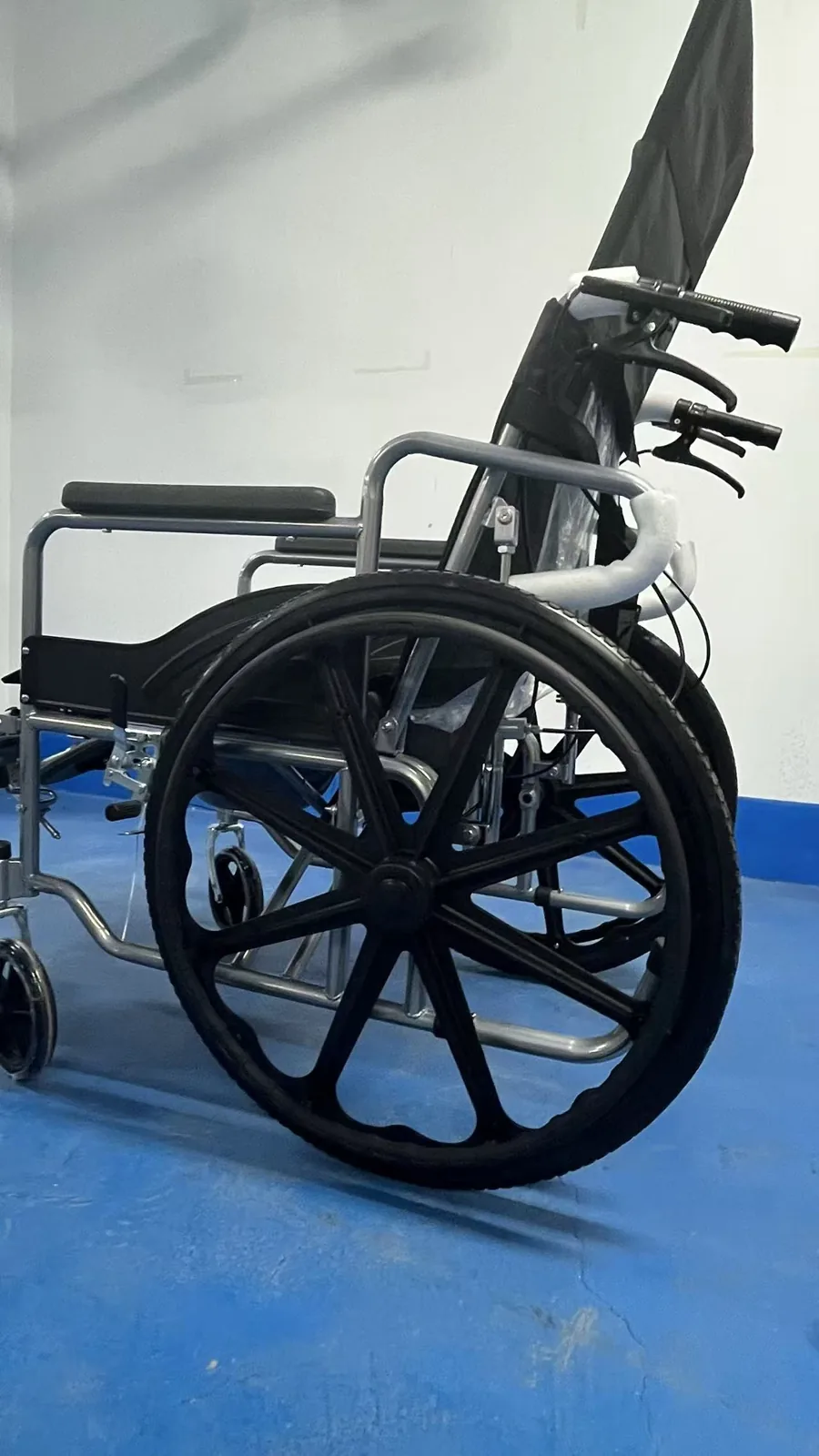
A dealer or seating team is reviewing a manual wheelchair setup and needs to describe where the user and equipment sit relative to the rear axle. The goal is a clear record for a trained reviewer, not a do-it-yourself adjustment.
Wheelchair center of gravity is the combined balance point of the occupant, the wheelchair, and anything carried on it. The rear-axle position sets where that combined load sits relative to the wheels, so reading a setup means recording the model, the load, and the axle position source before anyone changes hardware.
Wheelchair center of gravity: What the center of gravity includes
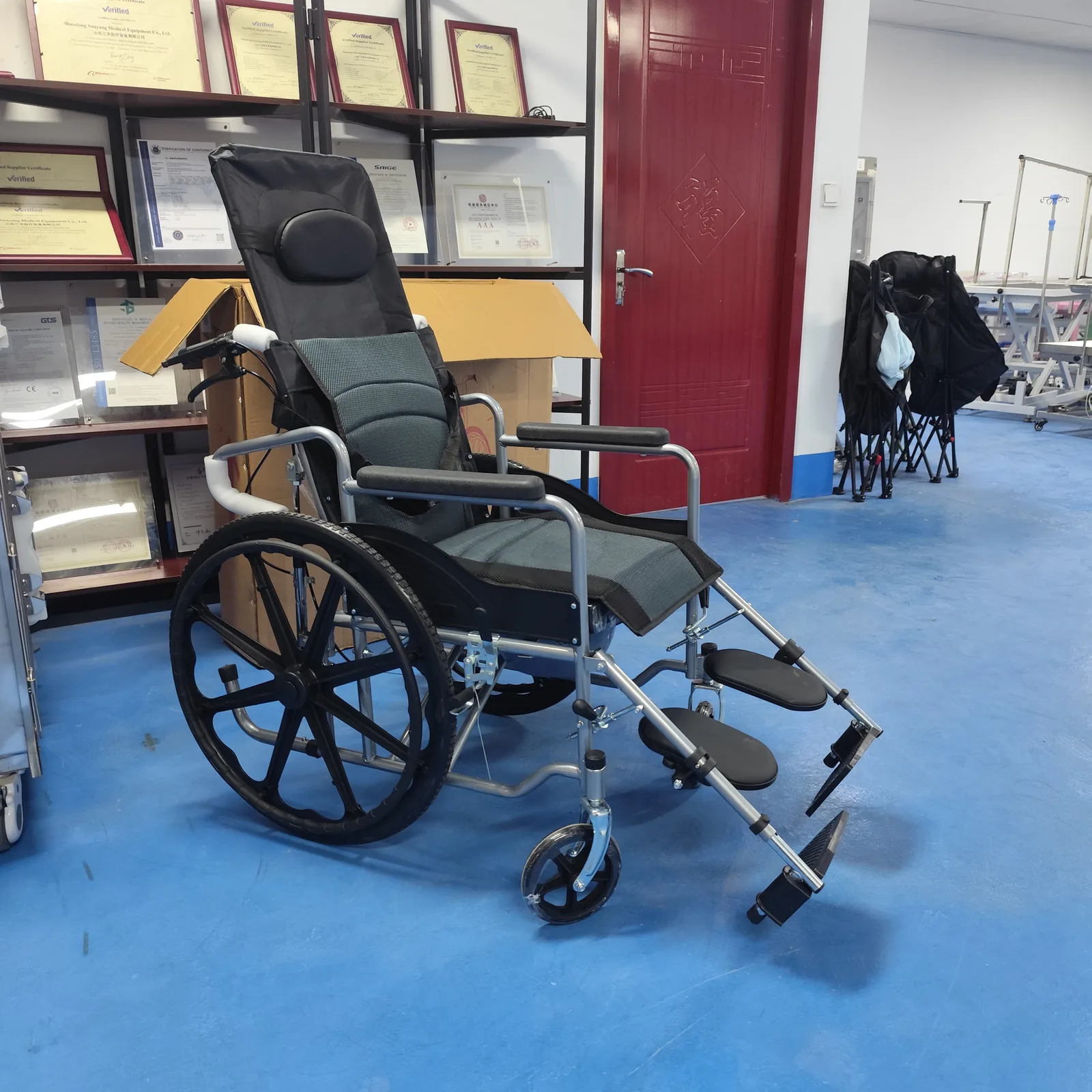
The center of gravity of a wheelchair in use is not a property of the frame alone. It is the balance point of everything that moves with the chair: the person seated in it, the wheelchair itself, and any load added to it. That is why two identical frames can behave differently once different occupants and different equipment are involved. A configuration record that lists only the frame model leaves out the parts that most affect the balance point.
For a dealer or a seating team, this changes what “the same chair” means. A demonstration chair set up for one person is not automatically a reference for another. When a chair is handed over, returned, or reassigned, the relevant question is not only which model it is, but what load it was configured around and where the rear axle sat in that configuration. The NSW Agency for Clinical Innovation’s manual wheelchair configuration material treats rear-axle position as one of the configuration decisions that belongs with the individual setup rather than as a single default.
This matters most in the everyday handover situation. A chair that comes back from a loan period, a trial, or a repair may look unchanged while its setup has quietly moved. If the record does not say which load the axle position was chosen around, the next reader has no way to tell whether the chair is still set up for the same situation. Treating the balance point as a combined property, rather than a frame specification, is what makes that comparison possible.
Occupant and equipment load
The occupant contribution is not a single number that can be read off a scale. Body mass matters, but so does how that mass is distributed — how much of it sits toward the front of the seat, toward the rear, or over the hips. Two people of similar weight can load a chair differently. This is one reason a configuration record should describe the setup rather than reduce it to a weight figure.
Added equipment changes the picture too. A backpack, a bag hung on the push handles, a cushion, a positioning component, or a mounted accessory all add load, and their position matters as much as their mass. A small item carried high and far behind the rear axle is in a different place relative to the wheels than the same item carried low and forward. The record should note what is carried, roughly where, and whether it is part of the normal setup or an occasional addition.
The wheelchair’s own contribution includes the frame, wheels, and any components fitted at the time. Because the rear wheels carry much of the combined load, the axle position is the reference point that makes the rest of the record meaningful. Without a stated axle position, a list of loads describes a chair but not its balance.
How rear-axle position changes the relationship
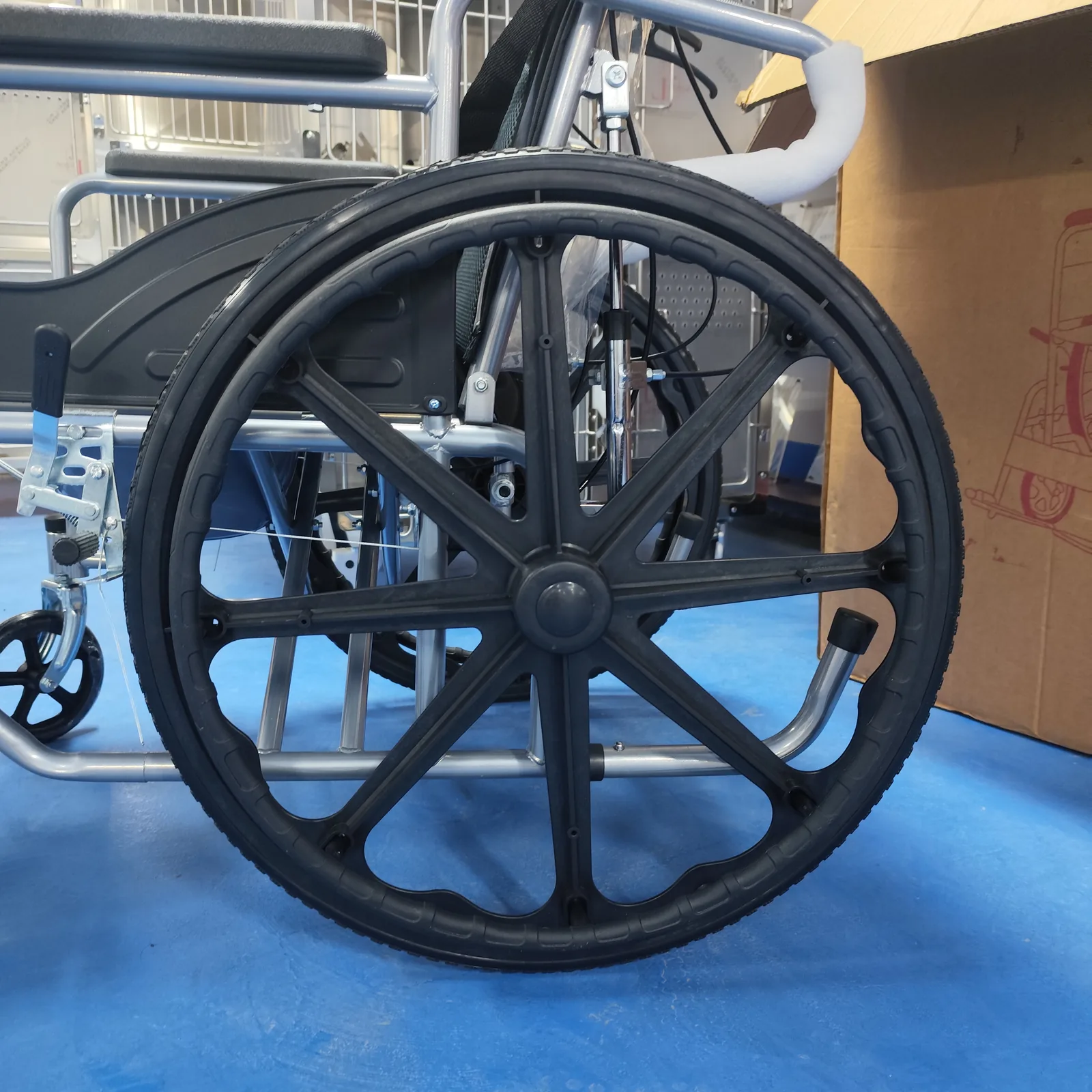
The rear axle is the reference against which the combined load is positioned. Moving the axle forward or rearward relative to the seat changes how the occupant’s weight is distributed between the rear wheels and the front casters. The published configuration guidance from NSW ACI and the National Seating & Mobility discussion of wheelchair centre of gravity both treat this as a relationship to be set deliberately, not a fixed frame characteristic.
A useful way to read a setup is to ask three questions in order. First, where is the axle in this configuration, and what is the source of that information — a manufacturer’s axle plate position, a numbered setting, or a measurement recorded by the person who configured the chair? Second, where does the occupant’s weight sit relative to that axle? Third, what else is attached, and where? The answers belong in the same record, because each one only means something alongside the others.
This is also where documentation discipline matters. Axle position is often described by a setting on an adjustable axle plate rather than by a single universal measurement. A setting number is only comparable within the same model and the same plate design. If a record says “axle in position 3” without the model and the plate reference, a later reader cannot tell what that means. The same applies to any measurement taken from the frame: the reference points and the method need to be stated so the number can be reproduced.
It helps to think of the axle as a pivot line rather than a label. Load placed in front of that line and load placed behind it act on the chair in opposite directions, which is why a modest change in where a bag hangs can matter more than its weight suggests. That is a qualitative relationship, not a measured threshold, and it is the reason a reviewer wants the load description and the axle position side by side rather than in separate files.
For dealers handling several chairs, a consistent recording format is more valuable than any single figure. It lets a returning chair be compared with its earlier setup, and it lets a reviewer see whether a change in reported behavior lines up with a change in the record. The article does not provide a procedure for moving an axle; it provides the information a trained person needs in order to review the setup.
Balance propulsion access and rearward stability

Rear-axle position involves a trade-off that is easier to discuss when the two sides are named separately. Moving the axle affects how easily the occupant can reach and push the rear wheels, and it affects how the chair behaves when load shifts rearward. Neither side can be judged from the axle position alone, and neither should be settled by a general rule.
That is why the two sides are described here as a balance rather than a setting to optimize. A configuration that improves one side may work against the other, and which side deserves more weight depends on the occupant, the equipment, and where the chair is used. A record that captures both the access observations and the stability conditions gives a reviewer the material to weigh that trade-off, instead of a single number that hides it.
Propulsion access
Propulsion access describes how the occupant’s hands meet the handrims and how the arms are positioned to push. The NSW ACI configuration material places handrim access among the setup decisions that are matched to the individual. Axle position is one of the variables that influences where the wheel sits relative to the shoulder and hand, so a change in axle position can change the reach to the handrim.
For a dealer or configurator, the practical point is that propulsion access is an observation about a person in a chair, not a specification of the chair. A record can note the axle setting and the wheel size, but the judgment about whether the reach works belongs with the occupant and a trained reviewer. This is also why a chair configured for one person should not be assumed to suit another simply because the frame size matches.
Rearward stability
Rearward stability concerns how the chair responds when the combined load moves toward the rear — for example when the occupant leans back, when a bag is added behind the axle, or when the chair meets a slope or a lip. The National Seating & Mobility discussion of centre of gravity frames axle position as an adjustment with real consequences for stability, which is why it is treated as a configuration decision rather than a cosmetic preference.
What the record can capture is the conditions under which the chair is used and any equipment carried. What it cannot do is certify that a given setup is stable for a given person. That judgment depends on the occupant, the environment, and the chair together, and it belongs with a qualified reviewer. Anti-tip devices are a separate compatibility question; the anti-tippers compatibility page is the relevant WCF reference for that topic, and it should not be confused with axle position itself.
| Configuration input | What to record | Why it matters for the balance review |
|---|---|---|
| Wheelchair model and frame size | Exact model name and size as marked on the chair | Axle settings are only comparable within the same model and plate design |
| Rear-axle position | Setting number or measured position, plus the reference points and method used | Without the source, a position value cannot be interpreted later |
| Occupant load description | Body mass if known, plus a description of how weight sits in the seat | Distribution affects the combined balance point, not just total mass |
| Seat cushion and positioning components | Type and whether fitted at the time of assessment | These change both the load and the seated position |
| Carried equipment | Item, approximate mass, and location relative to the axle | Rearward and high loads sit differently from low, forward loads |
| Use environment | Typical surfaces, slopes, transfers, and transport | Stability questions depend on where the chair is actually used |
| Review status | Who configured the chair, when, and what still needs confirmation | Separates recorded facts from open questions |
Read the table as a single record rather than a set of independent fields. A model name without an axle setting does not describe a configuration, and an axle setting without the load description does not describe a balance point. The last row is the one that keeps the record honest: it marks which entries are confirmed facts and which are still open, so a reviewer knows where to start.
Record equipment and load before an assessment
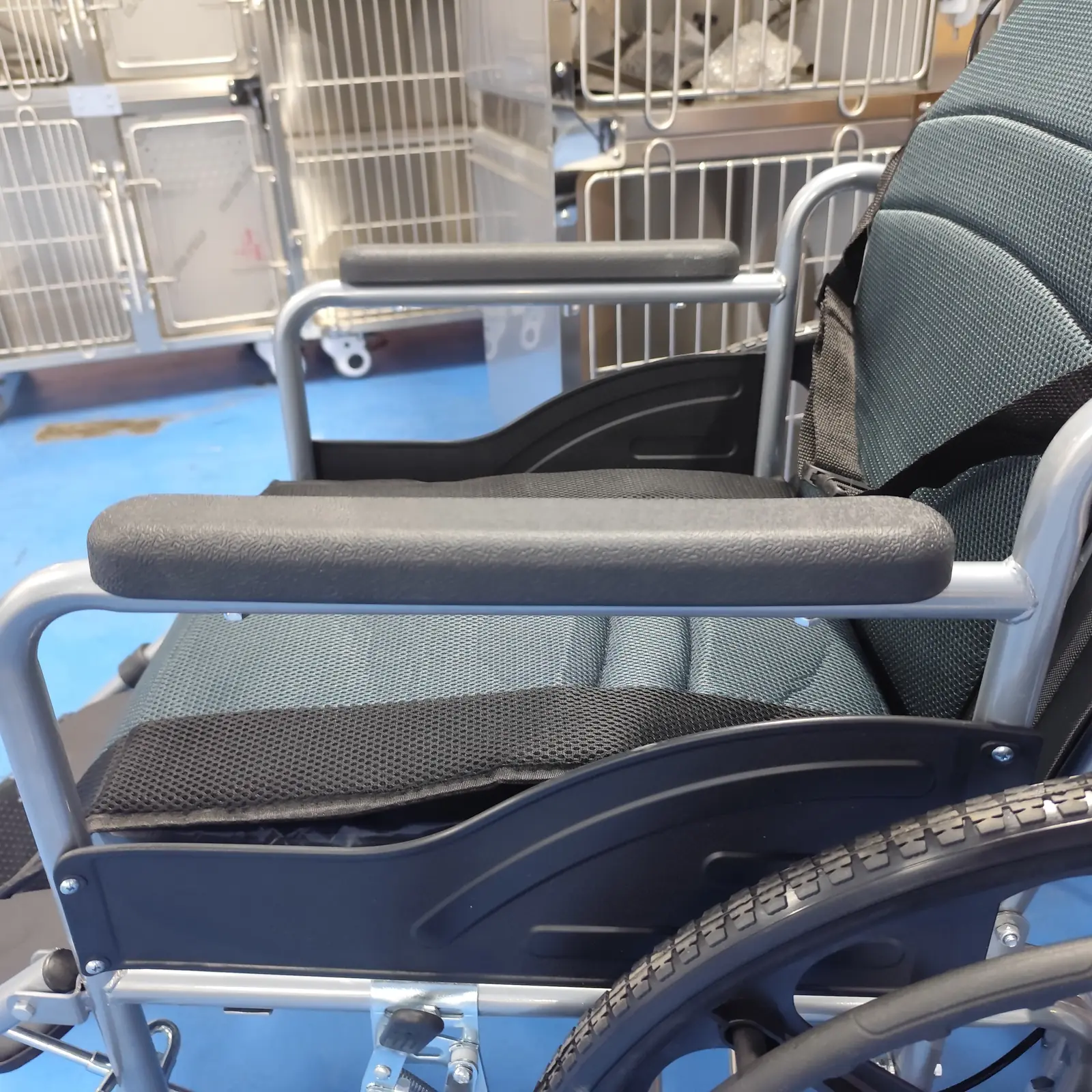
A configuration record is most useful when it is written before the assessment rather than reconstructed afterward. The purpose is to give the reviewer a factual starting point: what chair, what load, what axle position, and what the chair is used for. That lets the assessment focus on the decisions that need professional judgment instead of on gathering basic facts.
Start with the chair. Record the exact model, frame size, wheel size, and any configuration label on the frame or axle plate. If the chair has an adjustable axle plate, note the setting and how it is marked. If the position was measured, note the reference points and the tool used. A record that says “axle moved forward” without a starting point cannot be checked later.
Then record the load. Note the cushion and any positioning components fitted at the time, since these affect both the seated position and the load. List carried equipment separately: what it is, roughly how heavy, and where it sits relative to the rear axle. A bag on the push handles and a bag under the seat are not equivalent entries. If equipment changes through the day, say so; the reviewer needs to know whether the recorded setup is typical or a best case.
Finally, record the environment and the open questions. Typical surfaces, slopes, curbs, transfers, and transport arrangements all shape what stability means in practice. Then list what still needs confirmation: whether the axle setting is the one the chair was configured with, whether the carried load is representative, and whether any component has been changed since the last review. This is the information a trained reviewer can act on, and it is also the information a dealer needs when a chair is returned or reassigned.
A simple discipline keeps the record usable over time. Date each entry, name the person who made it, and keep earlier versions rather than overwriting them, so a later reader can see what changed and when. Where an entry is an estimate — an approximate bag weight, for instance — label it as an estimate. That way the record distinguishes what was observed from what was assumed, which is exactly the distinction a reviewer needs when deciding what to re-check.
Who should make and verify changes
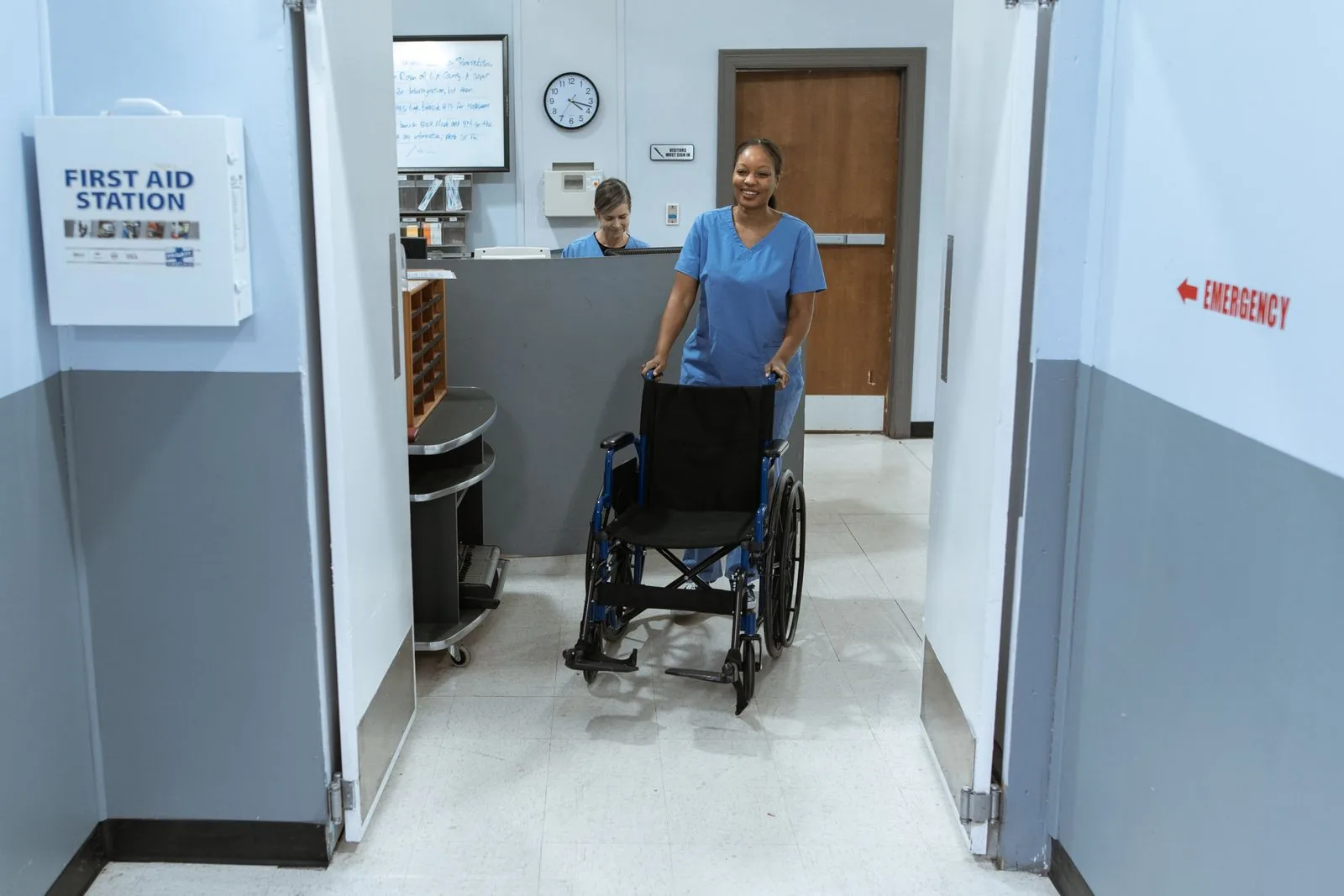
Rear-axle position and the related balance of a manual wheelchair should be set and verified by trained personnel working with the occupant, not by a reader following general instructions. The published configuration guidance treats these as individual setup decisions, and the consequences of a poor setting — reduced propulsion access or reduced rearward stability — are exactly the kind of outcome that should be checked by someone able to observe the person in the chair.
For a dealer, this means a clear division of roles. The dealer can gather and maintain the configuration record, confirm the model and axle setting, and pass the record to the reviewing clinician or technician. The dealer should not reposition an axle on the basis of a general article, a comparison with another chair, or an assumption about what a typical user needs. If a customer reports that a chair feels different after a change, the useful response is to document what changed and route the question to the person who configured the chair.
For a seating team, the record is the handover document. It should state what was set, by whom, when, and on what basis, and it should distinguish measured facts from observations. Where a decision depends on the occupant’s own report — for example, how the handrims feel during propulsion — that report belongs in the record as the occupant’s account, not as a measured result.
For a user or family member, the practical step is to keep the record with the chair and to raise changes with the supplier or clinician rather than adjusting hardware independently. Questions about a specific WCF model’s axle configuration should go to the supplier with the exact model information, because settings and plate designs differ between models. The Wheelchairs Factory site is the brand reference for model enquiries.
FAQ
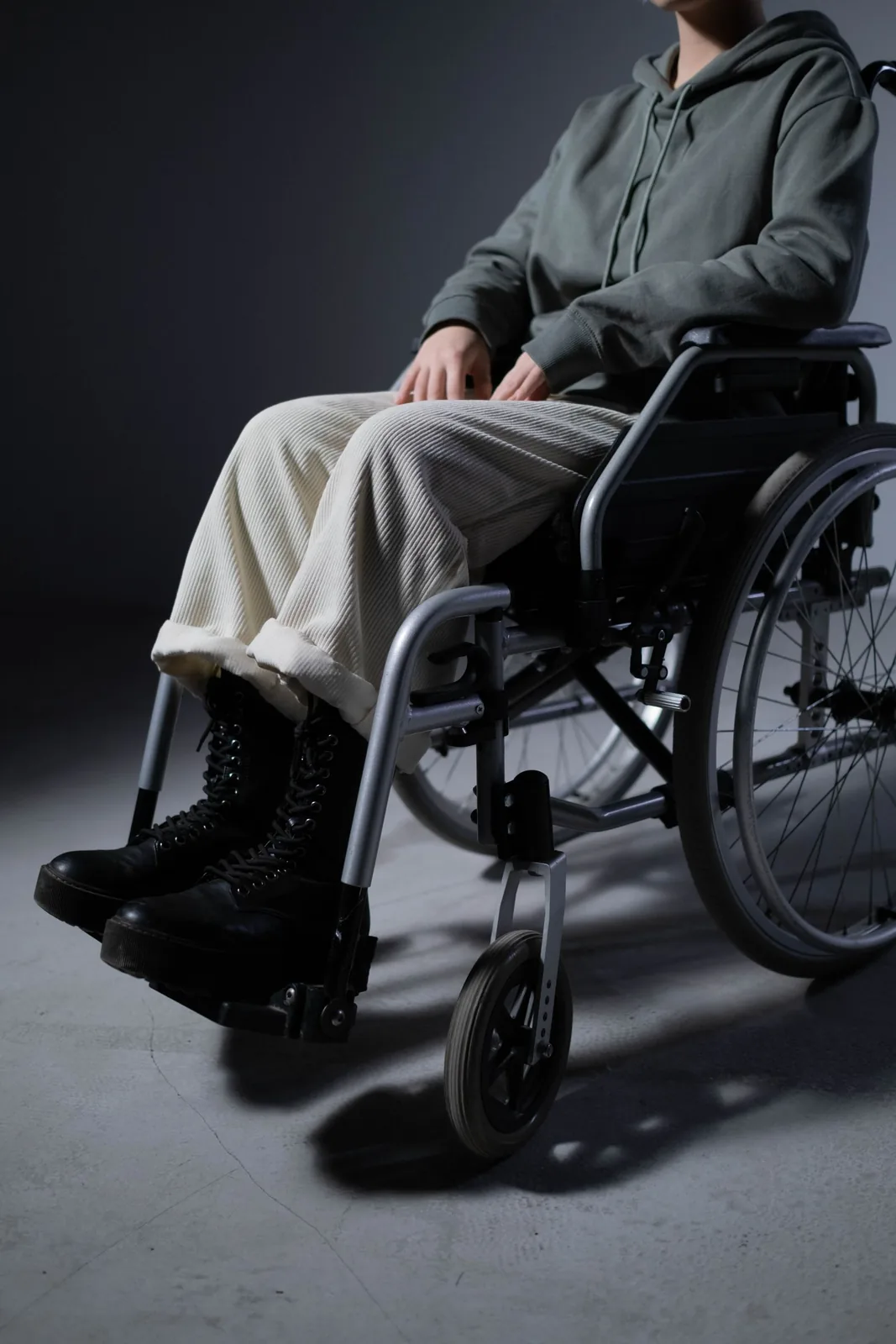
Does a bag change the overall balance?
It can. A bag adds load, and where it sits relative to the rear axle matters. A bag carried high on the push handles sits in a different place from one carried low and forward. The record should note the item, its approximate mass, and its location so a reviewer can judge whether the carried load is representative of normal use.
Can one axle position fit every user?
No single position can be assumed to suit every user. Axle position interacts with the occupant’s weight distribution, the seat and cushion setup, the equipment carried, and the environment. The published configuration guidance treats it as an individual decision, which is why the record should describe the specific setup rather than a general recommendation.
Conclusion
Record the model, load, and axle position before any review, and let trained personnel set and verify changes. Keep the record with the chair.
Video: Wheelchair Center of Gravity