

A care-home equipment manager or dealer ordering a manual wheelchair often has to choose between fixed, folding, removable, and height-adjustable wheelchair push handles. That choice affects attendant pushing, storage, transport, and how the chair is handled when it is not in use.
Push handles are the rear grips an attendant uses to push and steer a manual wheelchair; they are separate from the handrims the seated user turns. Compare handle styles by adjustment, mounting, and the manufacturer’s own fit and lifting instructions, not by appearance alone.
Wheelchair push handles: What push handles are for
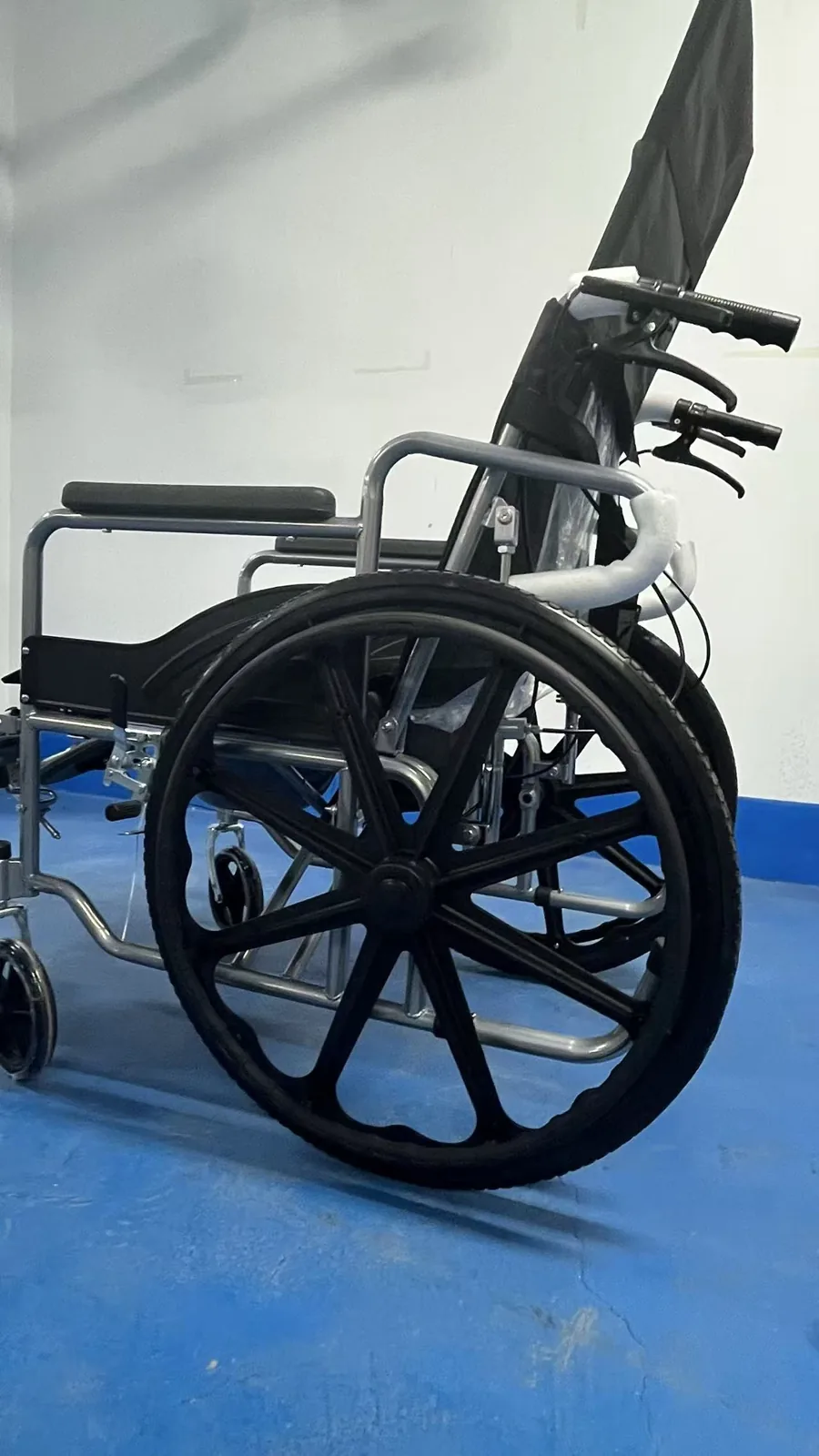
Push handles exist for the person behind the chair. An attendant grips them to propel, steer, and steady a manual wheelchair during indoor or outdoor travel. They sit at the top rear of the frame, usually as a pair, and their position lets someone standing behind the chair apply force without reaching down to the wheels. For a care facility, that is the everyday interface between staff and chair: the part that determines whether a taller or shorter caregiver can push comfortably and whether the chair can be stored compactly between uses.
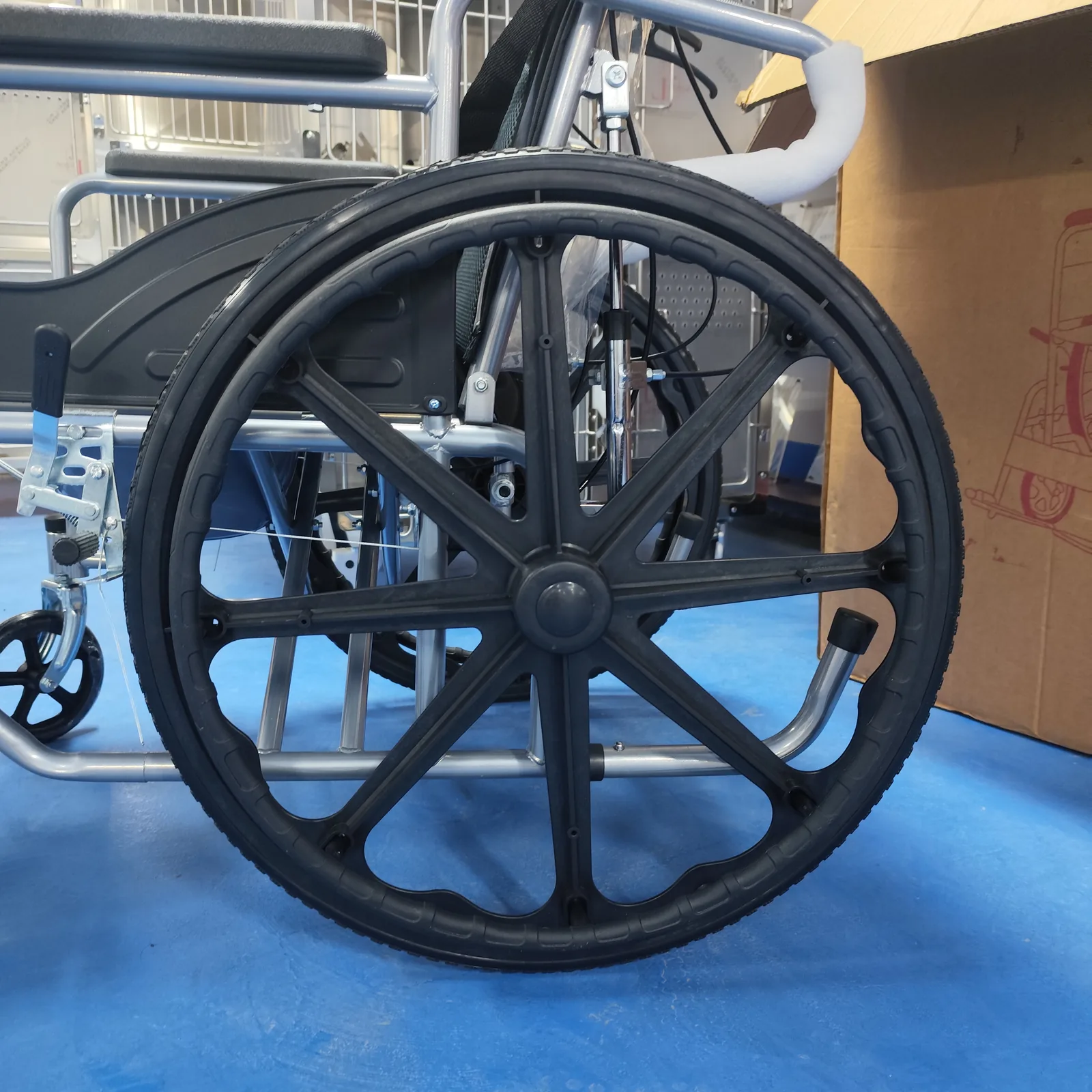
The first distinction to settle is between push handles and handrims, because the two are easily confused in conversation and in purchasing notes. Handrims are the circular tubes mounted just outside the rear wheels. The seated wheelchair user turns them to self-propel. Push handles are the rear grips used by a standing attendant. They are not interchangeable, and a chair can have one without the other. A manual wheelchair intended mainly for attendant pushing may still have handrims, but the handles are the part the caregiver actually holds.
This matters for how you describe a requirement. If a facility says it needs “better handles,” the supplier cannot tell whether staff want a different rear grip, a different handrim surface, or both. Writing the requirement as “attendant push handles for staff use” keeps the request specific. It also separates two different users of the same chair: the resident who may self-propel, and the staff member who pushes. A handle choice that suits one does not automatically suit the other, and neither choice is a clinical seating decision.
Push handles also carry a handling role beyond propulsion. Staff may use them to guide a chair through a doorway, hold it steady while a brake is applied, or position it at a table. Each of those tasks depends on the handle being securely mounted and on staff knowing what the handle is designed to bear. That is why the later sections on mounting and manual warnings matter as much as the style comparison itself. A handle that is comfortable to grip but poorly matched to the frame interface creates a maintenance question rather than a pushing improvement, and a handle whose intended use is unclear creates a training question for every shift that touches the chair.
Compare fixed, folding, removable and height-adjustable styles
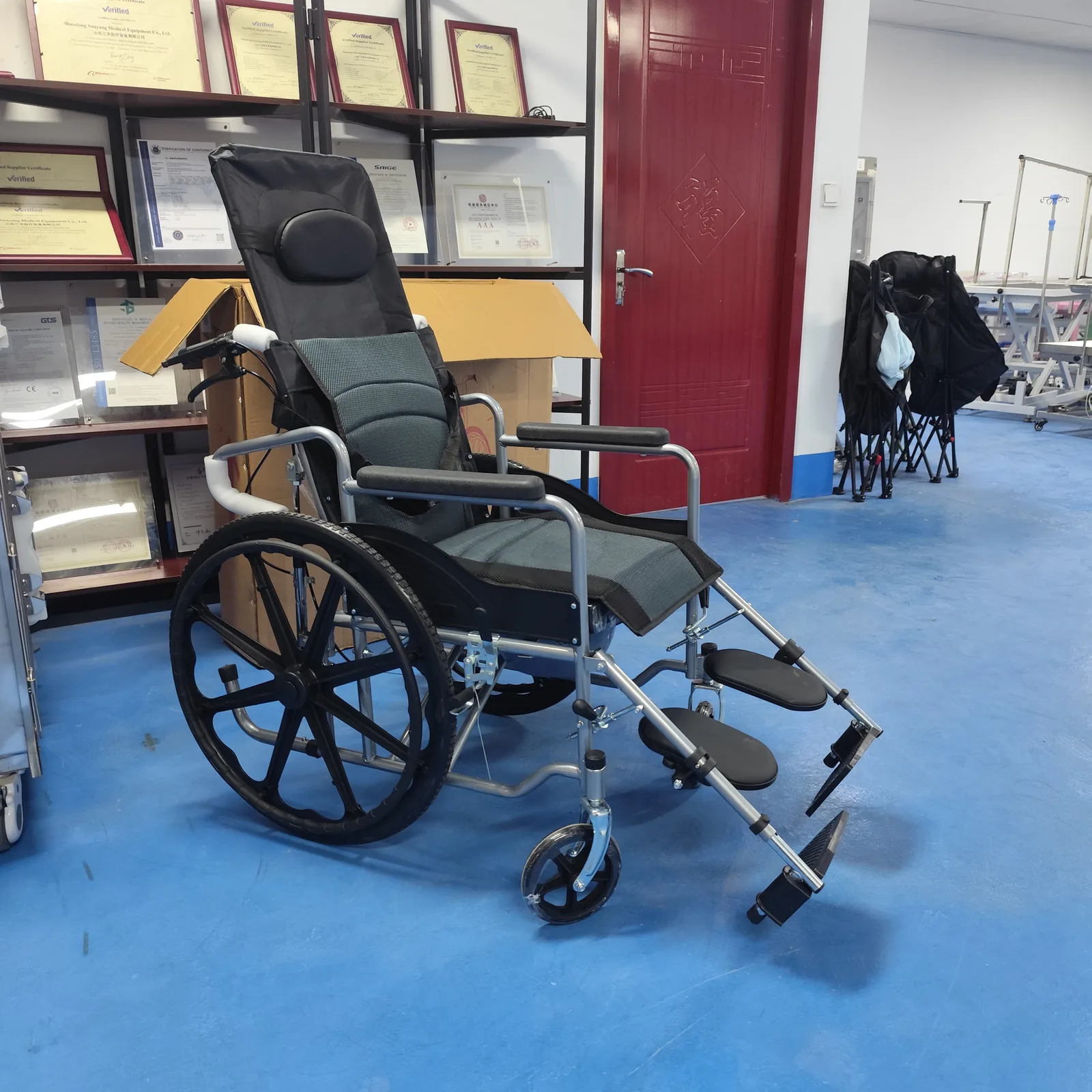
The four common attendant options differ mainly in two ways: whether the handle moves, and whether its height can change. A fixed handle is a single rigid unit attached to the frame. A folding handle pivots down or inward so the chair takes less space. A removable handle detaches from its mount, typically for storage or transport. A height-adjustable handle slides or telescopes within a range so the grip sits at a different level. Some chairs combine features, such as a height-adjustable handle that also folds, so treat the categories as building blocks rather than exclusive product types.
The practical comparison below uses qualitative differences only. It does not assign dimensions, load ratings, or adjustment ranges, because those are model-specific and must come from the named manufacturer’s documentation.
| Style | Main benefit | Main trade-off to check | Typical planning question |
|---|---|---|---|
| Fixed | Fewest moving parts; grip position stays put | Does not fold or detach; adds to stored length and height | Does the storage space accept the chair with handles in place? |
| Folding | Reduces chair profile for storage or transport | Pivot and latch need checking; folded position may still protrude | Who folds and unfolds them, and is the action documented? |
| Removable | Handles can be taken off entirely | Separate parts can be misplaced; reattachment must be correct | Where are removed handles stored, and who refits them? |
| Height-adjustable | Grip level can be changed within the model’s range | Adjustment mechanism and its locking need verification | Which caregivers use this chair, and what range does the manual state? |
Read the table as a set of questions, not a ranking. A fixed handle is not automatically the sturdiest option, and a removable handle is not automatically the most convenient. What changes between them is the handling routine around the chair: whether it must shrink for a cupboard, fit a vehicle, or serve several staff members of different heights. The best choice is the one whose documented behavior matches that routine.
Folding or removable
Folding and removable handles are both space strategies, but they solve slightly different problems. Folding keeps the handles attached while reducing how far they project, which suits a chair that is stored or carried regularly but should stay ready to push. Removable handles let the rear of the chair become much cleaner, which can help where the chair must fit into a tight vehicle space or where handles could catch on surroundings during transport. The cost is a separate part to track.
For a facility, the deciding issue is often routine rather than geometry. If several staff share a chair and fold it many times a day, the folding action and its latch become a daily touchpoint that should be demonstrated at handover. If handles are removed for transport, the facility needs a named storage place and a rule for refitting before the chair is used again. A removable handle that is left off, or refitted incorrectly, changes how the chair can be pushed. Ask the manufacturer whether the specific model’s handles are intended to be removed routinely or only for defined situations, and follow that instruction rather than assuming either way.
Height-adjustable or fixed
Height-adjustable handles address a real operational problem: one chair may be pushed by caregivers of noticeably different heights across shifts. Adjustment lets the grip level change within whatever range the manufacturer specifies, which can reduce the need for staff to stoop or reach. Fixed handles remove that adjustment step entirely and keep the grip position predictable, which can suit a chair assigned to one main attendant or a setting where simplicity is preferred.
Do not convert this into a height formula. There is no universal grip height that fits every caregiver, and this article does not provide one. The correct input is the adjustment range stated for the exact model, compared with the people who will actually push the chair. Record that range from the manual or specification sheet, note who uses the chair, and confirm the adjustment locks securely in each position according to the manufacturer’s instructions. If the documented range does not cover the staff group, the answer may be a different model or a different handle option, not an improvised extension.
Check mounting and model-specific compatibility
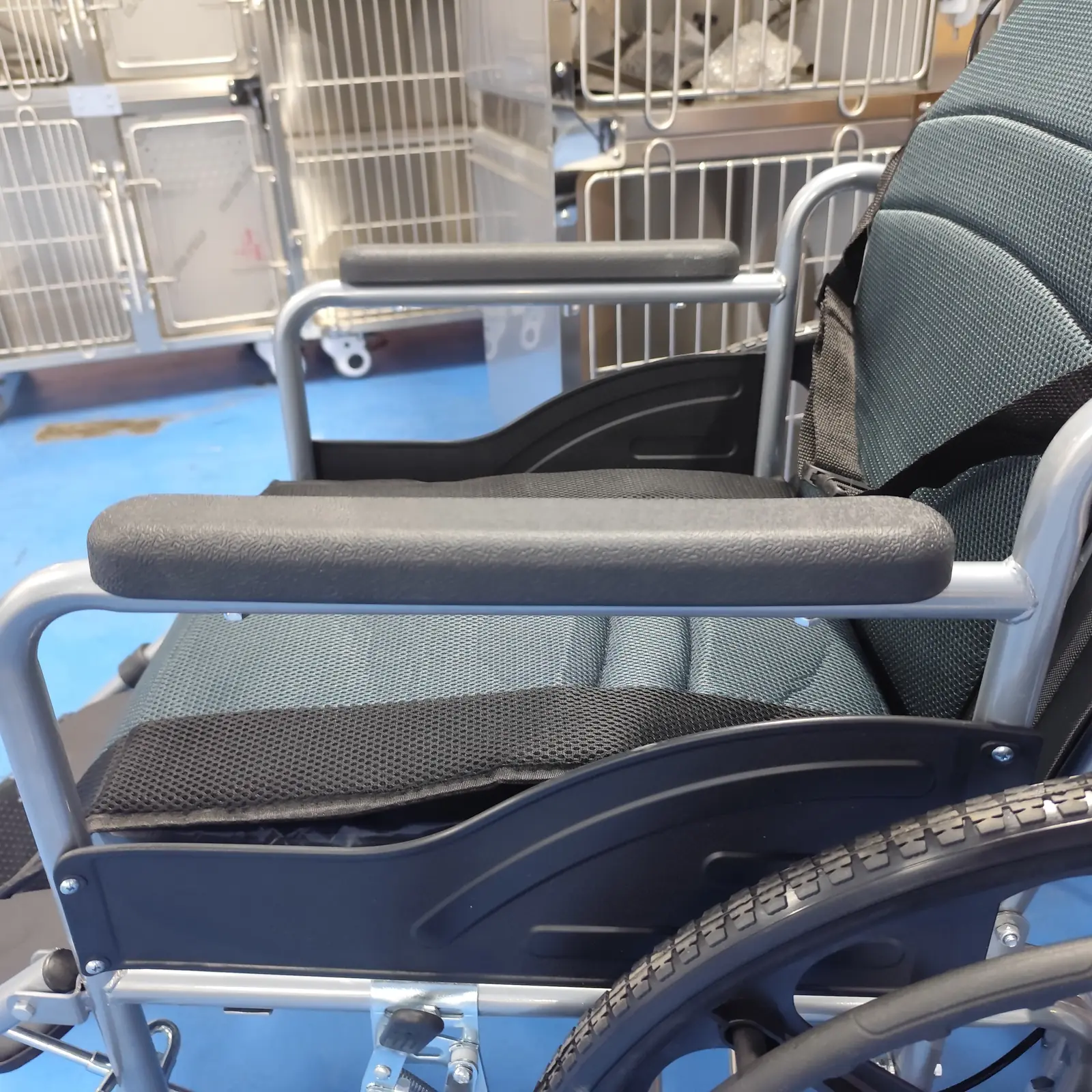
A push handle is only as useful as its connection to the chair. Mounting is where most compatibility problems appear, because handles attach to a specific frame interface, tube diameter, or receiver design. Two handles that look similar in a catalogue may not share the same fitting. Before ordering, identify the exact wheelchair model and, where the manufacturer uses them, the serial or build details. Then check the handle option against that model’s own accessory information rather than against a general description.
A workable verification routine has four steps. First, record the chair’s make, model, and any configuration details the manufacturer requires for accessory matching. Second, obtain the handle specification for that model, including how it attaches and whether any frame part must already be present. Third, confirm whether the handles are supplied as a pair and whether fitting hardware is included. Fourth, check the installation instructions and decide who is competent to fit them. None of these steps can be replaced by a photograph, because a picture cannot confirm the interface or the intended use.
Manufacturer fit and mounting
Manufacturer accessory pages are the right place to start, but they support only what they actually state. Published push-handle ranges from established wheelchair makers, such as the accessory listings from Etac and EPC Wheelchairs, show that handle options are organized by product family and model. That is a useful reminder that fit is model-bound. Use such pages to understand the categories and the kind of information a specification should contain; do not transfer one maker’s fitting details, adjustment range, or compatibility statement to a different brand or model.
For Wheelchairs Factory chairs, the same rule applies in reverse: confirm the handle option against the exact WCF model documentation rather than assuming that a style shown elsewhere will fit. Where the documentation is unclear, the precise question to put to the supplier is: which handle option is listed for this model, how does it attach, and what does the manual say about its use? Keep the answer with the chair’s records so the next order or repair does not restart the search. A short compatibility note per chair is more useful than a folder of general brochures, because it answers the question a technician or purchaser will actually ask when a handle needs replacing.
Record caregiver and storage needs
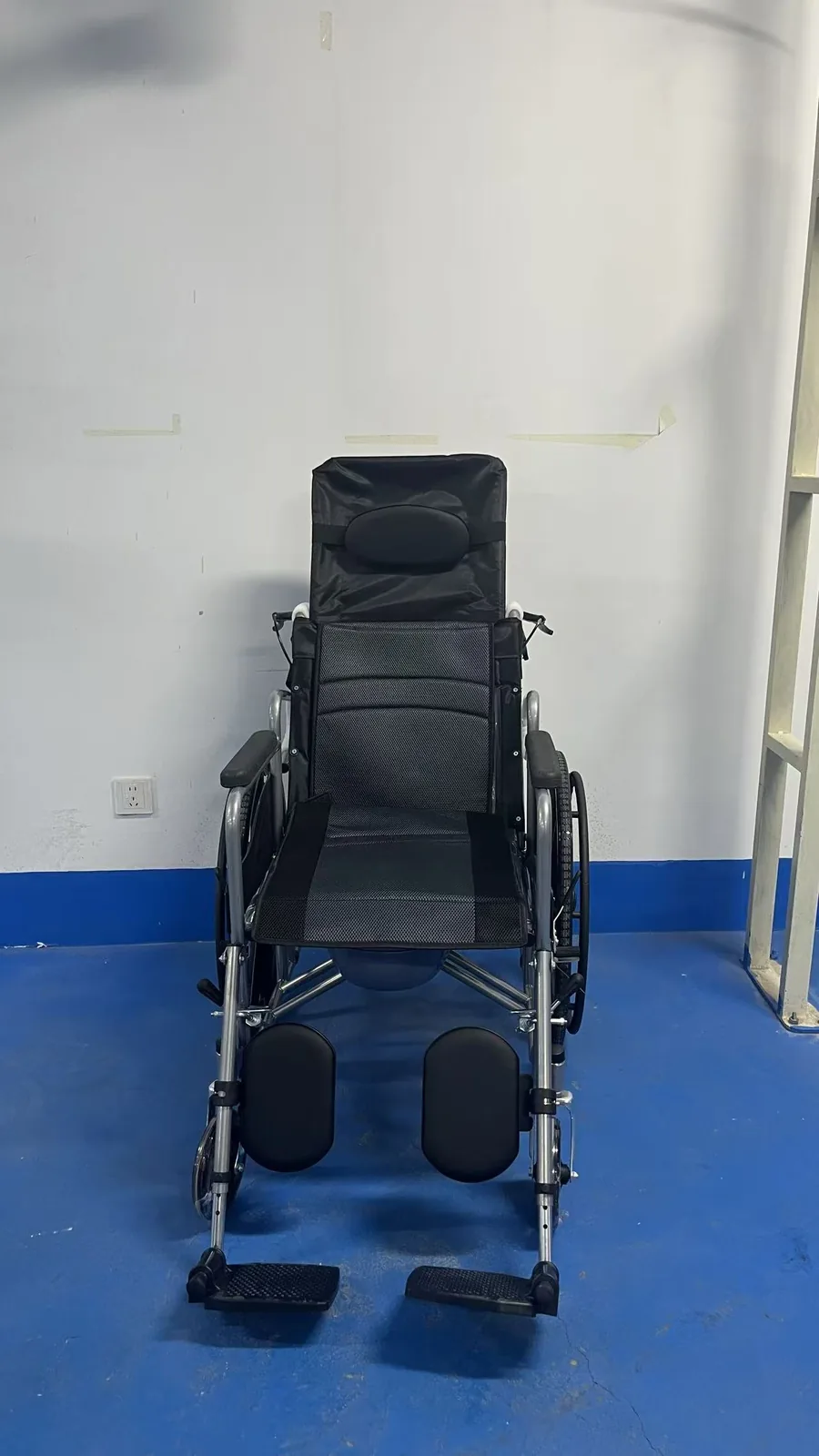
Handle selection improves when the facility writes down who pushes the chair and where it goes when not in use. This is an operational record, not a clinical assessment. It captures the everyday facts that determine whether a handle style will work: the number and height spread of attendants, whether the chair is pushed indoors, outdoors, or both, whether it is folded or transported regularly, and how much space is available where it is stored.
A simple selection record can be kept per chair or per chair type. It should include the exact model, the handle style currently fitted, the adjustment range if the model documents one, the staff group who push it, the storage location and its constraints, and any handling instructions from the manual. When a chair is replaced or a new batch is ordered, that record becomes the brief. It also exposes mismatches early: a chair stored in a narrow cupboard with fixed handles, or a shared chair whose adjustable handles are never readjusted between users, shows up as a routine problem rather than a surprise.
Storage deserves its own line because handles change the chair’s footprint. Folding or removable handles can reduce the space needed, but only if staff actually use the feature and only within what the manufacturer intends. Check the stored position against the real cupboard, vehicle, or charging bay, and note whether the handles protrude when folded. For a fleet, standardizing on one handle style per chair type simplifies training and spare-part planning, but only where that style suits the storage and staffing pattern. Where it does not, record the exception rather than forcing uniformity.
A useful record also notes the pushing environment. A chair used mostly on smooth indoor floors and short corridors places different demands on a handle than one taken across outdoor surfaces, thresholds, or ramps, where the attendant may need a firmer, more continuous grip. This does not justify a claim that one style is better outdoors; it simply tells the next purchaser which conditions the current choice was made for, so a replacement can be judged against the same conditions rather than against a catalogue image.
Read lifting and locking warnings in the manual

The manual for the exact model is the authority on what the handles may and may not be used for. Two warning areas matter most for attendant handles. The first is lifting: some manufacturers warn against lifting a wheelchair by removable or folding parts, including push handles, because those parts may release or may not be designed to carry the chair’s weight. The second is locking: adjustable or folding handles may need to be secured in position before use, and the manual should state how that is confirmed.
Do not generalize a warning from one brand to another, and do not assume that a sturdy-looking handle is a lifting point. If staff need to lift a chair over a threshold or into a vehicle, the correct source is the manufacturer’s handling instructions for that model, which may specify designated lifting points or may direct the task elsewhere. Where the manual is silent or unclear, treat lifting by the handles as unconfirmed and ask the supplier before adopting it as practice. The same discipline applies to removable handles: the manual should say whether they are meant to come off routinely and how they are refitted, and staff should follow that rather than an improvised routine.
Build these warnings into handover. A new staff member who is shown how to fold a handle but not told that it is not a lifting point has been trained incompletely. Keep the relevant manual section with the chair’s record, and review it when handles are changed or a new model arrives. The same review is a good moment to check that the fitted handles still match the model listed in the record, since a replacement part fitted during a repair can quietly change what the manual’s instructions apply to.
FAQ
Are push handles the same as handrims?
No. Handrims are the tubes on the rear wheels that the seated user turns to self-propel. Push handles are the rear grips a standing attendant uses to push and steer. They serve different people and different tasks, and a chair’s handle choice should be described separately from its handrims.
Can every handle be used to lift a wheelchair?
No. Whether a handle may be used to lift a chair depends on the exact model and what its manual states. Some manufacturers warn against lifting by removable or folding parts. Check the named model’s handling instructions, and if they are unclear, confirm with the supplier before staff adopt any lifting practice.
Conclusion

Compare push handles by style, mounting, and the manufacturer’s documented warnings, then record who pushes each chair and where it is stored. Confirm fit against the exact model before ordering.
Explore related component guidance in Parts of a Wheelchair.