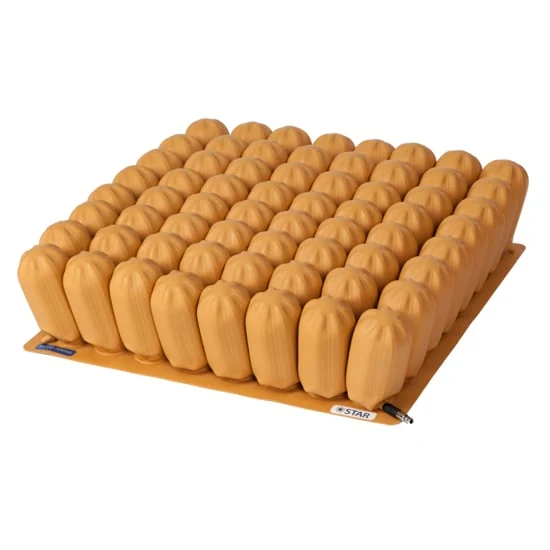
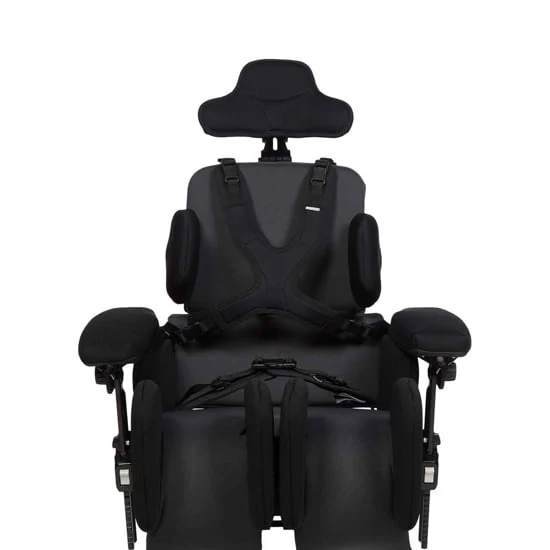
A rehabilitation seating team or equipment buyer comparing custom molded wheelchair seating vs off the shelf options must decide what to document before a system is ordered, fitted, and handed over. The two routes differ less in marketing language than in how much of the shape is defined in advance, who defines it, and what must be verified afterward.
Custom molded seating is built from a shape captured for one named user, while off-the-shelf seating uses pre-defined sizes and adjustable modules. The practical check is not which is better, but which route your team can document, interface, maintain, and review with the clinical team.
This comparison is written for seating teams and procurement staff, not as a prescribing guide. It organizes the questions and records that make either route traceable, and it deliberately keeps product facts separate from the clinical judgment that belongs to a qualified seating team.
Custom molded wheelchair seating vs off the shelf: Define configurable and custom-molded seating
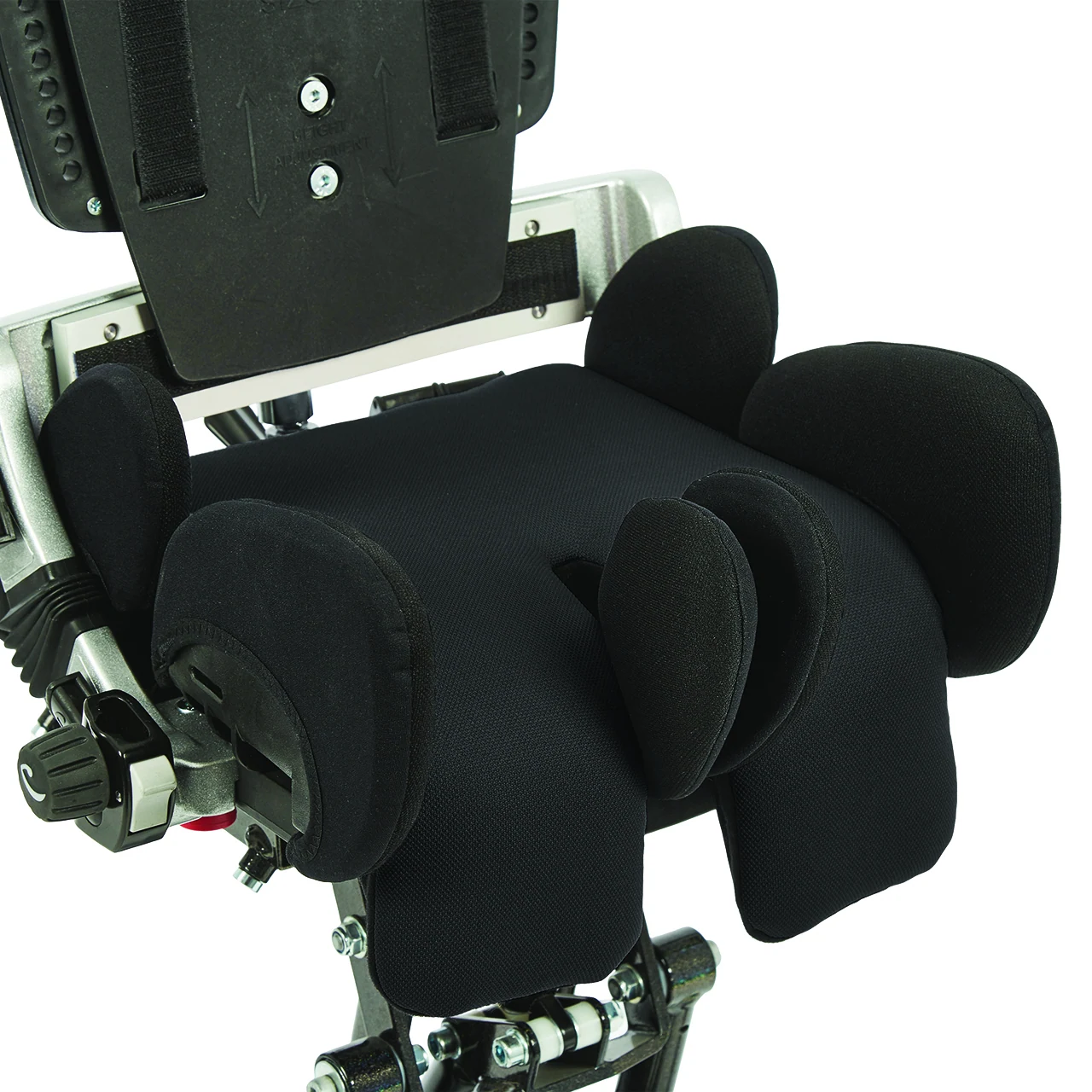
The first step is to stop treating “custom” and “off-the-shelf” as a single yes-or-no label. Off-the-shelf seating is often described as modular: a set of standard components — back, seat, laterals, and mounting hardware — that can be adjusted in position and angle within the manufacturer’s range. A modular wheelchair seating system is therefore defined by its published options and limits. Custom moulded wheelchair seating starts from a shape created for a specific person, typically through a molding or scanning process, and that shape becomes the reference for the finished support surface.
That distinction matters for procurement because it changes what is fixed and what is adjustable. A modular system’s adjustment range is defined by the manufacturer and can be re-set later within those limits. A molded shape is defined once, for one user, and later change usually means modifying or replacing the shell rather than turning a knob. Neither fact says anything about comfort, posture, or clinical outcome; those are judgments for the qualified team, and a supplier’s description of a molding method is not evidence that a given person will benefit from it.
A second distinction is where the boundary of the product sits. A molded seat may be a shell that mounts to a wheelchair frame through specific hardware, or it may be part of a larger seating and positioning system. Off-the-shelf components may be sold as a complete kit or as separate modules from different suppliers. Before comparing anything, write down what each quotation actually includes: the support surface, the mounting interface, the cushion or cover, the hardware, and the documentation. Two quotations that both say “seating system” can describe very different scopes.
A useful working definition for a procurement file is:
- Configurable/off-the-shelf: standard sizes and modules, adjusted within published limits, usually replaceable as individual parts.
- Custom molded: a user-specific shape, produced through a named process, with its own interface and modification path.
Keep these definitions descriptive. They describe how the product is made and adjusted, not who should receive it. A team that keeps the two labels descriptive will find it easier to ask suppliers precise questions, because each question can be tied to a specific document rather than to a general impression about which route sounds more advanced.
Compare the documentation and assessment steps

The documentation trail is where the two routes diverge most clearly, and it is the part a seating team can control. For off-the-shelf seating, the core documents are the manufacturer’s size chart, adjustment ranges, weight and mounting limits, and the instructions for setting up each module. For custom molded seating, the core documents include the shape-capture record, the fabrication specification, the interface drawing or mounting details, and the delivery and fitting record. A wheelchair seating assessment is the clinical process that precedes both, but the records it produces are used differently.
Both routes depend on an assessment, but the assessment feeds different outputs. With modular seating, the assessment usually ends in a configuration: which size, which module positions, which accessories. With molded seating, the assessment also produces the input to fabrication — the captured shape and the specification that goes with it. That means errors or changes have different consequences. A modular position can often be re-set at a follow-up visit; a molded shape may need rework if the specification was wrong or the user’s needs change. The cost and time of that rework are supplier-specific and should be asked about in writing rather than assumed.
The table below is a documentation checklist, not a claim about which route is superior. Fill the right-hand column from the actual supplier and clinical records for your case.
| Item to document | Off-the-shelf / modular seating | Custom molded seating |
|---|---|---|
| Size or shape basis | Published size chart and adjustment range | Named shape-capture method and record |
| Who defines the configuration | Team selects from standard options | Team specifies the individual shape |
| Mounting interface | Listed hardware and frame compatibility | Interface drawing or specified mounting hardware |
| Adjustment after delivery | Within manufacturer’s published limits | Modification or remake path, to be confirmed |
| Replacement parts | Individual modules, if still available | Shell, cushion, cover, hardware — confirm each |
| Records to keep | Configuration sheet, serial/model, manual revision | Shape record, fabrication spec, fitting notes |
Two practical points follow. First, ask for the revision or date of every document, because a size chart or manual can change between orders. Second, keep the assessment record and the product record together. If a later question arises about fit or a replacement part, the team needs to see what was specified and what was delivered in the same file.
A short illustrative example: a team comparing two quotations may find that one includes the mounting hardware and the other does not. That difference changes both the interface check and the maintenance plan, even if the support surfaces look similar on paper. It is a documentation gap, not a product verdict, and it is exactly the kind of gap that a checklist review catches before an order is placed rather than after delivery.
Check interfaces and maintenance responsibilities

Interfaces are the points where a seating decision becomes an equipment decision. For either route, the team needs to confirm how the seating attaches to the wheelchair frame, what the manufacturer specifies for that connection, and who is responsible for checking it after installation. A molded shell and a modular back may both bolt to a frame, but the specified hardware, torque values, and inspection points can differ, and those details belong to the exact product documentation. Do not carry a value from one product’s manual to another, even when the two look similar.
Maintenance responsibility should be written down before delivery, not discovered at the first repair. A simple responsibilities matrix helps. The rows are tasks; the columns are who owns them. Use the actual names of the clinic, supplier, and equipment team in your file.
| Task | Typical owner to confirm |
|---|---|
| Initial fit and configuration check | Clinical seating team with supplier |
| Mounting hardware installation | Supplier or qualified technician, per instructions |
| Routine cleaning and cover care | User or caregiver, per manufacturer guidance |
| Hardware inspection interval | To be confirmed from the manual |
| Adjustment within published range | Seating team or technician |
| Modification or remake of a molded shape | Supplier process, to be confirmed |
| Spare part identification | Equipment team using model and serial records |
| Warranty-scope questions | Purchaser with supplier, in writing |
For procurement, the key question is not only who can fix something but who is authorized to. A molded shell that is modified outside the supplier’s process may affect the warranty or the fit record. A modular system adjusted beyond its published range may no longer match its documentation. Both are reasons to keep the manual and the configuration record with the equipment file, and both are reasons to ask the supplier to state in writing what counts as an authorized adjustment.
Spare parts deserve early attention. Ask how individual components are identified — by model, serial, or part number — and whether the same part will be available later. Do not assume that a visually similar cushion or bracket is interchangeable; compatibility should come from the supplier’s documentation for the exact model. If the answer is unclear, record it as an open question rather than filling the gap with an assumption. A named open question is easier to close before delivery than a silent assumption discovered at the first repair.
Finally, plan the handover. Whoever receives the equipment should know what was installed, what can be adjusted, what should not be adjusted, and who to contact. A one-page handover note built from the table above is more useful than a folder of brochures, because it puts the owner and the limit next to each task.
Prepare questions for the clinical team
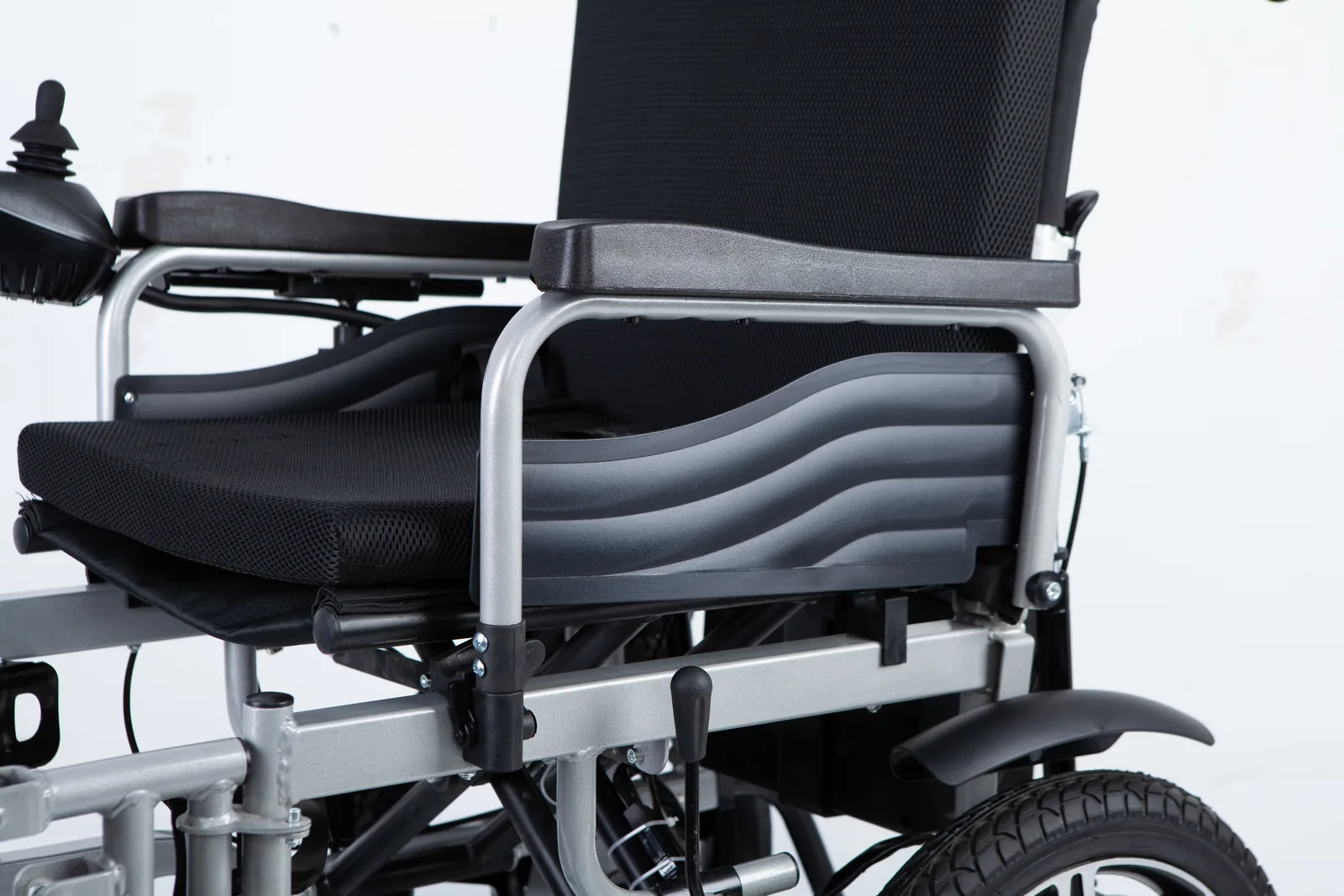
The equipment team’s job is not to decide whether a person needs molded or modular seating. That judgment belongs to the qualified clinical team, using its own assessment. The equipment team’s job is to make sure the clinical decision can be translated into a documented order, a compatible interface, and a maintainable product. Keeping that boundary clear protects both the user and the procurement record.
Good preparation means arriving with specific questions rather than a product preference. The questions below are organized for that purpose; adapt them to the actual case and record the answers.
- What does the assessment specify: a standard configuration, a molded shape, or a trial of both?
- Which measurements or shape records must be kept, and who holds the original?
- What is the intended adjustment range after delivery, and who may change it?
- Which wheelchair frame and mounting interface has been confirmed?
- What follow-up review is planned, and what would trigger a modification?
- Which documents does the clinical team need from the supplier before approval?
- Who signs off on the final configuration, and where is that recorded?
These questions also protect the procurement process. If the clinical team has specified a molded shape, the quotation should reflect the fabrication and fitting steps, not just a support surface. If the team has specified a modular system, the quotation should identify the modules and their adjustment range. Comparing quotations without that alignment can make two very different scopes look similar, and the cheapest-looking option may simply be the one with fewer documented steps included.
It also helps to separate three kinds of uncertainty: clinical questions for the seating team, product questions for the supplier, and equipment questions for whoever maintains the wheelchair. Mixing them in one email tends to produce vague answers, because each party answers only the part it owns. Keep the record tidy, revisit open items before the order is placed, and note who answered each question and when. That habit turns a comparison into a traceable file rather than a set of impressions.
FAQ
Does custom mean every component is custom?
No. A custom molded system can still use standard hardware, cushions, covers, or mounting components. Ask the supplier to list which parts are user-specific and which are standard, because that split affects replacement and maintenance planning.
Who decides whether a system is suitable?
The qualified clinical seating team makes the suitability judgment based on its assessment. The equipment team supports that decision by confirming documentation, interfaces, and maintenance arrangements; it does not substitute a product comparison for the clinical assessment.
Conclusion

Document the shape basis, interface, adjustment limits, and maintenance owner before ordering either seating route, then confirm open items with the clinical team and supplier.
For related reading, see flat vs contoured wheelchair cushion.