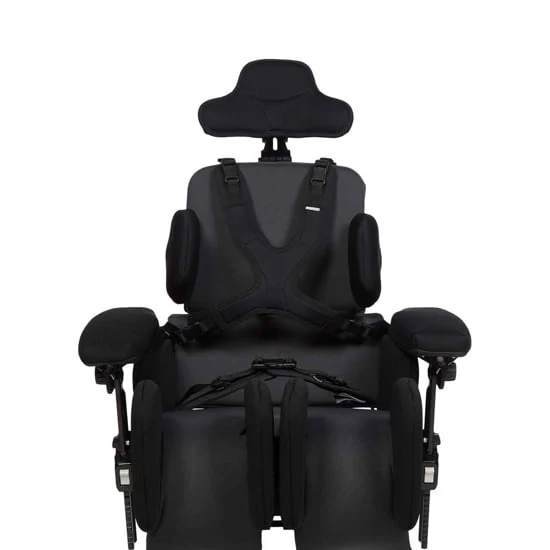
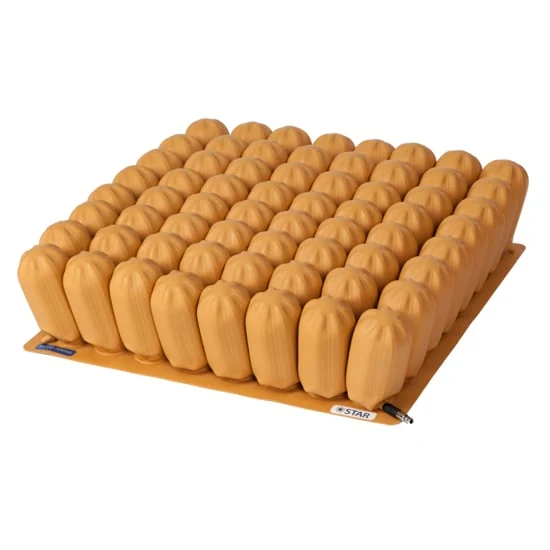
A seating team or powered wheelchair user is comparing an alternating pressure wheelchair cushion vs static air cushion. The two look similar in a catalogue photo, yet they differ in structure, power supply, and the documentation you need before deciding.
Check three things first: whether the cushion inflates and stays passive or is driven by a powered pump, what that pump needs from the chair’s power system, and what the supplied documents actually cover. Pressure readings from one small study describe those devices and participants, not a promise about pressure injuries.
Alternating pressure wheelchair cushion vs static air cushion: Identify static and powered alternating designs

The first task is descriptive, not evaluative. A static air wheelchair cushion holds air in one or more enclosed chambers and relies on the user’s weight and the cushion’s construction to distribute load. Once inflated to its intended state, it does not need a pump running during use. A powered alternating air cushion is different in kind: it is connected to a pump that changes pressure in sections of the cushion over time, so the support surface is deliberately moving rather than holding one state.
That difference changes what you are selecting. With a static cushion, the questions cluster around inflation state, chamber layout, cover, and how the cushion sits in the chair. With an alternating system, you are also selecting a device with tubing, a pump, a power connection, and a cycle the manufacturer defines. The cushion and pump form a set, and the supplied documentation should be read as a set too.
Do not assume the labels are interchangeable. A product described as an “air cushion” may be static; a product with a pump may be an alternating system, but the pump’s role and the cushion’s chamber arrangement still need confirmation from the exact model documents. Likewise, the presence of multiple chambers does not by itself tell you whether pressure changes actively or whether the chambers are simply separate static compartments. Two cushions can share the same cell count and still belong to different design families.
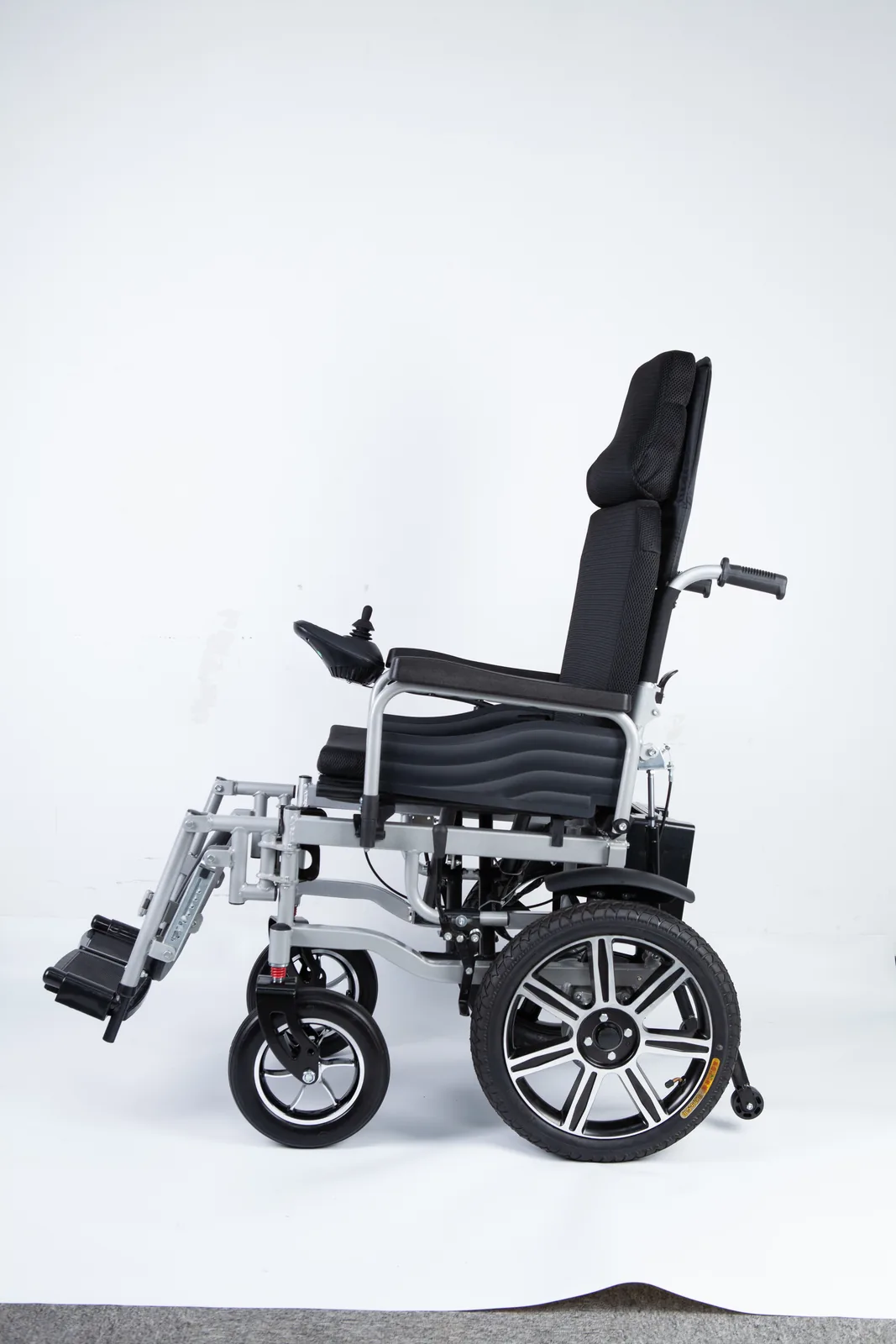
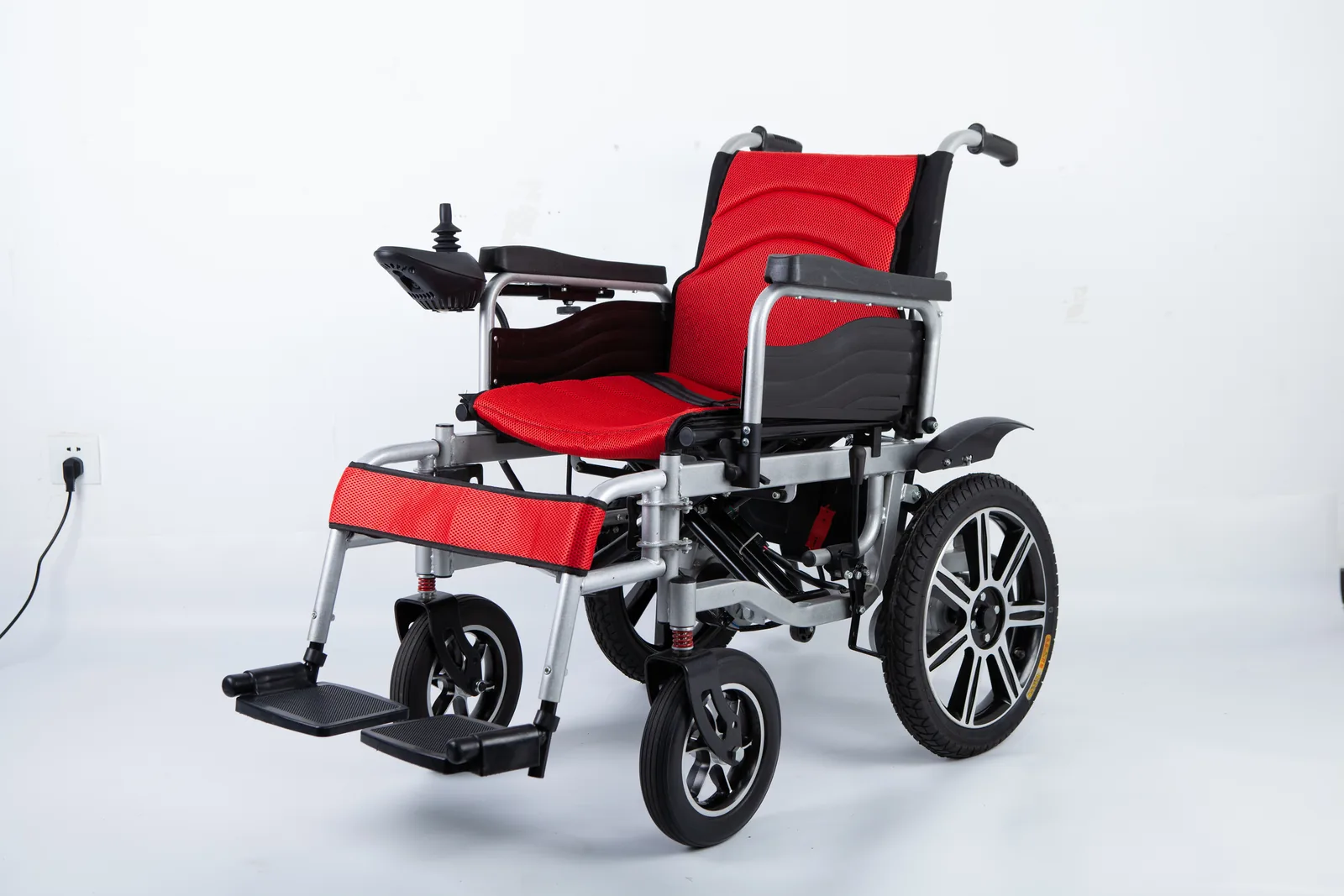
For readers working with powered wheelchairs, this distinction matters early. An alternating system adds an electrical consumer and physical tubing to a chair that already has its own power and seating configuration. Whether and how that pump connects is a question for the equipment documentation and the seating team, not something to infer from the word “powered” in the cushion name. A chair’s battery capacity tells you nothing on its own about whether a particular pump is meant to run from it.
A practical way to start is to write down what you can observe and what you cannot. You can see whether a pump and tubing are present, and you can read the model name on the label. You cannot confirm the intended pressure range, cycle timing, or power requirements from appearance alone. Those belong in the next step, where the comparison moves from the cushion surface to the parts list.
Compare named device components and power needs
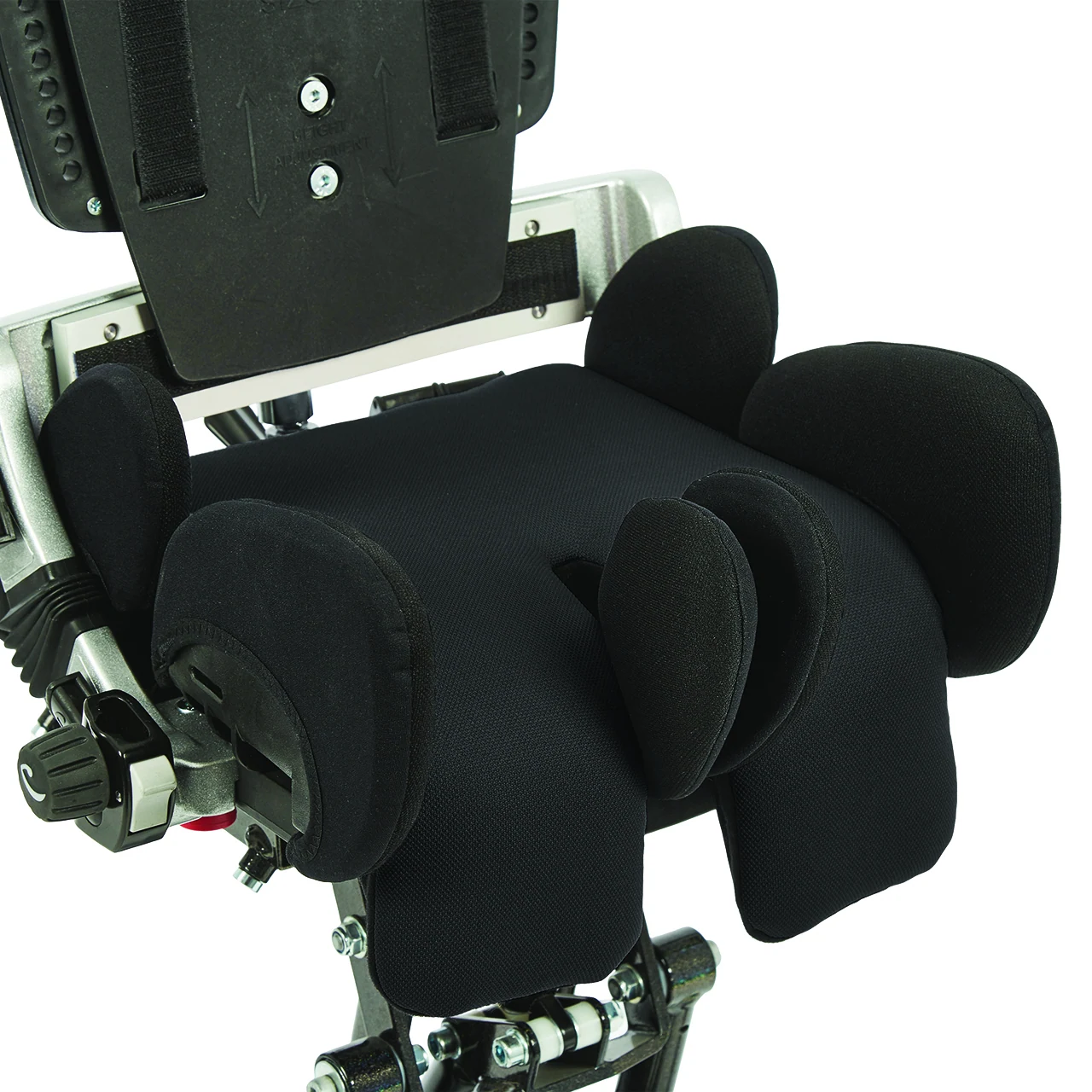
Once you know which design you are looking at, compare the components by name and by document. The table below organizes the comparison around what a seating team can verify from supplied materials. It deliberately leaves specification cells as questions rather than filling them with numbers that vary by model.
| Checkpoint | Static air cushion | Powered alternating air cushion |
|---|---|---|
| Main support element | Enclosed air chamber or chambers | Air sections that the pump changes over a cycle |
| Pump required during use | Not for pressure change; confirm any inflation instructions | Yes, per the manufacturer’s system description |
| Power source | None for the cushion itself | Pump power supply; confirm voltage, connector, and chair compatibility with the exact documents |
| Tubing and connections | Usually none | Connectors between pump and cushion; confirm part numbers and replacement availability |
| Documentation to request | Model label, inflation guidance, cover and cleaning instructions | All of the above plus pump model, power requirements, cycle description, and alarm or fault information if documented |
| Maintenance questions | Chamber integrity, valve condition, cover wear | Pump function, tubing condition, filter or intake care if specified, and what the manual says about checks |
| What the chair must provide | Correct seating space and cushion placement | The above plus a documented power arrangement for the pump |
The table is a question sheet, not a specification. Two alternating systems from different manufacturers may use different pumps, connectors, and power arrangements, and a pump from one system should not be assumed to work with a cushion from another. Compatibility is a documented property of a named combination, not a general feature of air cushions. That is why the model and serial numbers matter more than the product category when a replacement is needed.
Power needs deserve particular care on a powered wheelchair. The chair’s own battery and electronics are part of its configuration, and adding a pump raises questions about how it is powered, what happens if that supply is interrupted, and what the equipment instructions say about operation. Those are questions for the equipment supplier and the seating team; they are not answered by assuming that a chair with a battery can run any pump. Nor does a pump’s own label settle whether the chair’s wiring is intended to support it.
Maintenance questions also differ. A static cushion’s checks centre on the chamber, valve, and cover. An alternating system adds tubing that can be disconnected or damaged, a pump that may have its own care instructions, and possibly filters or intake details. Ask for the exact maintenance items the manufacturer lists, and record the model and serial information so a replacement part can be identified later. A part number copied from a similar-looking system is not a verified match.
Finally, keep the cushion’s role separate from the chair’s. The cushion is a seating component; the pump is an electrical accessory in the seating system. Neither label tells you that the combination suits a particular person, and neither establishes that the arrangement has been assessed for that user. The comparison above is about what the equipment is and what its documents must answer, not about who should use it.
Explain the scope of the cited research
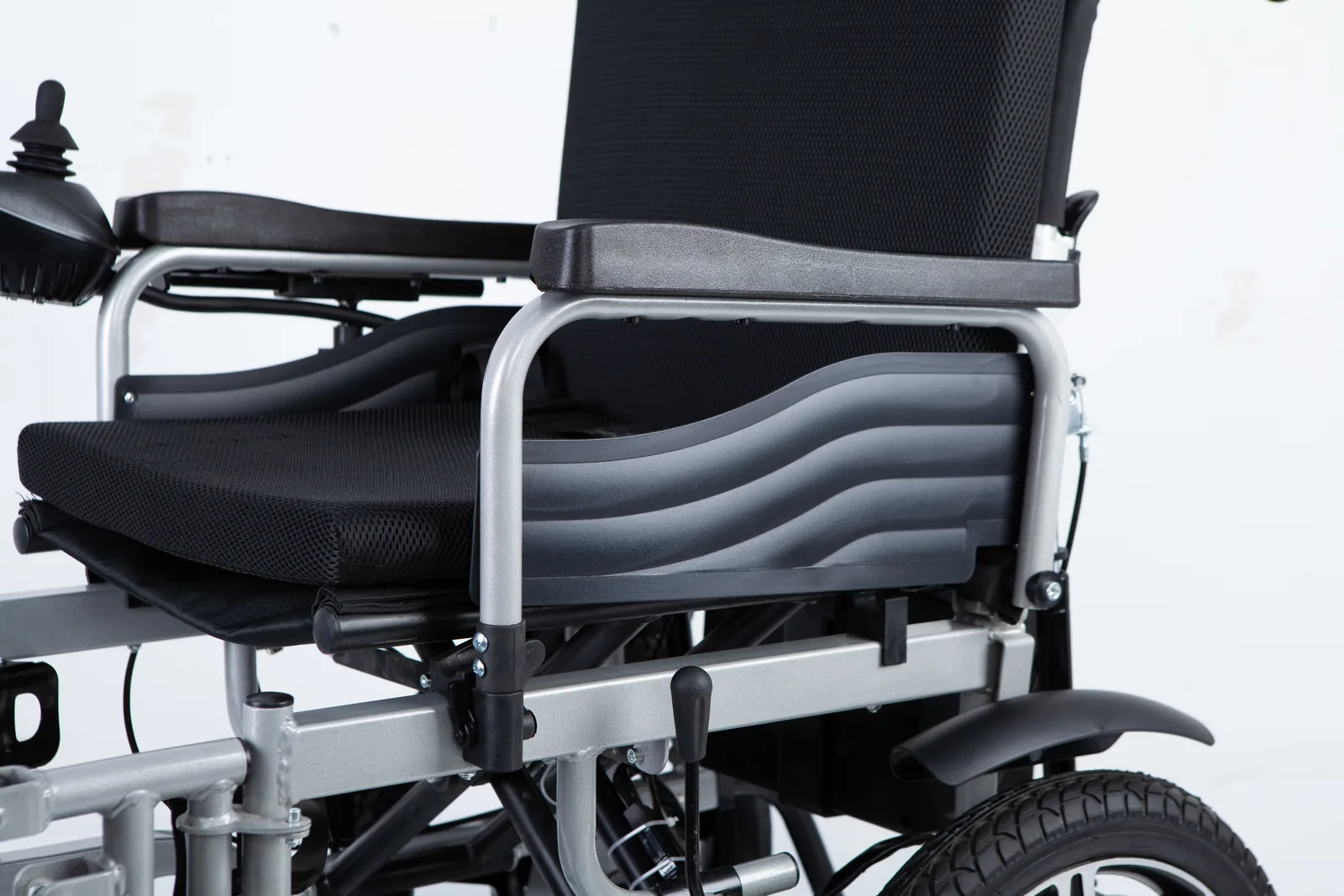
A frequently cited study compared seated interface pressure in 41 people with chronic complete spinal cord injury using named devices. That sentence contains its own limits, and they matter. The participants were a specific group with a specific injury profile; the devices were named, not generic categories; and the outcome was seated pressure, not the rate of pressure injuries.
This is the difference between a measurement and a clinical claim. Interface pressure is a physical quantity recorded at the contact between body and support surface. A study can report how that quantity differed between devices under its own conditions. It cannot, from that measurement alone, tell you that one cushion prevents pressure injuries, that a device will work for a different person, or that the result transfers to another model with a similar name. A different pump setting or cycle alone could change what was measured.
Readers will encounter promotional pages that move quickly from pressure language to prevention language. Treat that move as a claim to check, not a finding to accept. The supplied research summary supports a narrow statement: in this sample, with these devices and methods, seated pressure was compared. It does not establish incidence, treatment effect, or universal performance. The same caution applies to any page that describes a design approach as if it were an outcome.
What can a seating team take from it? A reason to ask better questions. Which device was studied? What was measured, and how? Were the participants comparable to the person being assessed? Was the cushion used as the manufacturer specifies, including pump settings and cycle? If any of those answers is missing, the study is background, not a basis for a decision about an individual. Those questions also help separate a device’s documented behaviour from a general impression of the category.
The same discipline applies to the general cushion literature. Educational pages can explain categories and design intentions, but a category description is not a test result for a named product. When a page describes alternating pressure as a design approach, that is useful vocabulary; it does not confirm that a particular pump and cushion deliver a particular pressure profile. Vocabulary helps you read a manual; it does not replace one.
For the reader, the practical outcome is a short list of what the evidence can and cannot settle. It can inform a conversation about design differences. It cannot replace an individualized seating assessment, and it cannot promise that a pressure injury will or will not occur. Those judgments belong with the clinical team who know the person, the chair, and the full seating configuration, and with the supplier who can confirm what the named equipment is documented to do.
Prepare fit and maintenance questions
Good preparation shortens the assessment and reduces the chance that a device is ordered on the wrong assumption. Bring the exact model names, the chair’s configuration, and any pump documentation you already have. Then ask questions that produce documented answers rather than general reassurance. A written list also makes it easier to notice when an answer is about a different model or a different chair.
For fit, ask how the cushion is positioned on the chair’s seat, what the manufacturer says about the intended seating surface, and whether the cushion’s dimensions and cover are specified for the chair in use. Ask how the pump and tubing are routed so they do not interfere with the chair’s operation, and who is responsible for checking that routing. For an alternating system, ask what settings the manufacturer defines and who is expected to set them. Routing matters in daily use, not only at handover: a tube that crosses a moving part or a control is a practical problem the team should resolve before the chair leaves the appointment.
For maintenance, ask what the manual lists as user checks, what requires a service professional, and how to identify replacement parts. Record the pump model, cushion model, and serial numbers where available. If the pump has a fault indication, ask what the instructions say to do and whom to contact; do not improvise a workaround. A static cushion’s checks and an alternating system’s checks are not the same list, so keep the two sets of instructions with the correct device.
A short preparation list helps:
- Exact cushion model and size, from the label.
- Exact pump model, power requirement, and connector type from the documents.
- The chair model and how the seating system is configured.
- Who will set and check the pump settings, and how often.
- What the manual says about cleaning, covers, tubing, and storage.
- What to do if the pump stops or the tubing is damaged.
- Which questions need the clinical team and which need the equipment supplier.
Keep the division of responsibility visible. A supplier can confirm what a device is and what its documents say. A seating clinician can assess the person’s seating needs. Neither role is served by treating a product page as a clinical assessment or a clinical opinion as a product specification. When an answer is unclear, the useful next step is to ask for it in writing against the exact model, so the record travels with the chair.
For related background on seating surfaces, see Wheelchairs Factory’s article on cushion pressure versus shear.
FAQ
Does every air cushion use a pump?
No. A static air cushion holds air in enclosed chambers and does not use a running pump to change pressure during use; inflation is a separate step described by its manufacturer. A powered alternating air cushion is designed around a pump that changes pressure in sections over a cycle. The presence or absence of a pump is one of the clearest ways to tell the two designs apart, but confirm the exact model’s documents rather than relying on the product name.
What can a small pressure study establish?
A study of 41 people with chronic complete spinal cord injury compared seated interface pressure across named devices under its own methods. It can describe differences in that measured pressure for those participants and devices. It cannot establish pressure injury rates, prove prevention, or predict results for a different person or a different cushion and pump combination. Use it as context for questions, and let the seating team assess the individual.
Conclusion
Match the design to the documents: static or pump-driven, powered how, maintained by whom. Confirm exact models, then let the seating team assess the person.