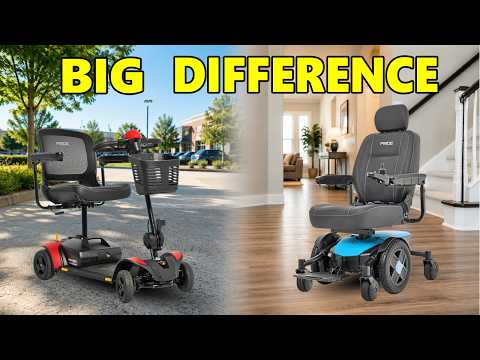

A dealer, facility advisor, or user stands between two familiar categories and needs a defensible way to choose. The electric wheelchair vs mobility scooter question is rarely answered by a single specification, because the two categories differ in how they are steered, how the rider sits, how much room they need, and how they travel. The real question is not which category wins, but which control, seat, route, and transport task fits the actual day.
Compare the two devices by task, not by label. List how the person will steer, transfer, store, and travel with the device, then check each candidate against those tasks. Either category can fail a route or a handover if the specific configuration is not confirmed.
This comparison keeps three things separate: what the person needs to do, what a particular device configuration provides, and what a venue, carrier, or funder requires. The sections below work through controls, real places and transport, and seating and service. Each ends with the information to record before a shortlist is treated as settled, so that a dealer, advisor, or user can carry the same checklist into a showroom, a site visit, or a vehicle loading test.
Electric wheelchair vs mobility scooter: Controls and the person using them
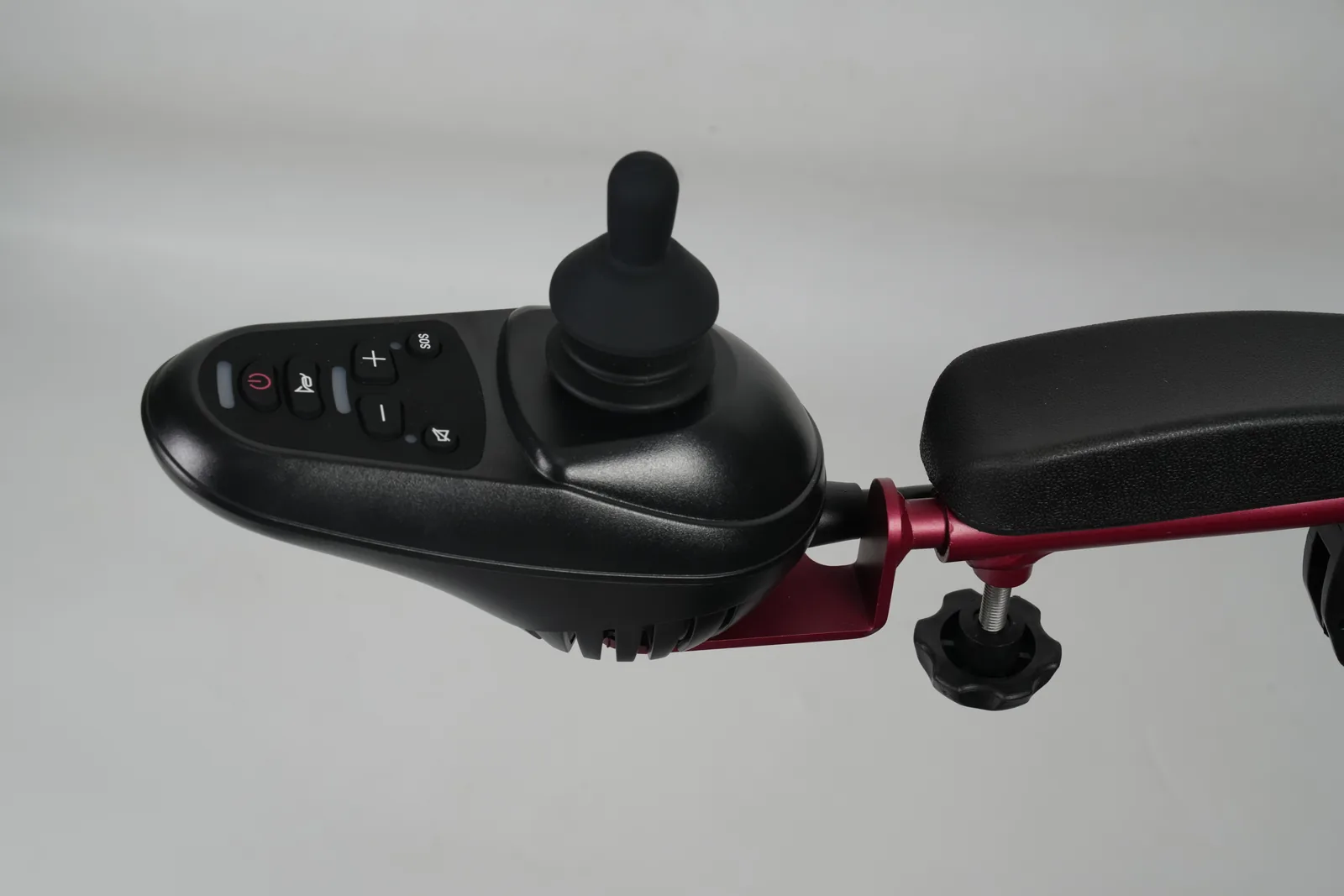
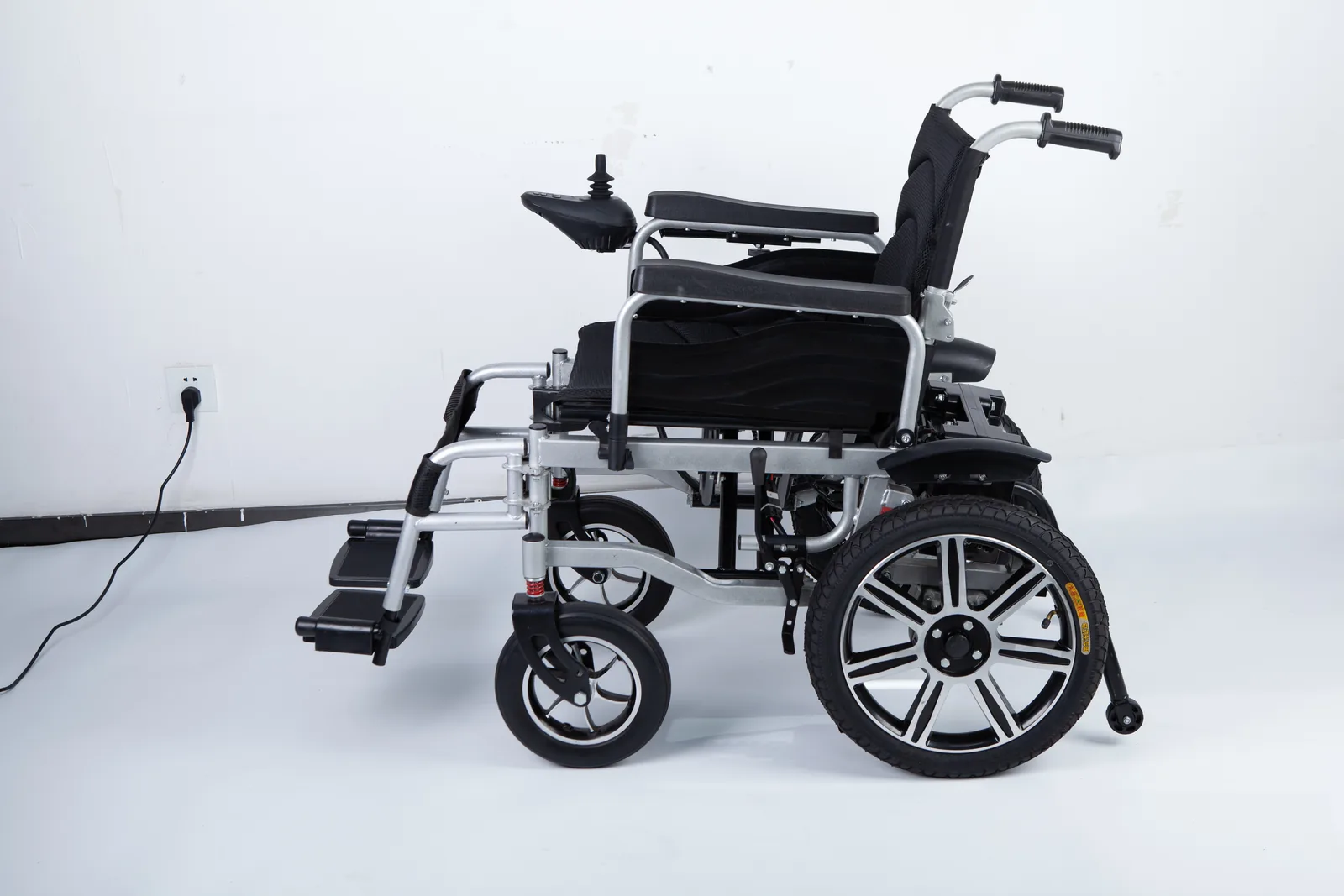
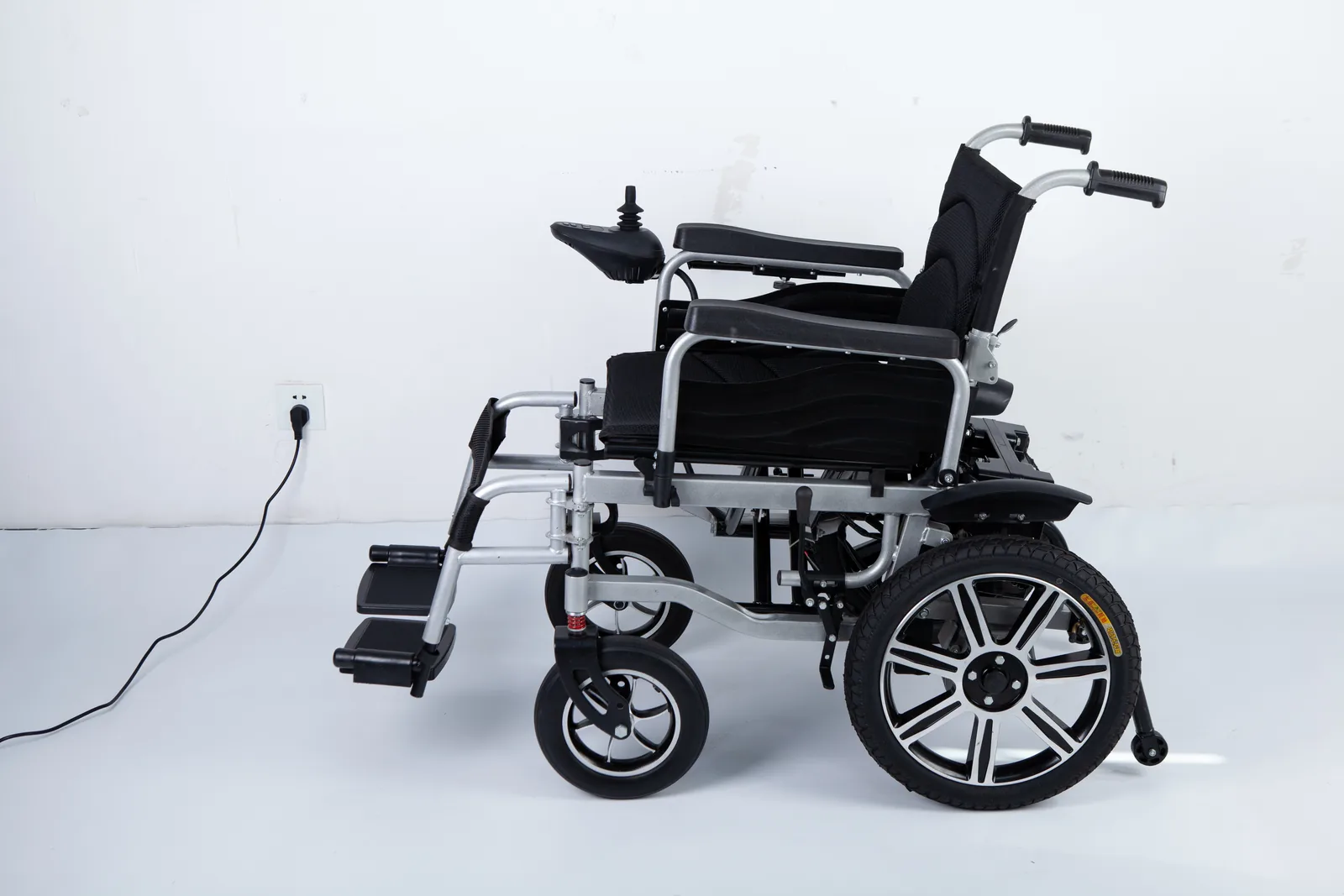
Control layout is the first practical difference most people notice, and it shapes who can operate a device comfortably and how much attention the route demands. A mobility scooter is typically steered with a tiller: a handlebar column in front of the rider, with speed and direction inputs at hand. A power wheelchair is typically driven with a joystick, often mounted at an armrest. These are general category descriptions, not specifications of any one model, and individual products vary.
The difference matters because steering a tiller asks the rider to hold and turn a column while watching the path ahead. A joystick asks for fine directional input from a hand or another control point, with the arm supported. Neither is inherently easier. What matters is whether the person can sustain the required movement, see the display or controls, and reach anything they must operate while moving or stopped. A dealer should record which hand or body position the person expects to use, and whether that matches the control as configured.
Tiller and joystick
A tiller places the steering column between the rider and the path. That can feel intuitive for someone used to bicycle-like steering, and it usually keeps speed controls in a fixed relationship to the hands. It also means the rider's arms are forward, and the column occupies space in front of the seat. A joystick is usually a smaller input at the armrest, which changes the reach envelope and the posture needed to drive. Some power chairs offer alternative control positions or input types, but those are configuration questions to confirm with the supplier rather than assumptions about the category.
For a dealer or facility advisor, the useful record is not "tiller or joystick" alone. It is the exact control position, the hand or limb used, the reach distance, and whether the person can operate secondary functions such as speed selection. If the person cannot demonstrate this on a specific unit, the comparison is still open. That is why a category-level answer can mislead: two scooters with different tiller angles, or two power chairs with different joystick mounts, may produce very different results for the same person on the same route.
Reach and support
Reach and support interact with control choice. A tiller may require the rider to lean slightly forward or hold the arms unsupported for a period; a joystick at an armrest may allow the forearm to rest. Neither arrangement is universally better, and neither establishes that a person can drive safely without an individualized assessment where that is needed. The practical test is whether the person can reach every control they must use, see the information they need, and stop the device in the way the manufacturer documents.
Record the answers as configuration facts: control type, mounting position, which side, and any alternative input. Then note what still needs a qualified assessment, such as seating posture or sustained control use. That keeps the category comparison from turning into a clinical judgment it cannot support. It also gives the next person in the process — a service technician, a family member, or a facility reviewer — a record they can check rather than a general impression formed in a showroom.
| Comparison point | Mobility scooter (typical) | Power wheelchair (typical) | What to confirm for a specific unit |
|---|---|---|---|
| Primary steering | Tiller column in front of rider | Joystick, often at armrest | Exact control type, position, and side |
| Arm position while driving | Often forward, holding the tiller | Often supported at the armrest | Whether the person can sustain the position |
| Secondary controls | Usually grouped near the tiller | Usually grouped near the joystick or armrest | Reach and legibility for the actual user |
| Alternative inputs | Varies by model | Varies by model | Availability and documentation from the supplier |
| Basis for a decision | Demonstrated use on the candidate unit | Demonstrated use on the candidate unit | Recorded task list and assessment where needed |
Compare actual places and transport

Category labels say little about whether a device fits a doorway, a lift, a vehicle, or a storage closet. The productive method is to measure the places the device will actually go and compare those measurements with the documented dimensions of the exact configuration under consideration. Turning space, overall width, overall length, and the dimensions of any part that must be removed all belong on the same sheet.
This is where many comparisons go wrong. A scooter is sometimes assumed to be smaller or lighter, and a power chair is sometimes assumed to be heavier or harder to transport. Neither assumption is safe across categories. A compact folding power chair and a large four-wheel scooter can reverse the expected pattern. The only reliable comparison uses the manufacturer's stated dimensions and weights for the specific model and configuration, including any accessories that change the footprint.
For a facility advisor, the route matters as much as the room. List the entry door, interior doors, lift or ramp, turning points, and the place where the device will be parked or charged. For transport, list the vehicle or service, the loading method, and who will perform it. These are separate constraints, and a device that passes one may fail another. A device that fits a lift may still be too long for a hallway turn, and a device that folds into a car may still be awkward for the person who has to lift it.
Turning space, component dimensions and loading
Turning space is not a single number. It depends on the device's length and width, the steering method, and the maneuver the person needs to complete. A three-wheel scooter and a four-wheel scooter can behave differently in tight turns, and a power chair's turning behavior depends on its wheelbase and control. Rather than assuming a category is more maneuverable, record the tightest turn on the actual route and compare it with the manufacturer's documented turning information for the candidate model.
Loading is a separate task. Some devices are designed to be broken down or folded for a vehicle; others are not. The relevant facts are the weight of each component, whether the person or a helper will lift it, where it stows, and whether the battery can remain in place for the trip. Battery chemistry and rating affect transport questions, and those details must come from the exact model documentation rather than from the category. Where a carrier or operator has rules, confirm them with that operator for the specific trip, because a battery specification alone does not establish that a carrier will accept the device.
| Route or transport question | What to measure or record | Why it changes the comparison |
|---|---|---|
| Entry and interior doors | Clear opening width; threshold height | A device may pass one door and not another |
| Tightest turn | Available space and the maneuver required | Turning behavior differs by model, not just category |
| Lift or ramp | Rated capacity and usable platform size | Capacity and fit are separate checks |
| Vehicle loading | Who lifts which component, and where it stows | Breakdown design and component weight decide feasibility |
| Charging point | Distance, outlet access, and storage | Charging arrangements are part of daily use |
| Carrier or operator rules | Current written requirement for the exact device | Rules are set by the operator, not the category |
Compare seating and service
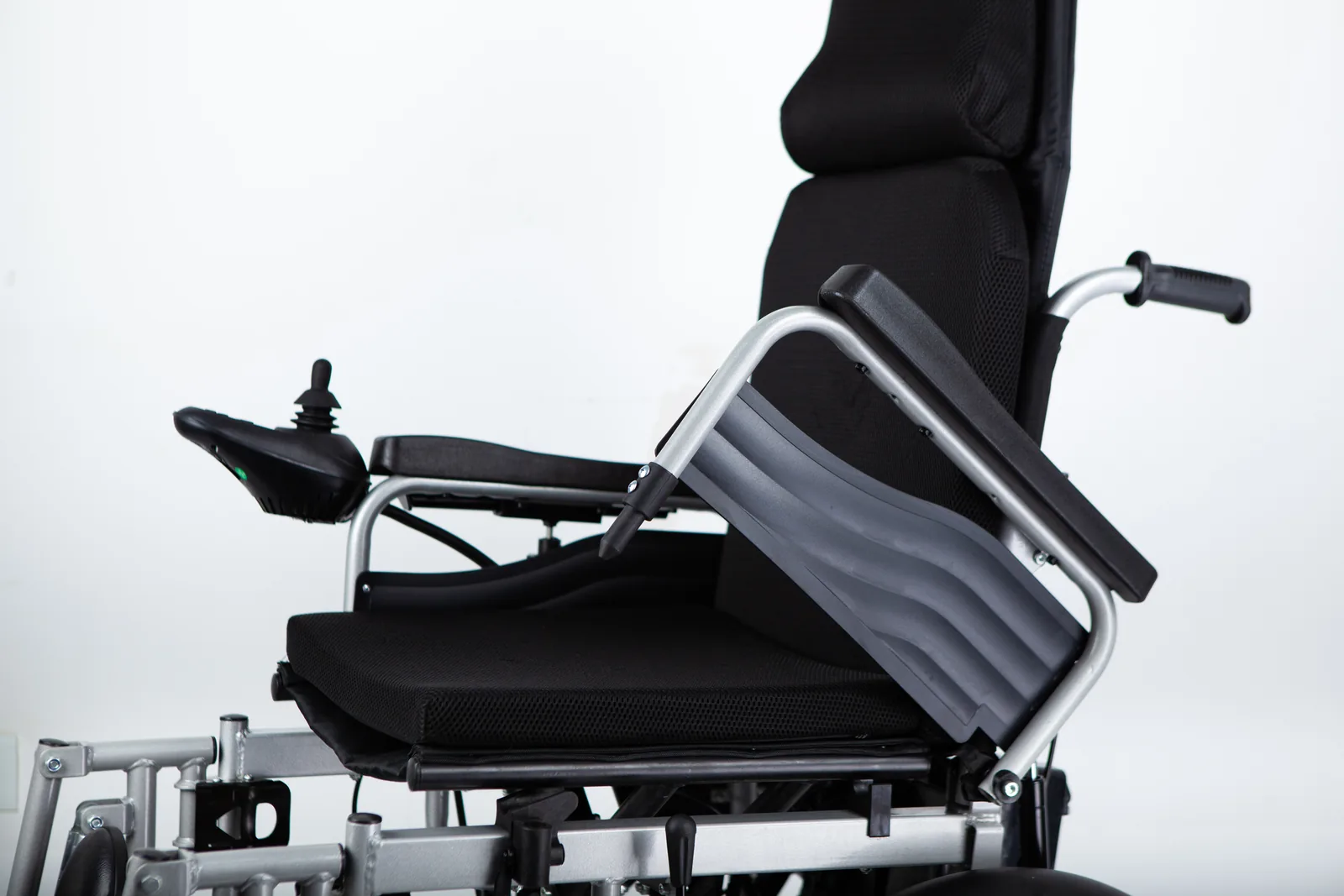
Seating configuration is often the strongest reason a person chooses one category, and it is also the area where category claims are least useful. Power wheelchairs commonly offer adjustable seating, armrests, and leg supports as part of the base design or as options. Mobility scooters typically provide a seat, but the range of adjustment and support varies widely by model. A dealer should compare the documented adjustment range of each candidate rather than assuming one category provides more support.
Seating is also where an individualized assessment belongs. Posture, pressure management, and comfort over a full day are not determined by the category name, and this article cannot assess them. The practical step is to identify what the person needs from a seat, then ask which candidate configurations can provide it and which questions need a qualified professional. That keeps the comparison honest: the device shortlist informs the assessment, and the assessment informs the final choice. A scooter seat that looks generous in a showroom may offer limited adjustment, while a power chair base may accept seating options that a particular user needs reviewed before ordering.
Service planning follows the same logic. A device is only usable if routine checks, repairs, and parts can be handled in the places where it will actually be used. For a dealer or fleet manager, the comparison should include who performs service, what documentation is available, and how a fault is reported and identified. Model and serial number records make that possible, and they also help when a part must be matched to the correct revision rather than to a category description.
Configurations, trial and individual assessment
A trial on the candidate unit is more informative than a category demonstration. During a trial, the person can check the control position, the seat adjustment, the route, and the loading task together. A trial does not replace a clinical assessment where one is needed, and it does not prove suitability for every environment. It does show whether the specific configuration matches the recorded tasks.
For a fleet or institutional buyer, the equivalent is a documented handover: the exact model, configuration, accessories, and service contact, plus the tasks the device is expected to support. If a device is shared, record who is responsible for charging, cleaning, and reporting faults. These operational details often decide whether a category works in practice more than any single specification, because a shared device that nobody can service or charge reliably will fail regardless of how well it steers.
Before finalizing a shortlist, confirm the exact model's seating adjustment range, service documentation, and any warranty-scope questions with the supplier. Where the person's seating or posture needs are not settled, route those questions to an appropriate professional rather than resolving them from a product comparison. The comparison narrows the field; it does not certify that a device is right for an individual.
FAQ
Is a scooter always smaller or lighter? No. Size and weight vary by model and configuration within both categories. A compact power chair can be smaller than a large scooter, and a scooter can be heavier than a power chair. Compare the documented dimensions and component weights of the exact units you are considering, including any parts that must be removed for transport.
Can either device work indoors? Either category can be used indoors if the specific device fits the actual doors, turns, and storage space, and if the person can operate it there. Indoor use is a route-and-configuration question, not a category guarantee. Measure the tightest points, confirm the control arrangement, and check charging and storage before deciding.
Conclusion

Compare controls, routes, seating, and service for the exact units, and involve a qualified professional where seating or posture needs assessment.
To review how range fits daily planning, see the electric wheelchair range per charge guide.
Video: Mobility Scooter vs Powerchair - Pros and Cons Explained