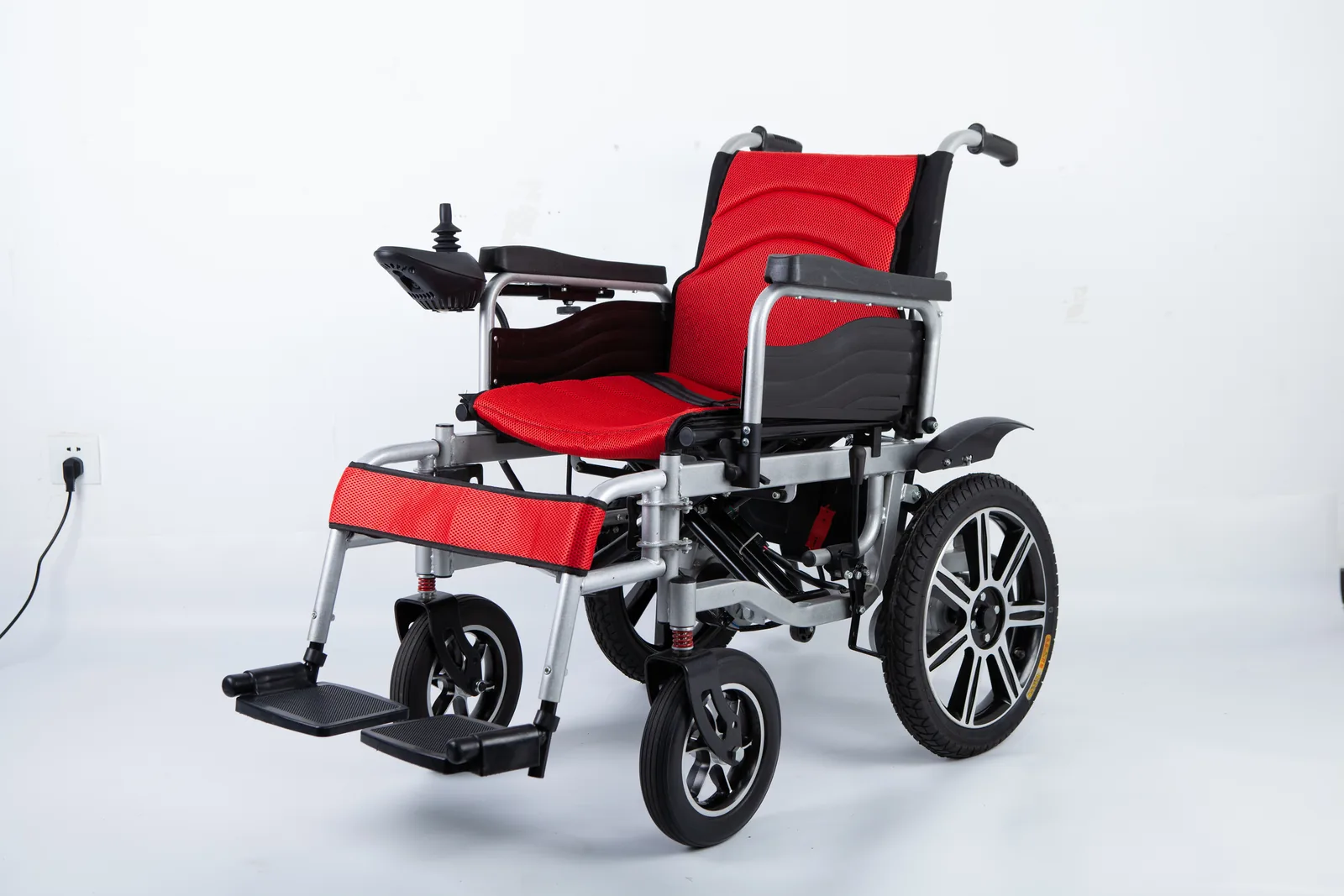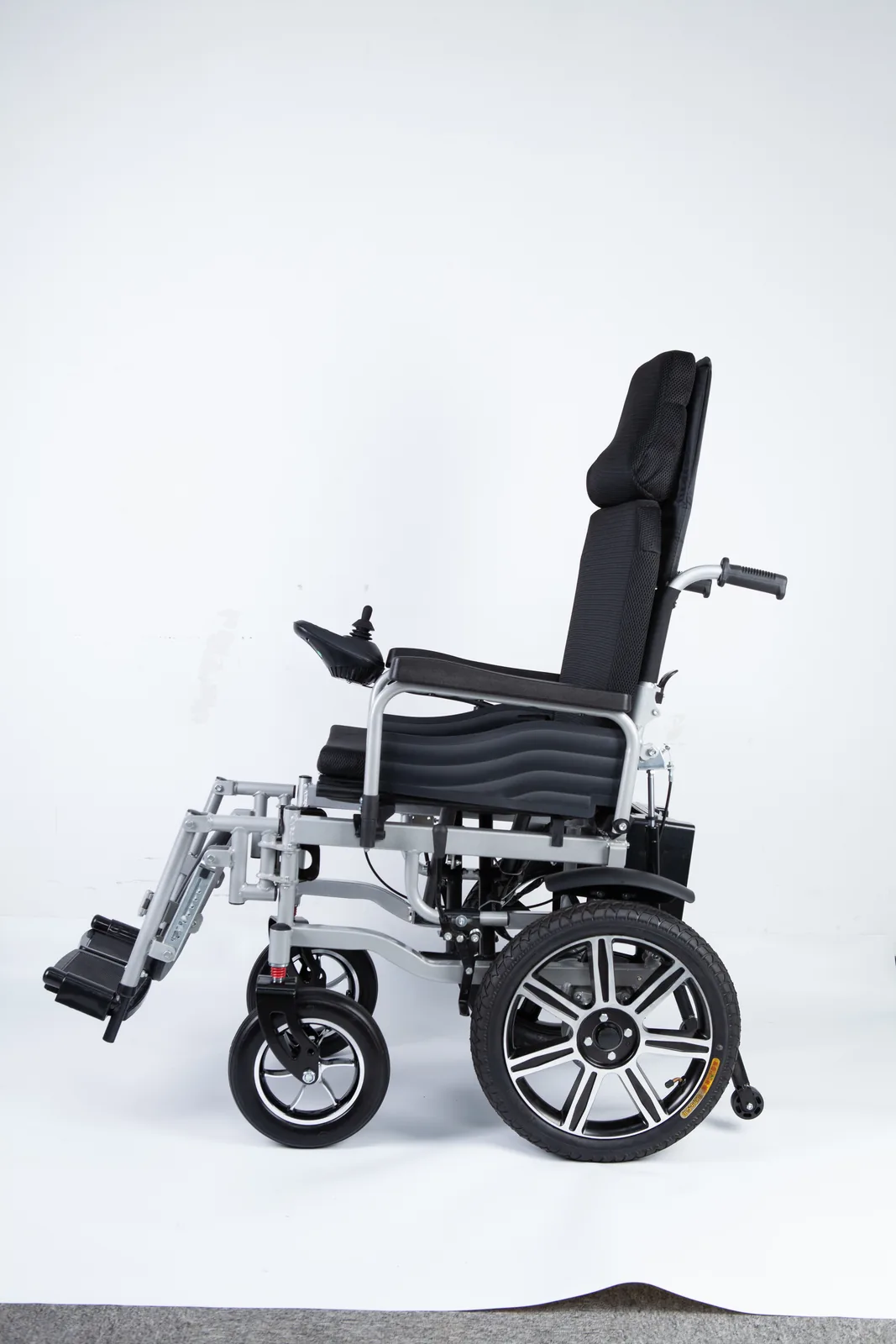
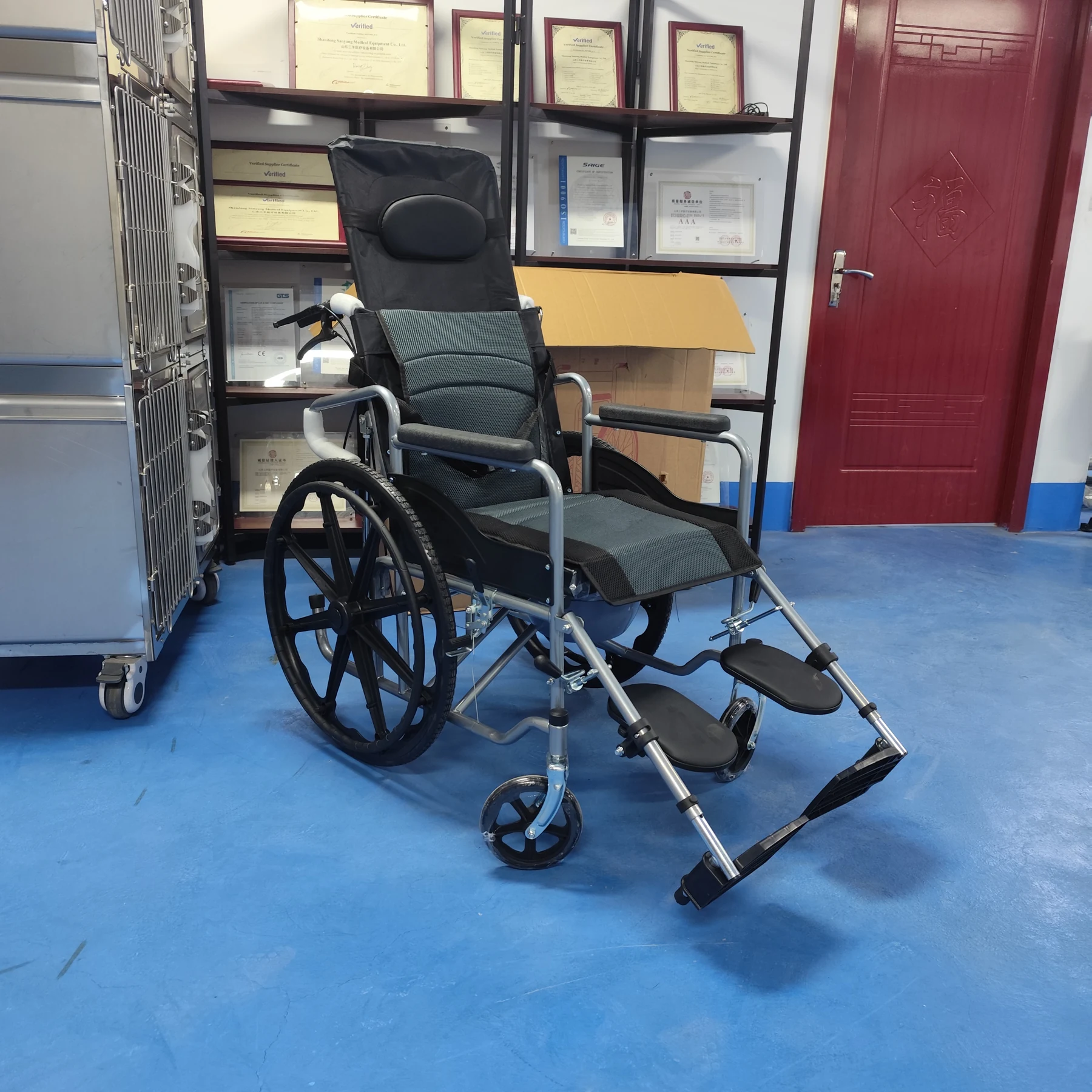
You already own a manual wheelchair that fits you, and a power-assist unit looks like a way to keep it. Before ordering anything, the practical question is whether that specific device is documented as compatible with your specific chair, axle, and setup.
Manual wheelchair power assist adds propulsion help to a manual wheelchair; it does not create a power chair. Compatibility depends on the exact chair model, the device, the mounting points, and written confirmation from the manufacturers involved — not on the general idea that both products are wheelchairs.
This guide is for people who use a manual wheelchair directly, and for dealers and equipment teams who configure them. It sets out what to record, what to ask, and where a decision needs a named document rather than a verbal assurance.
Manual wheelchair power assist: What power assist adds to a manual wheelchair
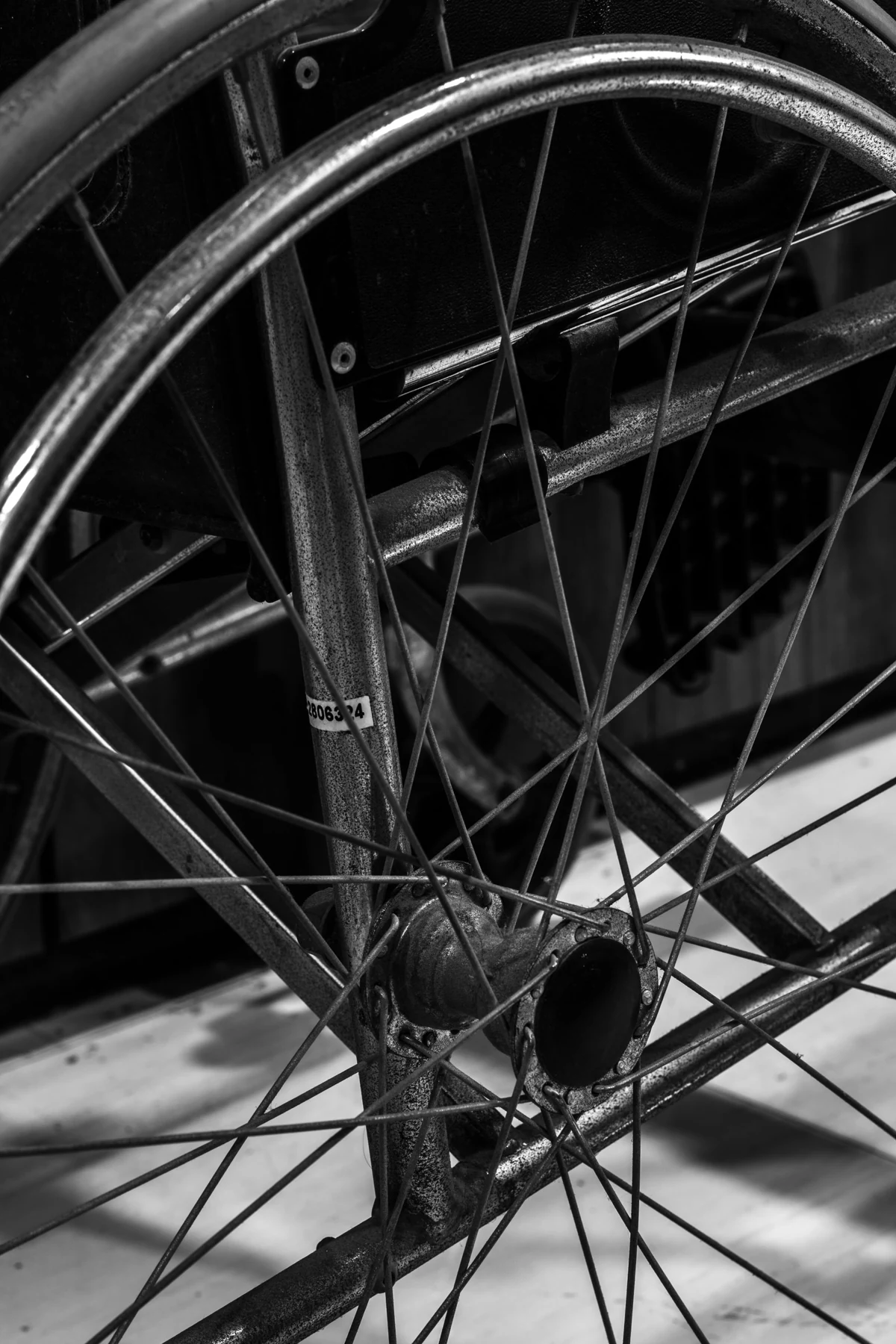
Power assist is an add-on category, not a single product type. The NSW Agency for Clinical Innovation describes propulsion-assist devices in the context of prescribing a manual wheelchair with such devices, which places them alongside the chair rather than in place of it. AskJAN's power-assist page treats power assist for manual wheelchairs as its own equipment topic. Neither source turns an add-on into a different class of chair.
The distinction matters for how you plan. A manual wheelchair with an add-on keeps its frame, seating, wheels, and manual propulsion. The add-on contributes propulsion input under its own conditions and controls. A complete power chair is designed and documented as one powered system from the start. Those are different starting points for compatibility, service, and transport questions.
That difference shapes the whole evaluation. With a power chair, the frame, drive, controls, and battery are one documented product, so a buyer compares complete systems. With an add-on, you are joining two products that were each documented separately, and the join itself is what needs evidence. A device can be well documented on its own and still have no published statement covering your frame, your axle, or the brackets already bolted to it.
It also changes who you ask. For a power chair, one manufacturer's specification usually answers the configuration question. For an add-on, the chair maker and the device maker may each hold part of the answer, and a dealer may hold neither. Planning for two conversations rather than one is realistic, and it is faster than discovering the gap after delivery.
Identify the device type
Before comparing anything, write down which kind of add-on you are considering. AskJAN's page is an entry point to the device category; the Permobil SmartDrive MX2+ page is one named product within it. Use the named product page to identify what the device is and what the manufacturer publishes about it, and use the category page to understand that other devices exist with their own documentation.
A device type description should include how it attaches, what it drives, and what it needs from the chair. If a supplier's material does not make those points clear for your chair, that is a question to raise, not a gap to fill by assumption. The same logic applies to any second device you compare: each one needs its own compatibility statement.
Start with the exact wheelchair configuration
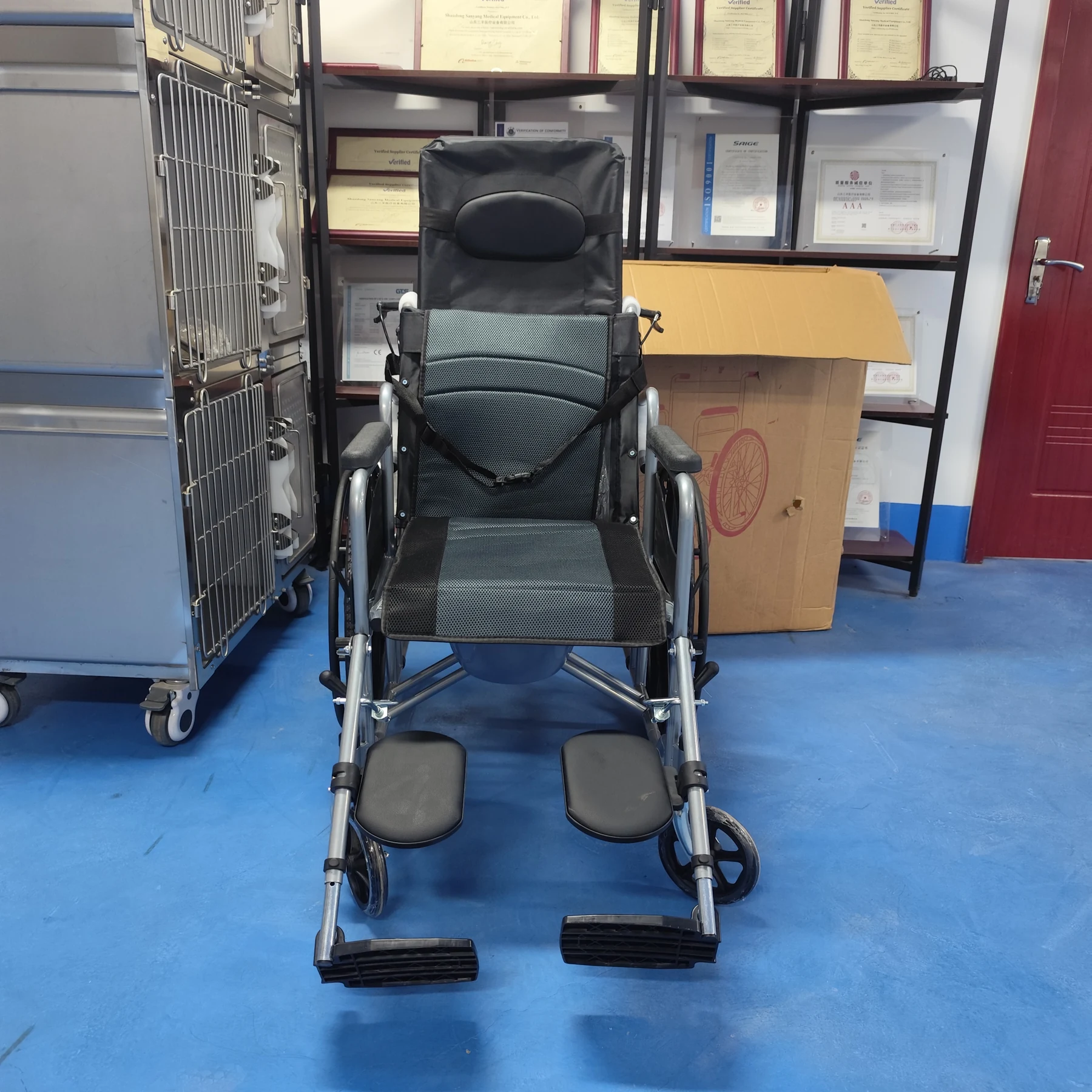
Compatibility is checked against a configuration, not a brand. Two chairs that look alike can differ in axle type, frame geometry, tube diameter, or the accessories already fitted. Record the following before you contact anyone, because a supplier or service team will need it to answer usefully.
- Frame make, model name, and model code as printed on the chair or its documentation.
- Serial number, if the chair has one.
- Rear wheel and axle type, including whether the axle is quick-release. Our article on parts of a wheelchair can help you name components accurately.
- Any existing add-ons, clamps, or brackets already mounted on the frame.
- Seat width and any configuration details the chair's own manual lists as options.
- The chair's intended use: indoor, outdoor, transport, or a mix.
This record does two things. It lets a manufacturer check your chair against a documented combination, and it prevents a device being discussed against the wrong frame. Do not assume that because a device is sold for manual wheelchairs generally, it fits your frame specifically. The Invacare combination agreement dated 2026-02 is an example of a manufacturer publishing combination information as a document with a date and a scope; it is not evidence about any other brand's chairs or devices.
If your chair's manual or label does not give a model code, ask the supplier who provided the chair. A configuration record built on a guess will not support a compatibility decision.
Existing accessories deserve particular care, because they are the part of a configuration that changes most often. A clamp, a bag bracket, or a tray mount added after the chair was supplied may sit exactly where a device needs to attach, or may change the tube surface a mount relies on. Note what is fitted and when it was added, so the manufacturer can judge the current state of the chair rather than the state it was in when new. If an accessory is later removed, record that too, since the chair's configuration at the time of the compatibility check is what the confirmation should describe.
Check the documented combination
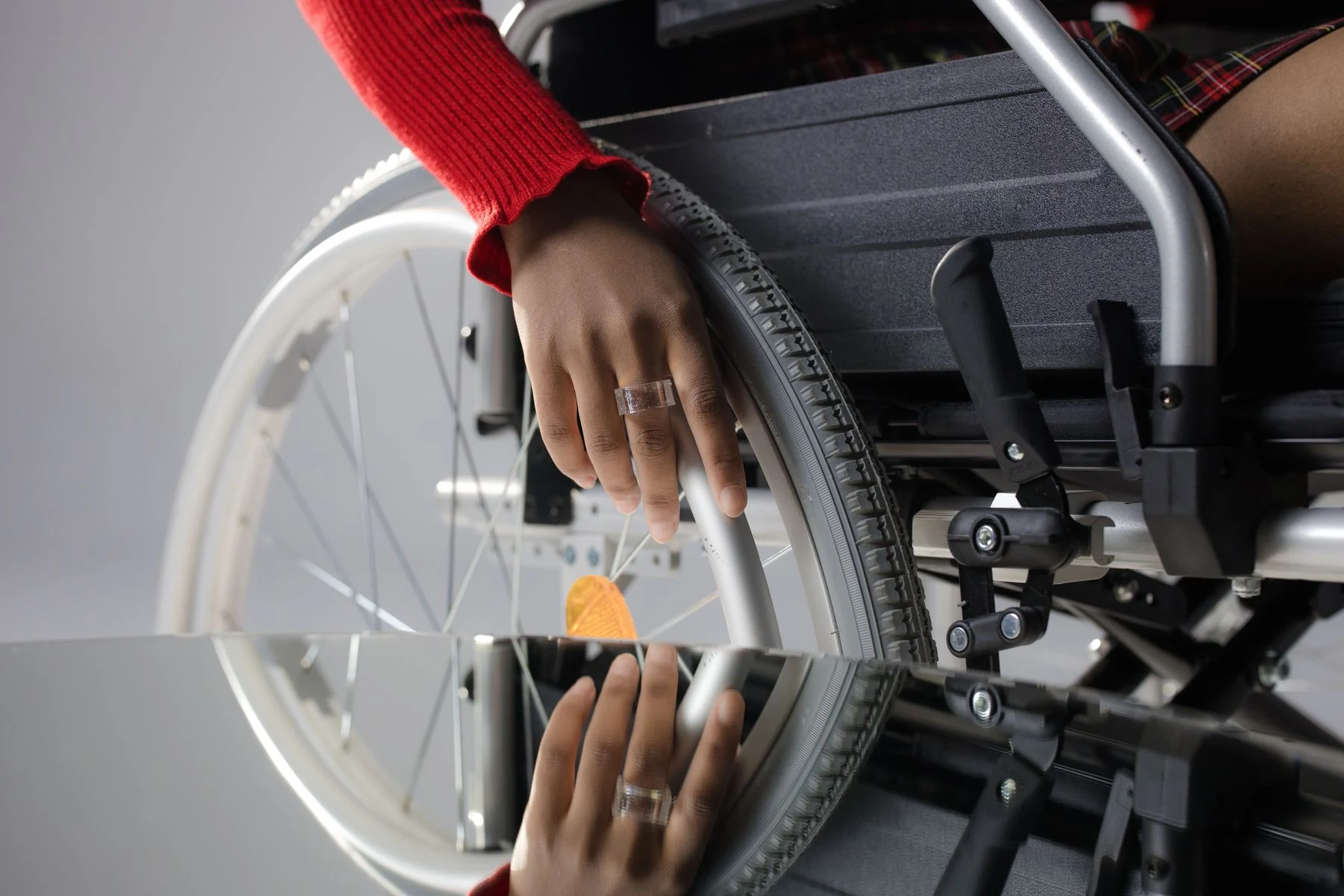
The central check is whether the chair manufacturer and the device manufacturer have documented that combination. A named combination document is the clearest form of this. The Invacare combination agreement is one such document, published with a 2026-02 date and a defined scope. Read it for what it covers, which models it names, and what conditions it attaches.
A combination document is not a general permission slip. It applies to the models and configurations it names, under the conditions it states. If your chair is not named, the document does not answer your question, and you need a written response for your configuration instead.
Use a record like the one below to keep the check auditable. The right-hand column is deliberately a question, because only the manufacturers and your service provider can answer it.
| Item to record | What to write down | Status to confirm |
|---|---|---|
| Chair make and model code | From the frame label or chair manual | Confirmed by whom, and on what date? |
| Serial number | From the chair | Matches the model documentation? |
| Axle and wheel type | Quick-release or fixed, as fitted | Device mounting compatible per manufacturer? |
| Existing accessories | Clamps, brackets, bags, trays | Do any conflict with the device mounting? |
| Device make and model | Full product name and version | Named in a combination document? |
| Document reference | Title, date, revision | Does its scope include your configuration? |
| Written confirmation | Letter or email from manufacturer | Who confirmed, and what exactly? |
Fill this in before ordering, and keep it with the chair's records. If a dealer is arranging the device, ask for the completed record rather than a summary.
A written confirmation is most useful when it is specific. A reply that says the device is suitable for the chair in general leaves the mounting, the axle, and the accessories unresolved. A reply that names the chair model code, the device model and version, the mounting method, and any conditions is something you can check against the chair in front of you. If the answer arrives verbally, ask for it in writing and keep the message with the record.
Manufacturer approvals and service responsibility
Approval and service are separate questions, and both need a named answer. Approval means the combination is documented as supported. Service responsibility means someone has agreed who maintains the device, who handles faults, and what happens to the chair if the device is removed.
Ask directly: does fitting this device affect the chair's warranty, and under what conditions? Who services the device, and who services the chair afterwards? If the device is removed, does the chair return to its original configuration without modification? These are commercial and technical questions with real answers, and a supplier who cannot answer them has not finished the compatibility check.
The Permobil SmartDrive MX2+ page is a manufacturer page for one device; use it to identify the product and its published information, not as evidence about your chair. Our article on lithium vs lead-acid power wheelchair batteries explains battery chemistry differences in general terms; it does not tell you which battery a given add-on uses or whether that battery is accepted for travel.
Consider use and practical handover

A combination that is documented as compatible still has to work in your actual routine. Record the conditions you expect, because they change what you need to confirm.
- Where the chair will be used: indoors, outdoors, slopes, kerbs, public transport, or a vehicle.
- Who operates the device, and whether more than one person uses the chair.
- How the device is charged, where, and by whom.
- Whether the chair is transported in a vehicle, and how the device is removed or secured for that.
- Storage conditions at home or at work.
Do not estimate range, speed, or gradient performance from a product name. Those figures belong to the device manufacturer's documentation for the exact model, and they apply under stated test conditions. If you need a performance figure for a decision, ask for it in writing and note the conditions attached.
Charging and transport deserve early attention because they involve other parties. An add-on may include a battery, and battery transport rules are set by the carrier or operator, not by the device description. Confirm the exact battery type and rating with the device manufacturer, then confirm the current requirement with the airline, rail operator, or transport provider you will actually use. Do not assume that a device being sold for wheelchair use means it is accepted for carriage.
Handover is the practical test. At delivery, check that the device fitted is the one in the documentation, that the mounting matches the record, and that you have the operating instructions and service contact. If any of those is missing, the handover is incomplete.
A second operator is worth naming in the record. If a family member, caregiver, or colleague will attach, remove, or charge the device, they need the same instructions and the same understanding of what the device does and does not do. Handover that only covers the primary user leaves the next person to work from assumption, which is exactly the gap the written record is meant to close.
Review choices with the appropriate provider

Some parts of this decision are equipment questions and some are personal ones. The equipment questions — model, mounting, documentation, service — can be worked through with a dealer or manufacturer. The personal questions belong with the people who know your seating and mobility needs.
The NSW Agency for Clinical Innovation material places propulsion-assist devices within wheelchair prescribing, which signals that device choice sits alongside an assessment rather than replacing it. That does not mean every buyer needs a clinical appointment for every add-on. It does mean that if your reason for considering power assist involves fatigue, upper-limb pain, posture, or a change in how you propel, those are subjects to raise with your clinical team rather than resolve from a product page.
A useful way to prepare is to bring the completed configuration record and the combination document to the conversation. That lets the provider check the equipment facts and discuss the personal ones against the same information. If a provider raises a concern about the combination, treat it as a question to take back to the manufacturer rather than a reason to source the device elsewhere without documentation.
For dealers and equipment teams, the same discipline applies at scale. Keep a configuration record per chair, store the combination document with it, and record who confirmed what. When a chair is reassigned or resold, the record travels with it.
It also helps to separate the two kinds of question in writing before the appointment. Equipment questions have factual answers that a dealer or manufacturer can supply, and they can be resolved before anyone discusses personal needs. Personal questions depend on the individual and belong with the clinical team. Keeping the lists apart stops an equipment gap from being mistaken for a clinical opinion, and stops a clinical discussion from being used to paper over missing documentation.
FAQ
Can every manual wheelchair use a power-assist device?
No. Compatibility is documented per chair model and configuration. AskJAN's power-assist page presents the device category, and manufacturer combination documents such as the Invacare agreement name specific models and conditions. If your chair is not named in a document covering the device, you need written confirmation for your configuration before proceeding.
Does an add-on turn a manual wheelchair into the same product as a power chair?
No. A manual wheelchair with an add-on remains a manual chair with an additional propulsion device. A power chair is designed and documented as a powered system. The two have different starting points for compatibility, service responsibility, and transport questions, so documentation for one does not transfer to the other.
Conclusion

Record your exact chair and device, get the combination in writing, and confirm service and transport before you commit.
Video: ♿️ MOBILITY AID REVIEW: How to choose a power add-on/ power assist for your wheelchair