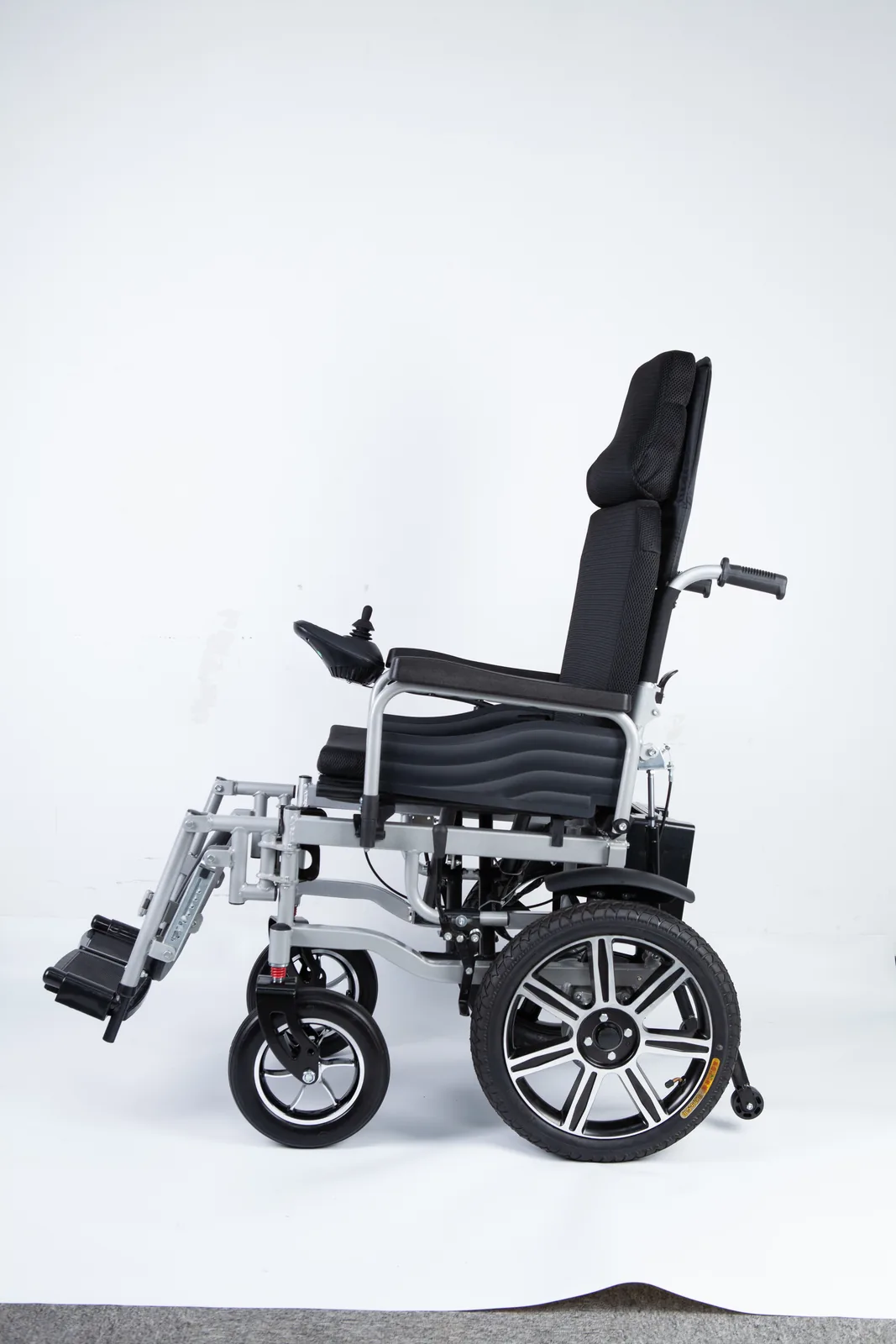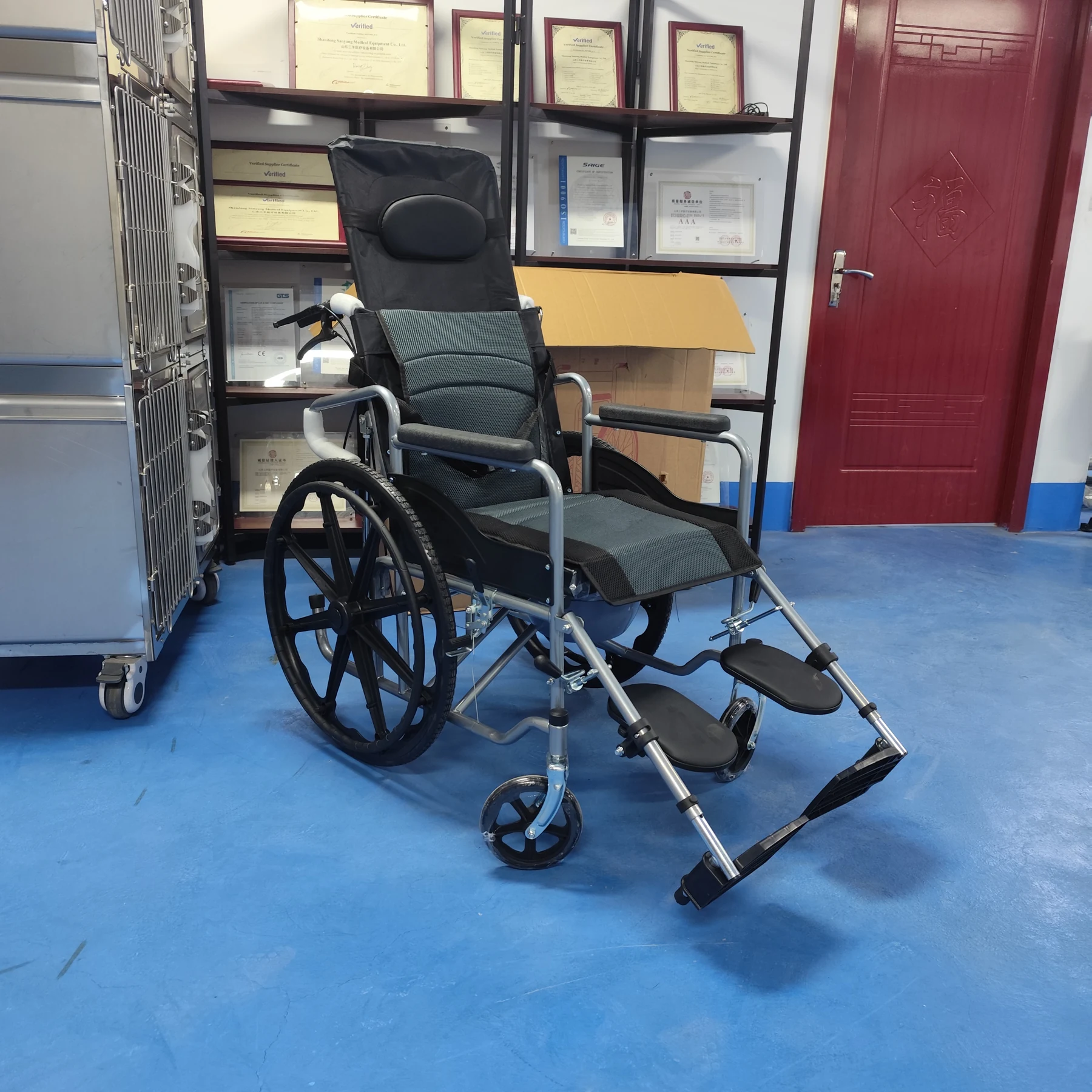
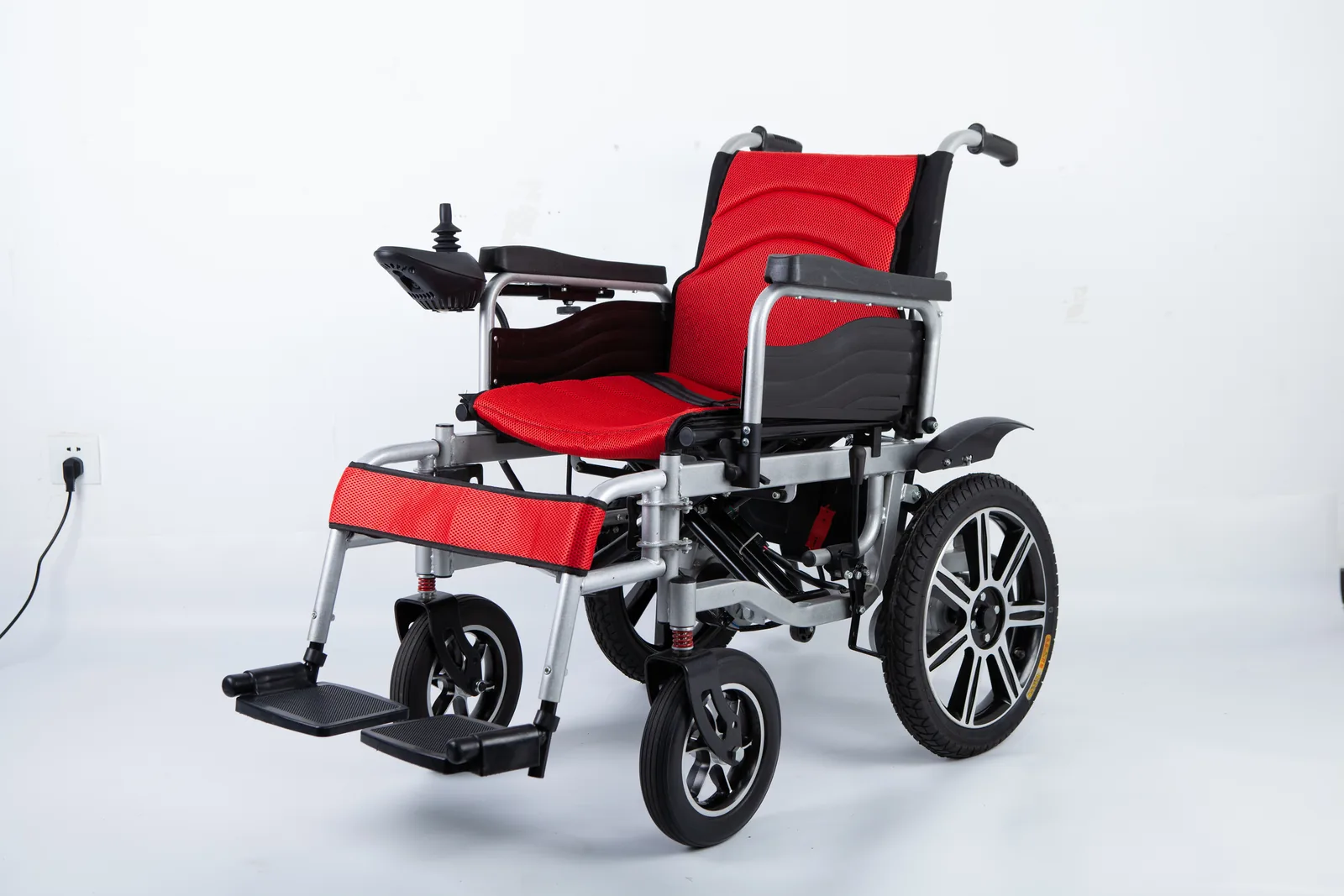
A retail fitter, a wheelchair user, or a seating team often needs to hand over a wheelchair armrest height figure. The number alone is ambiguous until you record what it was measured from: the seat surface, the cushion top, or the floor. The same chair can produce several different figures depending on that choice.
An armrest height number only means something when it names its reference point and the chair's state at the time of measurement. Record the reference, the cushion condition, and the model configuration together, so the next person can interpret the figure instead of guessing.
Wheelchair armrest height: What an armrest height number measures
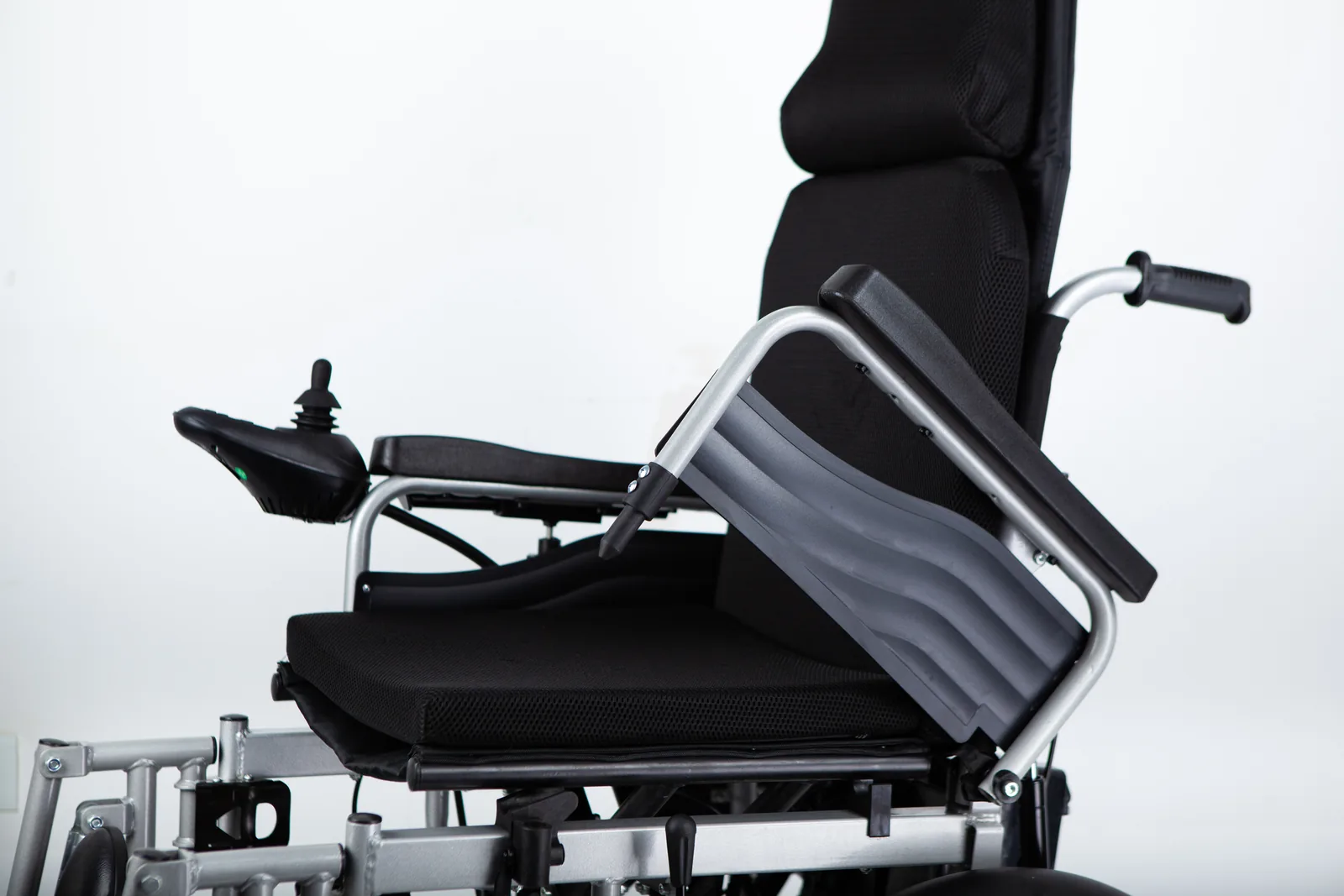
An armrest height figure describes a vertical distance between two points. One point is normally the top of the armrest pad or armrest surface. The other point is the reference the writer chose. That second point is where most confusion begins, because suppliers, manuals, and handover notes do not always use the same one. Before comparing any two numbers, identify both ends of the measurement and the condition of the chair when it was taken. A figure without that context is a bare number that cannot be checked against another source.
This matters most in a handover chain. A retail fitter may measure a stock chair in the showroom, a user may measure the chair at home with a different cushion fitted, and a seating team may work from a manufacturer document that states its own reference condition. Each of those three figures can be accurate and still disagree, because they describe different vertical spans rather than the same span measured badly. The fix is not to pick a preferred number but to label each figure with its origin, so a reviewer can see whether two numbers are comparable at all. A useful habit is to write the reference word before the number itself, for example "seat-referenced" or "floor-referenced," so the label cannot be separated from the value later in a spreadsheet or a message.
Seat reference
A seat-referenced figure describes the vertical distance from the seating surface to the armrest. This is the form most useful when the question is about the relationship between the person's seated position and the armrest, because it keeps the seat as the anchor. The catch is that "seating surface" can mean the bare seat pan, the seat upholstery, or the top of an installed cushion. Those are different planes, and a measurement taken from one will not equal a measurement taken from another. When you record a seat-referenced armrest height, write down which surface you used and whether a cushion was present. If the figure came from a manufacturer document, note whether the document states its own reference condition rather than assuming it matches your chair as configured.
Floor reference
A floor-referenced figure describes the vertical distance from the floor to the armrest. This is useful when the question involves the chair in its environment, such as whether an armrest will pass under a fixed surface or how the chair sits relative to a counter. Floor reference also depends on factors outside the armrest itself: tire size and inflation, caster size, and any change in the chair's setup all shift the floor-to-armrest distance without the armrest moving relative to the seat. That makes floor-referenced figures harder to compare between chairs unless the wheel and tire configuration is also recorded. A floor figure is not wrong; it answers a different question from a seat figure, and mixing the two in one handover note creates errors.
A simple way to keep the two apart is to decide, before measuring, which question the record needs to answer. If the question is about how the person's seated position relates to the armrest, a seat reference keeps the anchor close to the person. If the question is about the chair in a room, a floor reference keeps the anchor in the room. Recording both, each clearly labeled, is often more useful than choosing one, because the reviewer can then see the relationship between them without the collector performing a conversion.
Check whether the cushion is included
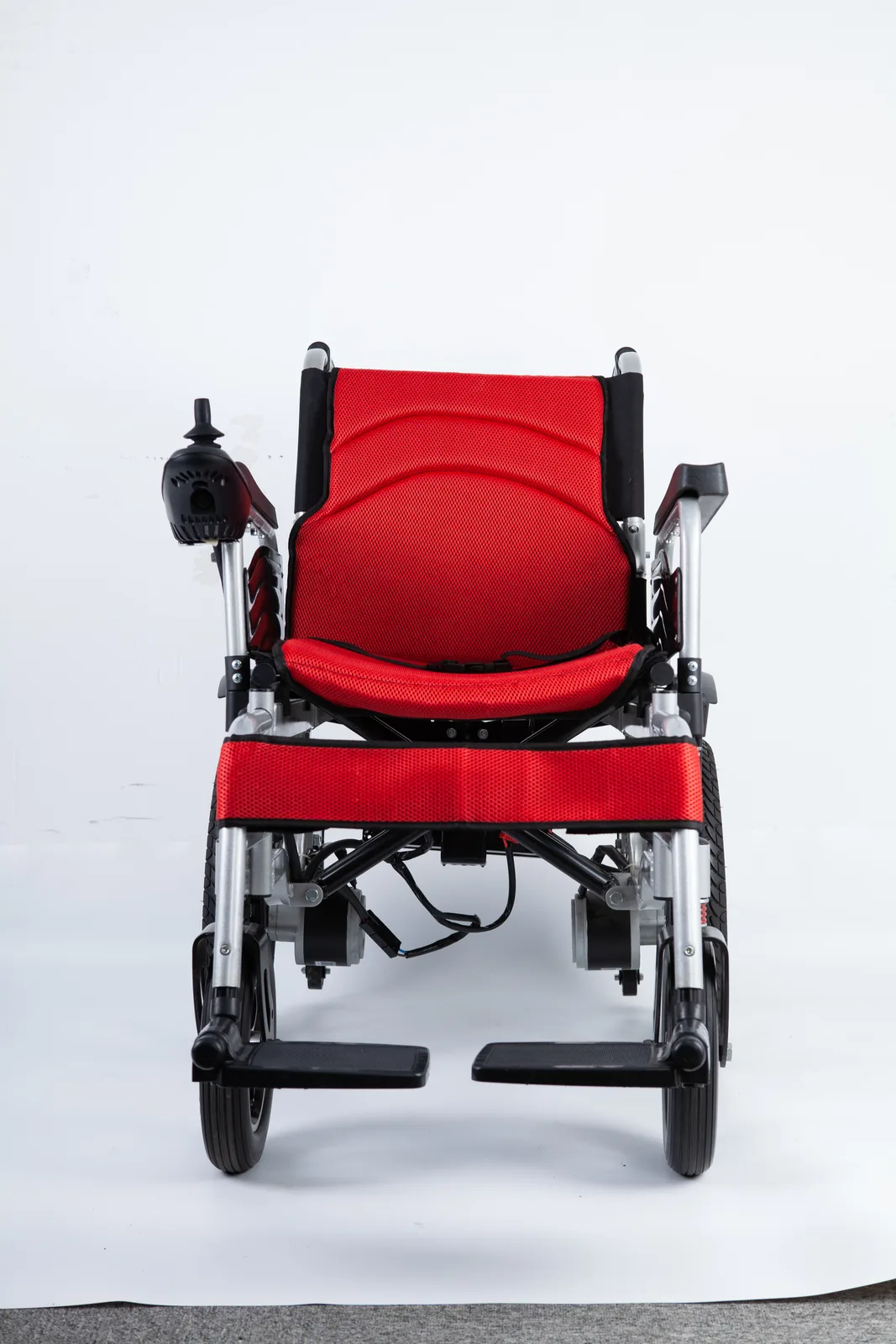
A cushion changes the effective seating surface, so it changes any seat-referenced armrest figure. The practical rule is to record the state you actually measured rather than adjusting a manufacturer figure yourself. If a model document gives an armrest height, find out what condition that figure describes. If it was taken without a cushion, it does not automatically describe the chair once a cushion is installed. Adding or subtracting an assumed cushion thickness introduces a number that no source supports and that the next reviewer cannot verify. Instead, note the cushion by name and model if it is known, and state whether the measurement was taken with it in place.
The reason to resist arithmetic is that a cushion is not a single uniform slab. Its thickness at the edges may differ from its thickness under the sitting bones, and its cover, any added layers, and how it settles under load all affect the surface a person actually sits on. A collector who subtracts a nominal cushion thickness from a bare-seat figure produces a number that looks precise but rests on an assumption about a specific cushion that the collector may not be able to confirm. The receiving professional can make that judgment with the cushion in hand; the collector's job is to describe what was present.
Installed cushion and model configuration
The chair's configuration matters as much as the cushion. Armrest style, mounting position, and any adjustment the chair allows all affect where the armrest sits. Two chairs of the same model can differ if one has an adjustable armrest set at a different position. Record the model, the armrest type, and the setting if the chair exposes one. If the setting is not marked or documented, say so rather than estimating it. This is also where a retailer's record and a seating team's record can drift apart: the retailer may measure a stock chair, while the user's chair has a different cushion and a different armrest position. Labeling each figure with its source and condition keeps both records honest and lets the receiving professional see exactly what was measured.
It also helps to note whether the chair was occupied or unoccupied when the figure was taken. A cushion compresses under a person's weight, and the chair's frame and upholstery can shift slightly as well, so an unoccupied measurement and an occupied one may not describe the same vertical relationship. This article does not tell you which state to use; it asks you to state which state you used. A record that says "measured unoccupied, cushion fitted, armrest at marked position two" gives the next person something to work with, while a bare number does not.
Read adjustability in the model document
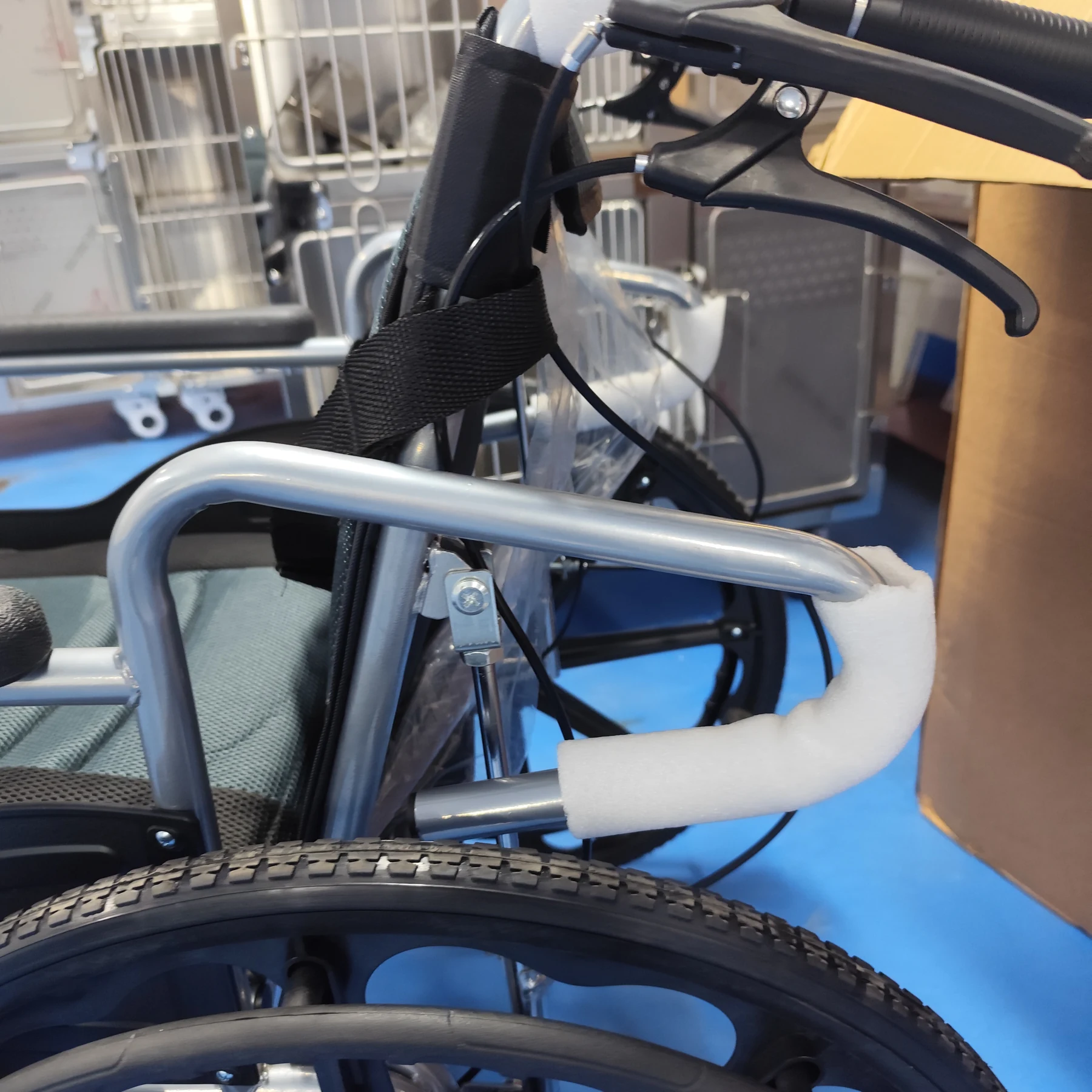
Do not assume an armrest adjusts just because it looks like it might. Adjustability is a model-specific fact, and the place to confirm it is the manufacturer's documentation for that exact model and revision. A document may state a range, a set of discrete positions, or a single fixed height. Each of those means something different for a handover record. A range tells you the armrest can occupy positions between two limits, but only if the document also states the reference point for those limits. A fixed height means there is nothing to adjust, and the recorded figure is the figure. If the document is unclear about the reference condition, treat the range as unconfirmed for your purposes and note the question rather than filling the gap with an assumption.
| What the document states | What you can record | What still needs confirmation |
|---|---|---|
| A single armrest height with a stated reference | The figure, the reference point, and the model/revision | Whether the chair as configured matches the document condition |
| An adjustment range with a stated reference | The range and its reference point | Which position the chair is currently set to |
| An adjustment range without a clear reference | The range as quoted, flagged as reference-unclear | The reference point, from the manufacturer or a qualified reviewer |
| No armrest height information | That the document does not provide it | Whether another document or the manufacturer can supply it |
The table is a recording aid, not a compatibility check. Its purpose is to stop a range from being copied into a handover note as if it were a measured setting. When a document gives a range, the useful record combines the range with the chair's actual position and the reference point. When the reference is unclear, the honest entry is a question, not a number. Retail staff who prepare chairs for handover can use this structure to separate what the manufacturer states from what they observed on the specific chair in front of them.
There is a further distinction worth keeping in the record: the range a document describes and the position a chair is set to are two different facts. A chair can sit at the bottom of a documented range, the top, or somewhere between, and the handover note should say which. If the position is marked on the hardware, copy the marking exactly. If it is not marked, describe what is visible without inventing a setting number. This keeps the record useful even when the chair later changes hands or is readjusted, because the next reader can see what the earlier entry referred to.
Compare a table and the occupied chair
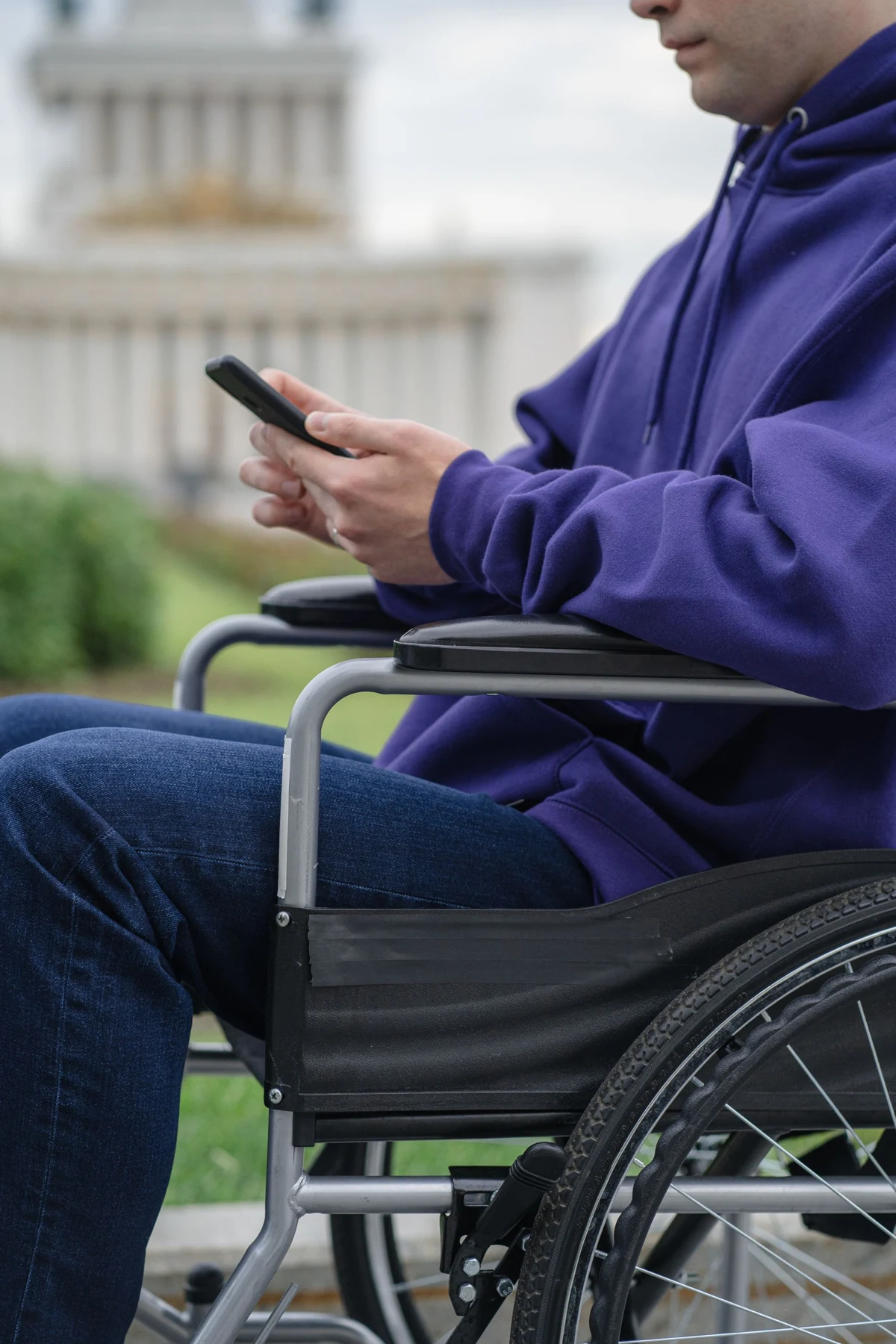
A table comparison involves at least two vertical facts: the clear height under the table and the highest point of the armrest in the position the chair will actually be in. Both need to be recorded with their own reference points. The table's underside clearance is usually described from the floor, while the armrest figure may have been recorded from the seat. Converting one to the other requires knowing the seat height in the same condition, and that chain of conversions is easy to get wrong. The safer approach is to record each figure in its original reference and let the reviewer compare them, rather than performing arithmetic that hides assumptions.
Armrest clearance is not only a height question. The armrest's front-to-back position, its width, and the table's leg or frame layout can all affect whether a chair can approach a given table. A height figure that appears to clear the table edge says nothing about the space beside the legs. Record what the user needs to do at the table, such as pull close enough to reach a surface or transfer a cup, and note which parts of the chair are involved. Do not turn this into a pass-or-fail guarantee. A recorded comparison shows what was measured and what remains unknown; it does not certify that a chair will work at a particular table for a particular person.
A useful record for this comparison lists the table's clear height, how that height was measured and where, the armrest's highest point with its reference, and the chair's state at the time. It also notes anything that could change the answer, such as a table with a central pedestal rather than corner legs, a sloped or uneven floor, or an armrest that the user removes or swings away during use. Those details do not decide the outcome, but they tell the reviewer which parts of the comparison are settled and which still depend on the actual setting. Where the user's own routine matters, such as which side they approach from, record that too, because a comparison made from one side may not describe the other.
Take the record to a seating professional

Armrest height interacts with posture, support, and how a person uses their arms, and those are individual matters. A retailer or a user can collect accurate measurements, but interpreting what a given height means for a specific person's seated position and loading belongs with a qualified seating professional. The handover record is most useful when it presents facts cleanly and separates them from questions. That way the professional can see the chair's documented configuration, the measured figures with their references, and the open items without re-deriving any of it.
A practical record includes the model and any revision identifier, the armrest type, the cushion by name if known, each measured figure with its reference point, and the date. It also includes the questions that remain, phrased specifically: which reference the manufacturer uses, whether the chair's current armrest position is documented, and what the user needs to do at the table. Keep the record free of conclusions the collector is not qualified to make. This structure also helps when the chair changes: a new cushion or a different armrest setting can be logged against the same record, so the history stays readable. For background on how armrests fit into the chair overall, see the parts of a wheelchair overview.
Separating facts from questions also protects the user's own account. A person who uses the chair daily may have clear preferences about where the armrest sits and what they need to do at a table, and those preferences belong in the record as the user's stated needs rather than as measurements. The professional can then weigh the documented figures, the chair's configuration, and the user's description together. The collector does not need to resolve any tension between them; the value of the handover is that all three are visible at once, each labeled with where it came from and when it was noted.
FAQ
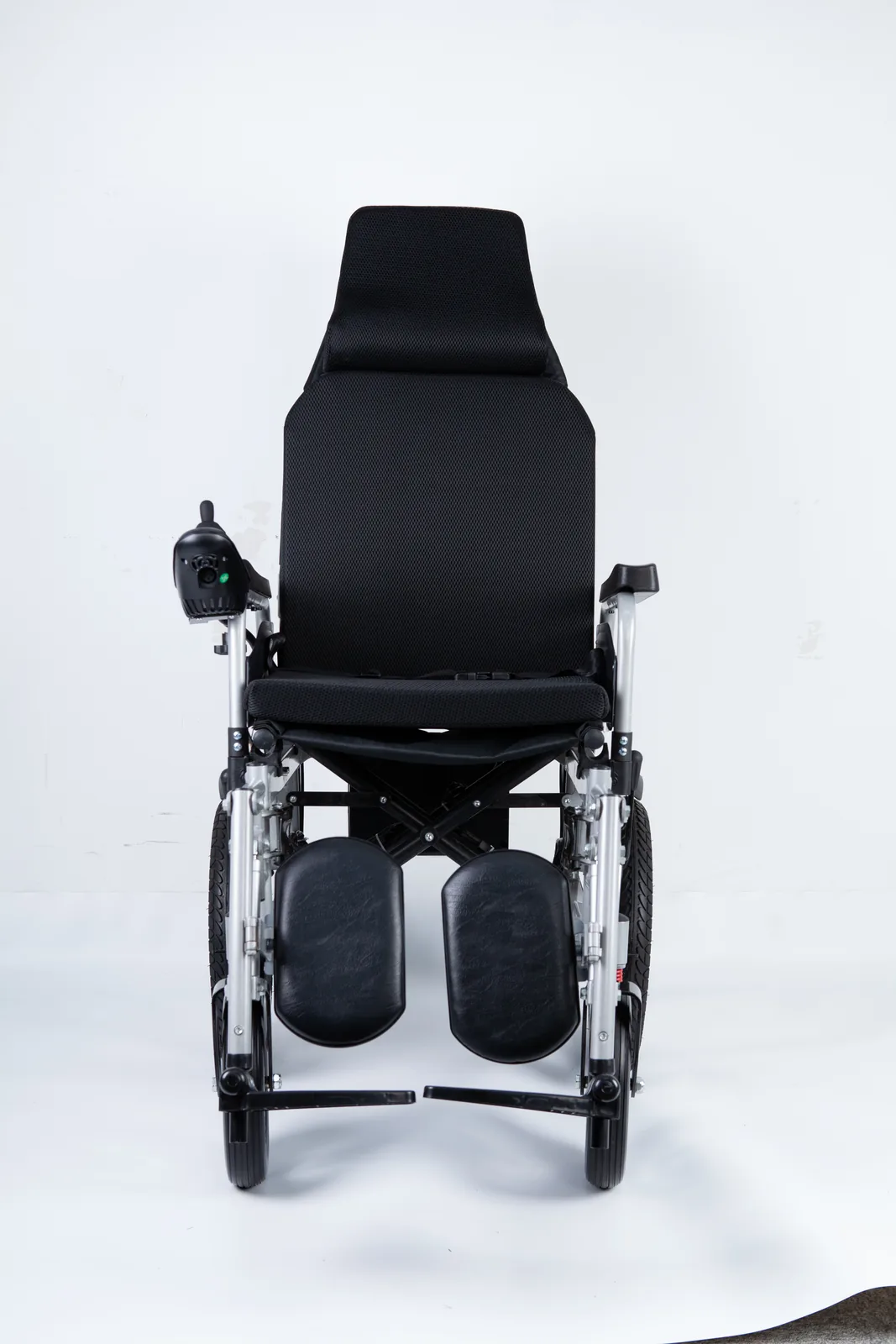
Is armrest height measured from the floor or seat?
Both are used, and neither is universally standard. A seat-referenced figure keeps the seating surface as the anchor and is often more useful for seating discussions; a floor-referenced figure describes the chair in its environment. The essential step is to state which reference was used. When a figure arrives without that label, ask before comparing it with anything else.
Does a height-adjustable armrest fit every table?
No. Adjustability changes the armrest's vertical position within the model's documented range, but table fit also depends on the table's underside clearance, its leg and frame layout, and the chair's approach. A height range does not guarantee clearance, and it says nothing about the space beside the table legs. Record the table's clear height and the armrest's highest point, then confirm the specifics for the actual table and chair.
Conclusion
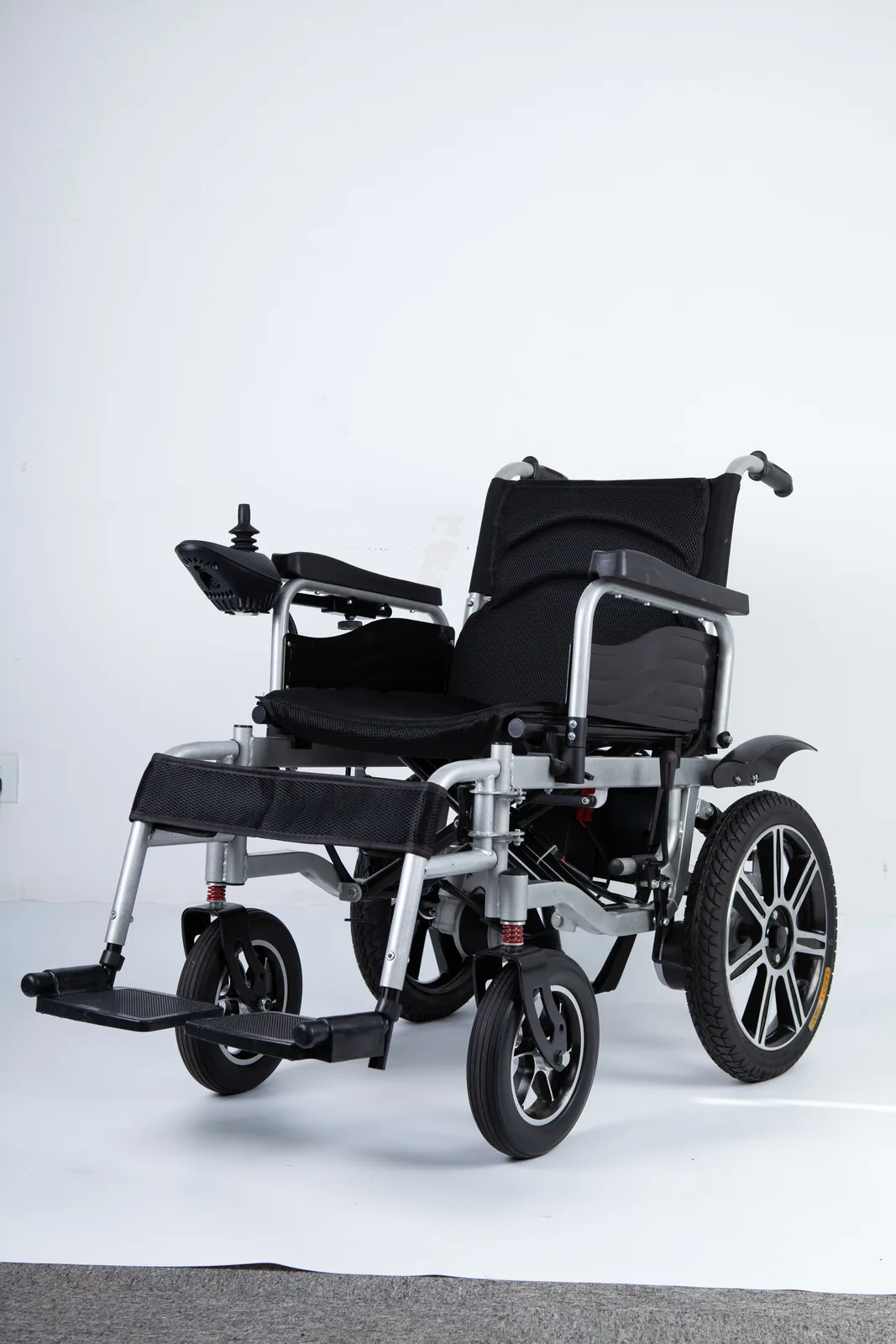
Record the reference point, cushion state, and model configuration with every armrest height figure, then hand the record to a qualified seating professional for interpretation.
Video: How To Take Wheelchair Assessment Perfect Body Measurements For Correct Posture