A power wheelchair listing or technical file may state an obstacle-climbing figure, and a buyer or dealer then has to decide what that number actually covers. Wheelchair obstacle climbing ability is usually documented through a specific test on a specific chair, not through the route the chair will face.
A reported obstacle-climbing value describes one tested electric wheelchair under defined test conditions, recorded in one document version. It does not certify that the same chair, or its occupant, can safely mount a particular curb, step, or threshold.
Wheelchair obstacle climbing ability: Define the obstacle test
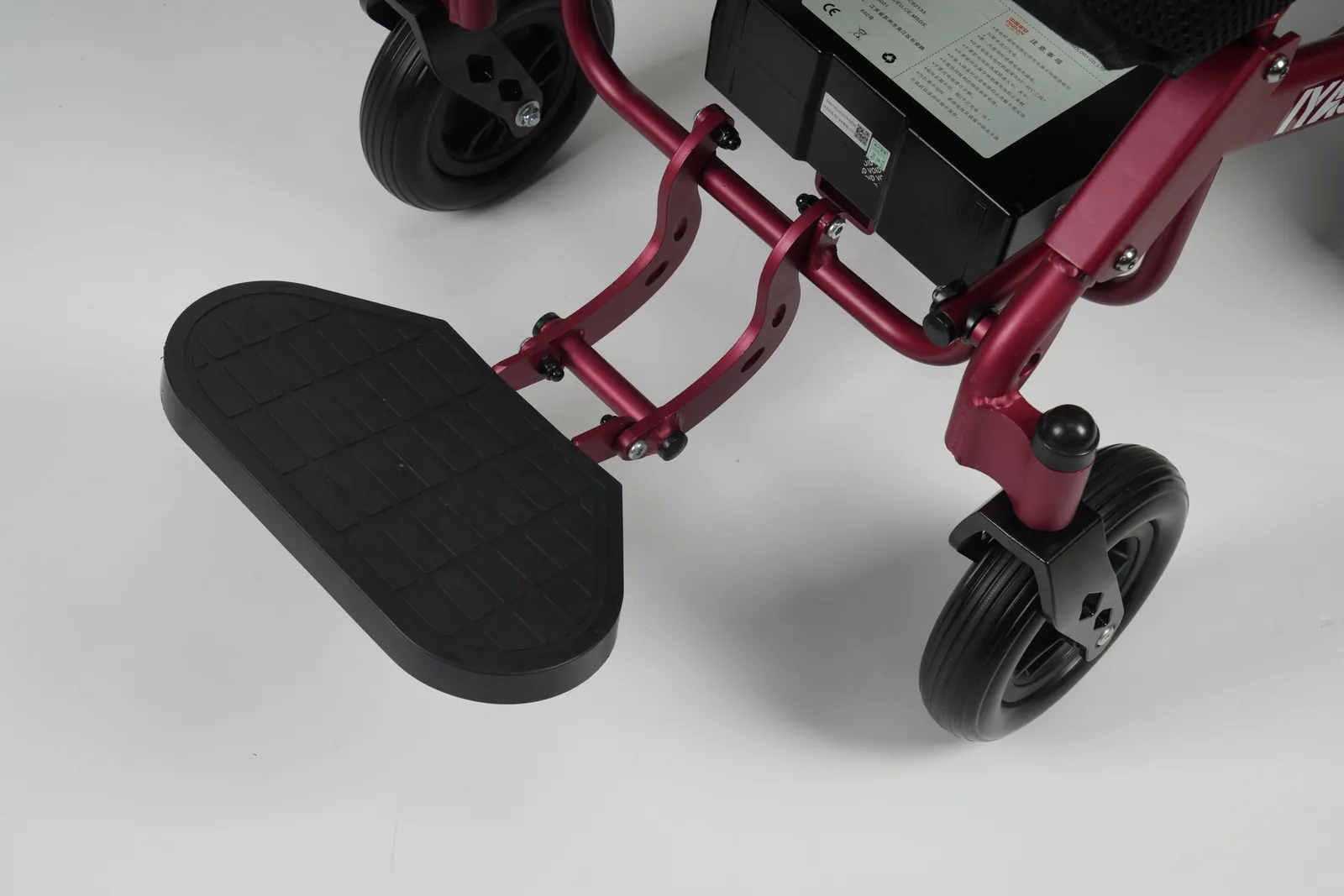
Before comparing any figure, establish what test produced it. In the power-wheelchair field, obstacle-climbing performance is commonly discussed through ISO 7176-10, and the standard's own scope statement is the place to start. The ISO committee page for ISO 7176-10:2008 describes the standard as covering test methods for determining the obstacle-climbing ability of electrically powered wheelchairs, including scooters, with a maximum speed not exceeding 15 km/h. That description is the scope of the test method, not a performance claim about any chair.
That distinction matters for buyers and dealers because a test method defines how a measurement is made, while a report value is the outcome for one sample. Two documents can both cite the same standard and still describe different chairs, different configurations, or different revisions of the test. Reading the scope first tells you which equipment the method was written for; reading the report second tells you what happened in that particular case. A dealer who skips the scope step can end up quoting a figure that was never intended to describe the chair in front of them.
Scope of ISO 7176-10
The scope also carries limits worth noting. The standard addresses electrically powered wheelchairs and scooters within a stated speed range, so a manual wheelchair or a chair outside that range is not automatically described by the same test. A dealer comparing a manual model against a powered model should not treat an obstacle figure from one as if it applied to the other. Likewise, a figure quoted for a scooter should not be transferred to a different chair type without checking the report's own equipment description.
Scope statements are also not statements about real-world routes. The standard defines a test method; it does not declare a chair suitable for a given curb height, a particular doorway threshold, or a user's daily environment. When a supplier or listing cites ISO 7176-10, the useful next question is which chair, in which configuration, was tested and what the report recorded. The citation alone tells you the method family, not the outcome.
The tested electric wheelchair
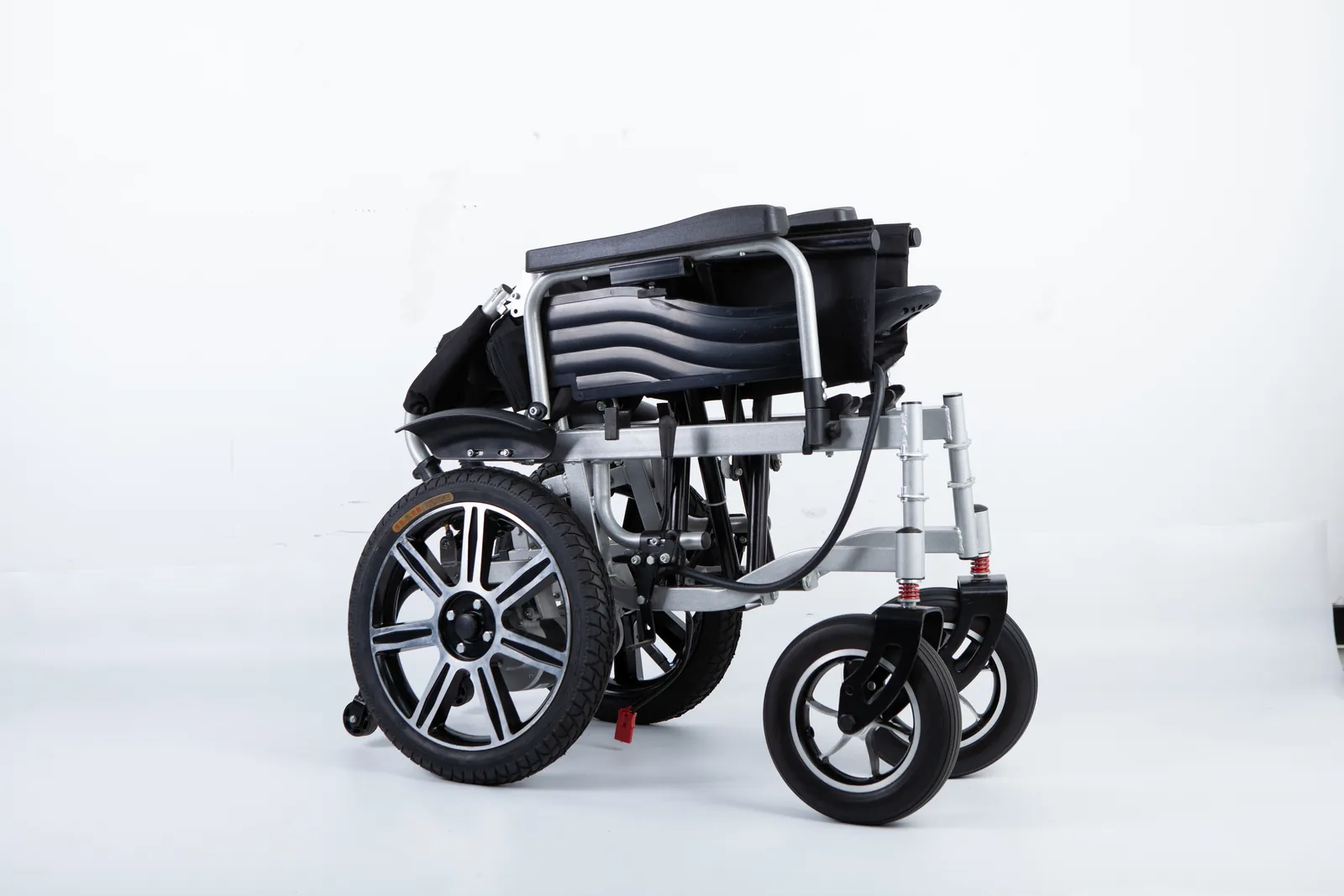
A test result belongs to the exact unit tested. That includes the model, its drive configuration, and the accessories fitted at the time. A chair tested with one set of wheels, one battery pack, or one seating setup is not automatically representative of the same model sold with different components. Buyers preparing a comparison should ask for the report's description of the tested device rather than relying on a model name alone.
This is where documentation discipline pays off. If a quotation or brochure gives an obstacle figure, ask whether the figure comes from a test report, which model and configuration it covers, and whether the report is current for the version being purchased. If those answers are missing, the figure is best treated as an unverified marketing statement rather than a comparable technical value. Recording that status in a sourcing file prevents a later quotation from inheriting a number nobody can trace.
Read one actual report

A concrete example helps show what a report actually contains. The FDA publishes some device review documents that cite standards and summarize test results for named devices. One such document, K250758, is a named electric device file that references standards and reports results for that device. It is useful as a reading exercise, not as evidence about any other chair, including anything supplied by Wheelchairs Factory.
A named report and its sample
When you open a file like this, the first task is to identify the subject. Which device is the document about? What is its intended configuration? The sample described in the file is the sample the results belong to. A result recorded there does not extend to a different model, a later revision, or a chair sold with different components.
This is the same discipline a dealer needs when a manufacturer sends a test summary. The summary is only as useful as its identification of the tested unit. If the document names the device but not the configuration, the reader should note that gap rather than assume the tested setup matches the stock configuration. The gap itself is a finding: it tells the buyer which question to send back before the figure enters a quotation or a customer conversation.
Conditions and result fields
A test report typically records the standard cited, the test conditions, and the outcome values. The conditions are not background detail; they are part of what the number means. A result obtained under one set of conditions should not be silently compared with a result obtained under another. Where a field is missing or unclear, the honest reading is to leave it as an open question rather than fill it in.
The table below sets out the fields a reader should look for and what each one controls. It is a reading aid, not a claim that every report contains every field in this form.
| Report field | What it identifies | Why it changes the comparison |
|---|---|---|
| Standard cited and revision | The test method used | Different revisions or methods may not be directly comparable |
| Device name and model | The tested equipment | A result applies to that device, not to a whole product family |
| Configuration and accessories | The tested build | Wheels, batteries, and seating can change the tested unit |
| Test conditions | How the test was run | Conditions must match before values are compared |
| Recorded result | The measured outcome | The value means only what the method and conditions support |
| Document date and version | Which report edition | Later revisions may supersede earlier figures |
Read the table as a checklist for a document review, not as a substitute for the report itself. If a supplier provides only a single figure without these fields, the buyer cannot tell what the figure covers. In that situation the practical move is to request the underlying document rather than to rank the figure against another supplier's number, because an unanchored value invites a comparison the evidence cannot support.
Compare results on equal terms
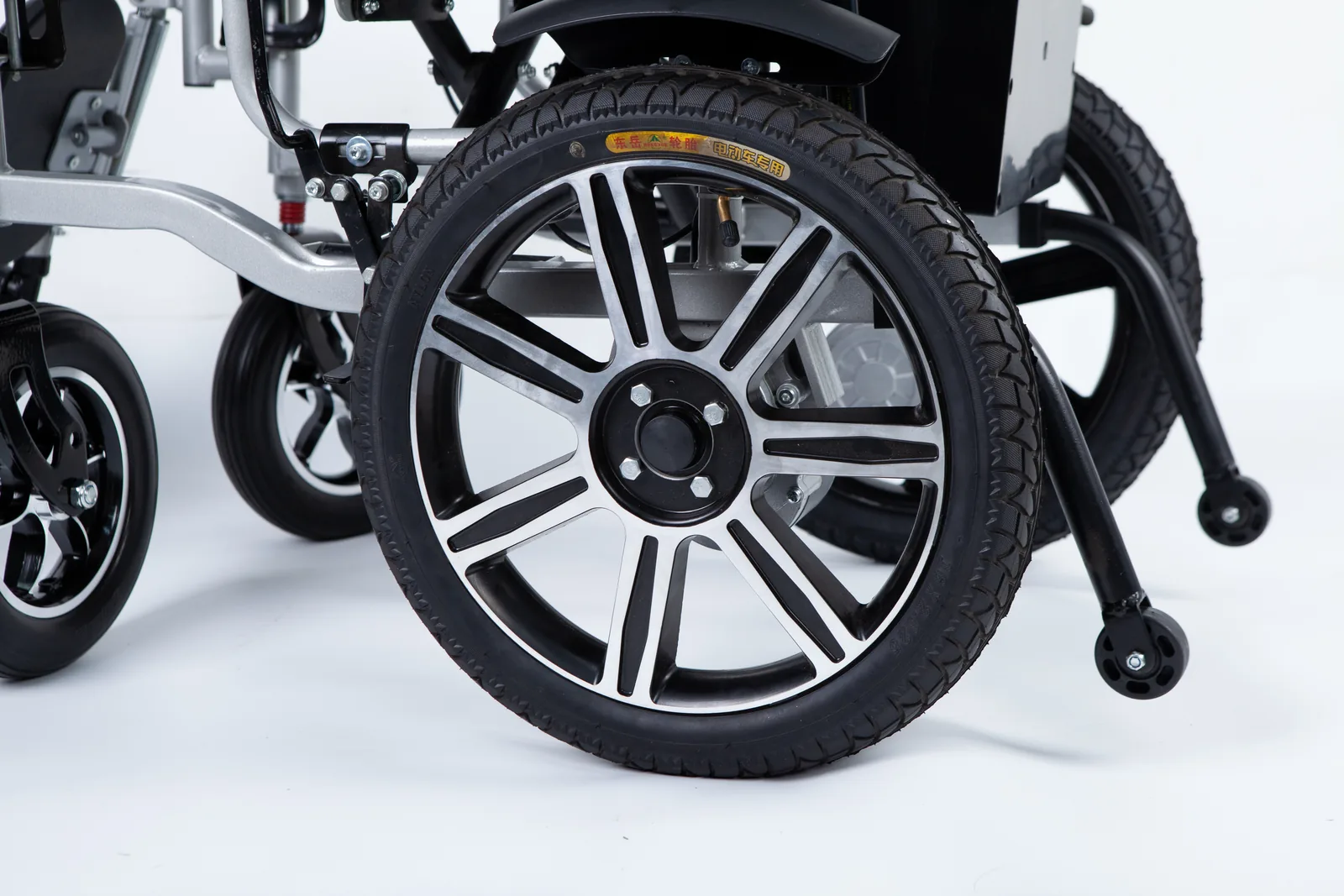
Comparing obstacle figures is only meaningful when the underlying records line up. A higher number in one document does not automatically mean better real-world performance, because the two numbers may describe different chairs, different builds, or different test conditions. The practical approach is to align the records field by field and mark any mismatch before drawing a conclusion.
Model and configuration
Start with the model and configuration. If one report covers a chair with a particular drive setup and the other covers a different build, the figures are not directly comparable. A dealer preparing a shortlist should record the exact model designation and the configuration described in each report, then note where the descriptions diverge. Where a configuration is not stated, treat the comparison as incomplete rather than assume equivalence.
This also protects against a common sourcing error: treating a figure from one market's documentation as if it applied to a differently configured unit sold elsewhere. The report describes what was tested; the purchase describes what will be delivered. Those two descriptions need to match before a figure is used in a purchasing decision. When they do not match, the figure can still be useful as background, but it should not be presented as a property of the unit being quoted.
Comparable test conditions
Conditions come next. The standard cited, its revision, and the test conditions recorded in the report all need to align. If one document cites a different revision or records different conditions, the values should be set side by side with that difference noted, not averaged or ranked. Where a field is absent, leave it blank in your comparison sheet and list it as a question for the supplier.
The table below shows how a comparison sheet can be organized. The example rows are placeholders for the reader's own records; no values are supplied here because the specific figures depend on the documents being compared.
| Comparison item | Report A | Report B | Action if mismatched |
|---|---|---|---|
| Standard and revision | Confirm from document | Confirm from document | Do not compare until aligned |
| Device model | Record exactly | Record exactly | Treat as different products |
| Configuration | Record exactly | Record exactly | Ask supplier to confirm build |
| Test conditions | Record as stated | Record as stated | Note difference; do not rank |
| Recorded result | Copy as stated | Copy as stated | Compare only if above align |
| Document date/version | Record | Record | Check for a newer revision |
A comparison sheet built this way keeps the buyer honest about what is known and what is still open. It also gives the dealer a clear list of questions to put to the supplier before quoting a figure to a customer. The sheet does not decide which chair is better; it decides whether a comparison is legitimate at all, which is the prior question.
Separate test results from a real route
A test result is a measurement under controlled conditions. A real route involves surface, approach angle, weather, lighting, the occupant's own abilities, and the judgment of the person operating the chair. None of those are captured by an obstacle figure. The result tells you something about the chair under test; it does not tell you that a specific curb, step, or threshold will be passable on a given day.
That separation is not a technicality. A venue or transport team reading a specification may need to know whether a route is workable, and a test figure cannot answer that question on its own. The figure describes the chair's recorded outcome under the test method; the route question involves the site, the approach, and the person. Keeping the two apart prevents a documented value from being stretched into a promise it was never meant to carry.
Test results are not personal limits
A published figure should never be read as a statement about what a particular person can or should attempt. The test does not assess the occupant, and it does not prescribe a safe practice. A user's own abilities, the chair's condition, and the specific route all bear on whether an obstacle can be negotiated, and those judgments belong with the user and, where relevant, an appropriate professional.
This is also why a figure should not be turned into a rule such as "this chair handles curbs up to X." The report does not make that claim, and a dealer repeating it as a promise creates a risk the documentation does not support. The safer framing is that the report records a tested outcome under stated conditions, and the route decision remains separate. A caregiver or venue team can use the figure as one input while still assessing the actual approach, surface, and assistance available.
Model-specific guidance
Manufacturer manuals sometimes address obstacle handling directly, and their wording can differ sharply between models. One manual reviewed for this topic states, on its obstacle page, that the model is not designed for climbing over obstacles; that statement applies to that model only and should not be extended to other chairs. Another manual includes an obstacle section and model-specific parameters on later pages; those figures belong to those models and are not Wheelchairs Factory data.
The lesson for buyers and dealers is to read the manual for the exact model in hand. A manual statement that a chair is not intended for obstacle climbing is as important as a numeric figure, because it defines the intended use. Where a manual is silent, the question should go to the supplier rather than being resolved by assumption. Intended-use wording and test values answer different questions, and a complete record keeps both visible.
FAQ
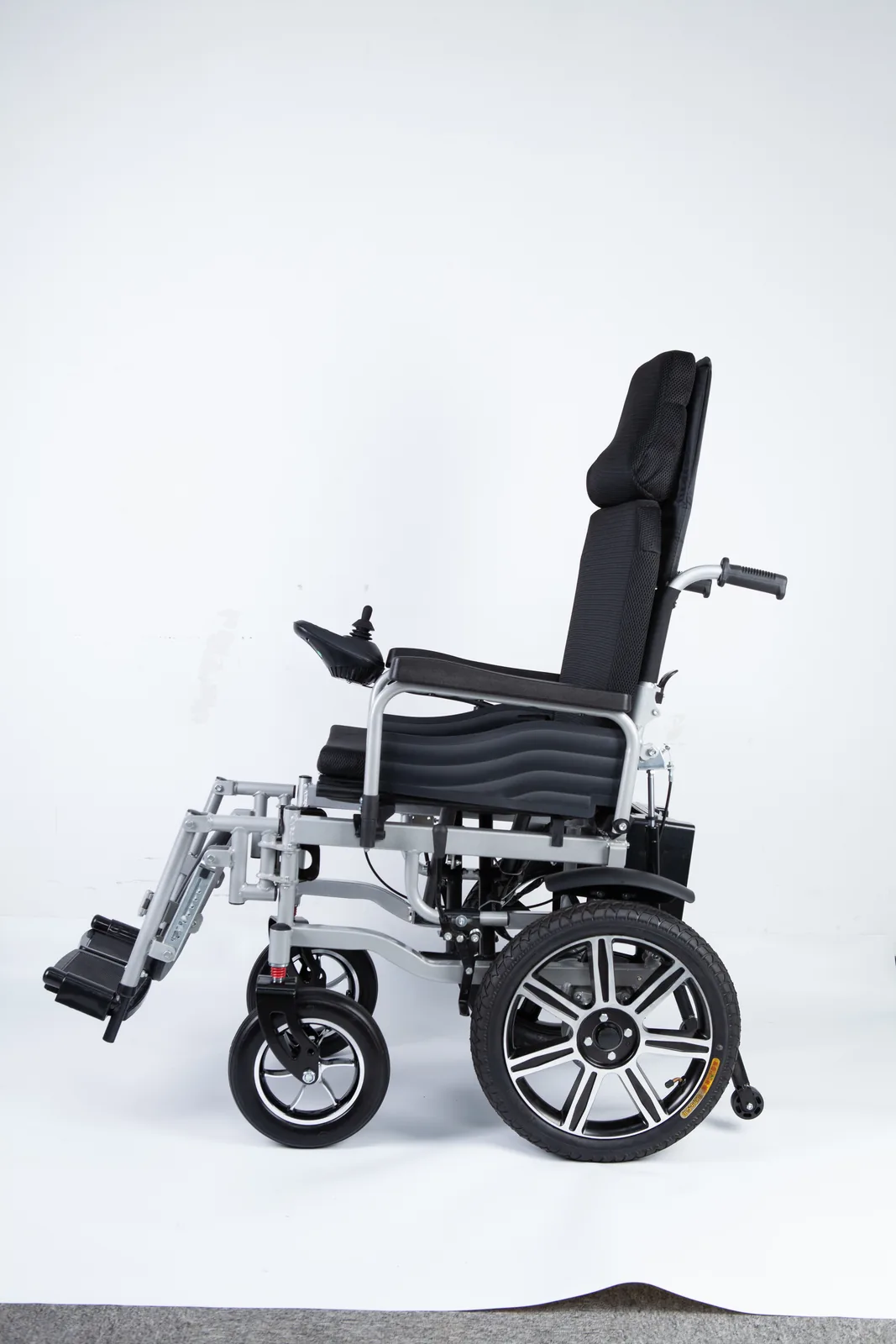
Does a published obstacle value guarantee curb access?
No. A published value describes a tested chair under stated conditions. It does not certify that a particular curb, in a particular place, on a particular day, can be safely negotiated by a particular user.
Is the same test used for every wheelchair?
No. ISO 7176-10:2008 is written for electrically powered wheelchairs and scooters within a stated speed range. Manual chairs and equipment outside that scope are not automatically described by the same method, and individual reports should be checked for the standard and revision they cite.
What makes two reported figures comparable?
The same standard and revision, the same or equivalent device configuration, matching test conditions, and a clear document version. If any of those differ or are missing, the figures should be recorded side by side with the difference noted rather than ranked.
Conclusion
Read the scope, the tested unit, and the conditions before trusting any obstacle figure. Ask the supplier for the report behind the number.