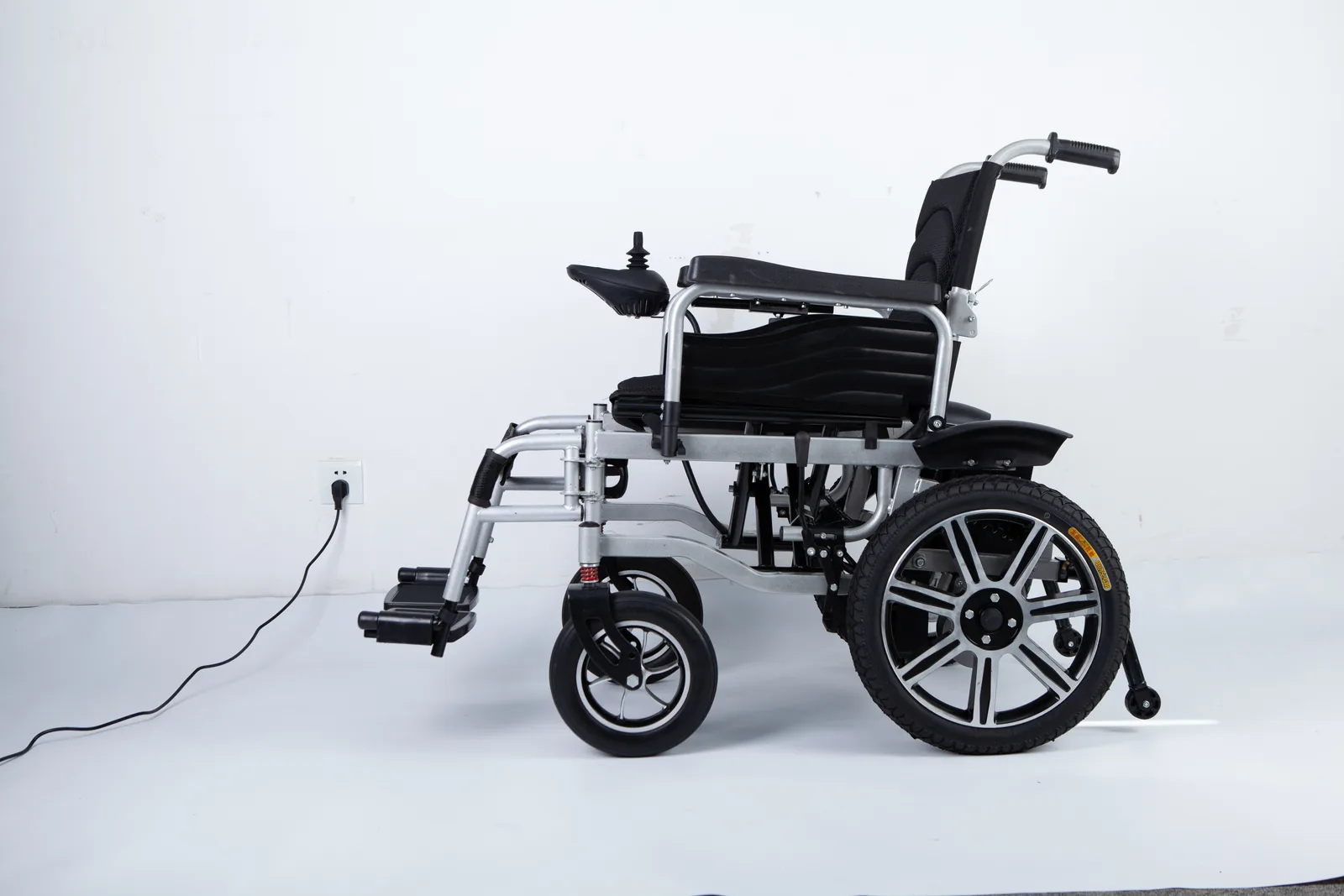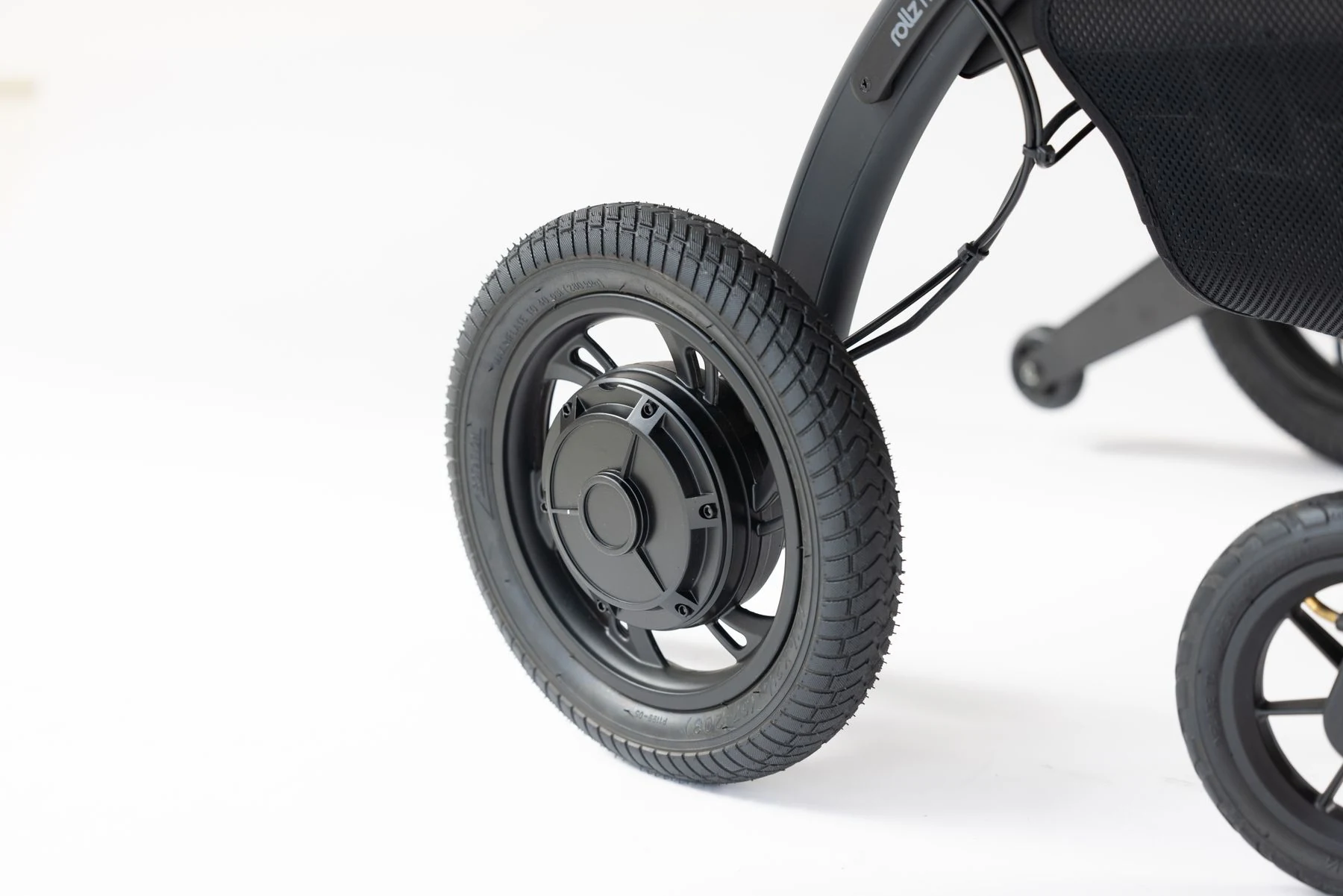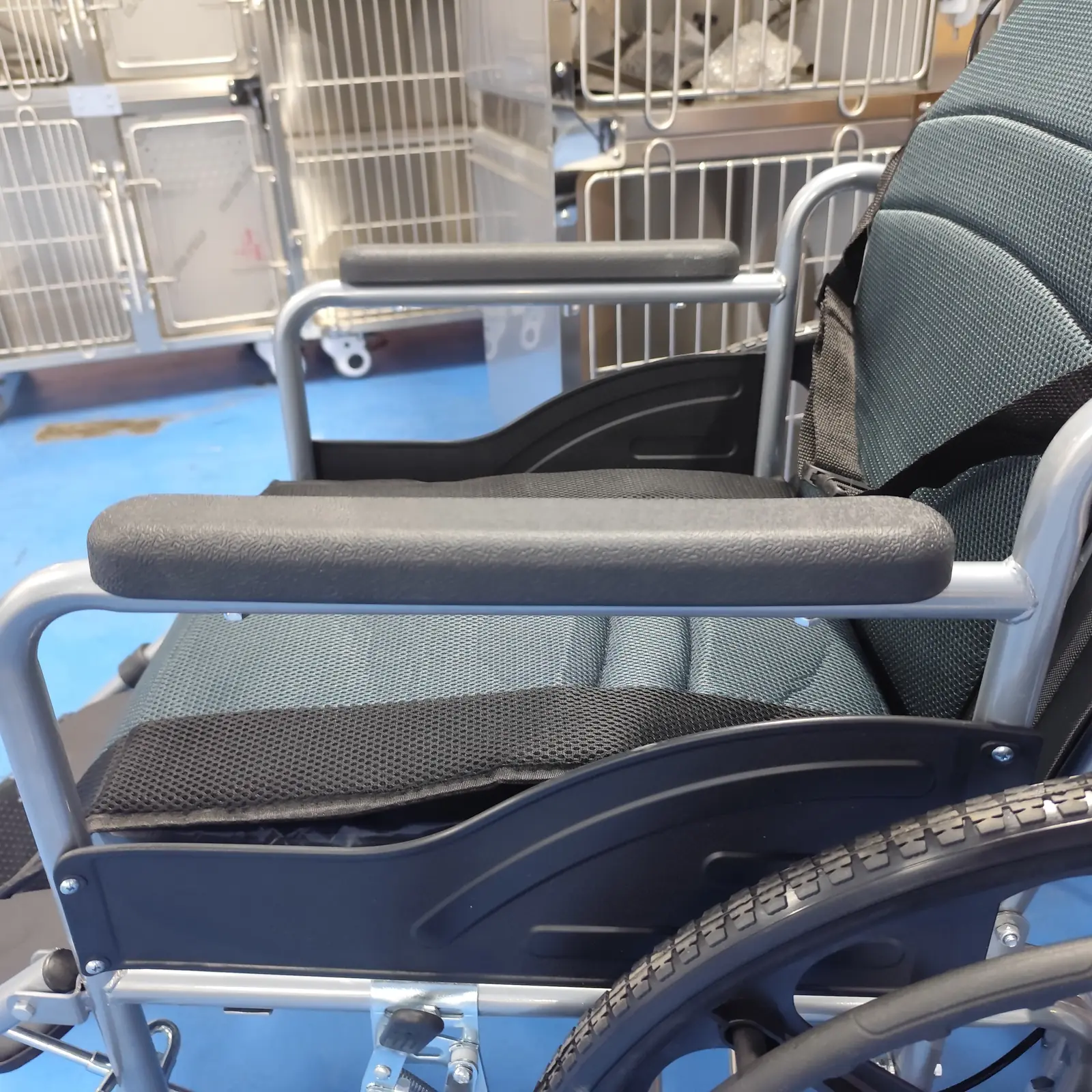
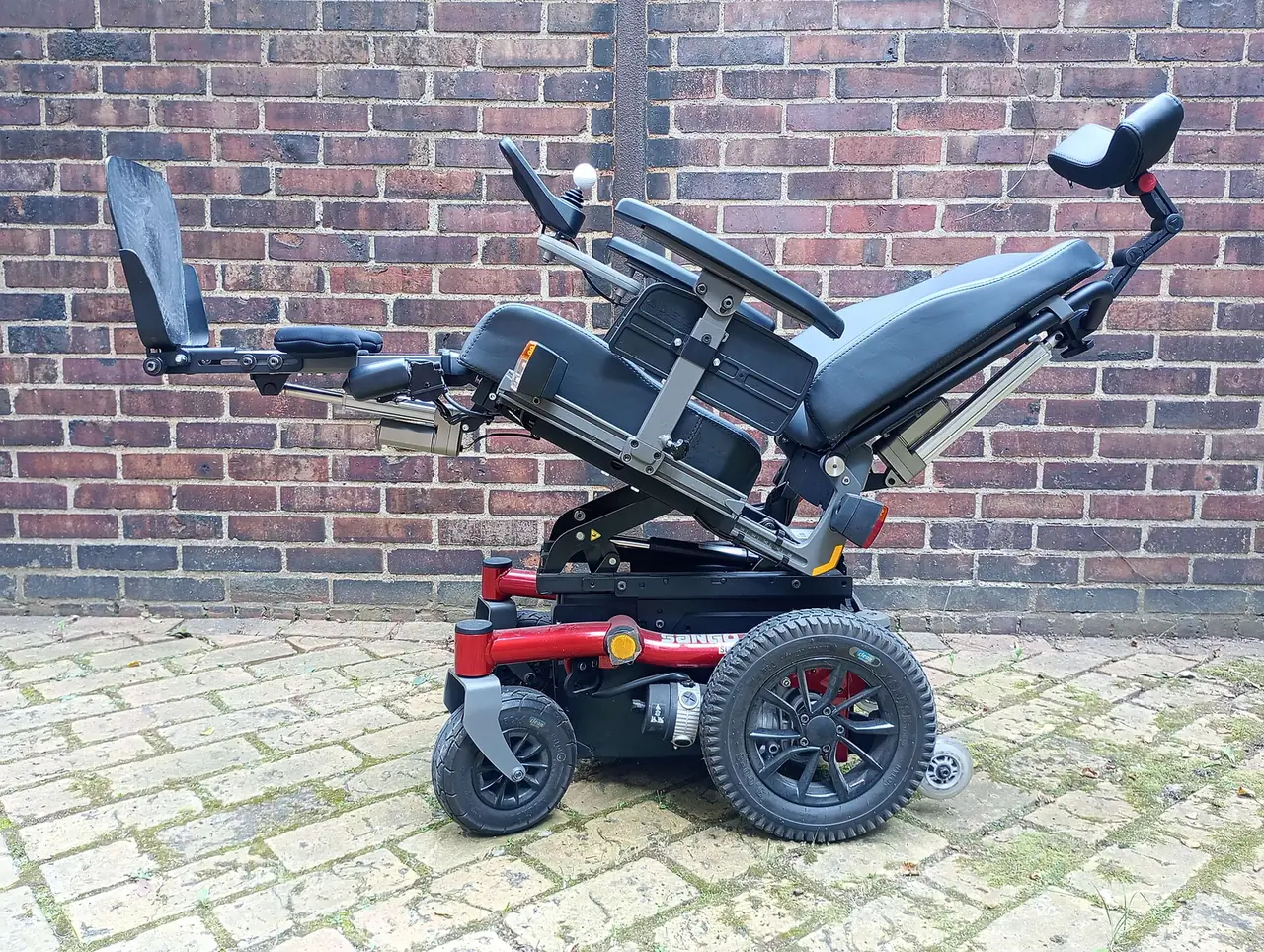
A repair supplier receives a power wheelchair with a failed tilt or recline actuator and must decide how to describe the part on a claim. The answer depends on what was actually supplied, when, and to which payer.
E2378 power wheelchair actuator replacement coding starts with the physical part, not the code. E2378 is a HCPCS code for a replacement power wheelchair actuator; it is not a diagnosis, a controller code, or a guarantee of payment. Before submitting anything, confirm the physical part, the service date, the supplied-versus-replaced distinction, and the payer’s current written requirement.
This article is written for US repair suppliers and coding staff who prepare claims and service records. It organizes the questions that must be answered before a code is entered, and it separates three things that are easy to blur: the actuator as a physical component, the code that describes it, and the payer rule that may or may not apply on a given date. Nothing here replaces the payer’s own written instruction or a qualified coder’s review of a specific claim.
E2378 power wheelchair actuator replacement: Identify the actual actuator and whether it is a replacement
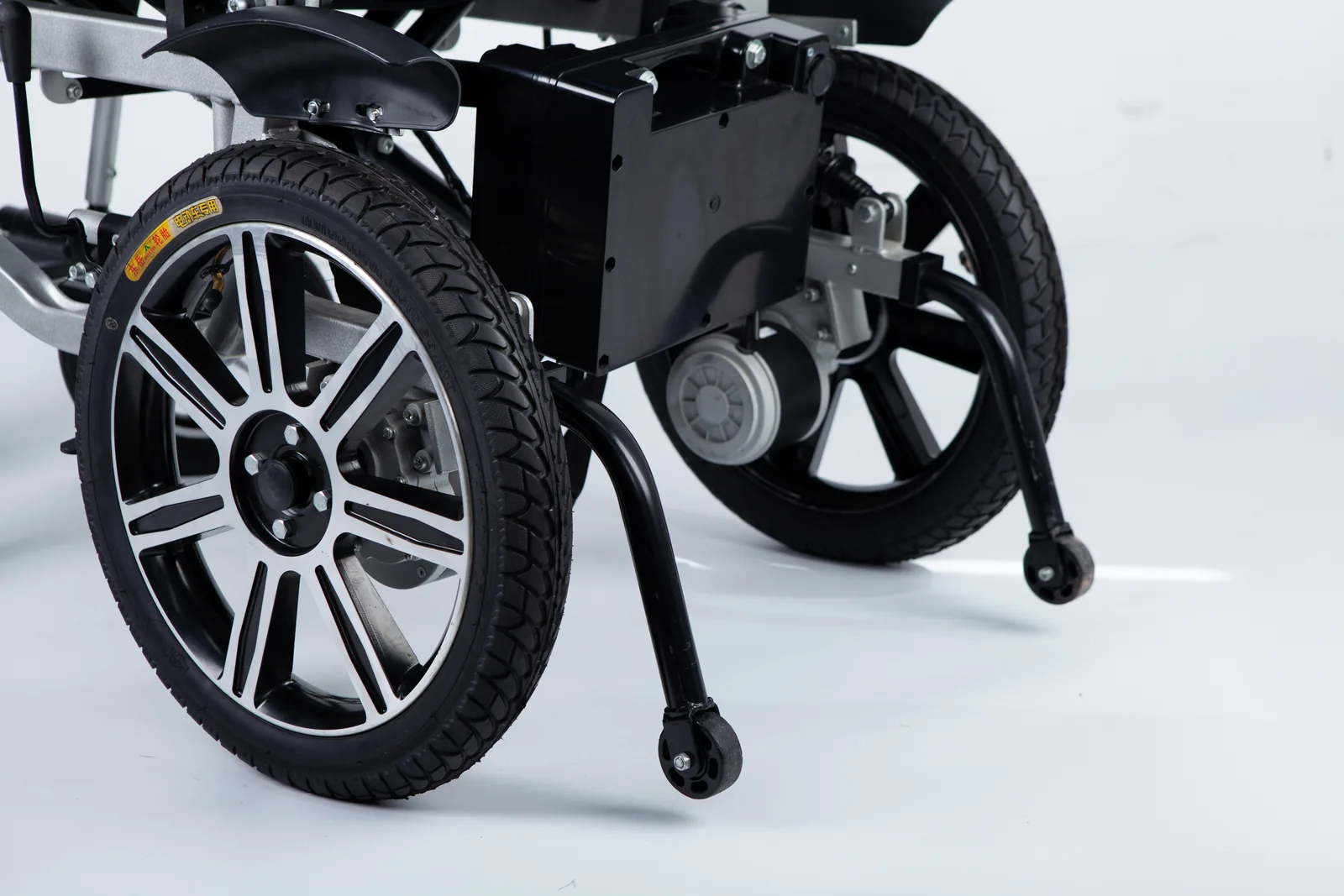
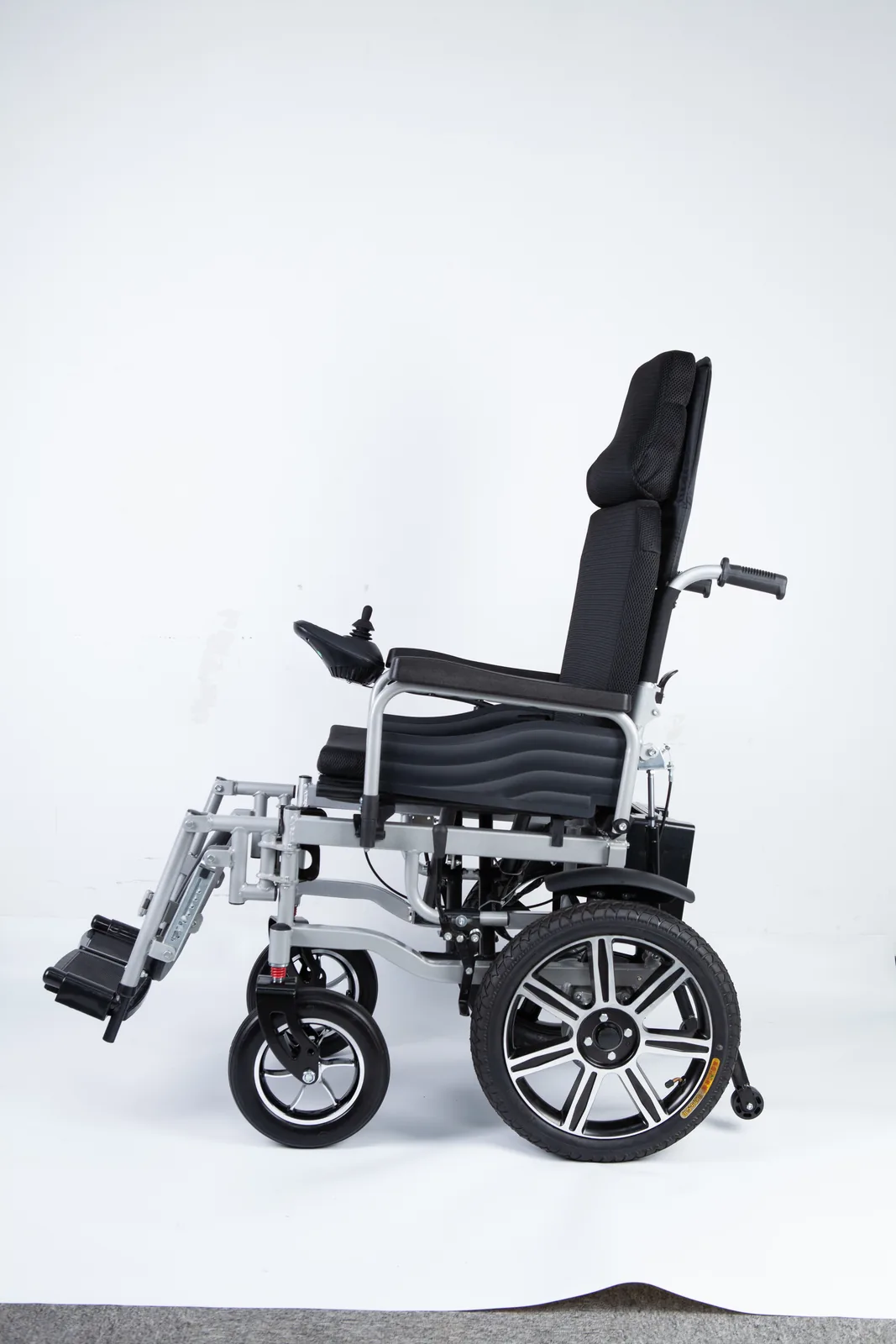
The first task is physical, not clerical. Before any code is discussed, the supplier should be able to state which actuator on the chair failed, what the replacement part is, and whether that part is being supplied as a standalone service component or as part of a larger assembly. A power wheelchair may carry more than one actuator — for tilt, recline, leg elevation, or seat functions — and the same chair can have different part numbers for each position. A work order that says only “actuator” is not enough to support a specific code entry, because the descriptor has to match the item that was actually furnished.
Start with the chair’s own documentation. The manufacturer’s parts list or service manual for the exact model should identify the actuator by part number and position. The serial number or model identifier on the chair links the claim to a configuration; without it, a supplier cannot show that the part ordered matches the chair on the bench. Record the part number actually received, the part number removed, and whether the two are identical. A substitution, a superseded number, or a rebuilt unit changes what the record can support, even when the function is the same. A like-for-like swap is the simplest case; anything else needs a note explaining the difference.
Separate the actuator from the controller. A chair that will not tilt may have a failed actuator, a failed controller output, a wiring fault, a limit switch problem, or a battery/charging issue. The controller is a different component with different codes and different documentation. A repair record that lists “controller/actuator” as one line cannot support either code cleanly. The practical test is whether the supplier can point to the failed component and to the evidence that identified it — a bench check, a substitution test using the manufacturer’s procedure, or a fault indication documented in the service record. This article does not supply diagnostic procedures; those belong to the manufacturer’s service information for the exact model, and a fault code shown on a controller display is not by itself proof that the actuator is the failed part.
Finally, decide whether the item is a replacement at all. If the actuator is being supplied with a new chair, as part of an initial issue, or as a component included in a larger assembly that is itself the billed item, then the replacement framing may not fit. That distinction is the subject of the next section, because the code language and the historical payer notice both turn on it. Getting the physical facts right first means the later coding conversation is about one question — which descriptor fits — rather than several at once.
| What to establish | Why it matters | Where to record it |
|---|---|---|
| Exact chair model and serial number | Links the claim to one configuration | Service record header |
| Actuator position (tilt, recline, leg elevation, other) | Different positions can carry different part numbers | Work order line |
| Part number removed and part number supplied | Shows whether the item is a like-for-like replacement | Parts section |
| Whether the part arrived standalone or inside an assembly | Affects whether a component code or assembly code applies | Supply note |
| Evidence identifying the failed component | Separates actuator failure from controller or wiring fault | Diagnostic note |
| Date the item was furnished | Drives which code version and payer instruction apply | Service date field |
Compare the current CMS HCPCS entry with the historical DME MAC notice
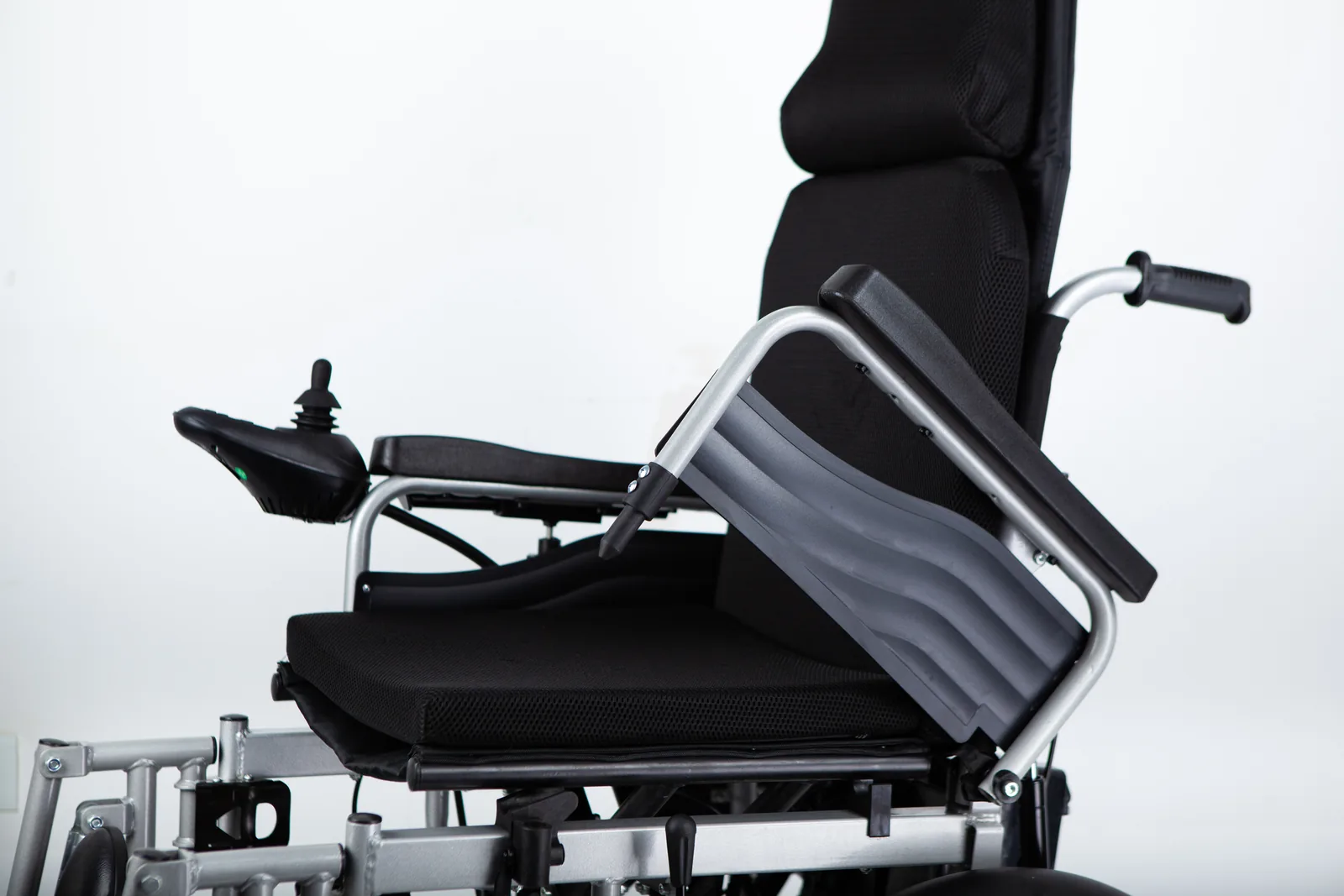
Two sources sit behind most of the confusion around this code, and they do different jobs. The CMS HCPCS quarterly update file is the code authority: it lists the code, its descriptor, and the effective date of the entry. A commercial code reference such as the AAPC HCPCS page for E2378 reproduces the descriptor for lookup. Neither of those tells a supplier whether a particular claim will be paid. That is a coverage question, and coverage is set by the payer through its own policies and instructions.
The second source is the historical DME MAC notice on correct coding and incorrect use of HCPCS code K0108 to bill an actuator. That notice addresses a specific coding error: using K0108 — a code for wheelchair components or accessories not otherwise described — when a more specific actuator code exists. The notice is useful because it explains the reasoning behind separate actuator coding, and because it shows that the choice between a specific code and a miscellaneous code is a coding decision, not a matter of supplier preference. It is a historical document, however. Its date, its scope, and the policies it references belong to the period in which it was issued, and a supplier should not treat it as a statement of current payment rules without checking the payer’s current instruction.
Read together, the two sources support a narrow but important conclusion. The code set includes a specific descriptor for a replacement power wheelchair actuator, and a miscellaneous component code is not the right substitute when that specific descriptor fits. What the sources do not establish is that any particular claim will be paid, that a particular product meets coverage criteria, or that a code valid in one period remains unchanged in another. HCPCS files are updated quarterly, and descriptors, effective dates, and payment rules can change. A supplier working a claim from an earlier service date needs the code file in force at that date, not only the current one. That is why the code file version belongs in the claim record next to the code itself.
| Source | What it establishes | What it does not establish |
|---|---|---|
| CMS HCPCS quarterly update file | The code, descriptor, and effective date as published by CMS | Coverage, payment amount, or medical necessity for a specific claim |
| Commercial HCPCS lookup (AAPC page for E2378) | A readable reproduction of the descriptor for reference | Any payer rule or product-specific guidance |
| Historical DME MAC notice on K0108 and actuators | That a specific actuator code is preferred over a miscellaneous component code when it fits | Current policy status, current payment rules, or applicability to a different item |
| Payer’s current written instruction | The payer’s own coding and documentation requirement for the service date | Whether a specific product is appropriate for a specific person |
A practical habit follows from this table: keep the code source and the payer source as separate documents in the claim file, each with its own date. When a claim is questioned, the supplier can then show which version of the code list was used and which payer instruction was followed, rather than pointing to a single undated reference. It also helps to note why the specific code was chosen over the miscellaneous alternative, so a reviewer sees the reasoning rather than only the result.
Distinguish a supplied assembly from a replacement component
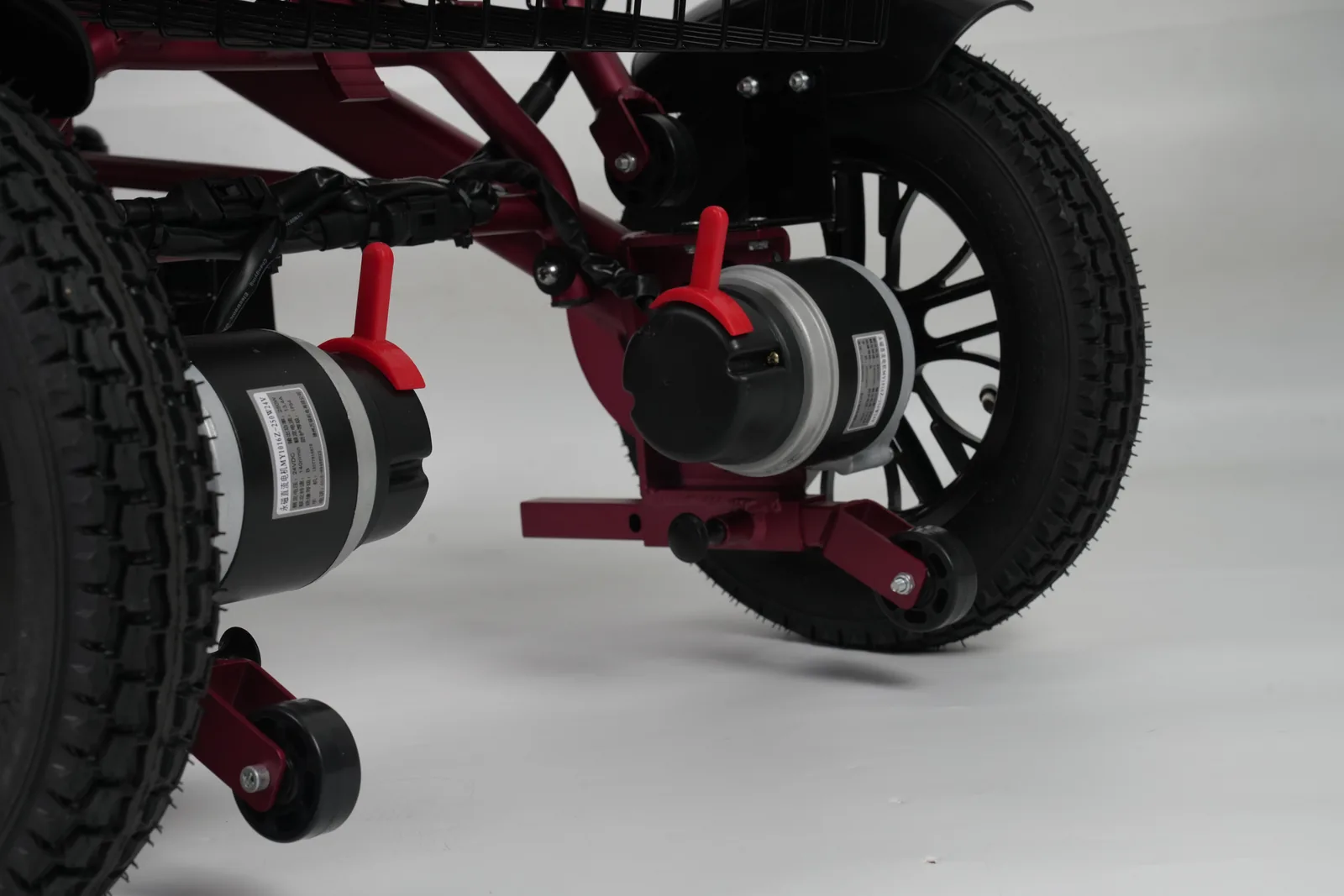
The distinction between an assembly and a component is where many claim files lose their footing. An actuator that arrives as a standalone service part is one thing. An actuator that is built into a tilt assembly, a seat frame, or another larger unit that is itself the item furnished is another. In the second case, the billed item may be the assembly, and describing the internal actuator as a separately replaced component can misstate what was actually supplied. The historical DME MAC notice’s concern about using a miscellaneous code for an actuator is a reminder that the descriptor must match the item, not that every actuator mention justifies a component code.
The supplier’s own invoice and packing documentation are the primary evidence here. If the invoice lists a complete assembly with the actuator included, the service record should say so. If the invoice lists only the actuator, the record should show that the surrounding assembly was retained and reused. Photographs of the part as received, the packaging label, and the manufacturer’s parts diagram for the exact model all help a reviewer see the same item the supplier saw. None of these is a substitute for the payer’s requirement, but they answer the factual question the requirement depends on. Where the invoice wording is ambiguous, a short note describing what was physically in the box is more useful than a later reconstruction from memory.
Service date is the second half of this decision, and it is often the half that gets skipped. The code in force on the date the item was furnished governs the claim, not the code in force when the claim is finally prepared. A repair completed near the end of a quarter and billed after the next quarterly update can sit across a code change. The same applies to payer instructions: a notice revised after the service date may not describe the rule that applied when the item was supplied. Record the service date from the work order, not from the invoice date or the submission date, and note which code file and which payer instruction were in effect on that date.
A third check is whether the item is genuinely a replacement in the payer’s sense. Replacement generally implies that a prior item existed and is being replaced, and payers commonly ask for information about the prior item’s age, condition, and why it is being replaced. The supplier does not need to resolve coverage, but the service record should carry the facts a reviewer will look for: the date the prior actuator was placed, the reason for replacement, and whether any warranty or repair program applies. Where those facts are unknown, the record should say they are unknown rather than leave a blank that reads as an omission.
| Scenario | What the record should show | Open question to confirm |
|---|---|---|
| Standalone actuator furnished for an existing chair | Part number, position, prior part, service date, reason for replacement | Which code version and payer instruction applied on that date |
| Actuator included in a larger assembly | Invoice description of the assembly, parts diagram, note that the actuator was not separately furnished | Whether the assembly or a component is the correct billed item |
| Actuator supplied with a new chair at initial issue | Order documentation showing the chair and its configuration | Whether replacement coding applies at all |
| Actuator replaced under warranty or a repair program | Program reference and the party responsible for the part | How the payer treats program-supplied parts |
Record service date, payer, documentation and open questions
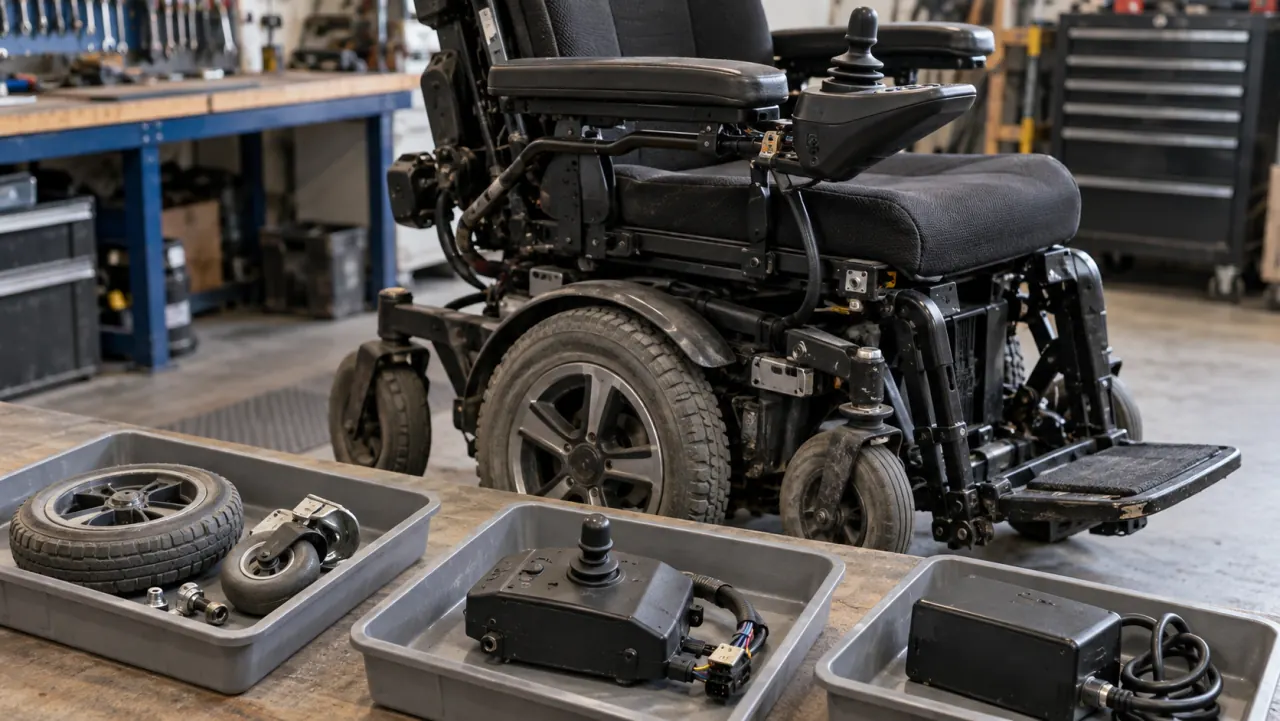
The final task is to turn the physical facts into a record that a reviewer, an auditor, or a colleague can follow months later. The most useful format is a single worksheet per claim that ties the item, the date, the payer, and the supporting documents together, and that lists unresolved questions explicitly instead of hiding them in a free-text note. A blank field is ambiguous: it can mean the information does not exist, that no one checked, or that the supplier decided it was unnecessary. A field marked “to confirm” with a named owner is not.
The worksheet should carry the payer’s identity and the specific instruction relied on, with its date or revision. Payers differ, and a rule that applies under one Medicare contractor’s instruction may not describe another payer’s requirement. Where the claim is for a non-Medicare payer, the relevant policy is that payer’s own, and the CMS code file establishes only the descriptor. Recording the payer alongside the code prevents the common error of applying one payer’s notice to another payer’s claim. It also makes later audits cheaper, because the reviewer can see immediately which rule set was in play.
Documentation should be listed by what it proves, not by what it is called. The manufacturer’s parts diagram proves the part number and position. The invoice proves what was furnished and when. The service record proves what was found and done. The prior placement date, where available, proves the replacement context. Each item should be attached or referenced by a stable identifier so that a later reviewer can retrieve it. Where a document is missing, the worksheet should say which fact is therefore unsupported and who is expected to obtain it. That single habit prevents the most common failure mode, in which a claim is complete on its face but cannot be defended when a specific fact is challenged.
Open questions deserve their own column, because they are the part of the record most likely to be lost. Typical entries include whether a superseded part number changes the descriptor, whether the payer requires prior authorization for this type of repair, whether the prior item’s age must be documented in a specific format, and whether the code in force at the service date differs from the current file. None of these can be answered from the code list alone. They are resolved by the payer’s written instruction, the manufacturer’s documentation for the exact model, or a qualified coder’s review — and the worksheet should name which of those is expected to resolve each one.
| Worksheet field | Example entry type | Owner |
|---|---|---|
| Chair model and serial number | From the chair label or service record | Repair technician |
| Actuator position and part number | From the manufacturer’s parts diagram | Repair technician |
| Furnished as standalone part or within an assembly | From invoice and packing list | Parts desk |
| Service date | From the work order | Repair technician |
| Code and code file version used | From the CMS quarterly file in force on the service date | Coding staff |
| Payer and instruction relied on | Payer name, document title, revision or date | Coding staff |
| Supporting documents attached | Parts diagram, invoice, service record, prior placement date | Documentation clerk |
| Open questions and who will resolve them | Specific question plus named owner | Claim lead |
Used consistently, the worksheet does more than support one claim. It builds a record of which questions recur, which payers ask for what, and where the supplier’s own information is thin. That record is the practical basis for improving the next claim, and it keeps the coding decision tied to the item and the date rather than to habit.
FAQ
Does E2378 describe an actuator at initial issue?
The descriptor is for a replacement actuator, so the code is framed around replacement rather than initial supply. When an actuator arrives as part of a new chair or a larger assembly at initial issue, the replacement framing may not describe what was furnished. Confirm the descriptor in the code file in force on the service date and check the payer’s instruction before deciding.
Does having a code guarantee coverage?
No. A HCPCS code identifies an item; it does not establish that a payer will cover it, that medical necessity is documented, or that the claim will be paid. Coverage depends on the payer’s policy, the beneficiary’s circumstances, and the documentation submitted. The code is one input among several.
Who confirms the appropriate code for a specific product?
The supplier’s coding staff, working from the manufacturer’s documentation for the exact model and the payer’s current written instruction, is the usual route. Where the item’s status is unclear, a qualified coder or the payer’s provider services contact can resolve it. A code lookup page or a product name alone is not a confirmation.
Conclusion

Confirm the part, the service date, and the payer’s written rule before entering a code, and keep each source dated in the claim file.