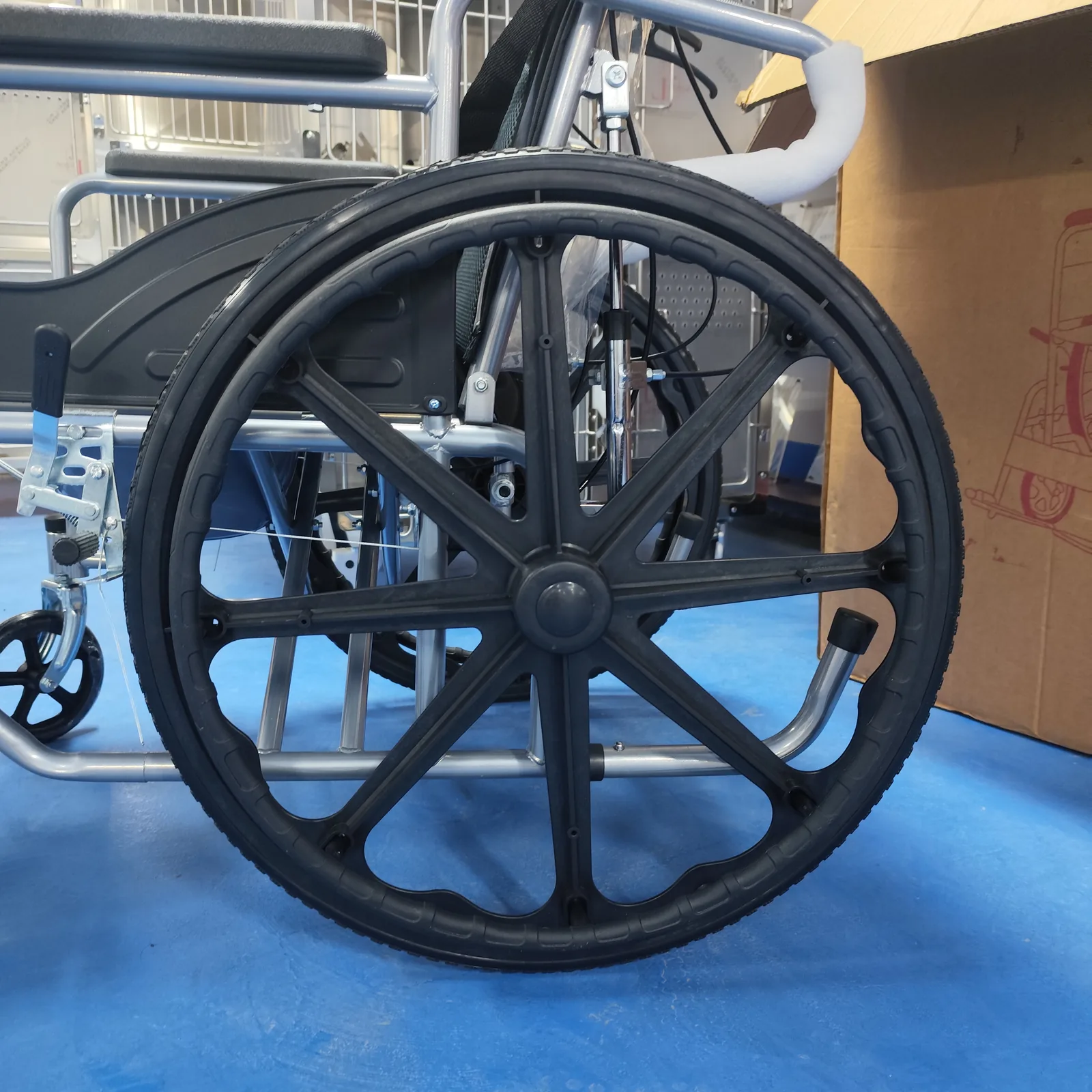
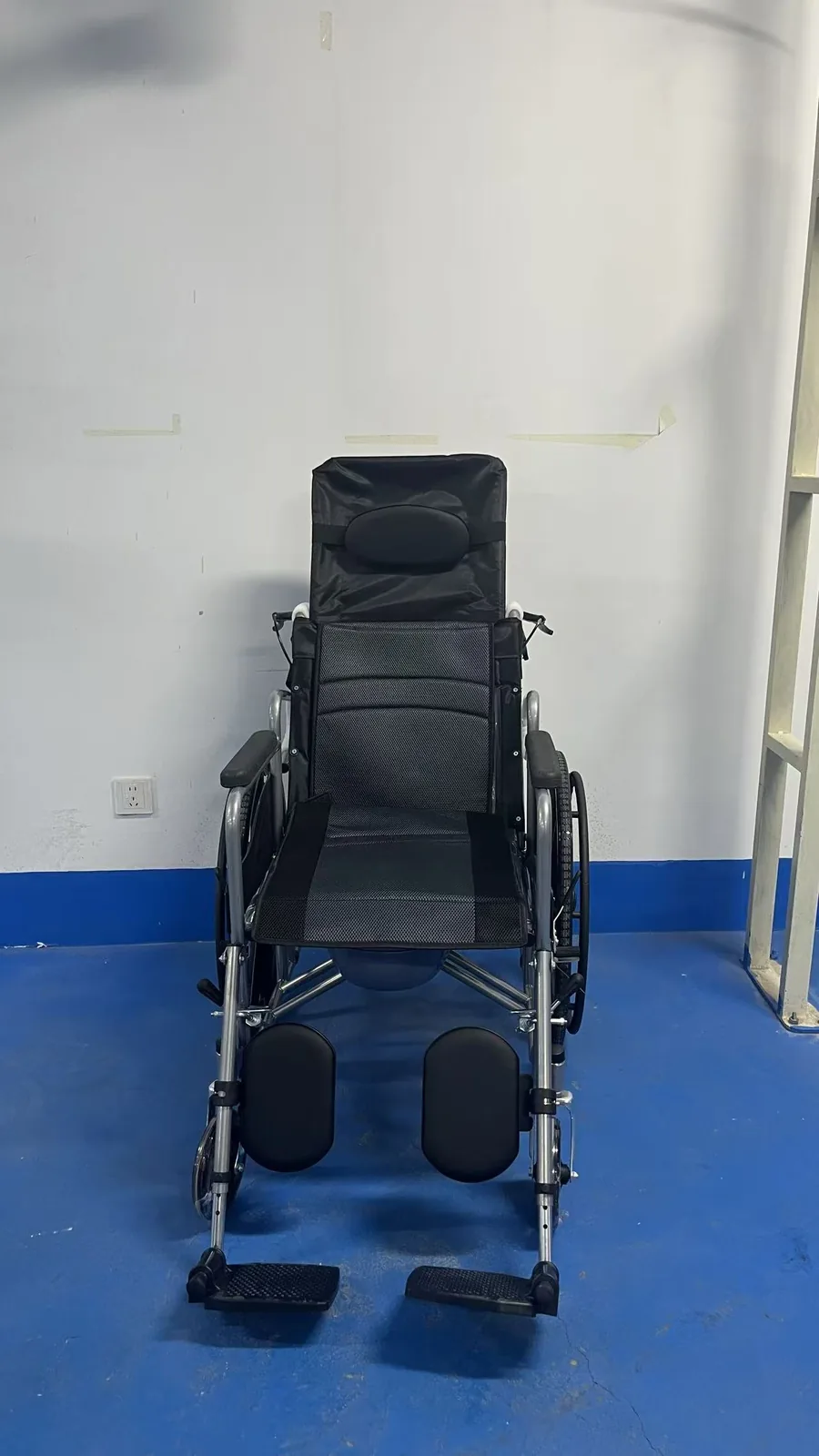
A shared wheelchair moves from one patient to the next, and the record of what happened in between is often missing. Equipment managers, infection-control staff, and wheelchair teams need a repeatable way to show who cleaned the chair, which instructions applied, and who released it for the next user.
A between-patient handover log turns that gap into a traceable record: it names the chair, the responsible person, the facility procedure version, the manufacturer’s cleaning instructions, and any unresolved question. The log supports your facility’s infection-control policy; it does not replace it, and it does not authorize a cleaning product or method on its own.
Wheelchair cleaning between patients: When a shared wheelchair returns to the equipment pool
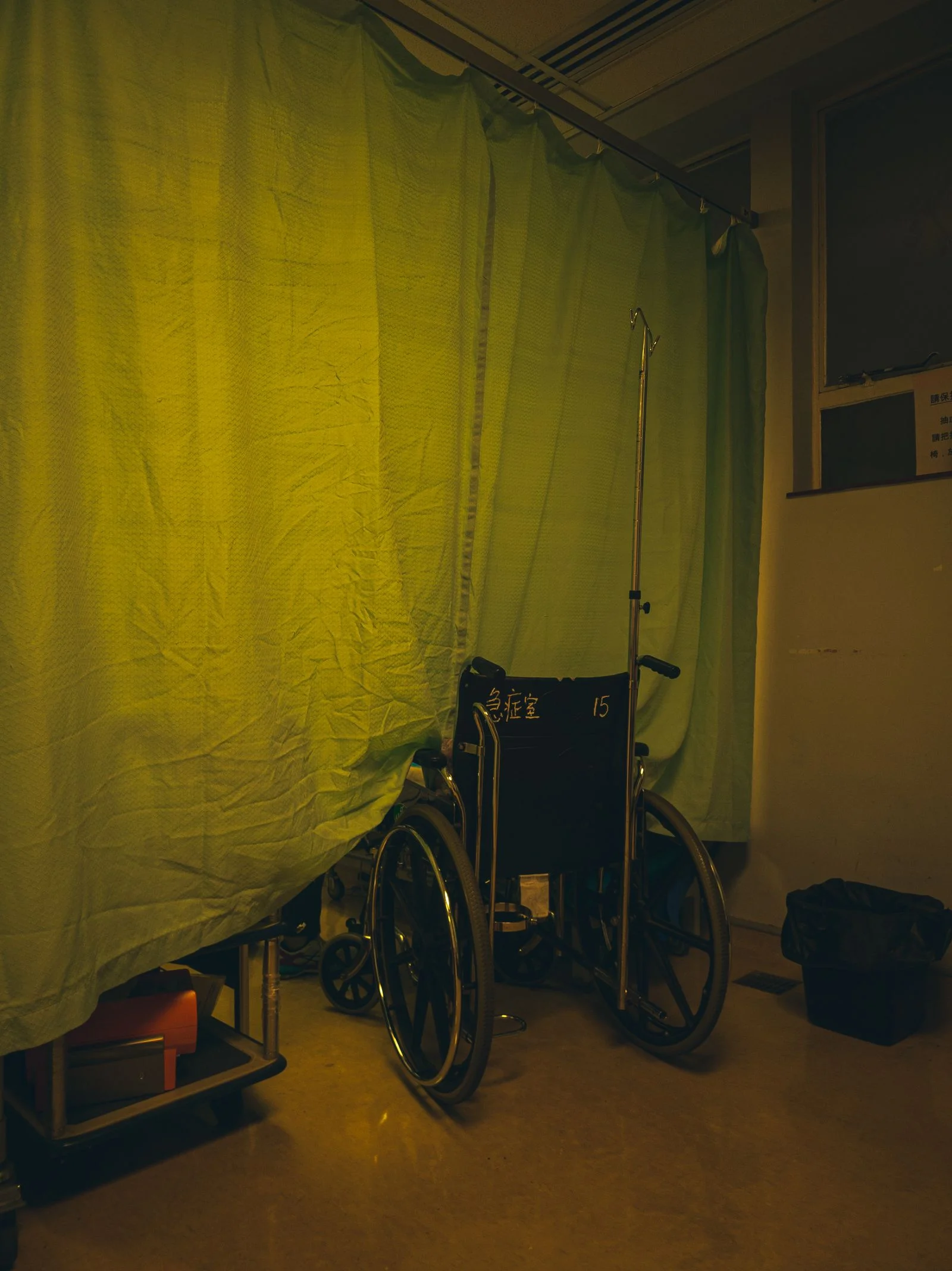
A wheelchair that belongs to one person and a wheelchair that belongs to a department are managed differently, and the first step in any handover process is to be clear which one you are handling. A personally owned chair usually follows the owner’s own routines and preferences, with the facility’s involvement limited to whatever the person and the care team have agreed. A pooled chair is institutional equipment: it may serve several patients in a day, cross departments, or sit in storage for weeks. That chair needs an owner inside the organization, a documented cleaning expectation, and a way to show the expectation was met before the next patient uses it.
When a shared chair comes back to the equipment pool, the practical question is not simply “was it wiped?” It is whether the chair can be identified, whether the right procedure was applied to that specific chair, and whether anyone has confirmed it is ready. Those three questions map to the two identifiers below.
Identify the shared wheelchair
A log entry that says “wheelchair cleaned” is nearly useless if the organization has forty chairs. Record an asset tag, inventory number, or another identifier that is physically attached to the chair and readable at the point of cleaning. Note the model and, where the manufacturer provides one, the manual revision or document date that the cleaning instructions came from. If a chair has no tag, that is itself a finding: assign one before the chair re-enters circulation, or record a clear description and escalate the missing tag to the equipment owner.
Identification also matters because cleaning instructions are model-specific. A folding manual chair with vinyl upholstery, a nursing care chair with a padded seat, and a powered chair with a battery and controller are not interchangeable from a cleaning standpoint. The log should point to the instructions that apply to that chair, not to a generic sheet that may have been written for different materials.
Identify the handover owner
Someone has to be accountable for the chair at each transition. In many organizations that accountability is split: clinical staff decide when a patient no longer needs the chair, equipment or environmental services staff perform cleaning, and a designated role releases the chair back into the pool. The handover owner is the person who confirms that the chain is complete for this particular chair on this particular day. Naming that role in the log, rather than only naming the person who wiped the frame, prevents the common failure where everyone assumes someone else finished the job.
Confirm the facility’s own procedure before designing the log. The US Centers for Disease Control and Prevention publishes cleaning procedure summaries for noncritical patient-care equipment (2024-03-19 version, healthcare settings guidance), which organizations commonly use as a reference point. That guidance is a resource for the facility’s infection-control team to interpret; it does not set your department’s staffing, product choice, or sign-off rules.
Assign the cleaning and release responsibilities

The most useful thing a handover process can do is make the boundaries between roles explicit. Clinical, equipment management, and cleaning staff each hold a different part of the chain, and each handoff is a place where information can be lost. Writing the boundaries down turns an informal habit into something a new staff member can follow and an auditor can review.
A workable split usually looks like this. Clinical staff confirm the chair is no longer needed for the patient and report any visible contamination or damage they noticed during use. Equipment management owns the asset record, the model and manual reference, and the decision about whether a chair with an open question should be withdrawn from the pool. Cleaning staff follow the facility-approved procedure and the manufacturer’s instructions for that model, then record what was done. The release step belongs to whichever role the facility designates, and that person confirms the record is complete before the chair is available again.
The table below is a responsibilities matrix you can adapt. It deliberately leaves the specific product, method, and timing to the facility, because those decisions belong to infection control and to the manufacturer’s instructions for the exact chair.
| Handover point | Typical responsible role | What gets recorded | What must be confirmed before the next step |
|---|---|---|---|
| Chair leaves patient use | Clinical staff | Asset ID, patient-use end time, any visible contamination or damage noted | Chair is no longer needed; concerns passed on |
| Chair enters cleaning queue | Equipment management or designee | Model, manual/document reference, facility procedure version | Correct instructions identified for this model |
| Cleaning performed | Cleaning staff | Product used as approved, time completed, areas covered per procedure | Product and method match facility approval and manufacturer instructions |
| Release to pool | Designated release role | Reviewer name, review time, unresolved items | Record complete; no open damage or compatibility question |
| Reissue to next patient | Clinical or equipment staff | Issue time, receiving unit | Chair tagged and visibly ready; log accessible |
Two details in that matrix deserve emphasis. First, the product used should be recorded as the facility-approved product, not as a recipe invented at the sink. Second, the release role is a real decision, not a formality: if the record shows an unresolved question about material compatibility, the chair should not be released until that question is closed by the appropriate person.
A second consideration is shift change. A chair that enters the cleaning queue near the end of a shift may sit overnight, and the log is what tells the incoming team whether the chair was cleaned, whether it was only reported as contaminated, or whether it was never touched. Recording the state of the chair at each handoff, rather than only the final release, keeps that overnight gap visible. It also gives the equipment manager a way to see recurring bottlenecks, such as a model whose instructions are unclear or a product that staff avoid using, without turning the log into a performance review of individuals.
Check equipment materials and product instructions
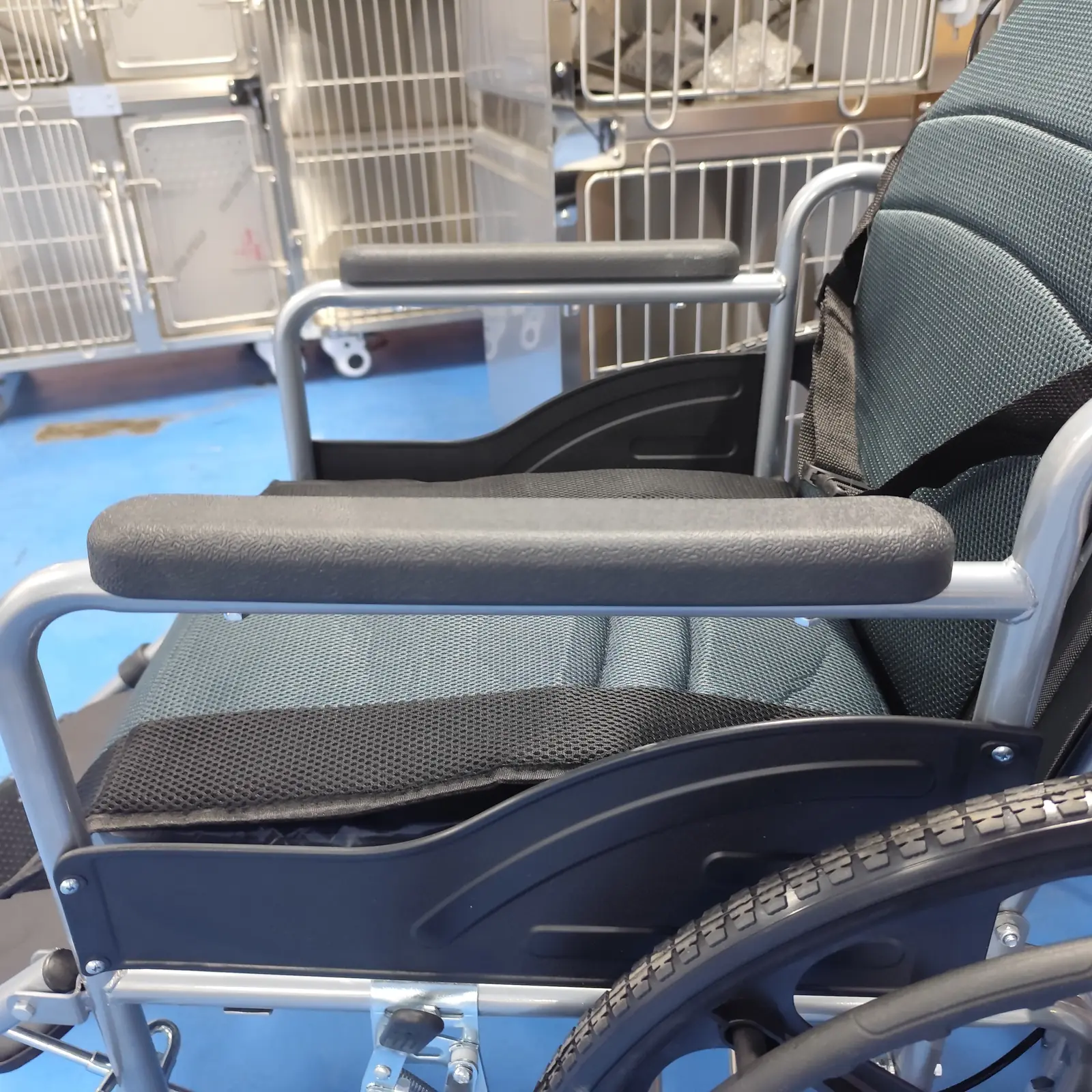
Cleaning instructions live in two places, and both have to be checked for each chair: the manufacturer’s documentation for that model and the facility’s approved cleaning product label and procedure. Neither one alone is sufficient. A disinfectant that is approved for general surface use in the facility may still be unsuitable for a particular upholstery, coating, or electronic component, and a manufacturer’s general cleaning note may not address the specific product the facility uses.
Sunrise Medical’s 2020 education article on cleaning seating and mobility equipment makes the case for checking instructions at the equipment level rather than assuming one approach covers a whole category. That article is a Canadian manufacturer education resource; it illustrates the need for model- and material-specific verification, but it is not a US regulation and should not be cited as one. Use it as a prompt to go to the actual documentation for the actual chair.
Build a materials and instructions register alongside the handover log. For each chair model in the pool, record the manufacturer, model designation, manual or instruction document reference and date, the materials that matter for cleaning (for example upholstery, frame finish, armrest and pad materials, and any electrical components), and the facility-approved products and procedure version that apply. Where the manufacturer’s documentation is missing, outdated, or silent on a material, mark that as an open item rather than filling the gap with an assumption.
| Register field | Example entry format | Who maintains it |
|---|---|---|
| Manufacturer and model | Name and exact model designation as marked on the chair | Equipment management |
| Instruction reference | Document title, revision or date, and where the current copy is kept | Equipment management |
| Materials noted for cleaning | Upholstery, frame finish, pads, electrical parts as listed in the documentation | Equipment management with manufacturer input |
| Facility-approved products | Product name and label reference as approved by infection control | Infection control |
| Procedure version | Facility procedure identifier and effective date | Infection control |
| Open questions | Material not addressed, conflicting instructions, missing manual | Assigned owner with target date |
This register is not a cleaning formula. It is a map of where the authoritative answers live, so that the person cleaning the chair does not have to guess and the person releasing it has something concrete to check. When the register and the log are linked by the same asset ID, a reviewer can trace any chair from patient use back to the instructions that governed its cleaning.
Keeping the register current is its own small task. Manuals get revised, products get replaced on the facility’s approved list, and chairs get added to the pool without anyone updating the paperwork. A periodic review, tied to the same schedule as the log review, catches those gaps before a cleaner is standing in front of a chair with no usable reference. Assigning one named owner for the register, even if that person delegates the updates, prevents the situation where every department assumes another department keeps the current copy.
Use a between-patient handover log

The log itself should be short enough that busy staff actually complete it and structured enough that a reviewer can reconstruct what happened. Design it around the transitions rather than around a single cleaning event, because the risk sits at the handoffs: a chair cleaned but not released, released but not recorded, or recorded against the wrong asset.
A practical log captures the following fields for each turnover. The asset ID and model tie the entry to the right chair. The responsible person for cleaning and the responsible person for release are recorded separately, with times for each. The facility procedure version and the instruction reference show which rules applied on that date, which matters when procedures are revised. A field for unresolved items and a field for reviewer sign-off close the loop. If your facility uses paper, keep the log with the chair or in the equipment area; if it uses an electronic system, make sure the asset ID is searchable.
| Log field | Purpose |
|---|---|
| Asset ID and model | Confirms which chair the entry applies to |
| Patient-use end time | Marks when the chair entered the turnover process |
| Cleaning performed by and time | Records who acted and when |
| Facility procedure version | Shows which rules applied on that date |
| Manufacturer instruction reference | Links the entry to model-specific guidance |
| Release confirmed by and time | Shows the chair was checked before reissue |
| Unresolved items | Flags damage, missing documentation, or compatibility questions |
| Reviewer sign-off | Provides a second check where the facility requires one |
A shared wheelchair cleaning checklist can sit inside this log as a short set of confirmation points drawn from the facility procedure, but the checklist should reference the procedure rather than restate a method. The same applies to wheelchair disinfection between users: the log records that the approved process was followed, not a new process invented for the form. Review completed logs periodically with infection control and equipment management to see where entries are missing, where the same open question keeps appearing, and whether the register needs updating.
How the log is stored affects whether it gets used. A clipboard chained to the equipment room works only if the chair passes through that room; a chair cleaned at the bedside needs a form that travels with it or an entry that can be made from a mobile device. Decide early whether the log is per chair, per unit, or per shift, and make that choice explicit in the procedure so that two teams do not keep parallel records for the same chair. Whichever format you choose, the test is the same: can a reviewer who was not present reconstruct who did what, when, and under which instructions?
Handle damage or uncertain compatibility
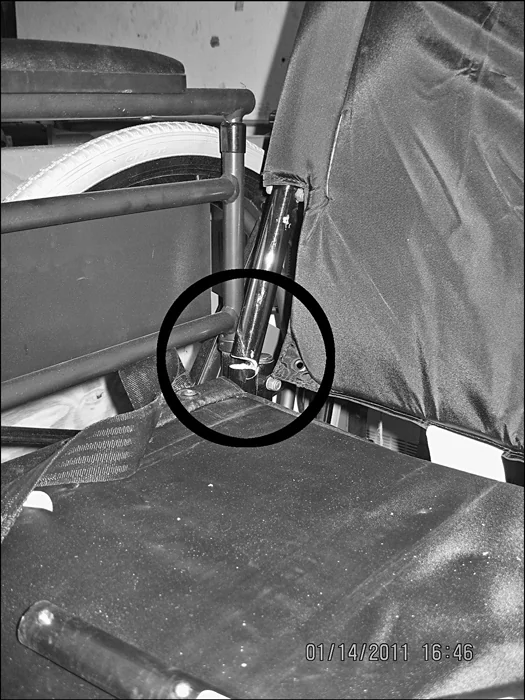
Some chairs should not go back into the pool, and the handover process needs a clear route for those cases. Visible damage, a missing manual, a material the documentation does not address, or a conflict between the manufacturer’s instructions and the facility’s approved product are all reasons to stop and escalate rather than to improvise. The person who notices the issue should record it on the log, mark the chair as unavailable, and route it to the equipment owner and, where the question is about the chair itself, to the manufacturer.
Conflicts deserve particular care. If the wheelchair manual and the disinfectant label appear to disagree, the right move is not to pick the more convenient instruction. Record both documents with their versions, describe the specific conflict, and refer it to the facility’s infection-control lead and the manufacturer for a written answer. Until that answer is documented, the chair stays out of circulation or is handled under whatever interim direction the facility’s responsible authority gives. The same escalation applies when a chair’s material is unknown because the label or manual is missing; guessing is how incompatible products get used on expensive equipment.
Damage reporting should also feed back into the asset record. A cracked armrest pad, a frayed sling, or a controller fault noticed during cleaning is useful information for the equipment manager, and it may affect whether the chair can be cleaned as documented. Keep the escalation path short and named: who decides a chair is withdrawn, who contacts the manufacturer, and who authorizes its return. Organizations that manage manual and nursing chairs across multiple units can also review how equipment use and maintenance are planned at the selection stage, as described on the Wheelchairs Factory applications page (https://wheelchairsfactory.com/applications/), so that documentation and cleaning expectations are considered before chairs enter the pool.
A withdrawal decision should have an end point, not just a start point. Record what would allow the chair to return: a written answer from the manufacturer, a replacement part fitted, a revised procedure approved by infection control, or a decision by the responsible authority that the chair is serviceable. Without that condition, chairs tend to drift into a corner of the storage room and stay there, and the pool quietly shrinks. Reviewing open withdrawals at the same periodic log review keeps them from being forgotten and gives the equipment manager a realistic picture of how many chairs are actually available.
FAQ
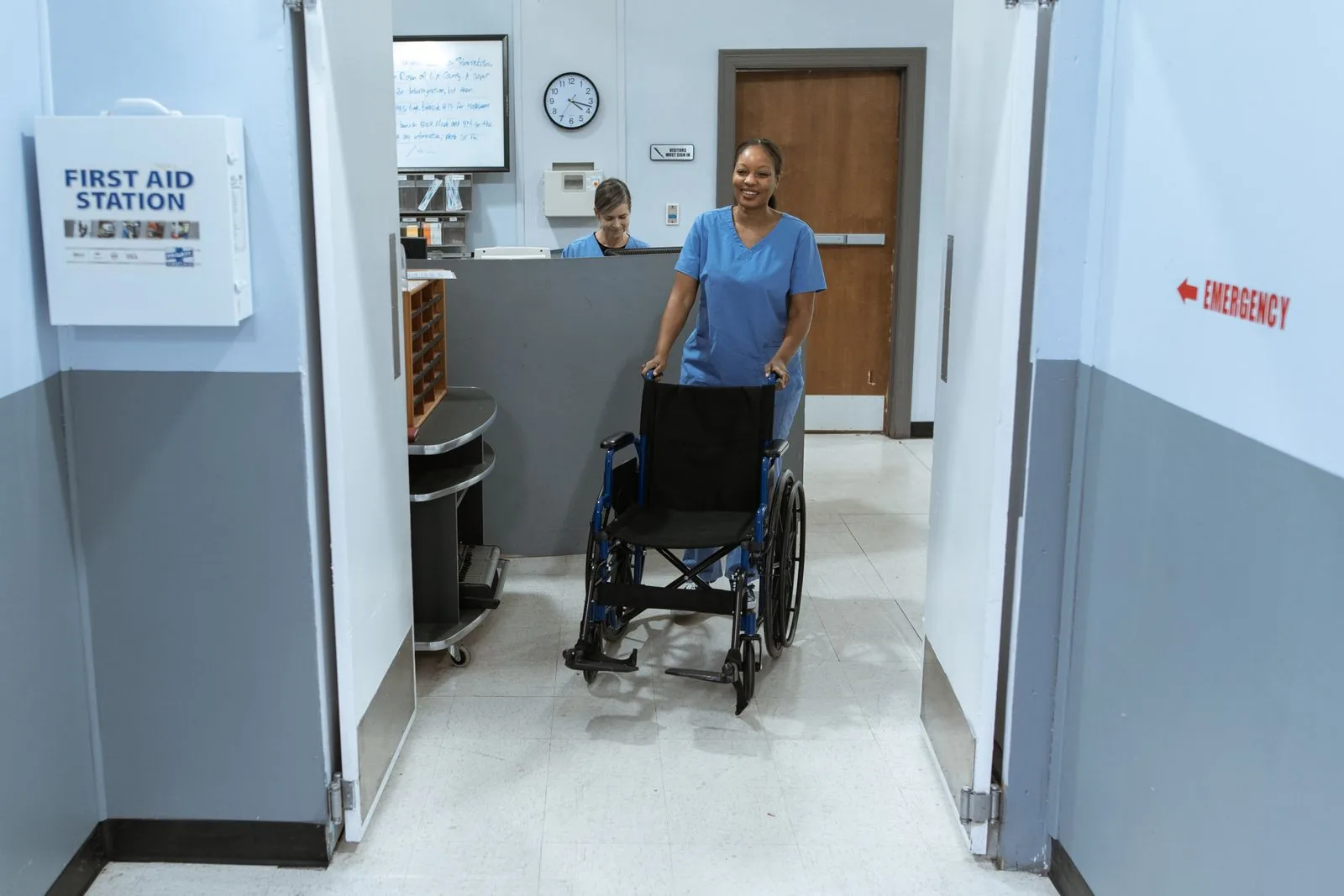
Who records that a shared chair is ready for the next user?
The facility designates a release role, and that person records the confirmation. It is usually someone in equipment management or a designated clinical role rather than the person who performed the cleaning, so that the check is independent. The log should name the role and the individual, with a time.
What if the wheelchair manual and disinfectant label appear to conflict?
Do not choose one over the other. Record both documents and their versions, describe the conflict, and refer it to infection control and the manufacturer for a written answer. Keep the chair out of circulation, or follow the interim direction of the facility’s responsible authority, until the question is resolved.
Does a cleaning log replace the facility’s infection-control policy?
The log does not replace the policy. It is a record that the policy and the manufacturer’s instructions were applied to a specific chair at a specific time. The policy, the approved products, and the procedure versions remain the facility’s responsibility, and the log should reference them rather than restate them.
Conclusion
Build the log around the chair’s identity, the responsible roles, the procedure version, and the manufacturer’s instructions. Escalate damage and conflicts instead of improvising, and review the records with infection control.