

Coffee pod recycling in Seattle depends on what the capsule is made of and whether Seattle Public Utilities (SPU) accepts that type of packaging. Used coffee grounds belong in the food and yard waste cart, but the pod itself may need to go in the garbage, an approved compost collection, or a separate brand recycling program.
Three sorting routes matter most: compost for locally accepted compostable materials, garbage for non-recyclable small or mixed-material pods, and manufacturer take-back for eligible capsules such as Nespresso aluminum pods. A recyclable or compostable label alone does not establish that a pod belongs in Seattle’s curbside bins.
This guide explains how to identify your coffee pods, separate the used grounds, check Seattle’s sorting requirements, and use a verified return program. It covers household disposal first, followed by questions for apartments, offices, cafés, and other shared coffee stations.
Coffee Pod Recycling in Seattle: Which Bin Is Right?

Seattle’s waste sorting program separates food scraps, approved compostable packaging, accepted recyclables, and ordinary garbage. Small coffee capsules can be confusing because their contents and packaging often belong in different disposal streams.
Use the following table to identify the likely route. For compostable pods, confirm the exact item with SPU before using the food and yard waste cart.
| Coffee pod type | Sorting route | What to verify |
|---|---|---|
| Used coffee grounds | Food and yard waste cart (compost) | Separate the grounds from non-compostable packaging. |
| Certified compostable pod | Compost only when the specific pod is accepted under current Seattle rules. | Check certification, labeling, construction, and SPU’s coffee-pod-specific guidance. |
| Small plastic or mixed-material pod | Garbage unless a verified separate collection program accepts it. | Do not assume a recyclable symbol makes a small pod suitable for Seattle’s blue recycling cart. |
| Nespresso aluminum capsule | Nespresso capsule return program | Confirm the current return bag, UPS drop-off, boutique, or other eligible collection option. |
| Reusable coffee pod | Continue reusing; determine component disposal separately at end of life. | Follow the product manufacturer’s material and disposal instructions. |
| Pods from an office, café, hotel, or apartment | Follow the applicable collection service and verified return arrangement. | Ask the property manager or waste provider about the site’s accepted materials. |
Official Seattle reference: The Seattle Public Utilities Where Does It Go? tool includes a coffee pods entry. Use that item-specific listing together with the city’s How to Sort at Home guidance before deciding which curbside bin accepts a particular pod.
Seattle’s general recycling guidelines also require recyclable items to be empty, clean, and dry, and explain that items smaller than three inches can fall through recycling sorting equipment. This three-inch guideline is a recycling-sorting rule, not automatic permission to compost every larger coffee pod.
How to Sort a Used Coffee Pod in 3 Steps

Before putting a capsule in the recycling, compost, or garbage cart, identify what you have. These three steps apply to ordinary household coffee pods. For a brand collection program, follow the brand’s own preparation instructions instead of dismantling capsules unnecessarily.
Step 1: Separate the Coffee Grounds When Appropriate
Seattle Public Utilities accepts coffee grounds in the food and yard waste cart. If you are discarding a conventional pod and can open it safely, place the loose grounds in the compost cart and sort the empty shell separately.
Do not put plastic, aluminum, or non-compostable packaging into the food waste cart along with the grounds.
If you are using a Nespresso capsule return program, follow Nespresso’s instructions for collecting used capsules. The return program is designed to process the capsules through its own collection system, so ordinary household separation steps may not apply.
Step 2: Identify the Pod Material
Check the pod itself and its original packaging for material information.
- Compostable: Look for clear compostability labeling and an applicable independent certification. Do not rely only on “plant-based,” “green,” or similar advertising.
- Aluminum: Look for a manufacturer recycling program, especially for Nespresso capsules.
- Plastic: Check whether the item is actually accepted by Seattle’s recycling system. Small plastic coffee pods should not automatically go into the recycling cart.
- Mixed-material: Pods combining plastic, foil, filters, and other layers may not qualify for ordinary recycling, even after the grounds are removed.
Step 3: Select the Confirmed Collection Route
Match the exact pod with the local program or brand instructions:
- Use compost for coffee grounds and pod materials that Seattle explicitly accepts as compostable.
- Use garbage for conventional small, non-recyclable pod shells when no verified separate take-back program applies.
- Use an approved brand return program for Nespresso capsules or other pods covered by manufacturer collection arrangements.
If the label and local instructions conflict, check the product through Seattle Public Utilities before placing it in the compost or recycling cart. The city’s Compost Right guidance recommends looking up uncertain materials to avoid contamination.
Can Compostable Coffee Pods Go in Seattle’s Green Bin?

A compostable label is not enough on its own. Seattle allows approved compostable food packaging in its food and yard waste program, but a coffee pod must also meet the applicable item-specific acceptance requirements.
The city advises residents to look for clear “Compostable” labeling and appropriate certification rather than vague descriptions such as “biodegradable.” Washington’s compostable-product labeling requirements also emphasize independent certification.
Before putting a coffee pod shell into the green cart, verify:
- Certification: Is the exact pod independently certified as commercially compostable?
- Complete construction: Does the certification apply to the entire pod, including its lid and filter, or only one component?
- Seattle acceptance: Does SPU’s current coffee pods entry accept this construction in the food and yard waste cart?
- Size and sorting: Does the item-specific program identify any dimensional or processing restrictions?
- Disposal instructions: Does the manufacturer require the pod to be opened, emptied, or collected in a particular way?
Does Seattle Have a Three-Inch Rule for Coffee Pods?
Seattle’s published household sorting guidance states that materials entering ordinary recycling need to be larger than three inches because smaller pieces may fall through the sorting system.
That does not establish a universal three-inch minimum for compostable coffee pods. The correct composting route must come from the current coffee-pod-specific disposal guidance, not from applying the blue-bin recycling rule to the green bin.
If you cannot confirm the exact pod’s acceptance, keep its shell out of the compost cart until SPU or the collection provider clarifies the appropriate route. Loose coffee grounds can still be collected separately for composting.
How to Recycle Nespresso Capsules in Seattle

Nespresso aluminum capsules should be collected through a confirmed Nespresso recycling route rather than placed in Seattle’s compost cart. Their aluminum construction does not mean that small used capsules automatically qualify for the city’s curbside recycling system.
Nespresso USA publishes several collection methods for its used capsules. Current options include complimentary recycling bags, UPS drop-off locations, and participating Nespresso boutiques.
Option 1: Use a Nespresso Recycling Bag and UPS
According to Nespresso USA, customers can obtain complimentary capsule recycling bags through the brand’s ordering or boutique channels.
For a prepaid UPS return:
- Request an appropriate Nespresso recycling bag using the brand’s current U.S. process.
- Collect used Nespresso capsules in the bag, following its filling and closure instructions.
- Confirm that the bag has the required prepaid UPS return label.
- Bring the completed bag to a participating UPS drop-off point that accepts it.
Confirm the current return instructions before shipping. Do not assume that any ordinary plastic bag or unlabelled parcel qualifies for prepaid capsule recycling.
Option 2: Use a Participating Nespresso Boutique
Nespresso also accepts used capsules through participating boutiques. Check the current U.S. boutique information, opening hours, and drop-off procedure before traveling.
A Nespresso boutique return is a brand-operated collection route. It should not be confused with Seattle Public Utilities curbside recycling acceptance.
Option 3: Check Eligibility for Recycling at Home Pickup
Nespresso’s U.S. FAQ also describes Recycling At Home Pick Up in selected ZIP codes. This service is available for qualifying orders of $50 or more in eligible locations, with pickup coordinated alongside the delivery.
This is not the same as the general prepaid UPS drop-off program. Check whether your delivery address qualifies for the home pickup option before relying on it.
Official source: Nespresso USA Recycling FAQ. The FAQ describes current collection choices, eligible delivery arrangements, and U.S. recycling-program conditions.
Can Plastic K-Cups Go in Seattle Curbside Recycling?
Plastic single-serve pods, including many K-Cup-style products, are commonly too small for ordinary curbside sorting. Their plastic resin code or recyclable packaging claim does not override Seattle’s accepted-item and size requirements.
SPU explains that recyclable items must be larger than three inches so sorting equipment can recover them. Many coffee pods do not meet that size requirement, even after their lids and grounds have been removed.
For conventional small plastic pods, separate the grounds for composting if practical and dispose of the non-recyclable shell in garbage unless a current, verified collection program accepts that pod.
Do not assume that a recycling claim valid in another city applies to Seattle. Similarly, do not put mixed plastic-and-foil pods into the blue cart simply because one component is technically recyclable.
Check the manufacturer’s current recycling instructions for any verified mail-back or specialized collection program. If you cannot find one, use the Seattle Public Utilities item lookup to determine the correct local route.
Coffee Pod Recycling in Offices and Apartment Buildings
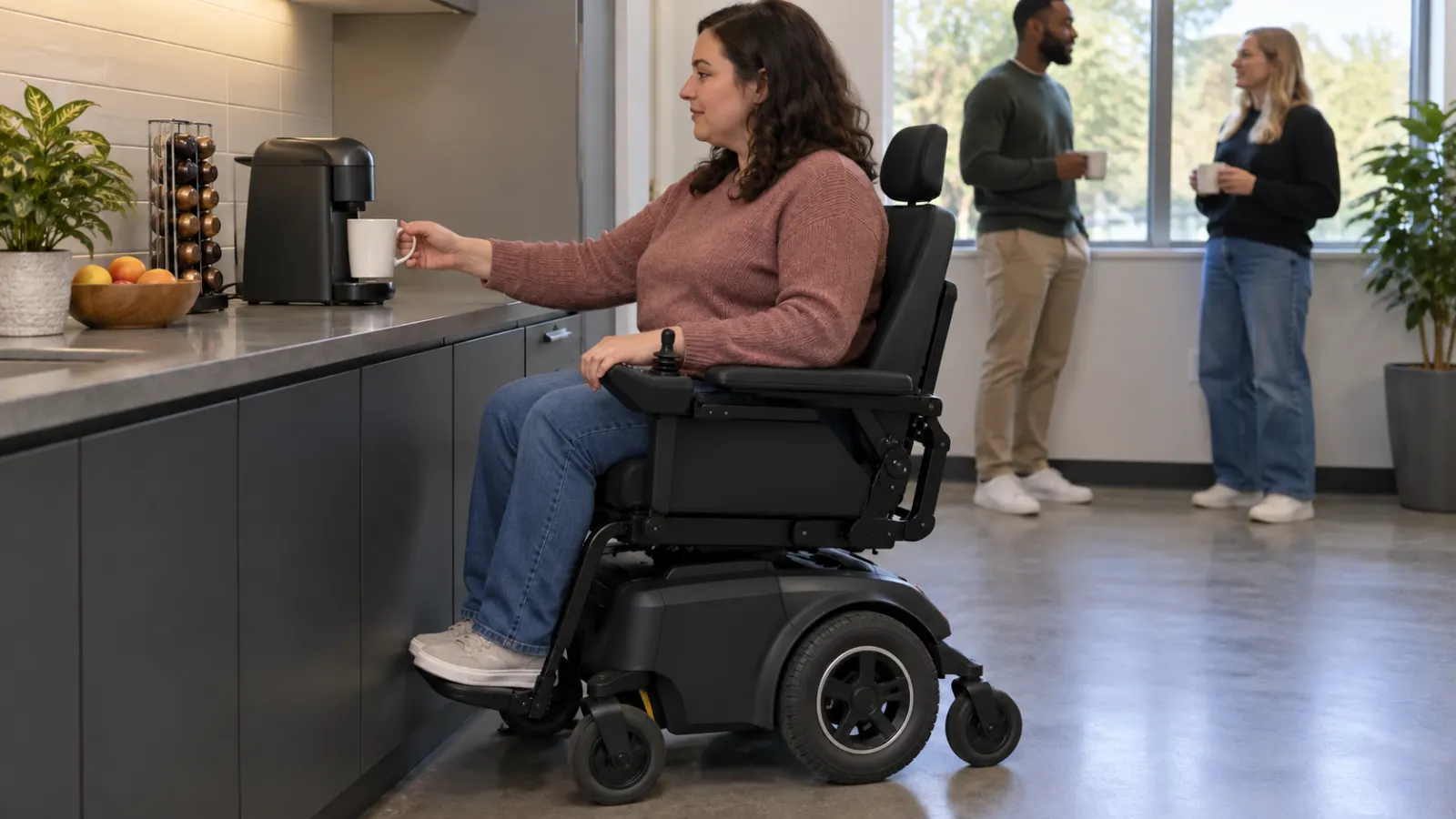
For apartments, offices, hotels, and other shared coffee stations, the correct disposal arrangement depends on the actual collection service and materials accepted at the property.
A Seattle apartment building may use city-regulated recycling and compost services, while commercial properties may have collection arrangements that require confirmation with a particular provider. Do not assume that every multifamily building has a private hauler or that every business follows an identical disposal list.
Before Changing Shared Coffee Station Signs
Ask the property manager, facilities team, or waste collection provider to confirm:
- Which coffee pod brands and materials are currently used in the building?
- Whether the specific pods are accepted in the property’s compost or recycling service.
- Whether the property participates in a manufacturer capsule take-back program.
- How staff or residents should separate used grounds from non-compostable shells.
- Who is responsible for collecting, storing, and returning any brand-specific recycling bags.
- Whether the posted bin labels match the waste provider’s current accepted-material list.
For cafés and food service businesses, Seattle also maintains commercial compostable food packaging requirements. Those business requirements should be reviewed separately from household coffee pod sorting instructions.
Clear, verified signage is preferable to a broad instruction telling everyone to put all “recyclable coffee pods” into one bin. Different pods may require different collection routes.
Seattle Coffee Pod Recycling Checklist

Before placing a coffee pod in a bin or creating recycling instructions for other people, check the following:
- I have identified whether the pod is plastic, aluminum, certified compostable, reusable, or mixed-material.
- I know whether the coffee grounds can be separated and placed in the food and yard waste cart.
- I have checked Seattle Public Utilities’ current coffee pods entry for any pod-specific requirements.
- I have not assumed that Seattle’s three-inch recycling guideline automatically governs compostable pods.
- I have confirmed that a compostable label applies to the complete pod and that the item is locally accepted.
- I have not placed ordinary small plastic or mixed-material pods in the recycling cart without confirmation.
- If I use Nespresso, I have checked the current brand recycling bag and return options.
- If I manage a shared coffee station, I have checked the building’s collection instructions before changing signage.
Coffee Pod Recycling in Seattle: Frequently Asked Questions
Can Used Coffee Grounds Go in Seattle Compost?
Yes. Seattle Public Utilities accepts coffee grounds in the food and yard waste cart. For conventional non-compostable pods, separate the grounds from the packaging when practical.
Are Coffee Pods Recyclable in Seattle?
Not automatically. Many small plastic or mixed-material pods do not qualify for Seattle’s ordinary curbside recycling. Some brands operate separate collection programs, such as Nespresso’s aluminum capsule return service. Check the exact pod and collection route.
Can Compostable Coffee Pods Go in the Green Bin?
Only when the particular pod meets Seattle’s accepted compostable-material requirements. Look for independent compostability certification and confirm the current pod-specific guidance. Do not rely only on a “plant-based” or “biodegradable” claim.
Can Nespresso Pods Go in Seattle’s Blue Recycling Bin?
Do not assume they can. Nespresso aluminum capsules have an established manufacturer return program, while Seattle’s ordinary recycling system has material and size requirements. Use Nespresso’s approved collection route rather than treating aluminum composition alone as curbside permission.
Is Nespresso Capsule Recycling Free in the United States?
Nespresso provides complimentary recycling bags and a prepaid return route through participating UPS locations. A separate at-home pickup service has additional ZIP code and order eligibility conditions. Confirm the currently available option for your address through Nespresso USA.
The Best Way to Sort Coffee Pods in Seattle
Coffee pod recycling in Seattle begins by separating the coffee grounds from the packaging and identifying the shell material. Grounds can go in the food and yard waste cart. Approved compostable pods may qualify for compost collection when their specific construction meets Seattle’s rules. Small conventional plastic or mixed-material pods generally require garbage disposal unless another verified collection program accepts them.
For Nespresso aluminum capsules, use the company’s separate recycling program and confirm the current return instructions. Do not treat a manufacturer’s general recyclable label as automatic permission to use Seattle’s curbside recycling cart.
If you are unsure about the exact pod, check SPU’s Where Does It Go? tool or contact Seattle Public Utilities at 206-684-3000 before changing your sorting practice.
Source review: October 26, 2026. This guide references Seattle Public Utilities Where Does It Go?, How to Sort at Home, Compost Right, and the Nespresso USA Recycling FAQ. The publicly accessible SPU sorting pages establish general recycling and composting requirements, but the complete current coffee-pod-specific item instructions could not be independently extracted for this review. Confirm those details in SPU’s live lookup before assigning an unverified compostable pod to a curbside cart. Wheelchairs Factory provides this informational guide and does not operate Seattle waste collection or capsule recycling services.
Video: Capsule Return with Eligible US Deliveries — Nespresso (2026)