
Accessible concert tickets can often be transferred or resold, but the process depends on the event, ticket type, venue, and ticketing platform. Under the Americans with Disabilities Act (ADA), people with disabilities who hold accessible seating tickets must generally receive the same ticket-transfer rights as holders of comparable tickets. This includes transferring an accessible ticket to someone who does not have a disability.
However, legal transfer rights and ticketing-platform features are not identical. Ticketmaster, AXS, and SeatGeek may apply event-specific transfer or resale settings. A missing Transfer or Sell button can indicate a restriction or unavailable feature, but it does not automatically settle whether an accessible-ticket holder has been treated consistently with other ticket holders.
This guide explains three checks before transferring or reselling accessible concert tickets, how the major ticketing platforms handle these actions, what to confirm about companion seating, and when an accessible seating exchange may be available. It covers U.S. concert ticketing and is not individualized legal advice.
Accessible Concert Tickets: Transfer, Resale and Exchange Explained

Accessible concert ticket handling usually involves three different actions. Each has its own rules, and eligibility for one does not automatically establish eligibility for the others.
1. Transfer an Accessible Concert Ticket
A ticket transfer moves an existing ticket from one person to another, usually through the original ticket platform. This may happen when you give a ticket to a family member, send it to a friend, or deliver it to someone after a private sale.
If the event permits ordinary ticket holders to transfer the same type of ticket, the ADA generally requires equivalent transfer opportunities for patrons with disabilities holding accessible tickets.
Before transferring, confirm the exact accessible seat, the recipient’s ticket-delivery method, and whether any companion seat has a separate ticket that must also be transferred.
2. Sell or Resell an Accessible Concert Ticket
Resale involves listing a ticket for purchase by another person, either through the original platform’s resale system or another permitted secondary marketplace.
Ticketmaster, AXS, and SeatGeek each provide resale functionality for eligible events. However, an event organizer may impose event-wide restrictions, resale-price conditions, delivery restrictions, or limits on available marketplaces.
The ADA requires equal treatment of accessible ticket holders in transfer and secondary-market arrangements, but it does not guarantee that every concert ticket can be listed through any marketplace or sold at any price.
3. Exchange a Ticket for Comparable Accessible Seating
Exchange means replacing one ticket or seating assignment with another. It is different from transferring ownership or reselling the ticket.
For example, someone with a disability might purchase a non-accessible seat through the secondary market and later need a wheelchair-accessible seating location.
Under the ADA, a covered venue must make reasonable modifications to permit an exchange for a comparable accessible seat when such seating is vacant at the relevant time. If no suitable accessible seat remains, an exchange is not guaranteed.
A platform’s ordinary exchange or upgrade policy may have additional requirements. Do not confuse a discretionary upgrade with the venue’s obligations under the ADA.
3 Checks Before Transferring or Reselling Accessible Concert Tickets
Use these three checks before listing a ticket, transferring it to another person, or contacting the venue.
Check 1: Identify the Ticket Platform and Available Controls
Open the original ticket account and locate the exact event order. Check whether the ticket currently offers Transfer, Send, Sell, or another applicable action.
If an option is missing, distinguish a temporary technical or delivery restriction from an organizer policy. Some ticketing features become available closer to the event.
Check 2: Confirm the Accessible Seat and Companion Ticket
Read the ticket description and identify whether the seat is a wheelchair space, low-mobility accessible seat, companion seat, or another type of accessible inventory.
If your purchase includes a companion ticket, verify whether both tickets can be transferred or resold together and whether the receiving person will understand their seating arrangement.
Check 3: Compare Event Rules With ADA Requirements
Check whether the restriction applies to all comparable tickets or only to accessible tickets. If ordinary tickets of the same type can be transferred but the accessible ticket cannot, contact the primary seller or venue accessibility team and request clarification.
Do not assume that a disabled platform button automatically eliminates the rights established by the ADA. At the same time, do not attempt to bypass a genuine event-wide transfer restriction using screenshots, duplicated barcodes, or unauthorized delivery methods.
Ticketmaster vs AXS vs SeatGeek: What to Check
The following comparison covers common U.S. ticketing-platform procedures. It does not establish whether a particular concert’s accessible tickets are currently available for transfer or resale.
| Platform | Transfer or send | Resale | Main verification |
|---|---|---|---|
| Ticketmaster | Check the Transfer option on the actual order. The organizer controls availability. | Check the Sell option and applicable event or resale restrictions. | Confirm the event’s rules, ticket type, companion seats, and whether transfer may activate later. |
| AXS | Transfer is available for eligible AXS Mobile ID tickets; some other tickets use Share. | AXS Official Resale is available for eligible events when Sell is enabled. | Check the delivery format, recipient account requirements, and resale eligibility. |
| SeatGeek | Eligible orders may offer Send or Transfer. Some tickets are actually held on another provider’s platform. | Eligible tickets can be listed when the Sell function is available. | Check whether the original ticket provider must handle final delivery to the buyer. |
Ticketmaster: Check the Order’s Transfer and Sell Options
Ticketmaster’s ticket transfer instructions explain that eligible ticket holders can transfer some or all tickets from their account to another Ticketmaster account.
The event organizer controls whether and when transfer functionality becomes available. Ticketmaster states that the Transfer option may be enabled closer to the event date.
Ticketmaster also provides official resale instructions. However, resale may be unavailable for an entire event, particular seating areas, or certain ticket types.
If your order contains accessible seating and the expected feature is unavailable, use the account’s support options to request an explanation. The company’s accessible ticket guide also describes how accessible seat types vary by event and venue.
Ticketmaster’s standard transfer process does not automatically transfer every extra benefit included in an order. Merchandise, VIP package components, and ticket insurance may have separate restrictions.
AXS: Transfer, Share and Official Resale Are Different
AXS distinguishes between transferring digital AXS Mobile ID tickets and sharing certain electronic tickets.
For AXS Mobile ID tickets, an eligible recipient generally needs an AXS account and the applicable AXS mobile ticket for entry. Other eligible electronic tickets may use a different sharing process.
The AXS Transfer/Share guide states that if the transfer control is absent or disabled, the event may not currently permit transfers. Availability can change before the event.
AXS Official Resale is a separate feature. The AXS selling instructions explain how eligible ticket holders can list tickets through their accounts.
Do not assume that an AXS ticket can be resold simply because it can be transferred, or that every transferable ticket can be listed through AXS Official Resale.
SeatGeek: Check Where the Original Ticket Is Stored
SeatGeek provides ticket-sharing and resale tools for eligible events, but some tickets purchased through SeatGeek are delivered by another ticketing provider, such as Ticketmaster or AXS.
SeatGeek’s resale eligibility guidance explains that an available Sell button normally indicates whether the ticket can be listed on its marketplace.
For some third-party mobile-transfer tickets, the seller must complete the final ticket transfer using the original provider’s platform after a successful SeatGeek sale.
Check SeatGeek’s third-party ticket instructions before listing any ticket requiring a separate mobile transfer.
Practical rule: Confirm that you can deliver the exact ticket to the buyer through the approved process before committing to a resale listing.
Accessible Seats and Companion Tickets: What Transfers Together?
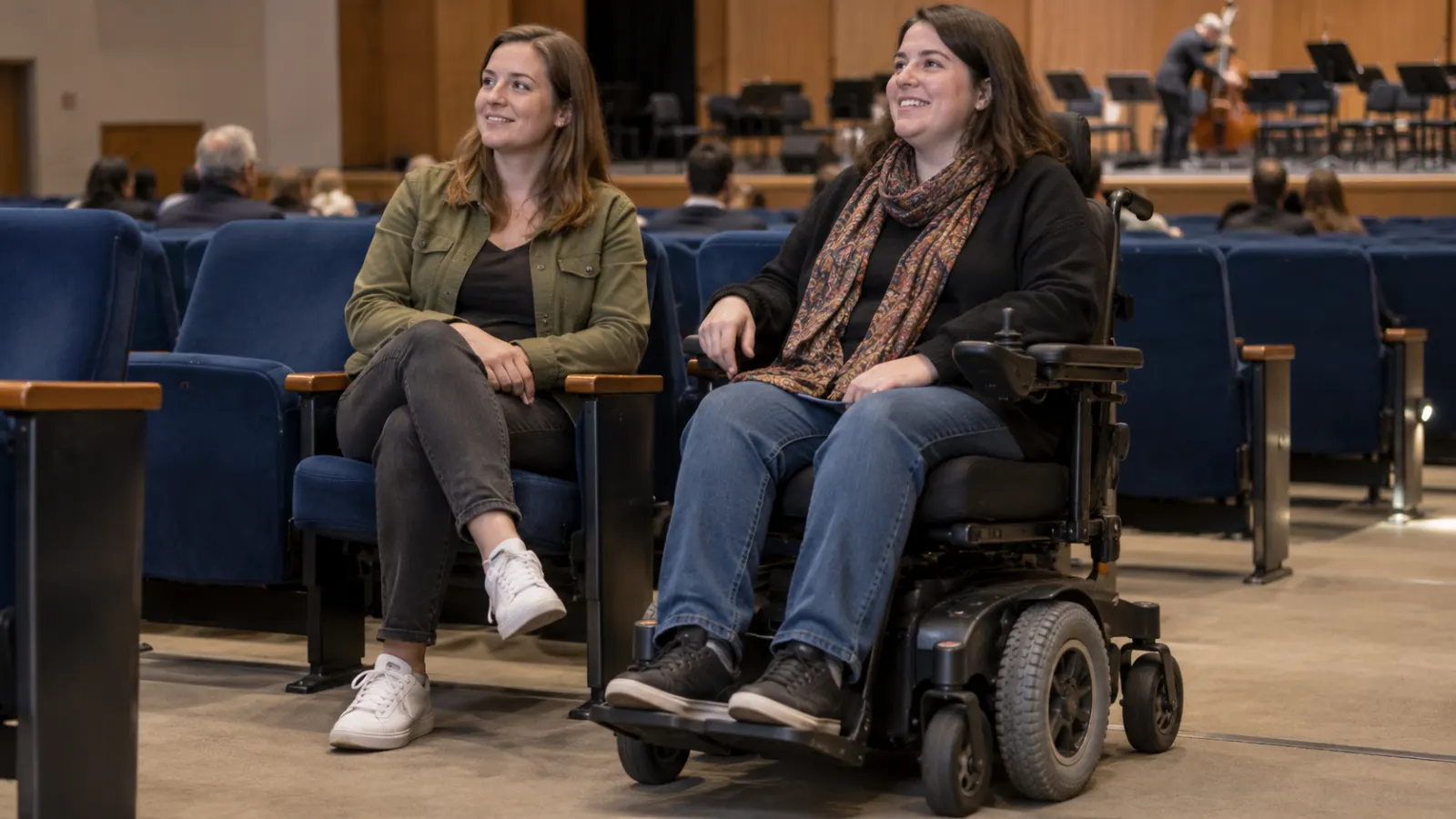
Accessible seating may include a designated wheelchair space and one or more nearby companion seats. However, the tickets may appear as separate items within an order.
The U.S. Department of Justice’s ADA ticket sales guidance explains that patrons purchasing wheelchair spaces may generally purchase up to three additional companion seats, subject to availability and the venue’s ordinary ticket limits.
That purchase rule does not mean all companion tickets are automatically included with the wheelchair-space ticket, nor does it mean the ticketing platform will automatically transfer an entire seating group together.
Check the Companion Seat Before Separating Tickets
Before transferring or listing part of an accessible seating order, confirm:
- Which ticket represents the wheelchair space or accessible seat?
- Which ticket represents the companion seat?
- Whether each ticket has its own barcode or digital credential.
- Whether the platform permits the tickets to be transferred or sold separately.
- Whether splitting the tickets could affect the seating arrangement or the intended companion relationship.
- Whether the recipient has received accurate information about the accessible seating features.
Ticketmaster identifies companion tickets separately from wheelchair-accessible and other accessible ticket types in its official ticketing guidance.
Do not assume that selling one ticket transfers the companion ticket automatically. Check the actual order and obtain clarification from the platform or venue if the tickets are linked.
Can a Person Without a Disability Receive an Accessible Ticket?
Yes. Under the ADA, a person with a disability who holds an accessible seating ticket may transfer that ticket to another person, including someone without a disability. Venues cannot require accessible tickets to be transferred exclusively to other people with disabilities when comparable transfers are permitted.
However, a transferred ticket does not necessarily guarantee that someone who does not need the accessible seating features will retain that exact seating location in every circumstance.
The Department of Justice explains that a venue may arrange different non-accessible seating for a ticket holder who does not require the accessible features, consistent with applicable policies and obligations. Ask the venue how it handles such situations before transferring the ticket.
What the ADA Says About Accessible Ticket Transfers and Resale

The Americans with Disabilities Act establishes requirements for accessible seating in covered public accommodations and public venues. These requirements address ticket sales, transfers, secondary-market access, and certain seating exchanges.
The relevant rules are not merely recommendations from an advocacy organization. They include provisions in the Department of Justice’s ADA Title III regulations, including 28 CFR §36.302(f).
Equal Transfer Rights for Accessible Ticket Holders
Under 28 CFR §36.302(f)(6), individuals with disabilities holding accessible seating tickets must be able to transfer their tickets to third parties under the same terms and conditions, and to the same extent, as other patrons holding the same ticket type.
For example, if ordinary tickets for the same event and ticket type are transferable, a venue generally cannot impose an additional prohibition solely because the ticket is for accessible seating.
This does not eliminate event-wide restrictions applicable to comparable tickets. It requires accessible seating ticket holders to receive equivalent treatment.
Accessible Tickets in the Secondary Market
ADA Title III also addresses ticket resale through the secondary market. Covered venues must make reasonable modifications to ensure that people with disabilities can use tickets obtained through that market under the same conditions as other ticket holders.
The regulations also address situations where a person with a disability buys a non-accessible ticket through the secondary market and needs accessible seating.
If a comparable accessible seat is vacant when the person presents the ticket to the venue, the venue must allow an appropriate exchange under the applicable ADA provision.
If no suitable accessible seating remains available, the regulation does not require a venue to produce additional seats or guarantee that every requested exchange will succeed.
Can a Venue Require Proof of Disability?
ADA regulations do not permit a covered venue to require medical proof of disability, such as a doctor’s note, as a condition of purchasing accessible seating tickets.
However, venues and sellers may ask appropriate questions or require an attestation that the purchaser or intended user needs the accessible features. They may also investigate potential misuse when there is a legitimate basis for doing so.
Do not treat the absence of a medical-document requirement as permission to misrepresent a seating need or ignore legitimate ticketing rules.
Can You Exchange Accessible Concert Tickets Instead?
An exchange may be worth discussing when a transfer or resale option is unavailable, or when the current seat does not meet the ticket holder’s accessibility needs.
There are two different situations to distinguish.
Ordinary Ticket Exchanges and Upgrades
Ticketmaster’s ticket exchange and upgrade policy explains that some orders may be eligible for exchanges, subject to organizer approval, purchase conditions, and timing.
For example, ordinary Ticketmaster exchanges may require that the original tickets were purchased directly from Ticketmaster, that the new tickets meet applicable pricing rules, and that the event is sufficiently far away.
Exchange fees and other limits may apply. An exchange is not a universal refund right, and the platform does not guarantee an upgrade simply because a different seat is available.
ADA Accessibility Exchanges
A disability-related exchange request can involve obligations separate from an ordinary commercial upgrade policy.
If someone with a disability obtained an inaccessible seat through the secondary ticket market, the venue must follow the applicable ADA rules concerning exchange for comparable accessible seating when suitable space is vacant.
Contact the venue’s accessibility office or box office to explain that the request concerns accessible seating. Do not assume that the ordinary online Upgrade button is the only possible route for resolving an accessibility-related seating issue.
The available resolution depends on the ticket, seating inventory, venue, and applicable rules. Request the outcome in writing where possible.
Questions to Ask Before Transferring or Selling an Accessible Ticket
If the order information is unclear, contact the original ticket seller or the venue’s accessibility and ticketing team.
Ask these questions before listing the ticket or completing a transfer:
- Is this exact accessible concert ticket currently eligible for transfer?
- Is resale permitted for this event and ticket type?
- Does the restriction apply to all comparable tickets or only to accessible seating?
- Is the accessible space issued as a separate ticket from the companion seat?
- Can the accessible ticket and companion ticket be transferred or sold together?
- Which platform must the recipient use to accept the ticket?
- If another provider delivers the ticket, must the final transfer happen through that provider?
- Does the venue have any seating reassignment rules when the recipient does not need accessible seating features?
- If the current seat cannot be used, is comparable accessible seating available through an exchange?
- Can the seller or venue provide written confirmation and a support reference number?
When contacting support, provide the event name, performance date, venue, ticketing platform, and seat type. Avoid sharing full payment details, account passwords, unredacted barcodes, or unnecessary personal medical information.
For Ticketmaster accessible-ticket assistance, use the contact options listed in its official Accessible Tickets guide. For other platforms, begin with the support method shown in the original order.
Keep a Record of Ticket Transfer and Resale Questions
If a platform, organizer, or venue gives conflicting information, keep a short record of the conversation. This can help clarify whether the issue concerns ticket eligibility, accessible seating, delivery methods, or a temporary platform restriction.
| Record field | Information to keep |
|---|---|
| Event | Concert name, venue, and performance date. |
| Ticket provider | Ticketmaster, AXS, SeatGeek, venue box office, or another original seller. |
| Seat information | Accessible seating type, section, and related companion ticket information. |
| Order controls | Transfer available, Sell available, or feature missing or disabled. |
| Reason given | Event restriction, platform issue, delayed availability, or another explanation. |
| Support contact | Representative or department, contact date, and time. |
| Written response | Relevant email, chat transcript, or exact wording of the response. |
| Case reference | Support or accessibility case number. |
| Next action | Recheck account, request clarification, submit a transfer, or contact the venue. |
Save screenshots of the ticket-level controls only when needed for your records. Redact the scannable ticket barcode, QR code, and unnecessary account or personal information before sharing any screenshot with another person.
A support record does not guarantee transfer approval, resale eligibility, a refund, or comparable seating. Its purpose is to preserve what was confirmed and identify the next action.
What If Transfer or Resale Is Not Available?

If the Transfer or Sell function is missing, do not immediately conclude that the ticket can never be transferred or resold.
Follow these steps:
- Confirm the event settings. Check the original seller’s current help guidance and the ticket-level order controls.
- Check timing. Ask whether the feature is temporarily unavailable and may activate closer to the event.
- Compare restrictions. Determine whether other comparable tickets for the same event are subject to the same rule.
- Contact the primary seller. Request an explanation of the accessible ticket’s transfer or resale status and any available authorized alternative.
- Contact the venue accessibility team if necessary. Ask whether an accessibility-specific restriction or seating issue needs separate review.
- Review exchange possibilities. If the seating arrangement cannot be used, ask about the applicable ticket-exchange process and any ADA-related accommodations.
- Keep confirmation. Save the response, case number, and any agreed next action.
Avoid selling a ticket privately before confirming that you can deliver it to the buyer through the permitted process. An unauthorized screenshot or copied barcode may not provide valid entry.
If a secondary marketplace requires you to transfer the ticket from Ticketmaster, AXS, or another provider after sale, verify that the underlying transfer capability is available before accepting the delivery obligation.
Accessible Concert Tickets: Frequently Asked Questions
Can You Transfer Wheelchair Accessible Concert Tickets?
Yes, when comparable ticket transfers are permitted. ADA regulations require accessible seating ticket holders with disabilities to receive the same transfer rights as holders of comparable tickets. Check the original ticket platform for the current process and ask for clarification if accessible tickets are treated differently.
Can You Resell an Accessible Concert Ticket?
Often yes, subject to the event’s resale rules and the applicable platform. The ADA protects equal participation in ticket-transfer and secondary-market arrangements, but it does not guarantee eligibility for a particular marketplace, resale price, or event-wide restricted ticket.
Can Accessible Tickets Be Transferred to Someone Without a Disability?
Yes. The Department of Justice explicitly states that a person with a disability holding an accessible ticket may transfer it to anyone, including a person without a disability. The venue may have applicable policies concerning reassignment of an accessible seat when its features are not needed.
Do Companion Seats Transfer Automatically?
Not necessarily. A companion seat may be a separately issued ticket. Check the order to determine whether the accessible seat and companion seat must each be selected for transfer or resale and whether the platform permits them to be handled together.
What If Ticketmaster Does Not Show a Transfer Button?
The event organizer may have disabled or delayed Ticket Transfer, or another order condition may prevent the feature from appearing. Review the current order details and contact Ticketmaster if needed. If comparable tickets are transferable but your accessible ticket is blocked, ask the seller or venue to explain the difference.
Can a Resale Ticket Be Exchanged for Wheelchair Seating?
Under applicable ADA rules, a person with a disability who obtains a non-accessible seat through the secondary market must be allowed an exchange to a comparable accessible seat when such seating is vacant. If no suitable accessible seat is available, an exchange is not guaranteed.
Can a Venue Demand Medical Proof Before Selling Accessible Tickets?
Covered venues cannot require medical proof of disability as a condition of purchasing accessible tickets. They may ask appropriate eligibility questions, request certain attestations, and investigate legitimate concerns about fraudulent use under the applicable ADA provisions.
Video: Ticket Transfer in the App — Ticketmaster (General Explainer)