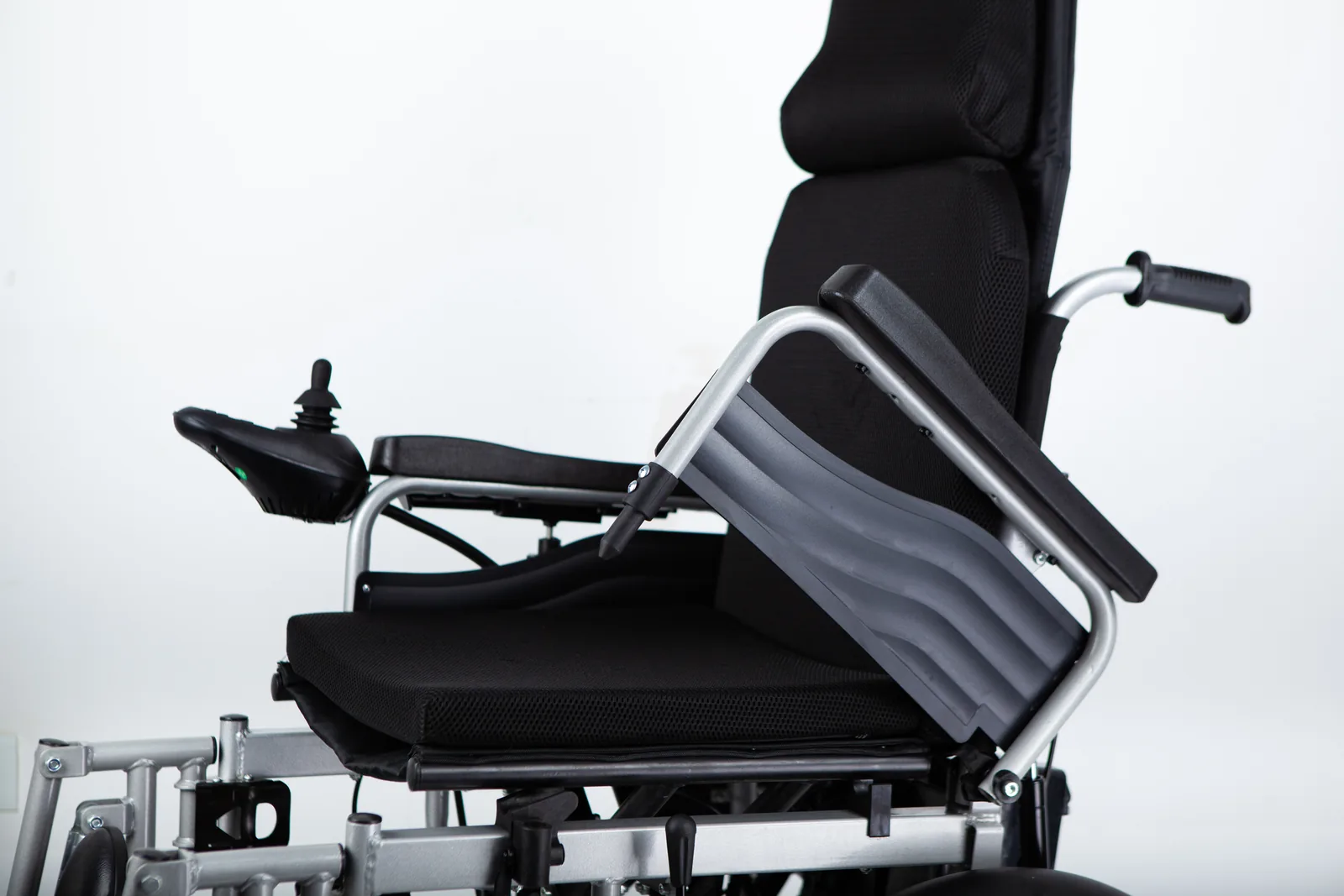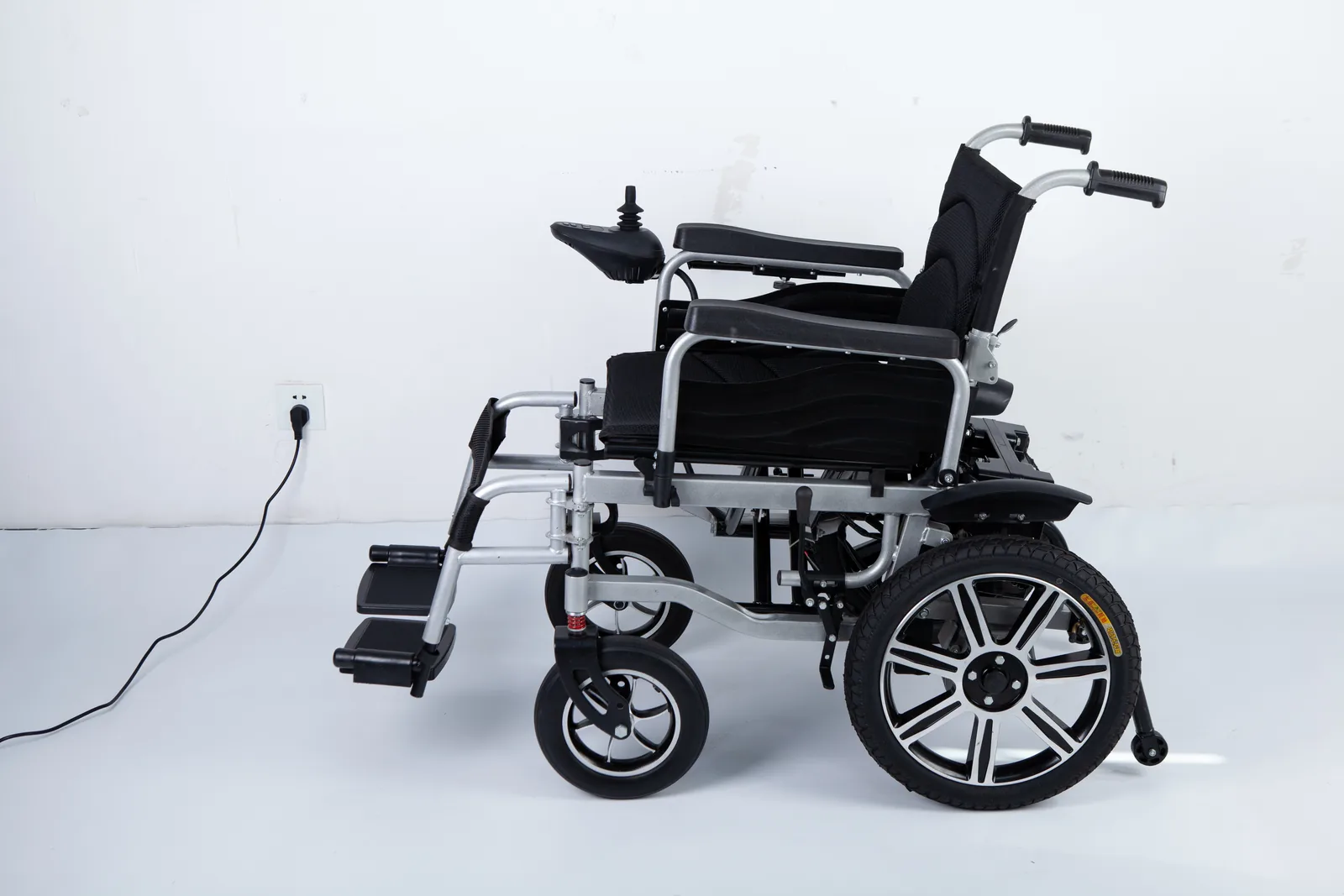
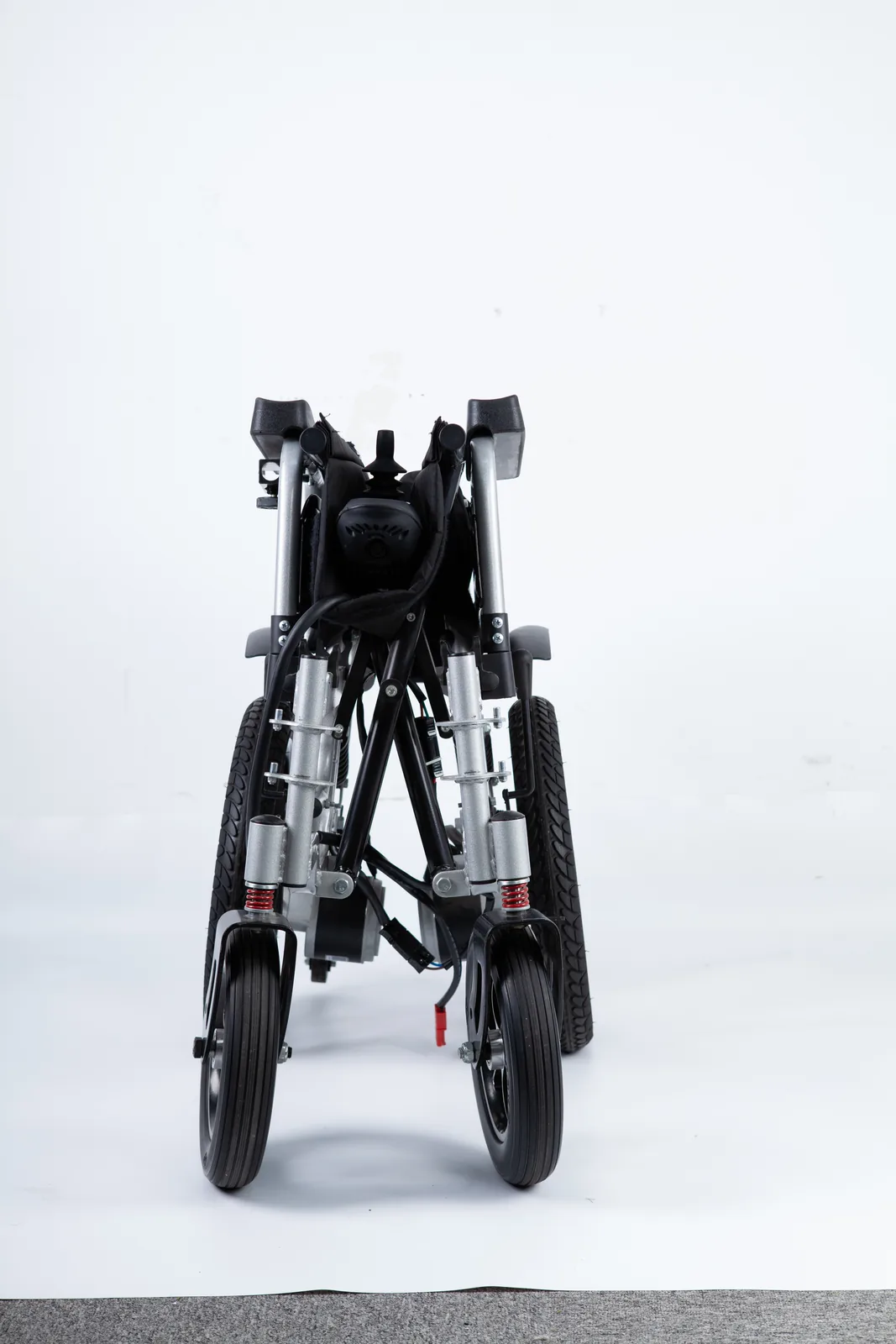
A dealer advisor or a folding-chair user comparing two power chairs often reaches the same sticking point: both are described as "folding," yet one needs a sequence of physical steps and the other responds to a control. Before quoting or shortlisting, the useful question is not which label sounds better but what the named model's instructions require.
Compare the electric wheelchair folding mechanism only at the level of a named model and its current instructions: who operates it, which parts must be moved or removed, how it is secured once folded, and where it will be stored. A category label such as "automatic folding" does not settle any of those points.
Electric wheelchair folding mechanism: Identify the exact chair and folding method
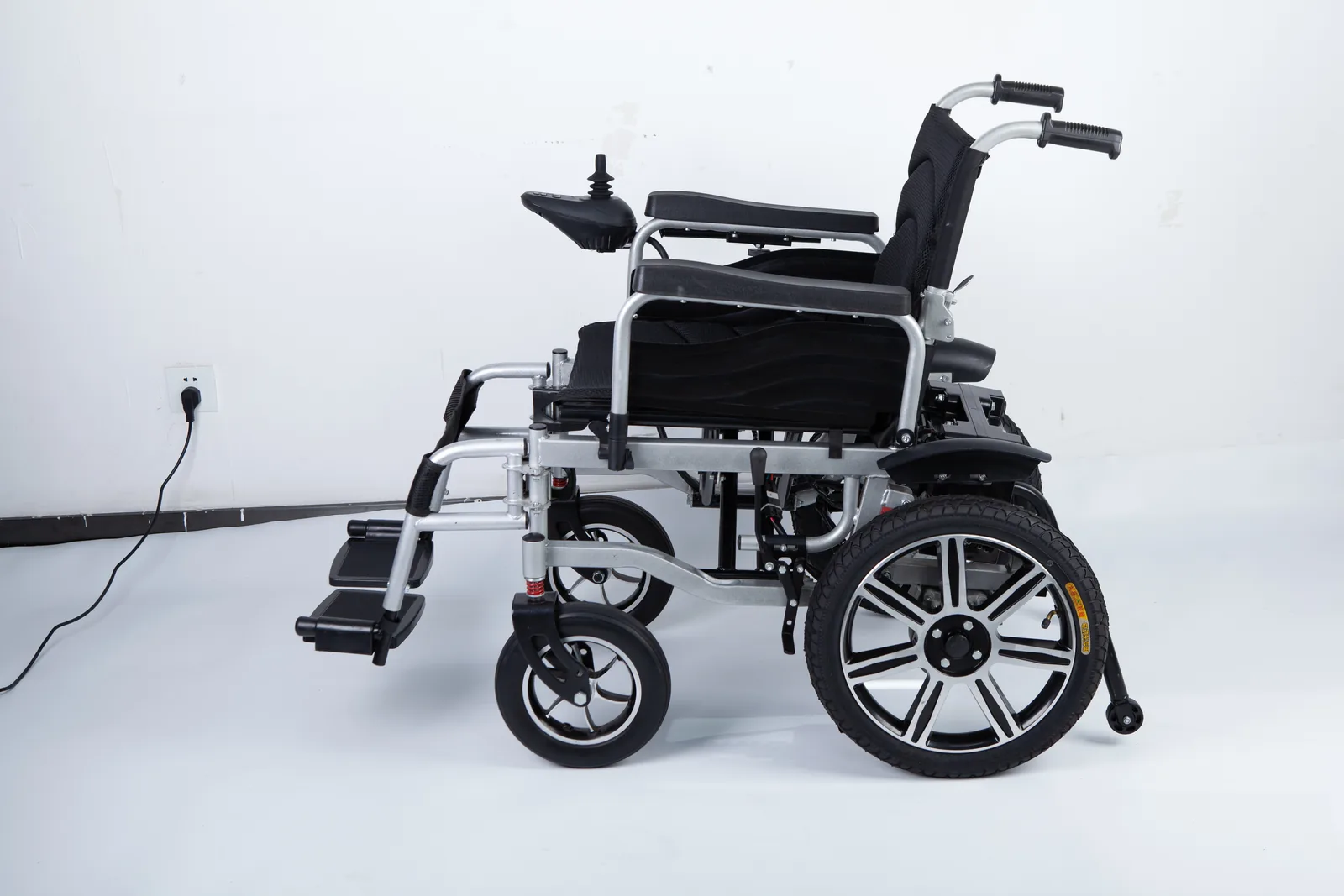
The first step is to pin down the exact chair, not the product family. Model names, revisions, and configuration options can change what a folding mechanism actually does, so a dealer comparing two chairs should record the full model designation, the configuration being quoted, and the date of the instructions being used. A general article about folding structures, such as the overview published by Dahaomedical, can help a reader recognize that foldable power chairs use several different structural approaches. That overview is useful vocabulary, not a specification for any particular chair. It cannot tell you what a given model weighs, how many steps folding takes, or whether a folded chair stands upright.
This distinction matters because buyers often compare across the wrong level. A category page listing automatic folding electric wheelchairs, such as the collection published by Electric Wheelchairs USA, shows that button-operated folding is a recognized product category and that suppliers describe it in similar marketing terms. It does not establish that every chair in that category folds the same way, needs the same clearance, or can be handled by the same person. Treat category pages as a map of what exists, and treat the model instructions as the source for what a specific chair does.
A second reason to start at model level is that the same product family can be sold in more than one configuration. A dealer may be quoting a chair with a particular seat, battery arrangement, or accessory set, and the folding procedure can differ across those variants. Recording the configuration alongside the model name keeps the comparison honest later, when a buyer asks why two quotations for what sounds like the same chair describe different steps. The record also protects the dealer: if a supplier later changes a document, the dated copy shows what the quotation was based on.
Read the current model instructions
Model-specific documentation is where a comparison becomes concrete. The eFOLDi Power Chair quick guide hosted by the retailer John Preston is an example of the right kind of source: a manufacturer quick guide for one named model, distributed through a retailer. It is not a general standard for folding power chairs, and its content should not be transferred to another brand or model. Its value is that it shows what a real instruction set looks like for one chair, and it demonstrates why buyers should ask for the equivalent document for every model under consideration.
When you read a model's instructions, note the version or revision date and whether the document covers the exact configuration being quoted. A quick guide for a base model may not describe an accessory, a different battery arrangement, or a later frame revision. If the supplier cannot point to the document that matches the quoted configuration, that is a question to resolve before the comparison continues, not a detail to assume. A short guide also has limits: it may summarize a sequence rather than explain every condition, so a demonstration or a fuller manual may still be needed to answer the operator's practical questions.
Compare manual and powered folding
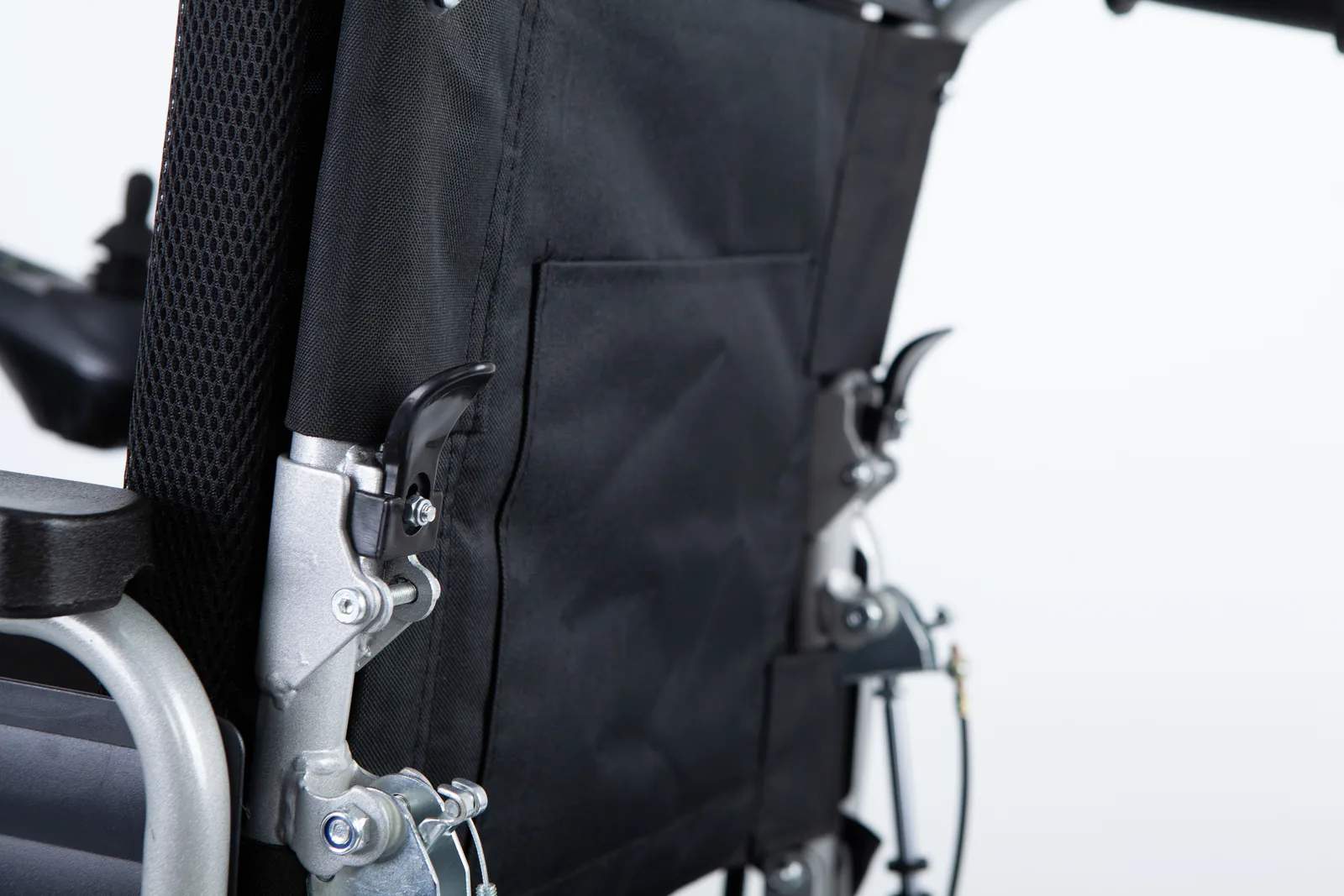
The manual versus powered distinction is the one buyers ask about first, and it is also the one most often oversimplified. In a manual folding power chair, the folding action depends on a person physically moving frame sections or releasing latches, following the sequence in that model's instructions. In a powered or automatic folding design, the folding action is driven by the chair's own mechanism, typically initiated from a control. The category page from Electric Wheelchairs USA describes button-based folding as a feature of automatic folding chairs, which confirms that this operating pattern exists in the market. It does not confirm the sequence, the safety conditions, or the physical effort involved for any specific model.
For a dealer advisor, the practical comparison is about the operator, not the label. Ask who will fold the chair in real use: the user, a caregiver, a transport driver, or venue staff. Then ask what that person must do under the named model's instructions. A powered mechanism may reduce the physical handling of frame parts, but it still requires the operator to follow a procedure, check that the area is clear, and confirm the chair is secured afterward. A manual mechanism may be simpler to understand, but it may require strength, reach, or balance that not every operator has. Neither pattern is automatically easier for a given person.
The comparison also affects where the chair can be folded. A powered folding action may need the chair to be in a particular state, with the control reachable and the surrounding space adequate for the movement the mechanism makes. A manual action may need room for a person to walk around the chair. Both requirements come from the model instructions, not from the category. The table below organizes the comparison around what a buyer can actually verify.
| Comparison point | Manual folding power chair | Powered or automatic folding chair | What to confirm |
|---|---|---|---|
| Who performs the action | A person moves frame parts per the model instructions | A person initiates the action from the chair's control, per the model instructions | Which person will fold it in daily use |
| Physical handling of parts | Depends on the model's latch and frame design | Depends on the model's mechanism and control design | The exact steps in the current model guide |
| Space needed during folding | Set by the model instructions | Set by the model instructions | Clearance around the chair where it will be folded |
| Securing after folding | Per the model instructions | Per the model instructions | Whether a lock, strap, or latch is specified |
| Suitability for a given operator | Not established by the category | Not established by the category | A demonstration with the actual operator |
Read the table as a list of questions, not a verdict. The middle columns describe the two design patterns in general terms; the right-hand column is where a real decision gets made. A dealer who fills that column from the model instructions and a demonstration has something defensible to show a buyer. A dealer who fills it from a category page has a guess.
One more distinction is worth keeping separate: powered folding is not the same as powered driving. A chair may drive under its own power and still fold manually, or fold under power while being positioned by hand. Buyers who conflate the two end up asking the wrong question of the wrong document. Ask specifically how the folding action is initiated, and leave the driving system out of that part of the comparison.
Check steps, removable parts and controls
Once the folding pattern is known, the next task is to count and describe the steps. A folding sequence is not a single action even when it is powered. It usually includes preparing the chair, releasing or activating the mechanism, moving or folding specific parts, and confirming the result. The model instructions define the order, and the order matters: a step performed out of sequence may leave a part unsecured or the mechanism under load. Buyers should ask for the sequence in writing and, where possible, see it performed on the exact configuration being quoted.
Removable parts deserve separate attention because they change both the handling task and the storage picture. Some folding designs require a component to be taken off before the chair folds, and some do not. The model instructions are the only reliable source for whether a part must be removed, whether it can stay in place, and where it should be put during transport. For a dealer, this is a quotation-scope question as much as a design question: if a removable part is easy to lose or damage, the buyer needs to know that before the chair arrives, not after. A part that must be stowed separately also adds a step to every fold, which matters for a chair that will be folded several times a day.
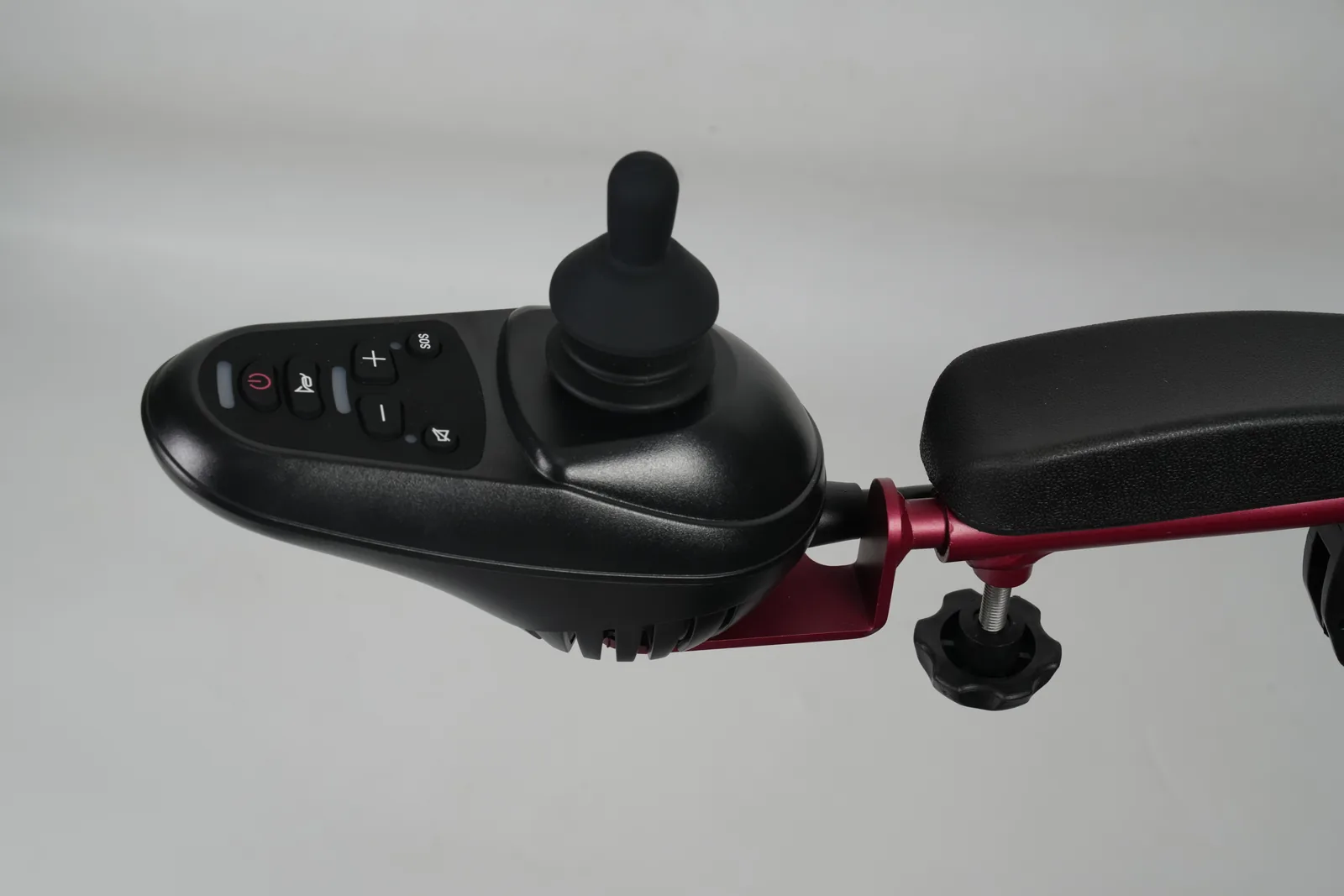
Controls are the third element. A powered folding chair has a control that initiates the action, and the instructions for that model should describe how it is used and what conditions apply. Do not assume that a control described on a commercial category page works the same way on a different model, or that a control exists at all on a chair sold as manual folding. Ask the supplier to identify the control, its location, and the model-specific procedure for using it. If the answer is vague, the demonstration in the next section becomes more important, not less.
A useful way to record this for a shortlist is a simple three-column note per model: the steps in order, the parts that move or come off, and the controls involved. That note becomes the basis for comparing two chairs honestly, and it gives the buyer a document to check against the chair on delivery. It also keeps the comparison anchored to the named model rather than to a marketing phrase. Where two models look similar on paper, the note often reveals the real difference: one may need an extra handling step that the other avoids, and that single step can decide which chair suits a given routine.
Check folded stability, dimensions and handling
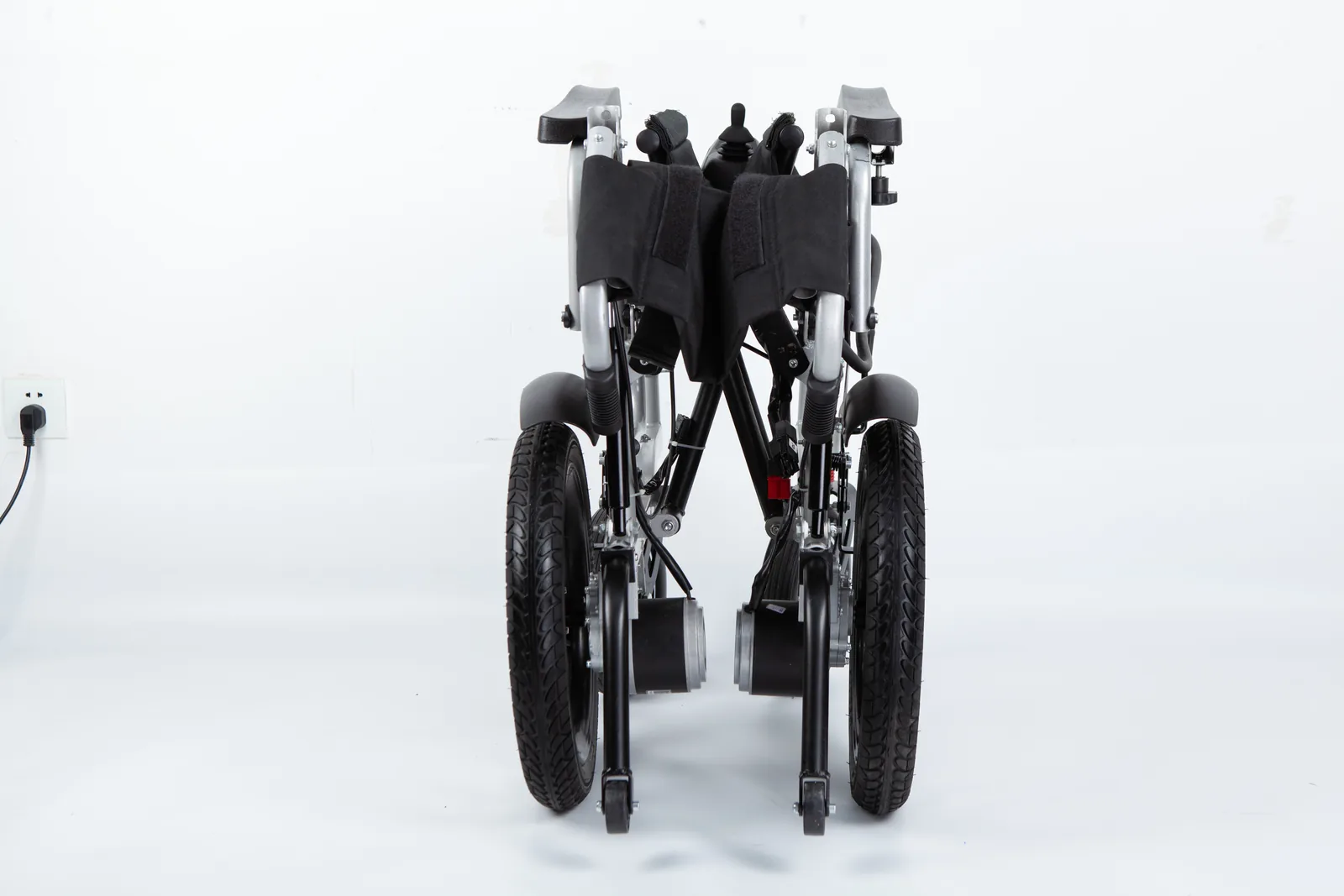
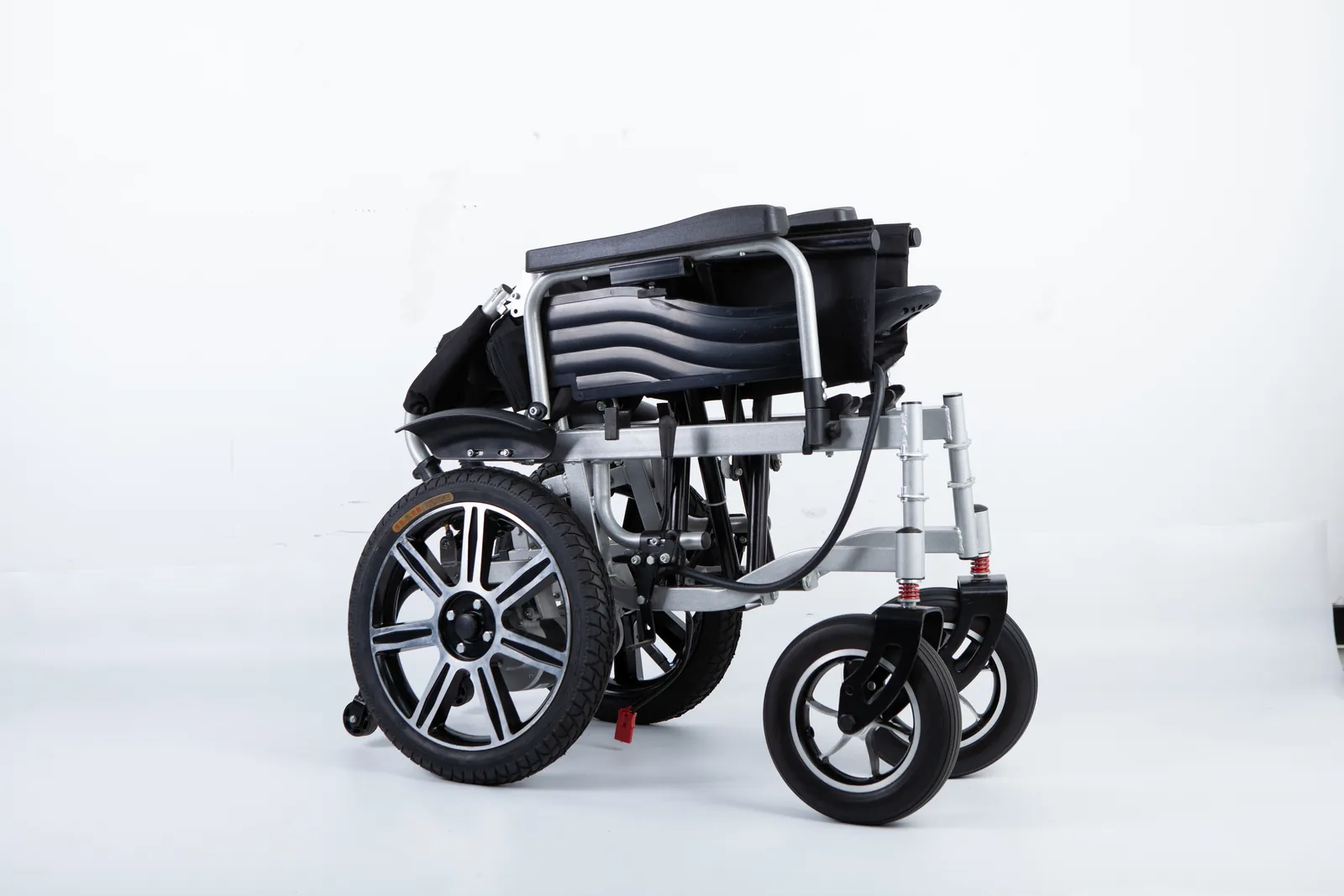
Folded stability is a separate question from folding ease, and it is often skipped. A chair that folds quickly may still need to be secured, leaned, or stored in a particular orientation afterward. The model instructions should say how the folded chair is held in its folded state and whether any lock or strap is part of that. Buyers should not assume that a folded power chair stands independently, and they should not assume it must be laid down. The correct answer is the one the named model's instructions give, and it should be confirmed with the supplier if the document is unclear.
Dimensions belong to the same check. Folded length, width, and height are model-specific figures, and they should be taken from the current specification for the exact configuration being quoted. This article does not supply dimensions for any chair, because a number borrowed from another model or another website would mislead the comparison. The practical task is to collect the folded figures for each shortlisted model and compare them against the actual storage and transport space the buyer has in mind. That is a measurement exercise, and it should use the buyer's own space rather than a generic assumption.
Handling is the third part. Even a compact folded chair has to be lifted, rolled, or carried by someone, and the model instructions and specification are the place to check what the manufacturer says about moving the chair in its folded state. A dealer should ask who will move the folded chair, over what distance, and whether any steps or thresholds are involved. These are not clinical questions; they are logistics questions, and they belong in the quotation conversation. A chair that folds well but cannot be moved by the person who needs to move it is not a good match, regardless of how the mechanism is described.
| Folded-state question | Where the answer comes from | Why it changes the decision |
|---|---|---|
| Does the folded chair need a lock or strap? | Model instructions | Affects handling and storage routine |
| Can it stand independently? | Model instructions | Affects floor space and storage orientation |
| What are the folded dimensions? | Current specification for the exact configuration | Affects storage and transport fit |
| How is it moved when folded? | Model instructions and specification | Affects who can handle it |
| Are any parts removed before folding? | Model instructions | Affects part storage and loss risk |
Use this table as a checklist for the supplier conversation. Each row has a defined source, which means each answer can be checked rather than assumed. Where a supplier cannot provide the source, record that as an open item and decide whether the model can stay on the shortlist. It also helps to note the folded state as a routine rather than a one-off: a chair that is folded and stored daily puts more demands on a lock, strap, or orientation than one folded occasionally for a trip.
Ask the supplier for instructions and a demonstration

The final comparison step is a request, and it should be specific. Ask the supplier for the current instructions for the exact model and configuration being quoted, including the revision or date. Ask for the folded dimensions and the folded-state handling information from the same document set. Ask which parts move or come off during folding and which controls are involved. These requests are reasonable because they concern the product being sold, and a supplier who can answer them gives the buyer a basis for comparison that a category page cannot.
A demonstration is the companion request. A demonstration should use the exact configuration under discussion and should be performed by someone who will actually operate the chair, or at least observed by them. The point is not to test the chair against a standard; it is to see whether the documented steps match what happens in practice, whether the operator can follow them, and whether any part of the sequence raises a question. If a demonstration is not possible before purchase, ask for a video or a written walkthrough that follows the model instructions, and treat any gaps as items to confirm.
For dealers, this is also a quotation-scope issue. If a supplier offers automatic folding as an option, confirm whether the quoted model includes it, whether the instructions cover that configuration, and what the buyer needs to know about operating it. Wheelchairs Factory's quote page is the appropriate place to raise these model-specific questions; whether a particular automatic folding configuration is available should be confirmed directly rather than assumed from a product category. The same discipline applies to any supplier: the answer that matters is the one tied to the named model.
It helps to put the requests in writing and to keep the replies with the quotation file. A written answer can be checked against the document set, and it gives both sides a shared reference if a question arises later. Where a supplier answers only part of the list, the unanswered items are the ones to raise again before the shortlist is finalized, rather than details to settle after delivery.
FAQ
Is an automatic folding chair always lighter? No. Weight is a model-specific specification, and the folding method alone does not determine it. Compare the published weight for each exact configuration.
Can a folded power chair stand independently? That depends on the model. Check the instructions for the folded state and any lock or strap the manufacturer specifies.
Must the battery be removed before folding? This is model-specific. Follow the named model's instructions and do not assume a procedure from another chair.
Who can safely operate the folding mechanism? The model instructions define the steps; whether a particular person can perform them should be confirmed through a demonstration with that person.
Conclusion
Compare named models, current instructions, and a real demonstration before choosing a folding mechanism. Ask suppliers for the documents that match the exact configuration.
Video: How to Fold an Electric Wheelchair | Different Folding Mechanisms Explained