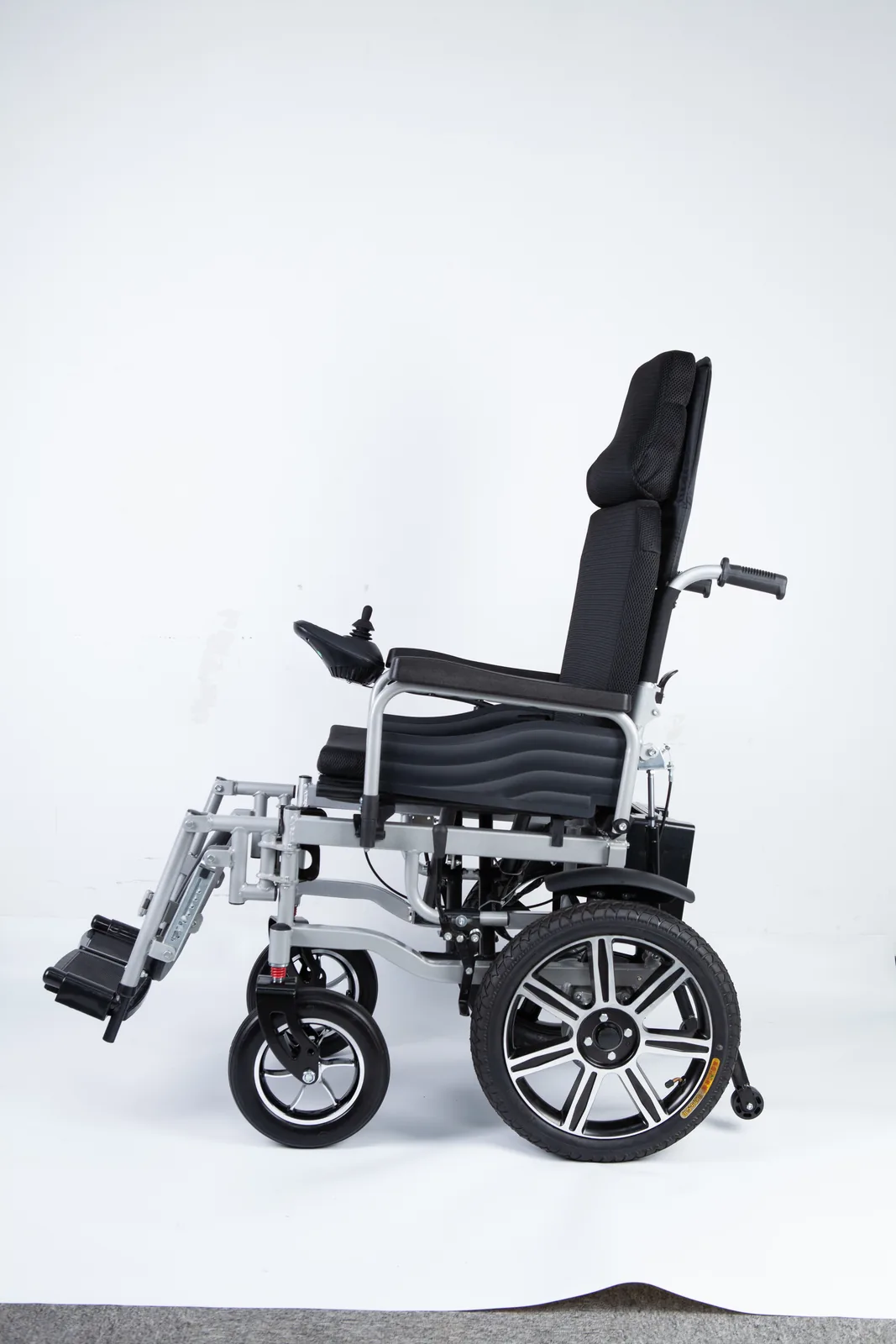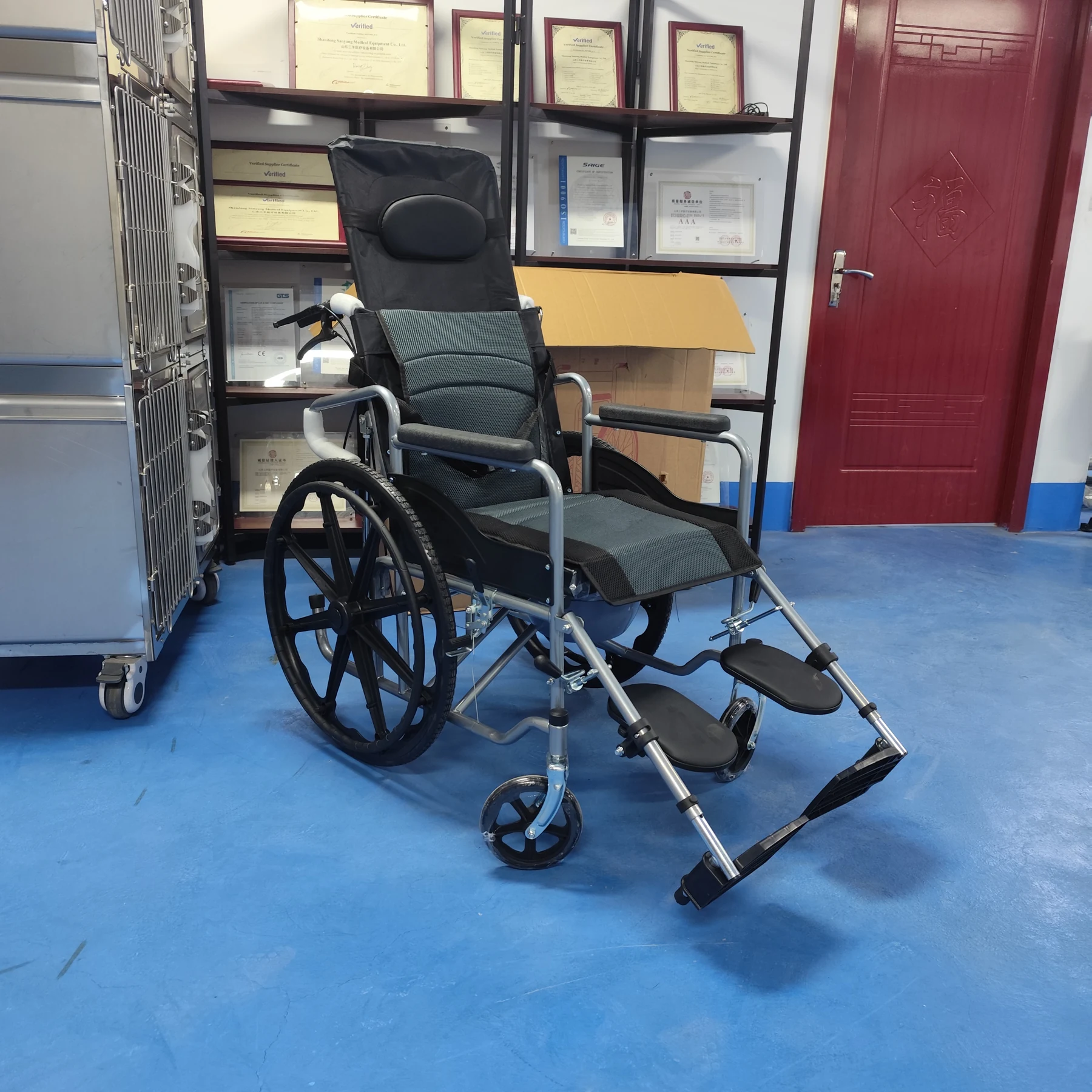
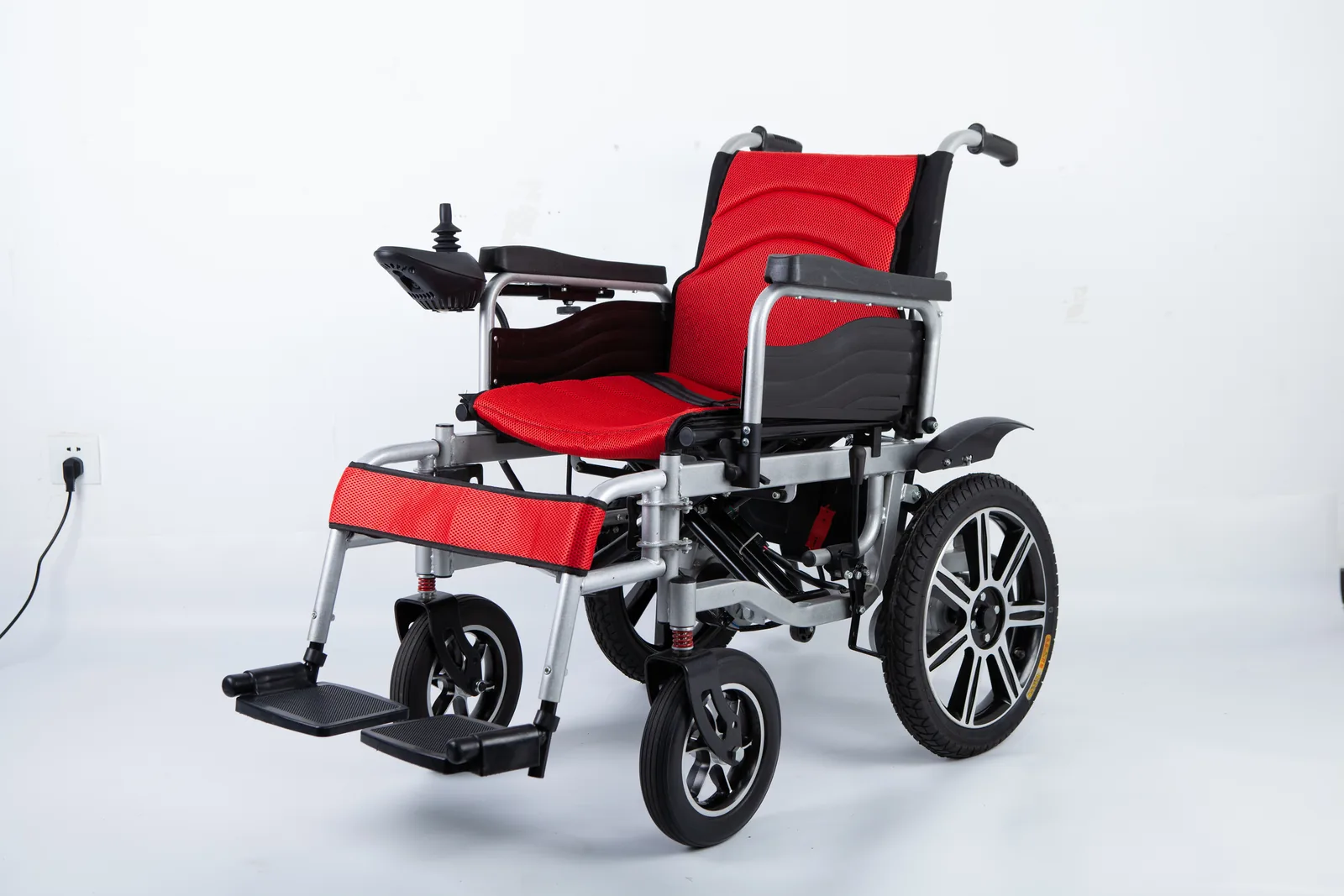
An importer comparing two power chairs sees "suspension" in both brochures and needs to know whether the feature is comparable, what it actually covers, and which documents settle the question. The answer rarely sits in the marketing line alone.
Wheelchair suspension is a chassis-level description, not a complete statement about ride, terrain suitability, or user comfort. Before comparing models, verify which components the claim covers, the exact model and configuration tested, the conditions recorded, and whether the supplier can supply supporting documentation.
What wheelchair suspension describes
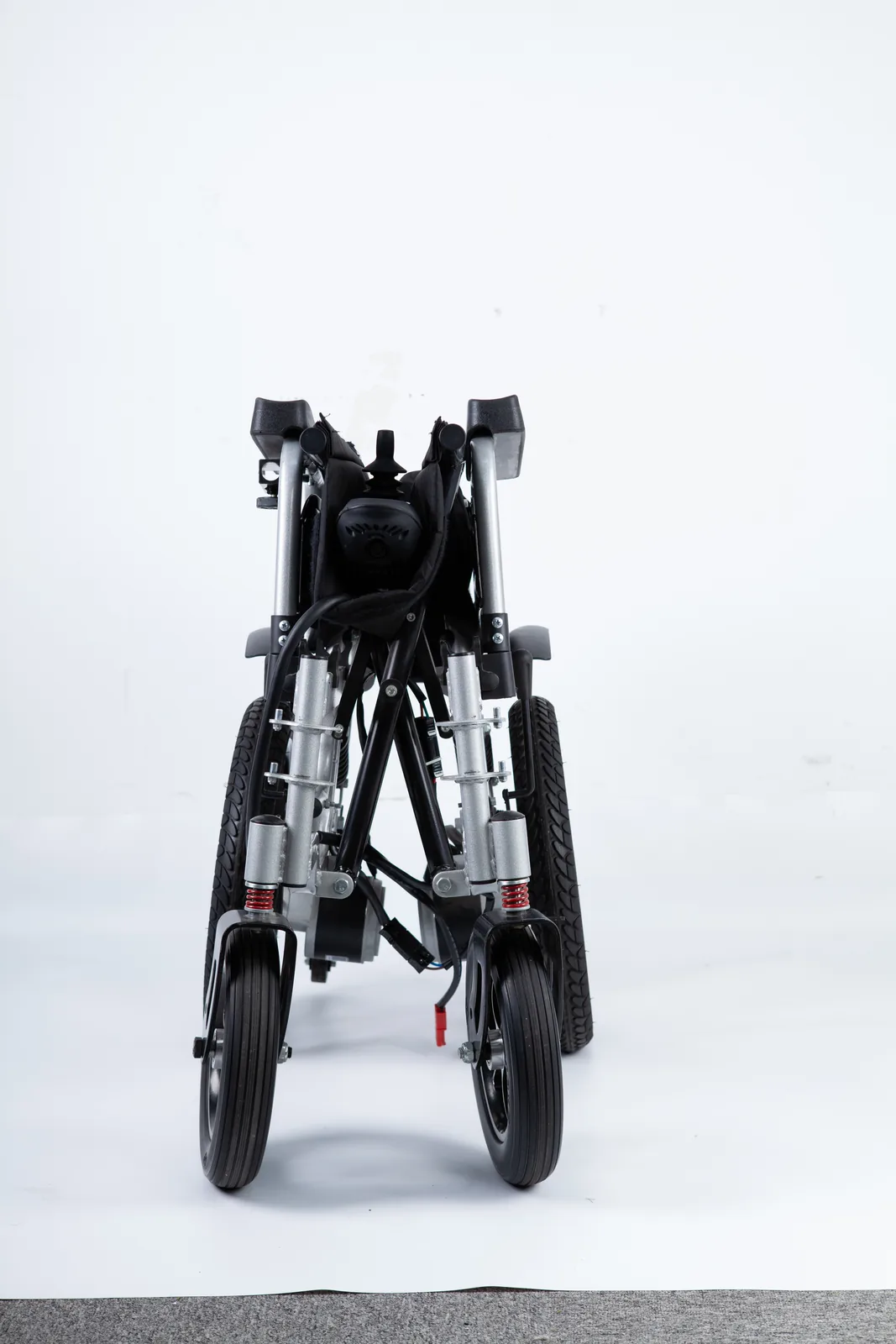
In supplier language, suspension usually refers to parts of the chassis or wheel assembly intended to move relative to each other as the chair travels over uneven ground. That is a mechanical description of a design arrangement. It does not, by itself, tell a buyer how much movement occurs, under what load, on which surface, or with which tires and seating fitted. Those are separate questions, and they are the ones a distributor or institutional evaluator actually has to record.
The practical difficulty is that "suspension" is used loosely across the market. One listing may describe a front suspension arm; another may describe a system spanning several wheels; another may mention only that the base is designed to absorb vibration. These are not interchangeable statements, and they cannot be ranked against each other without knowing the component, the model, and the source of the description. For procurement purposes, treat the word as a label that opens a set of questions rather than a specification that closes them.
It also helps to separate three layers that buyers often merge. The first is the chassis and its moving parts. The second is the wheel and tire assembly, which contacts the ground and has its own construction, size, and inflation characteristics. The third is the seat and cushion, which sit between the chair and the person. A change in any one of these can alter what a user experiences, so a document that describes only one layer cannot be used to conclude anything about the other two.
A fourth consideration is the drive layout. Power bases differ in how many wheels carry drive and how the front and rear assemblies are arranged, and a suspension description written around one layout does not automatically describe another. When a supplier lists several bases under one brand, ask whether the suspension wording belongs to the base, to a specific model built on that base, or to an optional package. The answer determines whether the statement can be carried into a quotation at all.
Chair suspension and tires
Tires and suspension are related in use but distinct in documentation. Tire construction affects how the chair meets a surface; suspension describes how parts of the chair are arranged to move. A supplier may offer the same base with different tire options, which means a claim recorded for one configuration may not describe another. When a quotation or spec sheet lists both, check whether the suspension description is tied to a specific tire fitment or written for the base generally. Our existing guide to solid versus pneumatic wheelchair tires covers tire construction on its own terms; it does not establish what any suspension design will do.
Seat and cushion
Seating is a separate variable with its own assessment pathway. A cushion or seating system may be selected by a clinician or seating professional for reasons that have nothing to do with the chassis, and a suspension label should never be read as a substitute for that process. For an importer or fleet evaluator, the useful step is to record which seat and cushion were fitted to the chair being described, because a configuration note that omits seating is incomplete for comparison purposes.
Compare two named power-chair examples
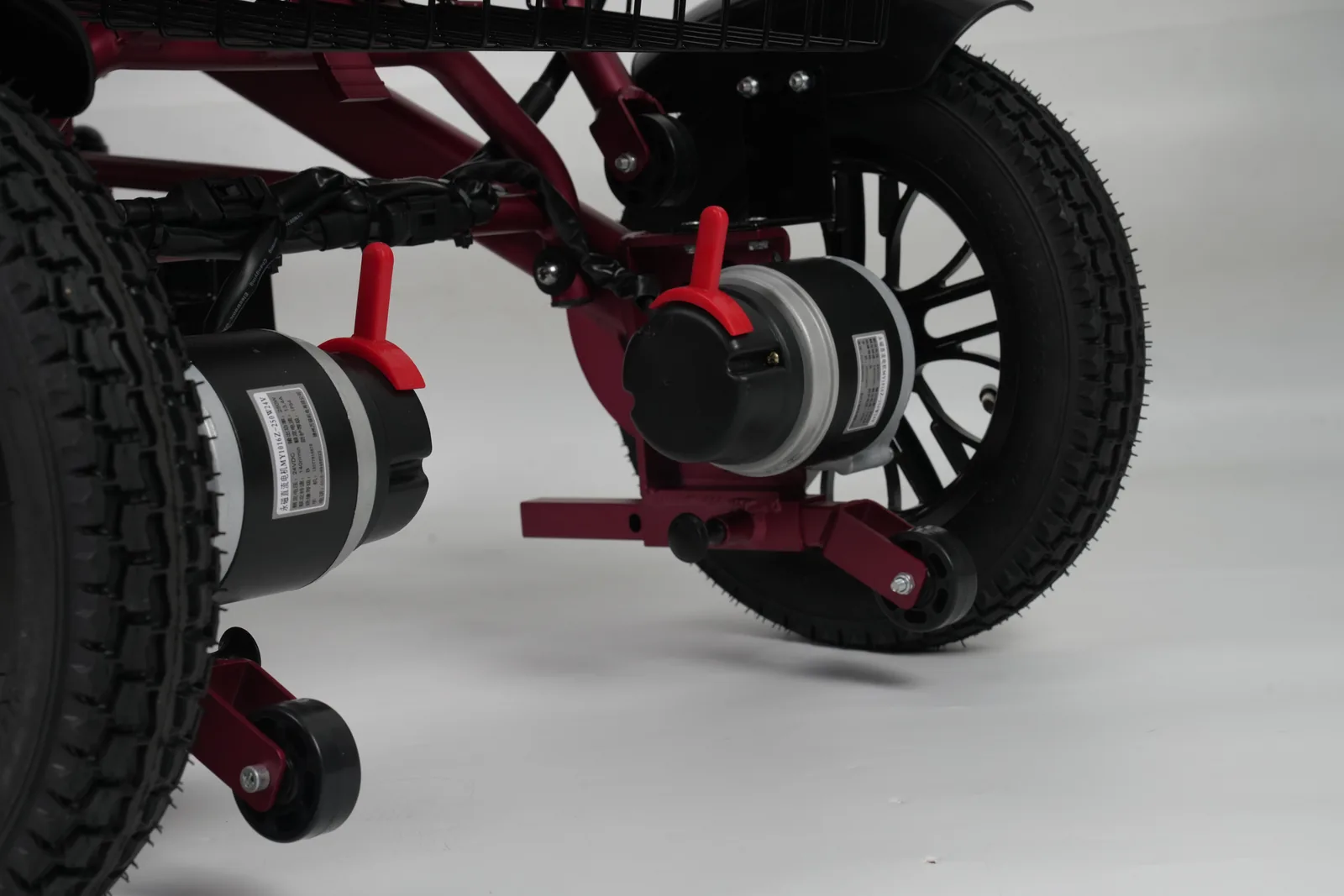
The brief for this article supplies two manufacturer pages as named examples: Permobil's ComfortRide suspension page and Quantum Rehab's 4Front 2 HD SRS suspension page. Both were noted as observed on 2026-11-01. What can responsibly be said here is limited: each page is a manufacturer's own description of a suspension function associated with that manufacturer's power-chair range. Neither page, as supplied, provides a test protocol, a measured performance value, or a statement that applies to other brands.
That limitation is the point of the comparison. A buyer who places the two names side by side is not comparing performance; they are comparing what each manufacturer chooses to publish. The Permobil page is framed around a named suspension function within Permobil's power wheelchair line. The Quantum Rehab page is framed around a named suspension feature within the 4Front 2 HD power base. Each name belongs to its own product family. Copying the wording of one into a specification for the other would misrepresent both.
| Comparison point | Permobil ComfortRide page (as supplied) | Quantum Rehab 4Front 2 HD SRS page (as supplied) | What the buyer must still confirm |
|---|---|---|---|
| Source type | Manufacturer product-function page | Manufacturer power-base page | Whether a current technical document exists |
| Product scope | Permobil power wheelchairs, per the page's own framing | 4Front 2 HD power base, per the page's own framing | Exact model and configuration quoted |
| Performance values | Not supplied in the brief | Not supplied in the brief | Any measured figures and their test conditions |
| Test documentation | Not supplied in the brief | Not supplied in the brief | Protocol, date, lab or method, and revision |
| Transferable to other models | No basis to assume so | No basis to assume so | Written confirmation from the supplier |
Read the table as a documentation map, not a scorecard. Neither column contains a number that could be ranked, and the absence of a published figure is not evidence that no testing exists. It means the buyer has an open item. In a channel purchasing file, that open item should be logged with the model, the page or document it came from, the date it was observed, and the name of the person at the supplier who is expected to answer it. That record is what makes a later comparison defensible if a customer, tender reviewer, or institutional client asks why one base was shortlisted.
A second discipline follows: do not let a distinctive feature name do persuasive work it has not earned. Names are marketing choices. They help identify a product family and give the buyer a term to search in the supplier's documentation, but they do not describe a mechanism, a travel distance, or an outcome. If a colleague forwards a brochure line and asks whether it is "better," the honest reply is that the line identifies a feature to investigate, and the investigation has not happened yet.
There is also a fair-comparison rule worth writing into the file. If one candidate has a named suspension feature and another has no published suspension wording at all, the two are not yet comparable, because the second may simply not have been documented for the channel. The gap should be recorded as missing information about that model, not as evidence that the model lacks the feature. Treating silence as a negative result is as misleading as treating a brochure phrase as a positive one, and either mistake distorts a shortlist that a distributor may have to defend later.
Record conditions behind a claim
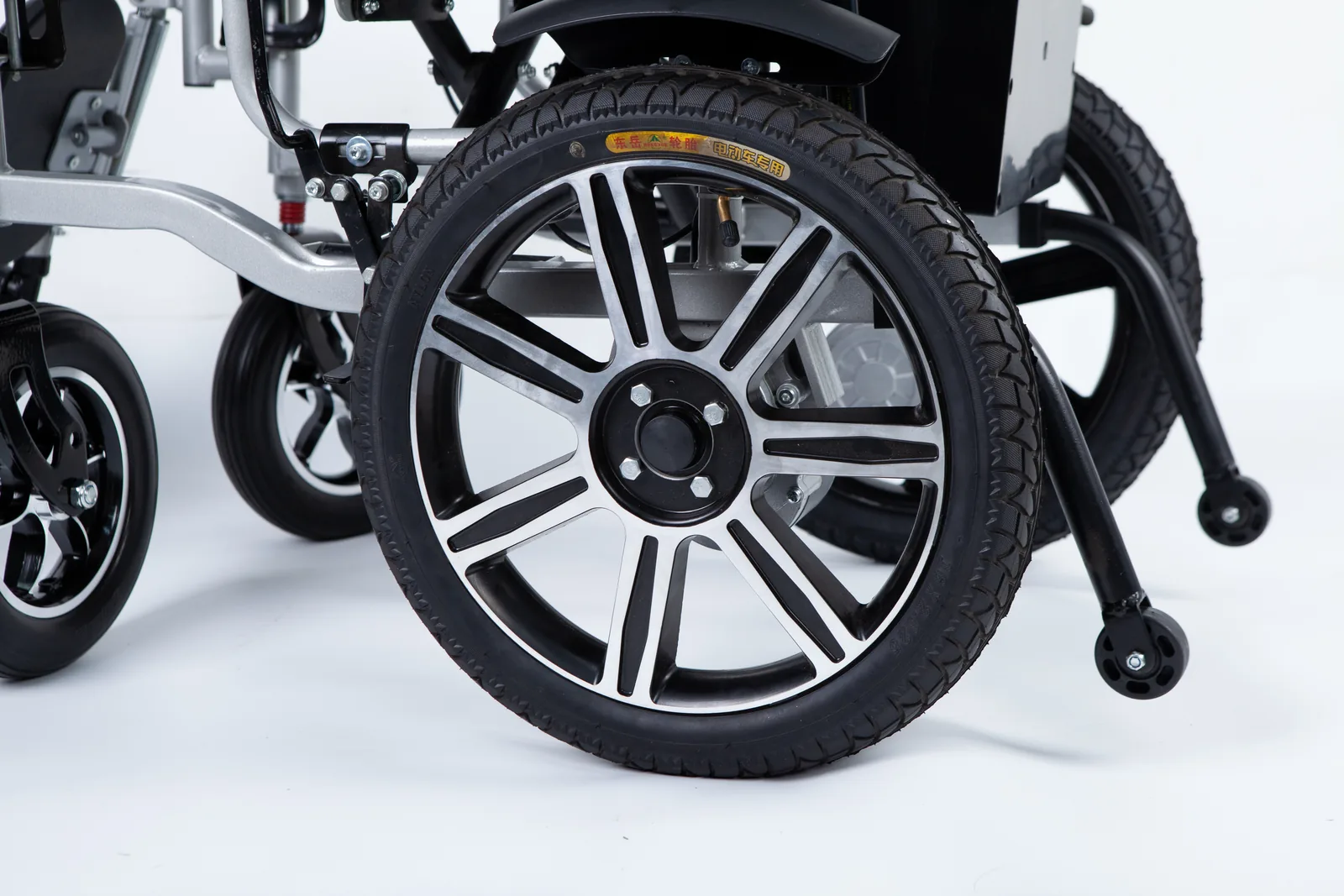
A suspension statement becomes useful to a buyer only when it is attached to conditions. The conditions to capture are consistent across suppliers even when the wording differs: which model, which configuration, what load, what surface, what speed or maneuver, and what document records the result. Without those anchors, two claims cannot be compared, and a claim cannot be checked later when a fleet manager asks why a particular base was chosen.
Load deserves particular attention because it is easy to leave implicit. A power chair is described in catalogues in terms of a maximum user weight or a rated capacity, and a suspension description may have been written with a particular load in mind. If the buyer does not know whether a published statement applies at the lower or upper end of the rated range, the statement cannot be applied to a specific institutional user population. The same logic applies to accessories: a later-added seating system, ventilator mount, or carry bag changes the mass and distribution on the chassis, and the buyer should ask whether the original description still applies.
Surface is the other commonly missing anchor. "Rough ground" and "indoor flooring" are not test conditions; they are categories. A supplier document that names a test surface, an obstacle type, or a course layout gives the buyer something to compare. A document that says only that the chair is designed for comfort gives the buyer a marketing statement. Both may be legitimate publications, but only the first supports a purchasing decision.
Model and tested setup
Model-level verification means asking for the document that belongs to the exact variant being quoted, not the family brochure. Power bases are commonly offered in more than one configuration, and a suspension description written for one build may not carry across. The buyer's checklist should therefore name the base, the drive configuration, the tire fitment, the seating fitted, and any accessory that adds mass, then ask the supplier to confirm in writing that the suspension description applies to that combination.
Document control matters as much as document content. Record the revision or date of the specification, the manual, or the test report, and keep the copy that was actually reviewed. If a later revision changes the wording, the buyer can see what changed and when. This is ordinary procurement hygiene, but it is often skipped when a feature is described in a brochure rather than a technical file. A simple line in the purchasing record — document name, revision, date received, reviewer — prevents a claim from drifting away from its source.
Separate ground use from performance guarantees
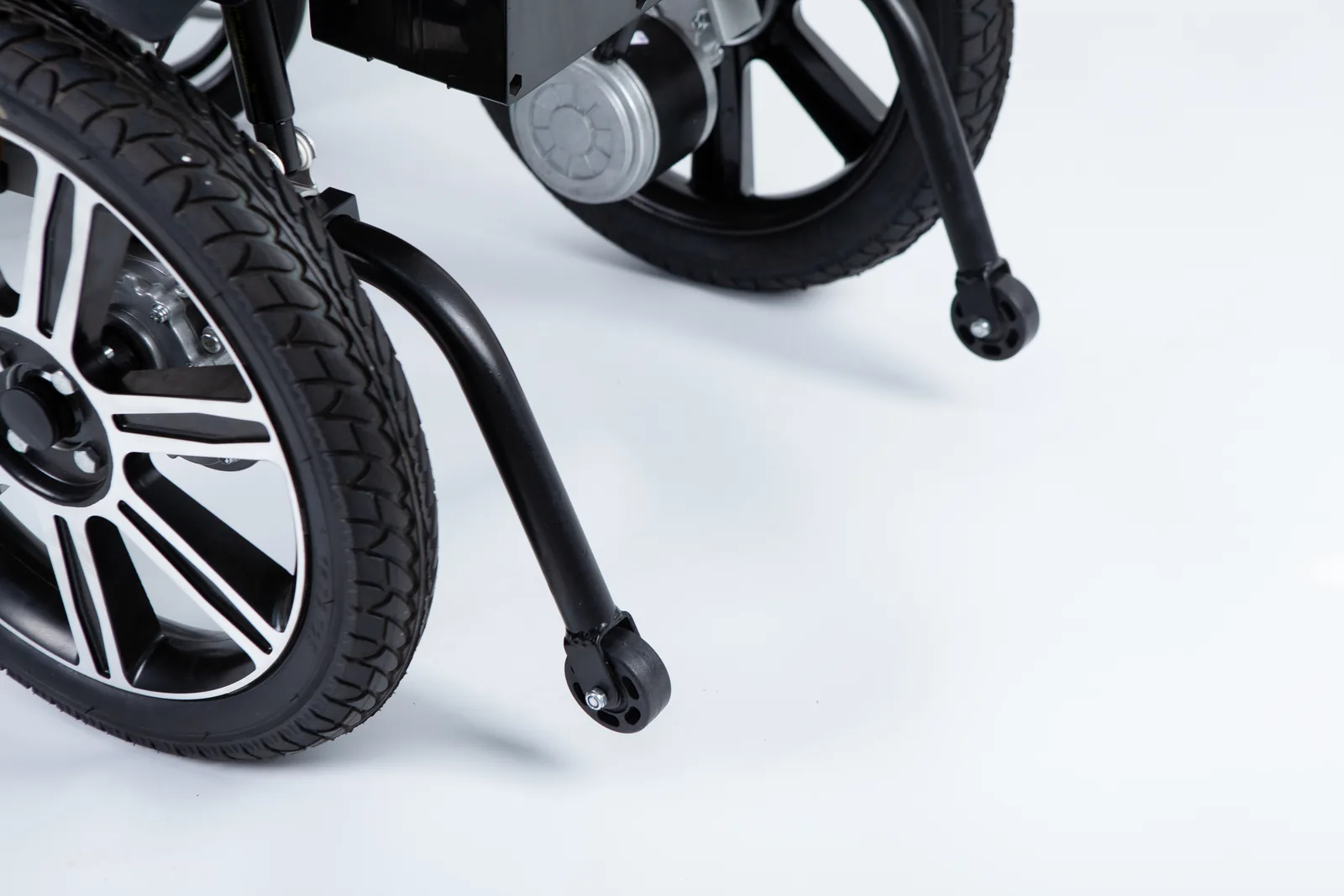
The intended use environment belongs in the purchasing record in plain terms: indoor corridors and thresholds, paved outdoor paths, kerbs and ramps, gravel or unpaved surfaces, or a mixed route. Writing this down before comparing models prevents a common error, which is choosing a base because its suspension description sounds capable and only afterwards discovering that the intended routes were never discussed with the manufacturer. The buyer does not need to resolve the engineering question; they need to state the requirement and ask the supplier whether the model is intended for it.
This is where the boundary between a design description and a performance guarantee must be kept sharp. A suspension feature describes an arrangement of parts. It does not certify that a chair will clear a specific obstacle, remain stable on a slope, protect a user from vibration exposure, or suit a particular medical condition. Those outcomes depend on the whole chair, the seating, the surface, the user, and how the equipment is operated. An importer who repeats a brochure phrase as a guarantee takes on a risk the manufacturer never accepted.
Institutional evaluators have an additional reason for care. A tender or internal approval may require evidence that equipment is suitable for a stated environment, and a marketing page is weak evidence for that purpose. The stronger file contains the model specification, the intended-use statement from the manual, any test documentation the supplier is willing to release, and a record of the questions asked and answered. Where a supplier cannot provide a document, the buyer should record that gap explicitly rather than filling it with an assumption. That record protects the evaluator and gives the supplier a clear request to respond to.
Finally, keep the user's own requirements separate from the equipment comparison. A power chair may be selected partly for seating, controls, transport, or funding reasons that have nothing to do with suspension. The suspension question is one line in a larger evaluation, and treating it as decisive would distort the shortlist. Where an individual's seating or posture needs are part of the decision, that assessment belongs with a qualified clinician or seating professional, not with a chassis brochure.
Bring questions to the supplier

A supplier conversation works best when it is specific and written. Instead of asking whether a chair "has good suspension," ask which component the description covers, which model and configuration it applies to, what documentation exists, and whether the supplier will confirm in writing that it applies to the quoted build. The answers can then be logged against the same fields for every candidate, which makes the eventual comparison a matter of record rather than recollection.
The table below is a working template for that record. It is deliberately built around unknowns, because the value of the exercise is in naming what has not yet been confirmed and assigning who will confirm it.
| Item to confirm | Why it matters | Typical source | Status and owner |
|---|---|---|---|
| Exact base and model variant | Claims may be written for one build | Supplier quotation, model specification | To confirm |
| Which components the suspension description covers | Chassis, wheel assembly, and seating are different layers | Manufacturer technical page or manual | To confirm |
| Tire fitment quoted with the base | Tire and suspension are separate variables | Quotation, specification sheet | To confirm |
| Seating and accessories fitted | Added mass changes the configuration described | Configuration list | To confirm |
| Rated load and where the claim applies | Statements may not cover the full rated range | Model specification | To confirm |
| Intended surfaces named by the manufacturer | Ground use must match the supplier's stated scope | Manual intended-use section | To confirm |
| Test documentation, if any | Needed for tender or institutional files | Supplier technical contact | To confirm |
| Document revision and date | Prevents a claim drifting from its source | Document header or footer | To confirm |
| Written confirmation for the quoted build | Converts a general page into a model-level answer | Supplier email or letter | To confirm |
Two habits make this template useful over time. First, keep the same fields for every supplier so that gaps are visible side by side; a candidate with three unanswered rows is not equivalent to one with none. Second, record the version of each document reviewed, because a specification can be revised between an initial enquiry and a purchase order. Neither habit requires technical expertise, and both make a later audit or customer question far easier to answer.
Where a supplier's answer is vague, the buyer can narrow the question rather than repeat it. Asking "which document states this for the model we are quoting" is more productive than asking for reassurance. If the answer is that no document exists, that is a finding worth recording, not a failure of the conversation. The purchasing decision can then rest on what is actually documented.
It also helps to decide in advance who owns each row. In a distributor business, the product manager may own the model and configuration questions, while a service or parts colleague owns the tire fitment and accessory list. Splitting the record this way prevents every question from landing on one person and makes it obvious when a row has gone quiet. When the file is complete, the same structure can be reused for the next model enquiry, which turns a one-off comparison into a repeatable channel process rather than a fresh scramble each season.
FAQ
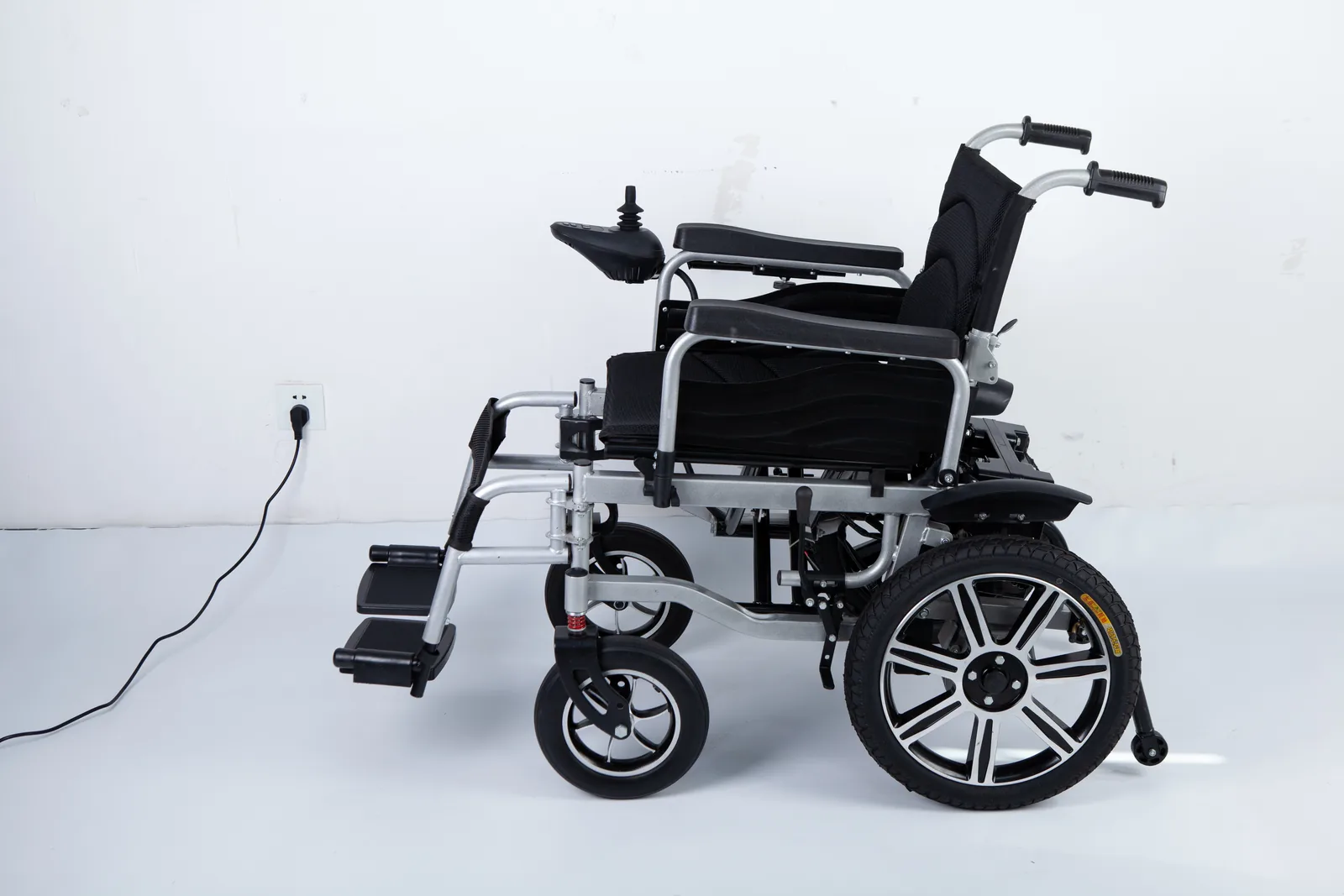
Does suspension replace the need to choose appropriate tires? No. Tires and suspension are separate components with separate descriptions. Tire construction and fitment affect how the chair meets a surface, and a suspension statement does not settle which tire is appropriate for an intended route. Confirm both for the exact configuration being quoted.
Can a suspension label prove the chair suits every surface? No. A label identifies a feature within a manufacturer's product range. Suitability for a specific environment depends on the whole chair, its intended-use documentation, the configuration, and how it is operated. Ask the supplier which surfaces the model is intended for and record the answer.
Conclusion
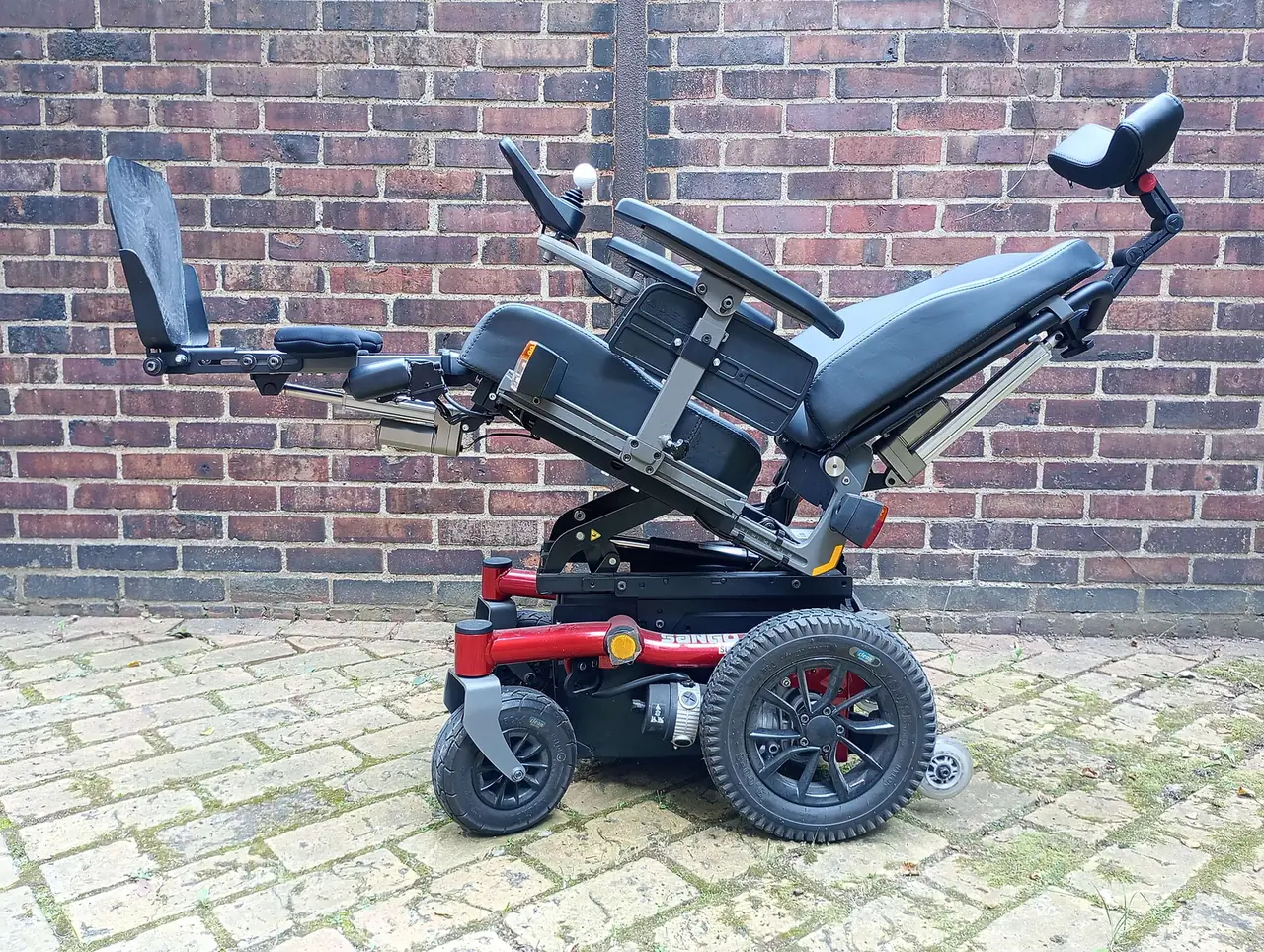
Treat suspension as a question to document, not a promise to repeat. Record the model, configuration, conditions, and source, then confirm each open item with the supplier in writing.
Video: How Gas Spring Suspension Works for your Powerchair (and why it matters)