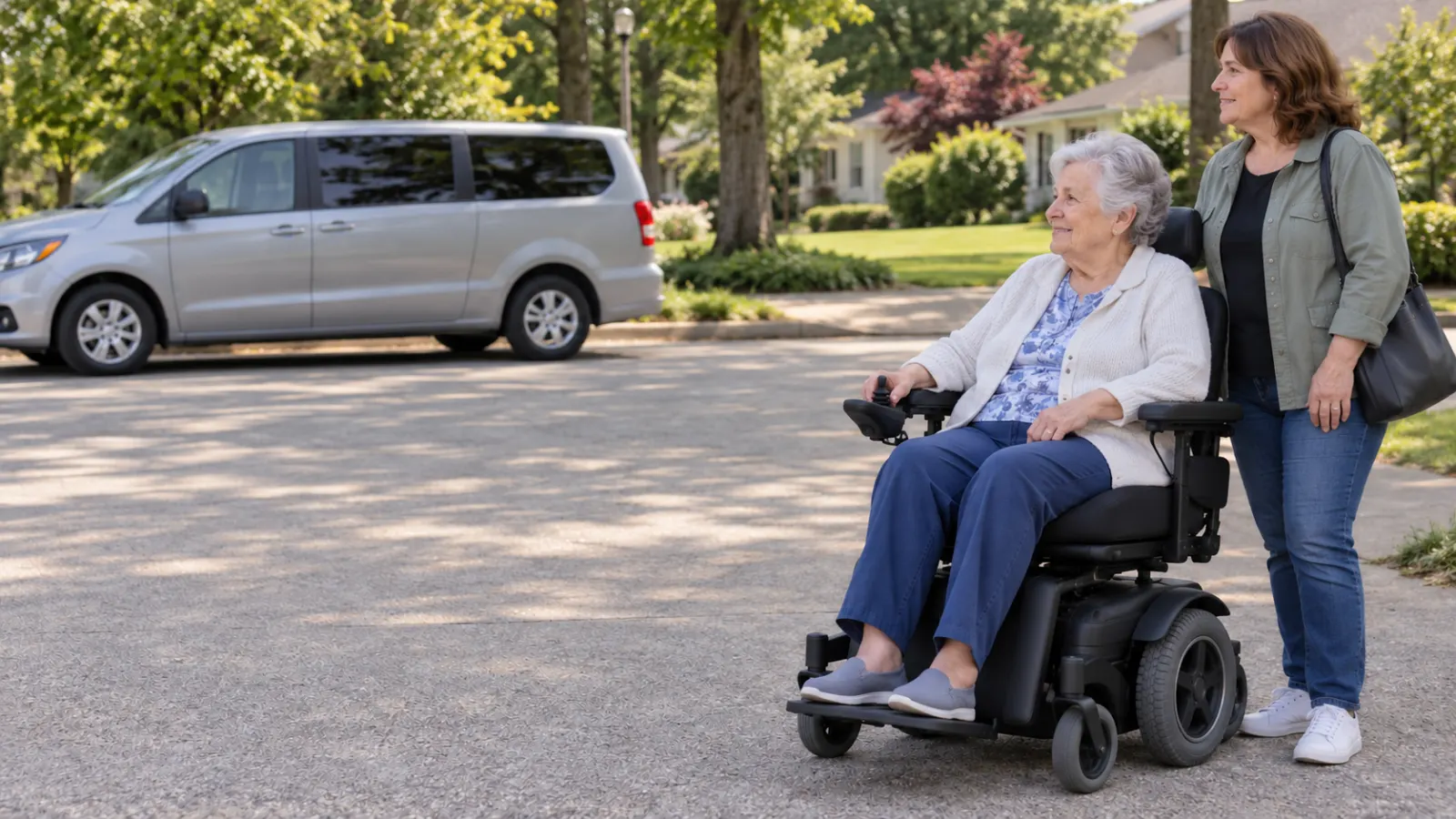
A planned outage notice, a storm warning, or a flickering hallway light can turn an ordinary day into a list of questions: who do I call, how much charge is left, and can I still get out of the building? A written power wheelchair power outage plan answers those questions before they become urgent.
A power wheelchair power outage plan records what depends on power, who to contact, which power arrangements have been approved by the right person, and how accessible exits and transport will work. It is a personal planning record, not a guarantee of electricity, transport, or priority service.
The sections below build that record in order: an inventory of dependencies, a confirmed power position, a contact and access map, a portable information file, and a review routine. Each section ends with a table you can copy into a notebook or a shared document and fill in for your own household.
Power wheelchair power outage plan: List what depends on power and personal support
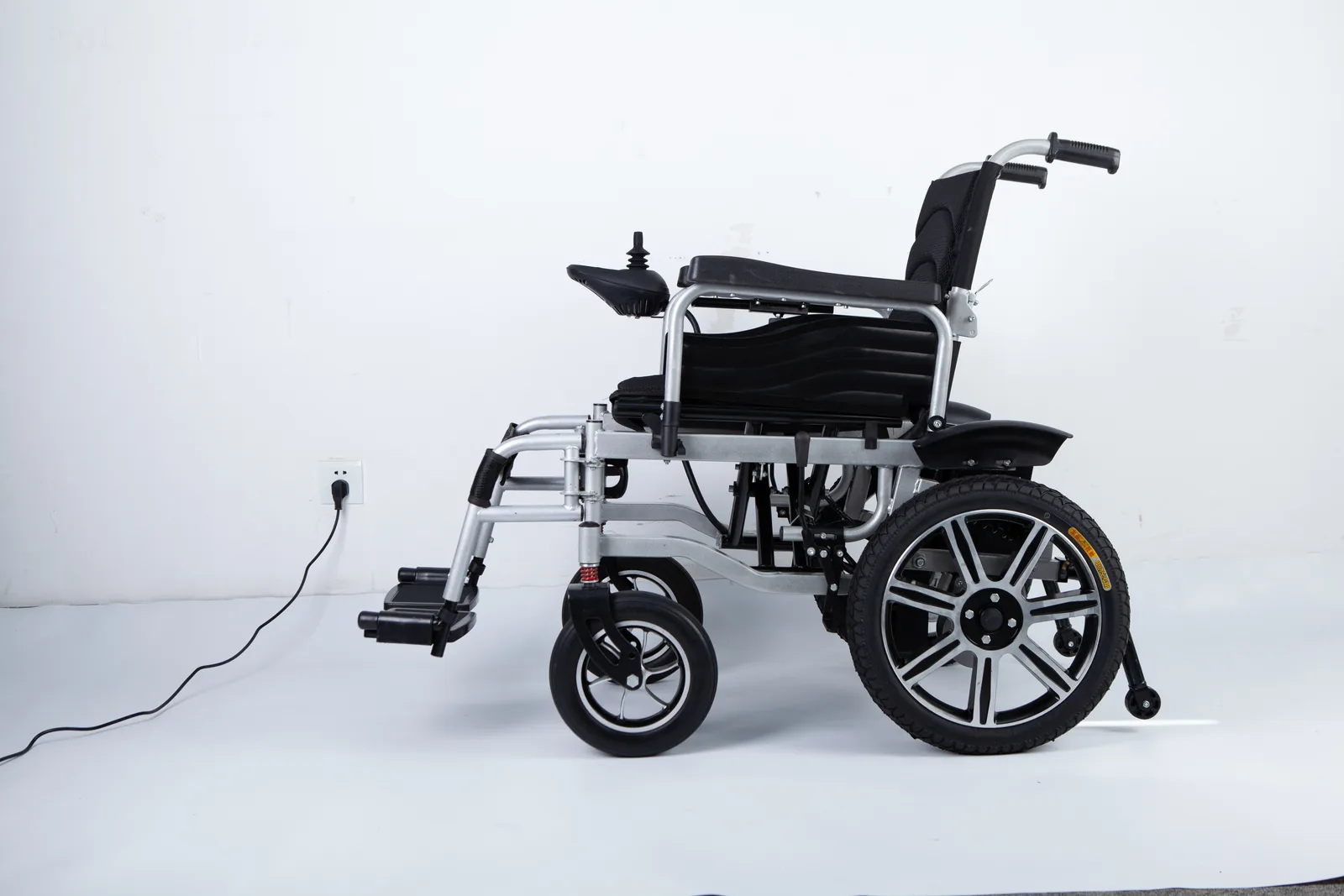
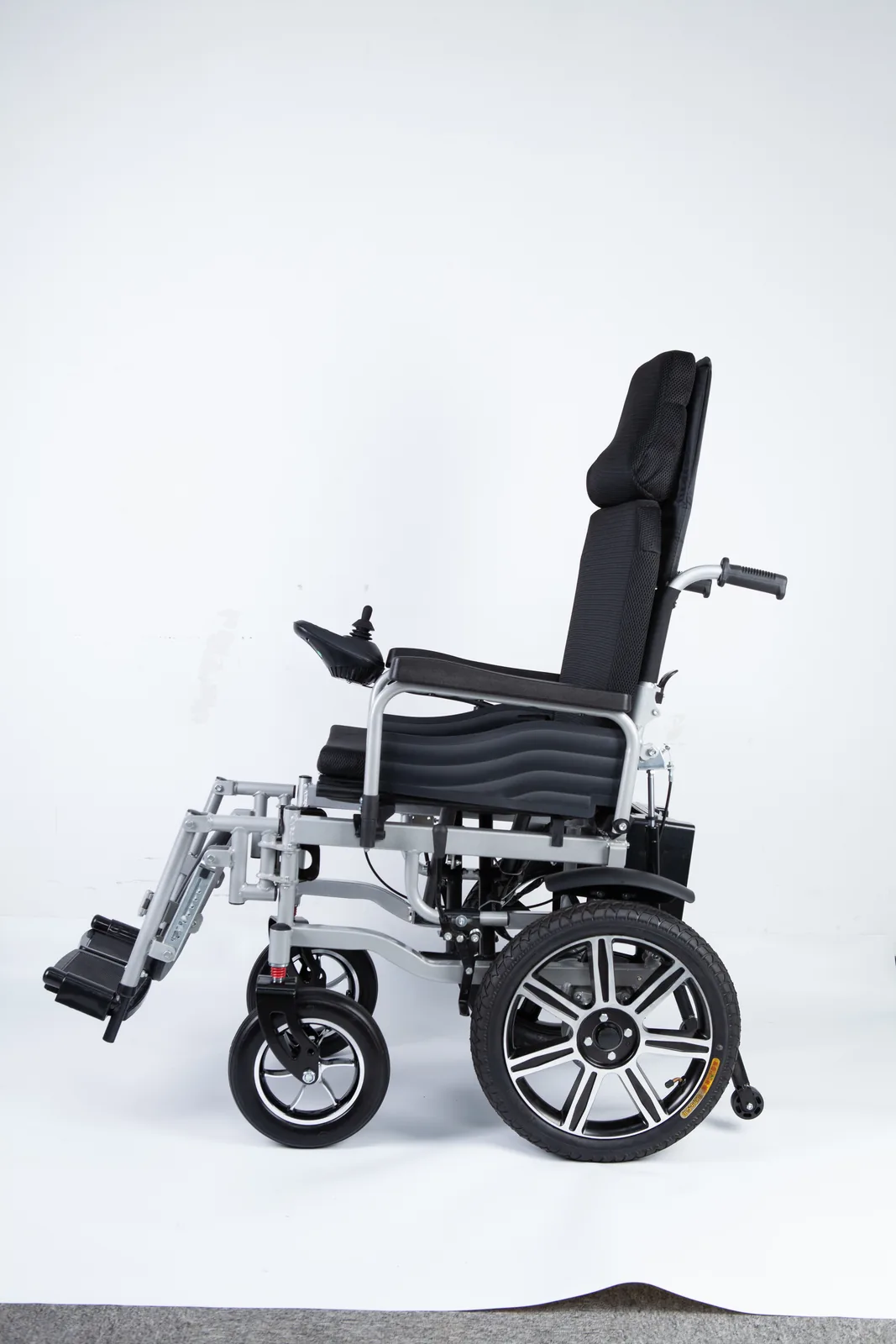
The first step is a plain inventory. Sit down with the person who uses the wheelchair, and where appropriate with family, caregivers, or community support workers, and write down everything in the household or routine that stops working when power stops. For a power wheelchair user, that list usually starts with the chair’s battery and charger, but it rarely ends there. It may include a lift, a hospital-style bed, a communication device, a phone that needs charging, a heating or cooling device, or lighting along a route.
Keep the list specific and factual. “Power wheelchair, charges overnight in the hallway outlet” is more useful than “wheelchair.” Note the charger that is actually used, where it is stored, and how long a typical charge lasts according to the chair’s own documentation. If that information is not known, write “confirm with provider” rather than guessing. The same applies to any other device: record the make, model, and who supplied it. The value of this detail shows up later, when someone other than the usual caregiver needs to understand the setup quickly.
It is important not to treat every powered device as the same kind of dependency. A power wheelchair is mobility equipment. It is not automatically a ventilator, a dialysis machine, or a general life-support system, and planning language that lumps them together can lead to the wrong questions being asked. If the person also uses a device with a medical function, that device needs its own plan, made with the clinical team or equipment provider who knows it. The American Red Cross power outage guidance and the MSKTC emergency preparedness factsheet for people with spinal cord injury both frame planning around power-dependent equipment, support contacts, and supplies; the MSKTC material is written for a specific population, so readers outside that group should treat it as a starting structure and seek advice suited to their own situation.
Personal support belongs on the same list. Who helps with transfers, opening doors, carrying supplies, or checking in during a disruption? Who would notice if a call went unanswered? Record names, roles, and the best way to reach each person, and ask their permission before adding them to a shared document. The point is not to predict every need but to make the ordinary supports visible, so a disruption does not have to be solved from memory. A useful test is to read the list back and ask, for each line, “if this stopped tonight, who would we call first?” Any line without an answer is a gap worth closing before the next storm season.
| What to record | Example entry | Why it matters |
|---|---|---|
| Powered mobility | Power wheelchair; charger kept in hallway cupboard | Shows what must be charged and where the charger is |
| Other powered equipment | Lift; phone; communication tablet | Separates mobility from medical or communication needs |
| Charging routine | Overnight charge; top-up after long outings | Helps identify when a disruption would bite |
| Daily support | Neighbor helps with door; caregiver visits weekdays | Names the people a plan depends on |
| Information gaps | Battery duration not confirmed | Marks what to ask the provider |
Confirm approved power arrangements with the provider
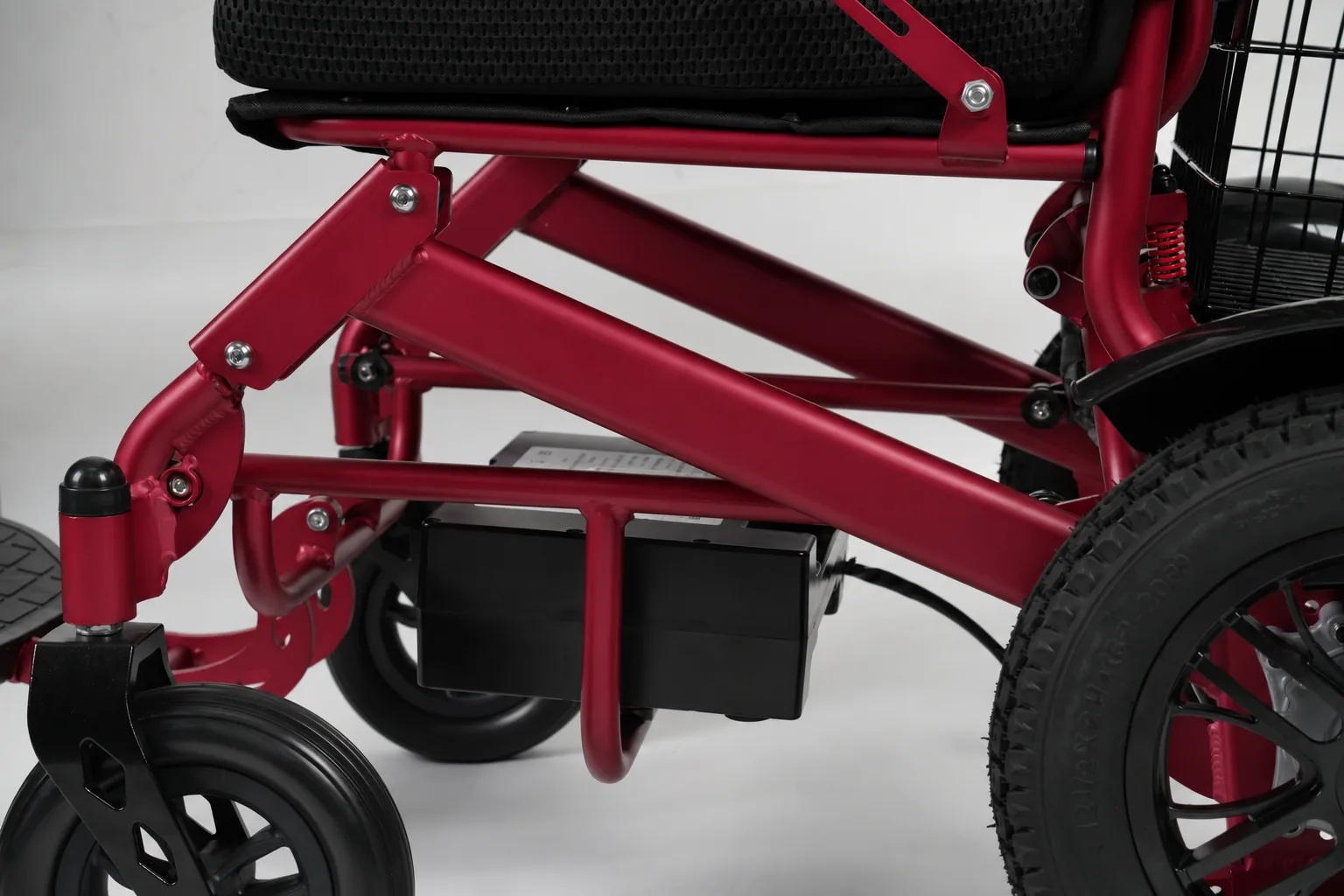
Once the inventory exists, the next question is what power arrangements are actually approved for this chair. This is a conversation to have with the equipment provider, the chair manufacturer’s documentation, or a qualified professional — not a decision to make from a general article or a product listing. Chargers are matched to specific batteries and systems, and a charger that works for one model may be unsuitable for another. The safe planning position is to record what the provider confirms in writing and to leave everything else as an open question.
A useful record includes the exact charger model, the battery type and rating as stated in the chair’s documentation, and any instructions the provider gives about charging from a source other than the usual wall outlet. Ask directly: “If the power is out, what are we approved to do, and what should we not do?” Write the answer down with the date and the name of the person who gave it. If the answer is “nothing beyond the normal charger,” that is a valid and important finding, because it tells the household to plan around charge management and support rather than around improvised power. A confirmed “no” is more useful than an unconfirmed “maybe,” because it directs effort toward the parts of the plan that can actually be settled.
This is also where many well-meaning shortcuts should be set aside. Planning guidance should not recommend a particular inverter, car battery, generator, or portable power station for a wheelchair, and it should not convert watt-hours into charging time as though all systems were interchangeable. Those calculations depend on the specific charger, battery, and manufacturer instructions, and an unsupported estimate can create false confidence. The HHS ASPR TRACIE emergency power planning resource is a useful index because its scope explicitly includes power wheelchairs and battery-dependent assistive technology; use it to find the right planning questions, not as an electrical substitution manual.
It helps to separate three different things that often get mixed together in conversation: what the chair’s own documentation states, what the provider has confirmed for this specific chair, and what a neighbor or forum post reports working for a different model. Only the first two belong in the plan as confirmed entries. The third can be noted as a question to ask, but it should not be written down as an approved arrangement. Keeping that distinction visible protects the household from acting on a claim that was never checked against their own equipment.
| Question to confirm | Who can answer | Record the answer as |
|---|---|---|
| Which charger is approved for this chair? | Equipment provider or manufacturer documentation | Charger model, date, source |
| What charging alternatives, if any, are approved? | Provider or qualified professional | Approved option or “none confirmed” |
| How long does a typical charge last? | Manufacturer documentation | Stated figure with source |
| What should we do if the chair will not charge? | Provider service line | Contact route and hours |
| Who reviews this section and when? | Household lead | Name and review date |
Map support contacts and accessible alternatives
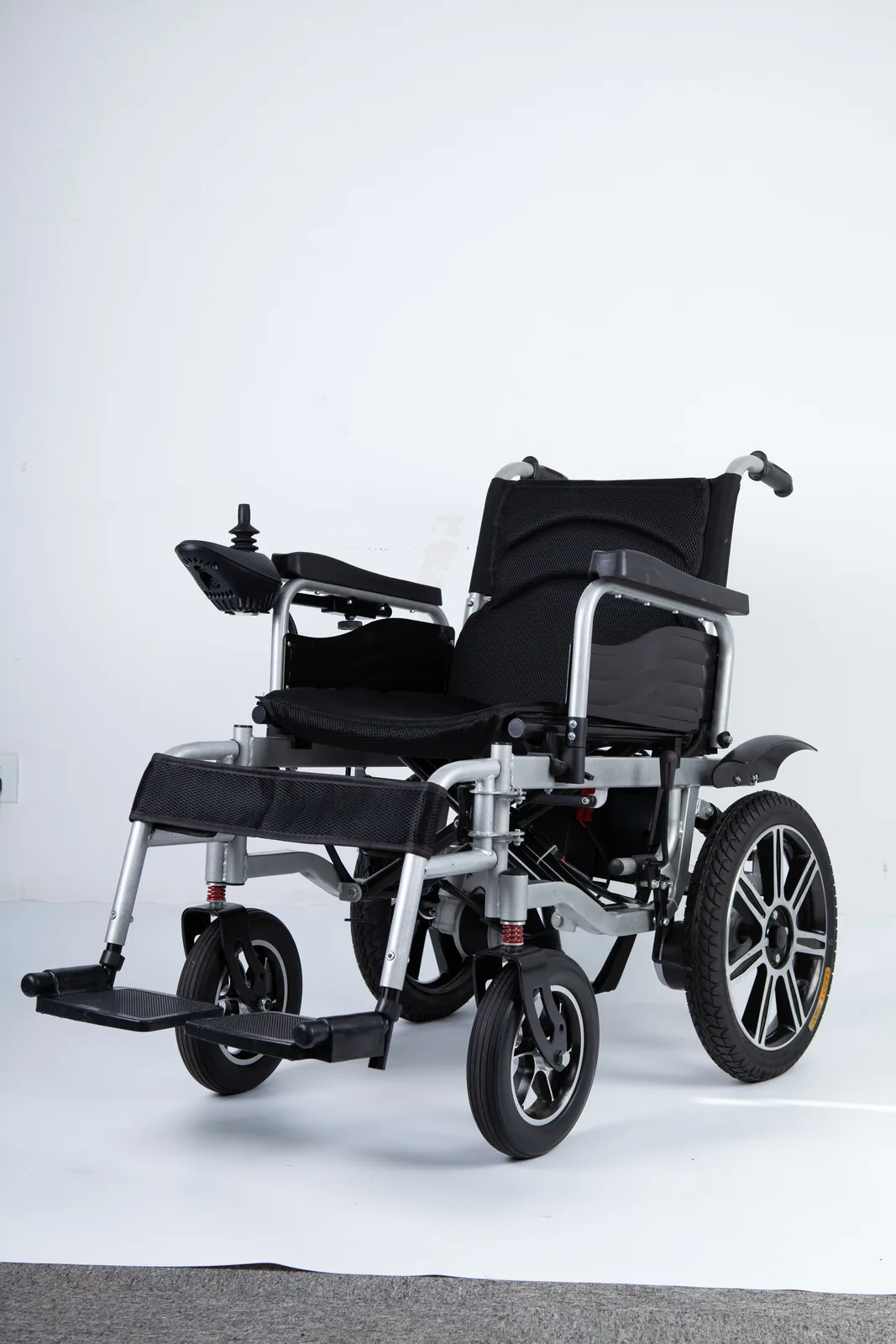
Contacts and alternatives turn a list into a plan. The goal is to know, in advance, who to reach and where it is realistically possible to go. This section works best as three linked maps: people, building access, and transport with a destination. Each map should name what is confirmed, what is still open, and who is responsible for closing the gap.
Primary and backup contacts
For each key task, name a primary and a backup. The task might be a check-in call, help with a door or lift, a ride, or a question about the chair. Record the contact method and a realistic expectation of response — a neighbor who is home most evenings is a different resource from a service line that closes at five. Include the wheelchair provider’s service contact and the building manager or landlord where relevant. Ask each person whether they are willing to be listed, and keep the shared version of the document limited to what each person has agreed to share. A backup contact is only useful if that person knows they are the backup, so a short message confirming the role is part of finishing this step.
Lifts and exits affected
If the person lives or works above the ground floor, the lift is part of the route. Record which lifts serve the unit, what the building’s procedure is during an outage, and who to ask for confirmation. Do not assume that a stairwell, a freight lift, or a neighbor’s help will work for this chair and this person; those are questions for the building and, where needed, for the person’s own support network. The same applies to automatic doors, entry phones, and lighting in corridors. A short written note such as “lift out during outage — confirm building procedure with manager; alternative exit not confirmed” is more honest and more useful than a plan that assumes access. Where a building has a published outage procedure, record the date it was issued and where the copy is kept, so a later review can tell whether it is still current.
Transport and destinations with power
Finally, map transport that is actually available and destinations that would genuinely work. That means asking specific questions: does the service take a power wheelchair, what are the weight and space limits, how much notice is needed, and what happens if the power is out at both ends? A destination is only useful if it has an accessible entrance, a working lift if needed, and power for charging where that has been approved. The comparison of metro access and transport options at Wheelchairs Factory can help frame questions about vehicle and route suitability, but confirm current details with the operator rather than relying on a general description. A destination that works in normal conditions may not work during a wider outage, so note which parts of the route depend on grid power and which do not.
| Map | What to record | Open question to confirm |
|---|---|---|
| People | Primary and backup contact per task | Has each person agreed to be listed? |
| Building | Lifts serving the unit; building outage procedure | What is the official procedure, and who confirms it? |
| Exits | Doors, lighting, entry systems on the route | Which alternatives actually work for this chair? |
| Transport | Service name, booking lead time, accessibility questions | Does the operator accept this chair and this trip? |
| Destination | Address, entrance, lift, approved charging | Is power and access confirmed on the day? |
Keep a portable equipment information record

When something goes wrong, the person who needs the information is often not the person who wrote it down. A portable record — a folder, a card, or an offline copy on a phone — keeps the essentials together and usable away from home. It should cover the chair’s make and model, the serial number, the charger details, the provider’s service contact, and the relevant pages of the manual. Add the approved power arrangements confirmed earlier, and the contact map from the previous section. An offline copy matters because the same outage that affects the chair may also affect home internet and mobile data.
Privacy deserves deliberate handling. A full contact list, a home address, and details about a person’s health or support needs should not be posted on a shared noticeboard or left visible in a public area. Keep a short emergency version with only what a helper would need, and a fuller version stored securely. Ask the person whose information it is what may be shared, with whom, and in what form; that consent should be recorded alongside the data. If a caregiver maintains the record, note who else may update it so two versions do not drift apart. A simple rule is that the emergency version answers “what is this equipment and who do I call,” while the fuller version holds the detail needed for planning and review.
It also helps to decide where each copy lives before a disruption, not during one. A folder by the door, a photo of the key pages on a phone, and a copy with a trusted contact cover three different failure points: leaving the building, losing the folder, and being unable to reach the household. None of these copies needs to contain the full contact list; the short version is enough for the first two. Reviewing the record at the same time as the rest of the plan keeps the copies consistent, and it avoids the common situation where an old charger model is still listed long after it was replaced.
| Record item | Where it lives | Who may see it |
|---|---|---|
| Chair make, model, serial number | Folder and offline phone copy | Household and named helpers |
| Charger details and approved arrangements | Folder | Household, provider, named helpers |
| Manual pages and service contact | Folder | Household and provider |
| Contact map | Secure copy; short version separate | Only people who agreed to be listed |
| Consent notes | With the record | Household lead |
Review the plan before disruption
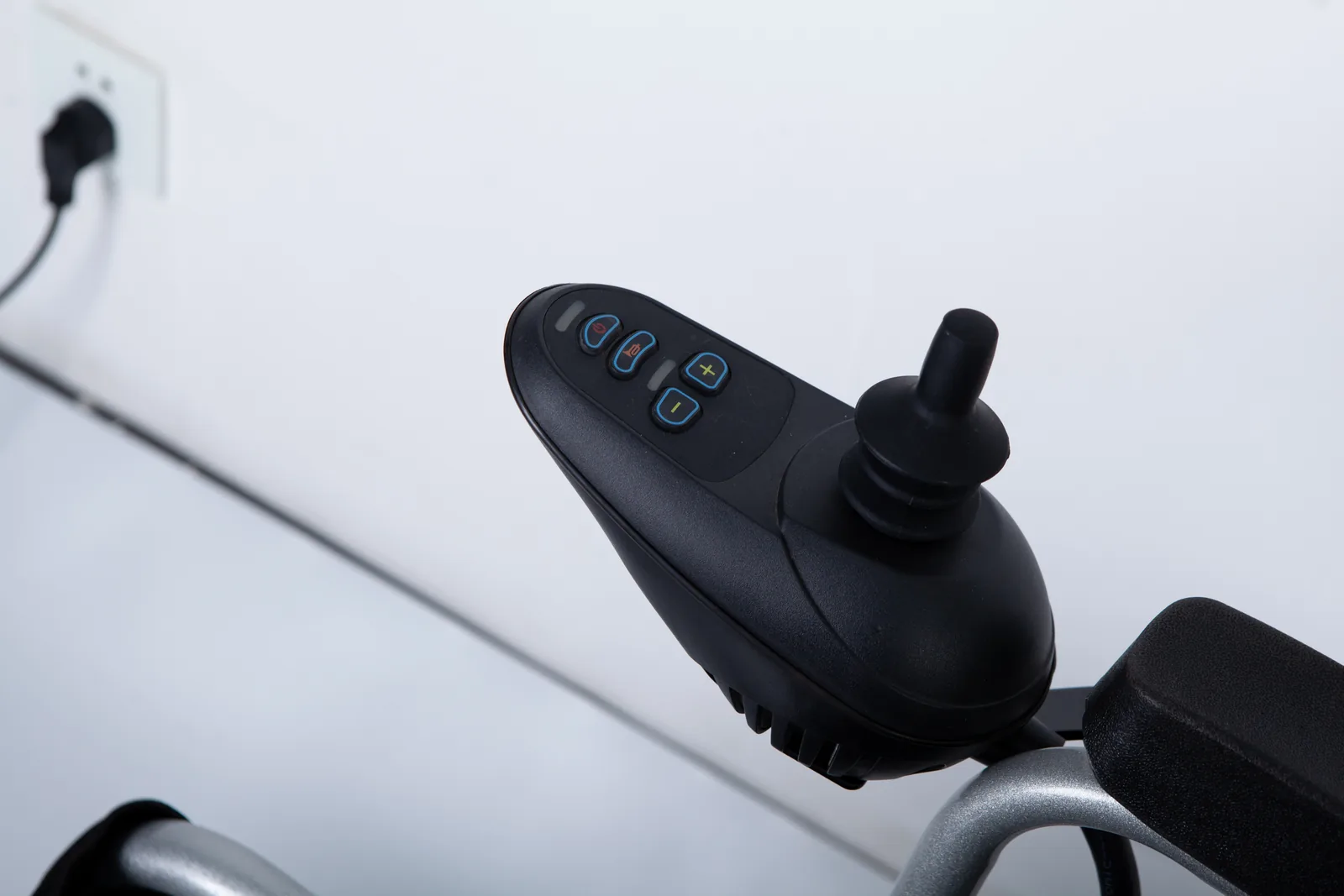
A plan that is written once and never opened tends to age badly. Contacts change, chargers are replaced, buildings update their procedures, and transport operators revise their rules. A short review cycle keeps the record honest. Pick a date — perhaps twice a year, or whenever the chair, the charger, the home, or the main support person changes — and check each section against what is currently true. Putting the review date in a calendar, alongside a named owner, is what turns a good intention into a routine.
The review should produce a clear list of what is still unconfirmed and who owns each item. “Charging alternative: not confirmed — ask provider by [date] — owner: [name]” is a finished piece of planning work, because it names the gap and the next step. A walk-through can help: follow the route from the chair’s charging spot to the exit, then to the transport pickup point, and note anything that depends on power or on another person. This is a planning exercise, not a test of the person’s abilities, and it should be led by what the person themselves wants to check. If a walk-through is not practical, a conversation through the same route, section by section, achieves much of the same purpose.
It is worth distinguishing a review from a rehearsal. A review checks that the information is current and that the named people still hold their roles. A rehearsal, if the household chooses to do one, walks through what each person would actually do. Neither is a guarantee of how an outage will unfold, and neither replaces instructions from local officials or the professionals involved in the person’s care. The review simply makes sure that when a disruption arrives, the household is working from current information rather than from memory or assumption.
| Review item | Owner | Check date | Status |
|---|---|---|---|
| Charger and approved arrangements | Household lead | Twice yearly | Confirmed / open |
| Contact map and consent | Household lead | On any change | Confirmed / open |
| Building lift and exit procedure | Building contact | Annually | Confirmed / open |
| Transport operator rules | Household lead | Annually | Confirmed / open |
| Destination access and power | Household lead | Before each stay | Confirmed / open |
During an actual outage or emergency, follow the instructions of local officials and the professionals involved in the person’s care. A written plan supports those decisions; it does not replace them, and it cannot promise that power will stay on or be restored in any particular order.
FAQ
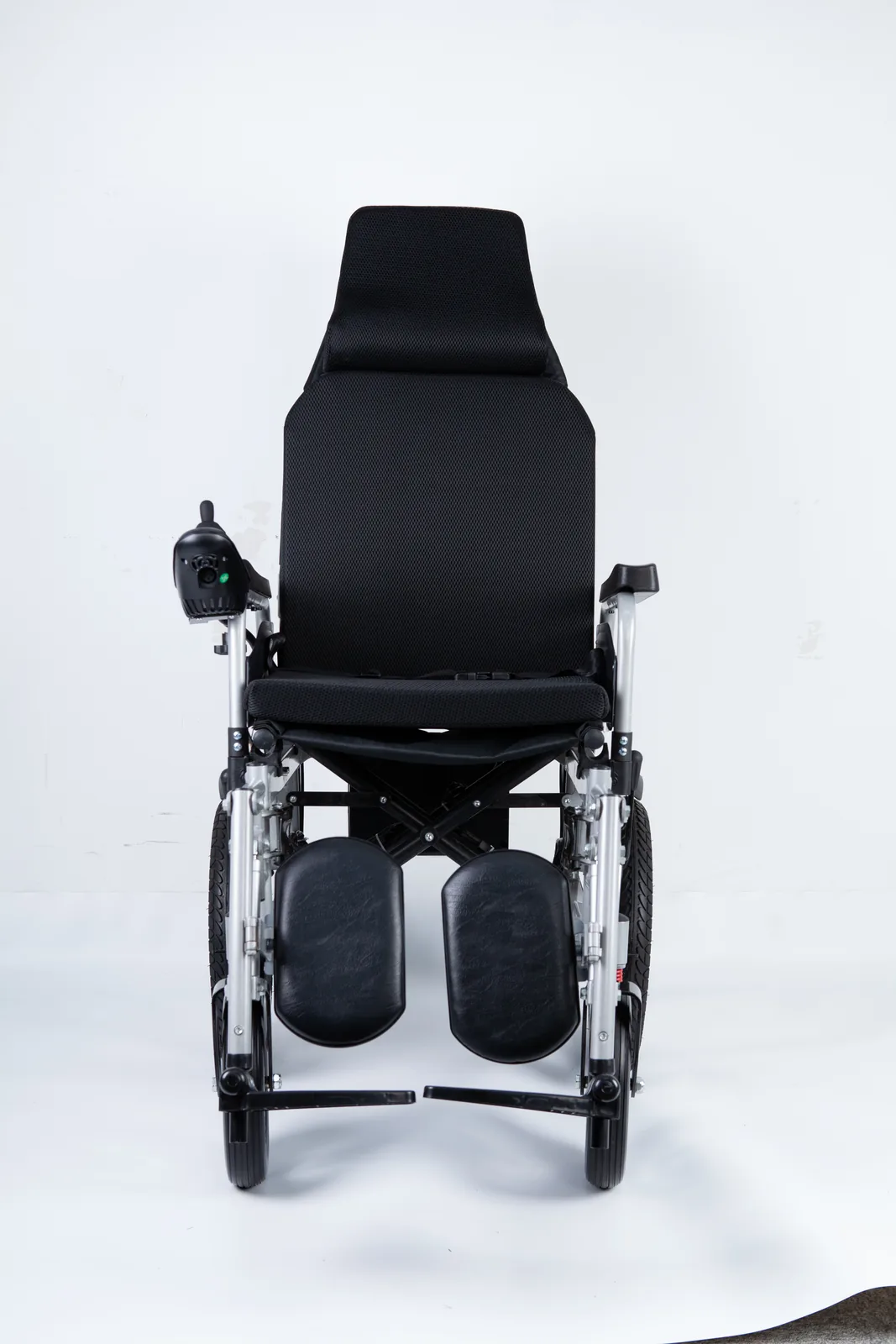
Does utility registration guarantee uninterrupted power?
No. Registering power-dependent equipment with a utility, where such a program exists, may support planning and communication, but it does not guarantee that power will stay on or be restored first. Confirm the current terms of any program directly with the utility, and keep the rest of the plan — contacts, charge management, access, and transport — in place regardless.
Can any portable power station charge my wheelchair?
Not necessarily. Charging suitability depends on the specific chair, battery, and charger, and on the manufacturer’s instructions. Ask the equipment provider or check the chair’s documentation before relying on any external power source, and record the answer. This article does not recommend a particular device or provide conversion calculations.
What if an accessible elevator or transport service stops?
Treat it as a known open question rather than a surprise. Record the building’s outage procedure and who confirms it, note which alternatives have actually been checked for this chair, and keep backup contacts for transport. If no accessible route is confirmed, that is a gap to raise with the building manager, transport operator, or local officials before a disruption, not something to solve alone during one.
Conclusion
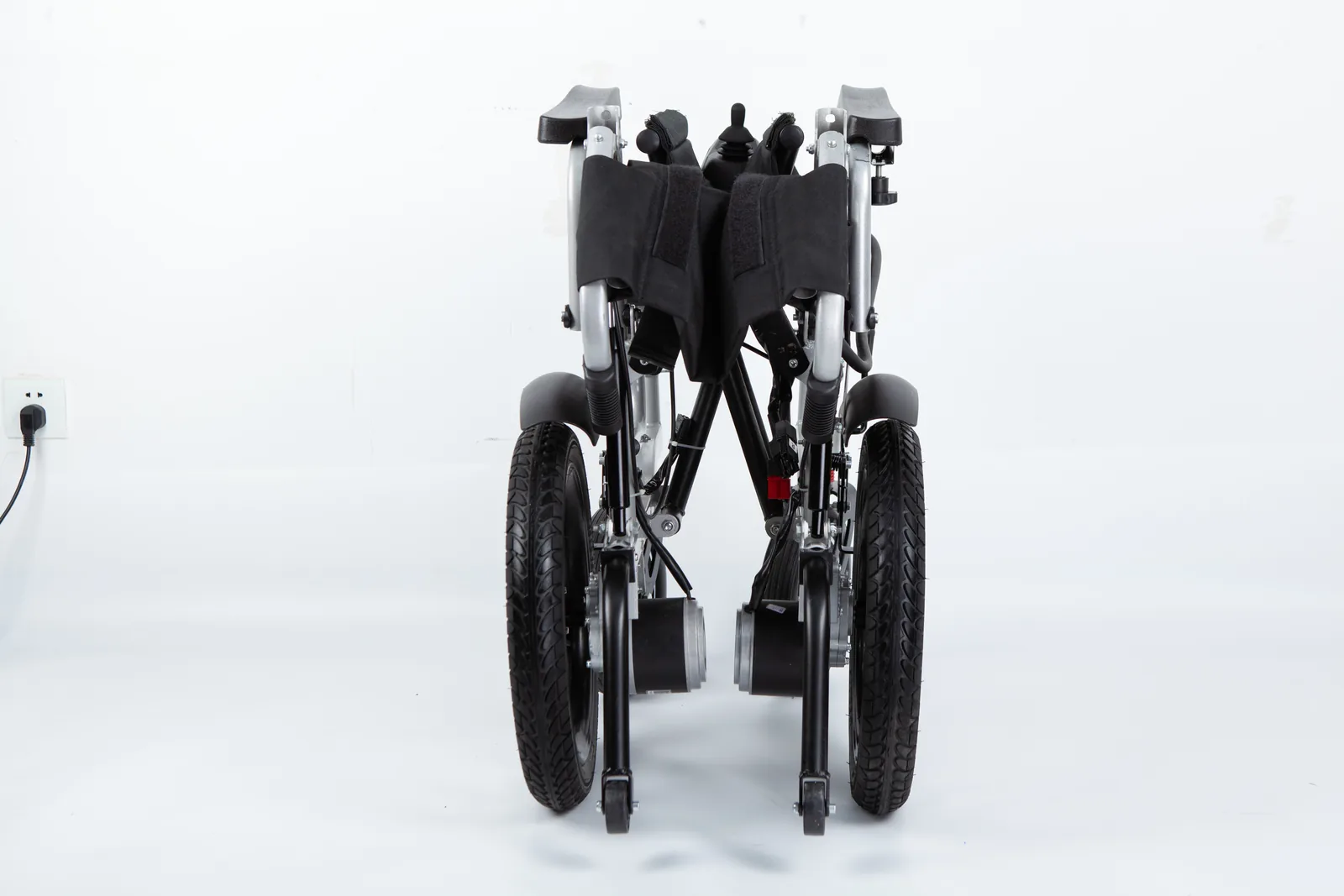
Write down what depends on power, who to call, what the provider has approved, and how accessible exits and transport will work. Review it before the lights go out.
Video: Wheelchair User's Guide to be Safe From Natural Disasters