A heel loop arrives without a chair attached. Before you add it to a care-facility fleet or a dealer order, you need to know which footplate it belongs to, which side it fits, and whether the manufacturer lists it for that exact model. This article shows how to gather that evidence and ask for confirmation.
A wheelchair heel loop is a strap accessory that sits behind the heel on or near a footplate. It is not a footplate, not a calf strap, and not a universal part. Compatibility depends on the named chair model, the footplate or hanger configuration, the side, and the manufacturer's own part listing.
Wheelchair heel loops: What a heel loop is and is not
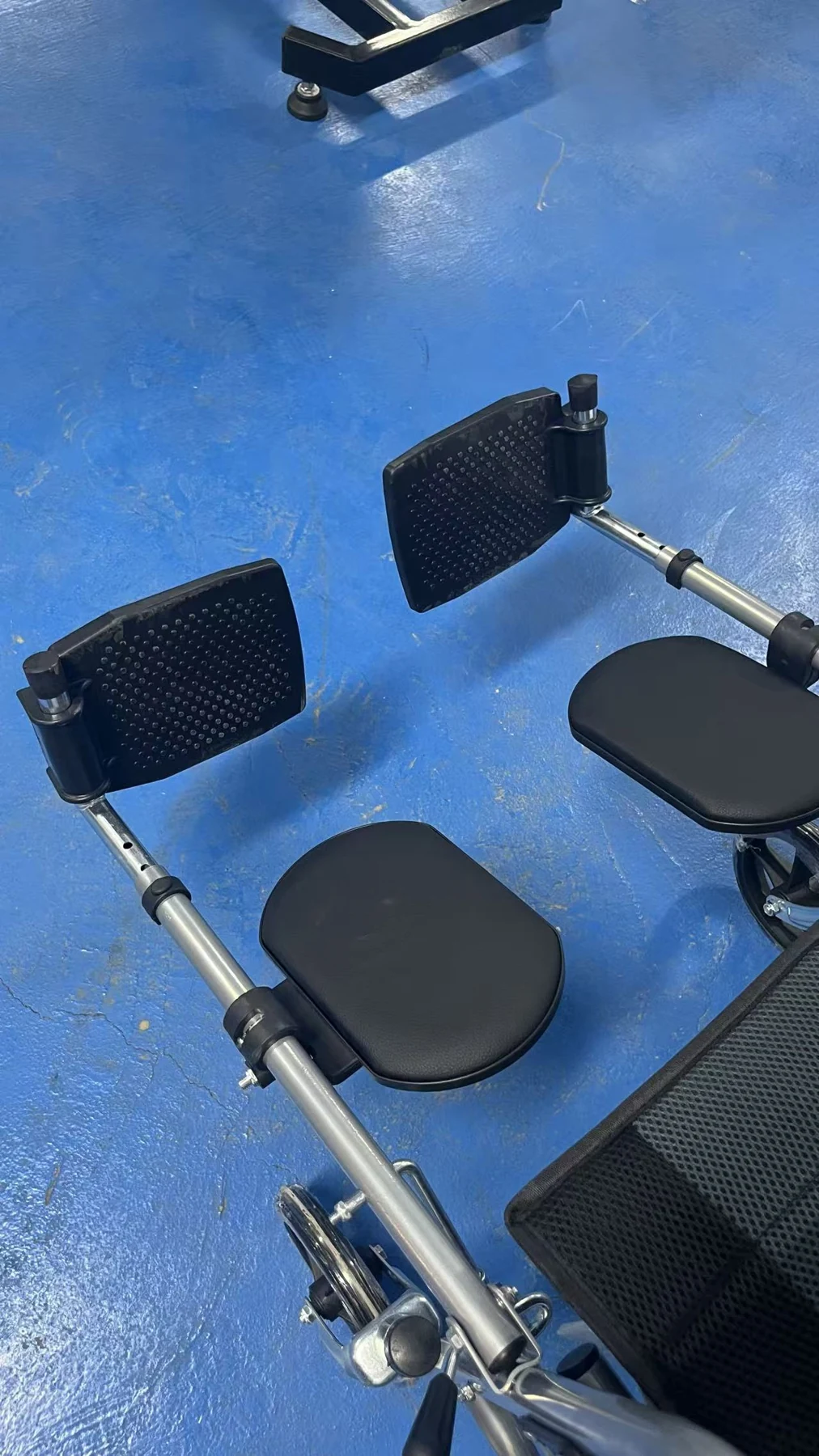
The first job is naming. Equipment coordinators, distributors, and care teams often use "heel loop," "heel strap," "calf strap," and "leg strap" loosely, and that looseness is where wrong orders start. A heel loop is a small accessory that attaches in the foot and ankle area, usually in relation to the footplate. It is ordered as a separate line item, and it is only meaningful once you know the footplate it is meant to work with.
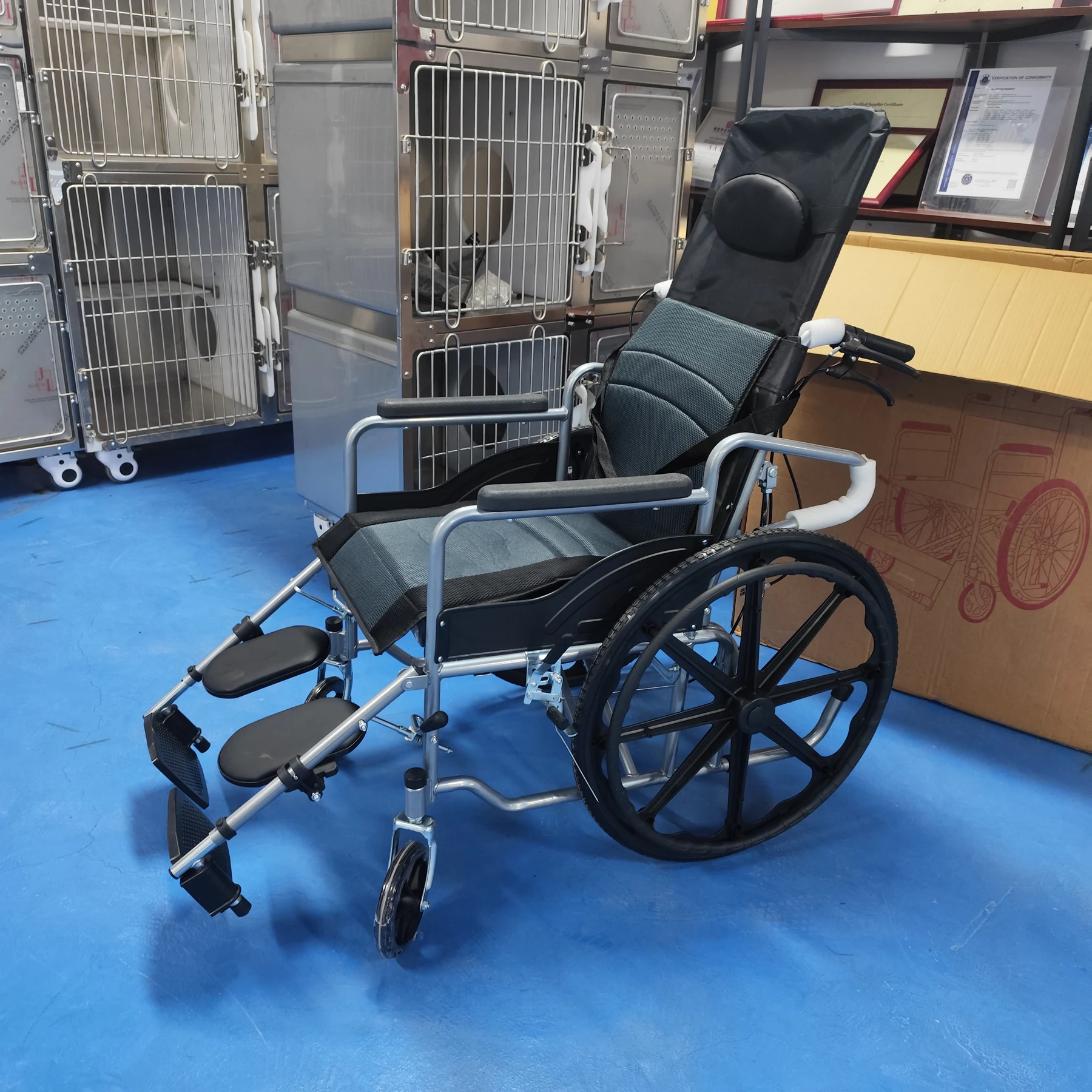
That distinction matters for inventory. A footplate is a structural part of the front rigging: the platform the foot rests on. A heel loop is an add-on associated with that platform or its mounting area. If you order a heel loop expecting a footplate, or order a footplate expecting the loop to be included, the delivery will not match the work order. The same applies in reverse: a chair that arrives with a footplate does not automatically arrive with a heel loop.
The naming problem also has a cost dimension that is easy to overlook. A mis-named requisition usually passes through several hands before anyone notices: the person who writes it, the person who approves it, the buyer who places it, and the receiving clerk who checks it against the delivery. Each of those steps can catch the error, but only if the record contains enough detail to make the error visible. "Strap" is not enough detail. A part number tied to a named footplate is.
Heel loop and footplate
Treat these as two records, not one. The footplate record should identify the chair model, the front-rigging type, and the manufacturer's part number for the plate or assembly. The heel loop record should identify its own part number, the footplate or hanger it is listed against, the side if the listing is side-specific, and the quantity needed per chair. When both records exist and reference each other, a replacement order is straightforward. When only "heel loop" is written on a requisition, the supplier has to guess, and guessing is not a compatibility check.
A practical test: can you state the heel loop part number and the footplate part number in the same sentence, from the same manufacturer's documentation? If not, the configuration is not yet identified. That test is deliberately strict, because the two numbers come from different places in a parts list and a supplier may hold one without the other. If the footplate number is known but the loop number is not, the question to the supplier is narrow and answerable. If neither is known, the first task is to identify the chair, not to shop for the accessory.
Calf band and toe support
A calf band sits higher, around the lower leg, and is a different accessory with a different position and purpose. Toe support, where a manufacturer offers it, relates to the front of the foot rather than the heel. These are separate line items with separate part numbers. Do not substitute one for another because the names sound similar or because a photo looks close enough.
For a care team, the naming discipline has a handover benefit. If the maintenance log says "heel loop, left, part number X, fitted to footplate assembly Y," the next person can reorder correctly. If it says "strap," the next person has to start the identification process again. The same naming habit supports the broader parts vocabulary in parts of a wheelchair, where front rigging components are described by their role on the chair.
Identify the footplate configuration
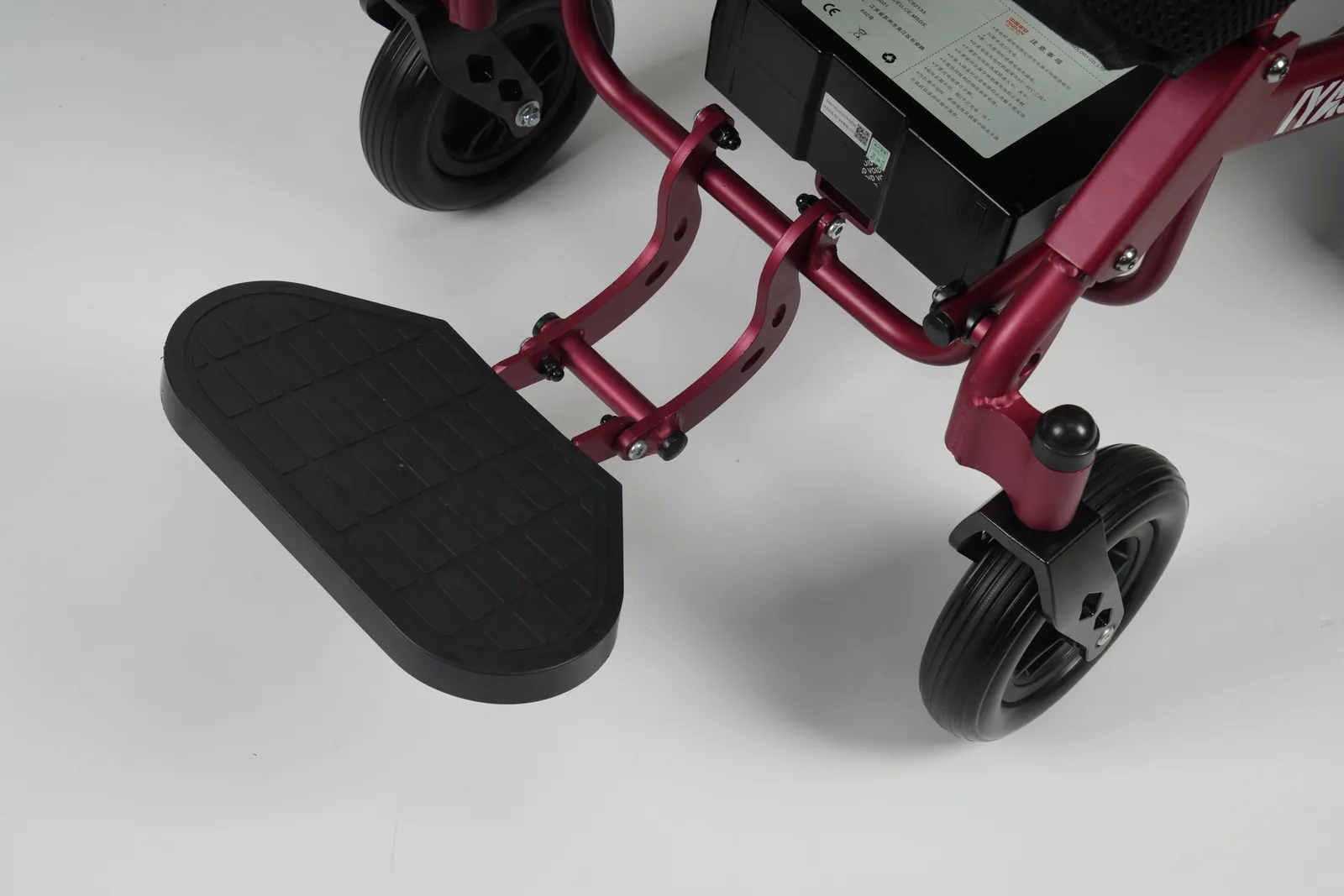
Configuration is the deciding information, and appearance is not configuration. Two footplates can look similar in a photograph and still differ in hanger type, mounting points, width, angle, and the accessory list the manufacturer publishes for them. A distributor who orders by photo is relying on a resemblance, not a specification. A facility that reorders from a previous invoice is relying on the previous order having been correct.
Start with the chair itself. Record the manufacturer, the model name and number, and any configuration code on the frame label or in the owner documentation. Then record the front-rigging description exactly as the manufacturer writes it: for example, whether the footplates are fixed, swing-away, or elevating, and whether they are one piece or two. This is where a named source helps. The Queensland Health manual wheelchair service provider guide, observed 1 November 2026, addresses manual wheelchair service provision and the information service providers work from; it is a guide for service practice, not a parts catalogue, so use it to structure your service records rather than to look up a heel loop number. The Drive Medical heel loops product page, observed 1 November 2026, is a named manufacturer listing for heel loops within that brand's accessory range. It supports the point that heel loops are sold as accessories with their own listing; it does not establish fit for any other brand or model.
Use the two sources for different jobs. The service guide informs how you document and hand over equipment. The product listing shows what a manufacturer-specific accessory record looks like. Neither one tells you that a particular loop fits a particular footplate on your chair. That limitation is not a flaw in the sources; it is the nature of model-scoped parts information, which has to be checked against the exact chair in front of you.
A useful comparison for the identification stage:
| Information to record | Why it decides compatibility | Where to confirm it |
|---|---|---|
| Chair manufacturer and model | Accessory listings are model-scoped | Frame label, owner manual, manufacturer |
| Front-rigging type (fixed, swing-away, elevating) | Different rigging uses different mounting arrangements | Manufacturer documentation for that model |
| Footplate part number or assembly number | The loop is listed against a specific plate or hanger | Manufacturer parts list or supplier confirmation |
| Heel loop part number | Identifies the accessory itself, not just its name | Manufacturer accessory listing |
| Left, right, or pair | Some listings are side-specific; some are sold as a pair | Listing text and order confirmation |
| Quantity per chair | Two loops may be needed where one is assumed | Manufacturer listing or supplier confirmation |
| Manual or instruction revision | Fitting details can change between revisions | Document version supplied with the part |
Read the table as a to-do list, not a form to fill with guesses. Any row you cannot complete from a named source is a question for the supplier or manufacturer, and it should stay visibly open until answered. A blank is more useful than an assumed value, because a blank prompts a check while an assumption travels silently into the next order. In a fleet with several chair types, the same table can be repeated per model, which also shows at a glance where two models share a footplate family and where they do not.
Read model and side information
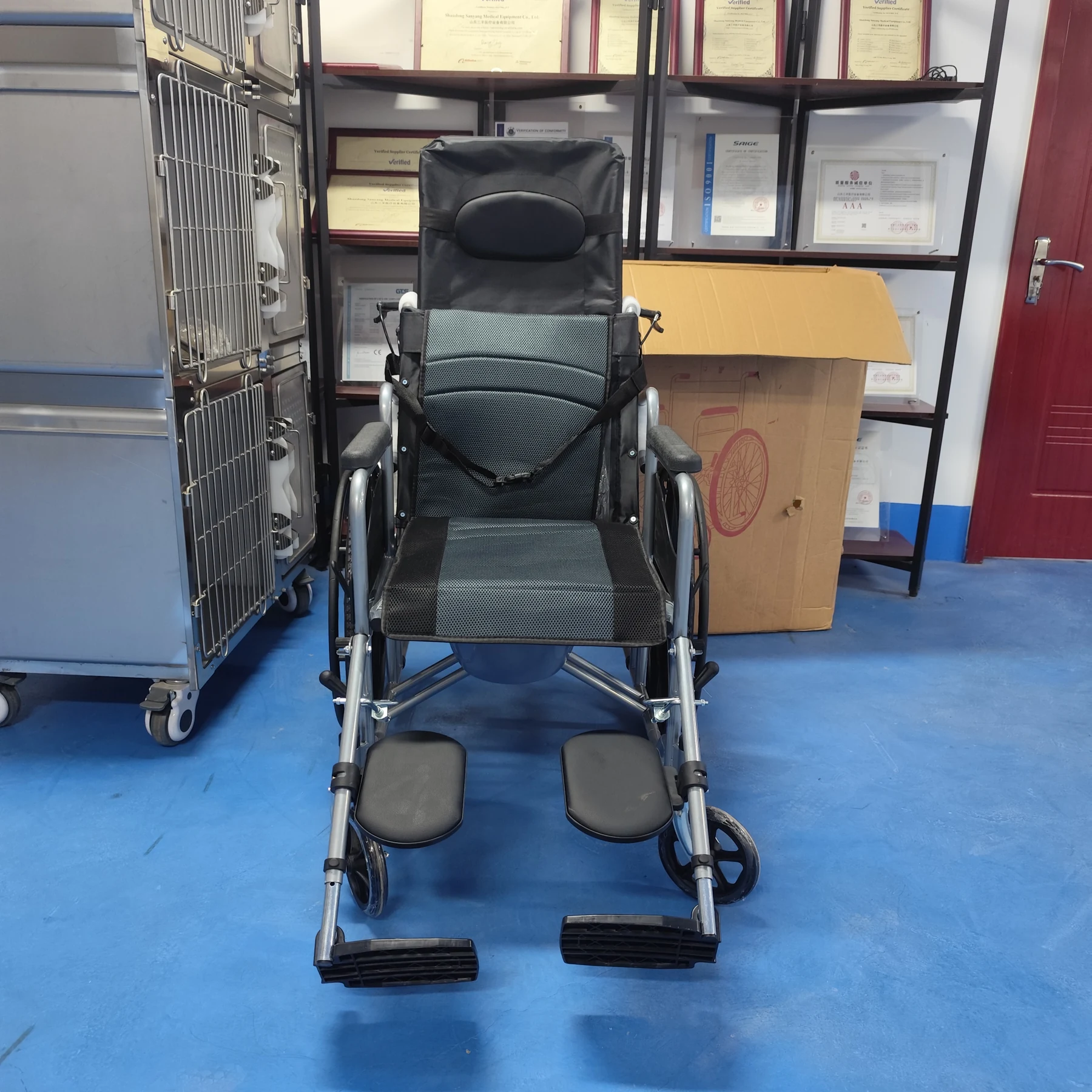
Model and side information is where most ordering errors become visible. A parts list entry is rarely just "heel loop." It usually carries a part number, a description, a model or series scope, and sometimes a side designation or a pair quantity. Read all of those fields before you compare anything. A number that matches while the model scope does not is not a match.
Side designation deserves particular care in a fleet. If a listing is side-specific, a single order may equip only one side of one chair. If it is sold as a pair, ordering two may double the requirement. Neither case can be resolved by looking at the chair; it can only be resolved by reading the listing and confirming with the supplier. Record the answer in the asset file so the next reorder does not repeat the question.
There is a second trap in side information: a chair may have had one side replaced at some point, so the two sides are no longer identical. A maintenance record that says "left replaced in a prior repair" is valuable when the next order is placed, because it warns the buyer that the two sides may now carry different part numbers. Without that note, a pair order can quietly reintroduce a mismatch that someone already fixed.
Chair model and part number
Build the record in a fixed order: chair manufacturer, chair model, footplate or front-rigging identifier, heel loop part number, side, quantity, and document revision. Keep the manufacturer's exact spelling and punctuation for part numbers, because a transposed digit produces a plausible-looking but wrong number. Where the chair has a serial or asset tag, record it alongside, so that a future configuration change on that specific chair is traceable.
For a distributor, the same discipline applies at quotation stage. A quotation line that reads "heel loop, compatible" without a part number and model scope gives the buyer nothing to verify. Ask for the listing reference and the model scope in writing. For a care facility, attach that reference to the maintenance record so that a later replacement is a lookup rather than an investigation.
| Record field | Example of a complete entry | Example of an incomplete entry |
|---|---|---|
| Chair | Manufacturer, model, asset tag | "Standard chair" |
| Front rigging | Documented type and assembly number | "Footrest" |
| Accessory | Heel loop part number from listing | "Heel strap" |
| Side | Left, right, or pair as listed | Not stated |
| Quantity | Number required per chair | "Some" |
| Source | Listing or confirmation reference and date | "From supplier" |
The right-hand column is not a criticism of the person who wrote it; it is a description of what still needs to be found out. Converting an incomplete entry into a complete one is the actual task of this article.
Prepare a supplier question list

A question list turns an uncertain order into a documented answer. Write it before contacting the supplier, keep the questions specific, and leave space for the answer, the name of the person who gave it, and the date. Verbal confirmations are useful but should be written back into the record, because the person who takes the next call may not be the person who made the first one.
The list below covers the fields that decide whether a heel loop order is correct. Adapt the wording to your own records, but keep the structure: identify the chair, identify the footplate, identify the accessory, then ask for the scope of the manufacturer's listing.
- What is the exact chair model and configuration on our record, and does your listing cover it?
- What footplate or front-rigging assembly number is the heel loop listed against?
- What is the heel loop part number, and is it sold singly, as a pair, or by side?
- Which side or sides does the part number cover?
- What material and finish does the listing state, and does that matter for our cleaning or storage routine?
- What attachment or interface does the listing describe, without asking for fitting instructions?
- Which manual or instruction revision is supplied with the part, and what date is it?
- Is the part currently listed as available, and what is the stated order quantity unit?
- If the footplate on our chair has been replaced before, does that change the accessory listing?
Ask for the answer in writing where possible, and file it with the asset record. If the supplier cannot confirm a field, record that as unresolved rather than filling it in. An unanswered question is a reason to pause the order, not a reason to choose the closest-looking part. It also helps to ask the same question in the same words each time, so that answers from different suppliers can be compared side by side rather than interpreted.
A short responsibilities view helps a care team agree who does what:
| Step | Care team or facility | Distributor or supplier |
|---|---|---|
| Identify chair and footplate | Records model, asset tag, rigging | Confirms listing scope |
| Identify accessory | States the need and side | Provides part number and quantity unit |
| Confirm documentation | Files manual revision with asset | Supplies listing reference and date |
| Handover | Updates maintenance record | Confirms order in writing |
The responsibilities table is worth reading as a division of labour rather than a sequence of approvals. The facility side owns what it can observe and record: the chair in front of it, the asset tag, the front-rigging description, and the history of prior replacements. The supplier side owns what only the manufacturer's listing can settle: whether the part number is scoped to that model, whether it is sold singly or as a pair, and which document revision accompanies it. When a question crosses that line, it should move to the side that can actually answer it instead of being resolved by assumption on either side.
It also helps to decide in advance what an incomplete answer means for the order. If the supplier confirms the part number but not the side, the order is not yet safe to place; if the side is confirmed but the document revision is not, the order may proceed while the revision is chased separately. Writing that rule down once saves a repeated debate on every reorder, and it keeps the decision with the person who holds the asset record rather than with whoever happens to be on the phone.
Keep individual support decisions with professionals

A heel loop is a piece of equipment, and equipment questions and support questions are not the same. Whether a particular person's foot position, ankle alignment, or skin condition calls for a heel loop, a calf band, a different footplate angle, or no accessory at all is an individual support decision. It belongs with the clinical team and the equipment team who know that person's needs, not with a parts list and not with this article.
That separation protects the person and the ordering process. A facility coordinator can confirm that a heel loop is listed for a footplate without deciding that the loop is appropriate for a resident. A distributor can supply the part number without assessing the user. A care team can record a change in condition and route it to the right professional rather than adjusting equipment to compensate. Where a safety concern, a skin concern, or a change in how someone uses the footplate arises, the correct next step is a referral to the appropriate clinician or equipment professional, not a substitution of one accessory for another.
The same restraint applies to installation. This article does not provide fitting steps, torque values, or adjustment procedures, because those belong to the manufacturer's documentation for the exact part and revision. What a facility can do is keep that documentation with the asset, confirm the revision at handover, and make sure the person doing the work has the correct sheet in front of them. That is a records task, and it is one a coordinator can own without making any judgment about an individual's needs.
Frequently asked questions
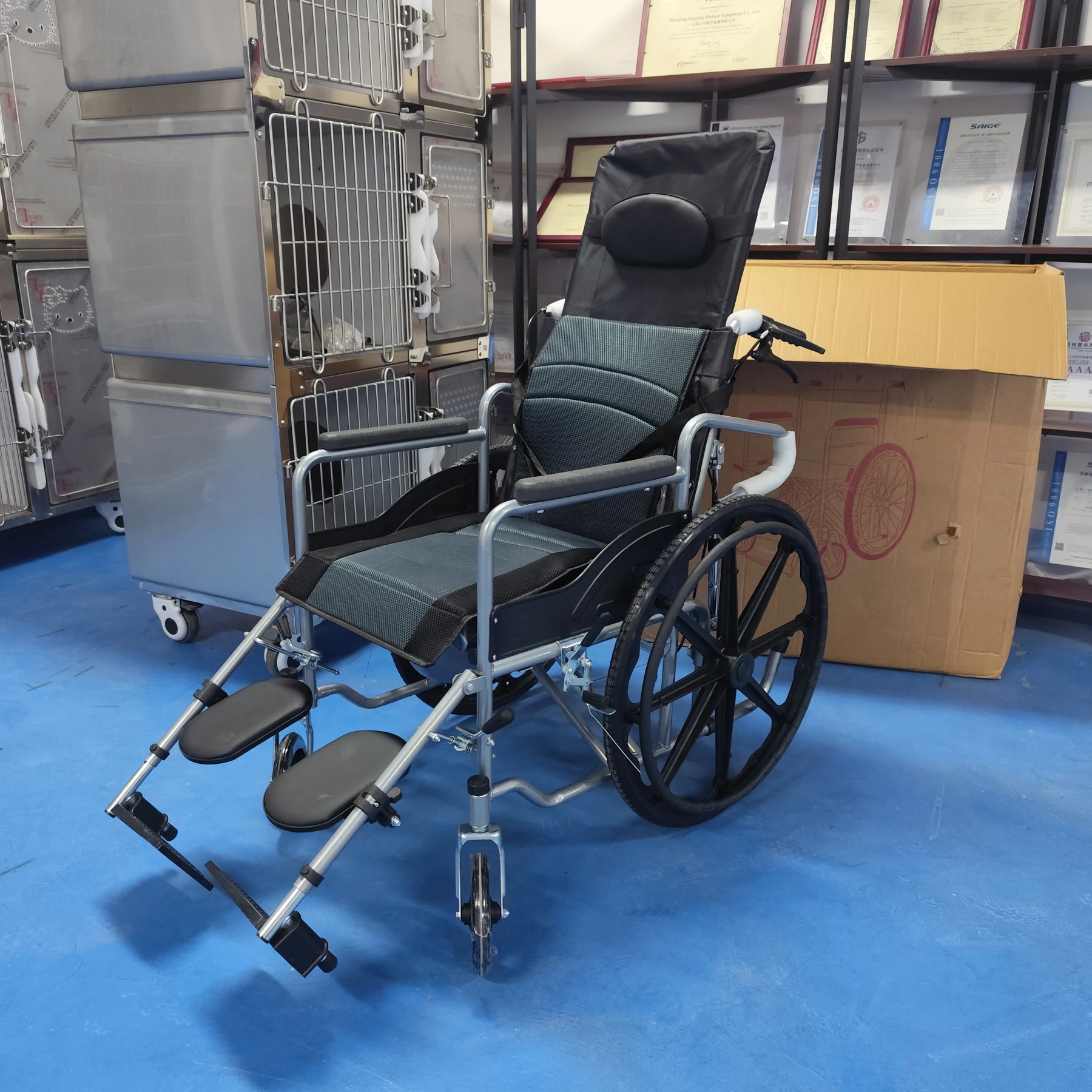
Are heel loops interchangeable with every footplate? No. A heel loop is listed against a specific footplate or front-rigging arrangement and a specific chair model range. Two footplates that look alike may not share an accessory listing. Confirm the part number, the model scope, and the side with the manufacturer or supplier before ordering.
Is a heel loop the same as a calf strap? No. They sit in different positions and are separate line items with separate part numbers. A calf band relates to the lower leg; a heel loop relates to the heel and footplate area. Do not substitute one for the other on a requisition or in a maintenance record.
Conclusion
Identify the chair, the footplate, and the exact heel loop part number, then confirm the listing with the manufacturer before ordering.
Video: Wheelchair Footrest, Footplates & Heel Loops Adjustment