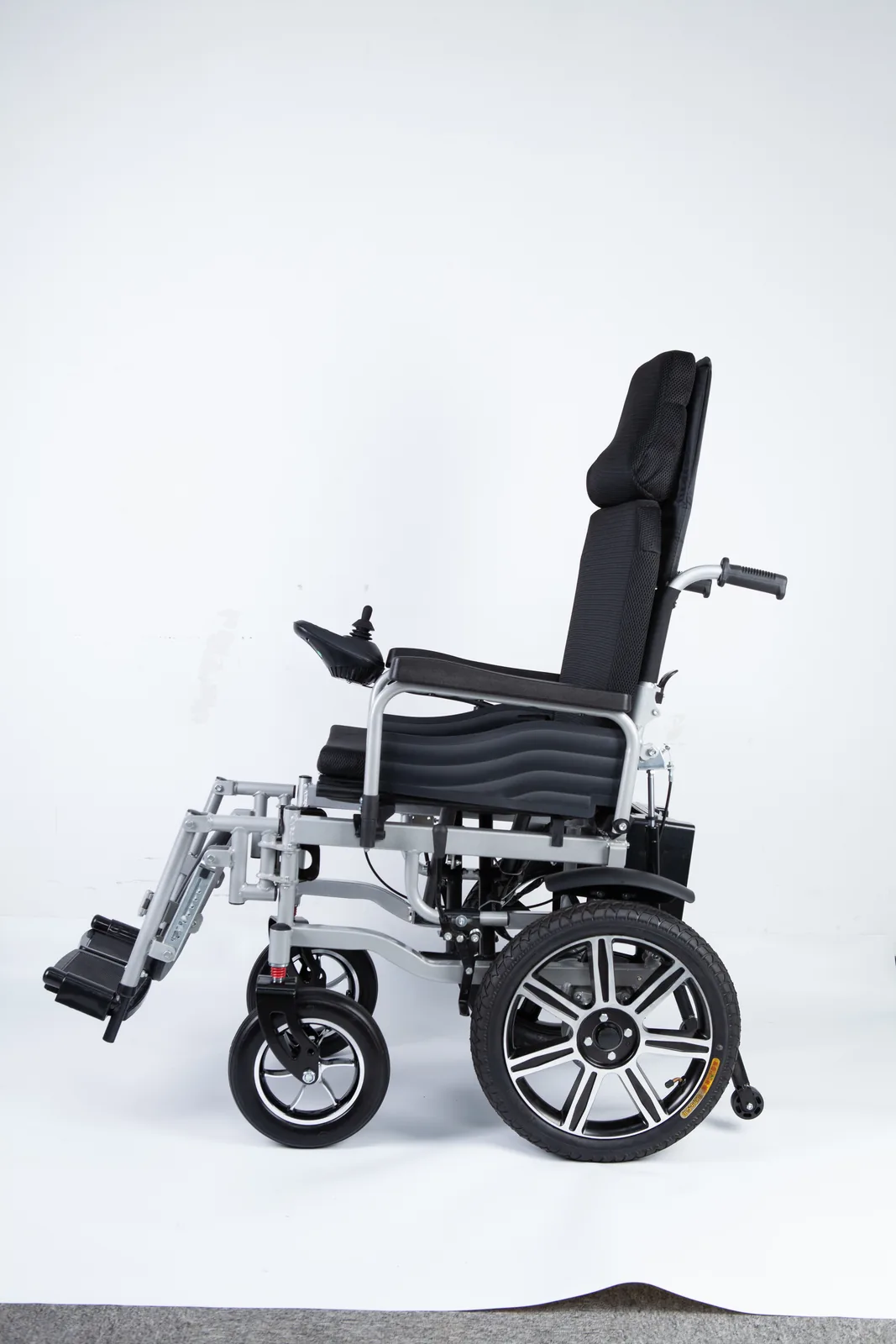
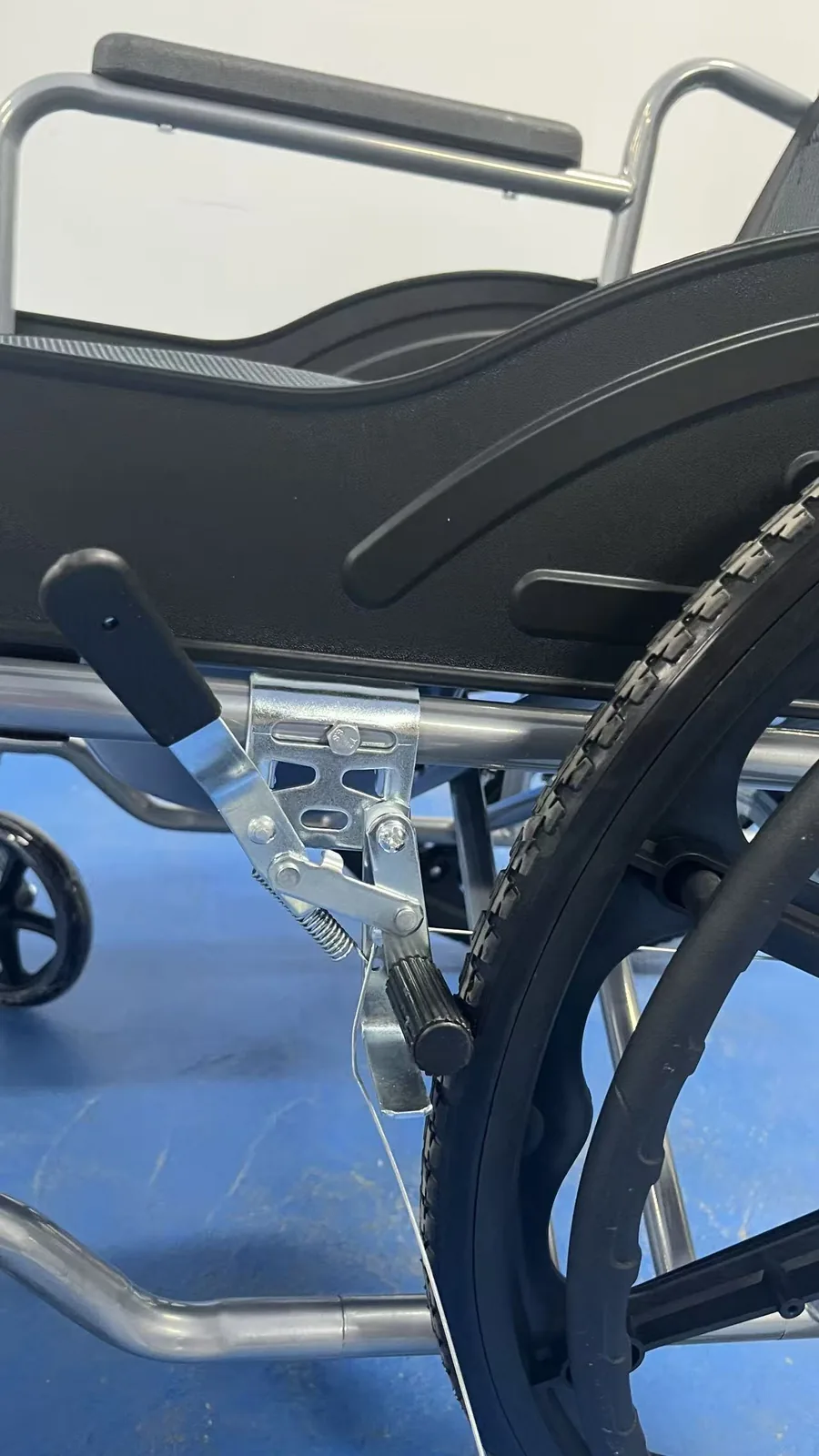
A facility buyer or service technician is asked to source a wheelchair anti rollback device and finds several products under that name. One may lock when the user stands; another may only resist rolling backward on a slope. Before ordering, the actual trigger and the intended chair must be identified.
Anti-rollback is a family of names, not one mechanism. A stand-up-activated automatic wheel lock engages from a seat sensor when the occupant leaves the seat, while a one-way uphill aid resists backward travel during use. They answer different questions, fit different chairs, and need different checks.
Wheelchair anti rollback device: Why anti-rollback names can describe different mechanisms
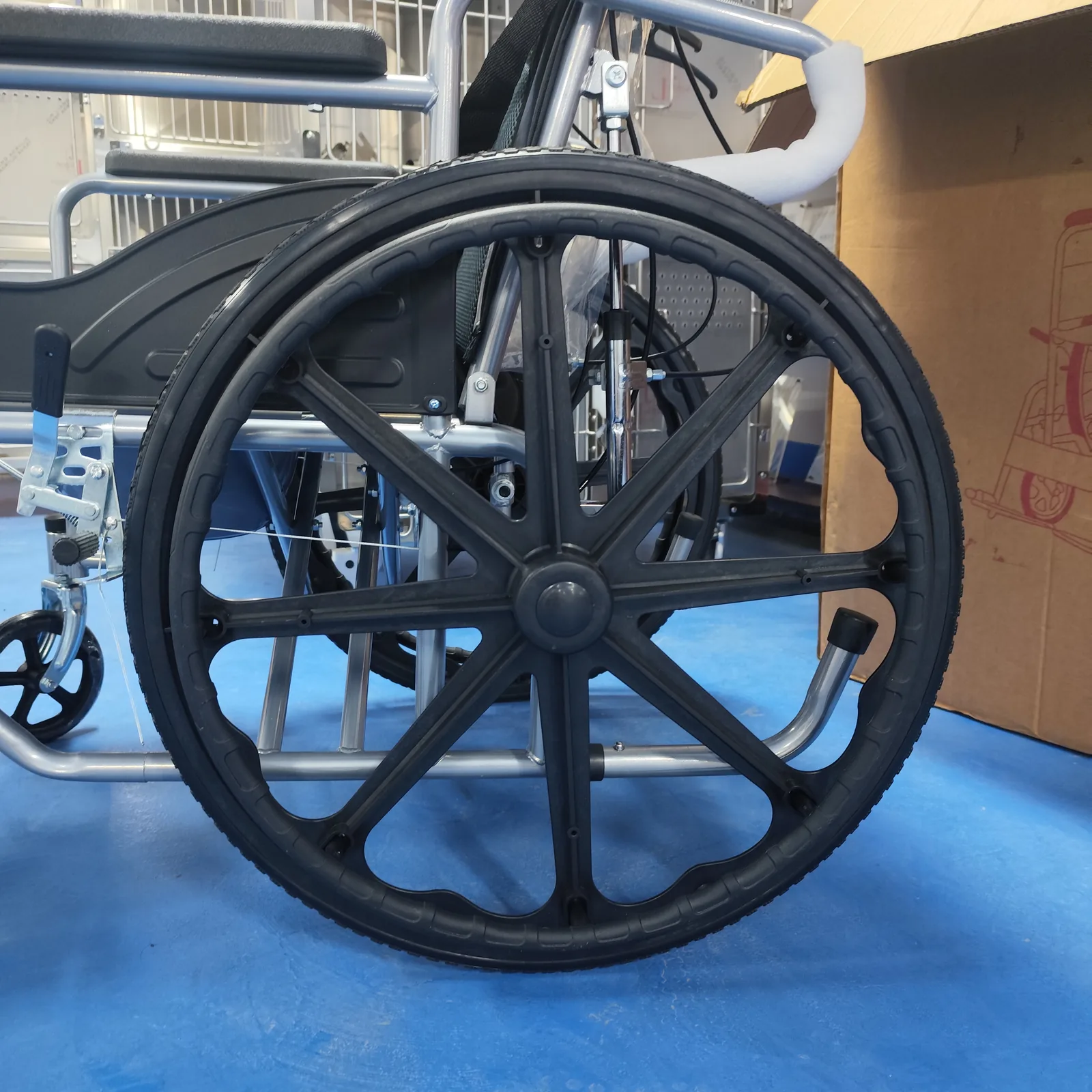
The phrase “anti-rollback” describes an outcome — the chair should not roll back at a chosen moment — rather than a single design. That is why two products with similar names can behave in ways that are not interchangeable in a facility’s equipment list. For a procurement officer or a service technician, the practical consequence is that a catalogue name alone cannot settle whether a device is appropriate for a given chair, a given care routine, or a given storage arrangement. The mechanism has to be identified first, then matched to the chair and to the task the facility expects it to perform.
A useful way to start is to ask what event should cause resistance or locking. If the answer is “when the resident leaves the seat,” the facility is looking at a seat-triggered automatic lock. If the answer is “when someone pushes the chair up a ramp and it starts to slip back,” the facility is looking at a directional or one-way aid. If the answer is “when the chair is parked and should not move at all,” the facility may be describing a wheel lock or parking brake, which is a separate category. These three answers lead to different products, different mounting points, and different inspection routines.
Stand-up-activated lock
A stand-up-activated lock is designed around a change in seat occupancy. The device is intended to hold the rear wheels when the occupant rises, so the chair does not travel away during a transfer or standing moment. Because the trigger is tied to the seat, the seat itself, the sensor arrangement, and the mounting on the specific chair become part of the compatibility question. A facility should not assume that a device marketed for standing transfers will fit every wheelchair in its fleet, or that it will behave the same way on a chair with a different seat construction. The word “automatic” in a product name describes how the device is meant to engage, not a guarantee that it will engage correctly on any chair it is bolted to.
One-way uphill aid
A one-way uphill aid works during travel rather than at a seat event. Its purpose is to allow forward movement while resisting backward movement, which is relevant when a chair is being moved up an incline and the person pushing needs the chair to hold position if grip or effort changes. This is a different function from a stand-up lock: it does not depend on the occupant leaving the seat, and it does not necessarily hold the chair when parked on level ground. Treating the two as the same item can produce a purchase that does not match the routine the facility intended to support.
For a mixed fleet, the practical step is to list each chair by model and seat type, then list the event each device is meant to address. Where the two lists do not line up, the item needs confirmation from the manufacturer before it enters a purchase order. That written comparison is also what a new staff member can read later, when the original requester is no longer on the unit.
How a named stand-up-activated device is intended to lock
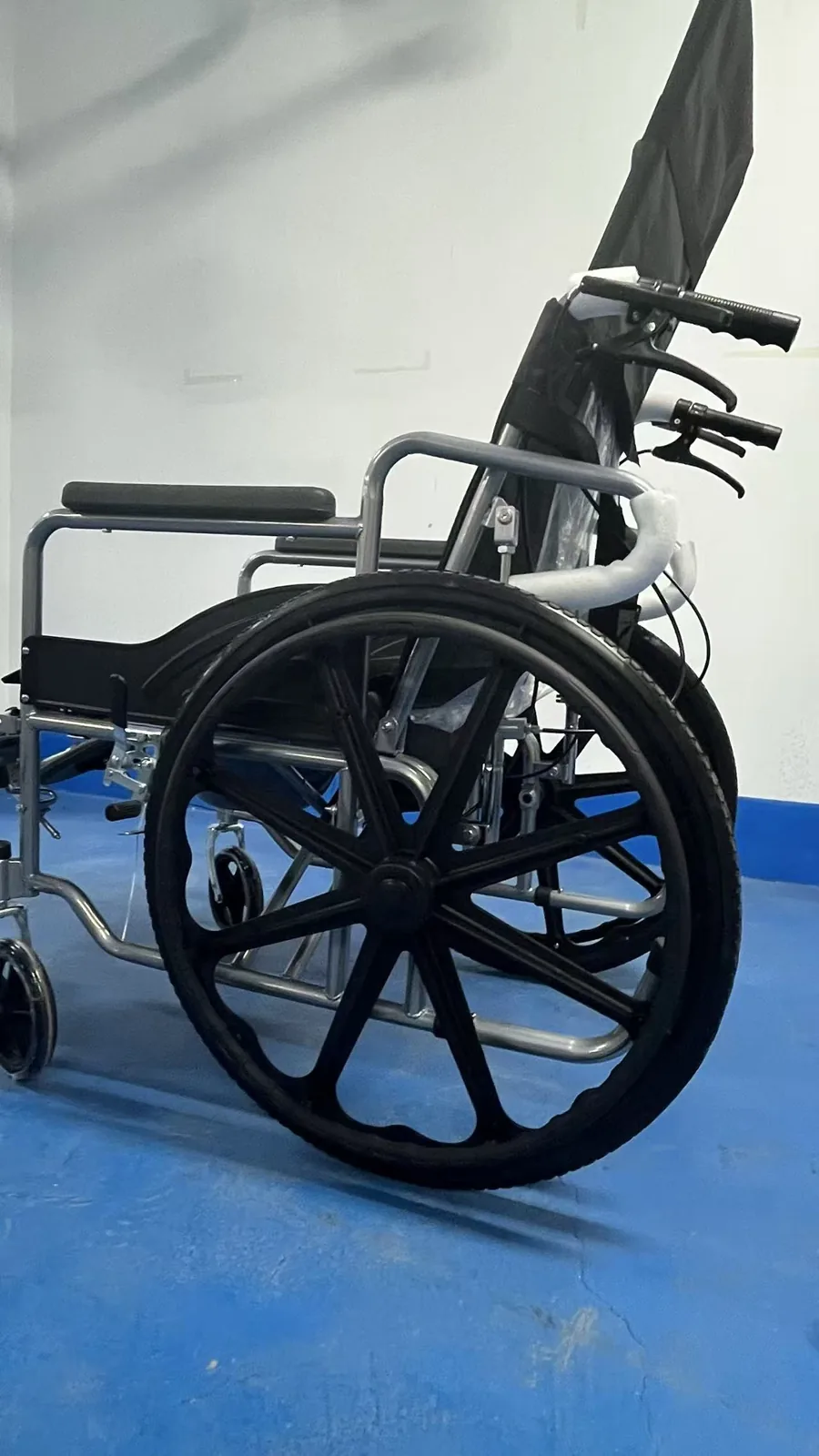
The Safe-t Mate Anti-Rollback System is a named product in this category, and its user manual is the appropriate reference for how that specific device is intended to operate. The manual is the document that describes the intended trigger, the parts involved, and the conditions under which the device is meant to be used. For a facility, the manual is also the basis for staff instruction and for the questions a technician should ask when a chair arrives with the device already fitted.
When reviewing a named device, read the manual for the sequence it describes rather than assuming the sequence from the product name. The relevant details are what the device responds to, what it does when it responds, and what the user or caregiver is expected to do afterward. A facility should record those details in its own equipment file, because the same product name can appear in different configurations and because staff turnover means the knowledge cannot stay with one person. The manual also indicates the scope of the document: it covers that product, not a general rule for every anti-rollback item on the market.
A second point for buyers is that the manual is not a clinical document. It describes a mechanical device and its intended use; it does not establish that a particular resident is safe to stand, that a particular transfer method is appropriate, or that the device prevents falls. Those are separate judgments that belong with the care team and the resident’s own assessment. Keeping the mechanical question and the care question separate helps a facility avoid buying a device to solve a problem the device was never designed to address.
Where a facility is considering the Safe-t Mate system or a comparable named product, the responsible step is to obtain the current manual for the exact model under consideration and to check that the model matches the chairs in use. The AliMed product listing and the Safe-t Mate user manual are the named references available for this article; neither should be read as a statement about Wheelchairs Factory products, compatibility, or supply. A buyer who needs a different brand or a newer revision should treat those documents as the starting point for a fresh check, not as a standing answer.
Compare the chair, seat and model compatibility limits
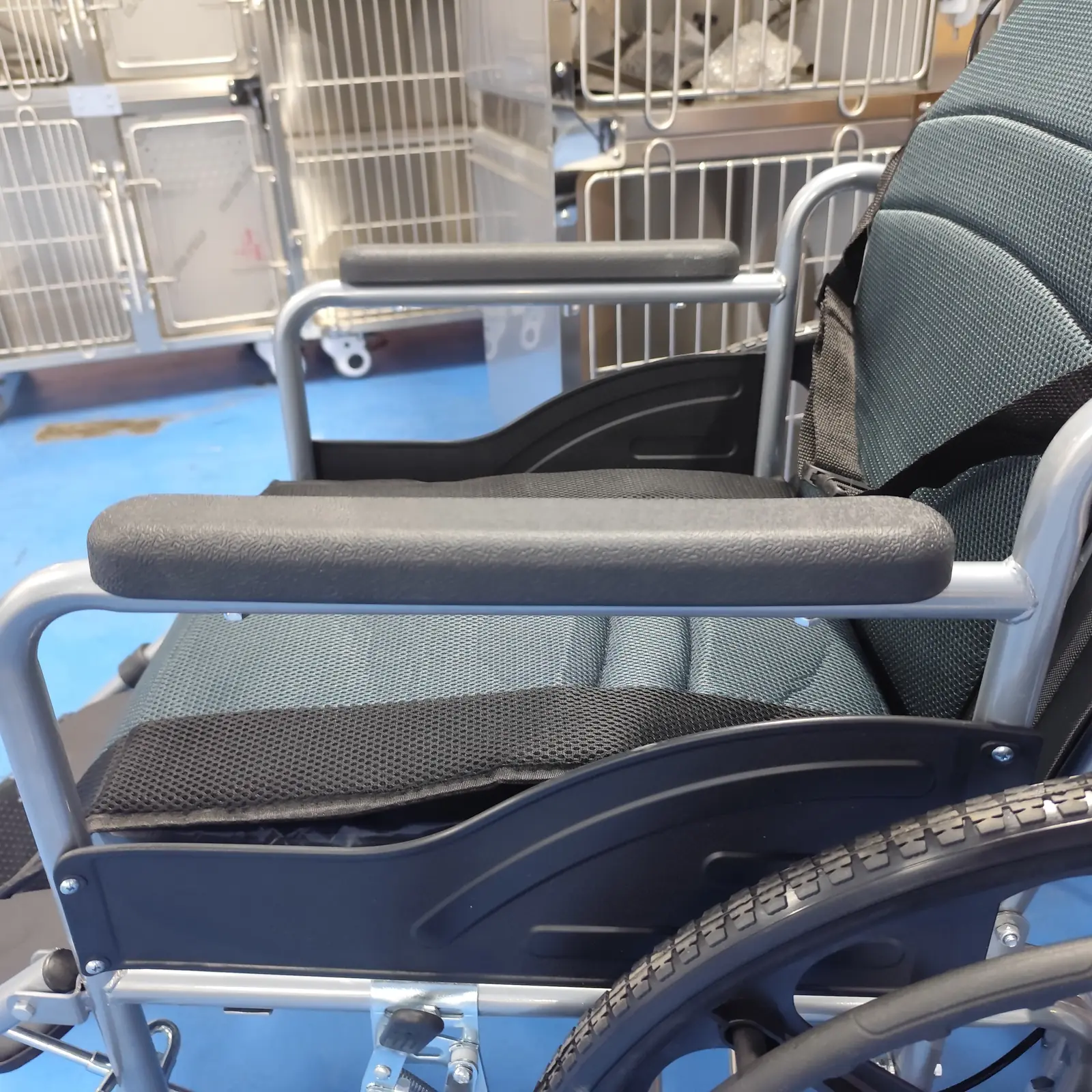
Compatibility is where most procurement errors become visible, because a device that is correct in principle can still be wrong for a specific chair. The comparison should be made at three levels: the seat, the chair model, and the manufacturer’s stated limits. Each level produces a question that the facility can put to the supplier or check against the manual, and each answer narrows the list before a purchase decision is made.
A practical comparison table helps a team keep the levels separate instead of collapsing them into a single “fits or does not fit” judgment. The table below is a planning aid, not a specification sheet: the entries describe what to confirm, and the actual values must come from the named product’s manual and the chair’s own documentation.
| Comparison level | What to confirm | Why it matters | Where the answer should come from |
|---|---|---|---|
| Seat type and construction | Whether the named device is intended for the seat on the chair in use | A seat-triggered device depends on the seat it is mounted to | The device manual and the chair documentation |
| Chair model | Whether the named device lists the chair model or a compatible range | A device intended for one chair type may not transfer to another | The device manual’s compatibility information |
| Mounting and hardware | Whether the required brackets and fittings are part of the supplied kit | Missing hardware can stall an installation or leave a device incomplete | The device manual and the supplier’s parts list |
| Fleet variation | Whether chairs of the same model have been modified or repaired | Repairs can change the mounting point or seat condition | The facility’s own maintenance records |
| Documentation | Whether the current manual revision is on file | Instructions and limits can change between revisions | The manufacturer’s current manual |
Seat and chair compatibility
The seat is the first check for a stand-up-activated device because the seat is part of the trigger. A facility should confirm that the device is intended for the seat construction on the chair, and should not assume that a device fitted to one chair in a fleet will suit another chair of a different model. Where a chair has been repaired or had its seat replaced, the maintenance record should be checked before a device is ordered, since the chair may no longer match the configuration the device was designed for. Two chairs that look alike on the floor can differ in exactly the part the device depends on.
Manufacturer limits
The manufacturer’s stated limits are the boundary of what the facility can responsibly assume. Those limits may cover the chair types the device is intended for, the parts included, and the conditions of use described in the manual. A buyer should ask for the current manual for the exact model and keep it with the purchase record. Where the manual does not address a chair in the fleet, the correct position is that compatibility is unconfirmed, not that the device is likely to work. That distinction matters at audit time, when a facility may need to show why a particular accessory was chosen for a particular chair.
Separate automatic locks, one-way aids and anti-tippers
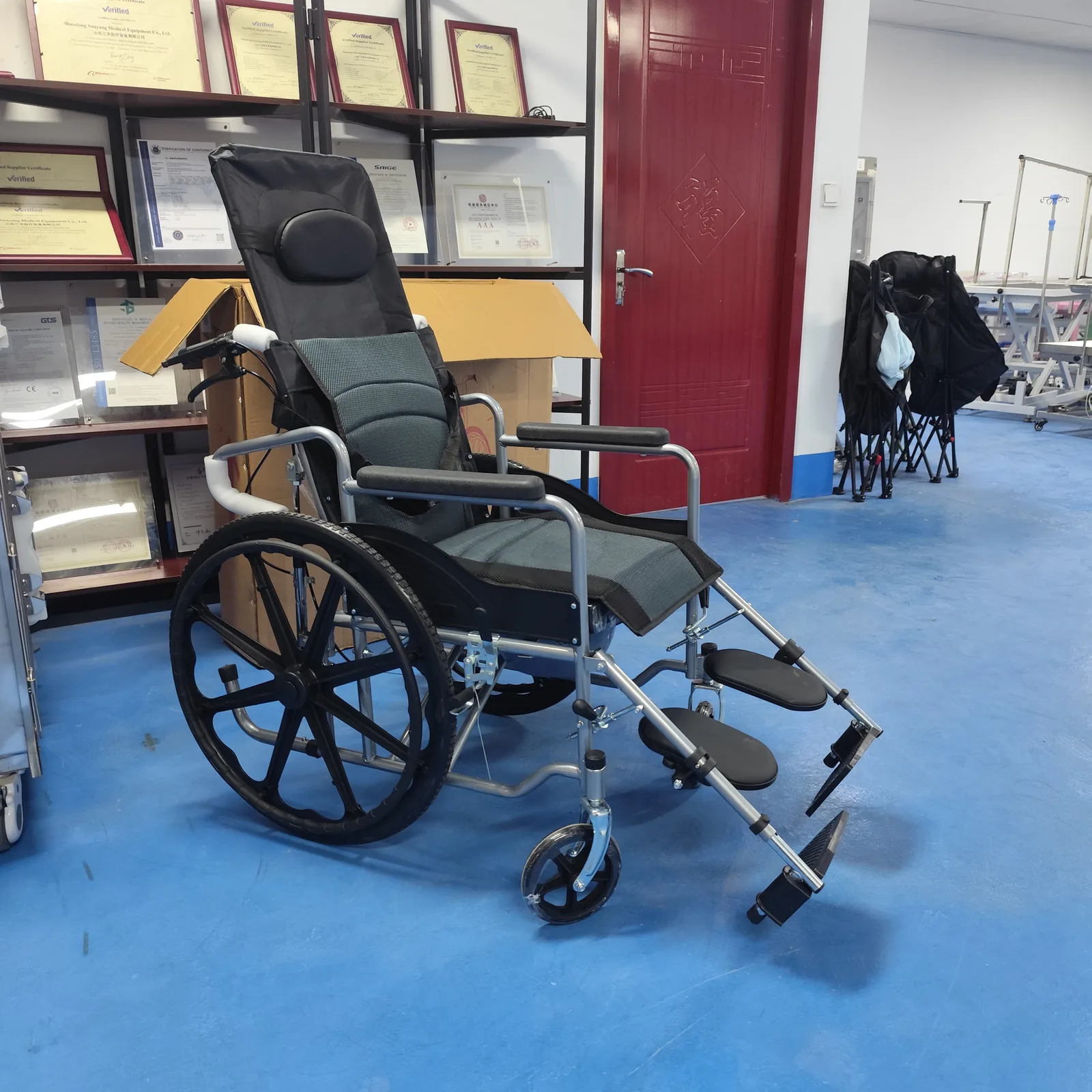
Facilities often group several rear-wheel accessories under one informal label, which makes inventory and training harder than it needs to be. Four categories are worth keeping distinct: the stand-up-activated automatic lock, the one-way uphill aid, the anti-tipper, and the wheel lock or parking brake. Each addresses a different risk moment, and each has its own inspection point. A shared label can hide the fact that a chair is missing the item the care routine actually depends on.
An anti-tipper is a rearward stability accessory that limits how far a chair can tip backward. It is not a rolling lock, and it does not hold the chair in place on a slope. A wheel lock or parking brake is intended to hold a parked chair, and it is operated deliberately rather than triggered by the occupant leaving the seat. A one-way aid resists backward travel during movement but does not necessarily hold a parked chair. The stand-up-activated lock is tied to seat occupancy. Understanding these differences helps a facility write an equipment list that names the function, not just the fitting.
| Device category | Typical moment of action | What it is not | Inspection focus |
|---|---|---|---|
| Stand-up-activated automatic lock | When the occupant leaves the seat, per the named device’s manual | Not a general parking brake and not a fall-prevention guarantee | Seat trigger, mounting, and manual-specified checks |
| One-way uphill aid | During movement, resisting backward travel | Not a substitute for a parking lock | Directional function and attachment condition |
| Anti-tipper | When the chair tips rearward | Not a rolling lock | Rear attachment condition and clearance |
| Wheel lock or parking brake | When deliberately applied to a parked chair | Not an automatic seat-triggered device | Lock engagement and wear |
For a service technician, the table is a prompt to check what is actually fitted rather than what the work order says. A chair may arrive with an anti-tipper where the care plan expected a stand-up lock, or with a wheel lock that staff have been treating as an automatic device. Recording the category alongside the model and serial number makes the next inspection faster and prevents a replacement order from repeating the same mismatch. It also gives a distributor a clearer question to pass back to the manufacturer when a facility asks whether a given accessory can be added to an existing chair.
Record inspection and supplier confirmation needs
Inspection records are what turn a device from a one-time purchase into a managed part of a facility’s equipment. The record should identify the chair, the device, the manual revision used, the person responsible for the check, and the date. It should also note any observation that needs follow-up, such as a mounting point that has changed or a seat that no longer matches the device’s intended configuration. These records support handover between shifts and give a service technician a starting point when a chair is transferred between units.
A responsibilities matrix helps a facility assign each step to a role rather than to “someone.” The roles below are generic facility roles; the actual assignment depends on the organization’s own procedures and on the manufacturer’s instructions for the named device.
| Step | Suggested responsible role | Record to keep |
|---|---|---|
| Confirm the device category needed | Equipment procurement or care team lead | The stated function and the chair it is for |
| Check chair and seat compatibility | Service technician | Chair model, seat type, and the manual reference used |
| Confirm current manual revision | Procurement or supplier contact | Manual revision and date received |
| Record installation and fittings | Service technician | Parts fitted and any deviations noted |
| Schedule routine checks | Facility maintenance lead | Check date, findings, and follow-up actions |
| Handover between shifts | Unit supervisor | Current status of the device on each chair |
Supplier confirmation is a separate step from internal inspection. Before ordering, the facility should ask the supplier to confirm the exact model, the chair types it is intended for, the parts included, and the current manual. Those questions should be answered in writing so the facility can attach the response to its purchase record. Where an answer is not available, the item should be held as unconfirmed rather than ordered on the assumption that it will fit. A distributor handling several facilities should keep those confirmations per site, because the same device may be requested for chairs of different models.
The same discipline applies to spare parts. If a device needs a replacement component, the request should name the device model and the chair, and should reference the manual’s parts information. A generic request for an “anti-rollback part” is likely to produce the wrong item, because the category contains several different mechanisms. For related rear-accessory checks, the site’s guidance on wheelchair anti-tippers compatibility covers a different accessory and should not be read as a statement about stand-up locks.
FAQ
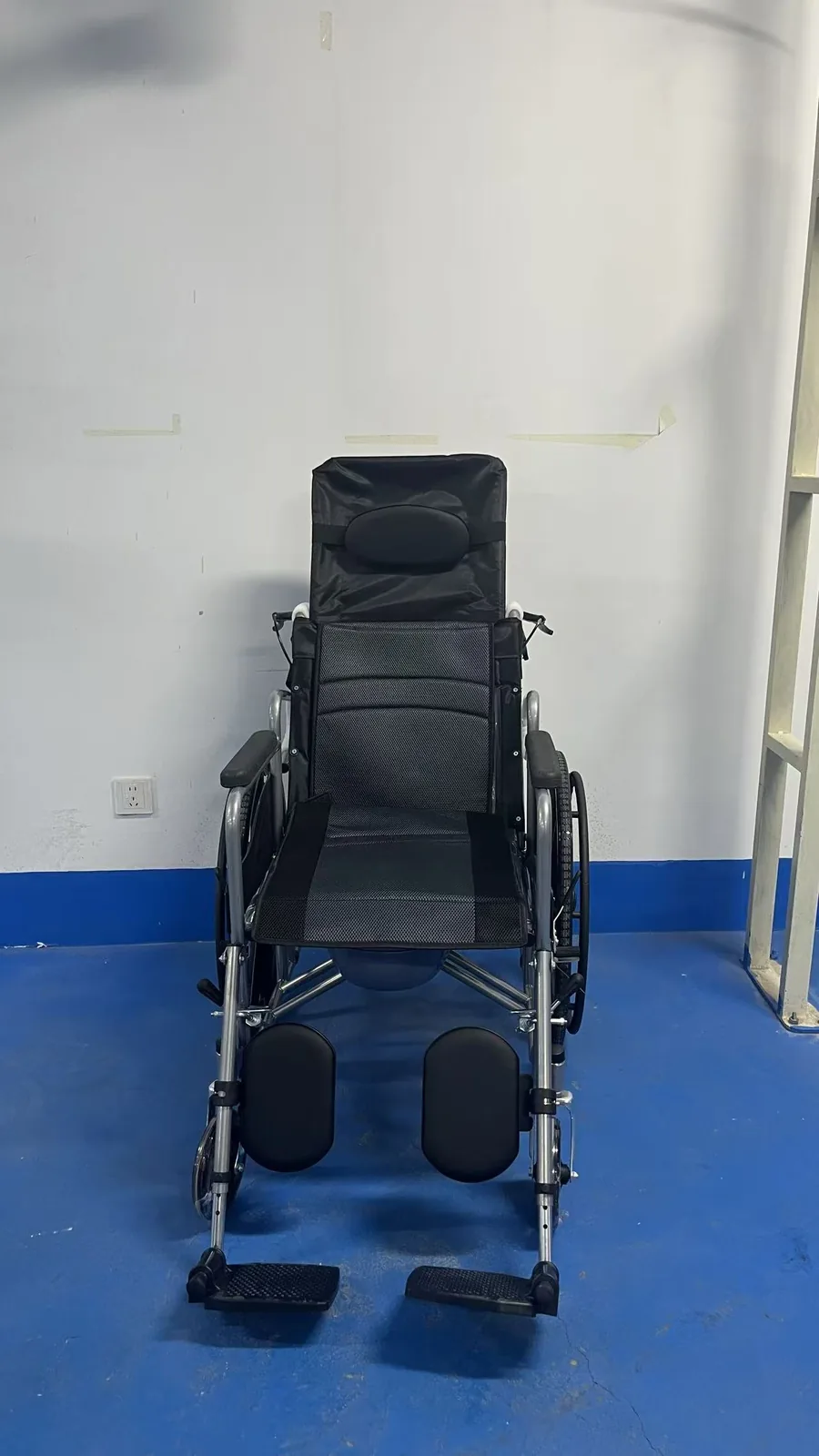
Do all anti-rollback devices work while pushing uphill?
No. A stand-up-activated lock is intended to respond to the occupant leaving the seat, not to uphill travel. A one-way uphill aid is the category that addresses backward movement during pushing. The named product’s manual is the reference for what a specific device is intended to do.
Does an automatic device replace the chair’s parking lock?
They serve different moments. A parking lock or wheel lock is applied deliberately to hold a parked chair, while a stand-up-activated device is tied to seat occupancy. A facility should keep both functions distinct in its equipment list and check each according to the manufacturer’s instructions.
Conclusion
Identify the mechanism, confirm the exact model and chair compatibility, and record the manual revision before ordering. Keep inspection and supplier confirmation in writing.
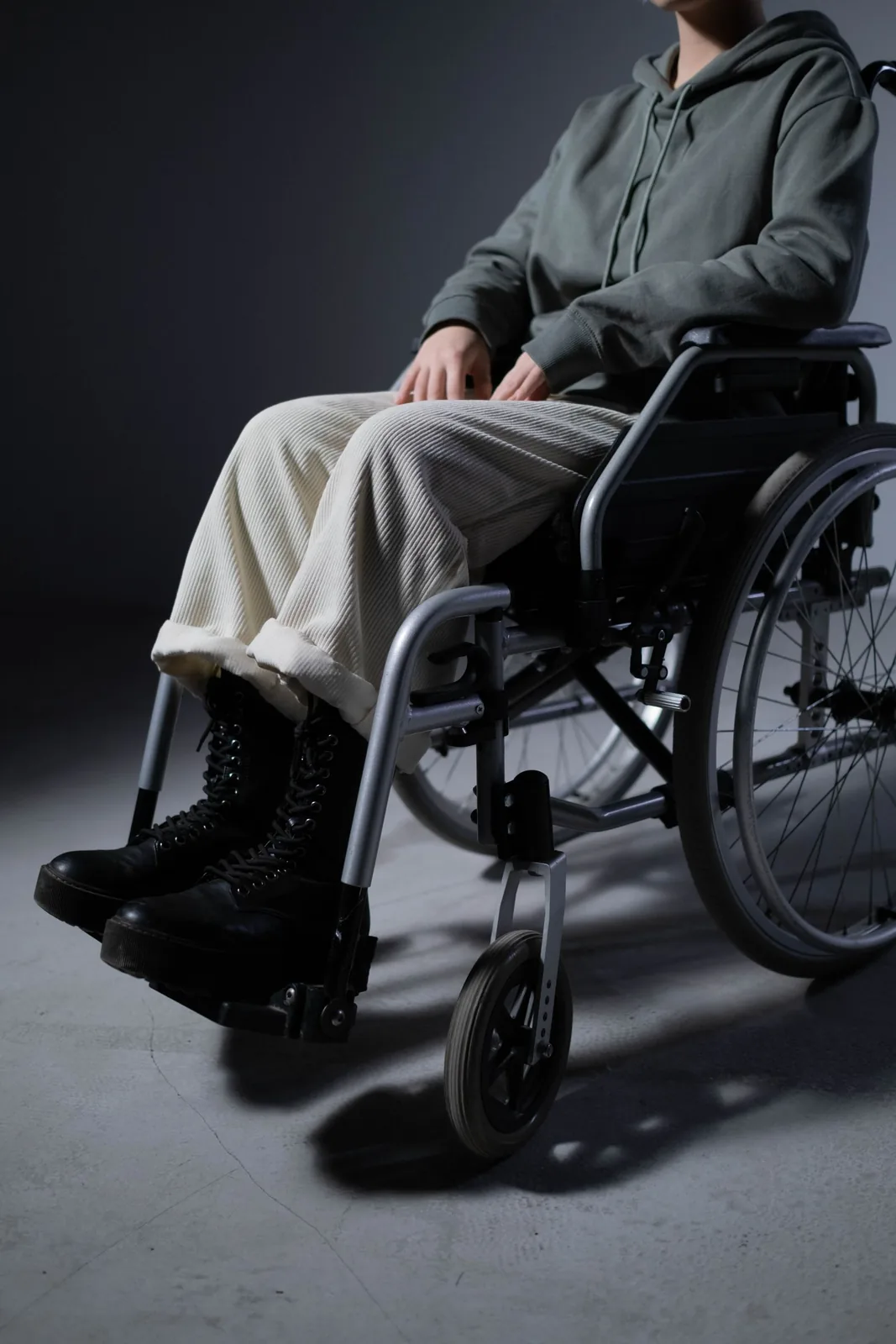
Video: Anti Rollback device for Wheelchairs