
Seattle battery recycling pickup is available through Seattle Public Utilities (SPU) for eligible household batteries. Starting April 1, 2026, SPU customers receive one free household battery pickup per year. Additional battery pickups cost $5 each, and each pickup is limited to two clear, sealable one-gallon bags under the applicable collection rules.
Not every battery qualifies. SPU accepts common household batteries and certain removable rechargeable batteries, but its standard curbside service excludes car, e-bike, and e-scooter batteries. Larger mobility-device batteries, damaged batteries, and unidentified battery packs need a separately confirmed collection or recycling route.
This guide explains what’s free, which batteries are accepted, how to prepare household batteries, and where to ask about excluded items. The information is based on official Seattle Public Utilities and King County hazardous-waste guidance reviewed on October 22, 2026.
Seattle Battery Recycling Pickup: Free vs. Excluded
The most important distinction is between batteries eligible for ordinary SPU household collection and batteries requiring a different disposal process.
| Battery type | SPU household pickup | What to verify |
|---|---|---|
| AA, AAA, C and D household batteries | Accepted | Follow the current taping, separation, and bag-limit instructions. |
| 9V household batteries | Household category; confirm current acceptance details | Check the exact battery type and terminal-protection requirements. |
| Button and coin-cell batteries | Accepted | Follow the current instructions for taping and collection bags. |
| Small removable rechargeable batteries | Accepted for qualifying household batteries, including removable power-tool batteries | Keep rechargeable batteries separate from non-rechargeable batteries. |
| Automotive batteries | Excluded | Confirm an automotive battery recycler or household hazardous-waste facility. |
| E-bike and e-scooter batteries | Excluded | Contact the manufacturer, retailer, or hazardous-waste program for an approved route. |
| Damaged, leaking, swollen, or defective batteries | Not accepted through ordinary household pickup | Contact the hazardous-waste program or manufacturer before handling or transport. |
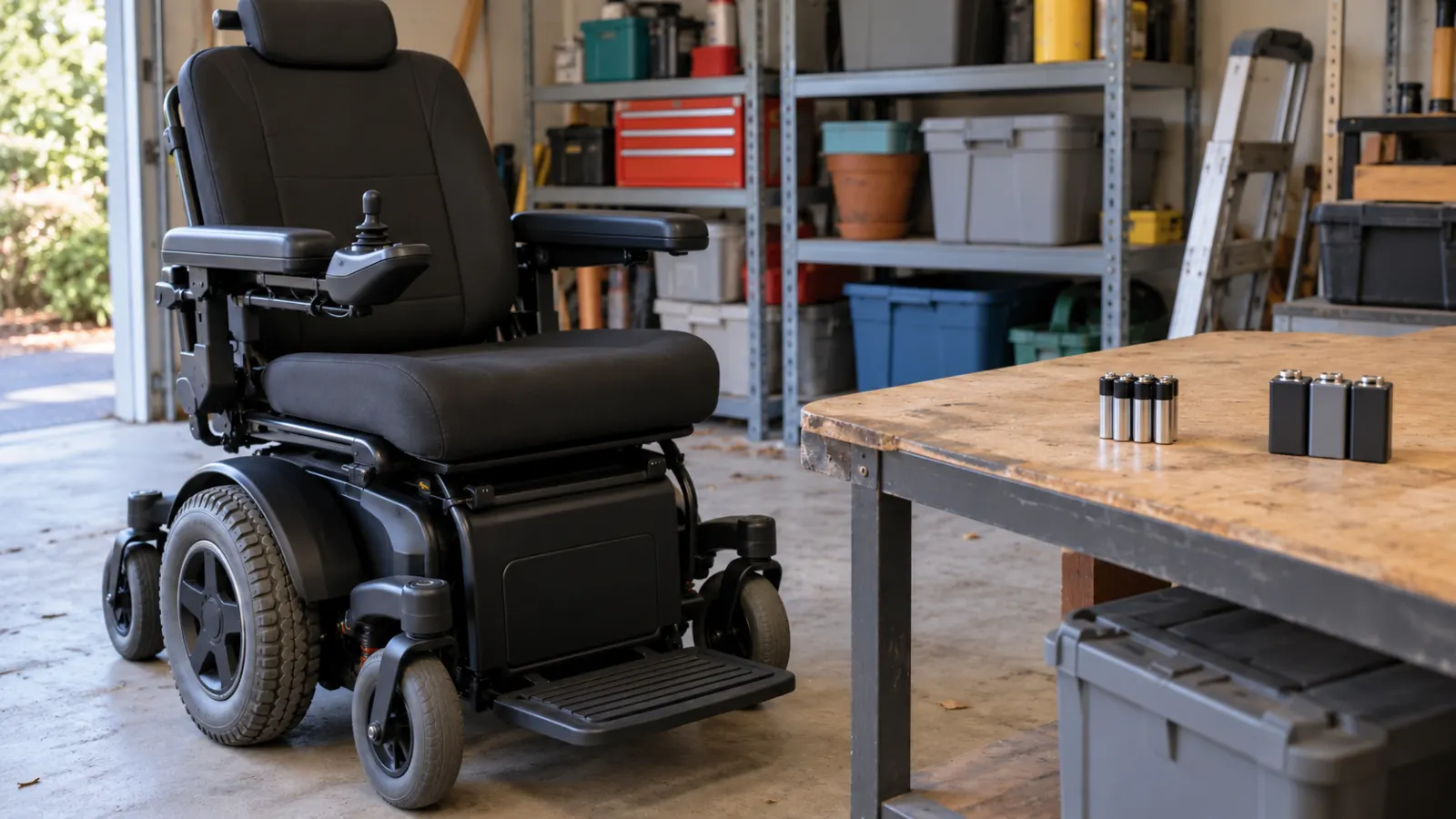
| Electric wheelchair or power-chair drive batteries | Not confirmed under the ordinary household battery category | Identify the exact battery and confirm the appropriate service, take-back, or recycling route. |
Official source: Seattle Public Utilities’ Special Item Pickup program lists accepted household battery categories, exclusions, free pickup allowances, preparation requirements, and additional collection fees.
1. Separate Household Batteries from Larger Battery Packs
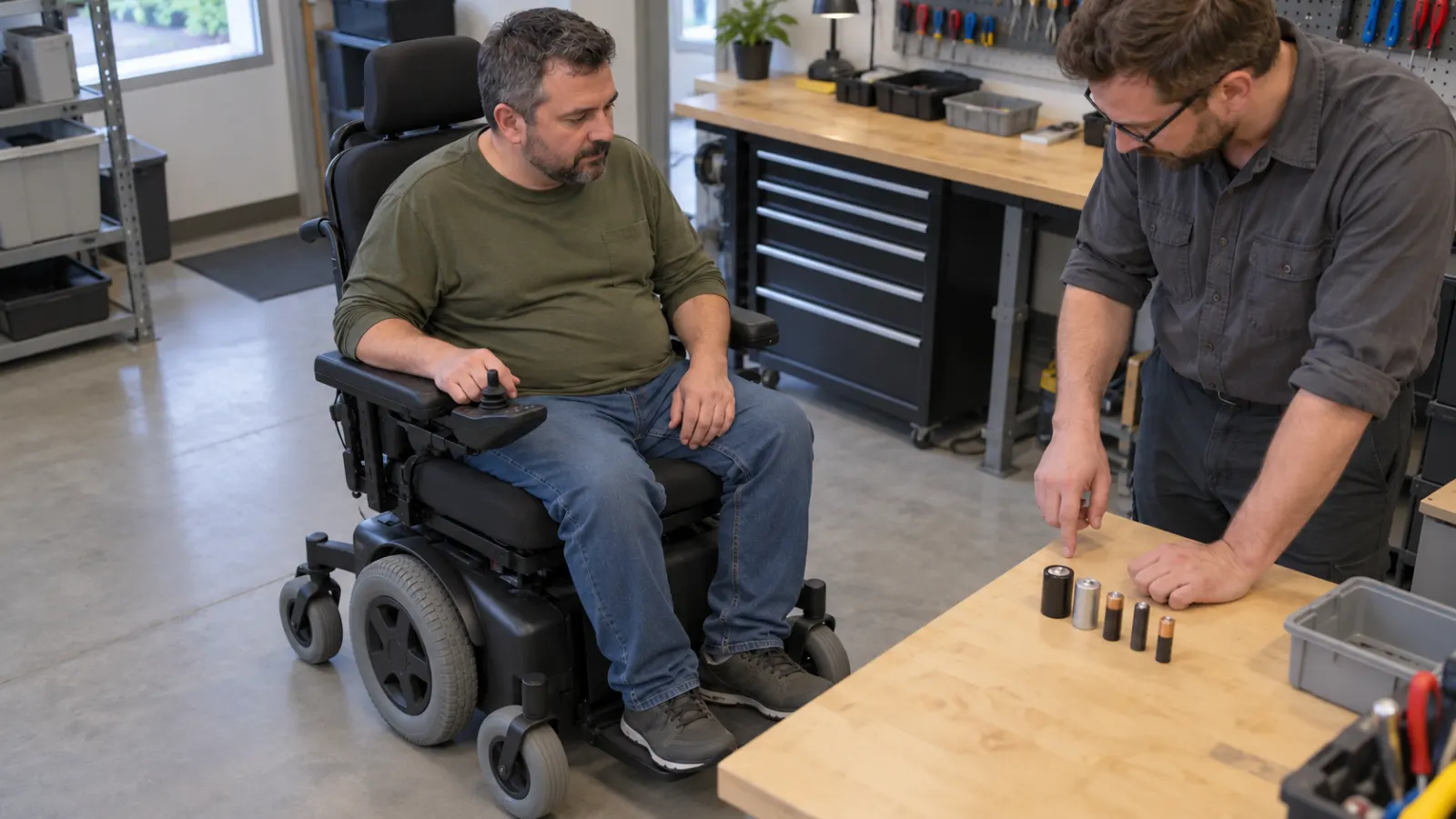
Before scheduling Seattle battery recycling pickup, identify what kind of batteries you have. The normal curbside service is intended for qualifying household batteries, not every rechargeable battery used in a vehicle or mobility device.
Common Household Batteries
SPU specifically lists common sizes such as AA, AAA, C and D, along with button batteries. Its program also accepts qualifying removable rechargeable household batteries, including those used in power tools.
For less familiar sizes, unusual rechargeable packs, or batteries without readable labels, check the current SPU requirements rather than deciding eligibility from size or appearance alone.
Vehicle and Larger Rechargeable Batteries
Car batteries and batteries used in e-bikes or e-scooters are expressly excluded from standard SPU household battery pickup. Other larger battery packs may also require a separate receiving facility, handling process, or manufacturer take-back arrangement.
Do not place a larger battery in a household collection bag simply because it is rechargeable. Ask the manufacturer or the receiving recycling program to identify the accepted battery type, condition, and size before arranging collection.
2. Prepare Household Batteries for SPU Pickup
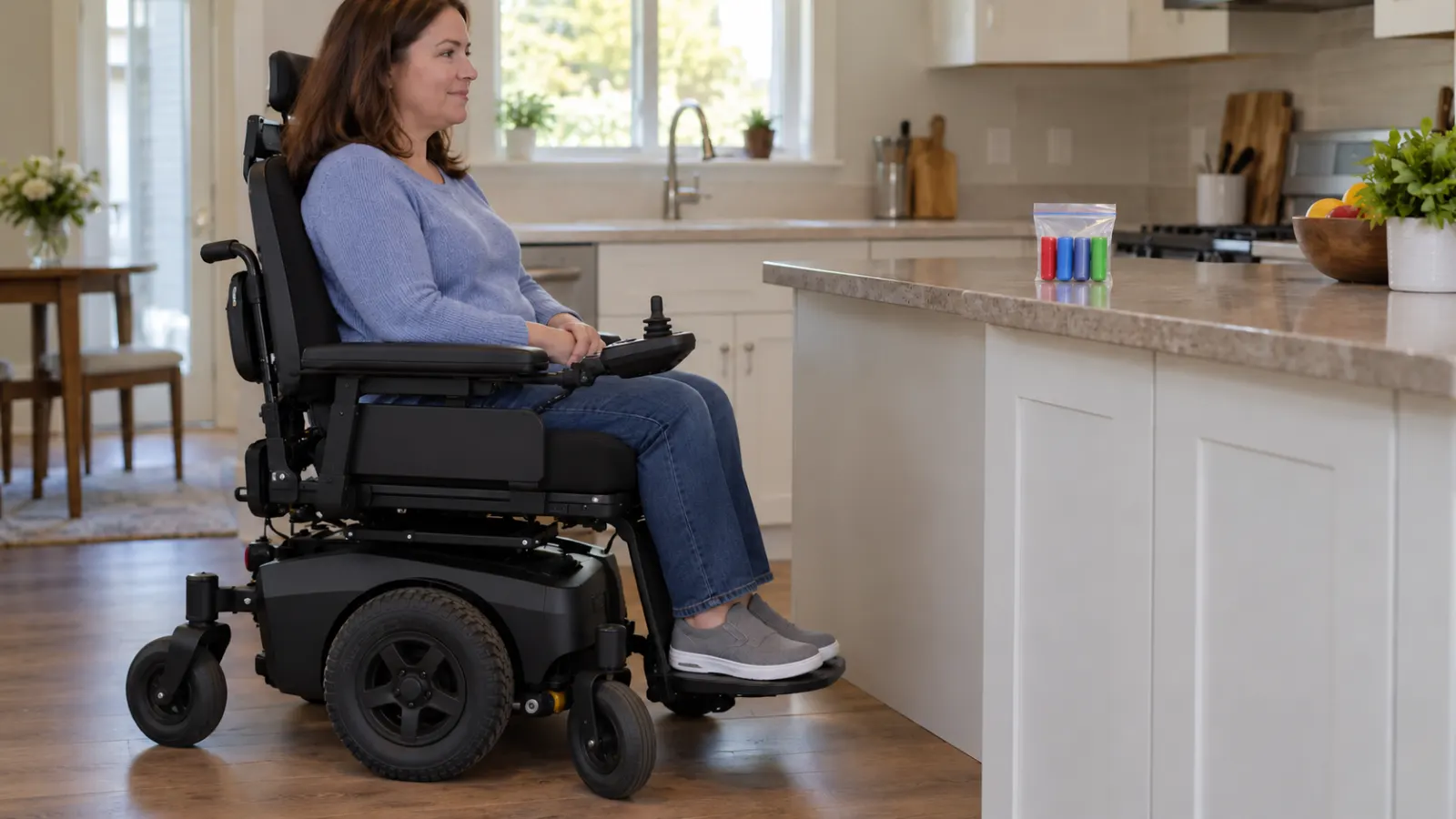
SPU publishes specific preparation requirements for batteries collected through its Special Item Pickup service. For ordinary, intact household batteries that qualify for collection, the instructions include:
- Separate rechargeable from non-rechargeable batteries. Use different collection bags for the two categories.
- Protect battery terminals. SPU directs customers to tape the ends of each qualifying household battery to reduce the risk of an electrical short and fire.
- Use clear, sealable bags. One battery pickup may include up to two one-gallon bags under SPU’s collection limit.
- Keep excluded batteries out. Do not include automotive, e-bike, e-scooter, or other unapproved battery packs.
- Schedule before setting items out. Follow the confirmed collection location and date supplied through SPU or the property manager.
The published quantity limit is two one-gallon bags per single-family home or per recycling container in an apartment building. It is not an unlimited free collection service.
These preparation steps apply to intact, qualifying household batteries only. Do not attempt ordinary bagging or terminal preparation on a battery that is leaking, swollen, unusually hot, smoking, or visibly damaged. Contact the manufacturer or hazardous-waste program for appropriate guidance.
Seattle prohibits batteries in ordinary garbage and mixed curbside recycling. The city’s battery and electronics disposal rules explain the reasons for this restriction and direct residents toward separate collection programs.
3. Schedule Seattle Battery Recycling Pickup
Seattle Public Utilities introduced an annual free battery pickup allowance beginning April 1, 2026. The published pricing distinguishes the first eligible pickup from additional requests.
| Pickup category | 2026 published fee | Important condition |
|---|---|---|
| First annual household battery pickup | Free | Eligible SPU customer; applicable two-bag limit. |
| Additional household battery pickup | $5 per pickup | Confirm remaining annual allowance and scheduling eligibility. |
| First annual Special Item Box pickup | Free | Separate allowance for a qualifying mixed special-items box. |
| Additional Special Item Box pickup | $20 per pickup | Follow its separate box-size, weight, and accepted-item limits. |
The free battery pickup and free Special Item Box are two distinct annual benefits. The special-items box can contain qualifying household batteries and certain other small items, but it has separate preparation and quantity limits. Confirm which service you are ordering rather than assuming one free benefit can be substituted for another without restriction.
How to Request a Pickup
Single-family SPU account holders can request service through the official Special Item Pickup page or call 206-684-3000. The person responsible for the utility account must authorize the request and any applicable charges.
For apartment buildings and other multifamily properties, residents generally need to contact the property manager or building owner responsible for the SPU account. The manager arranges the pickup and confirms the designated collection location.
For single-family properties, SPU schedules confirmed special-item collections with the next regular garbage collection day. Items must be at the designated accessible collection point by 7:00 a.m. on collection day.
Do not leave batteries outside before a pickup has been confirmed. Follow the account-specific scheduling and setout instructions, particularly in buildings with locked service areas or shared recycling containers.
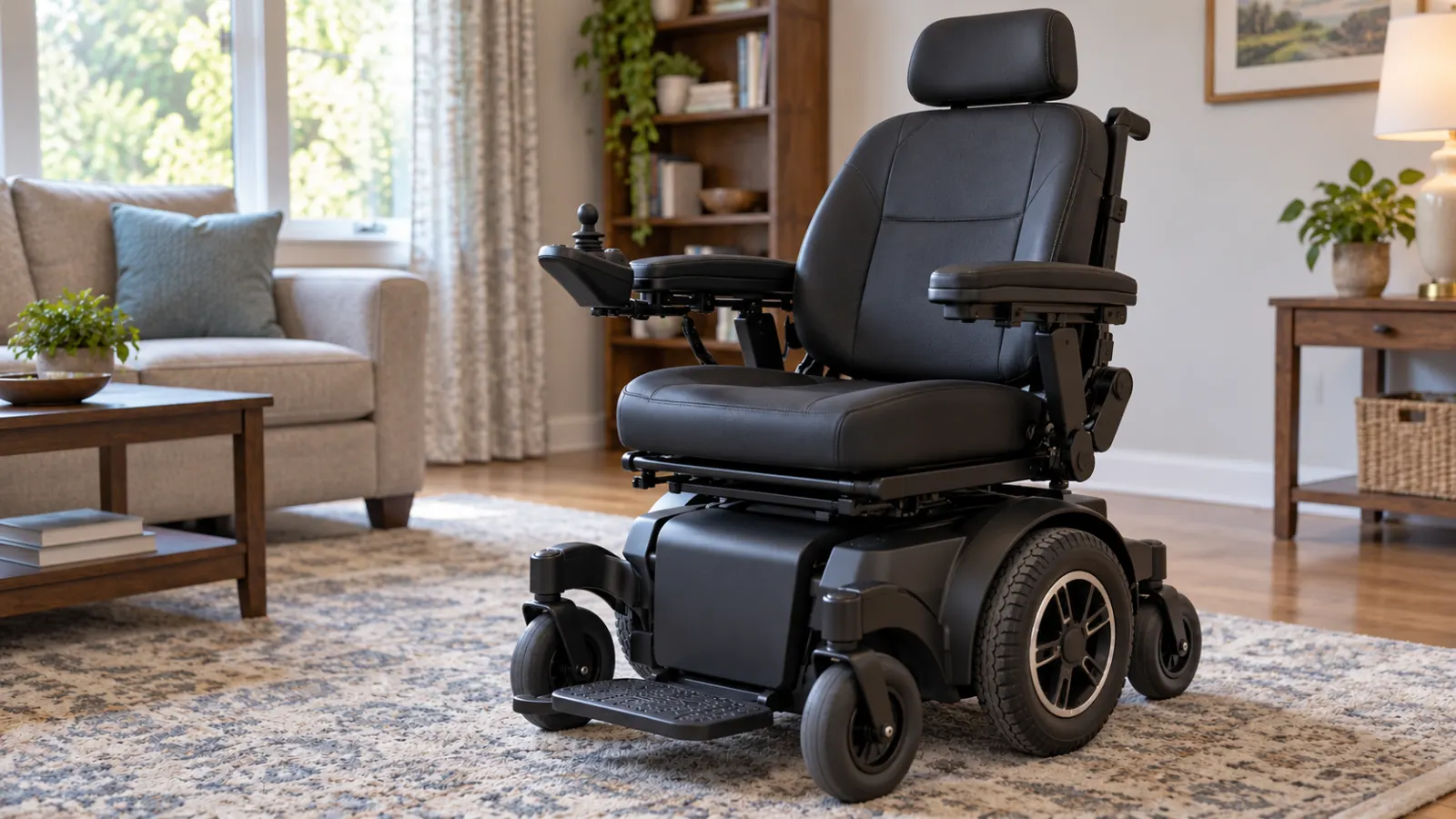
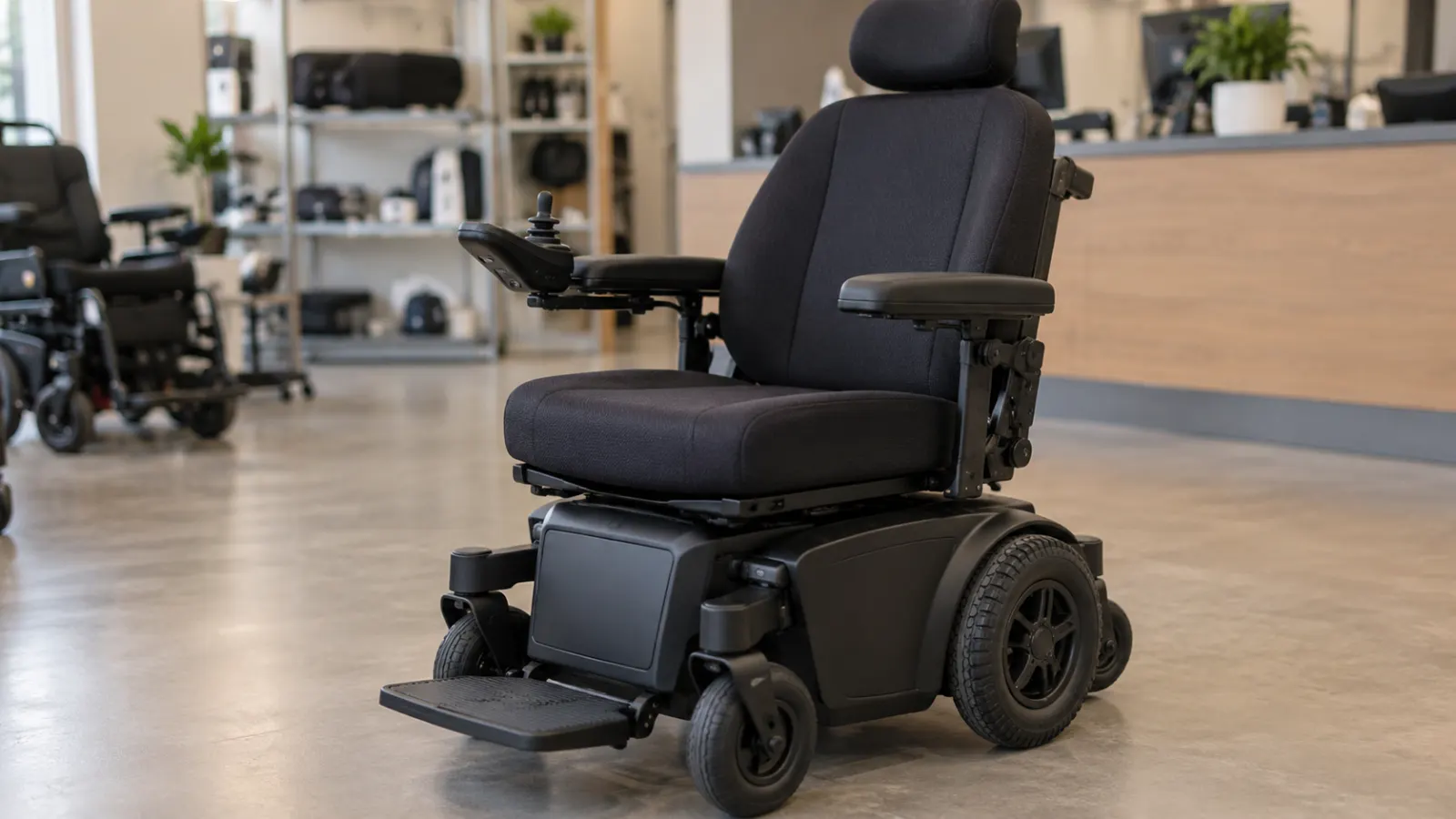
4. Can Electric Wheelchair Batteries Use Seattle Household Pickup?
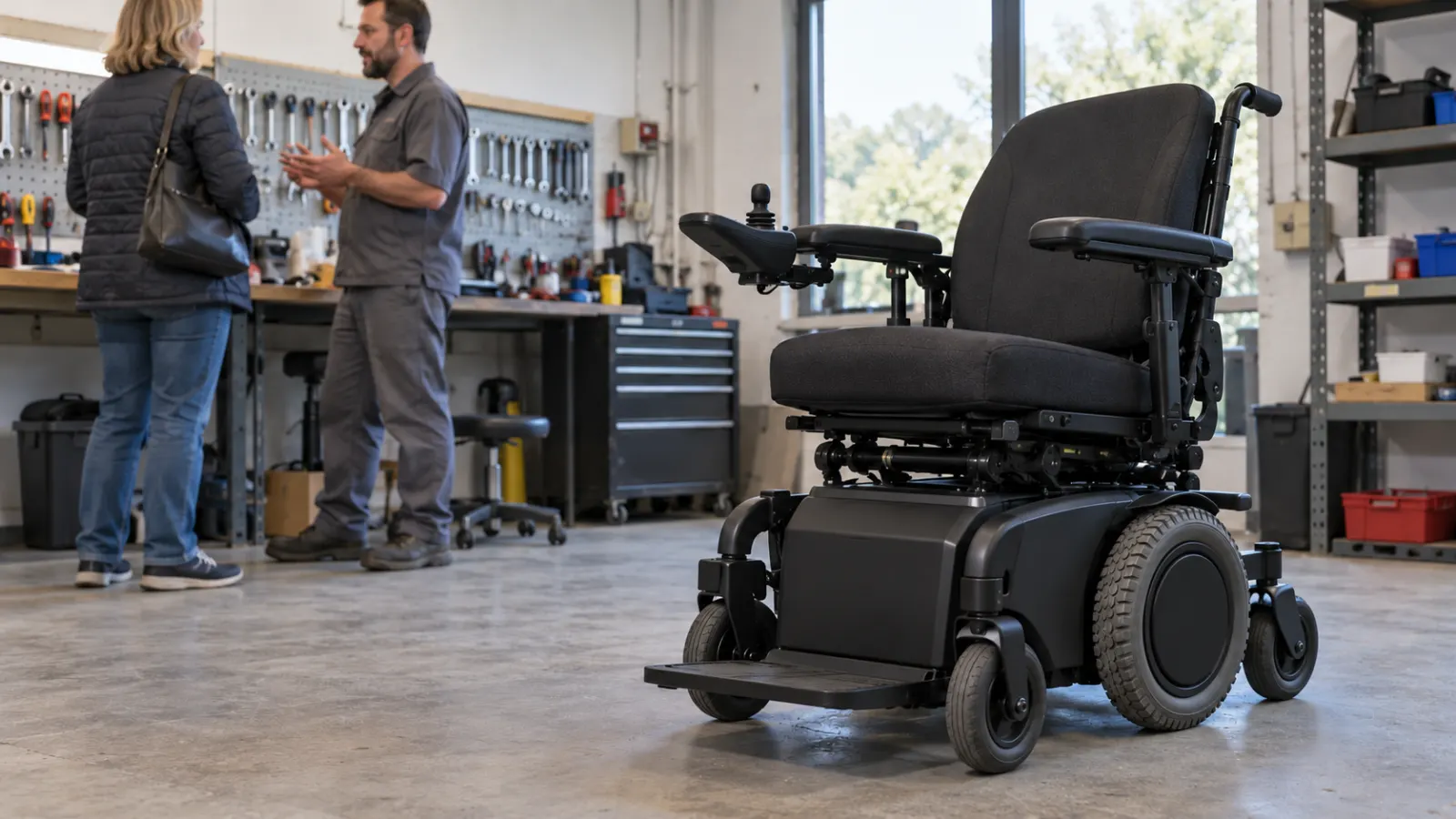
Do not assume an electric wheelchair battery qualifies for SPU’s household battery bags. Power wheelchairs may contain sealed lead-acid batteries, including AGM or gel designs, or lithium-ion batteries. The correct collection and transport route depends on the exact battery, its condition, and the receiving program’s requirements.
SPU’s published household pickup list does not establish blanket acceptance for large power-wheelchair drive batteries. Before removing or moving an installed battery, contact the wheelchair manufacturer or durable medical equipment provider and ask for the approved service or take-back process.
When arranging a separate recycling route, identify:
- The wheelchair manufacturer and model.
- The installed battery manufacturer, chemistry, and model, if confirmed.
- Whether the battery is intact, damaged, leaking, or unidentified.
- Whether professional battery removal or equipment collection is required.
- Which recycler or hazardous-waste program has agreed to receive the battery.
Ordinary manual wheelchairs and attendant-propelled transport chairs generally do not have rechargeable drive batteries. A manual chair fitted with power-assist equipment may have one and needs the same battery-specific review.
Airline battery transport rules, battery shipping regulations, and Seattle household recycling requirements are separate matters. Acceptance under one system does not establish acceptance under another.
5. Where to Take Batteries Excluded from Curbside Pickup

Seattle residents have several other battery recycling and hazardous-waste options. These programs have their own acceptance rules and should not be treated as interchangeable with SPU curbside pickup.
Household Hazardous Waste Collection Facilities
The regional Household Hazardous Waste Management Program operates free collection services for qualifying household waste from King County residents, including Seattle residents. Two facilities in Seattle are:
- North Seattle Hazardous Waste Facility: 12550 Stone Avenue North, Seattle, WA 98133.
- South Seattle Hazardous Waste Facility: 8100 2nd Avenue South, Seattle, WA 98108.
The official hazardous-waste facility page lists current operating hours, closures, and contact information. Ordinary household drop-off does not require an appointment and is offered without a disposal fee to eligible residents.
The program’s battery acceptance page includes alkaline, button, rechargeable, lead-acid, and automotive batteries, subject to type and quantity limits. It lists a 25-pound maximum for an individual non-automotive battery and a 50-pound total for non-automotive batteries per visit.
Do not assume those limits authorize every e-bike, electric wheelchair, or other large battery. If the battery is unusually large, damaged, unidentified, or still installed in equipment, call the hazardous-waste program before making transport arrangements.
For battery questions, contact the Hazardous Waste Help Line at 206-296-4692.
Other Battery Drop-Off Options
SPU also identifies separate household battery drop-off arrangements at its transfer stations. The city’s battery recycling guidance describes no-fee drop-off for qualifying household batteries at Seattle’s transfer stations.
Retailer and manufacturer take-back programs may provide other options. Use the official Call2Recycle directory to locate participating programs, then confirm the receiving site’s current battery-size, chemistry, and condition restrictions before traveling.
Automotive batteries may be accepted by participating auto-parts stores or approved lead-acid battery recyclers. E-bike and e-scooter batteries require a compatible specialist or manufacturer-approved route. Do not assume that every retailer accepting small rechargeable batteries will take larger vehicle or mobility batteries.
Home Collection for Residents Who Cannot Reach a Facility
King County’s hazardous-waste program also describes a free, appointment-based home collection service for eligible residents who are 65 or older or have a disability and cannot readily access a collection facility.
This is a separate service from SPU’s annual household battery pickup. Eligibility, accepted materials, collection limits, and appointment availability must be confirmed directly with the program. Having a power wheelchair does not automatically establish approval for a particular battery or collection request.
Call 206-296-4692 to discuss eligibility and the battery type before arranging collection.
6. What If a Battery Is Damaged, Swollen, or Leaking?
A damaged, defective, swollen, leaking, smoking, or unusually hot battery should not be treated as an ordinary household battery pickup item.
Do not place it into an SPU household collection bag, ordinary trash, or curbside mixed recycling. Do not open, dismantle, charge, or transport a suspected hazardous battery without appropriate guidance.
Seattle’s battery disposal guidance directs damaged or defective batteries toward household hazardous-waste collection rather than ordinary battery pickup. Contact the receiving program first to confirm safe handling and acceptance, especially when there are signs of overheating or leakage.
If a battery is smoking, on fire, producing strong fumes, or presents an immediate danger, move away and contact emergency services. Do not attempt to transport an actively hazardous battery to a collection facility.
7. Checklist Before Scheduling Battery Recycling Pickup

Before scheduling a Seattle battery recycling pickup or using a separate drop-off service, confirm the following:
- The batteries are identified and belong to a category accepted by the selected program.
- No damaged, swollen, leaking, or unidentified battery has been placed in a normal collection bag.
- Qualifying household batteries are prepared according to the current SPU terminal-protection instructions.
- Rechargeable and non-rechargeable batteries are separated as required.
- The scheduled SPU battery collection does not exceed the applicable two one-gallon bag limit.
- The utility account holder or property manager has authorized the pickup.
- The free annual pickup allowance or applicable additional fee has been confirmed.
- The pickup date and collection location are confirmed before setting batteries outside.
- Any excluded batteries have a separately confirmed recycling or hazardous-waste route.
Seattle Battery Recycling: Frequently Asked Questions
Is Seattle Battery Recycling Pickup Free?
For qualifying SPU customers, the first eligible household battery pickup each year is free under the program introduced April 1, 2026. Additional battery pickups cost $5 each. The free allowance and pickup eligibility are connected to the applicable utility account and collection arrangements.
How Many Bags of Batteries Can Seattle Collect?
SPU lists a limit of two clear, sealable one-gallon bags per pickup, with the published allowance applying per single-family home or per recycling container in an apartment building. Rechargeable and non-rechargeable batteries must be separated.
Does SPU Pick Up E-Bike or E-Scooter Batteries?
No. SPU expressly excludes e-bike and e-scooter batteries from its ordinary household battery pickup. Ask the battery manufacturer, retailer, or hazardous-waste program about an appropriate collection option for the exact battery.
Will SPU Collect an Electric Wheelchair Battery?
SPU does not publish a blanket household pickup allowance for large wheelchair drive batteries. Identify the battery through the equipment provider or manufacturer and obtain confirmation from the receiving program before removal or transport. Battery size, chemistry, and condition can change the disposal requirements.
Can Household Batteries Go in Seattle Garbage or Recycling Bins?
No. Since January 1, 2024, Seattle has prohibited batteries and electronics from ordinary garbage. Batteries should also not be mixed into standard curbside recycling. Use an approved special-item collection or separate drop-off program.
The key to Seattle battery recycling pickup is knowing which service applies to your battery. Use the annual free collection for eligible intact household batteries, confirm the bag limit and scheduling rules, and arrange a separate approved disposal route for excluded or damaged batteries.
Source review: October 22, 2026. This article uses Seattle Public Utilities Special Item Pickup, Seattle battery disposal restrictions, King County household battery acceptance information, and regional hazardous-waste collection guidance. Recheck current fees, eligibility, limits, and preparation instructions before collection.
Video: Why Batteries Need Separate Collection — KING 5 Seattle (2024 Report)