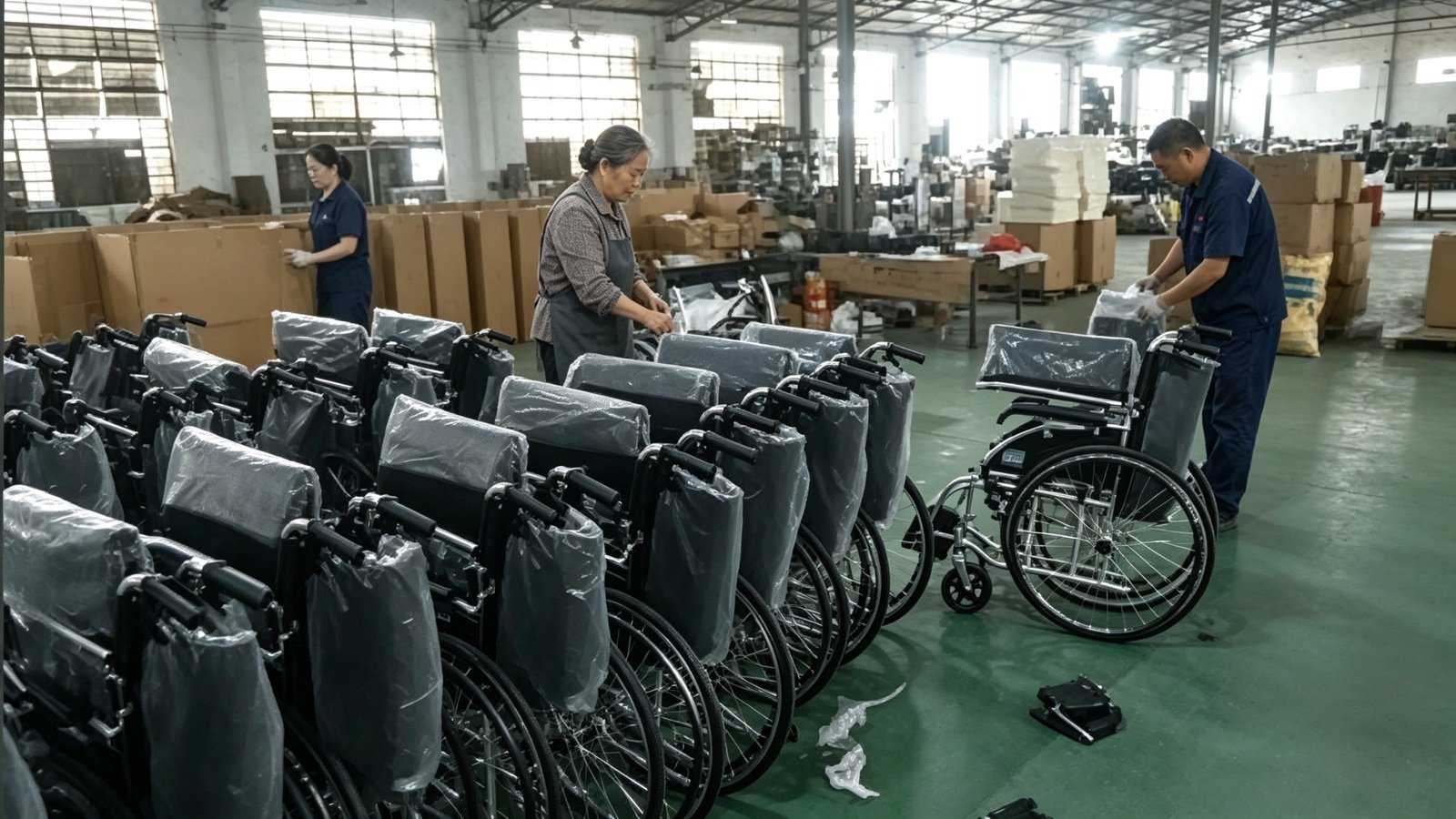

Knowing how to dispose of a power wheelchair battery starts with identifying the battery and arranging an approved collection or recycling route—before removing it from the chair or transporting it. Begin with your wheelchair provider or manufacturer, then the battery manufacturer if its information is available, and finally your local solid-waste or household hazardous-waste program.
Different power wheelchairs use different rechargeable batteries. An intact lead-acid battery may have a different return process from a lithium-ion battery, and a damaged battery requires separate instructions. Confirm the exact battery and the receiving facility’s requirements instead of relying on its appearance or a general recycling directory.
Before handling the battery: If it is swollen, leaking, unusually hot, smoking, visibly damaged, or of unknown type, do not remove, open, disconnect, tape, charge, or transport it yourself. Contact your equipment provider or battery manufacturer for qualified assistance. If there is smoke, fire, or an immediate danger, move away and call emergency services.
Why You Should Confirm the Recycling Route First

Some power wheelchairs use sealed lead-acid batteries, including absorbent glass mat (AGM) and gel designs. Others use lithium-ion batteries. AGM and gel are forms of lead-acid battery construction, not separate chemical families alongside lead-acid and lithium-ion. The chair’s model, service manual, and installed battery label—where safely visible—are better identifiers than case color or shape.
The U.S. Environmental Protection Agency (EPA) advises keeping lead-acid and other rechargeable batteries out of household trash and municipal recycling bins. Its lithium-ion battery guidance directs users to separate battery recycling or appropriate hazardous-waste collection. The collection site still needs to confirm it accepts the specific battery or assembled wheelchair you have.
Who to Contact About Power Wheelchair Battery Disposal

Ask these three parties in order. You may need all three answers: a recycling location that accepts a battery is not necessarily authorized or equipped to remove it from your wheelchair.
| Who to ask | What to confirm | Why it matters |
|---|---|---|
| 1. Wheelchair provider or manufacturer | Installed battery type and model, authorized replacement or removal process, take-back or exchange options, and whether they can arrange pickup. | They can identify the wheelchair’s documented service path and whether professional removal is needed. |
| 2. Battery manufacturer | Battery chemistry and identification, safety documentation, normal end-of-life instructions, and a separate process for damaged or defective batteries. | Advice must match the actual battery, not a generic wheelchair battery description. |
| 3. Local solid-waste or household hazardous-waste program | Acceptance of that chemistry and size, intact or damaged condition, appointment, residency or business restrictions, fees, and collection or transport arrangements. | The receiving program determines whether it can accept your battery and under what conditions. |
How to Dispose of a Power Wheelchair Battery: 5 Checks

- Identify the chair. Record its manufacturer, model, and serial number from accessible documents or markings. Do not remove panels or move the battery to look for a label.
- Ask your equipment provider. Confirm the installed battery chemistry and whether a qualified technician must remove or replace it. Ask about take-back, trade-in, or pickup services.
- Request battery-specific guidance. If the battery maker is identified, obtain its current end-of-life and damaged-battery instructions. Mark unknown chemistry or condition as unresolved.
- Verify the receiving location. Contact the recycler or local hazardous-waste program with the battery model, condition, approximate size, and whether it is still installed in the chair. Obtain explicit acceptance and handling arrangements.
- Arrange the authorized handoff. Have the approved provider or qualified handler follow the applicable removal, packaging, pickup, and transport requirements. Save the recipient’s confirmation and any recycling record.
Do not confuse recycling acceptance with shipping permission. The U.S. Department of Transportation’s lithium battery transport guidance describes separate hazardous-materials requirements, especially for used or damaged lithium batteries. Do not mail or courier a battery unless a qualified shipper has confirmed and arranged the applicable process.
What Not to Assume About Battery Recycling

- Do not assume every battery retailer takes wheelchair batteries. Store collection bins and automotive battery programs can have chemistry, size, condition, and customer restrictions.
- Do not identify chemistry by appearance. The manufacturer, battery marking, or service record is the appropriate starting point.
- Do not put rechargeable wheelchair batteries in household trash or curbside mixed recycling. Use the approved separate collection route.
- Do not assume a clean-looking battery is safe to remove. An older battery may still contain stored energy or present handling hazards.
- Do not follow generic terminal-taping or packing instructions for an installed, damaged, or unknown battery. Those precautions may apply to certain intact batteries after authorized removal, but preparation must follow the applicable professional and recipient instructions.
Power, Manual, and Transport Wheelchairs: Which Have Batteries?

This checklist focuses on electric power wheelchairs with rechargeable drive batteries. Ordinary manual wheelchairs are propelled by the rider or an attendant and generally do not have a drive battery. Transport chairs are usually companion-propelled and likewise generally do not have one.
However, a manual or transport chair fitted with power-assist equipment, powered controls, or a separate rechargeable accessory may have a battery that needs its own identification and recycling route. Confirm the specific equipment rather than assuming that the wheelchair category determines the battery type.
If the Battery Is Damaged, Leaking, Swollen, or Hot
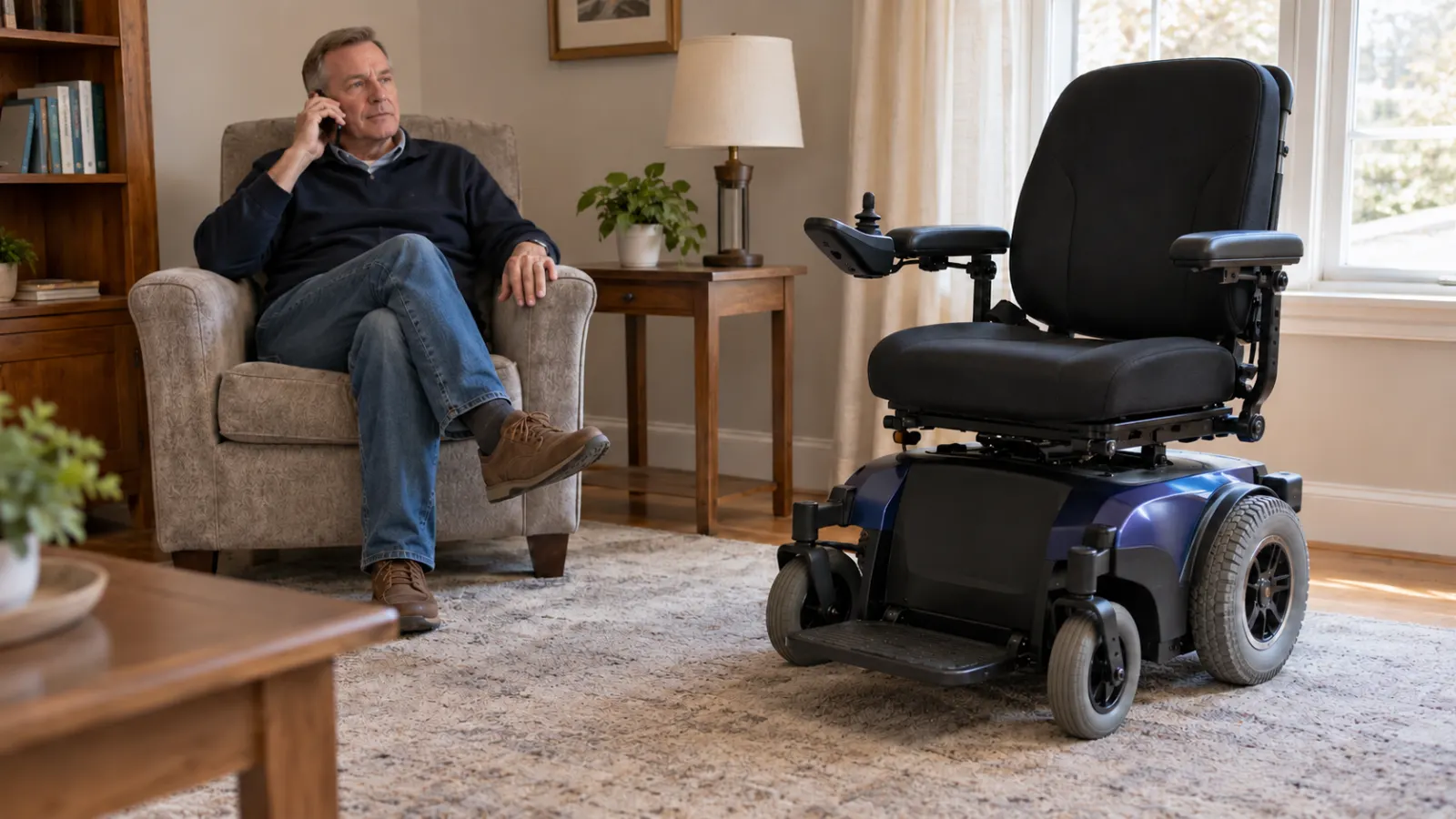
Do not use an ordinary drop-off checklist for a visibly damaged, leaking, swollen, unusually hot, or unidentified battery. Stop charging or using equipment that shows signs of a battery fault if it is safe to do so without touching or disturbing the battery. Do not attempt to remove the pack, open the housing, cover terminals, or transport the chair or battery to a collection site yourself.
Move people away from an immediate hazard and contact emergency services if there is smoke, fire, strong fumes, or rapidly increasing heat. Otherwise, contact the wheelchair provider, battery manufacturer, or qualified battery service professional and ask for the appropriate assessment and collection route. A normal collection program may not accept damaged batteries.
EPA’s used lithium-ion battery guidance advises contacting the manufacturer for damaged-battery handling information. Transporting damaged lithium batteries can also require special procedures under DOT hazardous-materials rules.
Questions to Ask Before Pickup or Drop-Off

When contacting the provider or collection program, keep the following questions with your equipment records:
- What is the installed battery chemistry, manufacturer, and model?
- Must an authorized technician remove the battery, or can the provider collect the entire chair?
- Does the supplier offer replacement-battery take-back or exchange?
- Will the destination accept this exact battery chemistry, size, and condition?
- Who is responsible for preparing, labeling, transporting, and handing over the battery?
- Are an appointment, fees, identification, or proof of residency required?
- Can the receiving program provide written acceptance or a recycling receipt?
Confirm the answers before arranging transportation. A site that accepts intact batteries may have a different process—or no service at all—for damaged batteries or battery packs that remain installed in equipment.
Battery Disposal Records for Facilities and Wheelchair Fleets
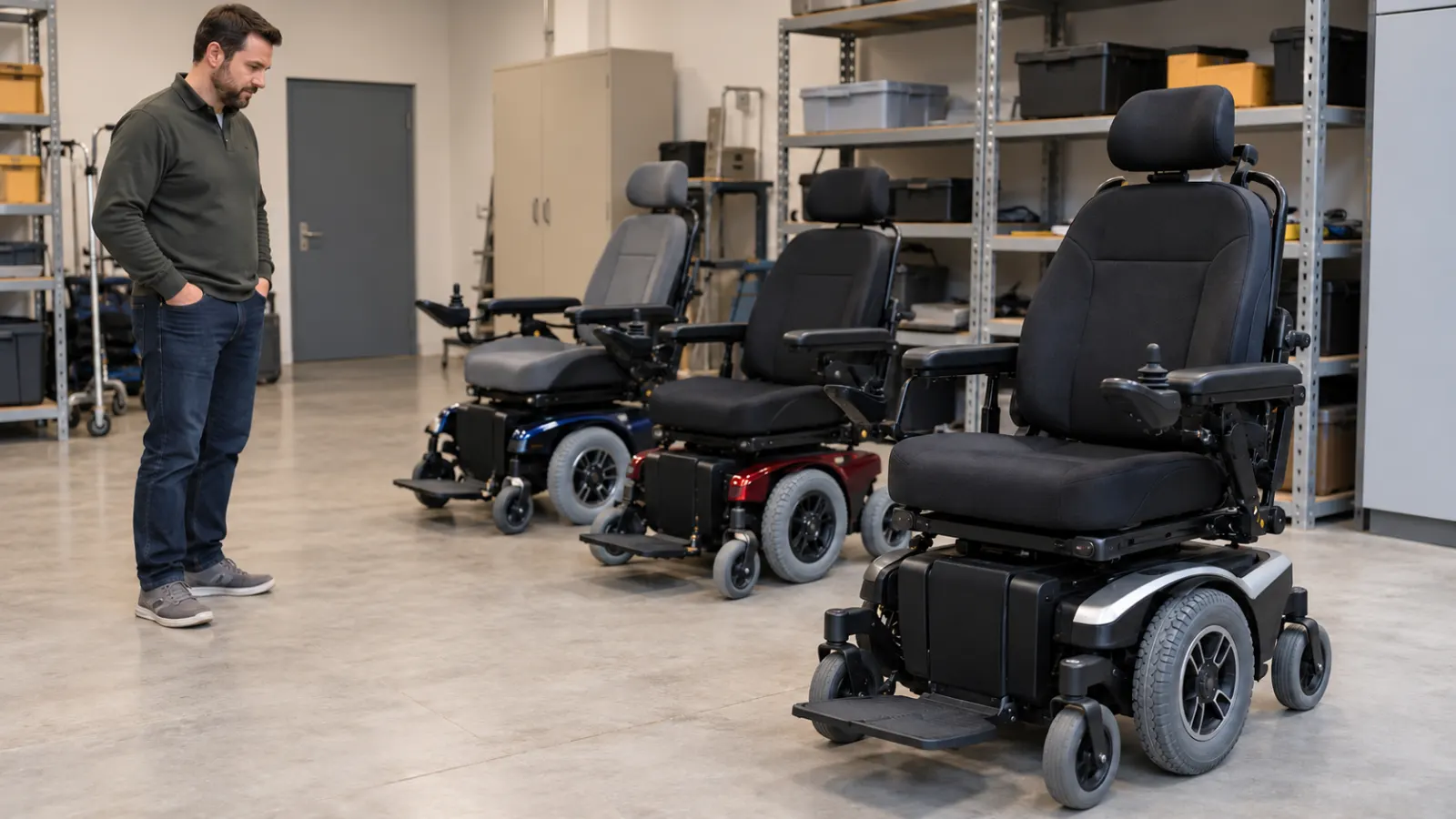
If you manage several power wheelchairs, ask suppliers about battery take-back, authorized replacement, and recycling support before purchasing equipment. Keep a separate end-of-life record for each battery rather than assuming one disposal arrangement applies to every model.
- Equipment reference: wheelchair model, serial or asset number, and location.
- Battery reference: chemistry, manufacturer, model, and condition as confirmed by the qualified reviewer.
- Responsible contacts: provider or service technician, recycler or collection program, and internal asset owner.
- Disposition evidence: approved collection route, date, transfer reference, receipt, and any unresolved issues.
Facilities may have additional hazardous-waste, recordkeeping, and contractor requirements that differ from household collection rules. Have the facility’s environmental, safety, and compliance owners confirm those requirements for the location and battery type.
In short: The safest answer to how to dispose of a power wheelchair battery is to identify it, confirm who can handle it, and obtain acceptance from the correct recycling channel before moving it. A damaged or unknown battery needs qualified assistance, not a do-it-yourself disposal attempt.
Video: Lead-Acid Battery Recycling — East Penn (2018 Facility Overview)