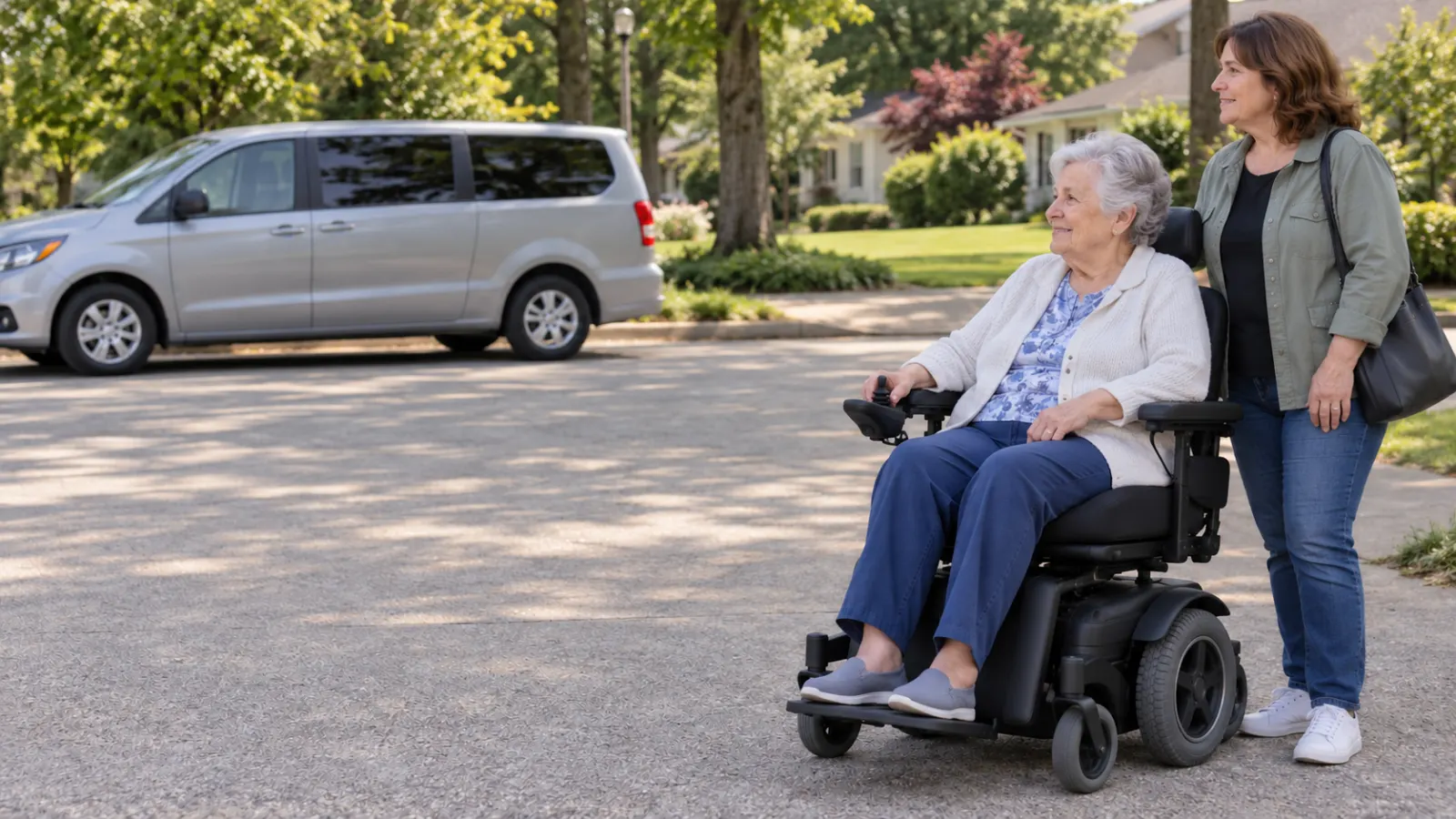

Using a wheelchair for seniors with limited leg mobility restores independence and prevents dangerous home falls. According to official CDC fall prevention guidelines, mobility aids provide essential physical support for aging adults who struggle with balance or muscle weakness.
However, improper transfer habits and poor posture can cause back pain, pressure ulcers, or tipping accidents.
As professional medical device manufacturers, our team at WheelchairsFactory.com builds mobility aids designed for long-term comfort and daily safety. In this practical guide, we cover step-by-step techniques for safe transfers, posture setup, and navigating everyday obstacles.
1. Safe Transfers: Getting In and Out of the Chair
Most wheelchair accidents happen during transfers between the bed, sofa, and seat. Always follow these basic safety rules before standing up or sitting down:
[Insert Product Image: Senior sitting comfortably in a supportive folding wheelchair]
Alt Text: Safe transfers in a wheelchair for seniors by WheelchairsFactory
| Wheelchair Category | Weight | Best For | Factory Recommendation |
|---|---|---|---|
| Ultra-Light Carbon Fiber | 13.5 kg | Frequent car travel & active family outings | WF-CF500 Series |
| All-Terrain Electric | 36 kg | Seniors living in rural areas with gravel or grass | WF-AT800 Series |
| Quick-Fold Commuter | 21.5 kg | Daily urban living & apartment elevators | WF-EZ300 Series |
| Power Recline & Rehab | 48 kg | Severe mobility limits & all-day postural support | WF-ER600 Series |
| Manual Transport Chair | 9.8 kg | Caregiver pushing & hospital visits | WF-M100 Series |
- Always Lock Both Wheel Brakes: Engage both wheel locks before touching the chair. Never attempt a transfer while the wheels can roll.
- Flip Up the Footrests: Always swing the footplates out of the way. If a senior steps onto the footrests, the chair can tip forward instantly.
- Keep Feet Firmly on the Floor: Position the user’s feet flat on the ground, shoulder-width apart, right below their knees.
- Use Armrests for Support: Place hands firmly on the armrests to push up gently. Caregivers should support the senior’s hips or waist rather than pulling on their arms.
2. Proper Sitting Posture to Prevent Pressure Sores
Seniors who spend several hours seated need proper spinal alignment. Poor positioning leads to sliding, poor blood circulation, and painful skin sores.
Follow the 90-90-90 posture rule:
- Hips: Sit all the way back against the backrest with hips bent at roughly 90 degrees.
- Knees: Keep knees level with the hips, bent at 90 degrees.
- Ankles: Rest both feet flat on the footplates at a 90-degree angle.
To ensure long-term comfort, choose a wheelchair for seniors with memory foam or gel pressure-relief cushions. For users who cannot shift their weight easily, tilt-in-space or reclining power chairs (such as our WF-ER600) help redistribute body pressure throughout the day.
3. Maneuvering Ramps, Curbs, and Narrow Doorways
Moving around outdoor environments requires balance and steady control:
Going Up Ramps and Inclines
- Lean slightly forward when pushing a manual chair uphill. This shifts the center of gravity forward and prevents backward tipping.
- When driving an electric wheelchair for seniors, set the speed to low (Level 1 or 2) and keep hands steady on the joystick.
Going Down Ramps and Slopes
- Go down ramps slowly. If a caregiver is pushing a manual chair down a steep slope, consider walking backwards to maintain complete speed control.
- Modern electric models from our factory feature automatic electromagnetic brakes that stop immediately if you let go of the controller.
Clearing Doorways and Thresholds
- Approach door thresholds straight on at a 90-degree angle rather than at a slant.
- Tight turning radiuses (under 800 mm) allow smooth movement inside compact bathrooms and elevators.
4. Selecting the Right Wheelchair for Seniors
Different levels of mobility require different frame engineering:
Wheelchair CategoryWeightBest ForFactory RecommendationUltra-Light Carbon Fiber13.5 kgFrequent car travel & active family outingsWF-CF500 SeriesAll-Terrain Electric36 kgSeniors living in rural areas with gravel or grassWF-AT800 SeriesQuick-Fold Commuter21.5 kgDaily urban living & apartment elevatorsWF-EZ300 SeriesPower Recline & Rehab48 kgSevere mobility limits & all-day postural supportWF-ER600 SeriesManual Transport Chair9.8 kgCaregiver pushing & hospital visitsWF-M100 Series.
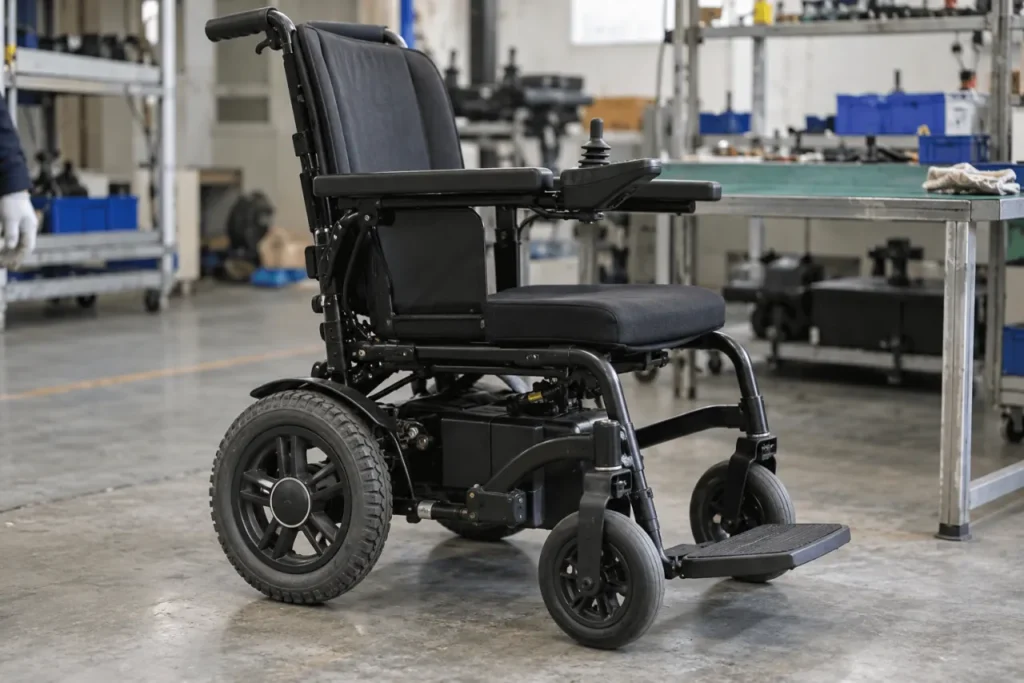
| Model | Wheelchair Type | Net Weight | Max Load | Drive Range | Best For |
|---|---|---|---|---|---|
| WF-CF500 | Carbon Fiber Power | 13.5 kg | 125 kg | 20 km | Flight travel & active seniors |
| WF-AT800 | Heavy-Duty All-Terrain | 36.0 kg | 180 kg | 32 km | Outdoor grass, gravel & hills |
| WF-EZ300 | Compact Folding Power | 21.5 kg | 135 kg | 18 km | Daily city commutes & car trunks |
| WF-ER600 | Power Recline & Tilt | 48.0 kg | 150 kg | 25 km | Rehab, posture & all-day sitting |
| WF-M100 | Ultra-Light Manual | 9.8 kg | 100 kg | Manual | Hospital transfer & backup use |
5. Daily Maintenance Checklist for Caregivers
Routine inspections keep every wheelchair for seniors operating smoothly:
- Tire Pressure and Tread: Check solid tires for uneven wear and confirm pneumatic tires have adequate air pressure each week.
- Brake Lock Testing: Engage the brakes and push firmly against the chair. The wheels should not budge.
- Battery Charging Routine: For electric chairs, charge lithium batteries after daily use. Never leave batteries completely drained for extended periods.
- Clean Upholstery: Wipe down breathable cushions with mild disinfectant wipes to maintain hygiene.
Why Source Directly from WheelchairsFactory?
Choosing reliable equipment protects senior health and provides peace of mind for families:
Dedicated Product Development
Our engineers focus on ergonomic product development. We build lightweight frames, responsive joysticks, and anti-tip wheels specifically designed for older riders.
Factory Quality Assurance
Every wheelchair for seniors produced in our plant undergoes rigorous dynamic drop tests, slope braking assessments, and electrical testing before shipment.
Long-Term Value and Support
We build equipment for long-term daily use. Our chairs come with modular replacement parts, easy-to-read manuals, and factory-backed warranties for distributors and personal buyers worldwide.
Preguntas frecuentes
Can seniors operate an electric wheelchair independently?
Yes. Modern power wheelchairs feature intuitive 360-degree joysticks with adjustable speed governors. Most seniors learn to steer safely within 10 to 15 minutes of practice in an open area.
Are footrests removable for easier patient transfer?
Yes. All factory models feature swing-away, removable, or fold-up footplates. This allows caregivers to stand close to the seat and ensures clear footing during standing transfers.
How do anti-tip wheels protect seniors on outdoor slopes?
Anti-tip wheels extend behind the rear drive wheels. If the wheelchair tilts backward while navigating a ramp or steep incline, these wheels make direct contact with the pavement to prevent tipping accidents.
How do I choose the right cushion to prevent pressure sores?
For seniors seated for more than 4 hours daily, choose high-density memory foam or multi-cell air cushions with breathable covers. These distribute body weight evenly and prevent tailbone friction.
Discover Reliable Mobility Solutions Today
Are you looking for a dependable wheelchair for seniors at competitive direct-from-factory rates?
Contact Our Team: Reach out today for wholesale catalogs, sample orders, and custom OEM manufacturing specifications.
Explore All Models: Visit WheelchairsFactory.com