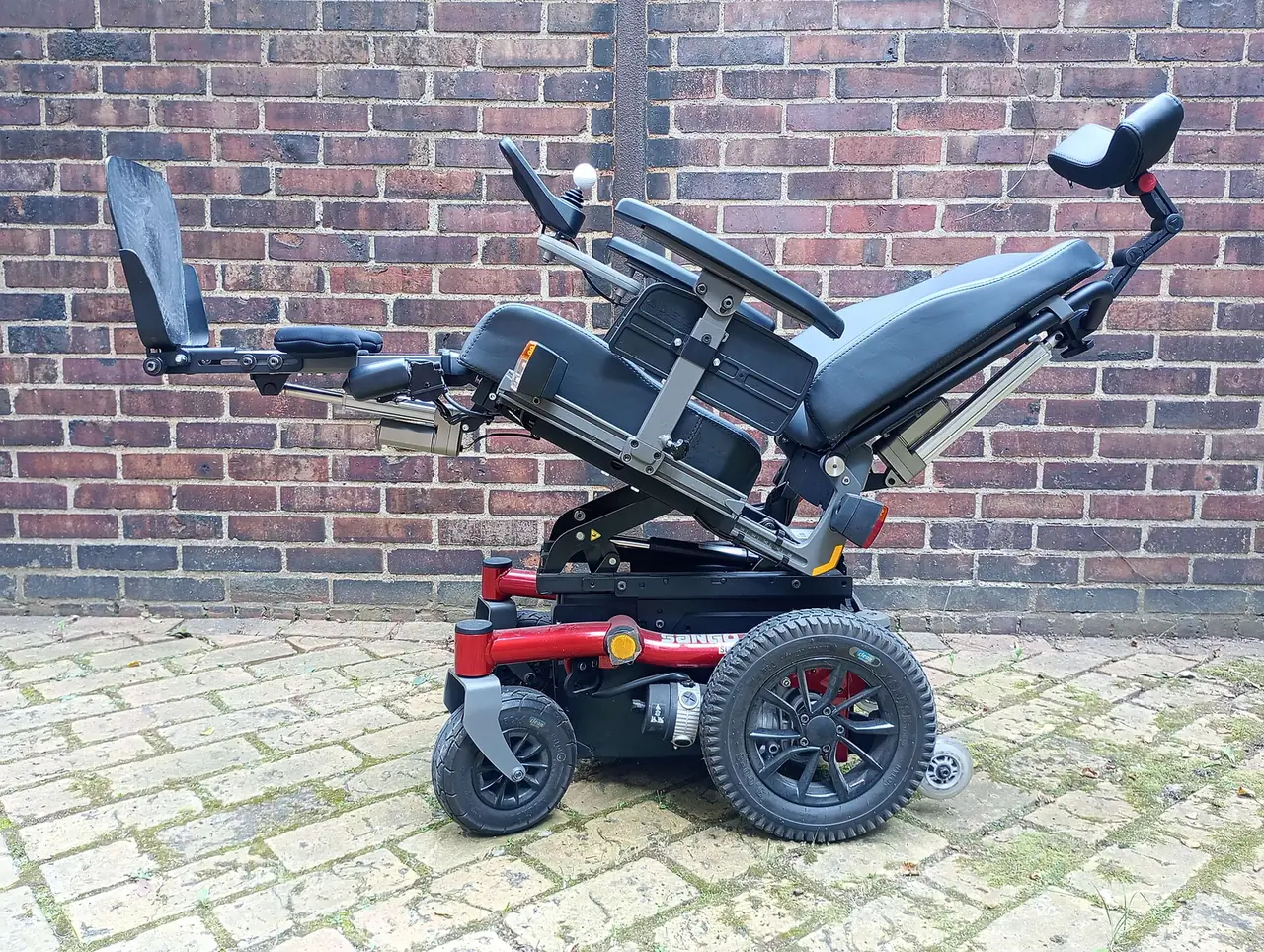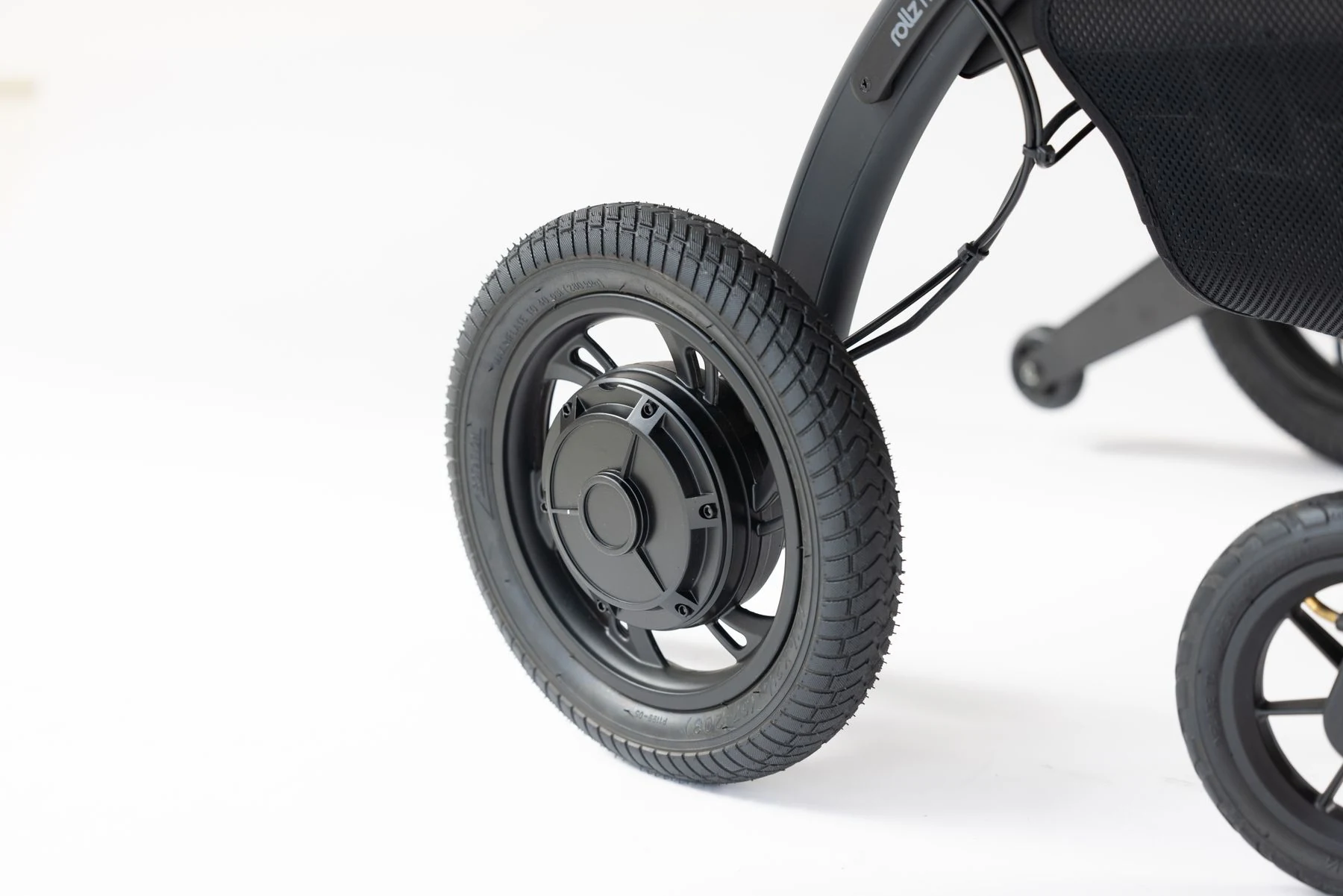
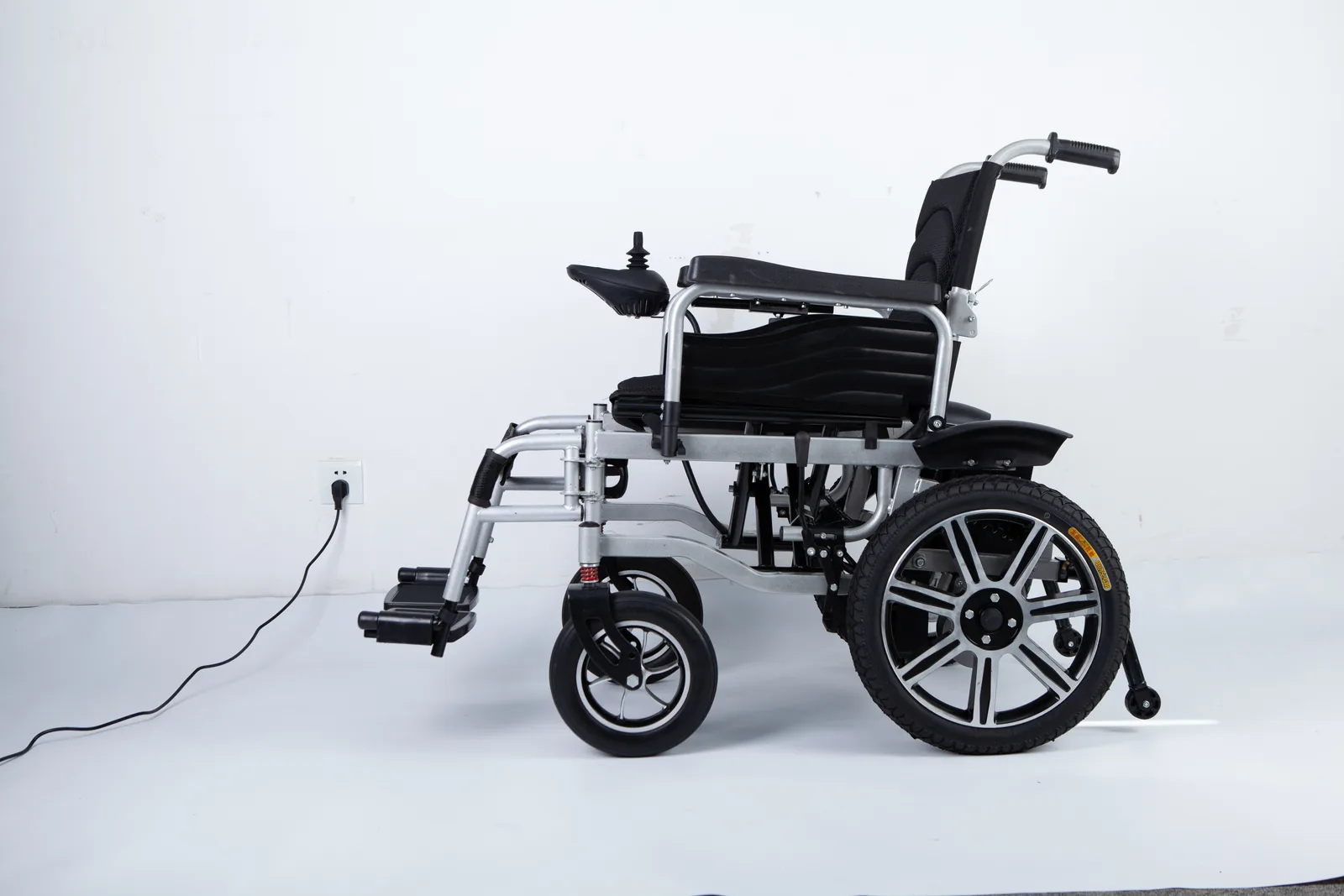
A US dealer receives a power wheelchair charger and must choose between two HCPCS codes before billing. The E2366 vs E2367 wheelchair charger decision turns on the charger’s design, the battery type, the service date, and the payer’s current policy — not on the code that looks closest.
E2366 and E2367 describe different charger configurations in the CMS quarterly code file, and the E2367 wording has changed between sources. Suppliers should record the exact charger and battery, compare the current CMS descriptor with older contractor guidance, and confirm classification and coverage with the payer before submitting a claim.
This article is written for US wheelchair equipment dealers and reimbursement staff. It does not decide coverage for any claim. It sets out what the named sources say, where they disagree, and which questions belong to the payer.
E2366 vs E2367 wheelchair charger: Identify charger and lead-acid battery type
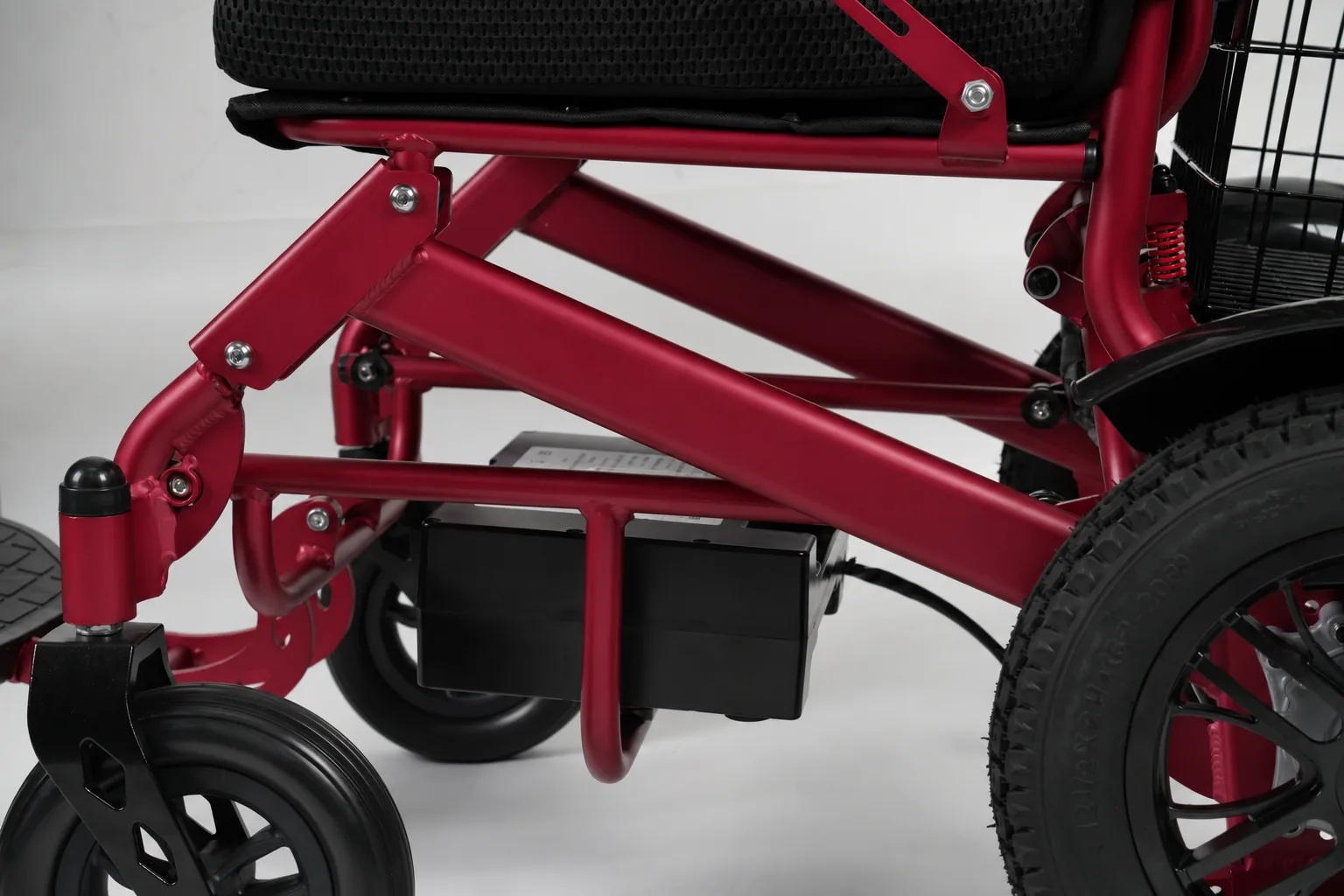
Start with the physical item and its paperwork, not with the code list. Before comparing E2366 and E2367, a supplier needs a record that another person — a biller, an auditor, or a payer reviewer — can follow without seeing the box. That record should identify the charger itself, the battery system it serves, and the date the item was furnished or the service was delivered.
Useful charger identification includes the manufacturer, model number, and any part or catalog number printed on the device or its labeling. Where the charger is supplied as part of a power wheelchair package, note how it is documented in the order and the product literature. The goal is a description specific enough that a reviewer can tell which physical configuration was supplied, rather than a generic entry such as “charger.” A model number alone is rarely enough if the same manufacturer sells more than one charger family, so pair the model with the configuration detail that the descriptors actually turn on.
Battery type matters because both code descriptors in the supplied CMS material refer to lead-acid batteries. That wording is a description of the code, not a statement that other battery chemistries are covered under a different code, and not a statement that a lead-acid descriptor automatically fits every lead-acid product. Record what the product documentation actually says about the battery, and keep that document with the claim file. If the documentation is silent or ambiguous, that is a question to resolve with the manufacturer before billing, not something to infer from the charger’s appearance. A charger that physically connects to a battery is not, by itself, evidence of the chemistry the code file names.
The service date is the third anchor. Coverage rules and code descriptors are tied to dates, and a descriptor that applies to a current service date may differ from the text a supplier remembers from an older notice. Record the date of service on the same worksheet as the charger and battery details, so that later comparisons are made against the right version of the policy. This matters most when an order is delivered in one quarter and billed in another, or when a resubmission follows a denial months after the original claim.
A practical identification sheet might look like this:
| Item to record | What to capture | Why it matters |
|---|---|---|
| Charger make and model | Manufacturer, model, part number from the device label | Distinguishes the actual item from a generic description |
| Mounting or configuration | How the charger is installed or supplied, per product documentation | Relevant to choosing between the two descriptors |
| Battery type | Wording from the product documentation | Both supplied descriptors refer to lead-acid batteries |
| Date of service | Date furnished or delivered | Determines which policy version applies |
| Payer and plan | Specific payer, plan type, and any prior authorization reference | Coverage rules vary by payer |
| Documentation on file | Order, invoice, product literature, correspondence | Supports the code selected |
This sheet is a working tool, not a coverage determination. Its value is that it forces the supplier to separate three things that are easy to blur: what the product is, what the code says, and what the payer will pay for. Keeping those three columns distinct in the file also makes a later audit conversation shorter, because each question can be answered from a named document rather than from recollection.
Compare code descriptions using authoritative sources
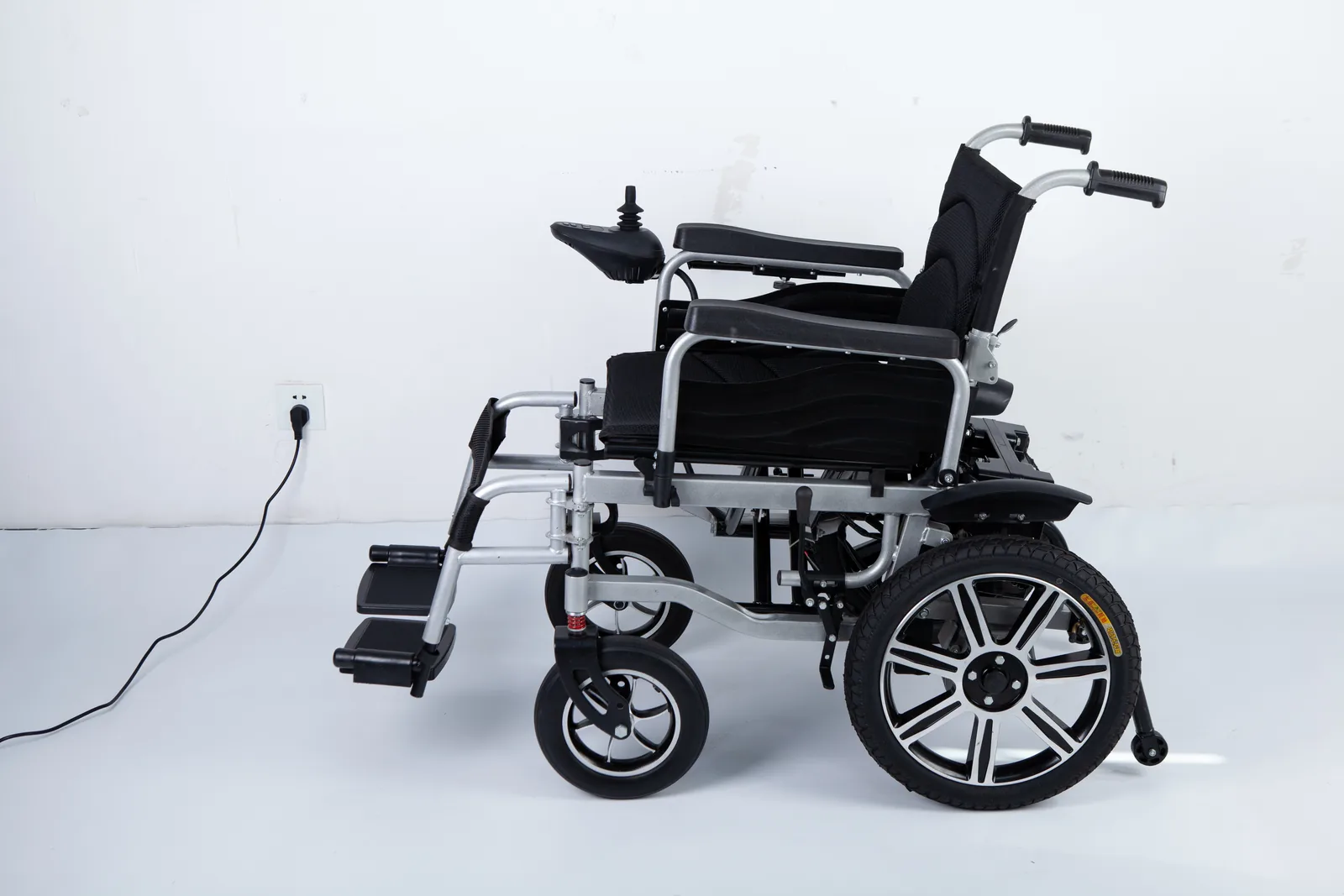
The CMS quarterly HCPCS update is the place to read the current code descriptors, and the two entries should be compared word by word rather than summarized from memory. The supplied reference points to the CMS quarterly update page as the source for the current code file. Suppliers should open the file for the quarter that covers the service date and read the E2366 and E2367 entries as written there.
The supplied material describes E2366 as a charger for a single power-driven wheelchair, with the descriptor referring to a lead-acid battery, and E2367 as a dual-mode charger, again with lead-acid battery wording. The distinction the descriptors draw is about the charger’s mode or configuration, not about the wheelchair’s brand or the patient’s condition. That is why the physical identification step comes first: the code follows the item described, and the item has to be described accurately before the code can be chosen. A supplier who starts from the code list and works backward toward the product is more likely to fit the documentation to the code than the code to the documentation.
Reading the descriptor directly also protects against a common failure mode in coding work — carrying forward a paraphrase. A short internal note such as “E2367 is the dual one” may be broadly right and still miss wording that a reviewer relies on. When the descriptor includes a qualifier such as a battery type or a mode, that qualifier is part of the code, not decoration. Quote the descriptor in the claim file rather than paraphrasing it, and note the file version or quarter the quote came from.
Comparison is also where suppliers should notice what the code file does not say. A descriptor does not establish that a particular product meets it, does not establish medical necessity, and does not establish payment. Those are separate questions with separate decision-makers. The code file tells you how CMS labels the item; the payer tells you whether the claim is payable under the plan and the applicable policy. Treating the code file as the whole answer is the most common way a supplier overstates what the documentation proves.
A side-by-side reading aid, using the descriptors as the supplied material presents them:
| Element | E2366 | E2367 |
|---|---|---|
| Core description | Charger for a single power-driven wheelchair | Dual-mode charger |
| Battery wording in descriptor | Lead-acid battery | Lead-acid battery |
| What the descriptor distinguishes | The charger configuration described | The charger configuration described |
| What it does not establish | Product fit, medical necessity, payment | Product fit, medical necessity, payment |
| Where to verify current text | CMS quarterly HCPCS update for the service date | CMS quarterly HCPCS update for the service date |
Suppliers who maintain a coding reference should date-stamp it. A descriptor copied into an internal guide in one quarter may not match the file in a later quarter, and a claim reviewed months later will be judged against the policy in effect for its service date. Keeping the source quarter and the retrieval date next to the quoted text makes that check routine rather than a scramble. The same habit helps when a colleague inherits a claim file: the quoted text and its date tell the next person exactly which version was used and whether it still needs rechecking.
Check policy and service-date applicability

The supplied material includes a 2018 DME MAC coding notice about incorrect use of a different code for billing a battery charger. That notice is relevant background, but its E2367 narrative conflicts with the CMS descriptor as the supplied material presents it: the older notice uses “only one” wording where the current CMS entry uses “either.” That is a real textual conflict, and suppliers should not resolve it by picking the version that suits the claim.
Where sources conflict, the service date and the payer’s current instruction control the review, and the conflict should be documented rather than hidden. The practical response is to keep both texts in the file, note which one applies to the service date, and ask the payer — or the appropriate contractor — to confirm the classification for the specific item. A written answer is worth more than an inference, because it can be attached to the claim record if the claim is later reviewed. The question should name the item, the two competing wordings, and the service date, so the responder can answer the actual point rather than a general query about chargers.
The CMS wheelchair options and accessories material is useful for background on how coverage of wheelchair equipment is approached, but it is not an individualized approval for a charger. Suppliers should read it as context and avoid treating a general coverage page as a determination for a particular claim. The same caution applies to any summary, including this article: a summary cannot substitute for the code file and the payer’s policy. Background material explains how a category is treated in principle; it does not tell a supplier what will happen to a specific line on a specific claim.
Service-date thinking also affects how a supplier handles a resubmission or a corrected claim. If the original claim used one descriptor and a later review suggests another, the question is not simply which code is “better” but which descriptor matches the item and which policy applied on the date of service. Changing a code without changing the supporting documentation creates a mismatch that is harder to defend than a documented, explained correction. A short note in the file explaining what changed and why is more useful to a reviewer than a silent edit to the claim.
A short applicability check before submission:
- Confirm the service date and identify the code file quarter that covers it.
- Quote the E2366 and E2367 descriptors from that file, with the retrieval date.
- Note any older contractor guidance in the file and state where its wording differs.
- Check the payer’s current policy for the plan and item type.
- Record any written payer guidance received, with the date and the name of the responder.
- Keep the product documentation that supports the descriptor selected.
None of these steps guarantees payment. They make the basis for the code visible, which is what a reviewer needs in order to evaluate the claim on its merits. A file that shows the reasoning is easier to correct than one that shows only a conclusion.
Record classification and coverage uncertainties
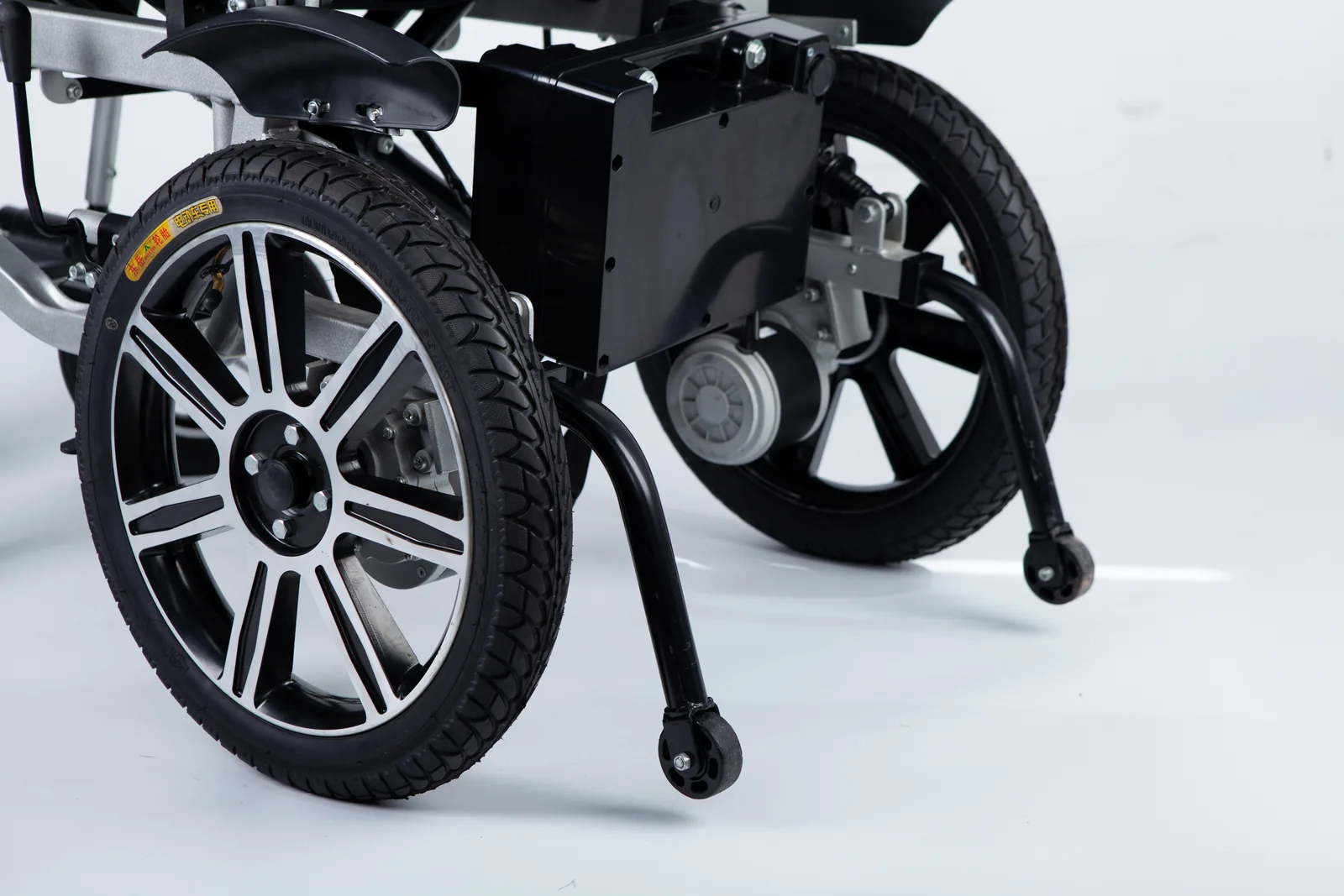
Some charger claims will not resolve cleanly from the documents on hand. The supplier’s job in that situation is not to guess confidently; it is to record the open question precisely and route it to the party who can answer it. A well-formed question is short, specific, and attached to the item and the service date.
Classification uncertainty usually looks like one of three things. First, the product documentation may not state the configuration in terms that map onto the descriptors — for example, the literature may describe charging behavior without using the mode language in the code file. Second, the battery documentation may be unclear about chemistry or may describe a system in a way that does not match the descriptor’s battery wording. Third, the supplier may have two documents that describe the same product differently, such as an older spec sheet and a current one. In each case, the next step is to obtain a current document from the manufacturer rather than to choose the more convenient description. Where two documents conflict, the newer one is not automatically correct either; the supplier should ask the manufacturer which document reflects the item as supplied.
Coverage uncertainty is a different question and belongs to the payer. Even a correctly classified item may be subject to plan rules, medical necessity review, prior authorization, or documentation requirements that the supplier cannot settle alone. The supplier can prepare the file; the payer decides. Writing to the payer with the item, the proposed code, the service date, and the supporting documents attached gives the reviewer what they need and creates a record of the question asked. Keeping that correspondence with the claim file means a later reviewer can see that the supplier identified the ambiguity and sought guidance rather than assuming an answer.
A simple uncertainty log keeps these threads from being lost between the person who handled the order and the person who bills it:
| Open question | Who can answer it | What to attach |
|---|---|---|
| Which descriptor matches this charger’s configuration? | Manufacturer documentation; payer if still unclear | Current product literature, device label photo |
| Does the battery documentation match the descriptor wording? | Manufacturer | Current battery specification |
| Which policy version applies to this service date? | Payer or applicable contractor | Code file quarter, service date |
| Is prior authorization or additional documentation required? | Payer | Order, invoice, product documents |
| How should the older notice’s wording be treated? | Payer or contractor, in writing | Copy of the older notice and the current descriptor |
Two habits make this log useful. First, date every entry, including the date a question was sent and the date a reply arrived. Second, record the answer in the same place as the question, so that a later claim review does not depend on someone’s memory of a phone call. Where a payer gives verbal guidance, note the date, the representative’s reference if provided, and follow up in writing where possible. An undated note is only slightly better than no note, because it cannot be matched to the policy version in force at the time.
Suppliers should also resist the temptation to treat a code as a marketing label. The descriptor describes an item category for billing; it does not certify the product’s performance, its compatibility with a particular wheelchair, or its suitability for a particular user. Those are product and clinical questions, and they are answered by the manufacturer’s documentation and, where relevant, by the treating professionals involved in the user’s care. Keeping billing language and product language separate in the file prevents a code from being quoted as though it were a specification.
FAQ
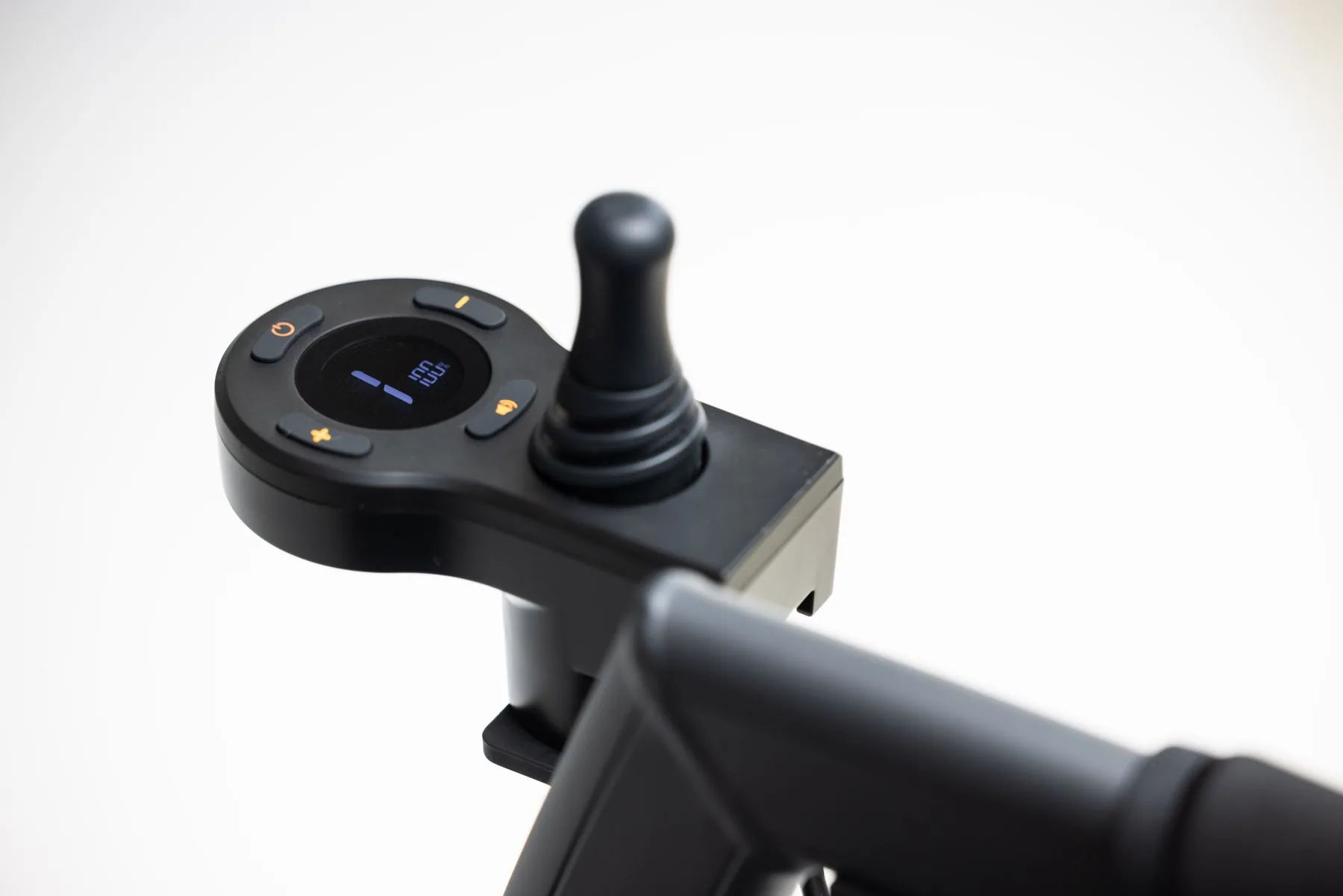
Does the code depend on onboard mounting?
The supplied descriptors distinguish a charger for a single power-driven wheelchair from a dual-mode charger. Mounting or configuration is part of how the item is described, so the product documentation should be checked for how the charger is installed or supplied. Where the documentation does not make the configuration clear, confirm it with the manufacturer and, if classification is still uncertain, with the payer.
Does a code guarantee payment?
No. A code identifies the item category for billing. Payment depends on the payer’s policy, the plan, medical necessity, documentation, and the service date. Suppliers should verify the payer’s current requirements rather than treating code selection as an approval.
Do these lead-acid descriptions establish lithium compatibility?
The supplied descriptors refer to lead-acid batteries. That wording does not establish coverage or classification for lithium or other battery chemistries, and it should not be read as a compatibility statement. Battery type should be taken from the product documentation, and any question about a different chemistry should be directed to the payer and the manufacturer.
Conclusion
Record the charger, battery, and service date; quote the current CMS descriptors; flag the older notice’s conflicting wording; and confirm classification and coverage with the payer before billing.