A dealer or caregiver finds an anti-tipper listing, sees a price, and wants to order. The hard part is not the purchase; it is proving that this specific part belongs on this specific chair. This guide organizes the evidence to collect first, so the question you send to a manufacturer or service provider can actually be answered.
Anti-tippers are not interchangeable across manual wheelchairs. Before ordering, record the exact chair model, serial number, configuration, and any existing accessories, then ask the original manufacturer or a qualified service provider to confirm that the named part is approved for that chair. A part that physically enters the frame is not the same as an approved fit, and wheelchair anti tippers compatibility is a documentation question before it is a purchasing one.
Wheelchair anti tippers compatibility: Identify the wheelchair and configuration
Start with the chair itself, not the accessory. Anti-tipper compatibility questions are answered against a specific model and build, and a photograph of a frame tube rarely carries enough information. The order record, the frame label, and the owner manual should agree on the model name, and the serial number should let the manufacturer trace the build. If those three sources disagree, treat the disagreement as an open question rather than choosing the most convenient version.
Dealers and repair coordinators often handle chairs that have been through several owners. In that situation, the configuration may have changed since delivery: wheels, rear axle hardware, and other accessories can be replaced over time. The point of recording configuration is not to judge whether those changes were appropriate, but to give the manufacturer enough context to answer the compatibility question accurately. A chair described only as “a folding manual wheelchair” is not identifiable for parts purposes, and a provider who receives that description can only guess or ask again.
There is a practical reason to be strict here. Anti-tippers attach at the rear of the chair, an area that also carries the rear wheels, axle hardware, and sometimes other accessories. Two chairs that share a model name but differ in rear wheel or axle setup may not present the same attachment situation. Recording the build as it stands now, rather than as it was originally specified, keeps the request honest about what the provider is being asked to approve.
Identify the exact chair configuration
Write down the model name exactly as printed, the serial number, and any version or revision marking you can find on the label or in the documentation. Then list what is currently fitted: rear wheels and axle type, any existing anti-tipper or rear attachment, and any accessory that occupies the same area of the frame. Note whether the chair is as delivered or has been modified, without attempting to reverse or correct those changes yourself.
Where the manual is available, note its document number and revision. Manuals change, and a warning or specification from one revision should not be assumed to apply to another. If the manual cannot be located, that is itself a finding to record: the confirmation request will need to include a request for the correct document for that model and build. A missing manual does not block the process, but it does change what the provider must supply.
Record the accessory and source
For the anti-tipper itself, record the accessory name, the manufacturer, and the part number exactly as shown in the listing. Save the listing as observed, with the date you saw it, because accessory pages are updated and a later version may describe a different scope. Note whether the listing names specific chair models or families, and copy that wording rather than paraphrasing it into something broader.
Keep the source attached to the record. A screenshot or saved page that shows the part number and the model-scope statement is more useful to a service provider than a forwarded link whose content may have changed. If the listing came from a reseller rather than the original manufacturer, record that too, since the confirmation should ultimately come from a source that can speak for the chair.
| Record item | Where to find it | Why it matters for the order |
|---|---|---|
| Chair model name | Frame label, order record, manual cover | Ties the request to a documented product |
| Serial number | Frame label or stamped plate | Lets the manufacturer trace the build |
| Manual document number and revision | Manual cover or footer | Prevents applying another revision’s instructions |
| Current rear wheel and axle setup | Visual record plus order history | Part of the configuration the accessory must suit |
| Existing rear accessories | Visual record | Identifies possible conflicts at the attachment area |
| Anti-tipper name and part number | Accessory listing | The exact item being evaluated |
| Listing source and date observed | Saved page or screenshot | Shows what the scope statement said when checked |
| Unknown items | Your own notes | Becomes the list of questions for the provider |
Read the accessory listing’s model scope
An accessory page is a scope statement, not a universal promise. Manufacturer listings differ in how narrowly they define which chairs an anti-tipper serves, and reading that scope carefully is the core of wheelchair anti tippers compatibility work. Two named examples show why the wording matters, and why the same reading routine applies whether the listing is long or short.
Karman Healthcare maintains an anti-tippers accessory page that presents anti-tip components for wheelchairs and directs buyers to confirm with the manufacturer. That page is useful as an example of a manufacturer organizing anti-tipper parts as accessories with a confirmation step, rather than as evidence that any particular part suits any particular chair. The confirmation step is the substance: the listing tells you a part exists and that the manufacturer should be consulted about the match. A buyer who stops at the product photo has skipped the part of the page that matters most.
Motion Composites describes a swing-away anti-tipper as an accessory for its named folding wheelchair line. That is a manufacturer-scoped statement about its own products. It does not transfer to another brand, another model family, or to Wheelchairs Factory equipment. Reading it correctly means noting that the scope is limited to the named folding chairs and asking the same kind of question of whichever manufacturer stands behind the chair you actually have. The value of the example is the pattern, not the part.
A practical reading routine helps here. First, find whether the listing names chair models at all. Second, check whether the named models include yours, using the exact model name rather than a similar one. Third, look for any statement about configuration, such as a required axle type or a note that the accessory suits only certain builds. Fourth, note what the listing does not say. Silence about a model is not approval; it is an unanswered question that belongs in the confirmation request.
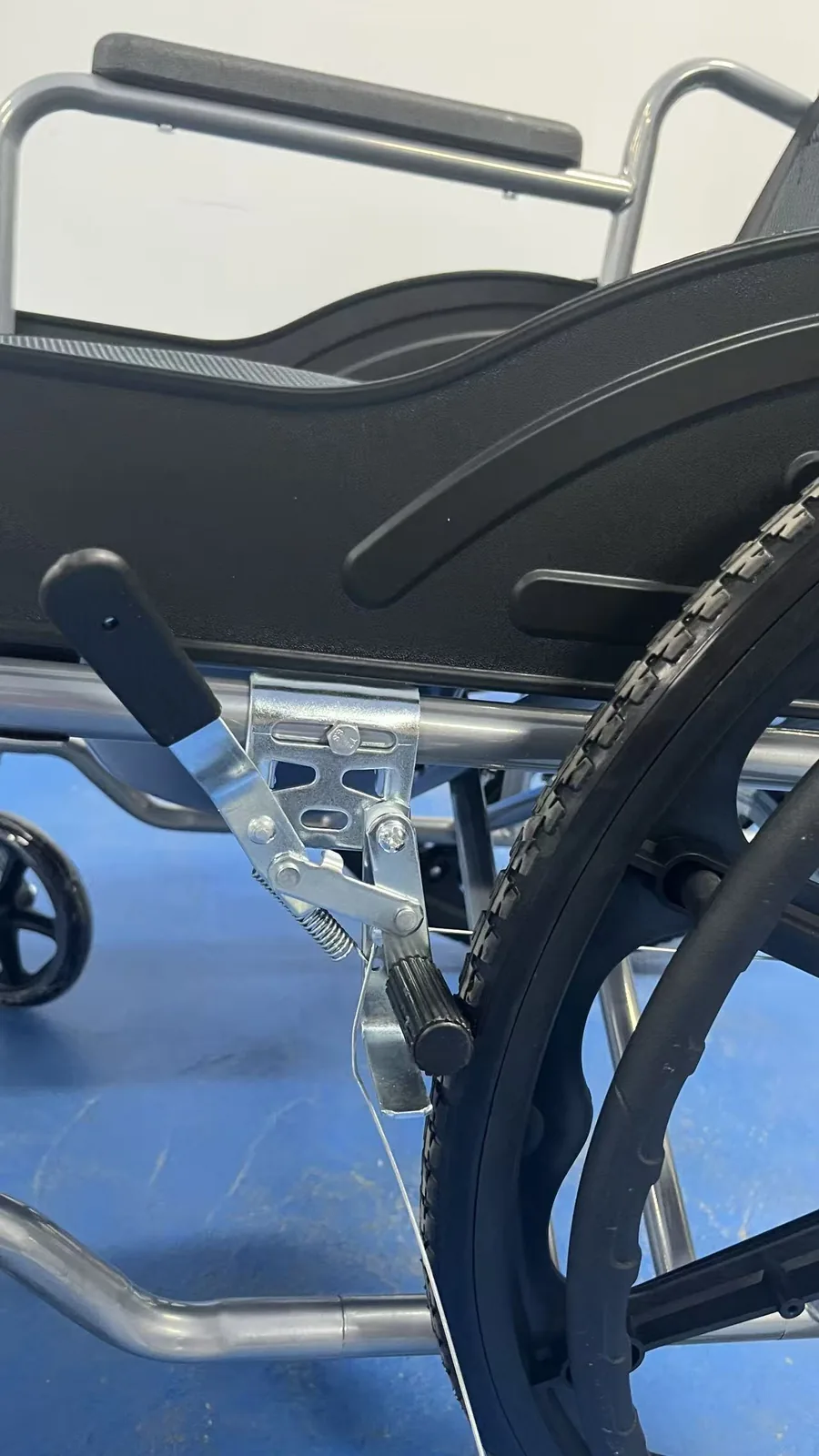
Resellers add a further layer. A reseller page may repeat part of a manufacturer’s scope or may describe the part in its own words. When the two differ, the manufacturer’s statement about its own chair carries the weight, and the difference itself is worth recording. This is also where wheelchair anti tip bars fit questions usually go wrong: a buyer matches a photo of a bracket to a photo of a frame and treats visual similarity as a match. Photographs cannot confirm tube diameter, mounting hardware, or approval status.
| Evidence type | What it can establish | What it cannot establish |
|---|---|---|
| Manufacturer accessory listing naming specific chairs | That the manufacturer presents the part for those named chairs | Fit on any other model or brand |
| Manufacturer listing with a confirm-with-us instruction | That confirmation is expected before purchase | That the part is approved for your chair |
| Reseller description | That the part is offered for sale | The original manufacturer’s scope |
| Photograph of bracket and frame | General appearance | Dimensions, hardware match, or approval |
| Owner manual for the exact model and revision | Model-specific warnings and configuration notes | Approval of a part the manual does not name |
Separate fit, configuration and safety instructions
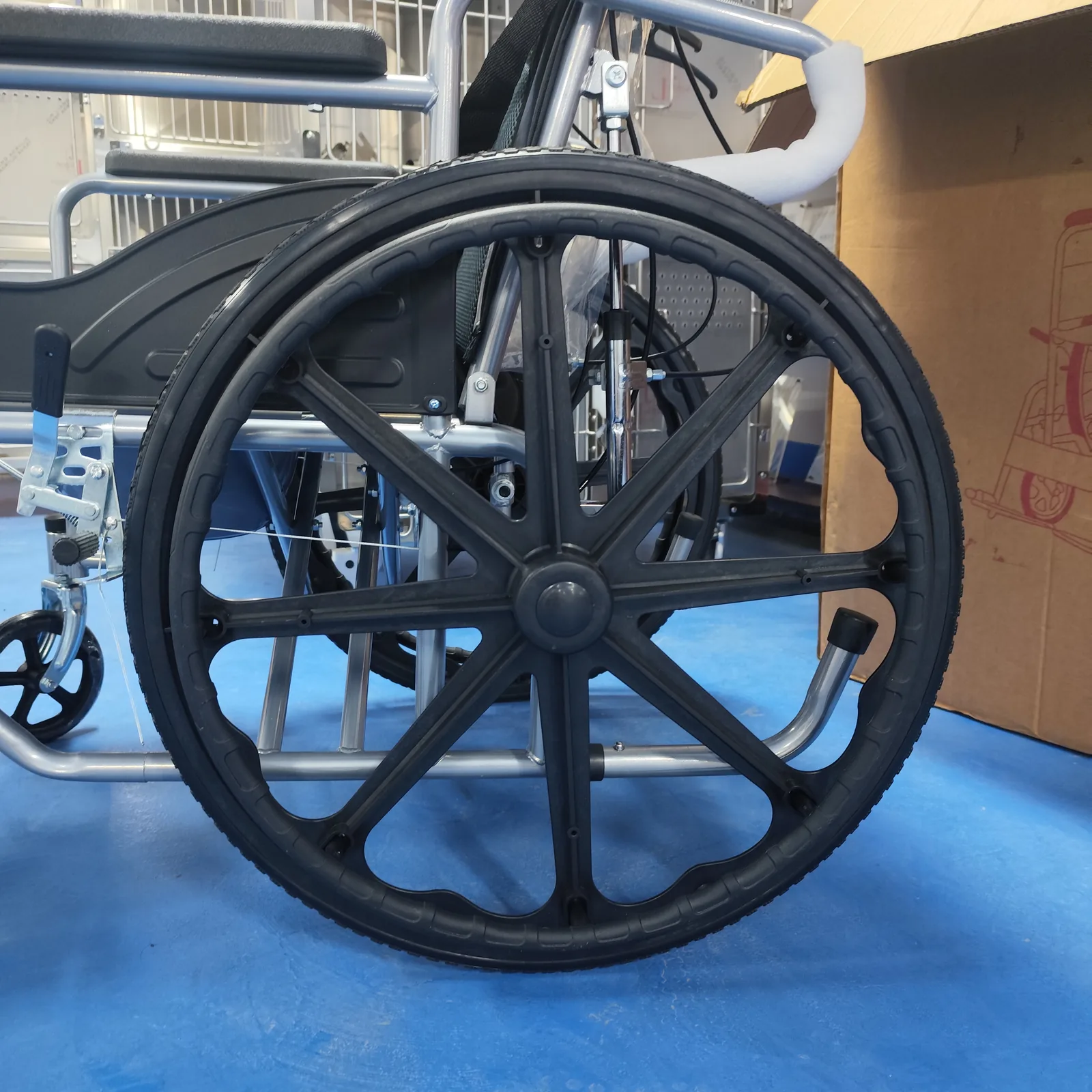
Three different questions get mixed together in anti-tipper ordering, and separating them prevents most bad purchases. The first is mechanical fit: whether the part can be attached to the chair’s frame or axle area as designed. The second is configuration: whether the chair’s current build, including wheels, axle, and other accessories, is the build the part was intended for. The third is the safety instruction set: what the chair’s own manual says about anti-tippers, rear attachments, and the conditions under which the chair is used.
A part that fits into the frame proves only the first question, and only partially. Mechanical fit does not demonstrate that the manufacturer approved the combination, that the configuration matches the intended build, or that the resulting chair behaves as the manual describes. This is the distinction behind the common assumption that a bracket which slides into place must be the right bracket. It may be the wrong length, intended for a different axle, or approved only for a model with a different rear frame. Each of those possibilities is invisible from the outside of the tube.
The Motion Composites folding wheelchair user manual, document 0070757E-00, is a useful example of why the manual belongs in the same file as the accessory listing. That manual addresses anti-tippers alongside other rear-area topics such as quick-release axles and slope warnings. The specific content applies to the models that document covers, and it should not be applied to another chair or another manual revision. The general lesson does transfer: the chair’s own documentation is where model-specific warnings live, and a service provider confirming a part will want to see it.
Configuration questions that need a qualified decision include whether an existing rear accessory conflicts with the anti-tipper, whether the current axle setup matches what the part was designed for, and whether the chair has been altered in a way that changes the answer. These are not questions to settle by trial attachment. Record them as open items and route them to the manufacturer or a qualified service team, who can compare the actual build against the documentation. A dealer who writes these down separately from the mechanical fit question gives the provider a cleaner task.
Safety instructions deserve the same treatment. Where the manual carries warnings about rear attachments or about using the chair on slopes, those warnings belong to that model and revision. Copy the relevant wording into the record with its document number, and let the service provider interpret it for the chair in front of them. Do not generalize a slope figure, a warning, or an installation note from one manual to another chair. The purpose of quoting the manual is to show which document the provider should check, not to substitute your reading for theirs.
Prepare a provider confirmation card

A confirmation card is a one-page record you send to the manufacturer or qualified service provider so they can answer a single, well-defined question: is this anti-tipper approved for this chair as configured? The card works because it removes the guesswork from their side. Instead of asking whether a part fits a wheelchair, you are asking whether a named part suits a named model, serial number, and build.
Build the card in a fixed order so nothing important is left out. Start with chair identity, then configuration, then the proposed part, then the evidence sources, then the open questions. Keep photographs clearly labeled and dated, and avoid using a photo as a substitute for a part number. If the chair has been modified, say so plainly and describe the modification without arguing for or against it; the provider needs the fact, not a justification.
| Confirmation card field | What to enter |
|---|---|
| Chair make and model | Exactly as labeled |
| Serial number | From the frame label |
| Manual document number and revision | From the manual in hand |
| Current rear wheel and axle setup | Description plus dated photo |
| Existing rear accessories | Description plus dated photo |
| Proposed anti-tipper | Manufacturer, name, part number |
| Listing source and date observed | Saved page or screenshot reference |
| Question asked | A single clear compatibility question |
| Unknown or unresolved items | Listed explicitly |
| Confirmed by and date | Completed by the provider’s reply |
The last two rows do the most work. Listing unknowns explicitly tells the provider where the record is incomplete, which is often more useful than a confident but partial description. The confirmation row keeps the answer attached to the record: who confirmed the part, on what date, and against which documents. That matters for dealers handling several chairs, because a verbal answer on one chair can otherwise drift into an assumption about another.
Keep the completed card with the chair’s service file. If the same model appears again in a fleet, the card becomes a template for the next request, though each serial number and configuration still needs its own confirmation. For dealers, this is also where the WCF applications page can help frame how the chair is used, since the setting in which equipment operates is part of the context a provider may ask about. That page describes applications; it does not establish that any particular anti-tipper is supplied or approved.
When the correct part cannot be confirmed
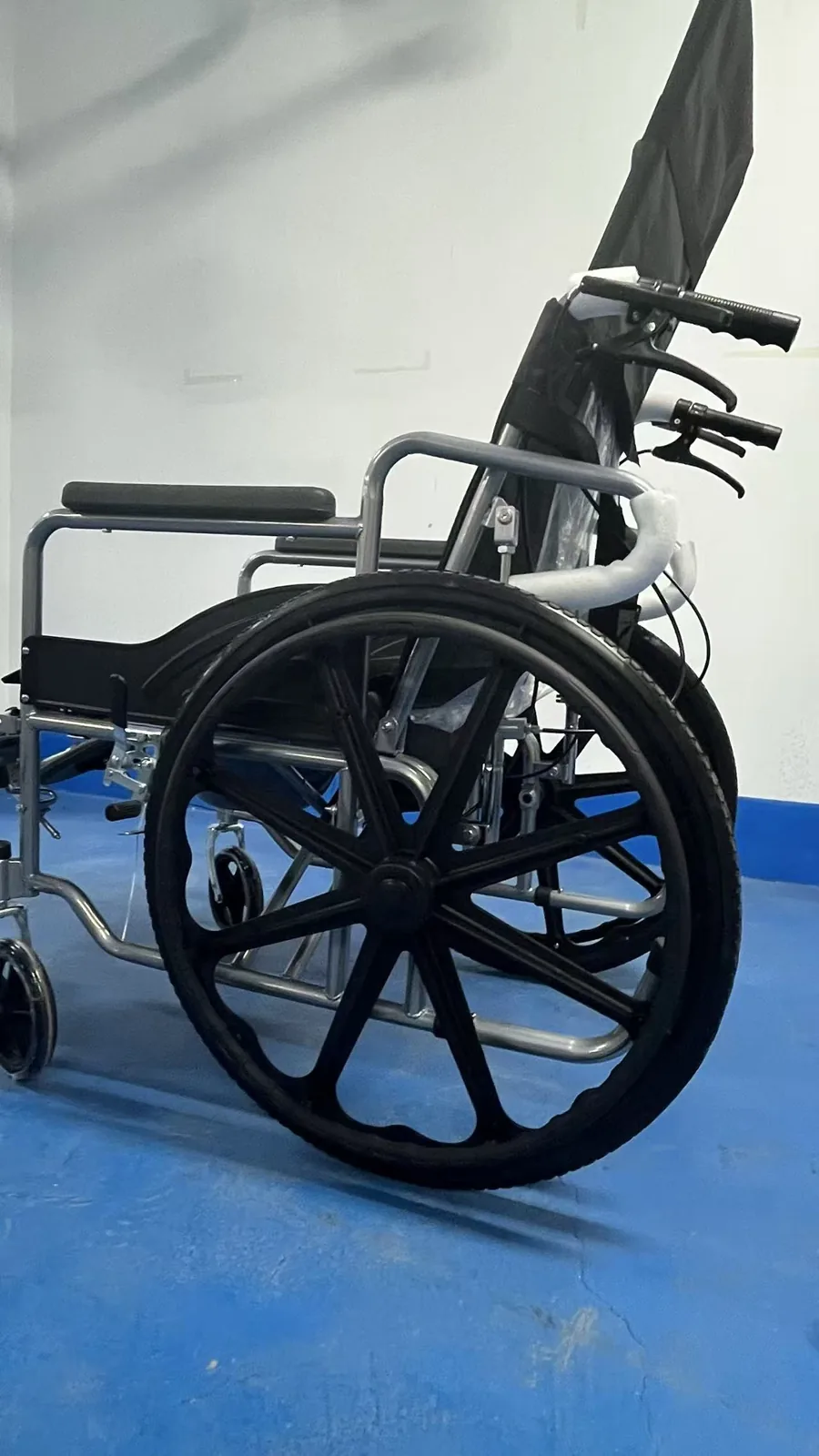
Sometimes the evidence does not come together. The manual is missing, the listing does not name the model, the manufacturer no longer supports the chair, or the replies conflict. In that situation the responsible step is to stop and keep the chair as it is rather than adapting a part to make it work. Drilling, bending, or substituting hardware turns an open compatibility question into an unapproved modification, and it removes the possibility of a clean answer later.
Record what is missing and who was asked. A dealer who documents that the manufacturer was contacted and did not confirm the part has a defensible record; a dealer who fitted a similar-looking bracket does not. For a caregiver or chair owner, the same discipline applies at a smaller scale: keep the listing, keep the manual, and keep the reply. If the chair is needed urgently, ask the service provider about the interim options they can support, rather than deciding unilaterally. The urgency of the moment is exactly when an unapproved part is most tempting and least defensible.
There is also a legitimate outcome where the answer is that the part is not available for that chair. That is a useful result, not a failure of the process. It redirects the search toward a provider who can advise on the chair as built, and it prevents a purchase that would have to be reversed. Where a replacement is being sought for an existing anti-tipper, the old part’s markings and the original order record are the best starting evidence, and they should go on the confirmation card alongside the new candidate. A worn or unmarked old part still tells the provider something about what was originally fitted, even when the markings are incomplete.
For a dealer, an unresolved case is worth keeping as a record rather than closing quietly. If the same model returns to the workshop, the earlier correspondence shows what was asked, what the manufacturer said, and what remained open. That history shortens the next request and prevents a second buyer from repeating the same dead end.
FAQ
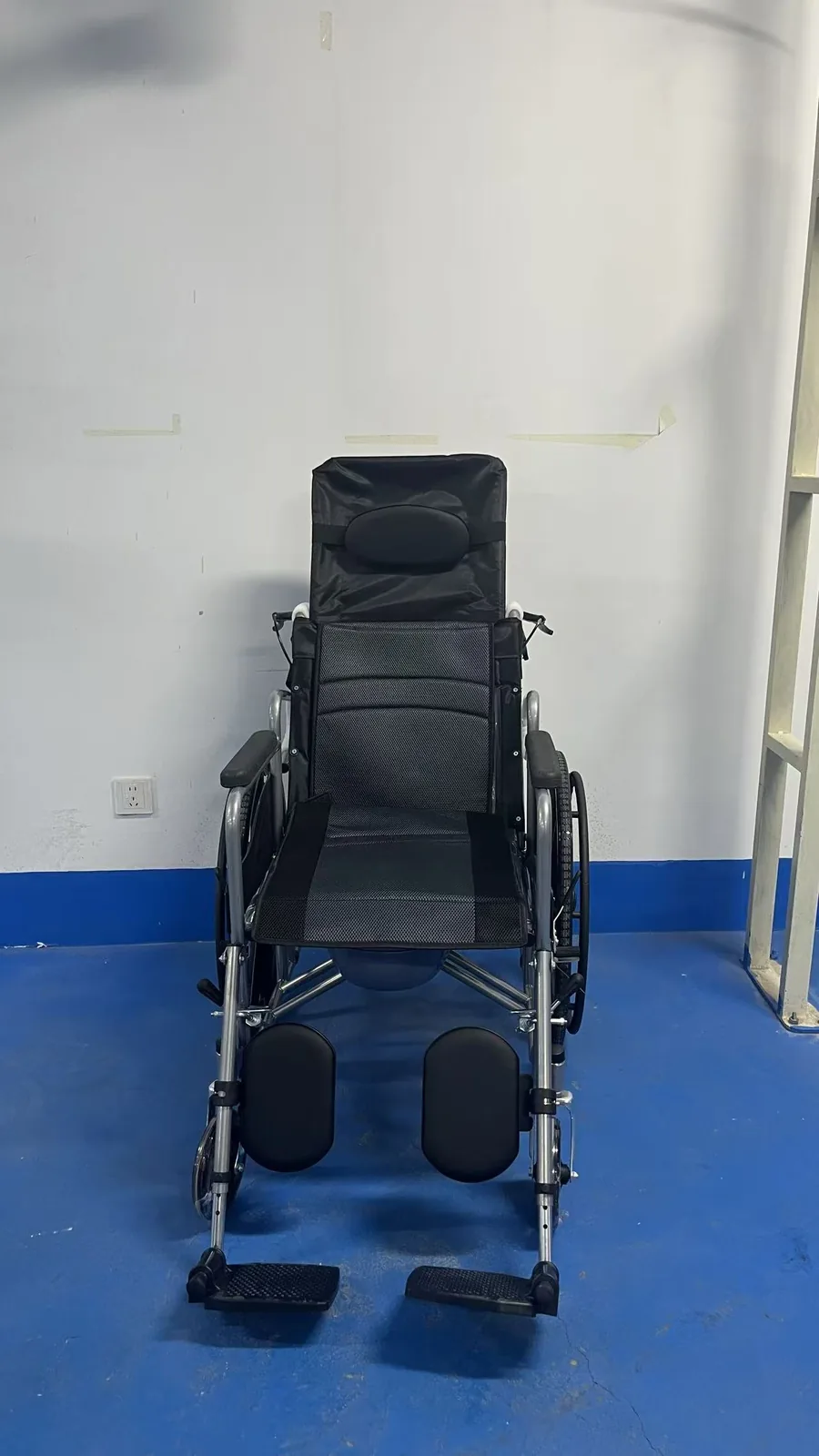
Do anti-tippers fit every manual wheelchair?
No. Anti-tippers are model-scoped accessories. Manufacturer listings name the chairs or chair families a part is intended for, and some direct buyers to confirm with the manufacturer. A part offered for one folding chair line should not be assumed to suit another brand or model.
What should I send a service provider before ordering?
Send the chair’s exact model name, serial number, manual document number and revision, a description and dated photos of the current rear wheel, axle, and accessory setup, the proposed anti-tipper’s name and part number, the listing source with the date observed, your specific compatibility question, and a list of anything still unknown.
Does a part fitting into the frame prove it is approved for the chair?
No. Physical fit addresses only whether the part can be attached. It does not show that the manufacturer approved the combination, that the chair’s configuration matches the intended build, or that the manual’s warnings for that model have been considered. Approval needs a documented answer from the manufacturer or a qualified service provider.
Conclusion
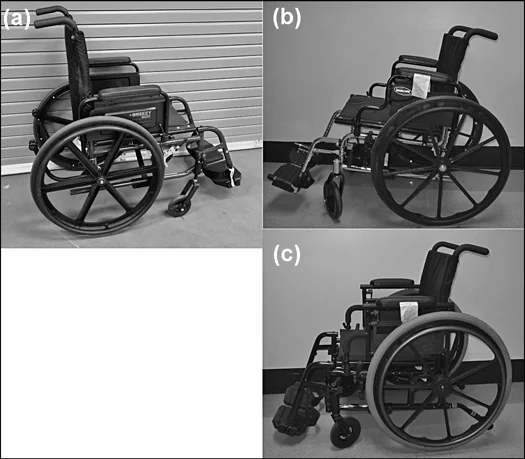
Record the chair, the configuration, and the exact part, then get written confirmation before ordering. If that confirmation cannot be obtained, do not modify the chair to make a part fit.