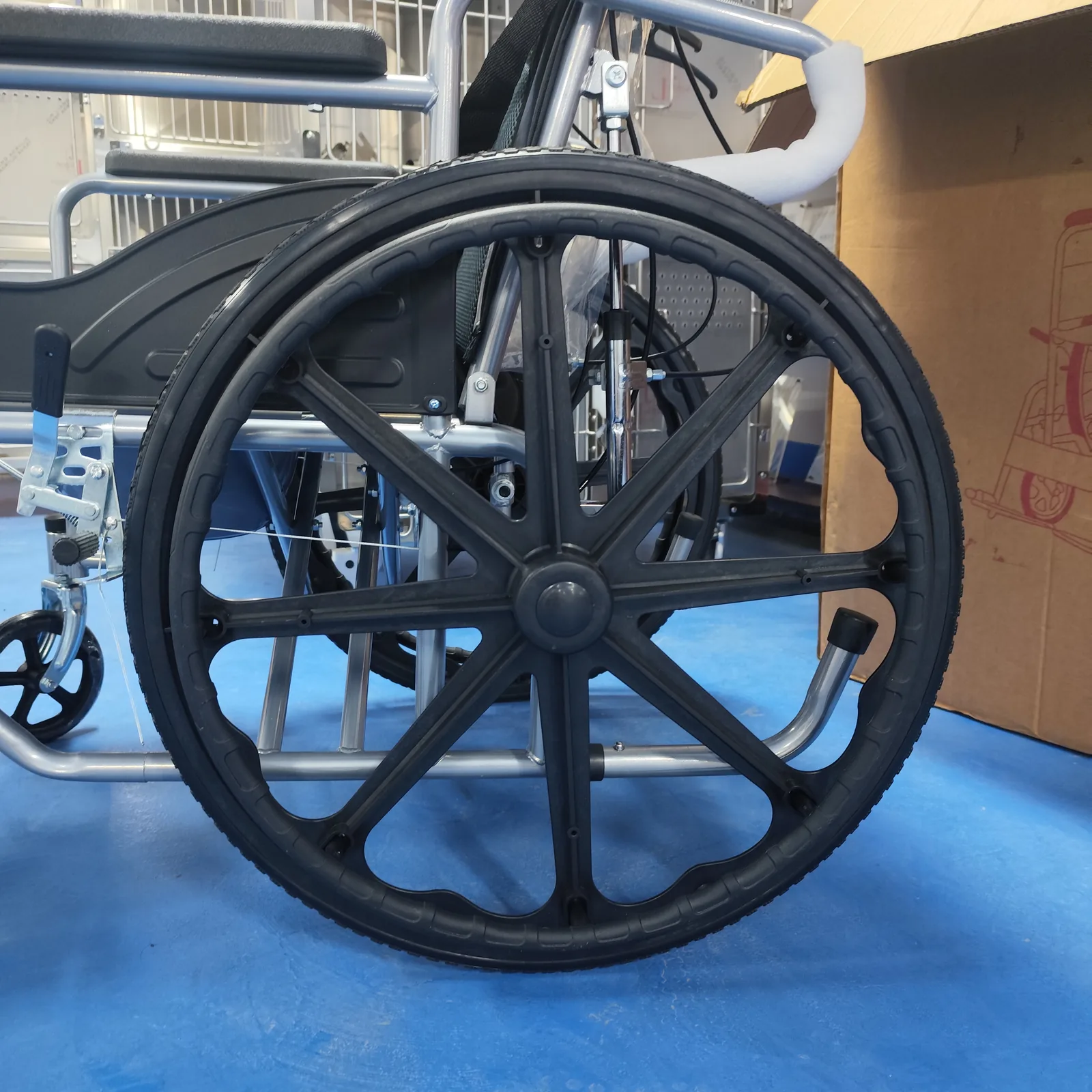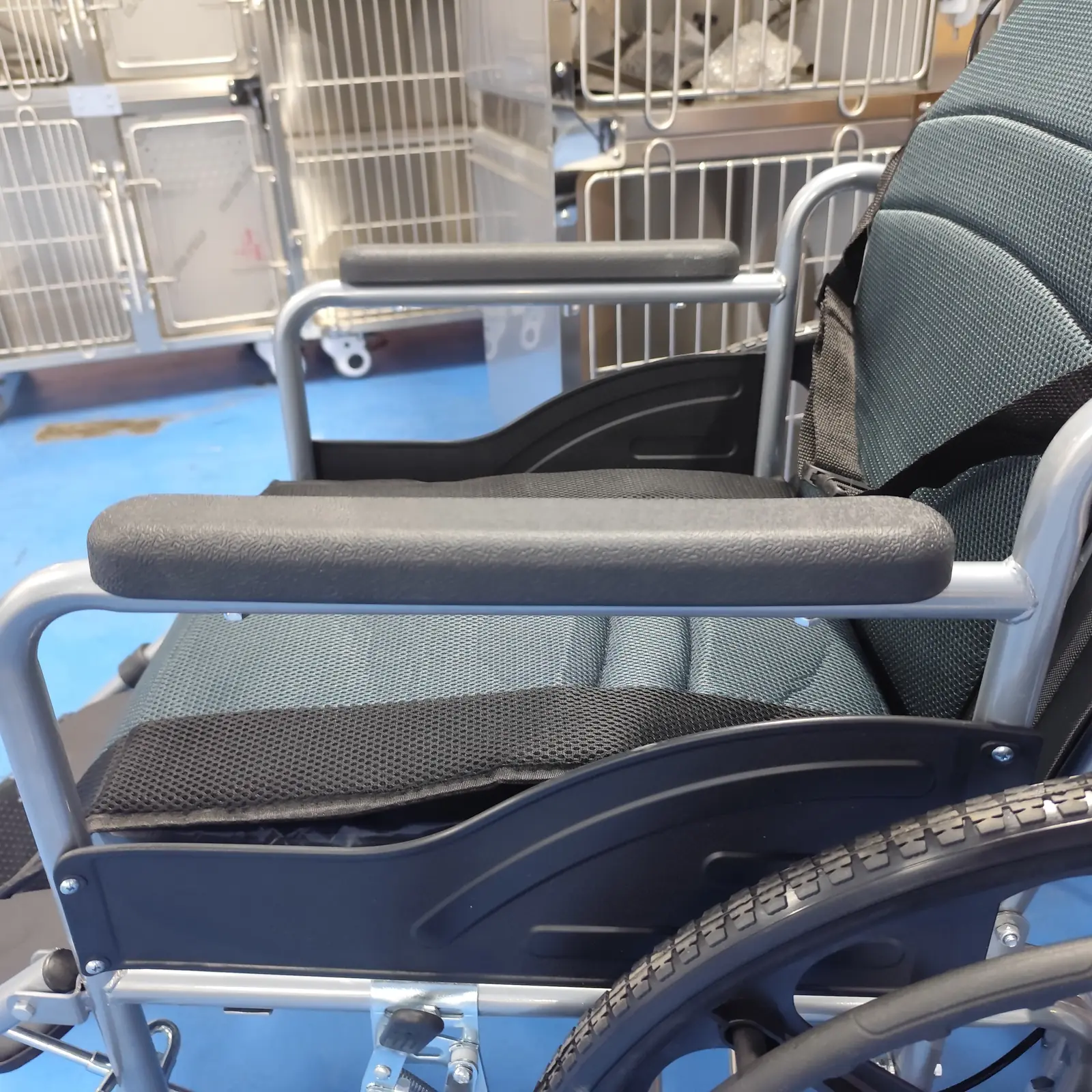
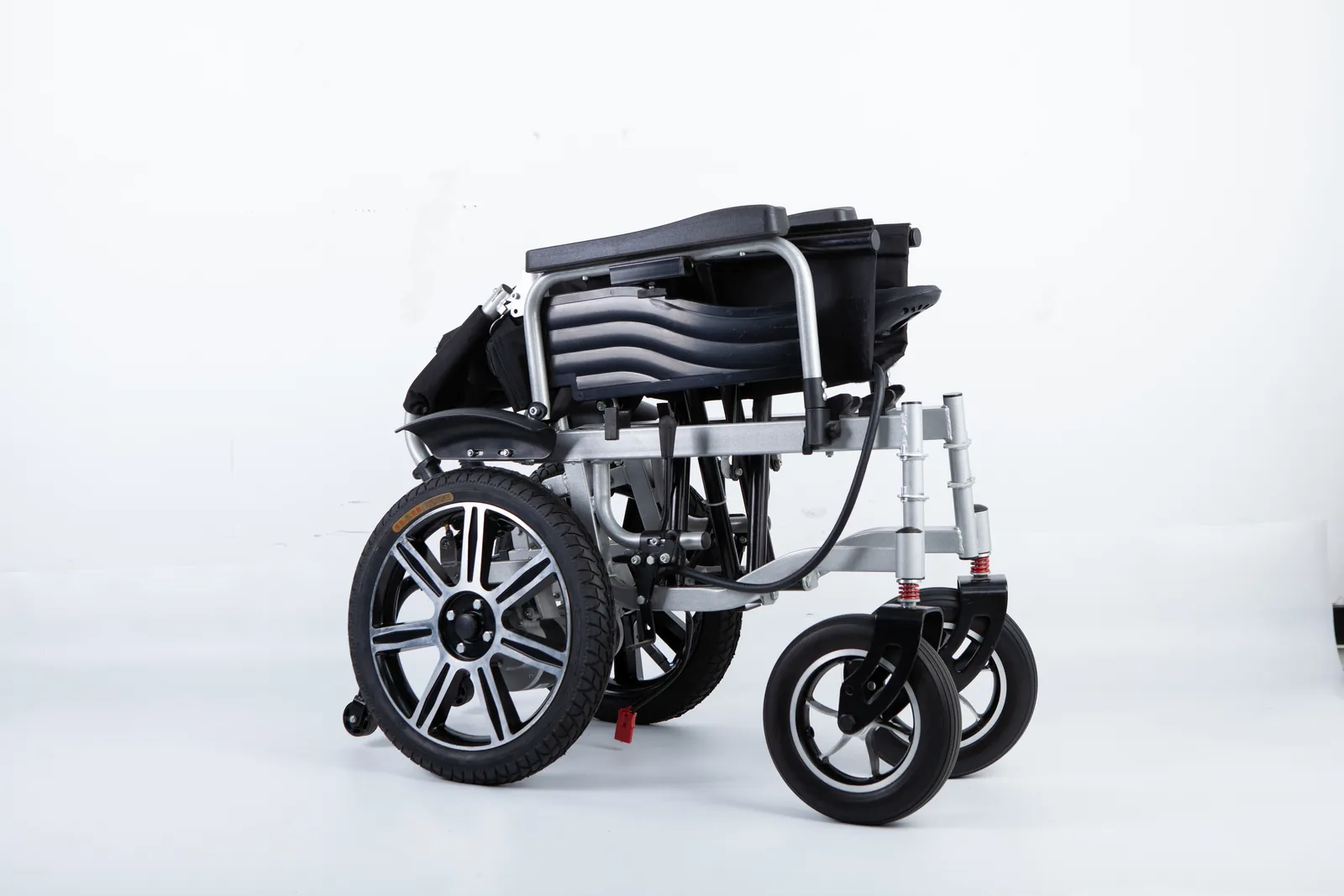
You are planning a car trip and want to know whether you can stay in a power wheelchair in a car while it is moving. The answer depends on evidence about your exact chair, its transit option, the vehicle’s securement system, and the occupant restraint — not on the chair’s brakes or a belt alone.
Staying seated in a power wheelchair while traveling in a car is a documented configuration question, not a general yes-or-no. You need the exact chair model and transit option, the specific securement system, and crashworthy occupant-restraint evidence, checked together by the manufacturer and a qualified transportation professional.
Can you stay in power wheelchair in car: Occupied travel and carrying an empty chair are different
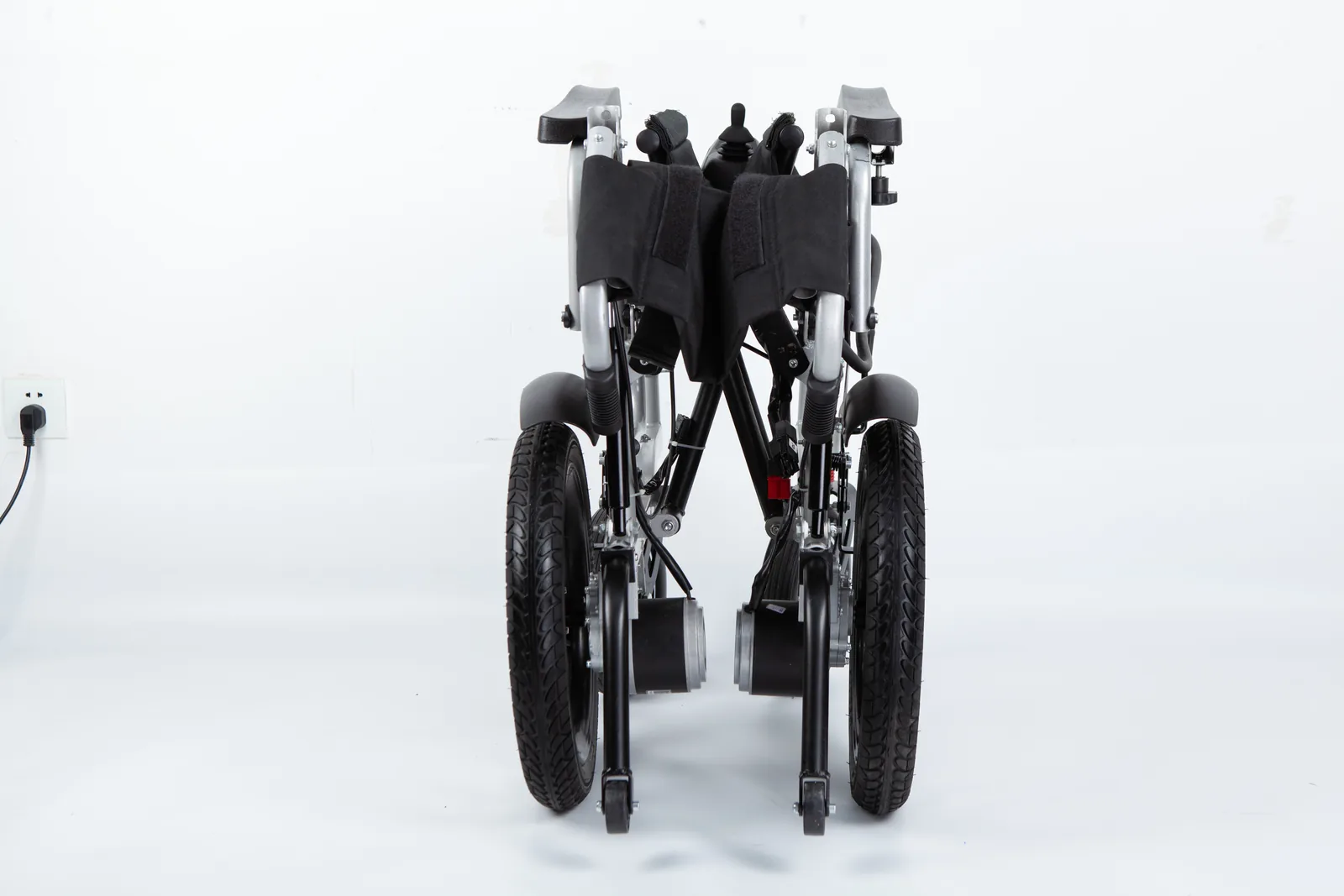
A power wheelchair can appear in a vehicle in two very different roles. In the first, the chair is cargo: it is folded, dismantled, or rolled into a van and secured so it does not move during the trip. In the second, the chair is the passenger’s seat: the person remains in it, the chair is tied to the vehicle, and a separate restraint holds the person’s body. These roles call for different hardware, different documentation, and different questions.
Empty-chair transport is largely a loading and stowage task. The chair needs to fit, be prevented from shifting, and not block the driver or other passengers. Occupied travel is an occupant-protection task. The chair becomes part of the vehicle’s restraint system, and every part of that system — the chair frame, its tiedown points, the vehicle anchorages, and the belt that crosses the occupant — has to work together in a crash.
That difference matters because features that look reassuring are not proof of occupied-use suitability. Wheel locks hold a chair still on a slope; they are not vehicle tiedowns. A posture belt keeps someone upright in the chair; it is not a crash-tested occupant restraint. A chair that fits through a side door and sits neatly behind the driver’s seat has demonstrated nothing about what happens to it at highway speed in a collision. UMTRI’s transportation-safety guidance for wheelchair professionals makes the same point in a different way: the wheelchair model, the transit option, and the specific securement system must be checked together, and posture supports do not replace a crashworthy occupant restraint.
The practical consequence is that “can I stay in my chair in the car?” should be split into at least three narrower questions: Is this exact chair approved for occupied transport? Is the vehicle equipped with a compatible securement system? Is there a documented occupant restraint for this seating configuration? A single “yes” to one of them does not answer the others.
| Travel role | What is being secured | Typical evidence needed | What does not prove it |
|---|---|---|---|
| Empty chair as cargo | The chair only | Stowage and tie-down guidance for the chair; vehicle load limits | A transit option, a seat belt, or wheel locks |
| Occupied travel, chair as seat | Chair plus occupant | Chair transit approval, compatible securement, occupant restraint documentation | Chair fits inside; chair has brakes; a posture belt |
| Transfer to a vehicle seat | The person in the vehicle seat | Vehicle seat and belt information; individual transfer plan | Wheelchair transit paperwork |
This table is a planning aid, not a determination. The middle row is the one this article is about, and it is also the row with the most separate documents to collect. Notice that the evidence column for occupied travel has three entries, not one. That is deliberate: a chair document, a vehicle document, and a restraint document each answer a different part of the question, and a gap in any one of them leaves the combination unresolved. A fleet or family that treats the middle row as a single checkbox will usually discover the gap only when someone asks a specific question — which tiedown points, which anchorage, which belt — and no single document can answer all three.
What WC19 does and does not establish
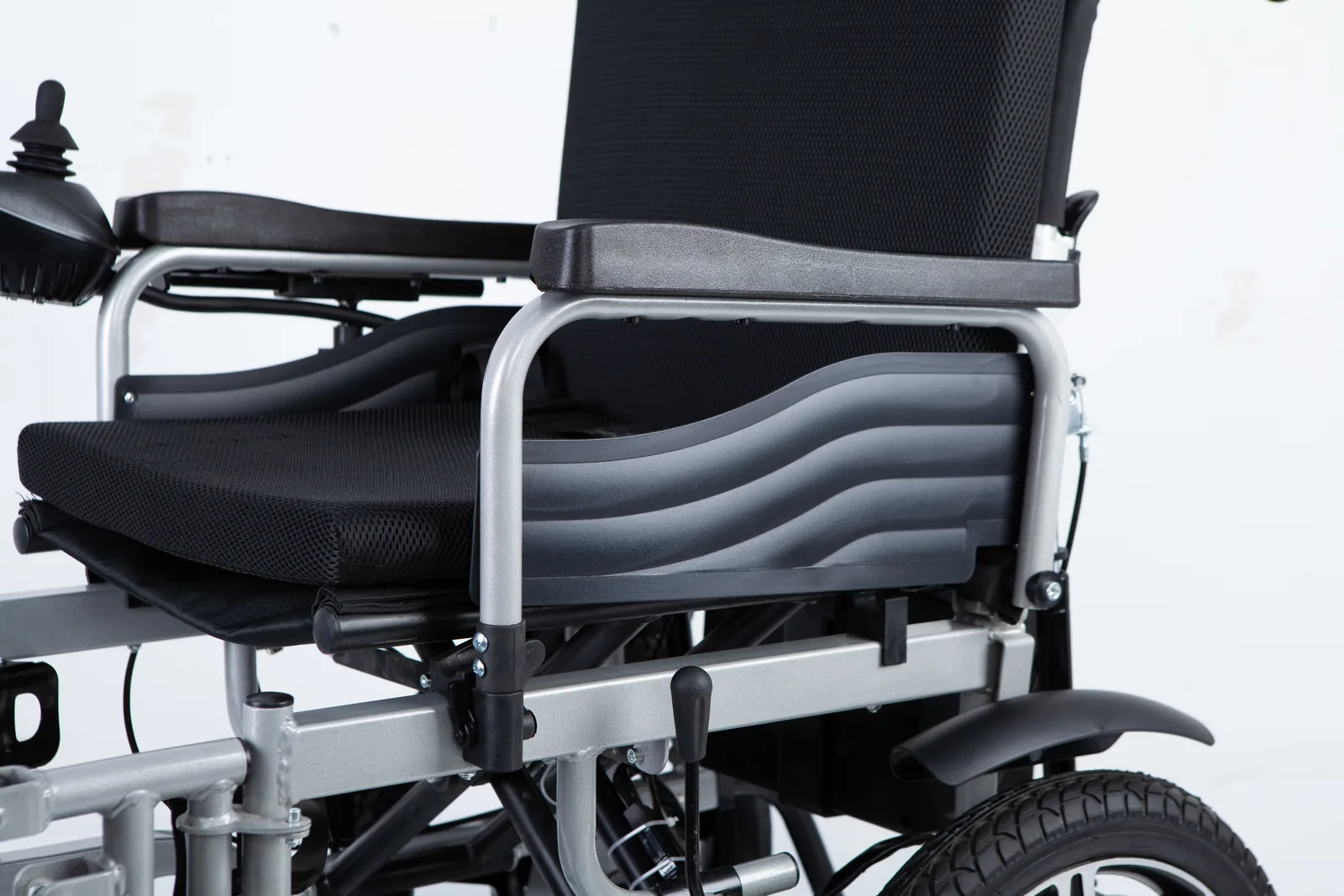
WC19 is a voluntary standard for wheelchairs used as seats in motor vehicles. UMTRI’s explanation of WC19 describes it as a voluntary industry standard, and that word “voluntary” carries real weight. It is not a law that every wheelchair must meet, it is not a government approval of a particular chair, and it is not a statement that a chair works with every vehicle, every tiedown, or every restraint on the market.
What the standard addresses is whether a wheelchair has been designed and tested for the transportation role — including things like accessible tiedown points and crashworthiness of the chair structure when used as a seat. Manufacturers who participate typically make a self-declaration of conformity, meaning the company states that a model meets the standard based on its own testing and documentation. That declaration is a manufacturer statement about a defined product and configuration. It is not an FDA approval, and it is not a regulator’s finding that the chair is safe for you in your vehicle.
Several limits follow from that. A WC19-related declaration applies to the model and configuration it names, not to a whole product family or to every accessory added later. It does not certify the vehicle’s tiedown system, the occupant belt, or the combination of a particular chair with a particular docking station. And it does not replace an individual assessment of seating, posture, or travel tolerance, which belongs with the appropriate clinician and transit professionals.
For readers comparing chairs, the useful takeaway is to treat WC19 as one piece of evidence with a defined scope. Ask what document exists, which model and configuration it covers, when it was issued or revised, and what it explicitly excludes. A marketing badge that says “transit approved” without those details is not the same as a document you can read and check against your chair’s serial number and options list. The distinction is not pedantic: a buyer who accepts the badge as a complete answer may stop collecting the vehicle-side and restraint-side documents that the badge never claimed to cover.
| Claim you may see | What it can mean | What it does not establish |
|---|---|---|
| “Meets WC19” | Manufacturer self-declaration for a named model/configuration | Legal requirement, FDA approval, or fit with your vehicle |
| “Transit option available” | An option exists for some configurations | That your chair has it, or that it is approved with your tiedown |
| “Crash tested” | Testing was performed on a defined setup | That the same result applies to a different setup or restraint |
| “Fits in a minivan” | Physical dimensions suit a space | Occupied-use suitability or occupant protection |
Identify the exact chair and transit configuration
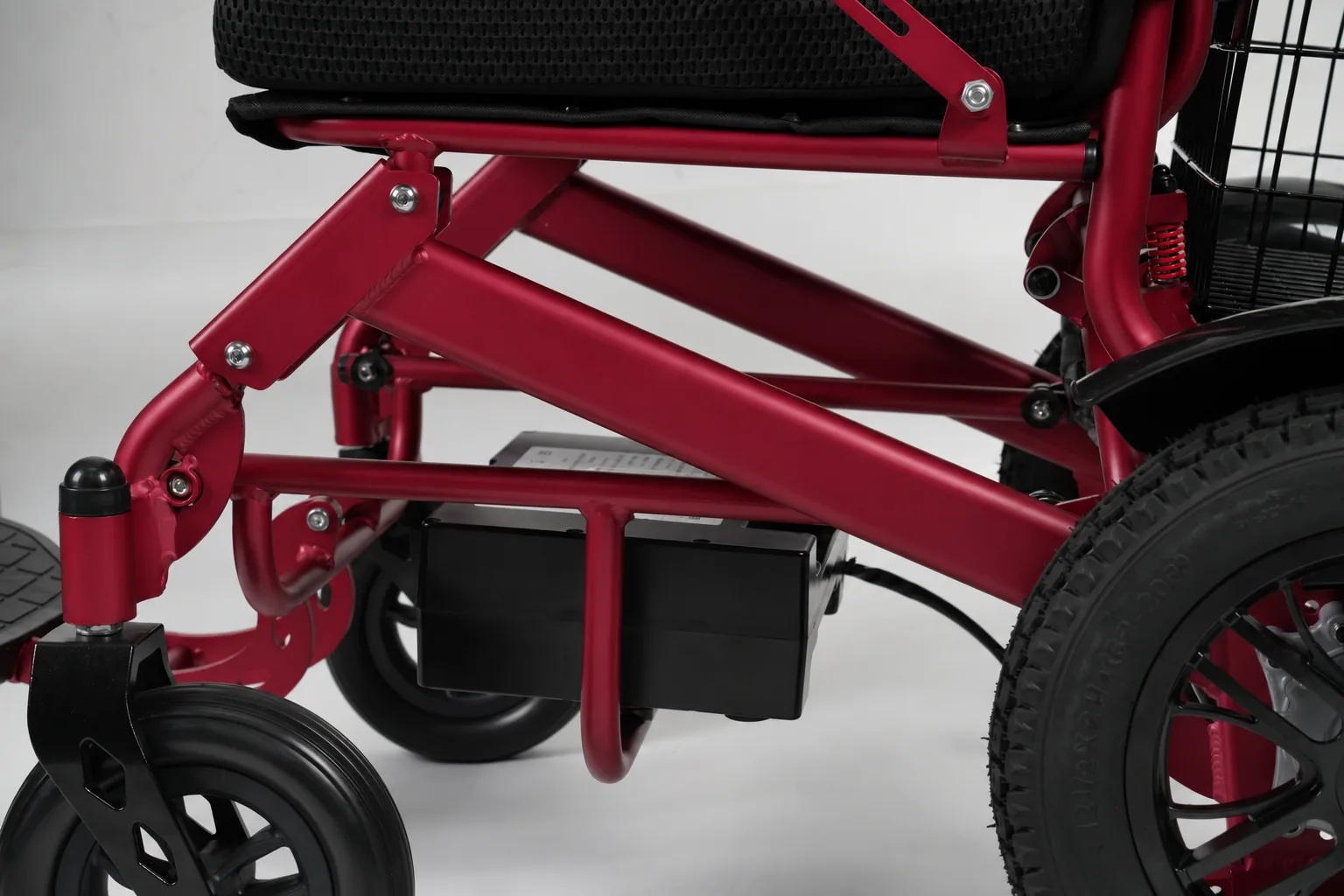
Before anyone can answer the transit question, they need to know which chair they are talking about. “A power wheelchair” is not an identifiable product. A model name alone may still be too broad if the same name covers several configurations, battery options, seating systems, or production ranges. The working record should be specific enough that a manufacturer’s representative or a transit specialist can match it to the right documentation.
Start with the model designation and the serial number or serial range. Then list the transit-related option exactly as it appears in the order or manual — for example, a transport bracket, tiedown points, or a transit-secured seating configuration. Record the manual revision or publication date, because instructions and approvals can change between editions. Note the seating system and any accessories fitted at the time of travel, since a tray, ventilator mount, or added bag can change what was tested. Finally, record the approved seating configuration if the documentation names one; a chair approved with one seat and back may not be approved with another.
This is where a common shortcut fails. A product family may offer a transit option on some models, and a buyer may assume the option applies to every chair in the family. The UMTRI guidance points the other way: the model, the transit option, and the securement system are checked together. The same logic applies to configuration. If the documentation covers “Model X with transit brackets and seating system A,” then Model X with seating system B is a different question until the manufacturer confirms otherwise.
For Wheelchairs Factory readers, nothing in this article should be read as a statement that any particular WCF model has a transit option, holds a WC19 declaration, or has been tested for occupied travel. Those are model-specific facts that must come from the current product documentation and the manufacturer’s own confirmation. The correct starting position is that the evidence is unknown until the exact model and configuration are matched to a document. That stance is not a criticism of any brand; it is simply how configuration-specific documentation works, and it applies equally to every manufacturer a reader might compare.
| Record field | What to write | Why it matters |
|---|---|---|
| Model designation | Exact model name as printed | Prevents family-wide assumptions |
| Serial number / range | Chair’s serial or production range | Ties the record to a build |
| Transit option | Option name and code from order/manual | Confirms the feature is actually fitted |
| Manual revision | Edition and date | Instructions change between versions |
| Seating configuration | Seat, back, and cushions fitted | Approved setups may be specific |
| Accessories at travel | Trays, mounts, bags, other add-ons | May fall outside the tested setup |
Check the securement and occupant-restraint evidence separately
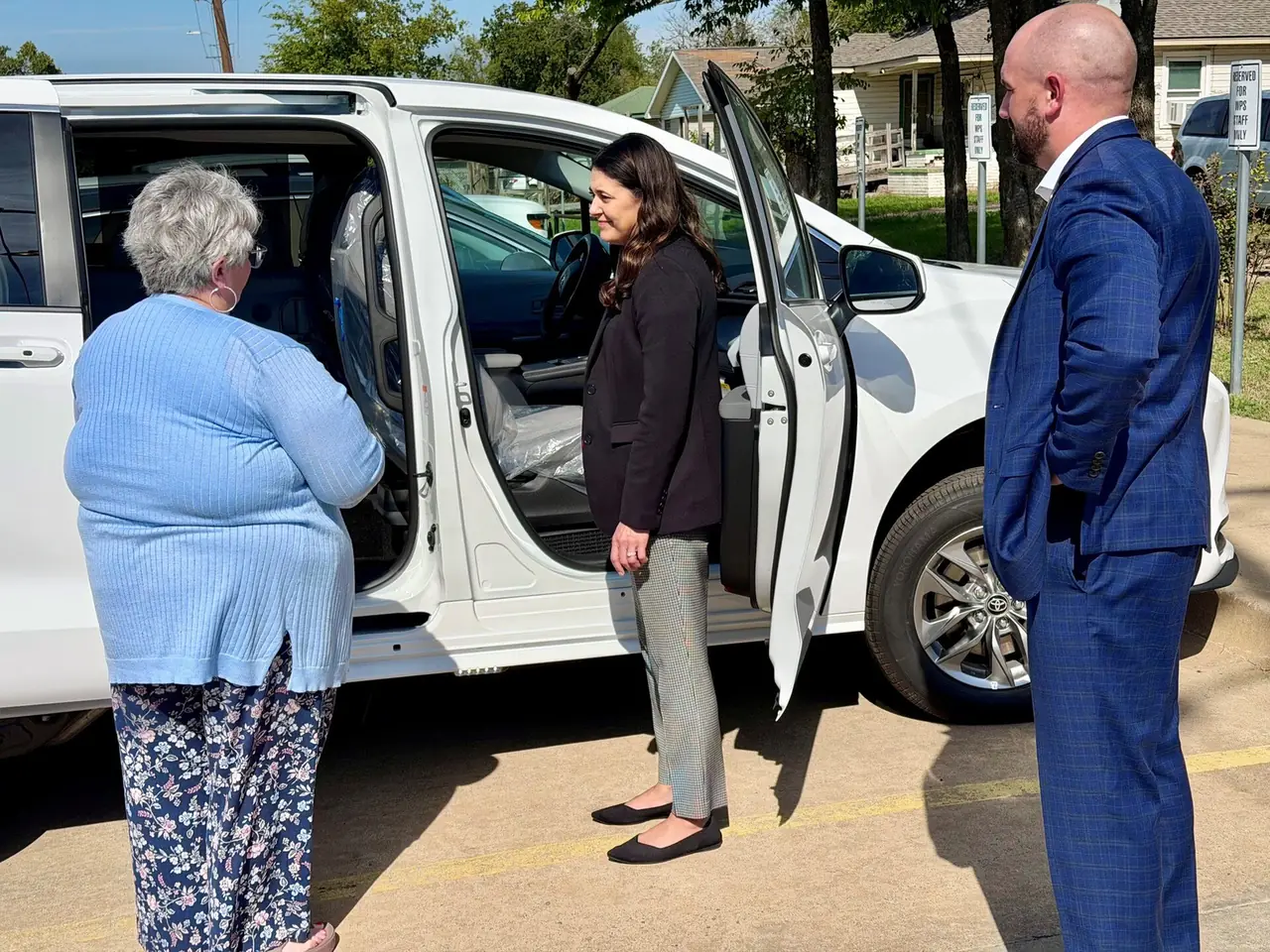
Once the chair is identified, the evidence has to be assembled in parts. The most common planning error is to treat “the chair is transit approved” as a single box that covers the whole trip. In practice, three separate pieces of evidence need to line up: how the chair is held to the vehicle, how the person’s body is restrained, and — if a docking system is used — whether that specific chair-and-dock combination has been addressed.
Wheelchair securement
Securement evidence concerns the chair-to-vehicle connection: which points on the chair are intended for tiedown, what type of system the vehicle uses, and whether the two are documented as compatible. A vehicle with a four-point tiedown system and a chair with no designated tiedown points is not a matched pair, regardless of how stable the chair feels when parked. Ask for the chair-side documentation that names the intended securement method, and ask the vehicle or transit provider for the anchorage information for their system. Neither document alone answers the combination question.
Occupant restraint
Occupant restraint is a separate system that acts on the person, not the chair. It typically involves a belt arrangement anchored to the vehicle or to a crashworthy component, positioned to restrain the occupant’s body in a crash. This is the point where posture belts cause confusion. A posture belt supplied with a wheelchair is generally intended to help with seating position during everyday use; UMTRI’s guidance states that posture supports do not replace a crashworthy occupant restraint. So the presence of a belt on the chair should prompt the question “what is the documented occupant restraint for this travel configuration?” rather than settle it.
Specific docking combinations
Docking systems, where the chair locks into a floor-mounted receiver, are combination questions by nature. The evidence has to cover the chair model and interface, the dock model, and the vehicle installation. A dock that is documented for one chair interface does not automatically cover another, and a chair that is documented for tiedown does not automatically cover docking. These combinations should be confirmed with the manufacturer and with a qualified transportation or mobility professional who can review the actual installation.
| Evidence item | Question to ask | Who can confirm |
|---|---|---|
| Chair securement | Which tiedown points are designated, and for which system? | Chair manufacturer; vehicle upfitter |
| Vehicle anchorage | What securement system is installed, and to what specification? | Vehicle upfitter or transit provider |
| Occupant restraint | Which belt system is documented for this seating setup? | Chair manufacturer; transit safety professional |
| Docking combination | Is this chair interface documented with this dock and vehicle? | Dock maker; installer; manufacturer |
| Seating and posture | Does the seating setup suit the person for travel? | Treating clinician and seating team |
This article does not provide tiedown installation steps, belt routing, or transfer procedures. Those depend on the specific equipment and the person, and they belong with the qualified professionals named in the table. What the reader can do independently is keep the three evidence areas separate in their own notes, so that a partial answer is visibly partial rather than mistaken for a complete one.
Use a pre-trip document request sheet

A document request sheet turns a vague worry into a short list of items that can be requested, tracked, and closed out before travel day. It also protects against the temptation to accept a verbal “it’s fine” as evidence. Build the sheet around the three evidence areas above, and add a column for who is responsible for each answer.
A workable sheet has five columns: the item requested, the source it should come from, the exact model or configuration it must cover, the status (received, pending, or not applicable), and the person or organization confirming it. Keep the wording specific. “Transit documentation” is too broad; “manufacturer statement covering Model X with transit brackets and seating system A, current manual revision” is something a supplier can actually answer.
Use the sheet to record unresolved items rather than to force a conclusion. If the chair-side document arrives but the vehicle-side anchorage information does not, the combination remains open. If the manufacturer confirms a transit option but cannot confirm the occupant restraint for the seating setup, that is a separate open item. The sheet should show those gaps plainly, because they are exactly what the transportation professional needs to see.
| Item | Source | Must cover | Status | Confirming party |
|---|---|---|---|---|
| Chair transit approval | Manufacturer | Exact model, serial range, option | Pending | Manufacturer representative |
| Current manual | Manufacturer | Revision date and transit section | Pending | Supplier or manufacturer |
| Securement specification | Vehicle upfitter | Installed system and anchorages | Pending | Upfitter or transit provider |
| Occupant restraint document | Manufacturer / transit safety professional | Belt system for this seating setup | Pending | Transit safety professional |
| Docking compatibility (if used) | Dock maker / installer | Chair interface plus dock model | Pending | Installer and manufacturer |
| Individual travel plan | Clinical and transit team | Seating, posture, transfer approach | Pending | Treating clinician |
Two cautions belong on the sheet itself. First, a document that covers a different model, a different option, or an earlier manual revision does not close the item. Second, a professional’s review of the actual chair and vehicle is part of the evidence, not a formality after it. Craig Hospital’s personal-vehicle travel guide, revised in 2015, is useful historical clinical education about the questions travelers face, but its fastening instructions should not be copied as a current individualized procedure; equipment and guidance change, and the exact model manual must be rechecked.
If you are organizing this for a fleet, a rental service, or a family, the same sheet works at different scales. A fleet manager can attach it to each vehicle and chair pairing; a family can keep one copy per chair and update it when equipment changes. The wholesale wheelchair first order checklist may help buyers organize model and documentation requests at the purchasing stage, but it does not replace the transit-specific documents described here.
FAQ
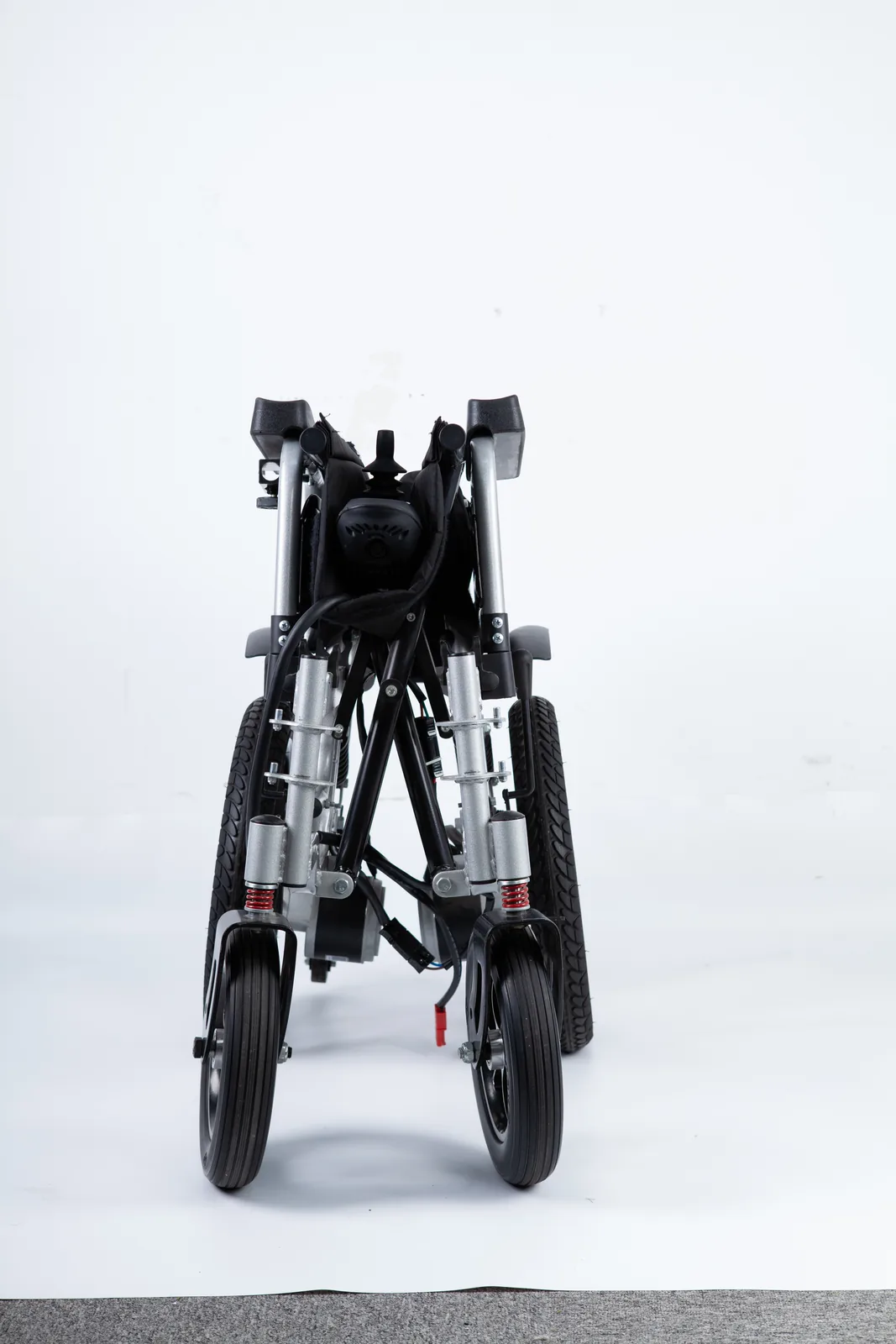
Is a postural belt the same as a vehicle occupant restraint? No. A posture belt is generally intended to support seating position during everyday use. UMTRI’s guidance states that posture supports do not replace a crashworthy occupant restraint, which is a separate system designed to restrain the body in a vehicle crash. Ask the manufacturer and a transit safety professional what occupant restraint is documented for your exact seating configuration.
Does a transit option apply to every configuration in a product family? Not automatically. Transit options and approvals are tied to specific models and configurations. A family may offer a transit option on some builds and not others, and a different seat, back, or accessory can fall outside what was documented. Check the exact model, serial range, option, and manual revision rather than assuming the family label covers your chair.
Does a wheelchair fitting inside a vehicle prove occupied-use suitability? No. Fitting is a physical-space question. Occupied travel also requires documented chair securement, a compatible vehicle anchorage, and an occupant restraint for the seating setup. A chair that stows neatly may still have no evidence for use as a seat in a moving vehicle.
Conclusion
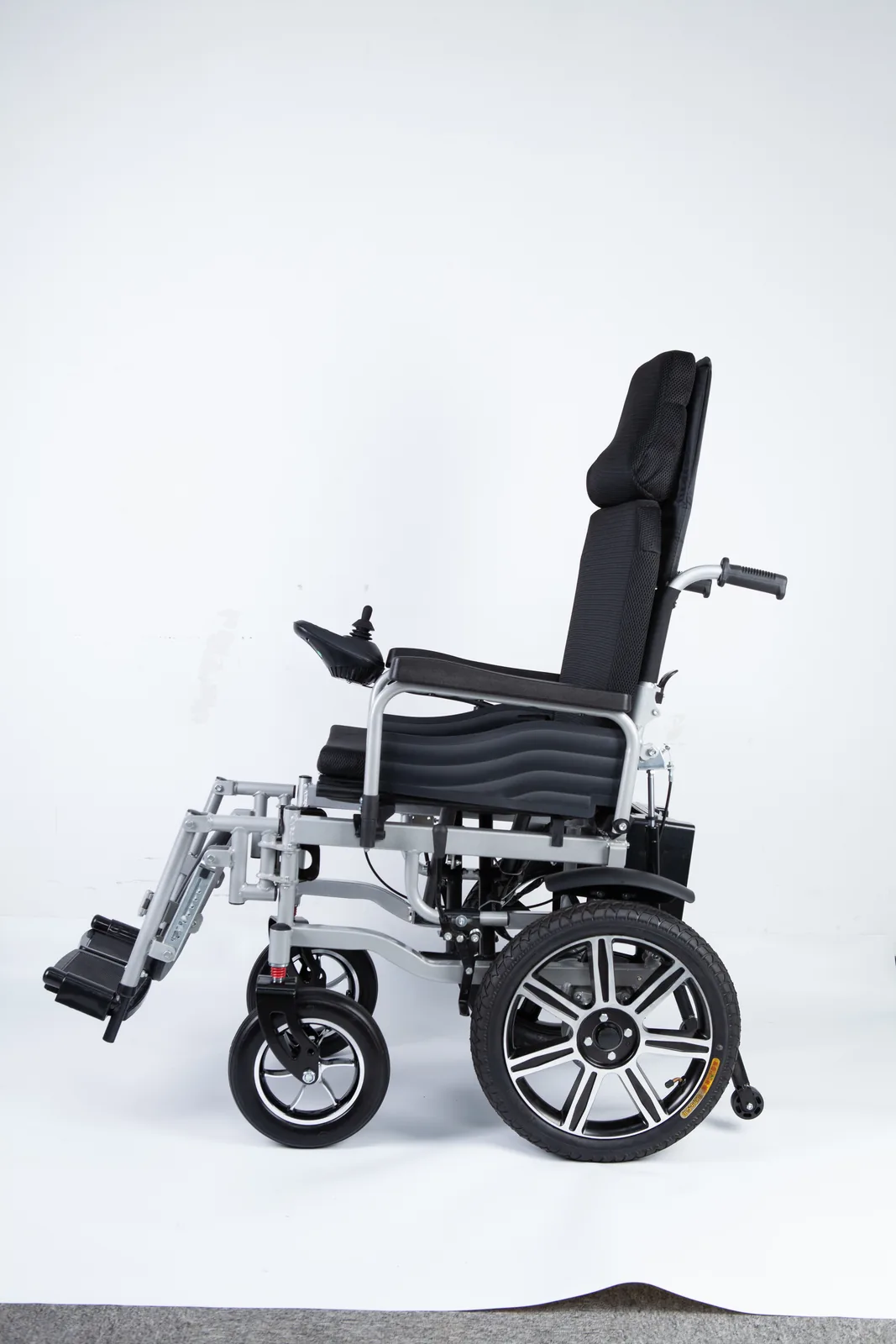
Separate empty-chair stowage from occupied travel, then collect chair, securement, and restraint evidence for your exact configuration. Confirm each item with the manufacturer and a qualified transportation professional before the trip.
Video: WC19 Compliant Power Wheelchair