
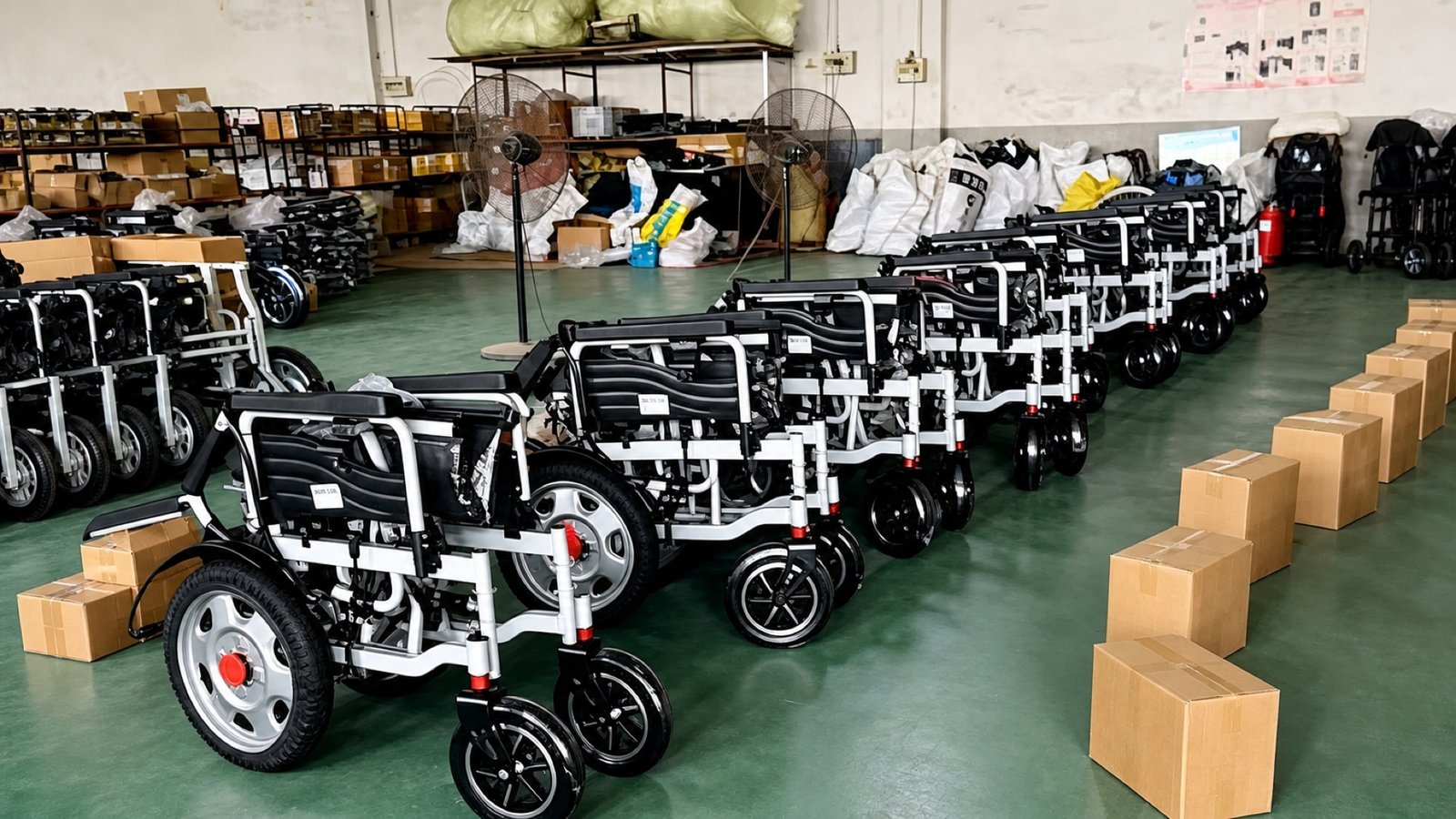
Wheelchair model names can look similar while the sourcing details behind them are very different. For a distributor, importer or private-label buyer, a useful comparison starts with the intended user and ends with a model-specific quotation that records the exact configuration.
The following review points help purchasing teams compare alternatives on the same basis and reduce avoidable clarification later in the order process.
1. Define the use scenario first
Begin with how and where the wheelchair will be used. Consider whether the product is mainly for indoor mobility, routine outdoor travel, attendant use, self-propulsion, transport between locations or compact storage. The answer helps narrow the product category before individual features are compared.
It is also helpful to describe the expected user profile and any practical requirements such as transfer access, folding, storage space or common accessories. Avoid selecting a model from appearance alone; the use case should lead the discussion.
2. Compare specifications on the same basis
Ask for a current model sheet or quotation and compare the same fields for every candidate. Typical fields include overall dimensions, folded dimensions, seat size, product weight, stated load rating, frame material, wheel configuration and carton measurements. Electric models may also require confirmation of the battery, motor, controller and charger configuration.
Do not combine figures from an old brochure, a marketplace listing and a new quotation. Specifications can vary by configuration, so the purchasing record should identify the exact model and version being offered.
3. Confirm configuration and service items
Small configuration differences can affect user experience, packaging and after-sales support. Confirm the selected armrest and footrest style, upholstery or cushion option, controller position where applicable, safety accessories, battery and charger option, and any spare parts required with the first order.
For private-label projects, agree which items are standard and which are optional before discussing branding. This keeps the product specification separate from artwork, labeling and packaging decisions.
4. State the destination market early
The destination country and sales channel influence the documents, labeling, language and packaging information a buyer may request. Share the destination at the beginning of the enquiry and ask the supplier to confirm what can be provided for that specific model and order.
Requirements should be checked against current destination rules and the buyer’s own compliance process. A general product description is not a substitute for model-specific documentation.
5. Review the complete order, not only the unit
A clear comparison also includes order quantity, color or finish, accessory mix, branding scope, carton and label requirements, manuals, sample expectations, delivery window and destination port. These details can change the quotation and production plan even when the base model is unchanged.
A concise RFQ checklist
- Intended use and user requirements
- Destination country and sales channel
- Model or product category to be compared
- Required configuration, accessories and spare parts
- Estimated quantity and repeat-order expectation
- Branding, packaging, labeling and manual requirements
- Requested documents, delivery window and destination port
A well-structured enquiry makes model comparison faster and more useful for both sides. SANYANG can prepare a model-specific sourcing response after the category, quantity, destination and required configuration are confirmed.